
Camponotus voeltzkowii
- Sci. Name
- Camponotus voeltzkowii
- Subgenus
- Mayria
- Tribe
- Camponotini
- Subfamily
- Formicinae
- Author
- Forel, 1894
- Distribution
- Found in 1 countries
Introduction
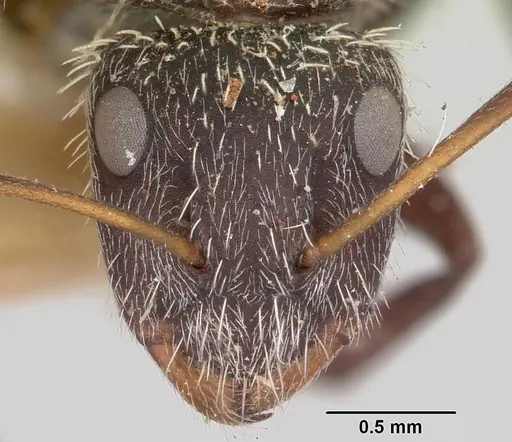
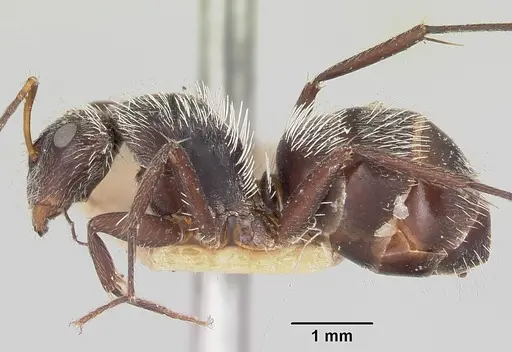
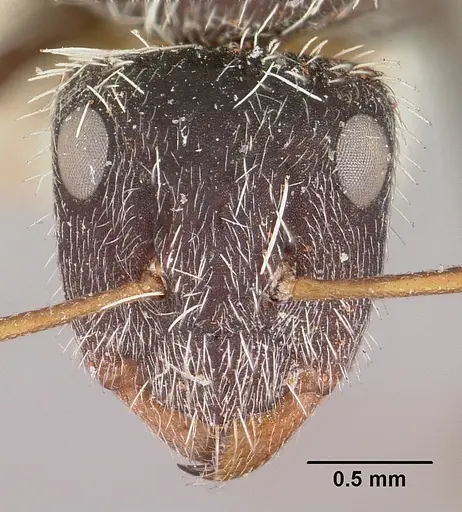
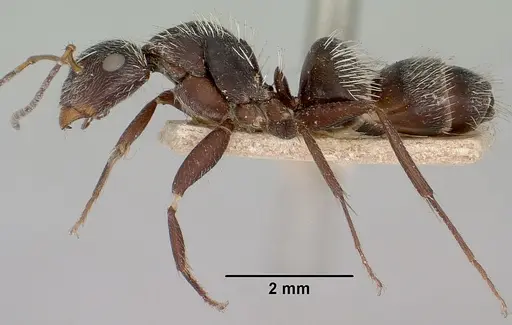
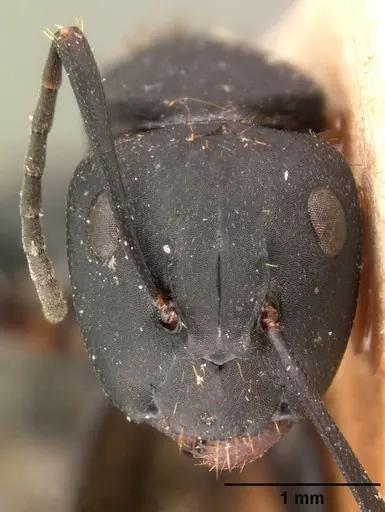
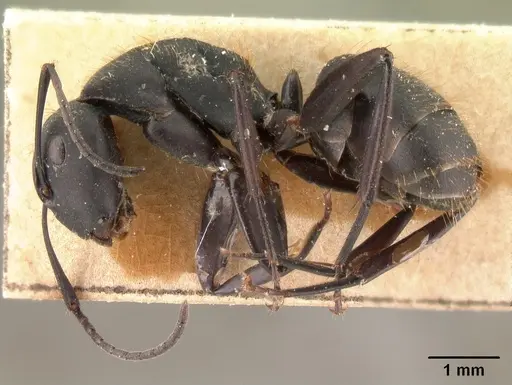
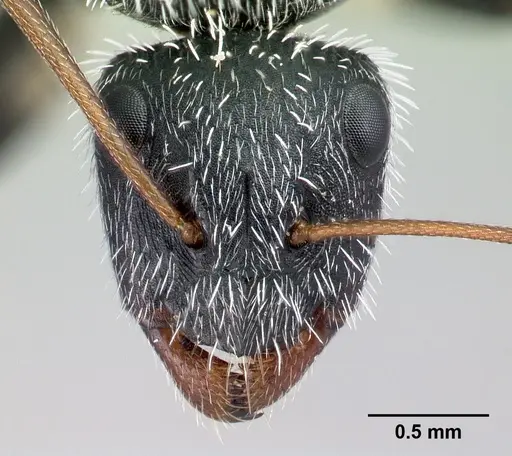
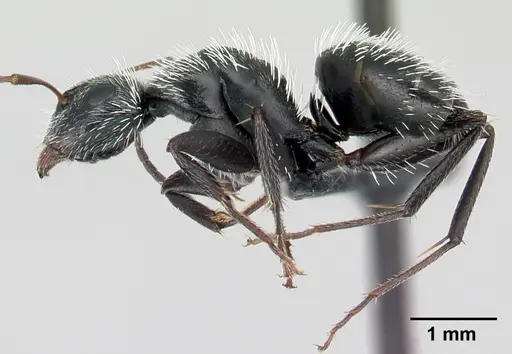
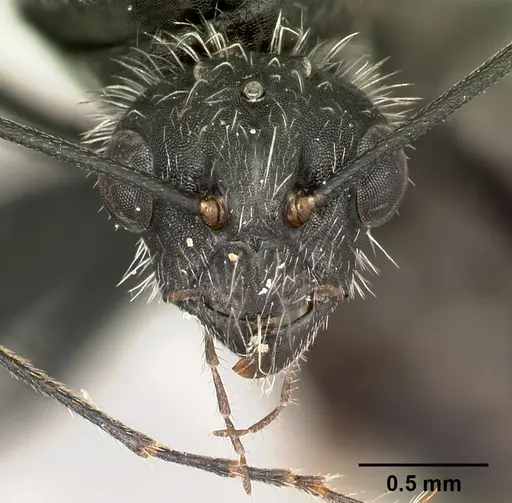
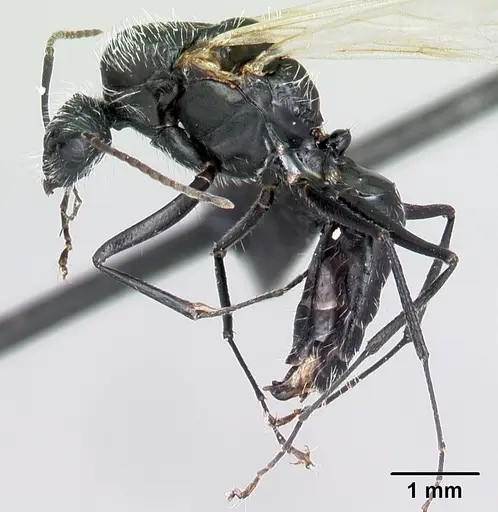
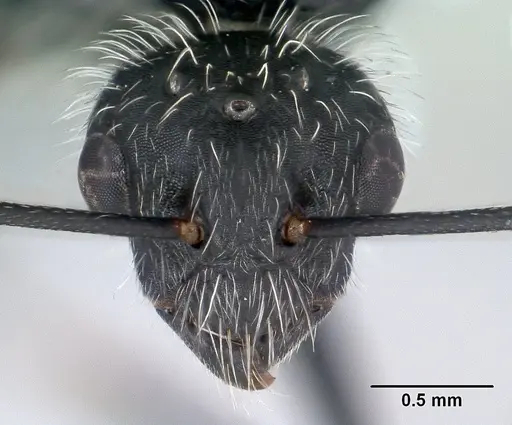
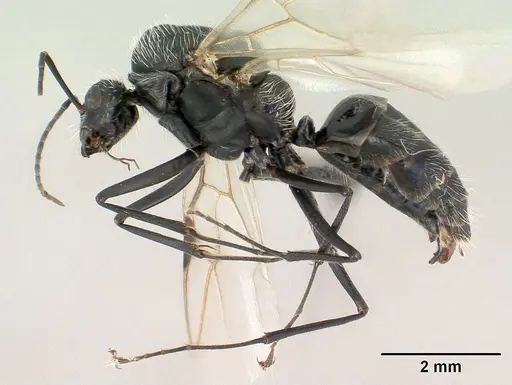
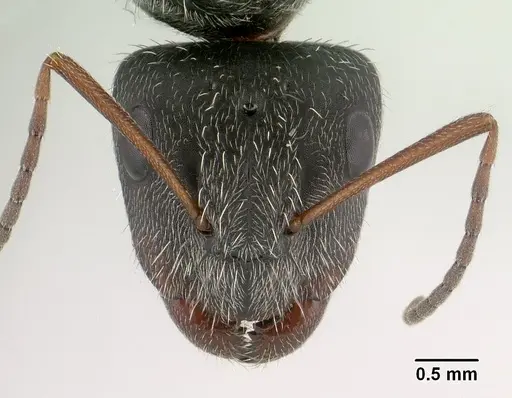
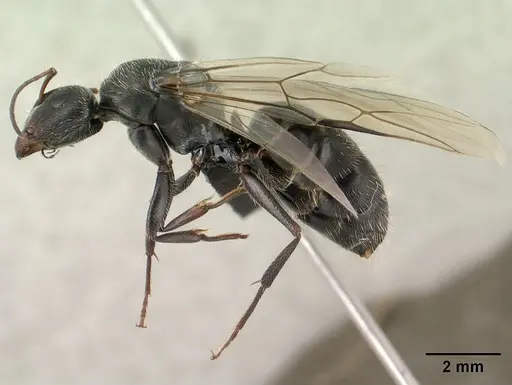
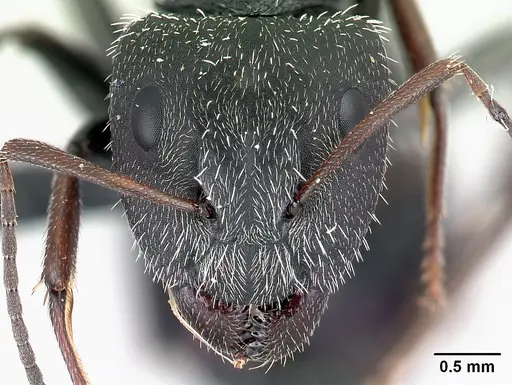
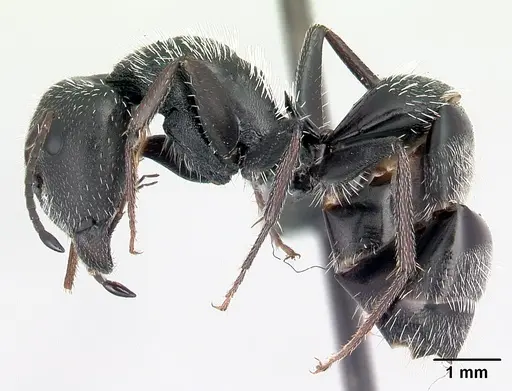
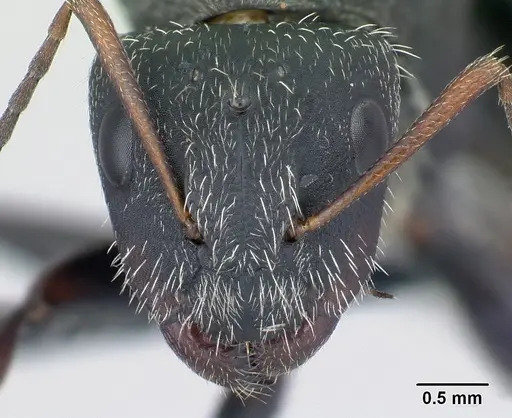
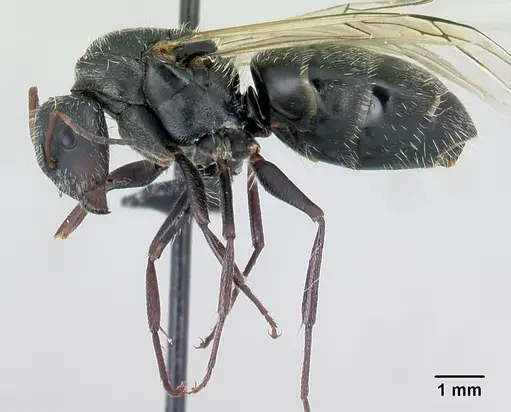
Camponotus voeltzkowii is a black ant species native to Madagascar, belonging to the Camponotus madagascarensis species group. Workers are black with randomly scattered whitish erect hairs across the head, mesosoma, and legs, giving them a distinctive fuzzy appearance. Minor workers measure around 4-6mm while majors are larger with a more robust head. This species is one of the most common ants in the niveosetosus group across western Madagascar . This species is notable for its adaptability to multiple nesting microhabitats. Colonies nest under stones on the forest floor, in rotting logs, or in dead branches and twigs in trees. Workers forage on the ground through leaf litter and on lower vegetation. The species tolerates a wide range of natural habitats from dry forests to rainforests and even survives in disturbed areas and urban gardens .
Quick Summary
- Difficulty: Medium
- Origin & Habitat: Madagascar, widespread in western regions including dry forest on Tsingy, gallery forest, littoral forest, spiny bush in the south, Uapaca woodland of the central high plateau, and eastern rainforests. Also found in anthropogenic habitats like disturbed forests and urban gardens [1].
- Colony Type: Single-queen colonies, typical for Camponotus species. Colonies nest under stones, in rotten logs, or in dead branches or twigs of trees [1].
- Size & Growth:
- Queen: ~10-12mm, inferred from Camponotus genus patterns (queens typically 10-15mm)
- Worker: Minor workers 4-6mm, major workers 6-9mm [1]
- Colony: Several hundred workers, estimated based on similar Madagascar Camponotus species
- Growth: Moderate
- Development: 8-12 weeks at optimal temperature, estimated based on genus patterns (Development time is temperature-dependent, warmer conditions within range accelerate development)
- Antkeeping:
- Temperature: Keep at 24-28°C, this is a tropical Madagascar species that prefers warm conditions. A slight gradient allowing cooler areas around 22°C is beneficial. Avoid temperatures below 20°C for extended periods.
- Humidity: Moderate to high, provide a moist nest substrate but ensure good ventilation. These ants live in forest environments so they appreciate some humidity but not saturated conditions. A hydration point in the nest area works well.
- Diapause: No, as a tropical species from Madagascar, they do not require hibernation. Keep them at stable warm temperatures year-round.
- Nesting: Accepts most nest types, Y-tong (AAC), plaster, or naturalistic setups with soil or rotting wood. They naturally nest under stones or in rotting wood, so provide appropriate substrate. Tight-fitting lids are important as they are moderate-sized ants that can escape through gaps.
- Behavior: Generally calm and non-aggressive foragers. Workers forage individually through leaf litter and on lower vegetation. They are not particularly defensive and rarely sting. Escape risk is moderate, use standard barriers but no special escape prevention needed beyond secure lids. They accept sugar water and protein foods readily.
- Common Issues: tropical species may struggle if kept too cool, maintain warm temperatures consistently, colonies can be slow to establish initially, be patient during founding phase, wild-caught colonies may carry parasites or pathogens, quarantine and monitor new colonies, major workers can be aggressive toward minor workers during feeding, provide enough food for all castes
Nest Preferences and Housing
Camponotus voeltzkowii naturally nests under stones on the forest floor, in rotting logs, and in dead branches or twigs of trees [1]. For captive care, they adapt well to various nest types including Y-tong (acrylic) nests, plaster nests, or naturalistic setups with soil and rotting wood. Provide a nest chamber sized appropriately for the colony size, they don't need enormous spaces initially but will expand as the colony grows.
Since they naturally nest in rotting wood and under stones, adding some decaying wood material or a stone in a naturalistic setup can help them feel at home. Ensure the nest has a hydration point (water tube or moist cotton) but avoid flooding. Good ventilation is important to prevent mold while maintaining moderate humidity.
Feeding and Diet
Like most Camponotus species, C. voeltzkowii is omnivorous and accepts a variety of foods. In nature, they forage for honeydew from aphids and scale insects, and hunt small invertebrates. In captivity, offer sugar water or honey as a constant energy source. For protein, provide small insects like fruit flies, small mealworms, or cricket pieces.
Feed protein 2-3 times per week, removing uneaten prey after 24 hours. Sugar water or honey should be available continuously, replace every few days to prevent fermentation. These ants are moderate feeders and won't overload on food, so monitor consumption patterns. Major workers may dominate food initially but will allow minors to feed once satiated.
Temperature and Seasonal Care
As a tropical species from Madagascar, C. voeltzkowii requires warm temperatures year-round. Maintain nest temperatures between 24-28°C for optimal brood development. A heating cable or mat on one side of the nest can create a beneficial gradient, allowing workers to self-regulate by moving between warmer and cooler areas.
Do not allow temperatures to drop below 20°C for extended periods, this species has no diapause requirement and cold exposure can weaken or kill colonies. Room temperature may be sufficient in warm climates, but most keepers need to provide supplemental heating. Keep them away from air conditioning vents and drafts. [1]
Colony Founding and Growth
Queens are claustral, they seal themselves in a chamber and raise their first workers entirely on stored body fat reserves without foraging. After mating, the queen digs a small chamber, seals the entrance, and lays eggs. She feeds the larvae until the first workers (nanitics) emerge, typically smaller than normal workers.
Colony growth is moderate, expect 6-12 months from founding to a established colony of 50+ workers. The first major workers usually appear when the colony reaches around 50-100 workers. Patience is key during the founding phase as the queen is vulnerable and the colony grows slowly until the first workers emerge.
Behavior and Temperament
Camponotus voeltzkowii workers are calm foragers that move deliberately through leaf litter and on low vegetation. They are not particularly aggressive or defensive, and their sting is mild if present at all. Workers operate individually rather than in coordinated raids, making them relatively easy to observe.
The species is moderately active, you'll see regular foraging activity especially in the evening and night hours. They establish clear foraging routes once they discover food sources. Major workers have larger heads and may dominate at food discoveries, but they share with minor workers once they've fed. [1]
Frequently Asked Questions
How long does it take for Camponotus voeltzkowii to produce first workers?
Expect first workers (nanitics) to emerge around 8-12 weeks after the queen lays eggs, assuming optimal temperatures of 24-28°C. This timeline varies based on temperature, warmer conditions speed development while cooler temperatures delay it. Be patient during founding as the queen is sealed in and you won't see activity until the first workers emerge.
Can I keep Camponotus voeltzkowii in a test tube setup?
Yes, test tubes work well for founding colonies. Use a standard test tube with a water reservoir sealed with cotton, the queen will lay eggs in the dry end. Once the colony reaches 20-30 workers and you see brood piles, consider moving to a larger formicarium or adding an outworld connected to the test tube.
What temperature do Camponotus voeltzkowii need?
Keep them at 24-28°C for optimal health and brood development. This is a tropical Madagascar species that requires warm conditions year-round. A heating cable on part of the nest creates a gradient. Avoid temperatures below 20°C, they have no cold tolerance and no hibernation requirement.
Are Camponotus voeltzkowii good for beginners?
This species is rated as medium difficulty, they're more challenging than common temperate species like Lasius but not as difficult as some exotic ants. They require warm temperatures year-round and have longer development times. They're rewarding for keepers who can maintain consistent tropical conditions.
How big do Camponotus voeltzkowii colonies get?
Based on similar Madagascar Camponotus species, colonies likely reach several hundred workers over 2-3 years. Major workers appear when the colony is established. They are not among the largest Camponotus species but can form impressive colonies with distinct minor and major castes.
Do Camponotus voeltzkowii need hibernation?
No, as a tropical species from Madagascar, they do not require hibernation or winter cooling. Keep temperatures stable and warm year-round (24-28°C). Attempting to hibernate this species can be harmful or fatal.
What do Camponotus voeltzkowii eat?
They accept sugar sources (honey, sugar water) and protein (small insects like fruit flies, mealworms, crickets). Offer sugar water constantly and protein 2-3 times per week. Remove uneaten protein after 24 hours. They forage individually so food can be placed in an outworld connected to the nest.
When should I move Camponotus voeltzkowii to a formicarium?
Move from a test tube to a formicarium when the colony reaches 30-50 workers and you notice the test tube becoming crowded or the water reservoir depleted. Alternatively, connect an outworld to the test tube first to give them more foraging space before a full transfer.
Can I keep multiple Camponotus voeltzkowii queens together?
No, this species is monogyne (single queen). Unlike some ants that can form multi-queen colonies, C. voeltzkowii colonies have one queen. If you find multiple queens (such as in a claustral founding attempt), they will fight once workers emerge. Only keep one queen per colony.
Report an Issue
The current care sheet is based fully on literature. See inconsistencies, or something that's incorrect? Please , it will be resolved after review from an admin. Contributing to the blogs tab also helps providing information, to make us be able to further improve the caresheets. Thank you for your support!
References

This caresheet is licensed under CC BY-SA 4.0 .
Community Blogs
CASENT0101376
View on AntWeb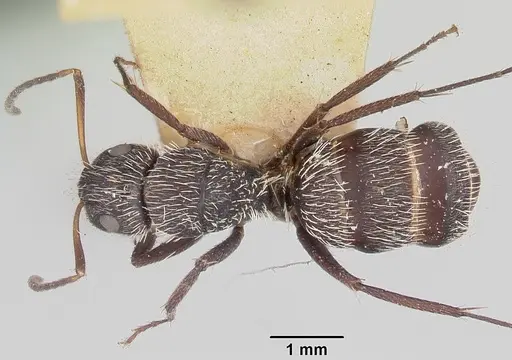
CASENT0101377
View on AntWeb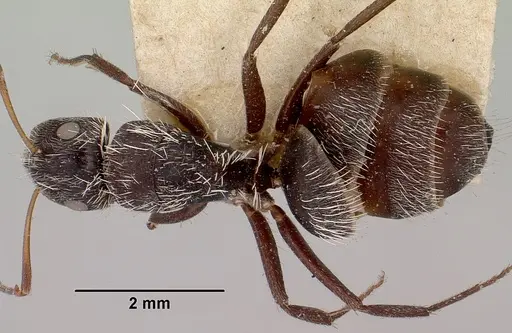
CASENT0101424
View on AntWeb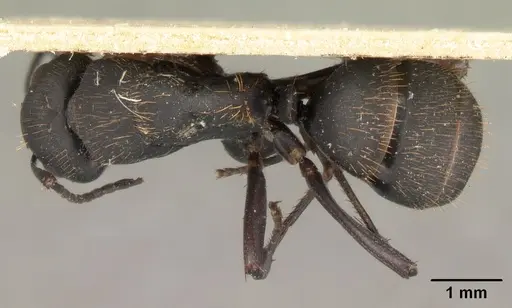
CASENT0121619
View on AntWeb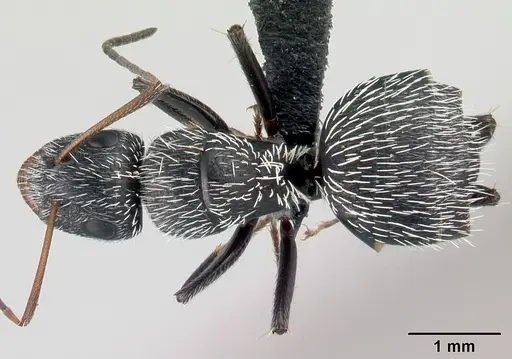
CASENT0122645
View on AntWeb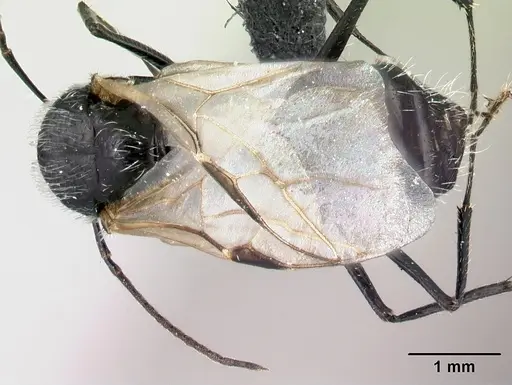
CASENT0132987
View on AntWeb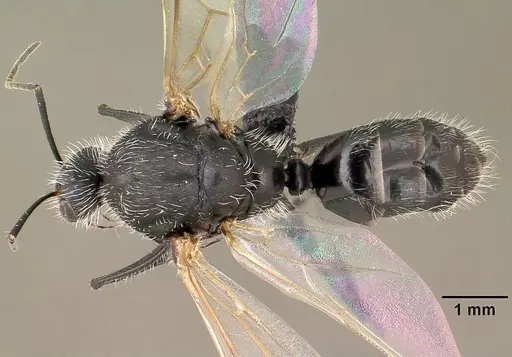
CASENT0135748
View on AntWeb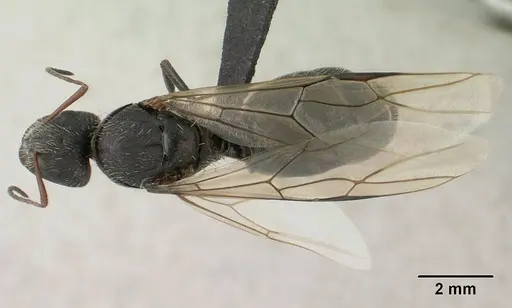
CASENT0217295
View on AntWeb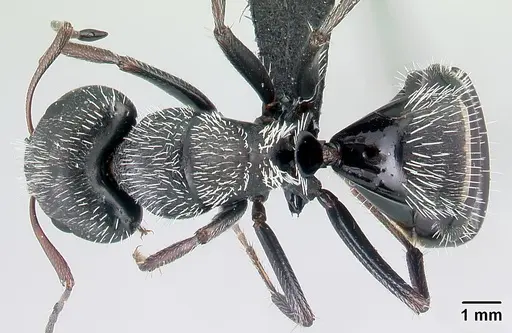
CASENT0444376
View on AntWeb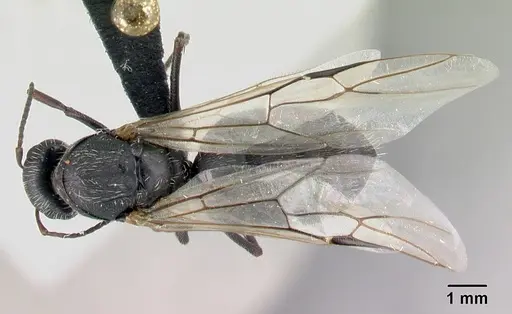
Literature
Loading distribution map...Loading products...