
Camponotus varius
- Sci. Name
- Camponotus varius
- Subgenus
- Myrmentoma
- Tribe
- Camponotini
- Subfamily
- Formicinae
- Author
- Donisthorpe, 1943
- Distribution
- Found in 1 countries
Introduction
Camponotus varius is a small carpenter ant species endemic to India. Workers are polymorphic, meaning they come in different sizes within the same colony - a common trait in the genus Camponotus. The species was described in 1943 from specimens collected in Tamil Nadu at an elevation of around 3000 feet. This ant belongs to the subgenus Myrmentoma, which contains smaller carpenter ant species known for their relatively slender build. The species remains poorly studied, with most knowledge coming from limited collection records in Tamil Nadu and West Bengal .
Quick Summary
- Difficulty: Unknown, this species has not been documented in the antkeeping hobby
- Origin & Habitat: Endemic to India, specifically recorded from Tamil Nadu and West Bengal. The type locality is Muthikolam in the Coimbatore district at approximately 3000 feet elevation [1][2]. The habitat suggests a tropical to subtropical montane environment.
- Colony Type: Unconfirmed. Based on typical Camponotus patterns, likely single-queen colonies (monogyne), though this has not been directly documented for this species.
- Size & Growth:
- Queen: size data unavailable
- Worker: size data unavailable
- Colony: Unknown, no colony size data available
- Growth: Unknown, no development studies exist for this species
- Development: Unconfirmed, no direct data exists for this species. (Development time is unstudied.)
- Antkeeping:
- Temperature: Temperature requirements are unconfirmed. Based on the tropical to subtropical origin from southern and eastern India, aim for 24-28°C and observe colony behavior.
- Humidity: Humidity requirements are unconfirmed. Based on typical Camponotus nesting preferences, maintain moderate humidity in the nest area with access to water.
- Diapause: Unknown, no studies on overwintering requirements exist. Indian species may have reduced activity during cooler months rather than true hibernation.
- Nesting: In nature, Camponotus species typically nest in rotting wood or under stones. For captivity, a Y-tong (AAC) nest, wooden formicarium, or plaster nest works well. Provide a dark, secure nesting area.
- Behavior: Not documented in captivity. Based on genus-typical behavior, these ants are likely relatively docile with moderate foraging activity. They probably forage for honeydew and small insects. Escape risk is moderate, Camponotus workers can climb smooth surfaces but are not as small as some escape artists. As with all Camponotus species, they lack a functional sting and instead bite and spray formic acid from their acidopore as a defense mechanism.
- Common Issues: this species has never been documented in the antkeeping hobby, so no established care protocols exist, no information on colony founding success rates in captivity, wild-caught colonies may carry parasites or diseases not yet characterized, temperature and humidity requirements are inferred, not confirmed, no data on acceptable foods or feeding schedules, difficulty rating remains unknown due to lack of captive observations
Species Identification and Status
Camponotus varius was originally described by Donisthorpe in 1943 from a single worker collected in Muthikolam, Coimbatore district, Tamil Nadu, India at an elevation of approximately 3000 feet. The type specimen is deposited in the British Museum of Natural History. The species remains valid according to subsequent taxonomic reviews and is recognized as endemic to India, with confirmed records from Tamil Nadu and West Bengal [1][2]. The species belongs to the subgenus Myrmentoma, a group of smaller carpenter ants. This is a rarely encountered species in both scientific collections and the antkeeping hobby.
Natural History
The natural history of Camponotus varius remains essentially undocumented in scientific literature. The limited collection data indicates this species inhabits the tropical to subtropical regions of southern and eastern India. Like other Camponotus species, they likely nest in rotting wood, under bark, or in existing cavities in trees or stumps. Workers are polymorphic (varying sizes), which is typical for the genus. The elevation of 3000 feet where the type was collected suggests they can tolerate somewhat cooler conditions than true lowland tropical ants. No information exists on their diet, reproductive biology, or colony structure in the wild. [1][2]
Housing in Captivity
Since this species has never been documented in the antkeeping hobby, there are no established care protocols. Based on genus-typical requirements, provide a nest that offers darkness, security, and moderate humidity. Y-tong (AAC) nests, wooden formicariums, or plaster nests with water channels work well for Camponotus species. The outworld should allow for foraging space. Ensure the nest has chambers appropriately sized to the worker population, Camponotus prefer snugger chambers than some genera. A test tube setup can work for founding colonies, but monitor for mold and drying.
Feeding and Diet
No specific feeding data exists for Camponotus varius. Based on typical Camponotus diet, they likely consume honeydew from aphids and scale insects, along with small insects for protein. In captivity, offer sugar water or honey water as a constant energy source. For protein, provide small insects like fruit flies, small mealworms, or cricket parts. Observe your colony's preferences and adjust offerings accordingly. Remove uneaten food to prevent mold.
Temperature and Seasonal Care
No thermal studies exist for this species. Based on the Indian origin (Tamil Nadu, West Bengal), they likely prefer warm conditions in the range of 24-28°C. Avoid temperatures below 20°C for extended periods. Monitor colony behavior, if workers cluster near the heat source, increase temperature slightly, if they avoid heated areas, reduce heat. The seasonal requirements are unknown, but Indian species may show reduced activity during monsoon-cooler periods rather than entering true diapause.
Frequently Asked Questions
How do I keep Camponotus varius ants?
This species has never been documented in the antkeeping hobby, so no established care protocols exist. Based on typical Camponotus requirements, provide a secure nest with moderate humidity, maintain temperatures around 24-28°C, and offer sugar water plus small insects. Proceed with caution and document your observations carefully.
What do Camponotus varius ants eat?
No specific feeding data exists. Based on genus-typical diet, they likely accept sugar sources (honey water, sugar water) and small insects (fruit flies, small mealworms). Start with these basics and observe what your colony accepts.
How long does it take for Camponotus varius to develop from egg to worker?
This has not been studied. Development time is unconfirmed for this species.
Are Camponotus varius ants good for beginners?
This species cannot be recommended for beginners because it has never been documented in captivity and no established care protocols exist. The requirements are inferred from genus-typical behavior rather than species-specific studies.
Where is Camponotus varius found?
This species is endemic to India, specifically recorded from Tamil Nadu (type locality) and West Bengal. The type was collected at approximately 3000 feet elevation in the Coimbatore district.
How big do Camponotus varius colonies get?
No colony size data exists in the scientific literature. Colony size is unconfirmed for this species.
Can I keep multiple queens together?
No data exists on colony founding for this species. Based on typical Camponotus behavior, single-queen colonies are most common. Do not attempt combining unrelated queens without proper research.
Do Camponotus varius need hibernation?
No studies exist on overwintering requirements. Diapause needs are unconfirmed for this species.
Is Camponotus varius available in the antkeeping hobby?
This species has not been documented in the antkeeping hobby. It may be extremely rare or nonexistent in captive breeding. Any available colonies would likely be wild-caught imports from India.
Report an Issue
The current care sheet is based fully on literature. See inconsistencies, or something that's incorrect? Please , it will be resolved after review from an admin. Contributing to the blogs tab also helps providing information, to make us be able to further improve the caresheets. Thank you for your support!
References

This caresheet is licensed under CC BY-SA 4.0 .
Community Blogs
CASENT0903574
View on AntWeb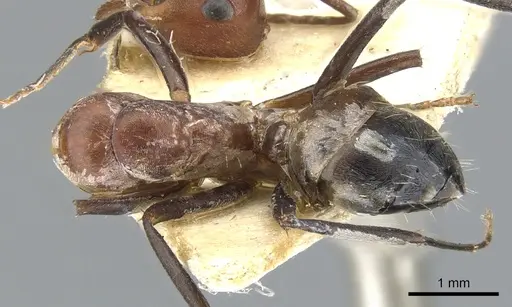
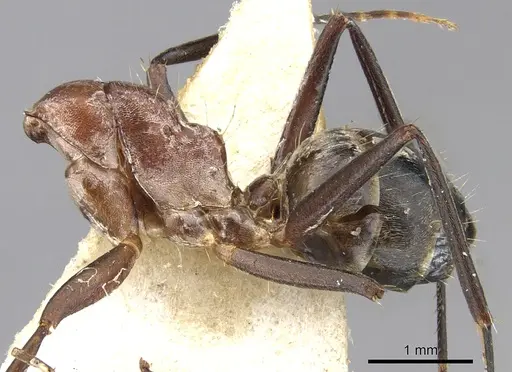
Literature
Loading distribution map...Loading products...