Camponotus variegatus shows a June to December flight window. Peak activity occurs in August, with nuptial flights distributed across 4 months.
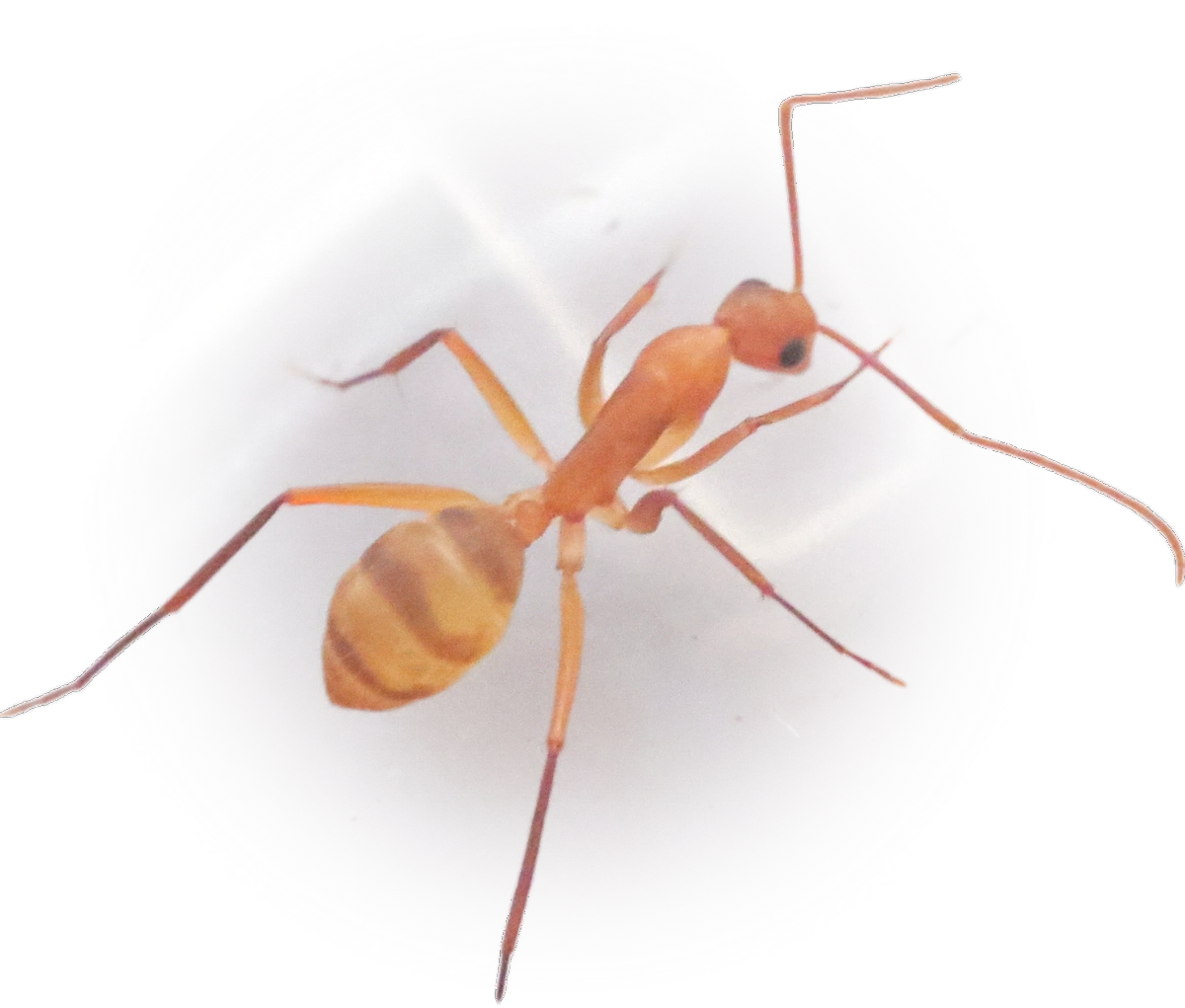
Hawaiian Carpenter Ant
Camponotus variegatus
- Sci. Name
- Camponotus variegatus
- Subgenus
- Tanaemyrmex
- Tribe
- Camponotini
- Subfamily
- Formicinae
- Author
- Smith, 1858
- Common Name
- Hawaiian Carpenter Ant
- Distribution
- Found in 8 countries
- Nuptial Flight
- From June to December
- Peak flight Time
- 11:00
AI Identifiable
try →
Introduction
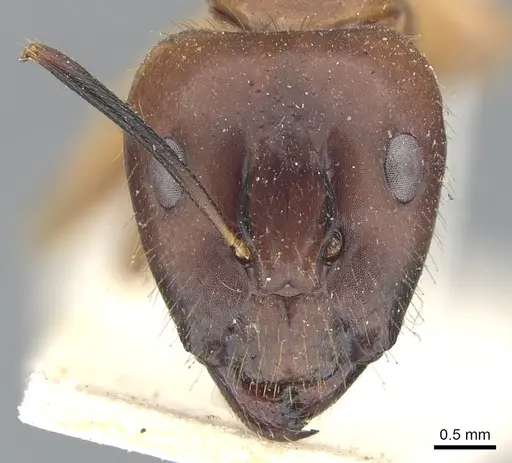
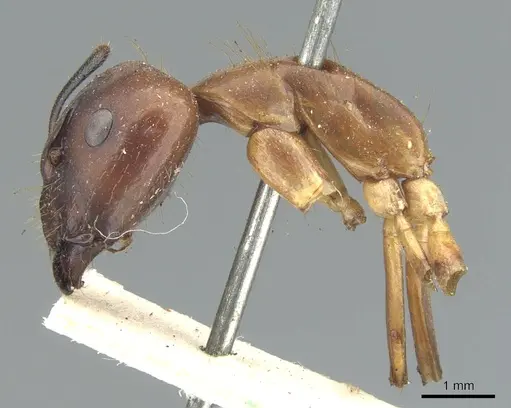
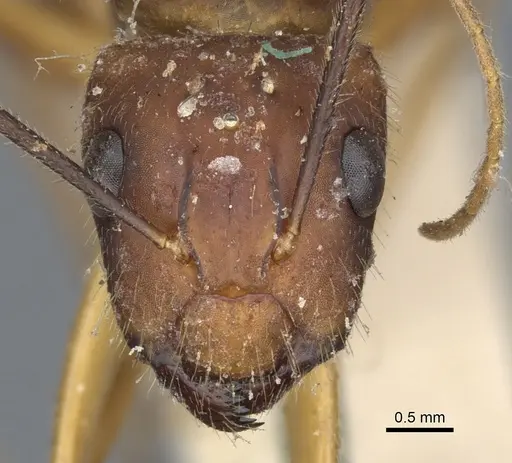
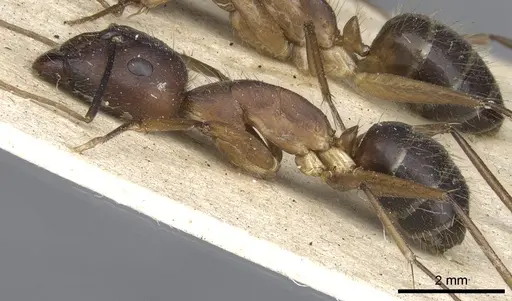
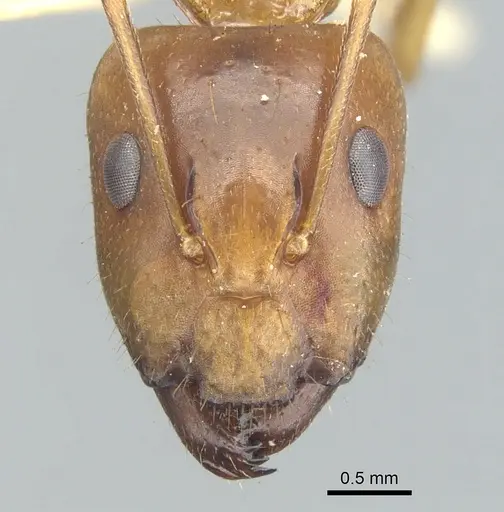
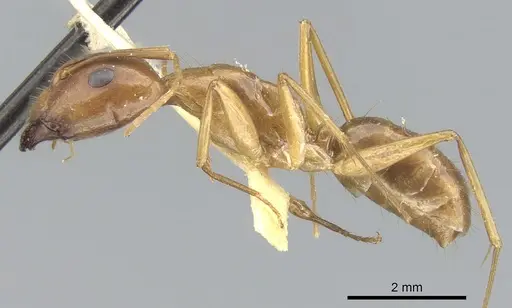
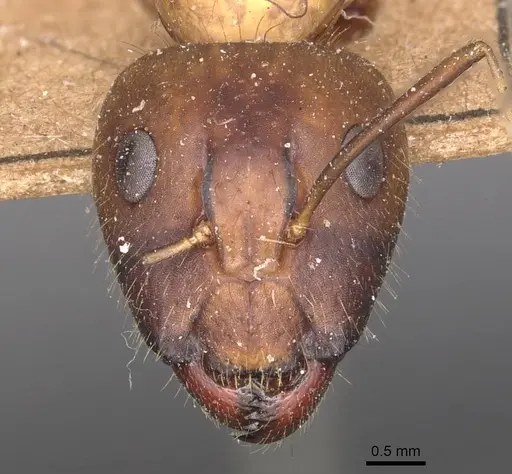
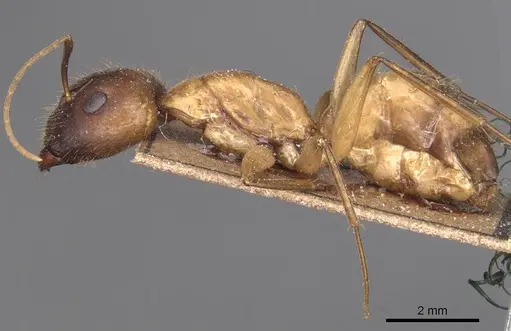
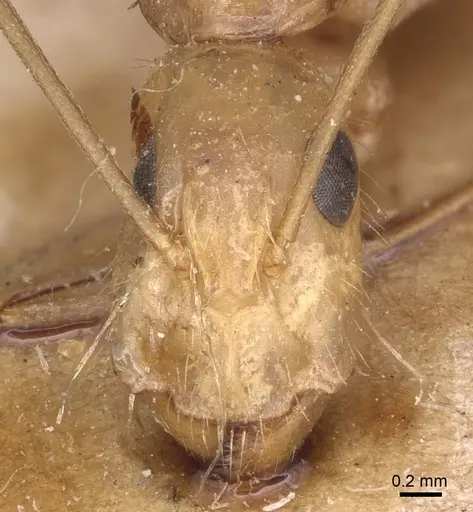
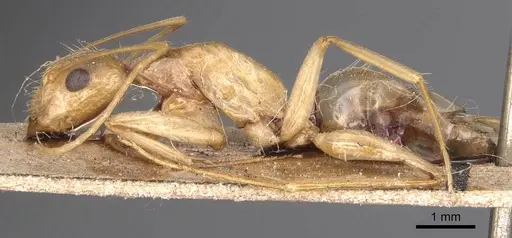
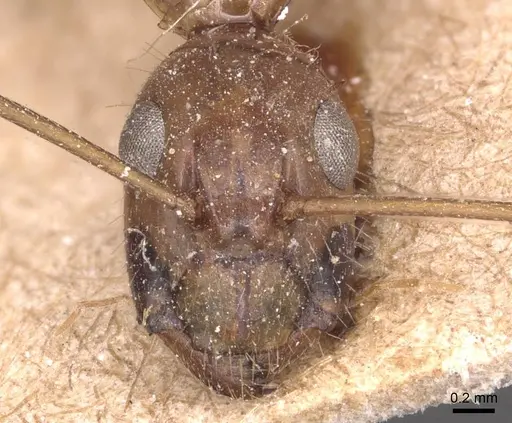
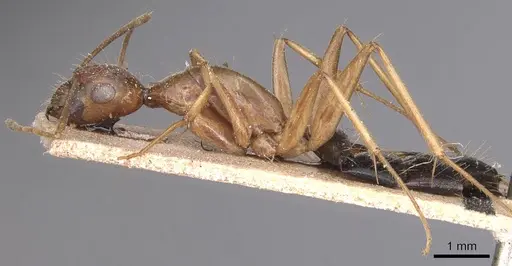
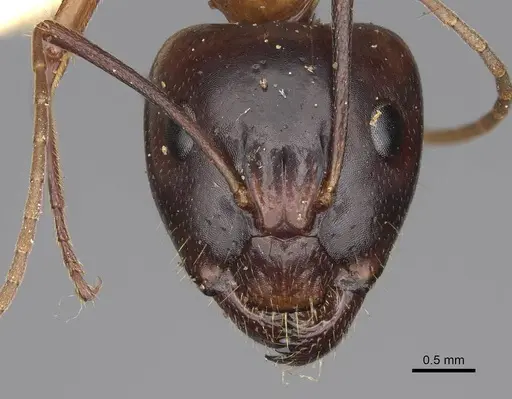
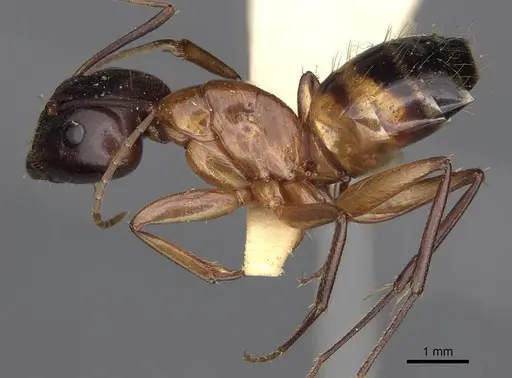
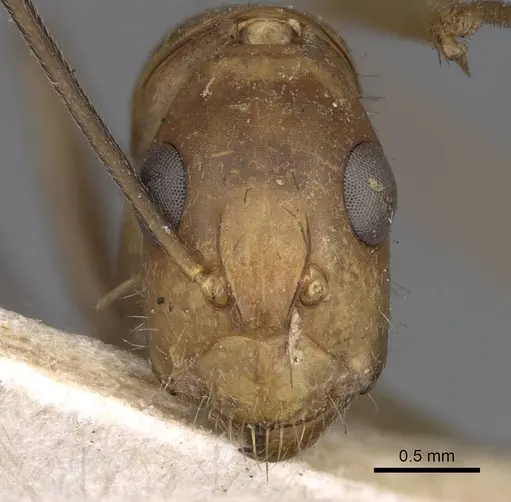
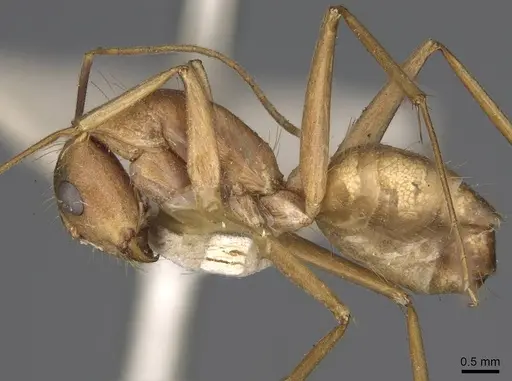
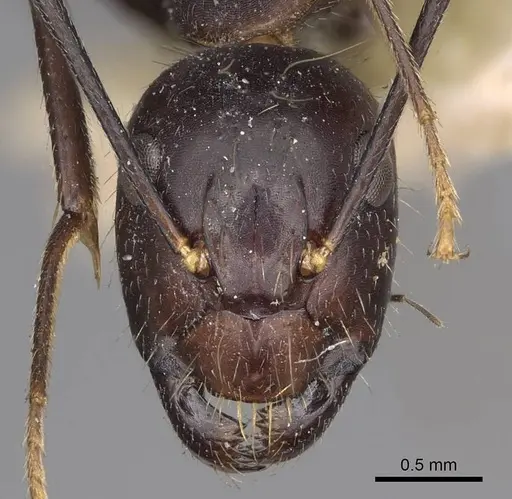
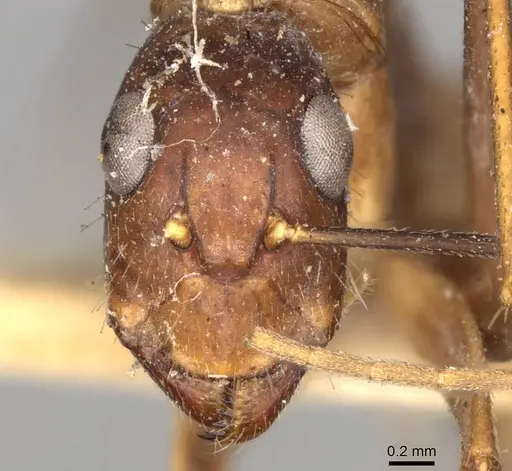
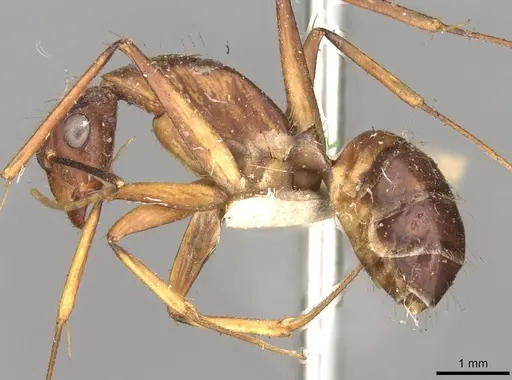
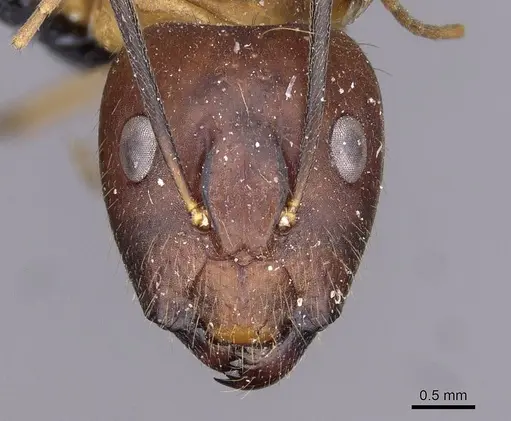
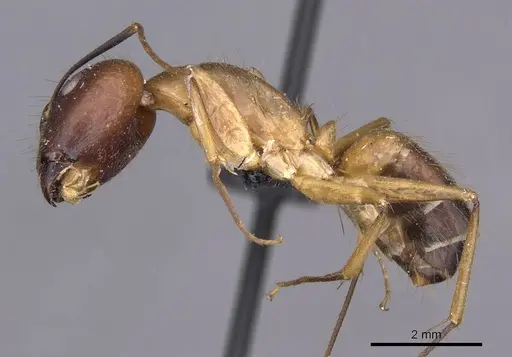
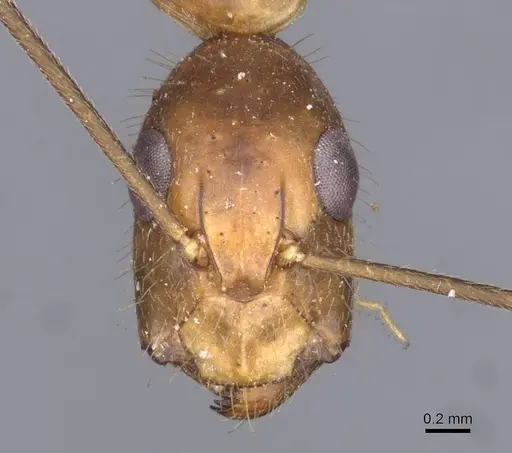
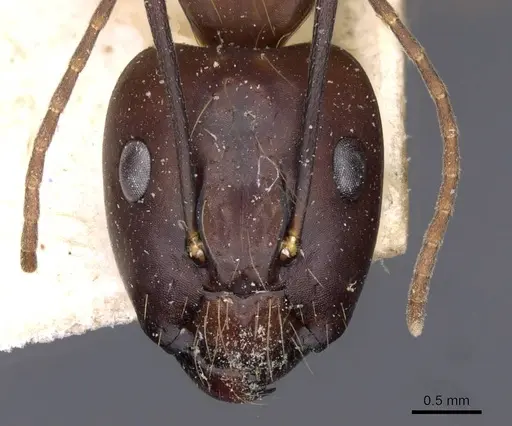
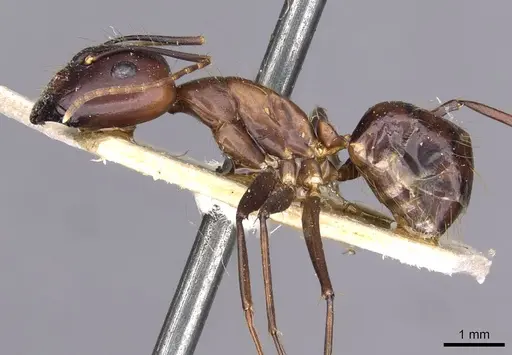
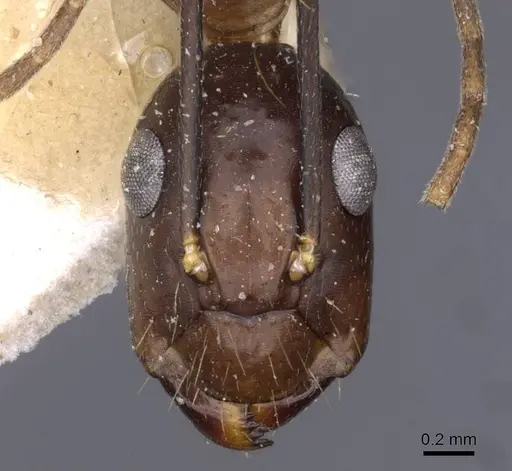
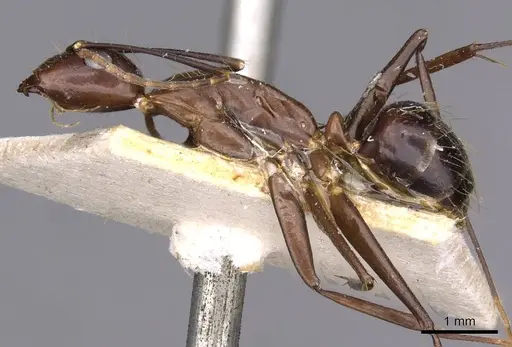
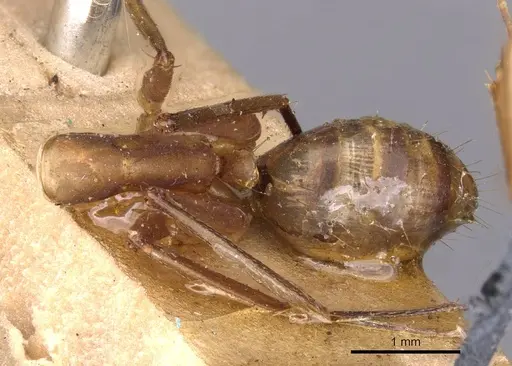
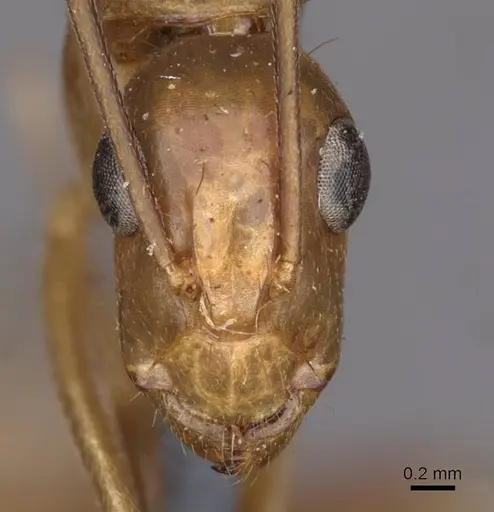
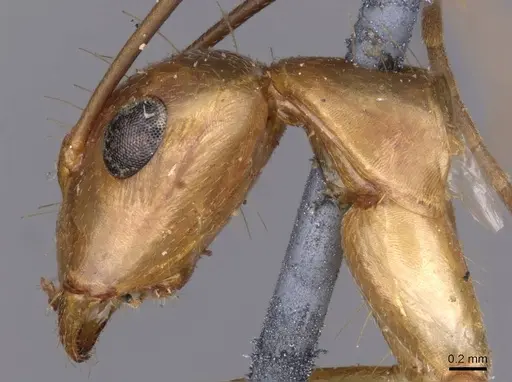
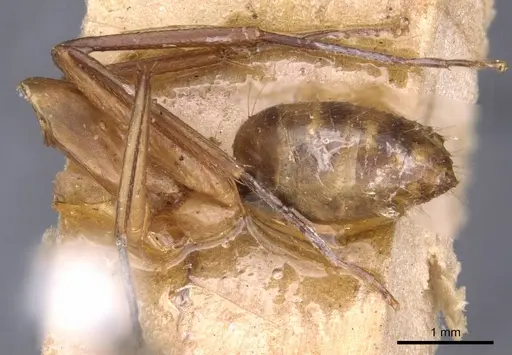
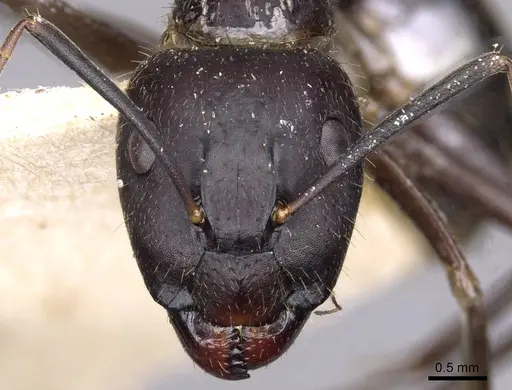
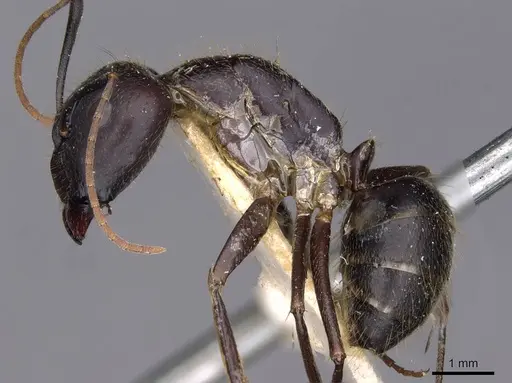
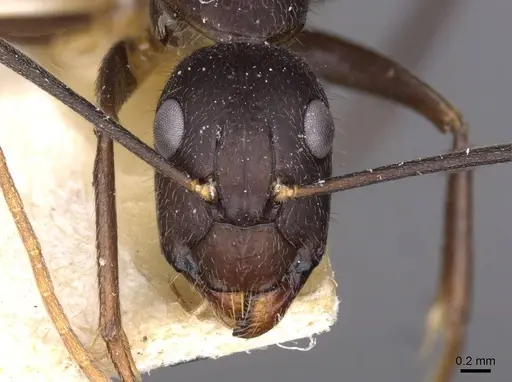
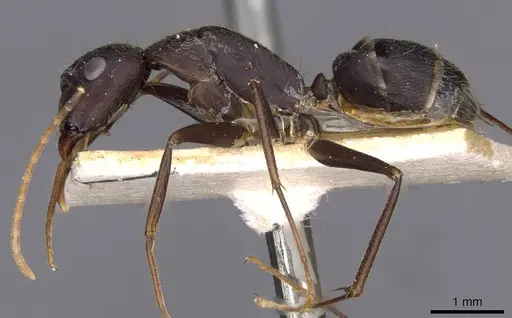
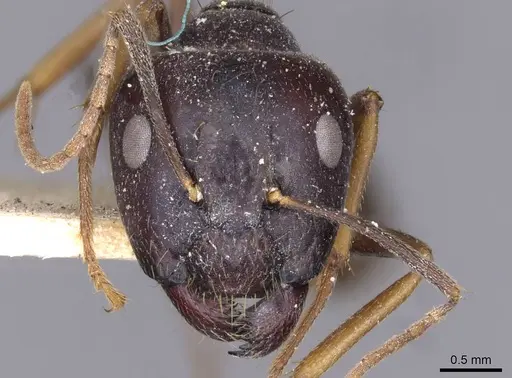
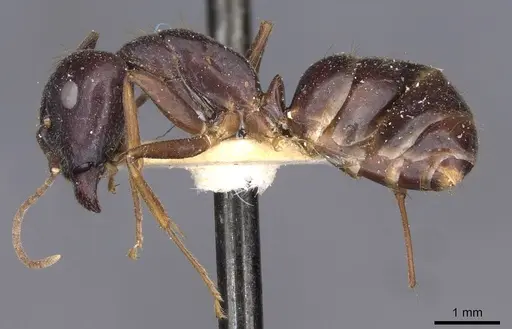
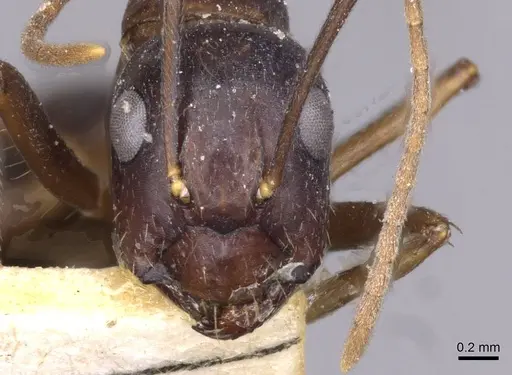
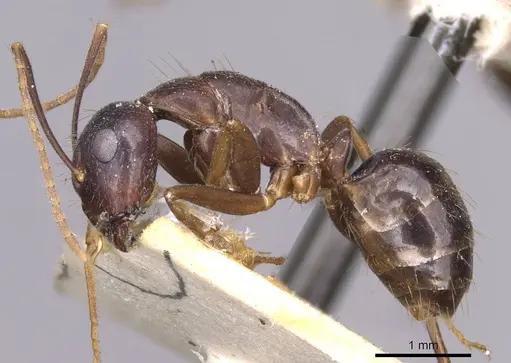
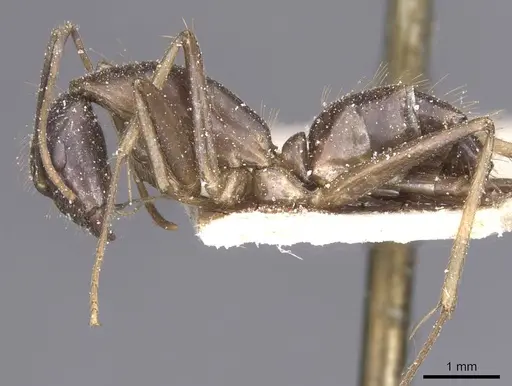
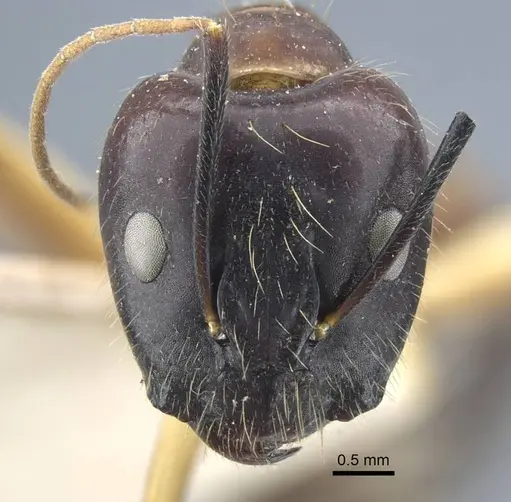
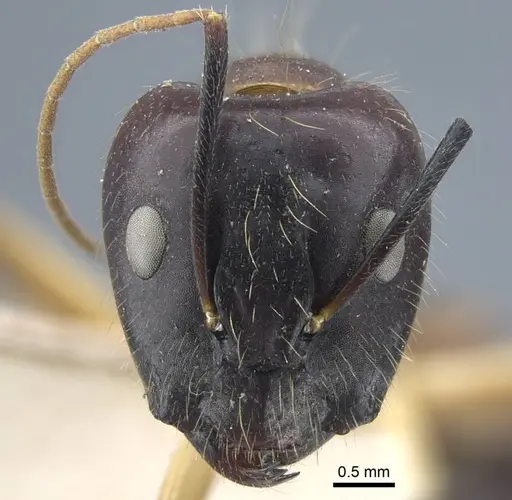
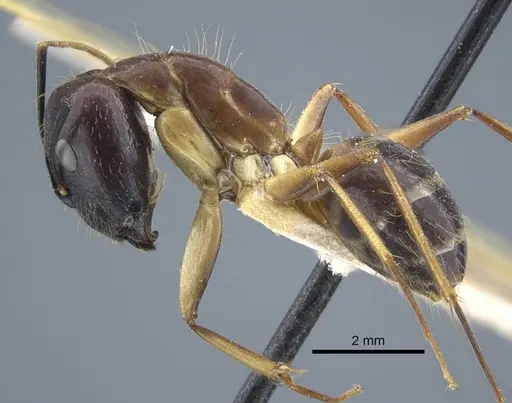
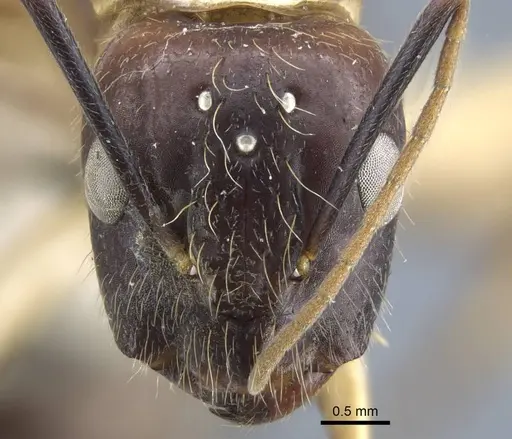
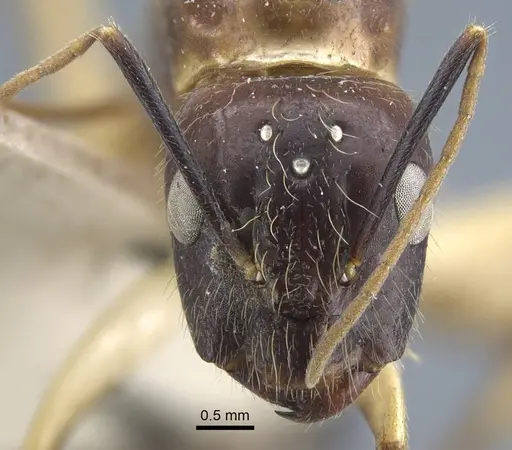
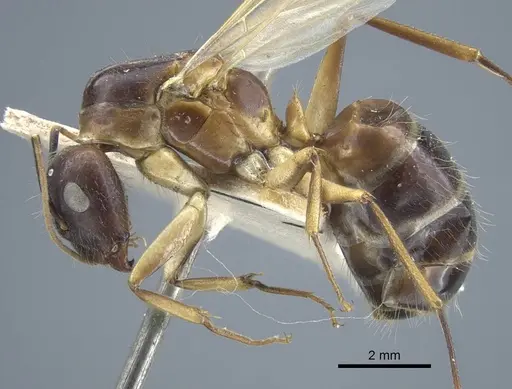
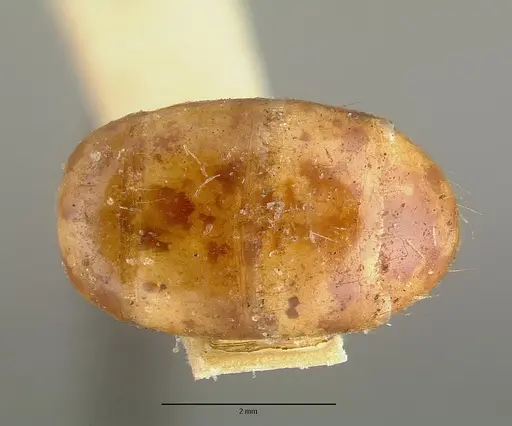
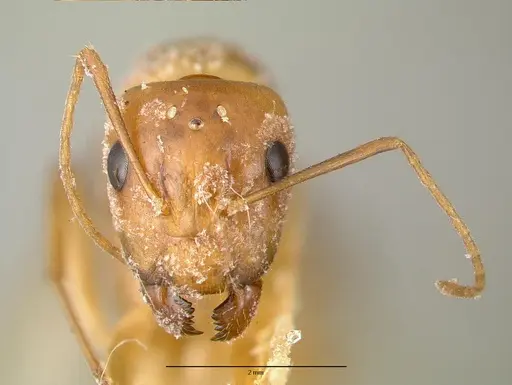
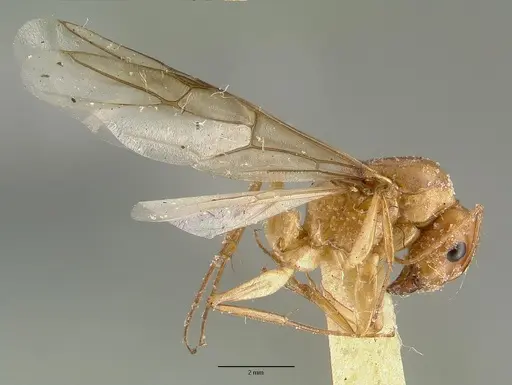
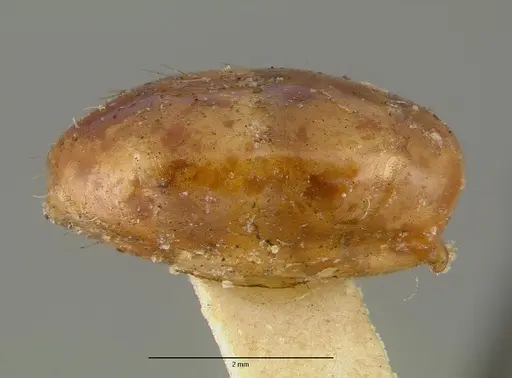
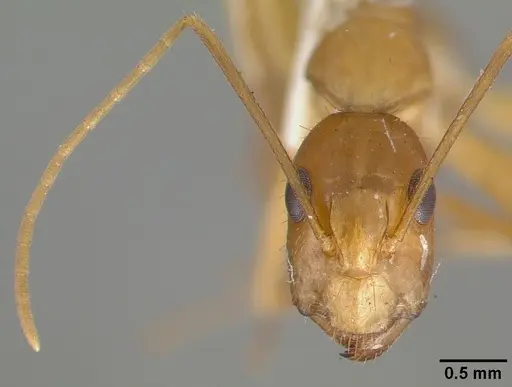
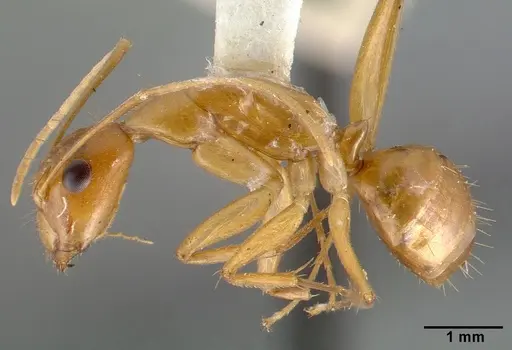
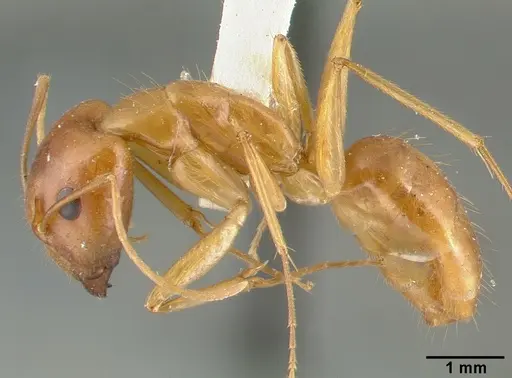
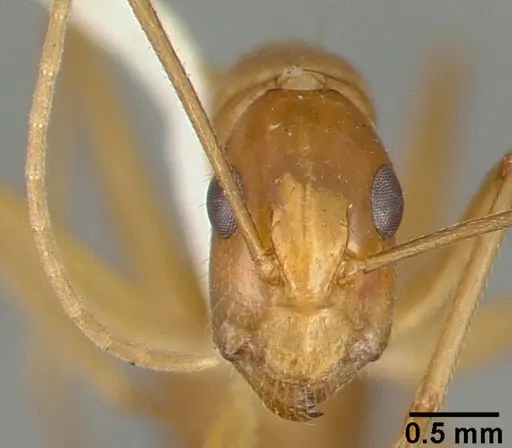
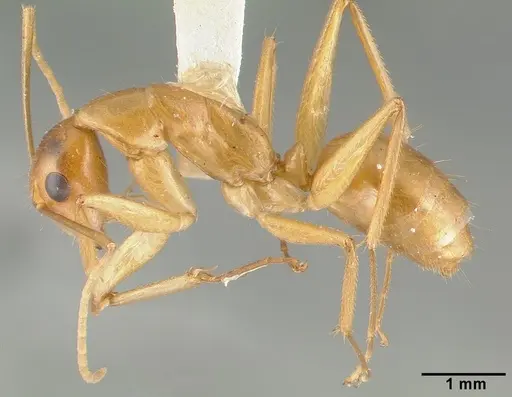
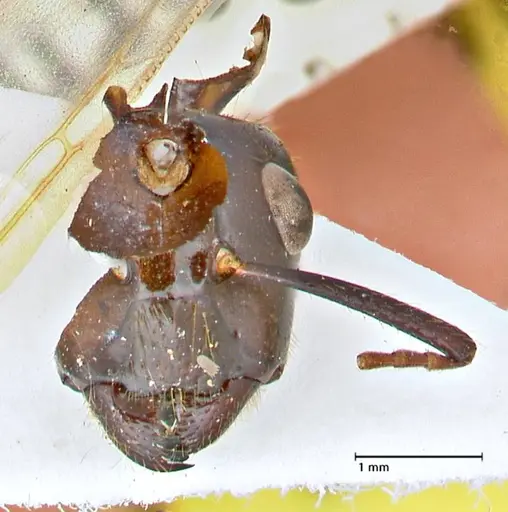
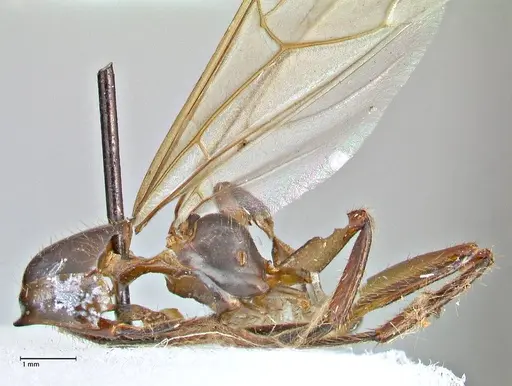
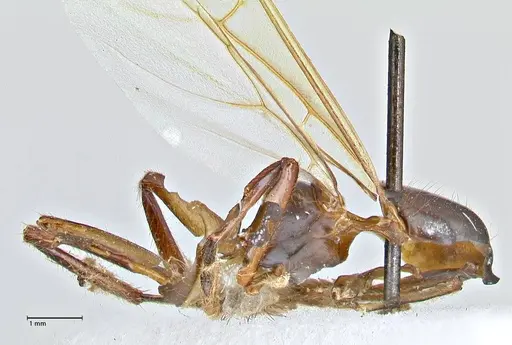
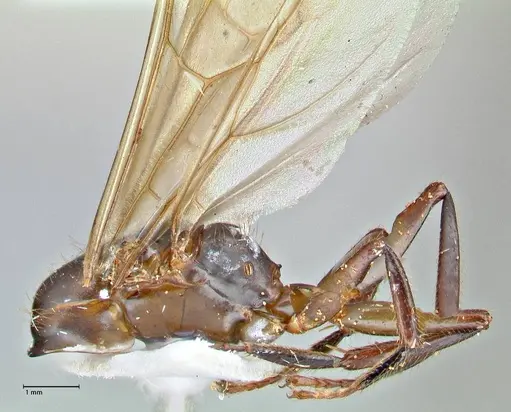
Camponotus variegatus is a polymorphic carpenter ant native to the Indo-Pacific region, now found across South Asia, Southeast Asia, China, and the Pacific Islands including Hawaii . Workers are polymorphic with major and minor castes . The species is reddish-brown with yellow markings and is known as the Hawaiian carpenter ant - the largest ant in the Hawaiian Islands . This tramp ant nests in tree cavities, rotting wood, and human structures like wall voids and hollow doors . WARNING: This species is listed as invasive in New Caledonia and is Critically Endangered in Sri Lanka .
Quick Summary
- Difficulty: Medium
- Origin & Habitat: Native to the Indo-Pacific region (Sri Lanka, Singapore, India, China, Southeast Asia) and introduced to Hawaii, Micronesia, and other Pacific islands [1][2]. Found in tropical and subtropical environments, typically nesting in tree cavities, rotting wood, and human structures [5][6].
- Colony Type: Single-queen colonies (monogyne) with approximately 100 workers and one queen [2][3]. Polymorphic with major and minor worker castes.
- Size & Growth:
- Queen: Approximately 10mm (from original description of 5 lines) [9]
- Worker: 6-8mm for minor workers, major workers larger (polymorphic) [9]
- Colony: Up to approximately 100 workers [2][3]
- Growth: Moderate
- Development: 6-8 weeks (estimated based on typical Camponotus development) (Development time not directly studied for this species, estimates based on genus-level patterns)
- Antkeeping:
- Temperature: Keep at 22-26°C. This is a tropical species native to warm Indo-Pacific climates. Room temperature within this range works well.
- Humidity: Provide moderate humidity. Being arboreal-nesting, they prefer a humidity gradient with some dry areas for foraging.
- Diapause: No, this is a tropical species that does not require hibernation. Keep at stable warm temperatures year-round [1].
- Nesting: Prefers arboreal setups, Y-tong (AAC) nests or test tube setups work well. Provide nesting chambers scaled to colony size. They nest in tree cavities in the wild, so enclosed dark spaces are preferred [5][6].
- Behavior: This is a nocturnal species, they primarily forage at night [3]. They are generally less aggressive compared to many other Camponotus species, with studies showing they avoid confrontation with competitor ants and rely on speed rather than fighting [10]. They feed on sugar-based foods and dead insects [2][3]. Workers are polymorphic with distinct major and minor castes. They are known to bite if handled or threatened [6]. As a Formicinae ant, they lack a functional sting but can bite and spray formic acid from their acidopore. Escape risk is moderate, use standard barrier methods.
- Common Issues: colonies remain relatively small (around 100 workers), this is normal for the species, nocturnal activity means you may not see much during daylight hours, tropical species requires warm temperatures year-round, cold can slow or stop brood development, nests in human structures in the wild, may adapt well to indoor captivity, small colony size means they don't need large enclosures initially, WARNING: This species is invasive in New Caledonia, do not release in non-native areas, WARNING: This species is Critically Endangered in Sri Lanka, check local laws before acquiring
Nuptial Flight Activity Analysis 72 observations
Flight Activity by Hour 72 observations
Camponotus variegatus nuptial flight activity peaks around 11:00 during the late morning to early afternoon. Activity is spread across a 23-hour window (00:00–22:00). A secondary activity peak occurs around 20:00. Times may be influenced by human observation patterns.
Housing and Nest Setup
Camponotus variegatus does well in standard ant keeping setups. For founding colonies, a test tube setup works perfectly, fill one end with water trapped behind a cotton plug, and place the queen in the dry portion. Once workers establish (usually 6-10 workers), you can move them to a small formicarium. Y-tong (AAC) nests work well since they prefer enclosed dark spaces similar to their natural tree cavity nests [5]. The species is arboreal in the wild, so they appreciate vertical space and climbing structures. A small outworld for foraging completes the setup. Because colonies stay relatively small (around 100 workers), you don't need a large enclosure.
Feeding and Diet
This species is opportunistic and accepts a varied diet. In captivity, offer sugar water, honey, or diluted syrup as a constant carbohydrate source. For protein, provide small insects like fruit flies, small crickets, or mealworms. They also scavenge dead insects in the wild [2][3]. Feed protein 2-3 times per week, and keep sugar water available at all times. Remove uneaten prey after 24-48 hours to prevent mold. Workers will forage primarily at night, so place food in the evening and check the next morning.
Temperature and Seasonal Care
As a tropical species from the Indo-Pacific, Camponotus variegatus needs warm temperatures year-round. Keep the nest area between 22-26°C. Room temperature in most homes falls within this range, but you may need a heating cable or mat in cooler climates. Do not let temperatures drop below 18°C for extended periods. Unlike temperate species, they do not require hibernation or diapause, maintaining consistent warmth year-round supports continuous brood development [1]. Avoid temperature fluctuations, as these can stress the colony.
Behavior and Temperament
This is a nocturnal, relatively peaceful carpenter ant. Workers emerge at night to forage, so you'll see most activity in the evening hours [3]. Studies show they avoid direct confrontation with other ant species, relying on speed and evasion rather than aggression [10]. They are not particularly aggressive toward keepers but will bite if threatened or handled roughly. As a Formicinae ant, they lack a sting but can bite and spray formic acid from their acidopore. Colonies are polymorphic with major (larger) and minor (smaller) workers, majors have larger heads and can serve as soldiers or help process larger prey. This species is known as a tramp ant due to its ability to establish in human-modified environments.
Colony Development
Colony growth is moderate. After the claustral founding stage (queen seals herself in and raises first workers alone), you can expect the first dozen workers (nanitics) within 6-8 weeks under warm conditions. Unlike some fast-growing species, colonies remain modest in size, mature colonies typically reach around 100 workers with soldiers [2][3]. This is normal for the species. The queen is long-lived and can produce workers for many years. Be patient with founding colonies, they grow slowly at first but establish reliably once the first workers emerge.
Frequently Asked Questions
How long does it take for Camponotus variegatus to produce first workers?
Expect first workers (nanitics) in about 6-8 weeks after the queen lays eggs, assuming temperatures are warm (22-26°C). This is typical for Camponotus species. Founding colonies need patience, the queen raises the first brood alone.
Do Camponotus variegatus ants need hibernation?
No, this is a tropical species and does not require hibernation. Keep them warm year-round at 22-26°C. Cold temperatures can slow or stop brood development entirely.
How big do Camponotus variegatus colonies get?
Colonies typically reach around 100 workers at maturity [2][3]. This is smaller than many other Camponotus species. They are considered a small colony species.
Are Camponotus variegatus ants aggressive?
They are generally less aggressive than many other ant species. Studies show they avoid confrontation with competitors and rely on speed rather than fighting [10]. They will bite if threatened but are not particularly territorial or aggressive toward keepers.
What do Camponotus variegatus eat?
They accept sugar sources (honey, sugar water, syrup) and protein (small insects like fruit flies, crickets, mealworms). Feed protein 2-3 times per week and keep sugar water available constantly.
Can I keep multiple Camponotus variegatus queens together?
No, this species is monogyne, meaning colonies have a single queen. Multiple unrelated queens will fight. Only keep one queen per colony.
When are Camponotus variegatus most active?
They are primarily nocturnal, foraging at night [3]. You'll see the most activity in the evening and early morning hours.
What type of nest is best for Camponotus variegatus?
Y-tong (AAC) nests or test tube setups work well. They prefer enclosed dark spaces similar to their natural tree cavity nesting habits [5][6]. Provide appropriately sized chambers for the colony size.
Is Camponotus variegatus a good beginner ant?
This is a moderate-difficulty species. They are relatively hardy, don't require hibernation, and have straightforward feeding requirements. Colonies stay small, making them manageable. Their nocturnal activity may require some adjustment in viewing expectations. However, note that this species is invasive in some regions and Critically Endangered in Sri Lanka.
Why is Camponotus variegatus called the Hawaiian carpenter ant?
They are the largest ant in the Hawaiian Islands and were one of the first ant species recorded there in 1879 [1][4]. They nest in wood cavities and hollow spaces, hence carpenter ant.
When is the nuptial flight of Camponotus variegatus?
The nuptial flight of Camponotus variegatus typically occurs From June to December.
What time of day does Camponotus variegatus fly?
The nuptial flight of Camponotus variegatus peaks around 11:00 during the late morning to early afternoon, with most activity between 00:00 and 22:00. Times may be influenced by human observation patterns.
Report an Issue
The current care sheet is based fully on literature. See inconsistencies, or something that's incorrect? Please , it will be resolved after review from an admin. Contributing to the blogs tab also helps providing information, to make us be able to further improve the caresheets. Thank you for your support!
References

This caresheet is licensed under CC BY-SA 4.0 .
Community Blogs
CASENT0103245
View on AntWeb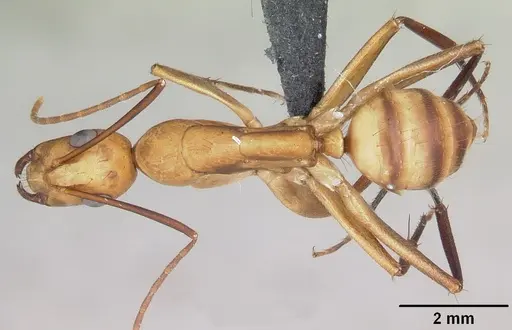
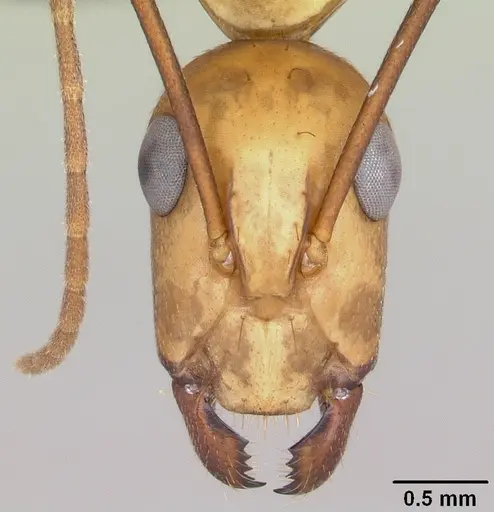
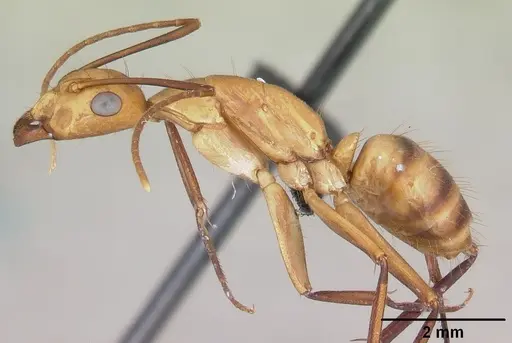
CASENT0191093
View on AntWeb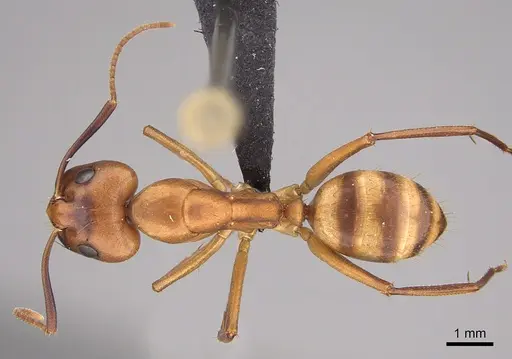
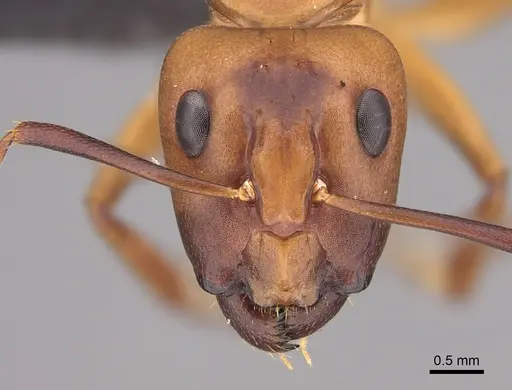
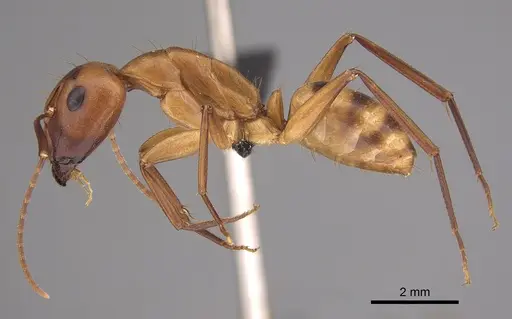
CASENT0903586
View on AntWeb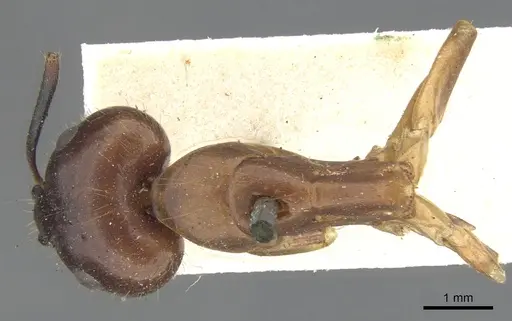
CASENT0903587
View on AntWeb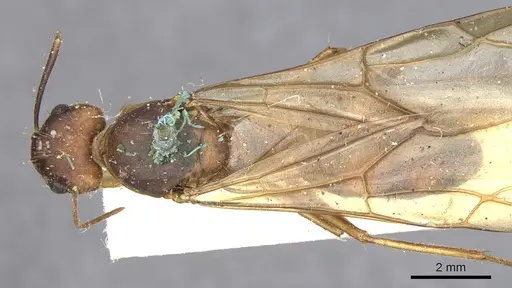
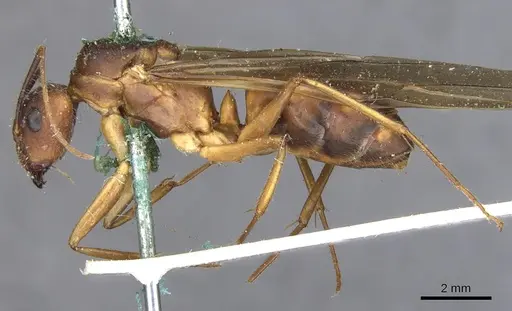
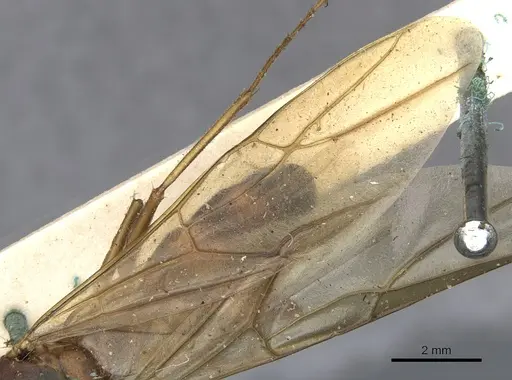
CASENT0903588
View on AntWeb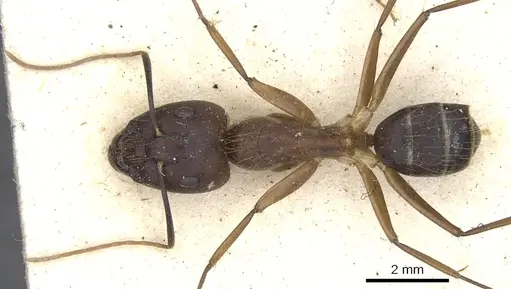
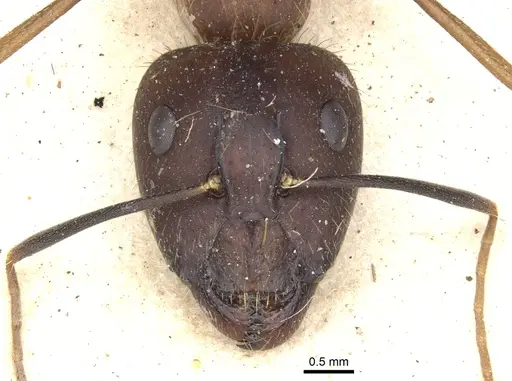
CASENT0903589
View on AntWeb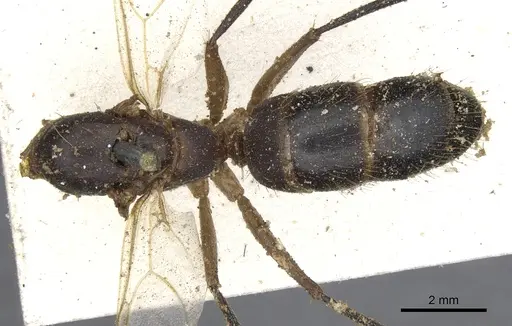
CASENT0903591
View on AntWeb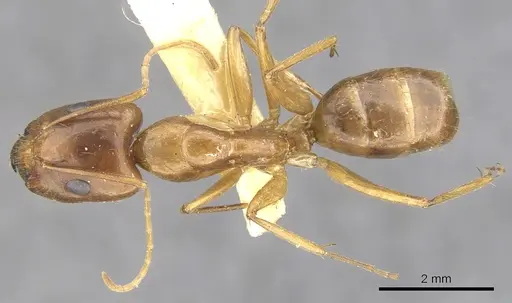
CASENT0905327
View on AntWeb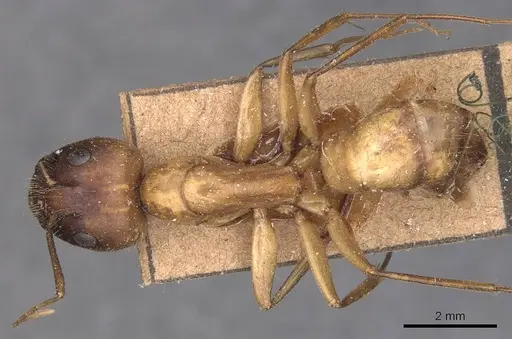
CASENT0905328
View on AntWeb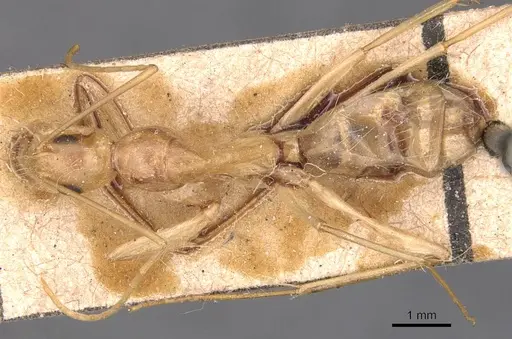
CASENT0905329
View on AntWeb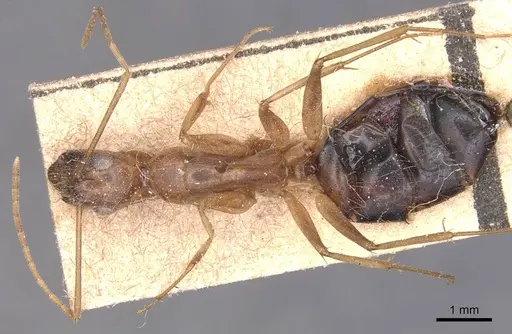
CASENT0906973
View on AntWeb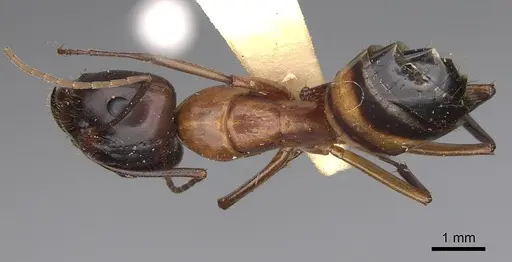
CASENT0906974
View on AntWeb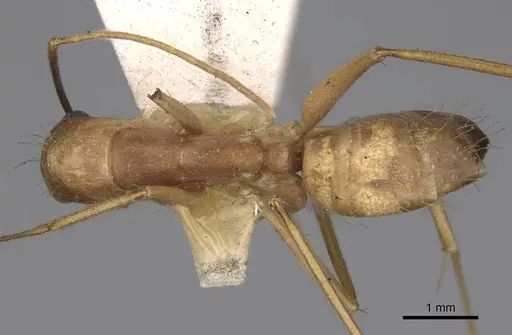
CASENT0906975
View on AntWeb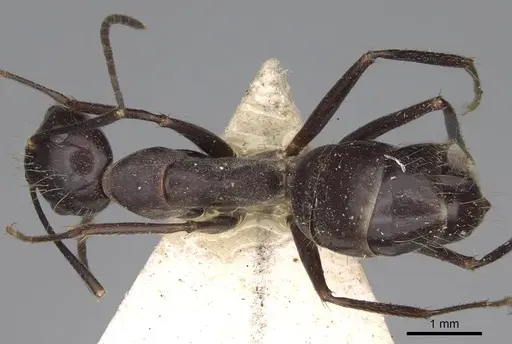
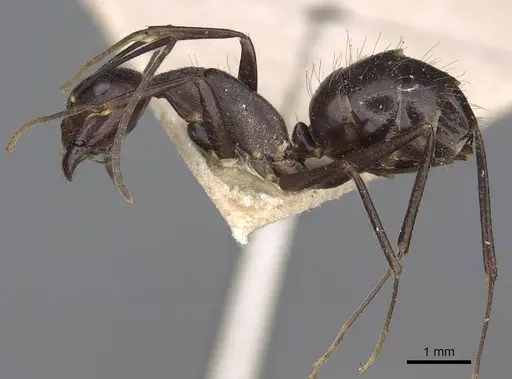
CASENT0906976
View on AntWeb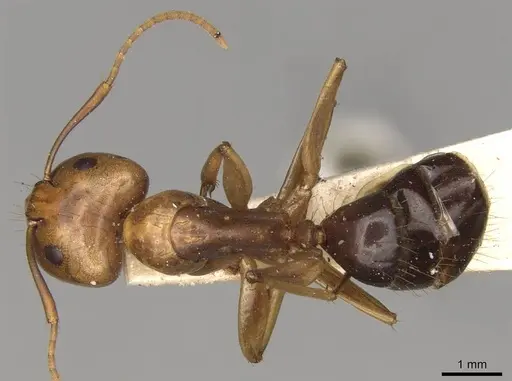
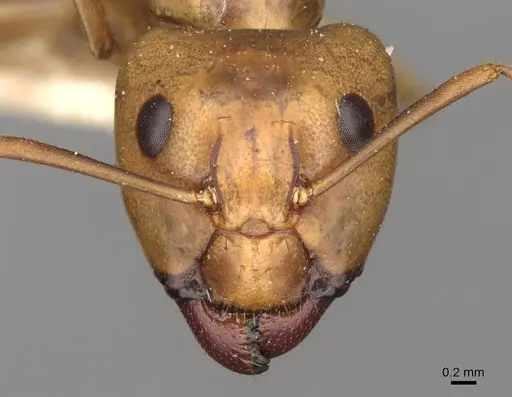
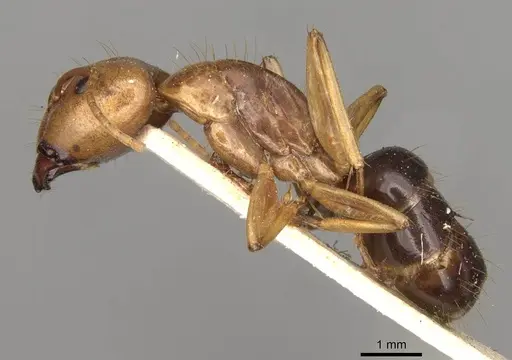
CASENT0906977
View on AntWeb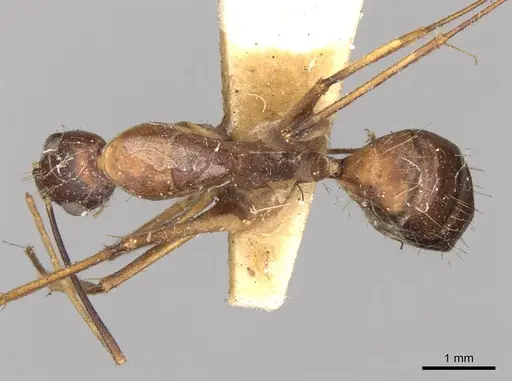
CASENT0910165
View on AntWeb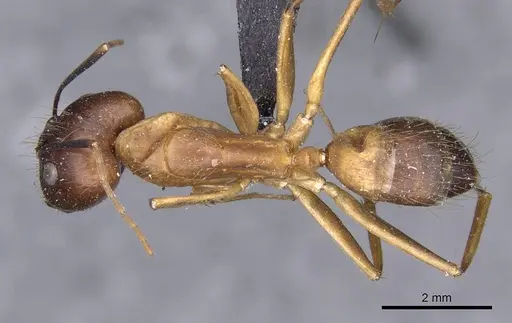
CASENT0910166
View on AntWeb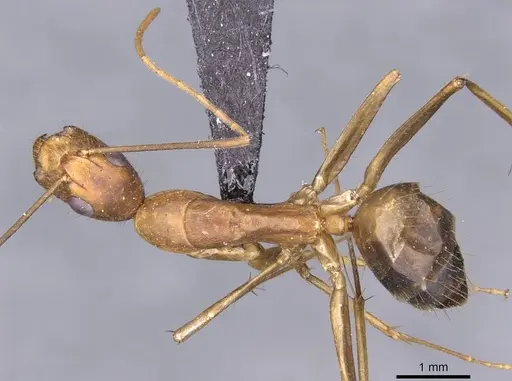
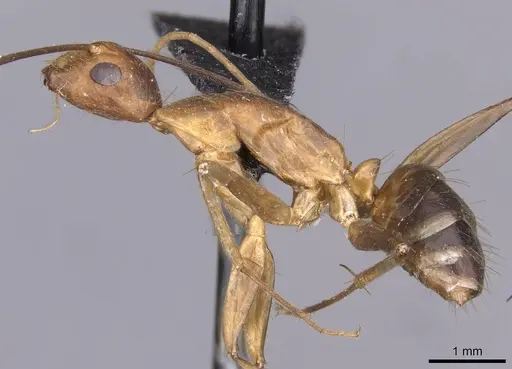
CASENT0910167
View on AntWeb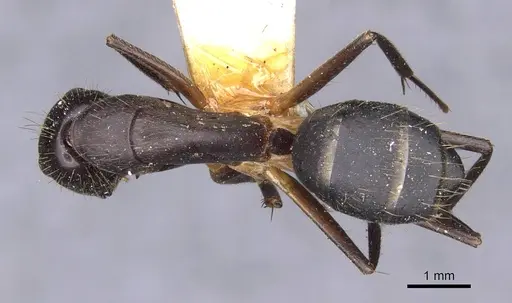
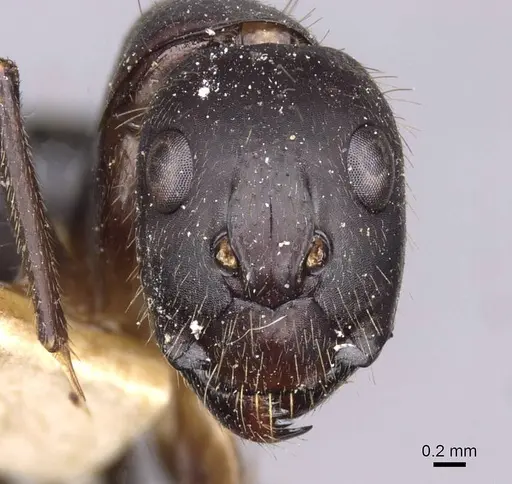
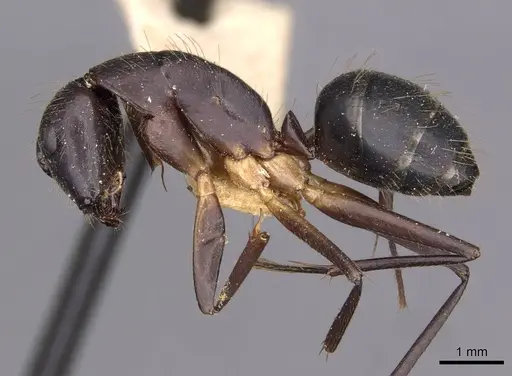
CASENT0910168
View on AntWeb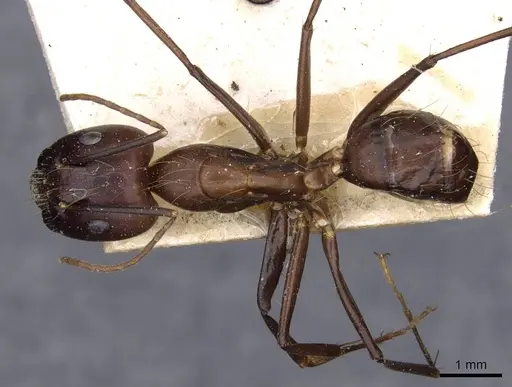
CASENT0910169
View on AntWeb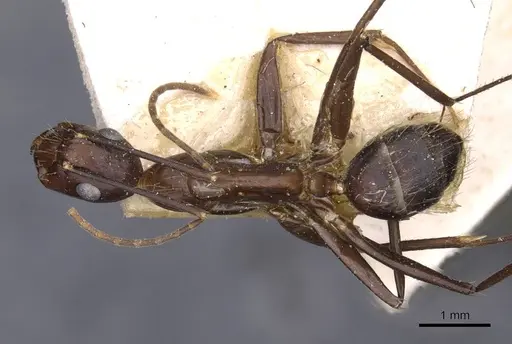
CASENT0910170
View on AntWeb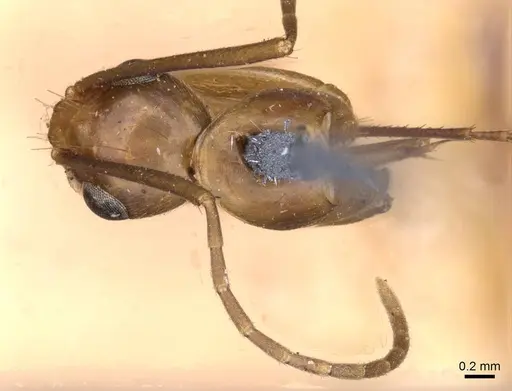
CASENT0910171
View on AntWeb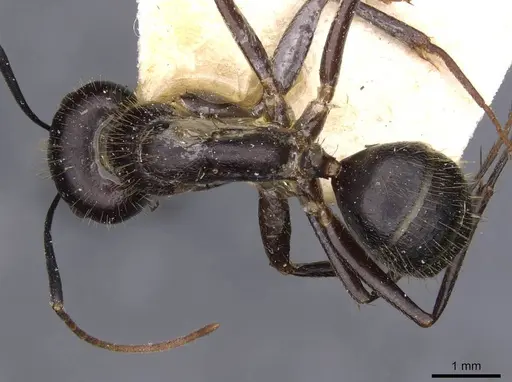
CASENT0910172
View on AntWeb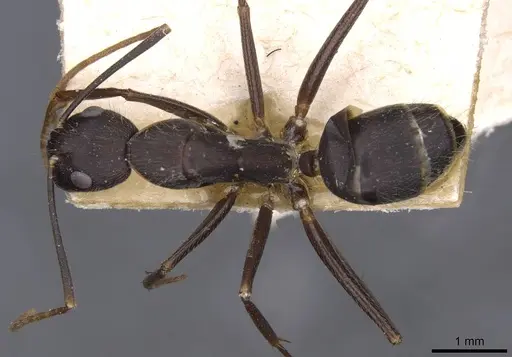
CASENT0910173
View on AntWeb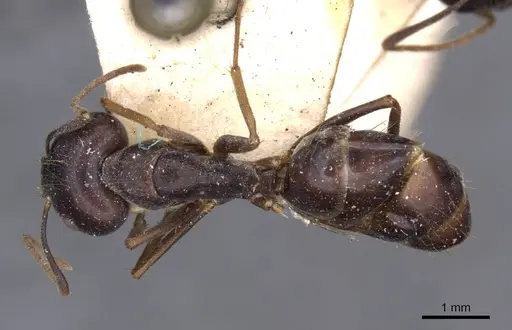
CASENT0910174
View on AntWeb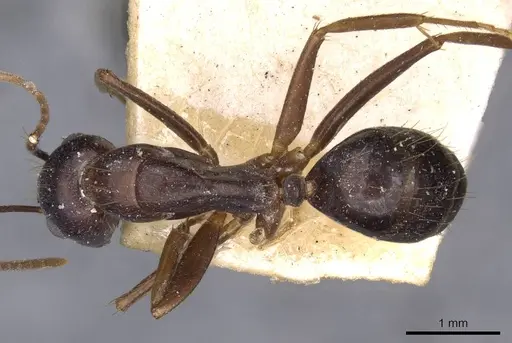
CASENT0910185
View on AntWeb
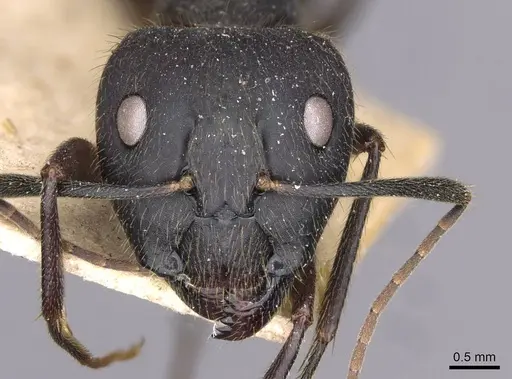
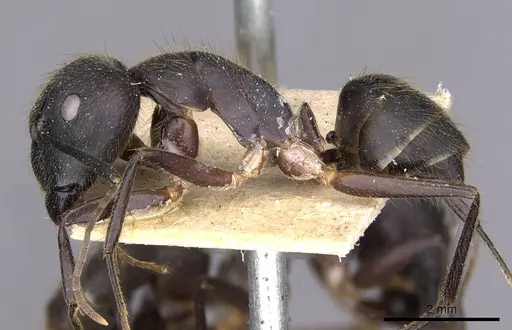
CASENT0912077
View on AntWeb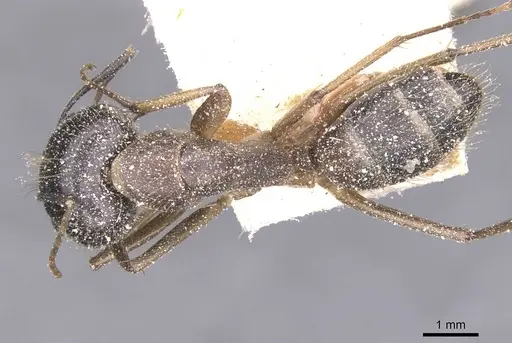
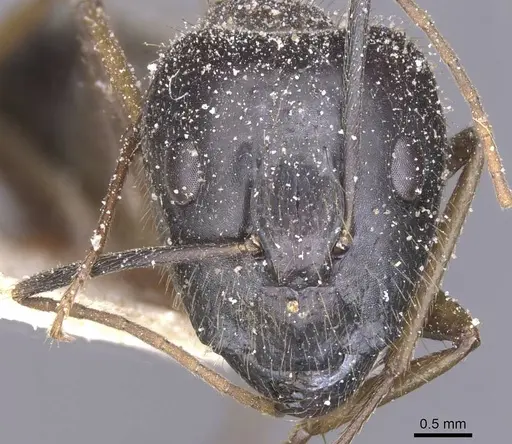
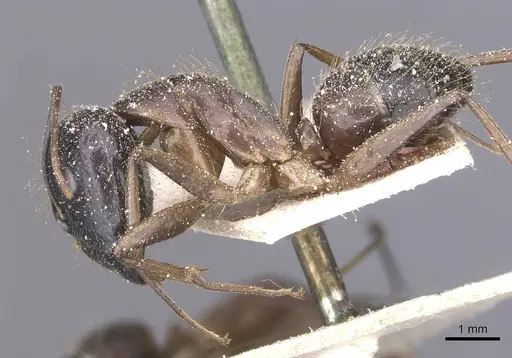
CASENT0912078
View on AntWeb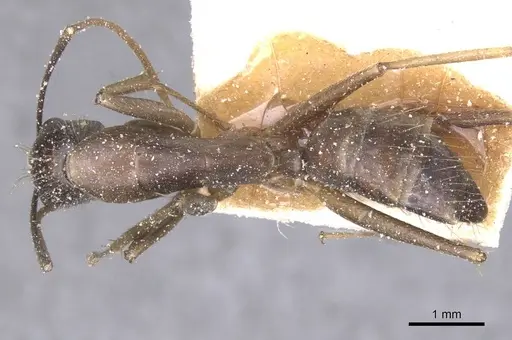
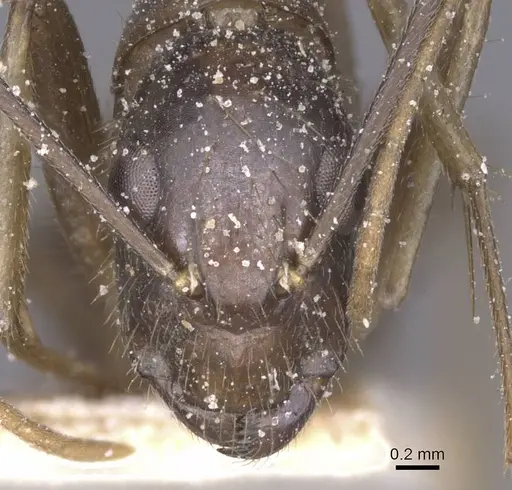
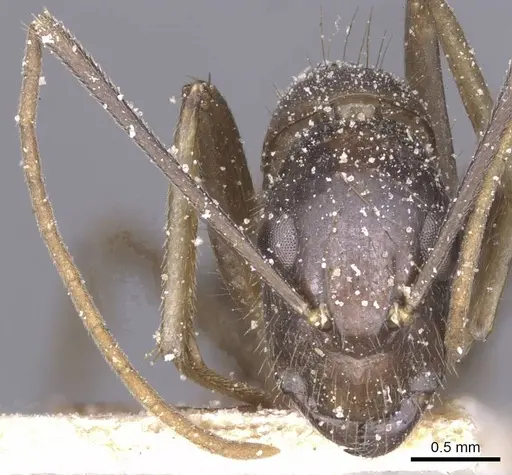
CASENT0917152
View on AntWeb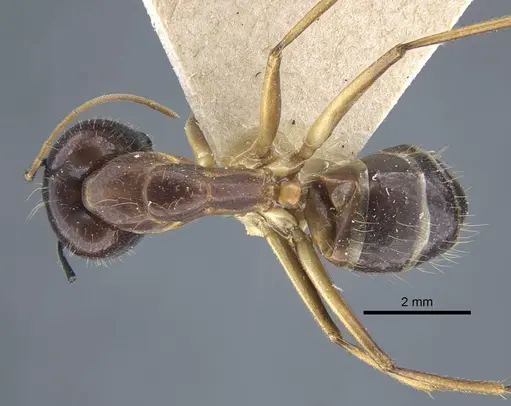
CASENT0917153
View on AntWeb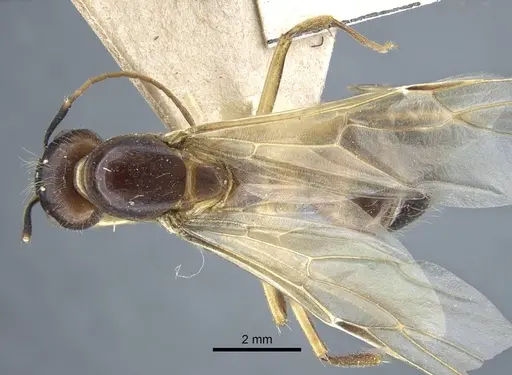
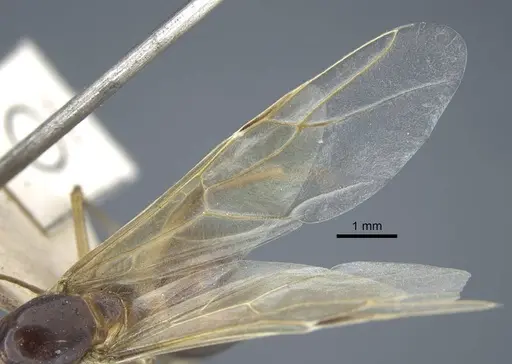
CASENT0917154
View on AntWeb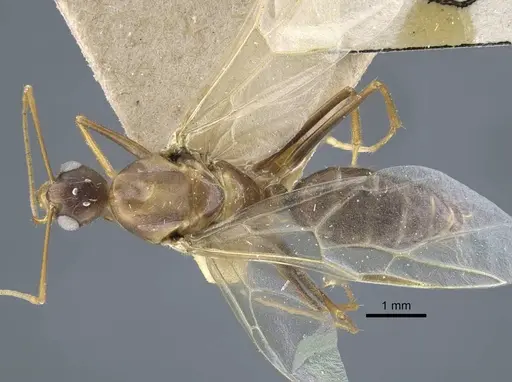
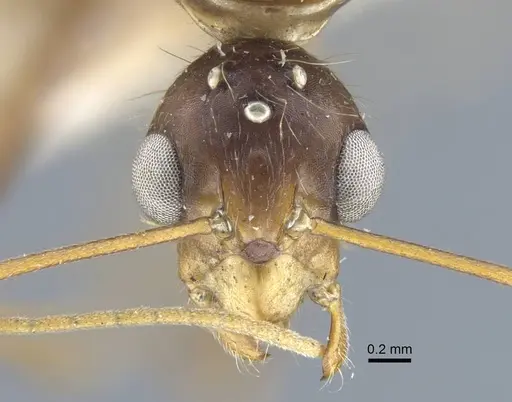
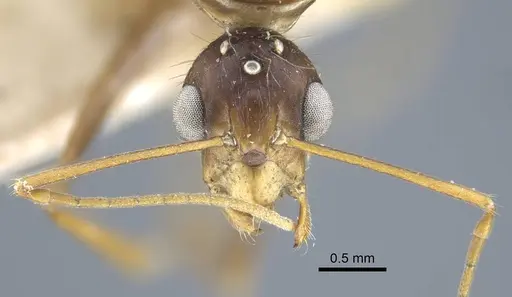
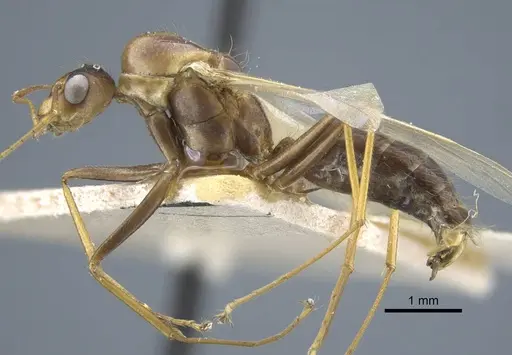
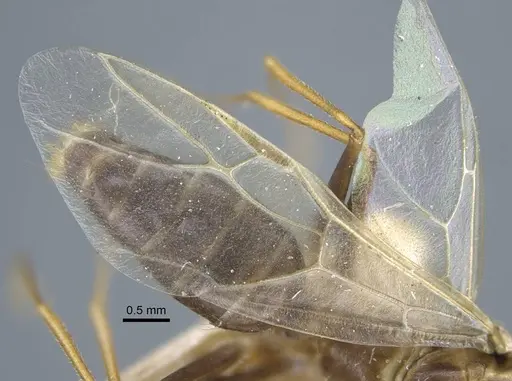
CASTYPE06942-01
View on AntWeb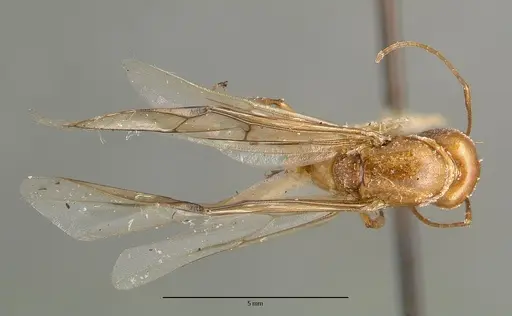
CASTYPE06942-02
View on AntWeb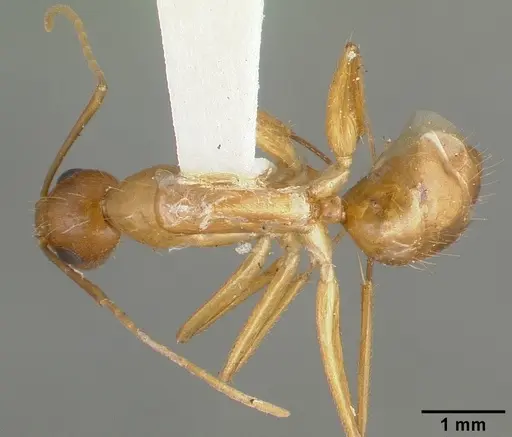
CASTYPE06942-03
View on AntWeb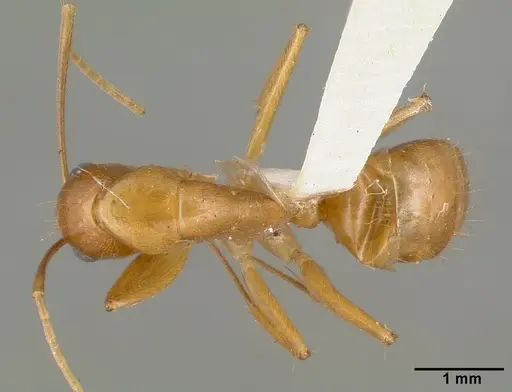
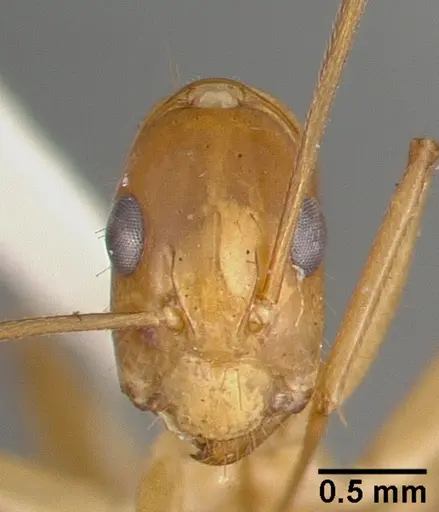
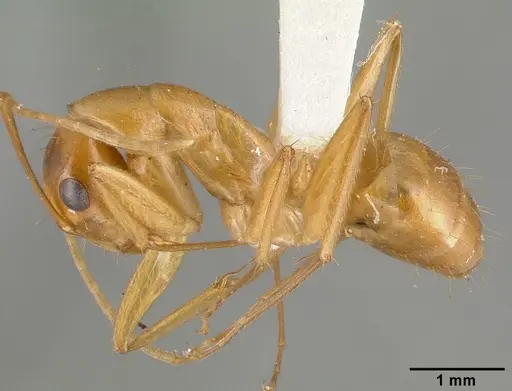
CASTYPE06942-04
View on AntWeb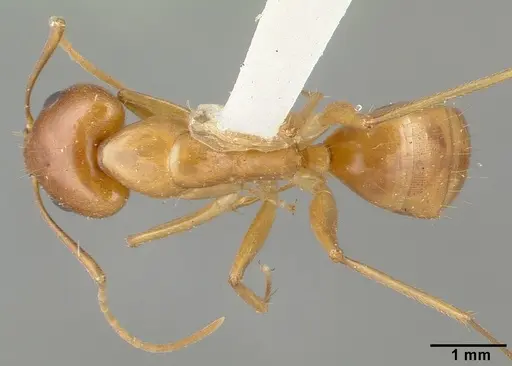
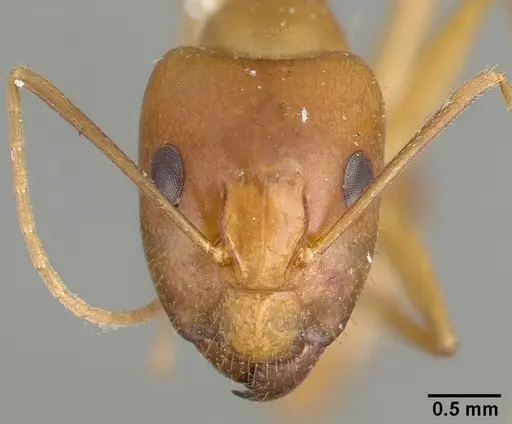
CASTYPE06942-05
View on AntWeb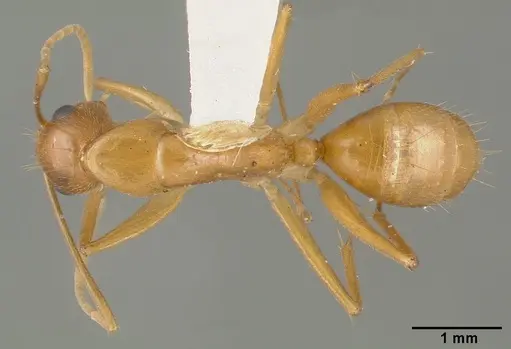
FOCOL2958
View on AntWeb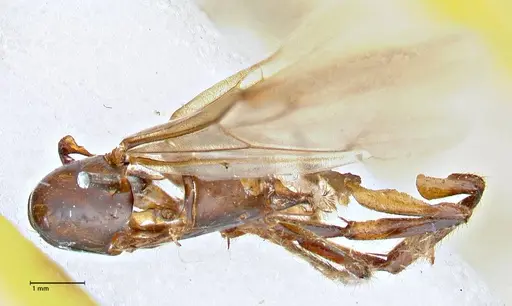
FOCOL2959
View on AntWeb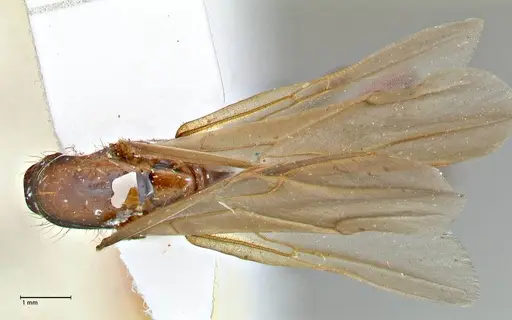
Literature
Loading distribution map...Loading products...