
Camponotus valdeziae
- Sci. Name
- Camponotus valdeziae
- Subgenus
- Myrmosericus
- Tribe
- Camponotini
- Subfamily
- Formicinae
- Author
- Forel, 1879
- Distribution
- Found in 2 countries
Introduction
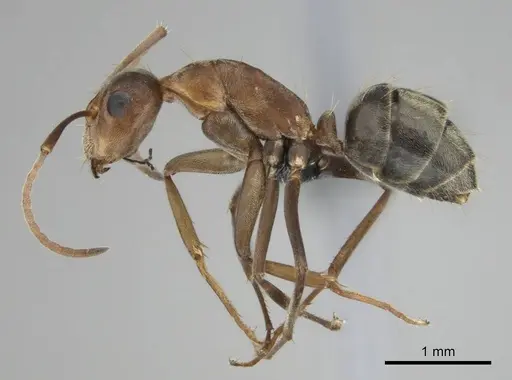
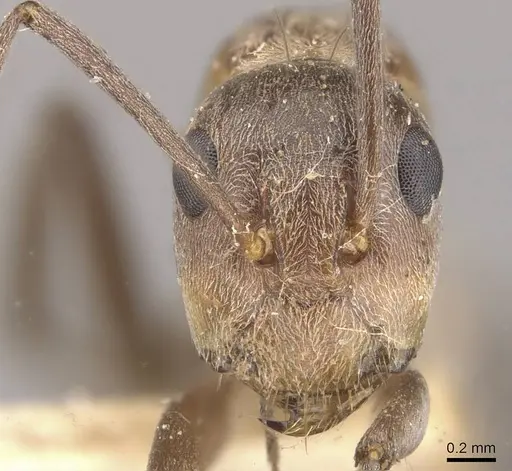
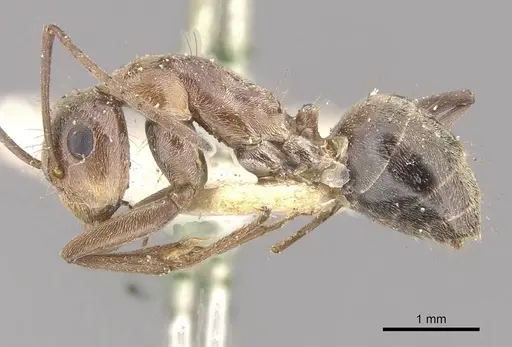
Camponotus valdeziae is an African carpenter ant species belonging to the subfamily Formicinae. Like other Camponotus species, workers have the characteristic rounded thorax and smooth, convex gaster. Coloration typically includes reddish-brown to dark brown tones. This species is found across various African regions where it nests in rotting wood, under bark, or in soil cavities . As with most Camponotus, they are generalist foragers that tend honeydew-producing insects and hunt small prey. Colonies follow typical Camponotus development patterns.
Quick Summary
- Difficulty: Easy
- Origin & Habitat: Africa [1]. In their natural range, these ants inhabit forested areas and savanna regions where they nest in rotting wood, under stones, or in soil cavities.
- Colony Type: Colony structure is unconfirmed for this specific species. Most Camponotus species establish single-queen colonies, though some can have multiple queens.
- Size & Growth:
- Queen: Size data unavailable, inferred from typical Camponotus queen size (~12-16mm)
- Worker: Size data unavailable, inferred from typical Camponotus worker size (~5-10mm)
- Colony: Colony size data unavailable for this species
- Growth: Growth rate data unavailable for this species
- Development: Development timeline unconfirmed for this species (Camponotus species typically take several weeks to months from egg to first worker, varying with temperature.)
- Antkeeping:
- Temperature: Temperature requirements unconfirmed for this species. Keep nest area at room temperature (around 20-25°C) and observe colony behavior.
- Humidity: Humidity requirements unconfirmed. Keep nest substrate slightly moist but not waterlogged.
- Diapause: Diapause requirements unconfirmed for this species. Based on many Camponotus species being temperate/subtropical, a winter rest period may benefit established colonies.
- Nesting: Y-tong (acrylic) nests work well, as do plaster nests and naturalistic setups with rotting wood. Provide damp substrate that holds moisture without becoming soggy.
- Behavior: Generally calm and non-aggressive compared to some other ant genera. Workers are moderate foragers that readily accept sugar water and protein foods. They are not particularly defensive, Formicinae ants lack a functional sting and instead spray formic acid as their primary defense. Escape risk is moderate, use standard barrier methods.
- Common Issues: limited research data means care requirements are not fully understood for this species, test tube setups may dry out quickly, monitor moisture levels regularly, wild-caught colonies may have parasites that cause colony collapse, queens may abandon nests if disturbed too frequently during founding
Housing and Nest Setup
Camponotus valdeziae adapts well to various captive setups. Y-tong (acrylic) nests provide excellent visibility and humidity control. Plaster nests also work well, as the ants can burrow and create their own chambers. For a naturalistic approach, provide rotting wood pieces or a soil-filled container with hiding spots. The key is maintaining appropriate humidity, the substrate should feel damp but never waterlogged. A water reservoir connected to the nest helps maintain stable moisture levels. Since these ants are moderate in size, standard chamber dimensions work well. Avoid nests with overly large, open spaces as they prefer snug, tunnel-like chambers.
Feeding and Diet
Like other Camponotus species, these ants are generalists that accept both sugar and protein sources. Offer sugar water, honey, or diluted maple syrup as a constant carbohydrate source. For protein, provide small insects like fruit flies, small mealworms, or cricket pieces. Feed protein 2-3 times per week, removing any uneaten prey after 24 hours. During founding, the queen typically does not eat, she relies on stored fat reserves. Once workers emerge, they will readily collect food. Observe colony activity to gauge feeding frequency, active foraging indicates hunger.
Temperature and Seasonal Care
Maintain nest temperatures around room temperature (roughly 20-25°C) for general keeping. Brood development may speed up in the warmer end of this range but avoid overheating. During winter, some antkeepers reduce temperatures slightly to simulate natural seasonal cycles, though the specific requirements for this African species are unconfirmed. Observe your colony for signs of stress or dormancy. Resume normal temperatures gradually in spring.
Colony Development and Growth
Founding queens typically seal themselves in a chamber and raise their first brood without foraging, this is typical claustral founding behavior for Camponotus. The timeline until first workers emerge varies by species and temperature. These initial workers are typically smaller than mature workers but quickly begin foraging to support further growth. Colony growth is typically gradual over the first year rather than explosive. Mature colonies can reach several thousand workers over several years depending on the species. Patience is key with Camponotus species as they establish slowly but can become long-lived colonies.
Frequently Asked Questions
How long does it take for Camponotus valdeziae to produce first workers?
Specific development timeline is unconfirmed for this species. Camponotus species typically take several weeks to months from egg to first worker, varying with temperature.
What do Camponotus valdeziae ants eat?
They accept sugar water, honey, or maple syrup as carbohydrates, and small insects like fruit flies, mealworms, or cricket pieces for protein. Offer sugar constantly and protein 2-3 times weekly.
What temperature do Camponotus valdeziae need?
Specific temperature requirements are unconfirmed. Keep the nest at room temperature (roughly 20-25°C) and observe colony behavior.
Do Camponotus valdeziae need hibernation?
Diapause requirements are unconfirmed for this African species. Many Camponotus species benefit from a winter rest period, but this may not apply to tropical African species.
Can I keep multiple Camponotus valdeziae queens together?
Not recommended unless you have specific information about this species' colony structure. Unlike some social parasites, most Camponotus species establish single-queen colonies. Combining unrelated queens often results in fighting.
How big do Camponotus valdeziae colonies get?
Colony size data is unavailable for this specific species. Most Camponotus colonies grow to several thousand workers over several years.
Are Camponotus valdeziae good for beginners?
Yes, they are considered easy to keep based on typical Camponotus traits. They are relatively forgiving of minor care mistakes, not overly aggressive, and adapt well to various nest setups.
When should I move Camponotus valdeziae to a formicarium?
Wait until the colony has at least 20-30 workers and the test tube setup becomes crowded. Moving too early can stress the colony. A good rule is when workers consistently cluster near the cotton or the water reservoir runs low.
Why is my Camponotus valdeziae colony not growing?
Common causes include temperatures outside comfortable range, insufficient humidity, or not enough protein food. Check that temperatures are reasonable and offer protein regularly. Also ensure the queen is still laying eggs.
Report an Issue
The current care sheet is based fully on literature. See inconsistencies, or something that's incorrect? Please , it will be resolved after review from an admin. Contributing to the blogs tab also helps providing information, to make us be able to further improve the caresheets. Thank you for your support!
References

This caresheet is licensed under CC BY-SA 4.0 .
Community Blogs
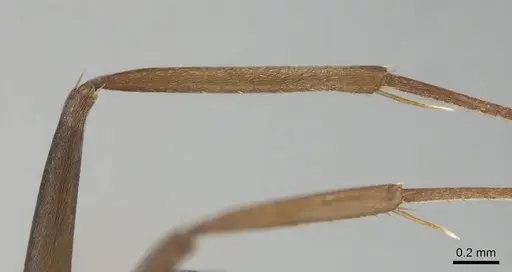
CASENT0252707
View on AntWeb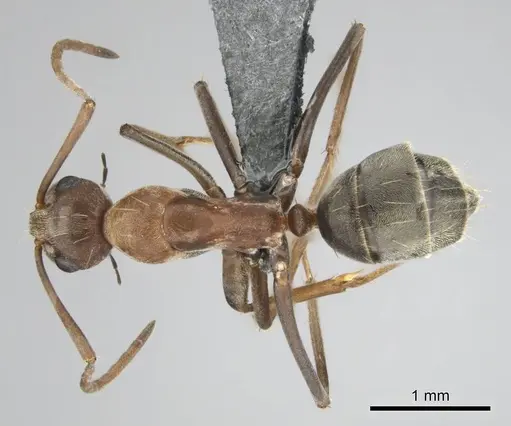
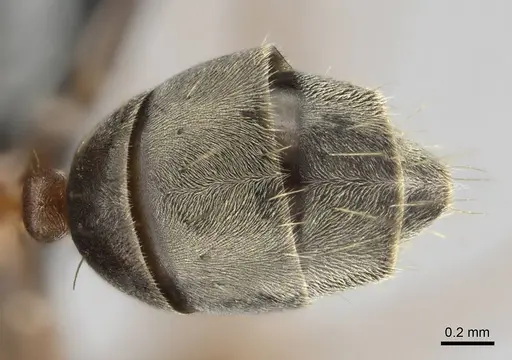
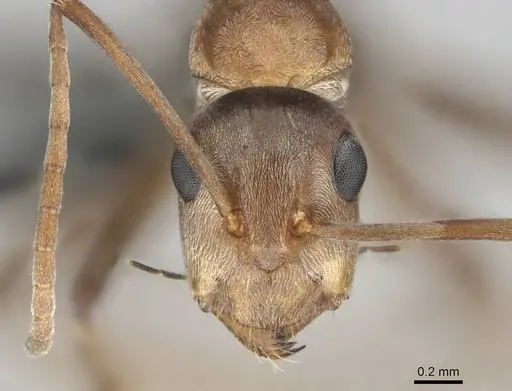
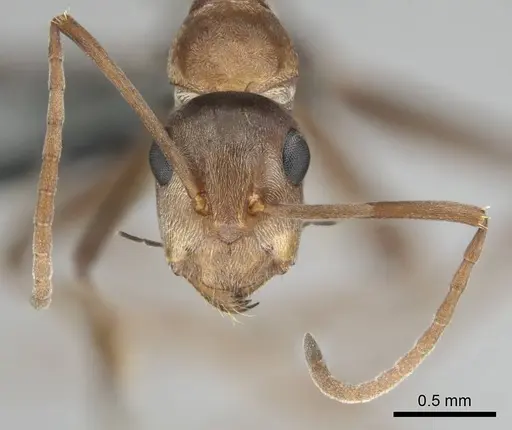
CASENT0906894
View on AntWeb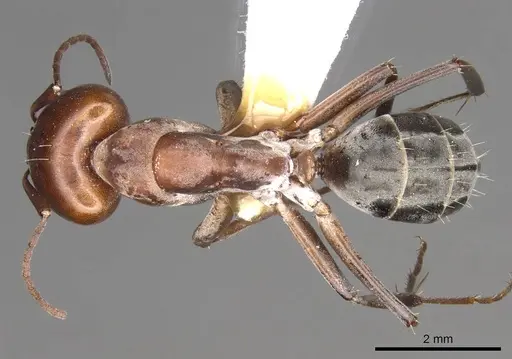
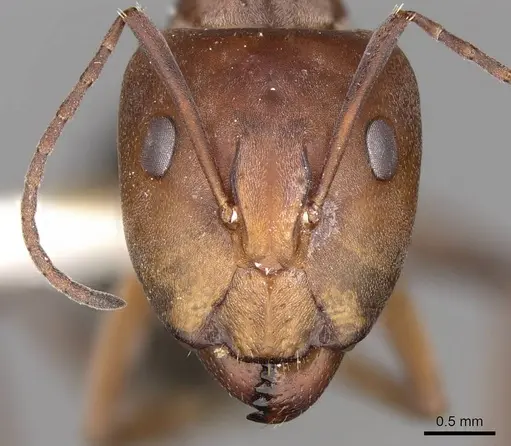
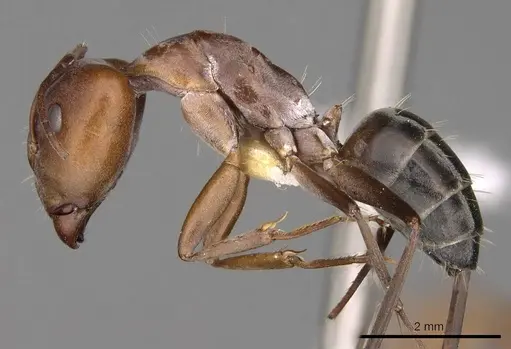
CASENT0906895
View on AntWeb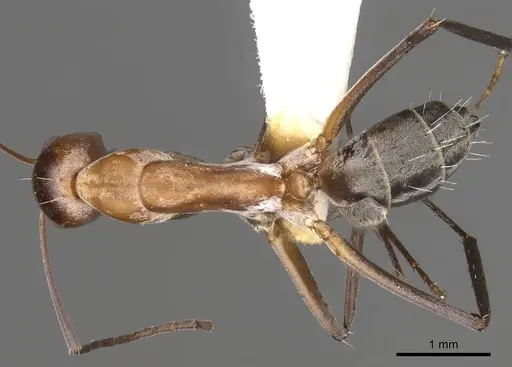
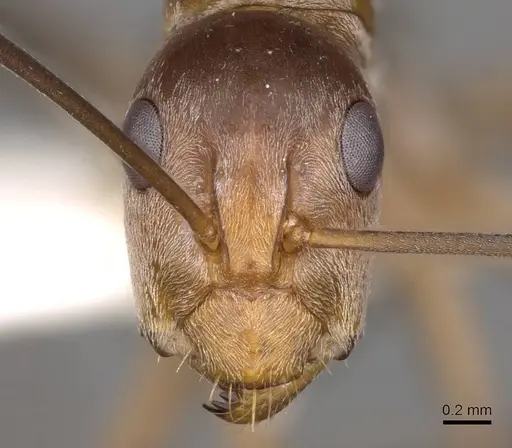
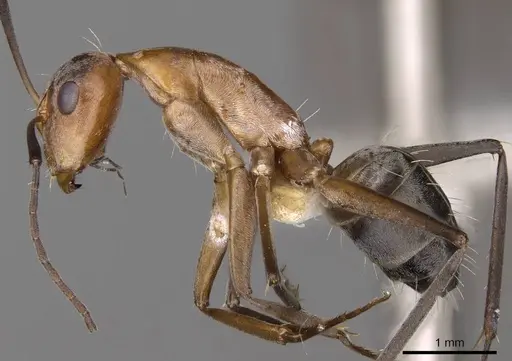
CASENT0910331
View on AntWeb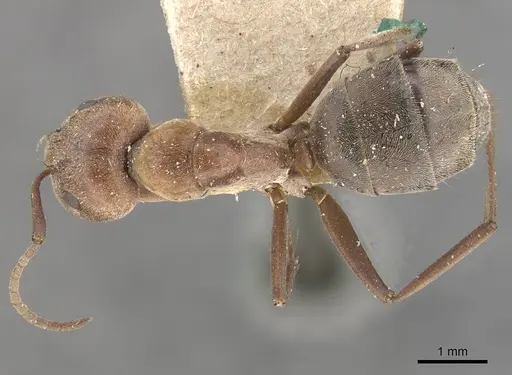
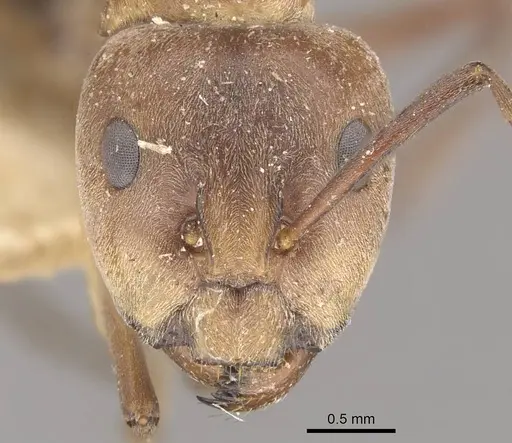
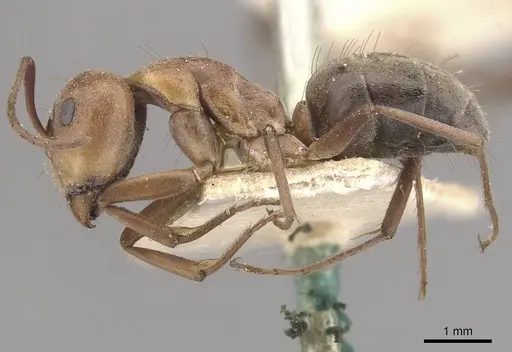
CASENT0910332
View on AntWeb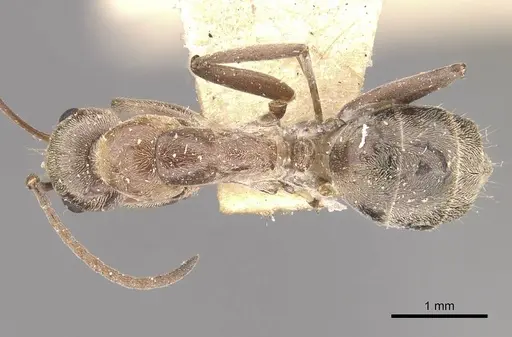
Literature
Loading distribution map...Loading products...