
Camponotus tripartitus
- Sci. Name
- Camponotus tripartitus
- Subgenus
- Myrmocladoecus
- Tribe
- Camponotini
- Subfamily
- Formicinae
- Author
- Mayr, 1887
- Distribution
- Found in 0 countries
Introduction
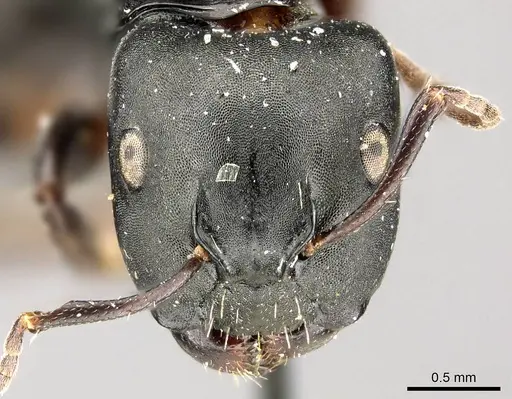
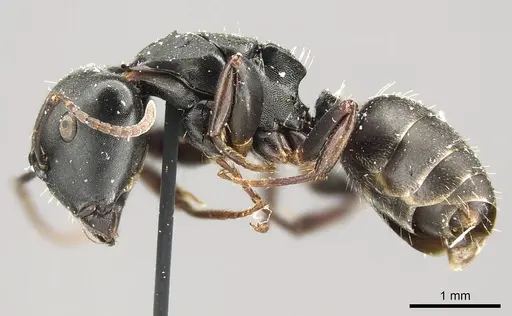
Camponotus tripartitus is a medium-sized ant species native to southern Brazil, specifically found in Santa Catarina and Paraná states within the Neotropical region. As part of the Formicinae subfamily and Camponotini tribe, these ants display the typical polymorphic nature of the genus, with workers varying between smaller minors and larger majors. The species was originally described by Mayr in 1887 and has undergone taxonomic reclassifications through several subgenera including Myrmeurynota, Myrmorhachis, and Myrmocladoecus. Like other Camponotus species, they are generalist omnivores that nest in rotting wood and can recruit workers massively when discovering abundant food sources. As patrolers in the Camponotini functional group, they play a role in the ant community dynamics of Brazil's Atlantic Forest biome.
Quick Summary
- Difficulty: Medium
- Origin & Habitat: Native to southern Brazil (Santa Catarina and Paraná states) in the Neotropical region. Inhabits the Atlantic Forest biome where it nests in rotting wood and decaying tree trunks [1][2].
- Colony Type: Likely monogyne (single queen) based on typical Camponotus patterns, though colony structure has not been specifically documented for this species.
- Size & Growth:
- Queen: ~12-15mm, inferred from typical Camponotus queen dimensions for medium-sized species
- Worker: ~6-12mm (polymorphic majors and minors), inferred from genus patterns
- Colony: Up to several hundred workers, estimated based on typical Camponotus colony development
- Growth: Moderate, typical for Camponotus genus
- Development: ~6-8 weeks at optimal temperature, inferred from typical Camponotus development patterns (Development time is inferred from genus-level data, specific studies for this species are unavailable)
- Antkeeping:
- Temperature: Keep at 22-26°C. As a Brazilian species from subtropical Atlantic Forest, they prefer warm conditions with moderate humidity. A heating cable on one side of the nest can create a temperature gradient.
- Humidity: Moderate to high humidity (60-80%). Native to the Atlantic Forest which is humid and forested. Keep nest substrate moist but not waterlogged, with some drier areas available.
- Diapause: Unknown, tropical origin suggests no true diapause required, though a brief winter slowdown period (2-3 months at 15-18°C) may benefit colony health if simulating seasonal cycles.
- Nesting: Prefers nesting in rotting wood, decaying trunks, and similar humid nest sites. In captivity, Y-tong (AAC) nests or plaster nests with moisture reservoirs work well. Avoid completely dry setups.
- Behavior: Typical Camponotus behavior, relatively calm temperament. Workers are polymorphic (major and minor castes) and they recruit nestmates massively when discovering abundant food sources. They are generalist omnivores that tend membracids for honeydew and will exploit various protein and sugar food sources. As Formicinae, they lack a functional sting and instead use their powerful bite combined with spraying formic acid from their acidopore for defense. Escape risk is moderate due to their medium size, standard barrier methods like Fluon on test tube rims are effective [1].
- Common Issues: rotting wood nesting means they need humid but not wet conditions, avoid oversaturating the nest, wild-caught colonies may harbor parasites or diseases from their native habitat, slow initial colony growth during founding phase can lead to overfeeding or disturbance, medium size means standard escape prevention is adequate but don't neglect barriers, Brazilian species may struggle with temperatures below 18°C for extended periods
Nest Preferences and Housing
In the wild, Camponotus tripartitus nests in rotting wood and decaying tree trunks, which aligns with the typical nesting behavior of the genus [1]. This preference for humid, wood-based nest sites reflects their origin in Brazil's Atlantic Forest, a humid tropical environment. For captive care, Y-tong (AAC) nests or plaster nests with moisture reservoirs work well because they can maintain the humidity levels these ants prefer. Test tubes can work for founding colonies but may need modification to maintain humidity. Avoid completely dry setups or nests that dry out quickly. The nest should have chambers scaled to the ant size, not too large or too small. A naturalistic setup with rotting wood pieces can also work if you can maintain proper humidity levels.
Feeding and Diet
Camponotus tripartitus is a generalist omnivore like other members of the genus. They will consume protein sources (insects like mealworms, crickets, fruit flies), sugar sources (honey water, sugar water), and in the wild they maintain mutualistic relationships with membracids to harvest honeydew [1]. Feed protein 2-3 times per week and keep a constant sugar source available. For founding colonies, offer small amounts of protein that can be consumed within 24-48 hours. As the colony grows, increase food portions accordingly. Remove uneaten food promptly to prevent mold. These ants are known for mass recruitment when they find abundant food, so don't be surprised if dozens of workers emerge to exploit a good food source.
Temperature and Seasonal Care
As a Brazilian species from the Atlantic Forest region (Santa Catarina and Paraná), Camponotus tripartitus prefers warm conditions. Keep the nest area at 22-26°C for optimal activity and brood development. A heating cable placed on one side of the nest can create a useful temperature gradient, allowing workers to regulate their own temperature by moving between warmer and cooler areas. Avoid temperatures below 18°C for extended periods, as this species is not adapted to cold conditions. Unlike temperate species that require full hibernation, this tropical/subtropical ant may only need a brief winter slowdown period of 2-3 months at slightly reduced temperatures (15-18°C) if you want to simulate seasonal cycles, but this is not strictly required for captive success. [2]
Behavior and Colony Dynamics
This species displays typical Camponotus behavior, they are generally calm and not overly aggressive. Workers are polymorphic, meaning you'll see both smaller minor workers and larger major workers in the same colony. One notable behavior is their mass recruitment strategy: when a worker discovers a good food source, it will recruit many nestmates to exploit it [1]. This makes them exciting to watch during feeding times. The colony will grow from a single founding queen to several hundred workers over time. Major workers develop later in the colony cycle and serve as soldiers and food processors. Queens are claustral, they seal themselves in a chamber and raise the first brood alone without foraging, living entirely on stored fat reserves until the first workers emerge. As Formicinae ants, they lack a functional sting and defend themselves by biting and spraying formic acid from their acidopore.
Acquiring and Establishing a Colony
Camponotus tripartitus is not among the most common ant species in the hobby, so finding a colony may require connecting with breeders who work with Brazilian species or locating a reputable supplier. If collecting from the wild in Brazil, look for nesting in rotting wood in forested areas. When establishing a founding colony, use a test tube setup with a water reservoir and provide a dark, quiet environment. The queen will seal herself in and not emerge until the first workers (nanitics) appear. Avoid disturbing the colony during this critical founding period, resist the urge to check on them frequently as this can cause stress and abandonment. Once the first workers emerge, you can begin offering small amounts of food and gradually transition to a proper nest setup as the colony grows.
Frequently Asked Questions
How long does it take for Camponotus tripartitus to have first workers?
Based on typical Camponotus development patterns, expect first workers (nanitics) to emerge in approximately 6-8 weeks after the queen lays eggs, assuming temperatures around 24-26°C. This timeline is inferred from genus-level data since specific development studies for this species are not available.
What do Camponotus tripartitus ants eat?
They are omnivores that accept both protein and sugar sources. Offer insects (mealworms, crickets, fruit flies) as protein 2-3 times per week, and keep honey water or sugar water available constantly. In the wild, they also harvest honeydew from membracids and other sap-sucking insects.
What temperature do Camponotus tripartitus need?
Keep them warm at 22-26°C. As a Brazilian species from the Atlantic Forest, they prefer subtropical to tropical temperatures. A heating cable on part of the nest can create a gradient, but ensure part of the nest remains cooler so workers can regulate their temperature.
Are Camponotus tripartitus good for beginners?
This species is rated as medium difficulty. While they are generally hardy once established, the main challenges include sourcing a colony (they are not common in the hobby), providing proper humidity, and maintaining warm temperatures. Beginners may find easier species like Camponotus floridanus or Lasius niger more accessible.
How big do Camponotus tripartitus colonies get?
Based on typical Camponotus colony sizes, expect up to several hundred workers at maturity. Colony growth is moderate, it takes several years to reach full size. The colony will develop major workers (soldiers) as it grows.
Can I keep multiple Camponotus tripartitus queens together?
This species is likely monogyne (single queen per colony) based on typical Camponotus patterns. Combining unrelated queens is not recommended as they will likely fight. If you find a queen in the wild, set her up alone in a founding setup.
Do Camponotus tripartitus need hibernation?
As a Brazilian (subtropical) species, they do not require true hibernation. However, a brief winter slowdown period (2-3 months at 15-18°C) may benefit colony health if you want to simulate natural seasonal cycles, but this is optional.
What type of nest is best for Camponotus tripartitus?
Y-tong (AAC) nests or plaster nests with moisture reservoirs work well because they can maintain the humid conditions this species prefers. They naturally nest in rotting wood, so the nest should provide humid, wood-like conditions. Test tubes can work for founding but may need humidity modifications.
Why is my Camponotus tripartitus colony dying?
Common causes include: temperatures below 18°C (they're tropical and cold-sensitive), too dry conditions (they need humidity), oversaturation leading to mold, or stress from frequent disturbances during founding. Also check for parasites if the colony was wild-caught. Ensure proper temperature, humidity, and minimal disturbance.
Report an Issue
The current care sheet is based fully on literature. See inconsistencies, or something that's incorrect? Please , it will be resolved after review from an admin. Contributing to the blogs tab also helps providing information, to make us be able to further improve the caresheets. Thank you for your support!
References

This caresheet is licensed under CC BY-SA 4.0 .
Community Blogs
CASENT0911744
View on AntWeb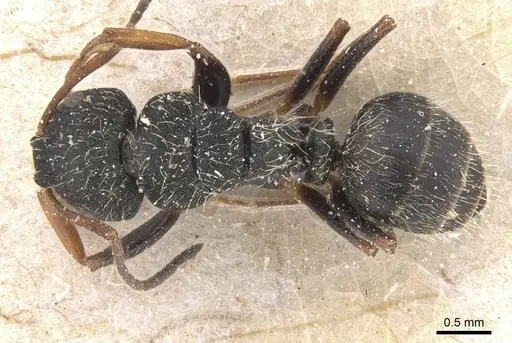
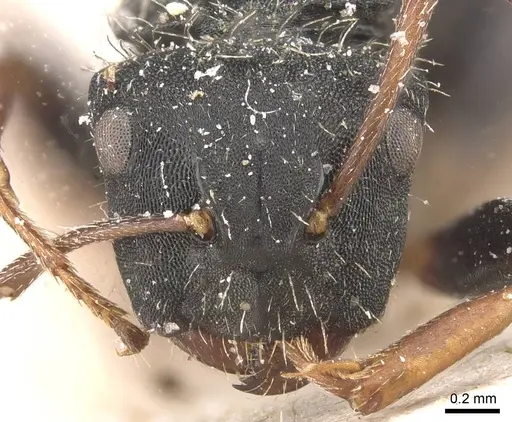
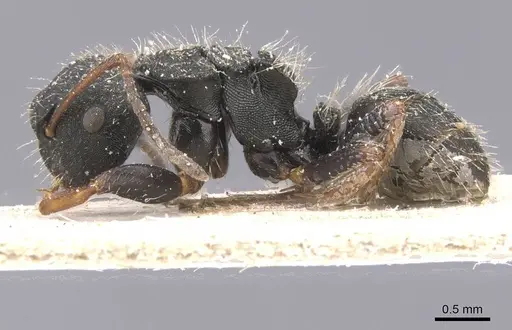
CASENT0915809
View on AntWeb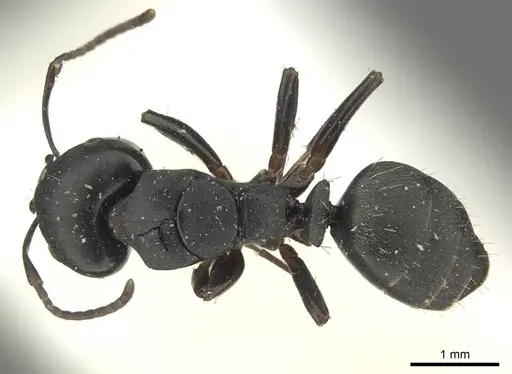
Literature
Loading distribution map...Loading products...