
Camponotus transvaalensis
- Sci. Name
- Camponotus transvaalensis
- Subgenus
- Myrmespera
- Tribe
- Camponotini
- Subfamily
- Formicinae
- Author
- Arnold, 1948
- Distribution
- Found in 1 countries
Introduction
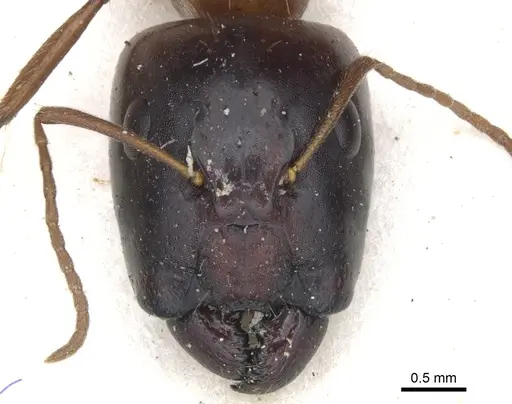
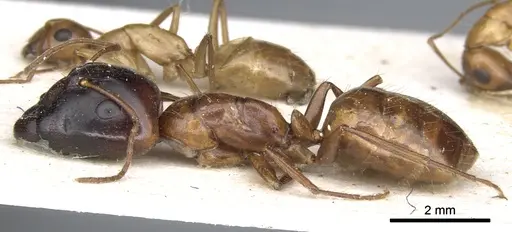
Camponotus transvaalensis is a carpenter ant species native to the Transvaal region of South Africa. Workers are polymorphic, with major and minor castes. They have the typical Camponotus body shape with a rounded abdomen and a single hump (petiole) between the thorax and abdomen. The species belongs to the subgenus Myrmesperra [AntWiki]. This species has a distinctive nesting behavior - it builds turreted nest entrances, constructing small towers from clay soil. This unusual trait helps with ventilation and water management in their nests. The species is part of the Camponotini functional group and has been documented in rehabilitated mining areas in South Africa's Highveld region, where it requires clay soils for turret construction .
Quick Summary
- Difficulty: Medium
- Origin & Habitat: South Africa (Transvaal region). Found in natural areas and rehabilitated mining sites in the South African Highveld. They build nests in clay soils and construct distinctive turreted entrances [2][1].
- Colony Type: Colony type unconfirmed. No specific literature documents queen number for this species.
- Size & Growth:
- Queen: Size data unavailable, no measurements exist in available literature
- Worker: Polymorphic with majors and minors, exact measurements unavailable
- Colony: Maximum colony size unknown
- Growth: Growth rate unconfirmed
- Development: Development time unconfirmed for this species (No specific data available, typical Camponotus patterns may apply but cannot be confirmed.)
- Antkeeping:
- Temperature: Keep nest area at 22-26°C. Being a South African species, they prefer warm conditions but not extreme heat. A heating cable on one side of the nest creates a temperature gradient.
- Humidity: Moderate humidity around 50-60%. The turreted nest construction suggests they handle variable moisture conditions. Keep nest substrate slightly moist but allow some drying between waterings [2].
- Diapause: Diapause requirements unconfirmed for this specific species. As a South African temperate region species, winter dormancy is likely but not documented in literature.
- Nesting: In captivity, they do well in Y-tong (AAC), plaster, or soil nests. Provide chambers scaled to their size. They may attempt to build with substrate materials given their turret-building behavior in the wild. Avoid overly wet conditions that could cause mold [2][1].
- Behavior: Typical Camponotus temperament, generally calm and not overly aggressive. Workers are active foragers that search for protein and sugar sources. Majors serve as defenders and help process larger food items. They can bite and spray formic acid from their acidopore as their primary defense. Escape risk is moderate, ensure your formicarium has tight-fitting barriers and consider using fluon on edges.
- Common Issues: colonies often stall during founding if the queen is disturbed, give her complete darkness and quiet for the first few weeks, overheating is a risk, keep them warm but not hot, avoid direct sunlight on the nest, mold can develop if the nest is too wet, monitor moisture levels and provide ventilation, slow initial growth causes some keepers to overfeed, leading to mold problems in the nest, colony type and founding behavior are unconfirmed, observe your colony closely for signs of stress
Nest Preferences and Housing
Camponotus transvaalensis is a carpenter ant that naturally nests in soil with clay components, as evidenced by their turret-building behavior. In captivity, they adapt well to Y-tong (AAC), plaster nests, and soil-based naturalistic setups. The key is providing appropriately sized chambers, not too large initially as this can stress the colony, but with room to expand.
Given their natural tendency to build turrets, you might notice them moving substrate or attempting to modify their enclosure. This is normal behavior and indicates they feel comfortable in their environment. Provide some diggable substrate if using a naturalistic setup, but ensure adequate ventilation to prevent mold. A small water reservoir in the outworld helps maintain humidity without over-wetting the nest area.
For the founding stage, a simple test tube setup works well. Once the colony reaches 15-20 workers, you can consider moving them to a proper formicarium. The transition should be gradual, connect the test tube to the new nest and let them explore at their own pace. [2][1]
Feeding and Diet
Like other Camponotus species, Camponotus transvaalensis is omnivorous with a preference for protein-rich foods. In captivity, they readily accept common ant foods including mealworms, small crickets, and other insects. Sugar sources are important for energy, offer sugar water, honey, or diluted maple syrup in a shallow dish.
For newly established colonies, focus on protein to support brood development. A few small insects per week is sufficient for a colony under 50 workers. As the colony grows, you can increase feeding frequency. Major workers can handle larger prey items and will help process food for the rest of the colony.
Avoid overfeeding, remove any uneaten prey after 24-48 hours to prevent mold. Fresh water should always be available. [1]
Temperature and Seasonal Care
As a South African species, Camponotus transvaalensis prefers warm conditions. Maintain nest temperatures between 22-26°C for optimal brood development. A heating cable placed on one side of the nest creates a gradient that allows ants to regulate their own temperature by moving between warmer and cooler areas.
Winter care is uncertain for this species. As a South African temperate species, a diapause period may be beneficial, but specific requirements are not documented. Some keepers reduce temperatures to 10-15°C for 2-3 months during winter, mimicking natural seasonal cycles. Do not feed during deep hibernation, but ensure some moisture is available.
Avoid placing the nest in direct sunlight or near heat sources that could cause temperature spikes. Room temperature (around 20-22°C) is acceptable if your home stays in this range, but you may see faster growth with slight warming. [1]
Colony Development and Growth
Colony development details are unconfirmed for this specific species. After the queen lays her first eggs, expect nanitic (first) workers to emerge in 6-8 weeks when kept at optimal temperature, this follows typical Camponotus patterns. These initial workers are smaller than mature workers but immediately begin caring for brood and foraging.
Growth is initially slow, the first year may see only modest expansion as the colony establishes its worker force. Once the colony reaches 50-100 workers, growth typically accelerates. Major workers (larger soldiers) appear as the colony matures and serve specialized roles in defense and food processing.
Patience is key with this species. The queen can live for many years with proper care. This is not a fast-growing species, but colonies can become impressive display colonies with time and proper care. [1]
Behavior and Temperament
Camponotus transvaalensis has a typically calm temperament typical of carpenter ants. They are not particularly aggressive and will generally ignore keeper interference unless the nest is directly threatened. When disturbed, workers may emit alarm pheromones and mobilize to defend the colony, but they rarely pursue threats far from the nest.
Workers are active foragers that will venture into the outworld to search for food. They communicate food discoveries through chemical trails, so you may see coordinated foraging efforts once the colony is established. Major workers often remain near the nest and respond to larger food items or threats.
Their defense mechanism involves biting and spraying formic acid from their acidopore. This is typical of Formicinae ants. The bite is not particularly painful for humans. Escape prevention is important, while not the smallest ants, they can squeeze through small gaps, so ensure all connections are secure and consider fluon barriers. [1]
Frequently Asked Questions
How long does it take for Camponotus transvaalensis to get their first workers?
Development time is unconfirmed for this species. Based on typical Camponotus patterns, first workers may emerge in 6-8 weeks when kept at optimal temperatures of 22-26°C. The queen will remain sealed in her founding chamber until the first workers arrive.
What do Camponotus transvaalensis eat?
They are omnivorous. Offer protein sources like mealworms, small crickets, and other insects. Sugar sources like sugar water, honey, or maple syrup are also important. Remove uneaten food after 24-48 hours to prevent mold.
Do Camponotus transvaalensis need hibernation?
Diapause requirements are unconfirmed for this specific species. As a South African temperate region species, winter dormancy is likely but not documented in literature. Some keepers provide a winter rest period at reduced temperatures.
Are Camponotus transvaalensis good for beginners?
They are rated as medium difficulty. They are more forgiving than some exotic species but require attention to temperature and seasonal care. Their slower growth and uncertain winter dormancy requirements make them better suited for keepers who understand basic antkeeping principles.
When should I move Camponotus transvaalensis to a formicarium?
Wait until the colony has 15-20 workers before transitioning to a proper formicarium. A test tube setup works well for founding colonies. Connect the formicarium to the test tube and allow the ants to explore and move at their own pace.
How big do Camponotus transvaalensis colonies get?
Maximum colony size is unknown for this species. Based on typical Camponotus patterns, colonies may reach several thousand workers over several years. The queen can live many years with proper care.
Can I keep multiple Camponotus transvaalensis queens together?
Colony type is unconfirmed for this species. No specific literature documents whether they are monogyne or polygyne. It is safest to keep one queen per colony.
What temperature is best for Camponotus transvaalensis?
Keep the nest area at 22-26°C. A heating cable on one side creates a temperature gradient. Avoid direct sunlight and extreme heat. Room temperature is acceptable if within this range.
Why is my Camponotus transvaalensis colony not growing?
Common causes include: temperatures too low, overfeeding causing mold stress, disturbance during founding, or parasites. Ensure proper temperatures, remove uneaten food promptly, and give the queen quiet darkness during the founding stage. Note that colony development data is limited for this species.
Report an Issue
The current care sheet is based fully on literature. See inconsistencies, or something that's incorrect? Please , it will be resolved after review from an admin. Contributing to the blogs tab also helps providing information, to make us be able to further improve the caresheets. Thank you for your support!
References

This caresheet is licensed under CC BY-SA 4.0 .
Community Blogs
CASENT0903501
View on AntWeb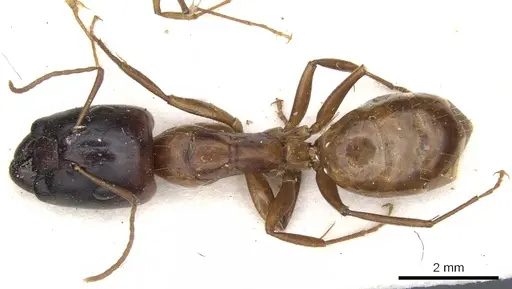
Literature
Loading distribution map...Loading products...