
Camponotus thomasseti
- Sci. Name
- Camponotus thomasseti
- Subgenus
- Myrmamblys
- Tribe
- Camponotini
- Subfamily
- Formicinae
- Author
- Forel, 1912
- Distribution
- Found in 2 countries
Introduction
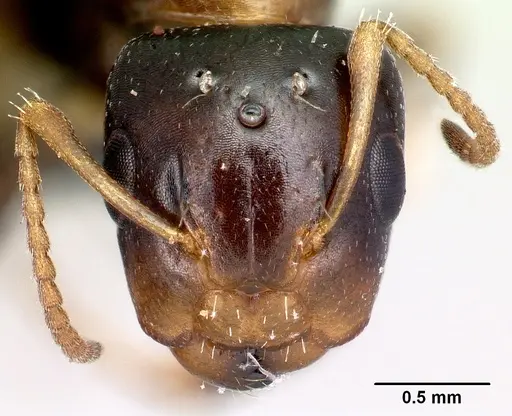
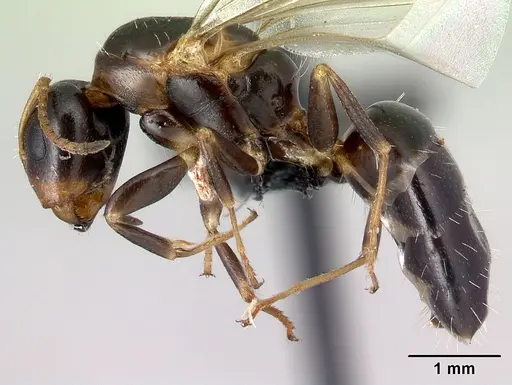
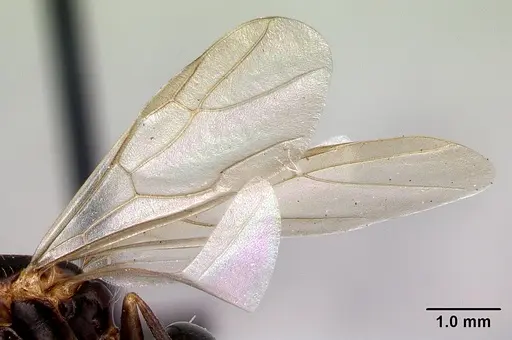
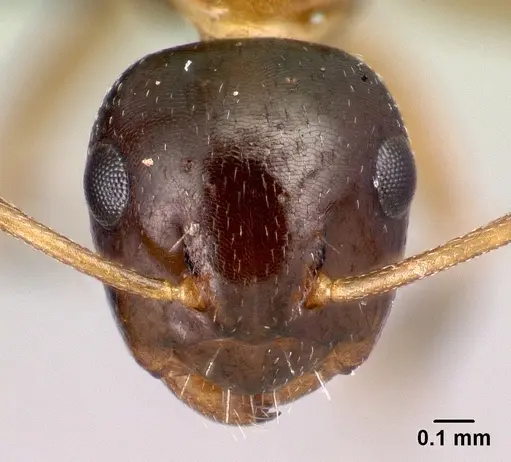
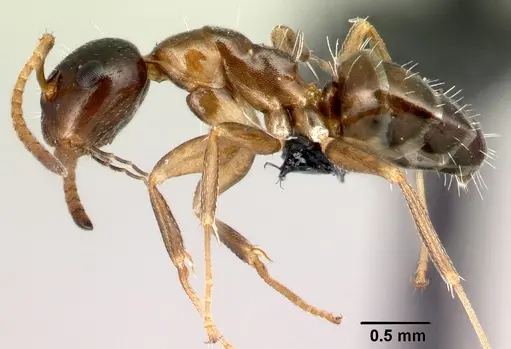
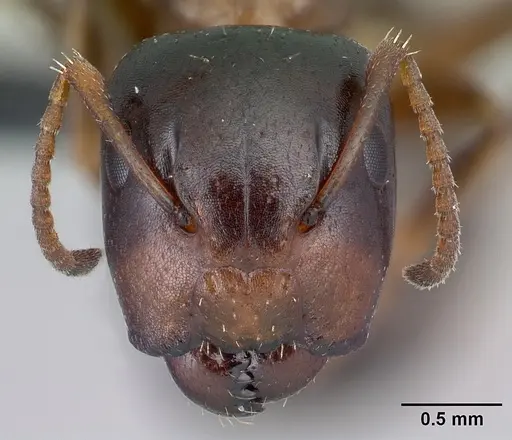
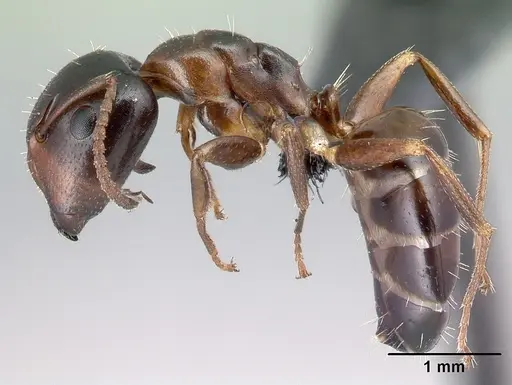
Camponotus thomasseti is a carpenter ant native to the Seychelles islands, specifically Mahé and Silhouette . Size data is unavailable for this species, but it is a small Camponotus based on genus patterns . They inhabit humid forests and nest in rotting wood or soil cavities . This species is poorly studied, with most care information inferred from typical Camponotus behavior .
Quick Summary
- Difficulty: Medium
- Origin & Habitat: Seychelles islands (Mahé and Silhouette), tropical island environment with humid forest habitats [1][2]
- Colony Type: Unconfirmed, no species-specific data on queen number [2]
- Size & Growth:
- Queen: Size data unavailable, no total length measurements in literature [2]
- Worker: Size data unavailable, inferred from Camponotus genus patterns [2]
- Colony: Unknown, no species-specific data [2]
- Growth: Moderate, typical for Camponotus species [2]
- Development: Estimated 6-8 weeks based on genus patterns [2] (Development time inferred, tropical origin may allow faster development [2])
- Antkeeping:
- Temperature: Keep warm, roughly 24-28°C, based on tropical habitat [2]
- Humidity: Keep nest substrate consistently moist but not waterlogged, based on humid forest habitat [2]
- Diapause: No, tropical species do not require hibernation [2]
- Nesting: Y-tong, plaster, or naturalistic nests with humid chambers [2]
- Behavior: Generally calm and not aggressive toward keepers. Workers are active foragers, primarily nocturnal. Escape risk is moderate due to size, use standard barriers [2]. Defense mechanism involves formic acid spray from acidopore, typical of Formicinae.
- Common Issues: maintain warm temperatures to prevent stress in tropical species [2], balance humidity to avoid mold growth in nest [2], be patient during founding phase as growth is slow [2], wild-caught colonies may carry parasites from native habitat [2]
Housing and Nest Setup
For founding colonies, use a test tube setup with water and cotton. The queen may seal herself in, but founding behavior is unconfirmed for this species [2]. For established colonies, use Y-tong, plaster, or naturalistic nests to maintain humidity [2]. Add a water reservoir or mist regularly. Provide an outworld for foraging once the colony has workers [2].
Feeding and Diet
Offer constant access to sugar sources like honey water [2]. Provide protein 2-3 times weekly with dead insects or commercial ant food [2]. Remove uneaten protein after 24-48 hours to prevent mold [2].
Temperature and Humidity Management
Keep nest area warm at 24-28°C using a heating cable to create a gradient [2]. Maintain high humidity by keeping nest substrate moist but not waterlogged [2]. Ensure good ventilation to prevent mold [2].
Seasonal Care and Winter Management
As a tropical species, no hibernation is needed [2]. Slight temperature reduction to 20-22°C in winter is optional but not required [2]. Activity may slow during cooler periods, which is normal [2].
Colony Development and Growth
Colony growth is moderate, expect slow development during founding [2]. First workers may emerge in 6-8 weeks under optimal conditions, but this is estimated from genus patterns [2]. Mature colony size is unknown [2].
Behavior and Temperament
Workers are generally calm and not aggressive. They forage actively, often at night [2]. Defense involves formic acid spray, typical of Formicinae ants. Escape risk is moderate, use barriers like Fluon on glass [2].
Frequently Asked Questions
How long does it take for Camponotus thomasseti to have first workers?
Estimated 6-8 weeks under optimal temperatures, based on genus patterns [2]. Be patient, as founding can take longer if conditions are not ideal [2].
What do Camponotus thomasseti ants eat?
They are omnivores. Offer sugar sources constantly and protein 2-3 times weekly [2].
What temperature do Camponotus thomasseti need?
Keep them warm at 24-28°C, based on their tropical habitat [2].
Is Camponotus thomasseti good for beginners?
Rated Medium difficulty due to warm, humid requirements and slow founding [2]. Experienced keepers may have more success [2].
Do Camponotus thomasseti need hibernation?
No, as a tropical species, they do not require hibernation [2].
How big do Camponotus thomasseti colonies get?
Colony size is unknown due to lack of species-specific data [2].
Can I keep multiple Camponotus thomasseti queens together?
Colony type is unconfirmed, but combining queens is not recommended as they may fight [2].
When should I move Camponotus thomasseti to a formicarium?
Move founding colonies to a nest when they have workers, but timing is unconfirmed [2]. Use Y-tong or plaster nests [2].
Why is my Camponotus thomasseti colony not growing?
Check temperature, humidity, and feeding. Slow growth is normal during founding [2].
Report an Issue
The current care sheet is based fully on literature. See inconsistencies, or something that's incorrect? Please , it will be resolved after review from an admin. Contributing to the blogs tab also helps providing information, to make us be able to further improve the caresheets. Thank you for your support!
References

This caresheet is licensed under CC BY-SA 4.0 .
Community Blogs
CASENT0101708
View on AntWeb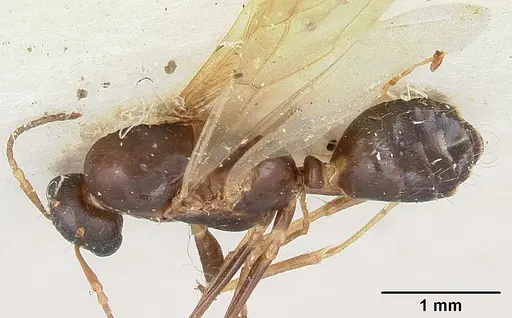
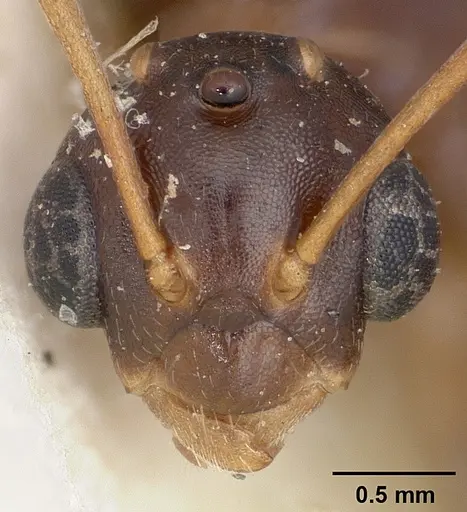
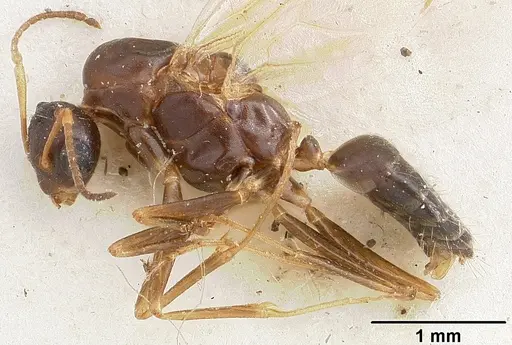
CASENT0102307
View on AntWeb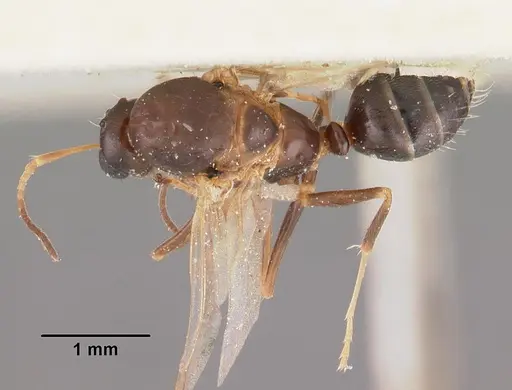
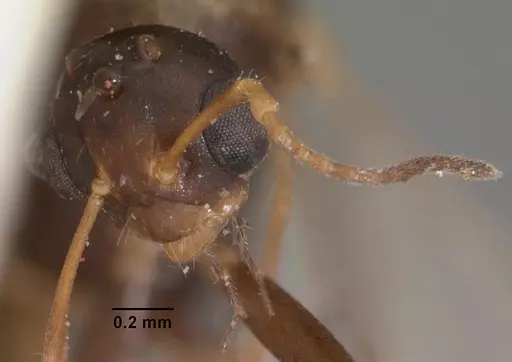
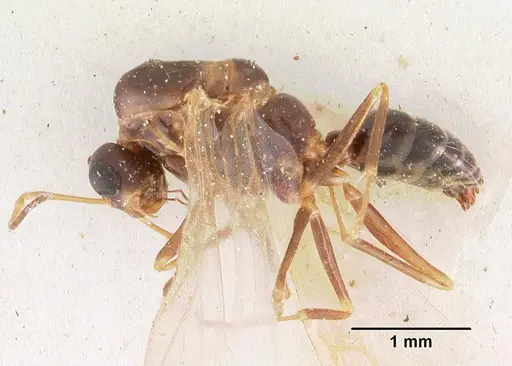
CASENT0102308
View on AntWeb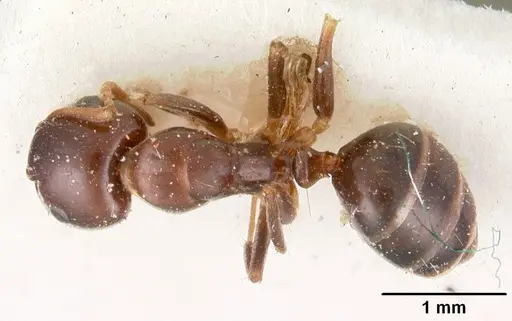
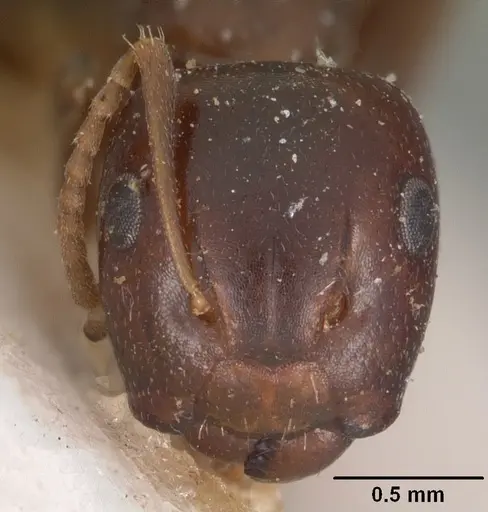
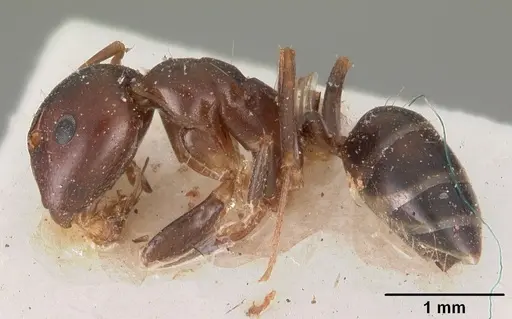
CASENT0159986
View on AntWeb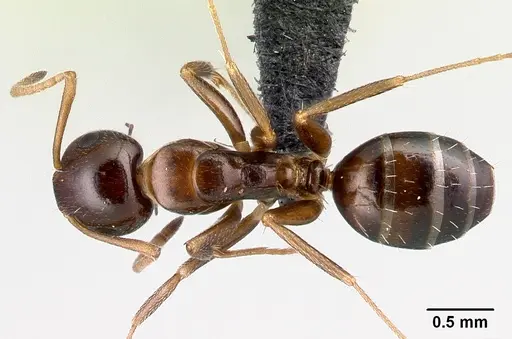
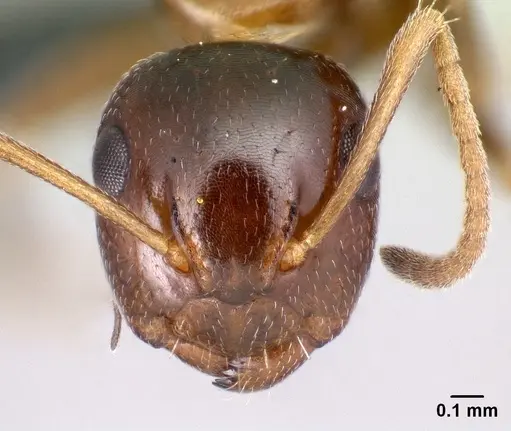
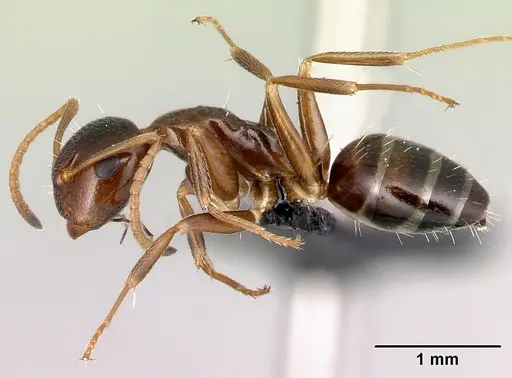
CASENT0160707
View on AntWeb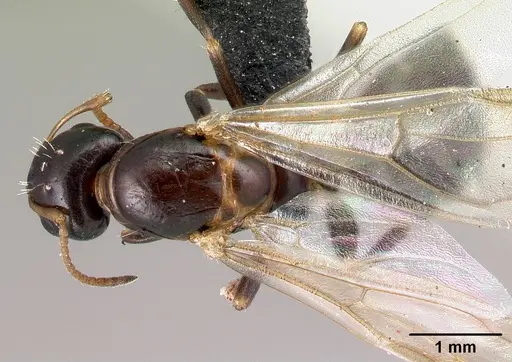
CASENT0160708
View on AntWeb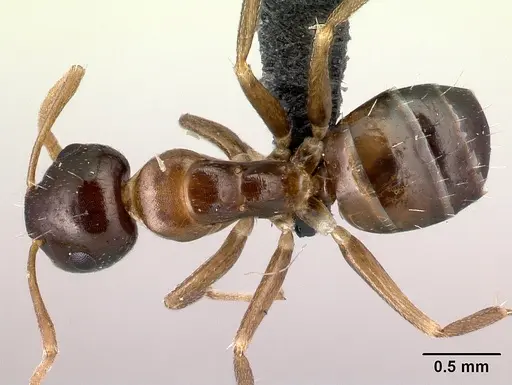
CASENT0217288
View on AntWeb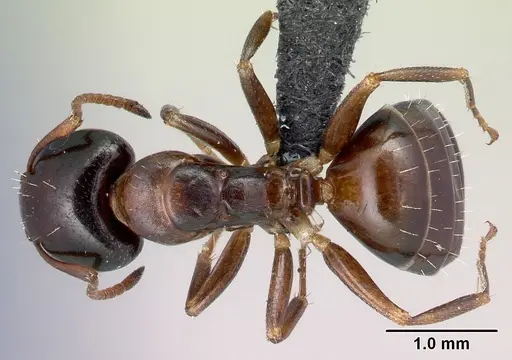
Literature
Loading distribution map...Loading products...