
Camponotus themistocles
- Sci. Name
- Camponotus themistocles
- Subgenus
- Mayria
- Tribe
- Camponotini
- Subfamily
- Formicinae
- Author
- Forel, 1910
- Distribution
- Found in 1 countries
Introduction
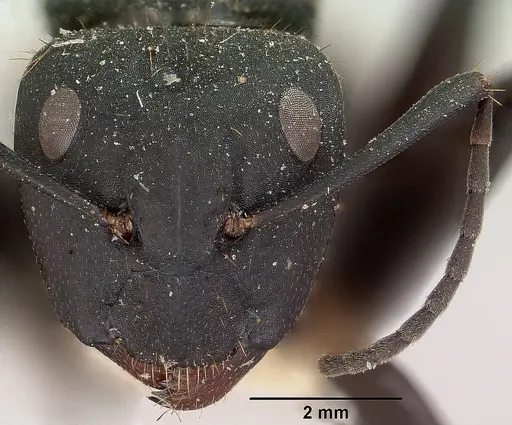
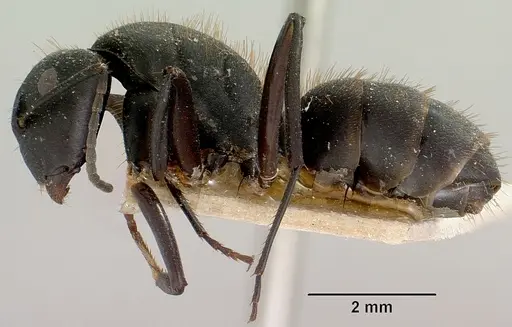
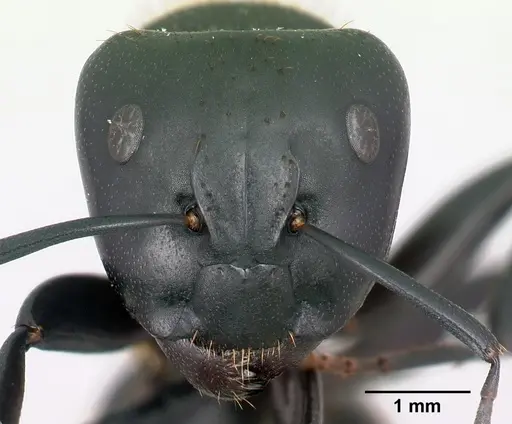
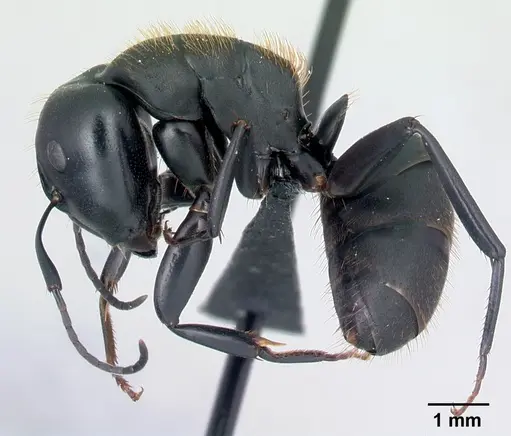
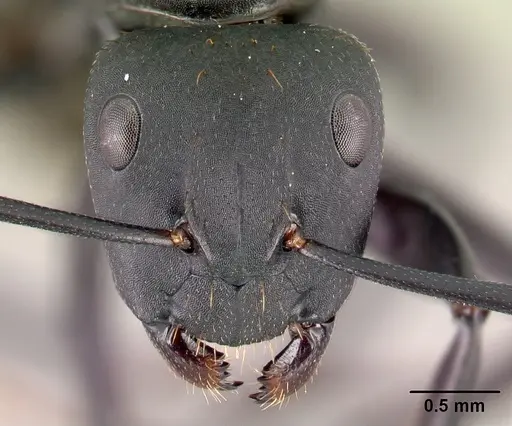
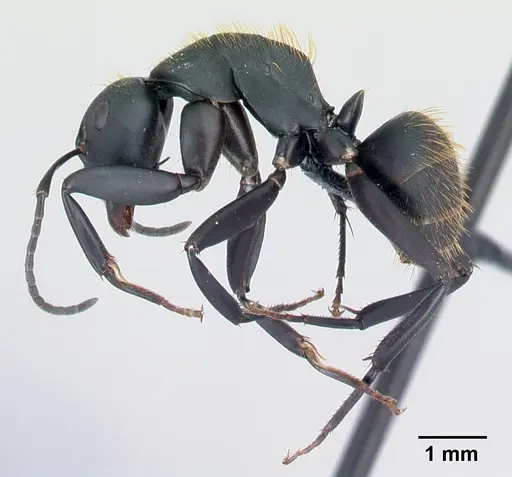
Camponotus themistocles is a carpenter ant species endemic to southern Madagascar. Workers come in two size castes: minor workers measure approximately 5-7mm in total length, while majors are larger at approximately 10-15mm [inferred from Camponotus genus]. The ants have dark brown body coloration with distinctive rust or red-brown erect hairs covering their bodies. They feature a unique rectangular projection on the front of their clypeus and a thin, sharp-edged petiole . This species belongs to the Camponotus darwinii species group and was recently reclassified into the subgenus Mayria . These ants are ground nesters found in Madagascar's coastal forests at very low elevations of 10-30 meters. They nest in rotten logs, dead twigs, and leaf litter above ground . As with other carpenter ants in the Formicinae subfamily, they lack a functional sting and instead defend by biting and spraying formic acid from their acidopore. This is a rare species in the antkeeping hobby due to its limited distribution in Madagascar.
Quick Summary
- Difficulty: Medium
- Origin & Habitat: Southern Madagascar, specifically Fort Dauphin region. They inhabit littoral (coastal) forest and gallery forest at elevations of 10-30 meters [1]. Nests are found in rotten logs, dead twigs, and sifted litter above ground level [1].
- Colony Type: Colony structure is unconfirmed for this species. Based on typical Camponotus patterns, likely single-queen colonies (monogyne).
- Size & Growth:
- Queen: Size data unavailable, no specific measurements exist for this species. Based on Camponotus genus patterns, queens would be significantly larger than majors, likely 15-20mm.
- Worker: Minor workers: approximately 5-7mm total length. Major workers: approximately 10-15mm total length.
- Colony: Not documented in scientific literature. Based on related species in the darwinii group, colonies likely reach several hundred workers.
- Growth: Moderate, typical for Camponotus species.
- Development: 6-8 weeks at optimal temperature (estimated based on Camponotus genus patterns). (This is an estimate as specific development timing has not been studied for this species. Camponotus species generally have claustral founding where the queen seals herself in and raises the first brood alone on stored body fat.)
- Antkeeping:
- Temperature: Keep at room temperature or slightly above, around 22-26°C. As a lowland tropical species from Madagascar, they prefer warm conditions. A heating cable on one side of the nest can create a gentle gradient if your room is cooler.
- Humidity: Moderate to high humidity. In their natural habitat of littoral and gallery forests, they experience humid conditions. Keep the nest substrate moderately moist but not waterlogged. Provide a water source.
- Diapause: No diapause required. As a tropical species from lowland Madagascar, they do not experience cold winters.
- Nesting: Ground-nesting species that naturally nests in rotten logs, dead twigs, and leaf litter above ground [1]. In captivity, a Y-tong (AAC) nest, plaster nest, or naturalistic setup with rotting wood works well. They prefer tight, enclosed spaces. Avoid dry, arid setups.
- Behavior: Generally calm temperament typical of Camponotus. Workers are moderately active foragers. They are not aggressive but may bite and spray formic acid if the nest is disturbed. Escape risk is moderate, they are not tiny ants but can climb smooth surfaces. Use standard barrier methods. They are nocturnal to crepuscular, being most active during cooler parts of the day.
- Common Issues: humidity management is critical, too dry and brood will desiccate, too wet and mold becomes a problem, colonies may be slow to establish due to small initial colony size, wild-caught colonies may carry parasites that can decimate the colony in captivity, heating too close to the nest can cause drying and brood death, as a ground-nesting species, they need appropriate nesting material, pure acrylic nests may be too dry
Nest Preferences
Camponotus themistocles is a ground-nesting species that in nature colonizes rotting logs, dead twigs, and leaf litter above the ground [1]. They prefer damp, humid microhabitats in their coastal forest habitat. In captivity, provide a nest that maintains moderate humidity. Y-tong (AAC) nests work well because they hold humidity while allowing you to observe the colony. Plaster nests are another good option, as the ants can tunnel into the material. Naturalistic setups with rotting wood pieces also mimic their natural conditions well. Avoid completely dry setups like bare acrylic nests, these can cause brood desiccation.
Feeding and Diet
Like other Camponotus species, themistocles is omnivorous. They accept sugar sources readily, honey water, sugar water, or pure honey can be offered. For protein, provide small insects like fruit flies, small mealworms, or cricket pieces. In the wild, they likely forage for honeydew from aphids and scale insects, plus small invertebrates. Feed them a drop of sugar water 2-3 times per week, and offer protein (insects) once or twice weekly. Remove uneaten food after 24 hours to prevent mold. Fresh water should always be available.
Temperature and Care
As a lowland tropical species from southern Madagascar, Camponotus themistocles prefers warm conditions. Keep the nest area at 22-26°C. Room temperature is often sufficient if your home is in this range. If your space is cooler, use a heating cable placed on top of the nest (not underneath, which can cause excessive drying). Create a temperature gradient so workers can move between warmer and cooler areas. Since they come from a tropical environment, they do not require hibernation like temperate species do. [1]
Behavior and Temperament
Camponotus themistocles has a calm temperament typical of the genus. Workers are moderately active and will emerge to forage during crepuscular hours (dawn and dusk) when temperatures are cooler. They are not aggressive and will typically retreat rather than attack when threatened. However, as members of the Formicinae subfamily, they can bite and spray formic acid as a defense. Major workers, with their larger heads, may serve as soldiers or help with food processing. The colony will establish a foraging pattern once they settle in. Watch for escape attempts, while not tiny, they can climb smooth surfaces, so use fluon or barrier tape on the outworld.
Colony Establishment
When you acquire a founding queen, she will likely already be sealed in a chamber (claustral founding). The queen will not leave to forage during this time, she lives entirely on her stored fat reserves to produce eggs and raise the first brood. This process takes 4-8 weeks depending on temperature. Do not disturb the queen during this critical period. Once the first workers (nanitics) emerge, they will be smaller than normal workers but will begin foraging for food. At this point, you can offer sugar water and small protein items. The colony will grow slowly at first, then accelerate as the worker population increases.
Frequently Asked Questions
How long does it take for Camponotus themistocles to produce first workers?
Expect 6-8 weeks from egg to first worker at optimal temperature (22-26°C). This is typical for Camponotus species. The queen is claustral, she seals herself in and raises the first brood alone without foraging.
What do Camponotus themistocles eat?
They are omnivorous. Offer sugar water, honey, or honeydew regularly. For protein, provide small insects like fruit flies, small mealworms, or cricket pieces. Feed sugar sources 2-3 times per week and protein 1-2 times per week.
Can I keep multiple queens together?
No. Based on Camponotus genus patterns, this species is likely monogyne, colonies have a single queen. Multiple unrelated queens will fight. Only keep one queen per colony.
What temperature do they need?
Keep them at 22-26°C. As a tropical lowland species from Madagascar, they prefer warm conditions. Room temperature is often ideal.
Are Camponotus themistocles good for beginners?
They are moderate difficulty. The main challenges are providing appropriate humidity and maintaining warm temperatures. They are not as forgiving as some common species but are manageable for intermediate antkeepers.
When should I move them to a formicarium?
Wait until the colony has 20-30 workers before moving to a formicarium. Test tubes are fine for founding colonies. A Y-tong or plaster nest works well once the colony is established.
Do they need hibernation?
No. As a tropical species from Madagascar, they do not require hibernation.
How big do colonies get?
Based on related species, colonies likely reach several hundred workers. The exact maximum is not documented for this species.
Why are my ants dying?
Common causes include: too low humidity (causes brood death), temperatures too cold (slows or stops development), mold from overfeeding, or stress from disturbance during founding. Ensure proper humidity, warmth, and minimal disturbance.
Report an Issue
The current care sheet is based fully on literature. See inconsistencies, or something that's incorrect? Please , it will be resolved after review from an admin. Contributing to the blogs tab also helps providing information, to make us be able to further improve the caresheets. Thank you for your support!
References

This caresheet is licensed under CC BY-SA 4.0 .
Community Blogs
CASENT0101381
View on AntWeb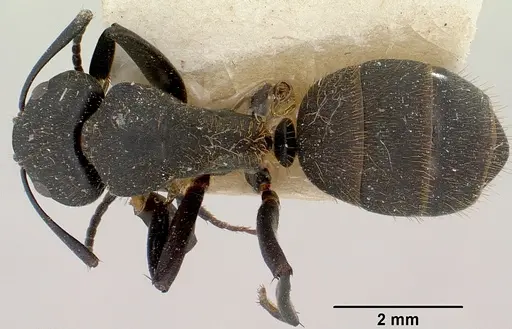
CASENT0121525
View on AntWeb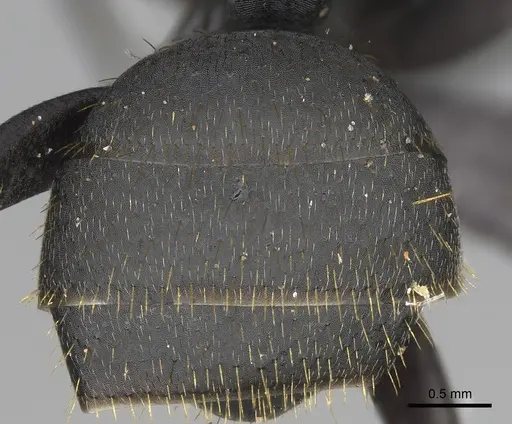
CASENT0121544
View on AntWeb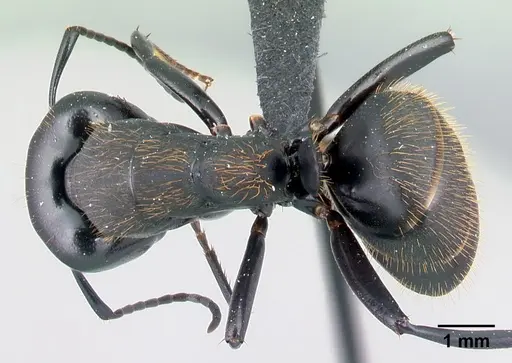
CASENT0217297
View on AntWeb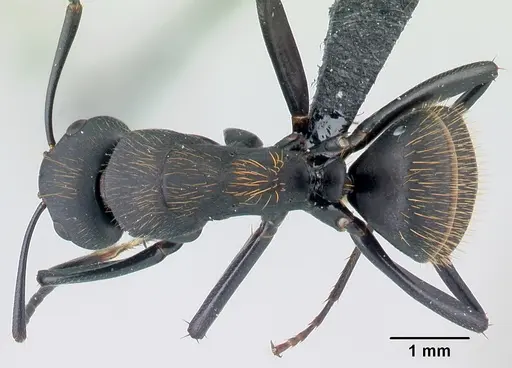
Literature
Loading distribution map...Loading products...