
Thales Sugar ant
Camponotus thales
- Sci. Name
- Camponotus thales
- Subgenus
- Tanaemyrmex
- Tribe
- Camponotini
- Subfamily
- Formicinae
- Author
- Forel, 1910
- Common Name
- Thales Sugar ant
- Distribution
- Found in 1 countries
Introduction
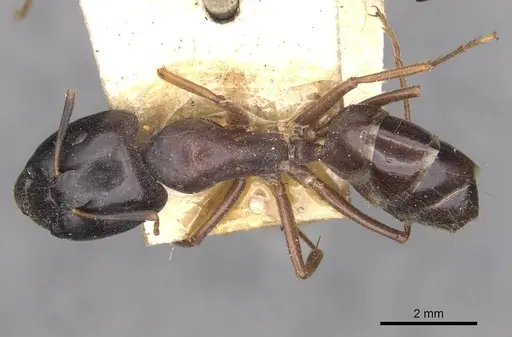
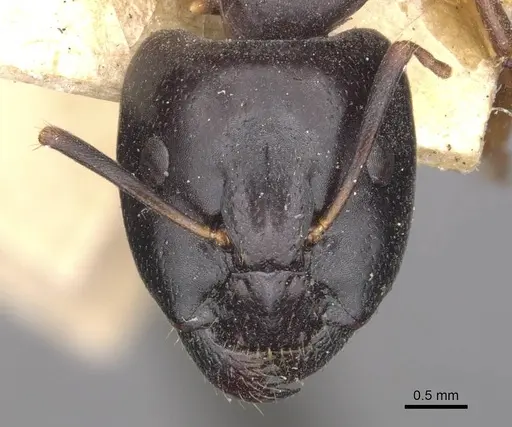
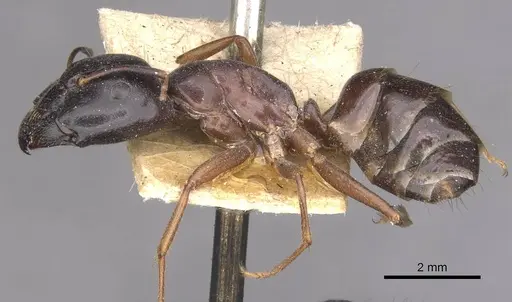
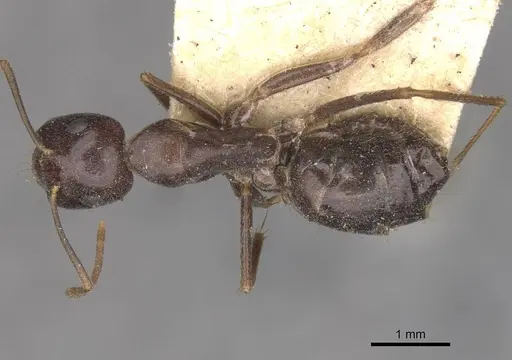
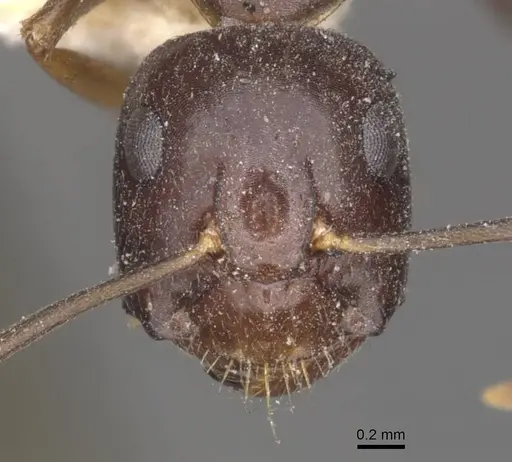
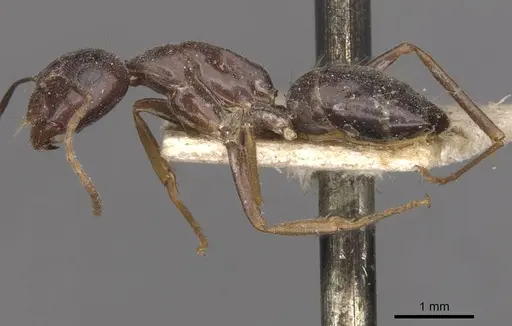
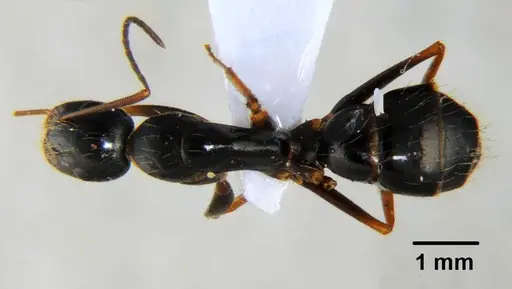
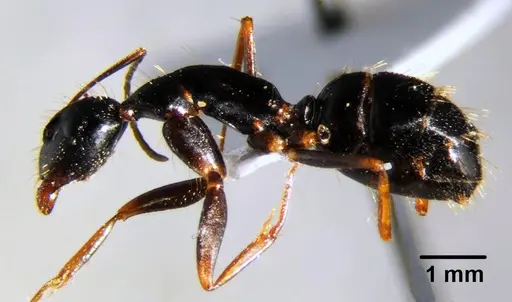
Camponotus thales is a carpenter ant species native to southern Africa, with confirmed populations in Lesotho, South Africa, and Saudi Arabia. Reports from Crete, Greece are uncertain and may represent an introduction or misidentification . Workers are polymorphic, with major workers having larger, well-developed heads. The species was originally described as a subspecies of Camponotus maculatus but was elevated to full species status. This ant belongs to the Formicinae subfamily and uses formic acid spray as its primary defense mechanism - it lacks a functional sting. In the wild, this species has been documented as prey for the Steppe pangolin in the Transvaal region .
Quick Summary
- Difficulty: Medium
- Origin & Habitat: Native to southern Africa (Lesotho, South Africa) with populations in Saudi Arabia. Reports from Crete, Greece are considered uncertain and may represent an introduction or misidentification [1][2]. In the wild, they likely nest in rotting wood or under stones in savanna and steppe habitats.
- Colony Type: Colony structure is unconfirmed for this specific species. Based on typical Camponotus patterns, likely single-queen colonies with claustral founding.
- Size & Growth:
- Queen: Size data unavailable, inferred from typical Camponotus genus patterns (~12-16mm)
- Worker: Size data unavailable, inferred from typical Camponotus genus patterns (5-12mm, polymorphic)
- Colony: Estimated up to several thousand workers based on genus patterns
- Growth: Moderate, Camponotus colonies typically grow slower than smaller ants
- Development: Development time is unconfirmed for this species. Based on typical Camponotus patterns, expect several months. (First workers (nanitics) are typically smaller than mature workers.)
- Antkeeping:
- Temperature: Keep nest area at 22-26°C. Southern African origin suggests they can tolerate warmer conditions. A heating cable on one side creates a useful gradient.
- Humidity: Moderate humidity around 50-60%. Allow the nest to partially dry between water additions. Avoid overly damp conditions.
- Diapause: Yes, based on temperate climate origins (Lesotho has cold winters). Provide 3-4 months of reduced temperatures around 10-15°C during winter.
- Nesting: Y-tong (AAC) nests or plaster nests work well. Provide a water tube for humidity. These ants prefer dark nesting chambers and will often nest in wood in the wild.
- Behavior: Typical Camponotus temperament, generally docile but will defend the colony if threatened. Workers are nocturnal foragers, more active at night. As Formicinae, they lack a functional sting but can bite and spray formic acid from their acidopore, which can cause irritation. Escape risk is moderate, use standard barriers like fluon on test tube rims.
- Common Issues: slow founding phase can lead to beginner impatience and overfeeding, queen may die during claustral founding if disturbed or stressed, colonies need hibernation in winter, failure to provide diapause can weaken the colony, wild-caught colonies may have parasites that kill them in captivity, large colony size requires eventual upgrade to spacious formicarium
Housing and Nest Setup
Camponotus thales does well in Y-tong (AAC) nests or plaster nests with built-in water chambers. These ants prefer dark nesting areas and will readily move into artificial nests. For founding colonies, a simple test tube setup works well, fill a test tube one-third with water, plug with cotton, and place the queen in a dark area. Once the colony reaches 20-30 workers, you can consider moving to a formicarium. Provide an outworld for foraging with sugar water in test tubes and protein sources like insects. Ensure the nest has some moisture, Camponotus species generally prefer slightly humid conditions but not wet substrate. A water tube connected to the nest helps maintain humidity.
Feeding and Diet
Like most Camponotus species, these ants are omnivorous with a preference for sugar sources. Offer sugar water or diluted honey as a constant food source. For protein, provide small insects like fruit flies, mealworms, or crickets. Feed protein regularly, removing uneaten prey after 24 hours. In the wild, they also consume honeydew from aphids, you can simulate this with sugar water. Major workers can tackle larger prey items than minor workers. Avoid overfeeding as uneaten food can mold and harm the colony.
Temperature and Seasonal Care
Maintain nest temperatures between 22-26°C for optimal brood development. These ants come from southern Africa where temperatures can be quite warm, so they handle heat better than cold. Use a heating cable or heating mat on one side of the nest to create a temperature gradient, this allows the ants to self-regulate. During winter, reduce temperatures to 10-15°C to provide a diapause period for 3-4 months. This mimics their natural seasonal cycle and helps the colony stay healthy. Do not feed during deep hibernation but ensure some moisture is available.
Colony Development and Growth
After the queen lays her first eggs, expect several months until the first workers (nanitics) emerge. These first workers are typically smaller than mature workers but will begin foraging to support the colony. Growth is moderate, Camponotus colonies are slower to establish than smaller ant species. A healthy founding colony should reach 50 workers within 6-12 months under good conditions. Colony growth accelerates once you have 50+ workers as more foragers can gather food. Major workers typically appear once the colony reaches several hundred workers. The queen can live for many years, eventually producing a large colony.
Behavior and Temperament
Camponotus thales has a typical carpenter ant temperament, generally peaceful but capable of defending the nest if threatened. Workers are most active during evening and night hours. As members of the Formicinae subfamily, they lack a functional sting but possess an acidopore from which they can spray formic acid when threatened, often combined with biting. This defense mechanism can cause skin irritation. They are not aggressive toward keepers under normal circumstances. These ants communicate through chemical signals and will recruit nestmates to food sources. Workers can squeeze through small gaps despite their size, so use standard escape prevention like fluon on tube rims.
Frequently Asked Questions
How long does it take for Camponotus thales to have first workers?
Development time is unconfirmed for this species. Based on typical Camponotus patterns, expect several months from egg to first worker at optimal temperature (22-26°C). The first workers will be smaller than mature workers but begin foraging immediately.
What do Camponotus thales eat?
They are omnivorous. Offer sugar water or diluted honey constantly, and protein sources like fruit flies, mealworms, or small crickets regularly.
Do Camponotus thales need hibernation?
Yes, they benefit from a winter diapause period. Reduce temperatures to 10-15°C for 3-4 months during winter. This mimics their natural seasonal cycle in southern Africa.
Are Camponotus thales good for beginners?
They are moderate difficulty. The slow founding phase requires patience, and proper hibernation is essential. They are more forgiving than some exotic species but do require proper setup and seasonal care.
How big do Camponotus thales colonies get?
Mature colonies can reach several thousand workers over several years. The queen can live for many years, making this a long-term commitment.
What temperature do Camponotus thales need?
Keep the nest at 22-26°C. A heating cable on one side creates a gradient. They can tolerate warmer conditions but are sensitive to cold.
Can I keep multiple queens together?
Not recommended for this species. Camponotus thales is likely monogyne (single queen). Combining unrelated queens has not been documented and typically leads to fighting.
When should I move Camponotus thales to a formicarium?
Move to a formicarium once the colony reaches 30-50 workers. Before that, a test tube setup is sufficient for the founding colony.
Why is my Camponotus thales queen dying?
Common causes include disturbance during claustral founding (queen should not be moved or stressed), improper humidity (too dry or too wet), or temperature extremes. Ensure the founding setup is dark, quiet, and stable.
Report an Issue
The current care sheet is based fully on literature. See inconsistencies, or something that's incorrect? Please , it will be resolved after review from an admin. Contributing to the blogs tab also helps providing information, to make us be able to further improve the caresheets. Thank you for your support!
References

This caresheet is licensed under CC BY-SA 4.0 .
Community Blogs
Literature
Loading distribution map...Loading products...