
Camponotus taino
- Sci. Name
- Camponotus taino
- Tribe
- Camponotini
- Subfamily
- Formicinae
- Author
- Fontenla Rizo, 1997
- Distribution
- Found in 1 countries
Introduction
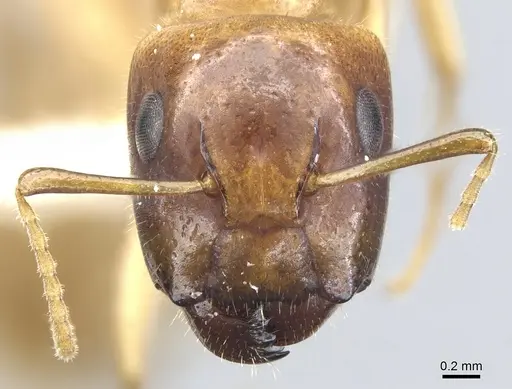
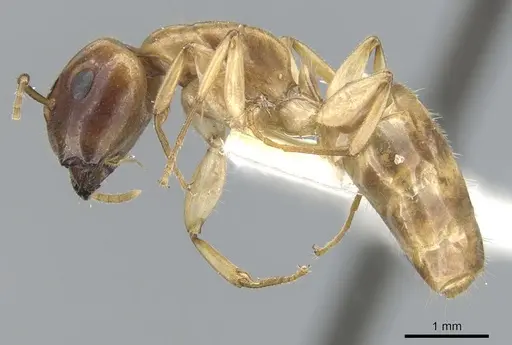
Camponotus taino is a carpenter ant species endemic to Cuba and the Greater Antilles. Workers are medium-sized ants typical of the Camponotus genus, with the characteristic bent antennae and rounded abdomen. The species was formally described by Fontenla Rizo in 1997 from specimens collected in Pinar del Río province, specifically from the Sierra de los Organos region in western Cuba . This is a Caribbean species adapted to tropical forest environments, where they typically nest in dead wood or under bark. The species name refers to the Taino indigenous people of the Caribbean. Note: There is a taxonomic complication - Camponotus taino Fontenla, 1997 is a homonym of Camponotus taino Snelling & Torres, 1998, meaning the name was already used for a different species when the later description was published . Paratypes have also been recorded from Puerto Rico .
Quick Summary
- Difficulty: Medium
- Origin & Habitat: Endemic to Cuba and the Greater Antilles, specifically the Sierra de los Organos region in Pinar del Río province. Also recorded from Puerto Rico. Found in tropical forest habitats, nesting in dead wood and under bark [1][2].
- Colony Type: Colony structure is unconfirmed for this species. Based on typical Camponotus patterns, likely single-queen colonies, but this has not been specifically documented.
- Size & Growth:
- Queen: Size data unavailable, inferred from Camponotus genus (~12-15 mm)
- Worker: Size data unavailable, inferred from Camponotus genus (~5-12 mm)
- Colony: Colony size data unavailable for this species
- Growth: Growth rate is unconfirmed for this species
- Development: Development time is unconfirmed for this species (Based on typical Camponotus patterns, development likely takes several months in tropical conditions.)
- Antkeeping:
- Temperature: Keep at 24-28°C, reflecting their tropical Cuban habitat. A slight gradient allowing cooler areas around 22°C is beneficial.
- Humidity: Moderate to high humidity (60-80%). Provide a moist nest chamber but ensure ventilation to prevent mold. Mist occasionally and keep the nest substrate damp but not waterlogged.
- Diapause: No, as a tropical species from Cuba and Puerto Rico, they do not require hibernation. Maintain consistent temperatures year-round.
- Nesting: Camponotus taino naturally nests in dead wood, so Y-tong (AAC) nests, wooden formicaria, or plaster nests with wood sections work well. They prefer dark, secure nesting areas. Provide dead wood or cork bark if using a naturalistic setup.
- Behavior: Typical carpenter ant behavior, they are generally calm and not overly aggressive. Workers are moderately active, foraging primarily at night (nocturnal patterns are common in Caribbean ants) [3]. They are not known to be escape artists, but standard escape prevention with fluon on test tube rims is recommended. Unlike some aggressive Camponotus species, C. taino tends to be more docile. They may bore into soft wood for nesting but do not cause significant structural damage like pest carpenter ants. As with other Formicinae, they lack a functional sting and instead bite and spray formic acid from their acidopore when threatened.
- Common Issues: tropical species requires consistent warmth, temperatures below 20°C for extended periods may stress the colony, wild-caught colonies may carry parasites or diseases that can cause colony failure in captivity, overfeeding can lead to mold problems in the nest, remove uneaten protein promptly, dry conditions can cause brood death, monitor substrate moisture carefully, queen loss during founding is common, ensure founding chambers are dark and undisturbed, this species has limited documented care information, monitor your colony closely and adjust conditions as needed
Housing and Nest Setup
Camponotus taino does well in standard ant keeping setups. For founding colonies, a test tube setup works well, fill one-third with water, plug with cotton, and wrap the tube in aluminum foil to create a dark chamber. The queen will seal herself inside and raise her first brood in darkness. Once you have 15-20 workers, you can transition to a proper formicarium. Y-tong (AAC) nests are excellent for this species, or you can use a wooden formicarium with sections of cork bark for them to potentially bore into. They prefer tight, enclosed spaces that mimic their natural dead-wood nesting sites. Add an outworld (foraging area) connected to the nest with tubing. Ensure all connections are secure, while not strong escape artists, they will exploit any gaps.
Feeding and Diet
Like all Camponotus species, C. taino is omnivorous with a preference for sugar sources. Offer sugar water (1:3 ratio sugar to water) or honey (diluted slightly for easier access) at all times. For protein, provide small insects like fruit flies, small crickets, or mealworms. In the wild, these ants would tend aphids and feed on honeydew, so they readily accept sweet liquids. Feed protein 2-3 times per week, adjusting based on colony size. Remove uneaten prey within 24 hours to prevent mold. Some keepers report that Caribbean Camponotus species accept fruit occasionally, but sugar and insects should form the core of their diet. Fresh water should always be available.
Temperature and Humidity
As a Cuban tropical species, C. taino requires warm conditions. Keep the nest area at 24-28°C. A heating cable on one side of the nest creates a beneficial temperature gradient, ants can move between warmer and cooler areas as needed. Avoid temperatures below 20°C or above 32°C. For humidity, aim for 60-80%. The nest substrate should feel damp but never soggy. Mist the outworld occasionally and check that the test tube water reservoir doesn't run dry. In naturalistic setups, provide a water dish for drinking. Good ventilation is important to prevent mold, but avoid placing the setup in direct airflow or near air conditioning vents that could cause temperature swings.
Colony Development and Growth
A newly mated queen will seal herself into a founding chamber and lay her first eggs. She does not forage during this time, she survives entirely on her stored fat reserves (this is called claustral founding). Eggs develop into larvae, then pupae, and finally emerge as nanitic workers (first-generation workers that are typically smaller). This process takes several months at optimal temperatures. The first workers are called nanitics and are smaller than mature workers. After the first workers emerge, the queen stops caring for the brood directly, and workers take over all colony tasks. Growth is moderate. A healthy colony will persist for many years, as Camponotus queens can live 15-20 years.
Behavior and Temperament
Camponotus taino is generally a calm, docile species compared to some other carpenter ants. Workers are moderately active and primarily nocturnal, foraging during the night and early morning hours [3]. They are not particularly aggressive and will typically retreat from threats rather than attack. However, they have the typical Camponotus bite if cornered, the bite is mild but can be startling. They are not known for being escape artists, but always use proper escape prevention because small gaps can still allow escape. In the wild, they nest in dead wood and are important decomposers in the Cuban forest ecosystem. In captivity, they are enjoyable to watch as workers methodically carry food and tend to brood.
Frequently Asked Questions
How long does it take for Camponotus taino to raise first workers?
Development time is unconfirmed for this species. Based on typical Camponotus patterns in tropical conditions, expect several months for first workers to emerge. Warmer temperatures within their range (24-28°C) may accelerate development.
What do Camponotus taino ants eat?
They need a balanced diet of sugar and protein. Offer sugar water or diluted honey constantly. For protein, provide small insects like fruit flies, small crickets, or mealworms 2-3 times per week. Remove uneaten prey within 24 hours to prevent mold.
Do Camponotus taino ants need hibernation?
No. As a tropical species from Cuba and Puerto Rico, they do not require hibernation. Maintain consistent temperatures year-round between 24-28°C. Temperature drops below 20°C for extended periods can stress the colony.
What size colony do Camponotus taino reach?
Colony size data is unavailable for this species. Based on typical Camponotus development, colonies likely reach several hundred workers over 1-2 years. Camponotus queens can live 15-20 years, so colonies can grow very large over time.
Can I keep multiple Camponotus taino queens together?
Colony structure is unconfirmed for this species. Based on typical Camponotus patterns, they likely establish single-queen colonies. If you find a queen, house her alone for founding.
What nest type is best for Camponotus taino?
Y-tong (AAC) nests or wooden formicaria work well. They naturally nest in dead wood, so providing cork bark or wooden sections is appreciated. Ensure the nest chambers are dark and enclosed. Test tubes work fine for founding colonies.
Are Camponotus taino good for beginners?
They are rated as medium difficulty. They are more forgiving than some tropical species because they tolerate a wider temperature range, but they do require consistent warmth and proper humidity. Beginners can succeed with them, but should have some basic ant-keeping experience.
Why is my Camponotus taino queen not laying eggs?
Several factors can affect egg-laying: temperatures below 24°C, disturbance to the founding chamber, insufficient nutrition after workers emerge, or the queen may simply need time. Ensure the setup is dark and undisturbed. Once workers emerge, provide protein immediately. If conditions are good, give her time, some queens take weeks to start laying after their first workers.
Where is Camponotus taino found in the wild?
This species is endemic to Cuba and the Greater Antilles, specifically the Sierra de los Organos region in Pinar del Río province. Paratypes have also been recorded from Puerto Rico. They live in tropical forest habitats and nest in dead wood or under bark.
Report an Issue
The current care sheet is based fully on literature. See inconsistencies, or something that's incorrect? Please , it will be resolved after review from an admin. Contributing to the blogs tab also helps providing information, to make us be able to further improve the caresheets. Thank you for your support!
References

This caresheet is licensed under CC BY-SA 4.0 .
Community Blogs
CASENT0903616
View on AntWeb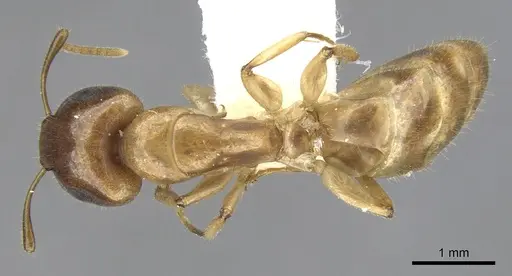
Literature
Loading distribution map...Loading products...