Camponotus subbarbatus exhibits a clear seasonal flight window. Peak flight activity is concentrated in May, with the overall period spanning April to June.
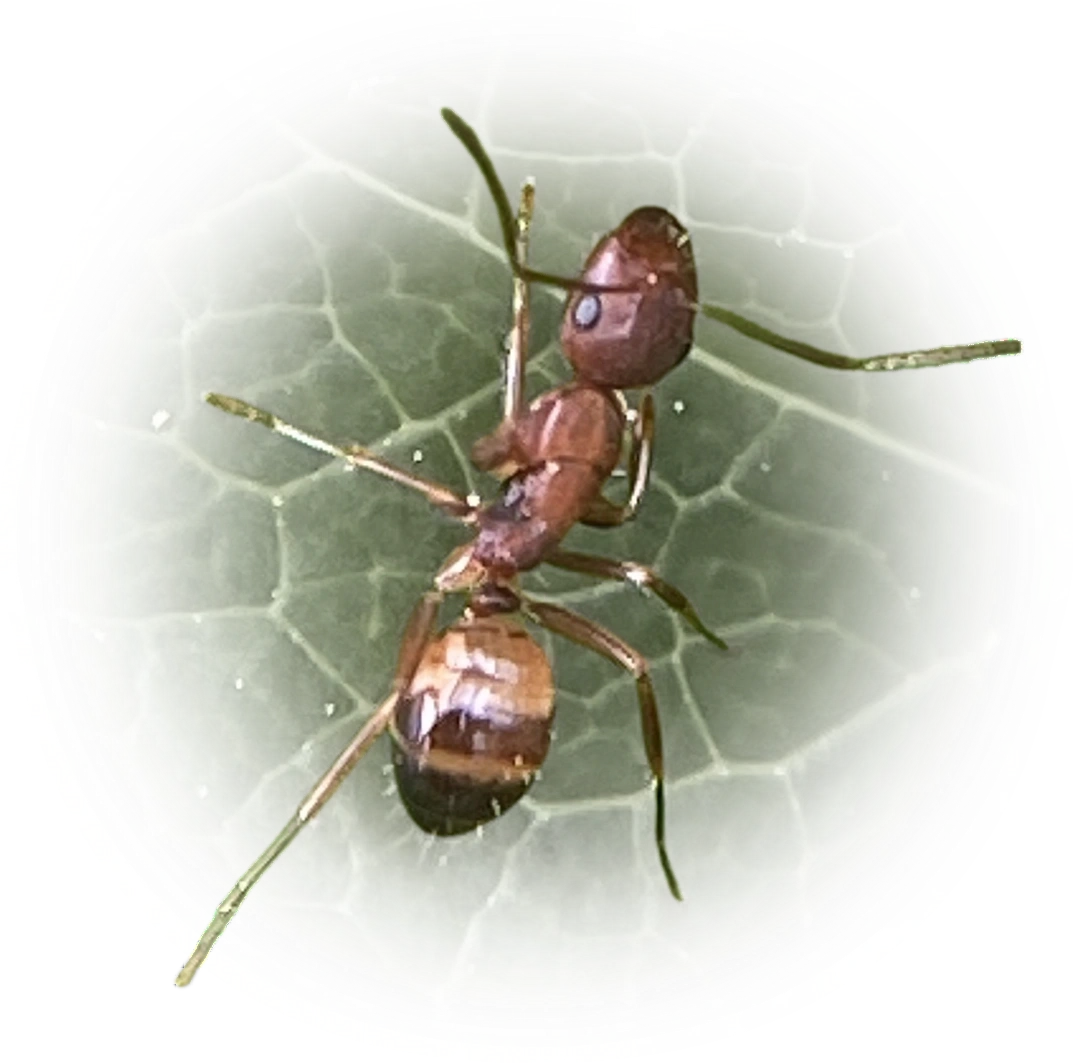
Bearded Carpenter ant
Camponotus subbarbatus
- Sci. Name
- Camponotus subbarbatus
- Subgenus
- Myrmentoma
- Tribe
- Camponotini
- Subfamily
- Formicinae
- Author
- Emery, 1893
- Common Name
- Bearded Carpenter ant
- Distribution
- Found in 1 countries
- Nuptial Flight
- From April to June
- Peak flight Time
- 16:00
AI Identifiable
try →
Introduction
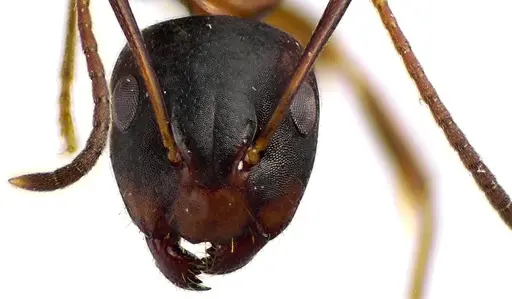
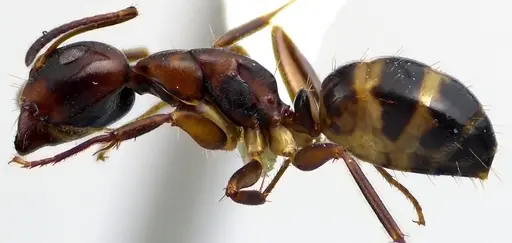
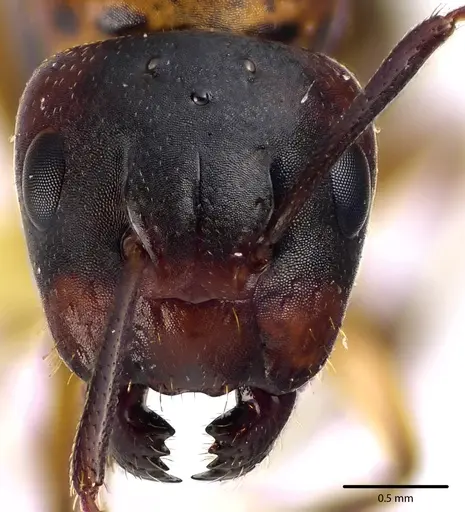
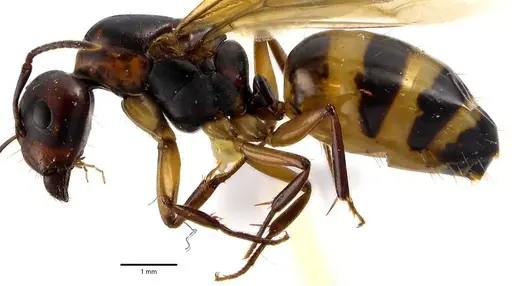
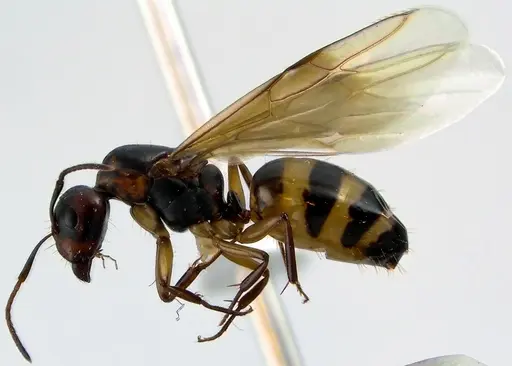
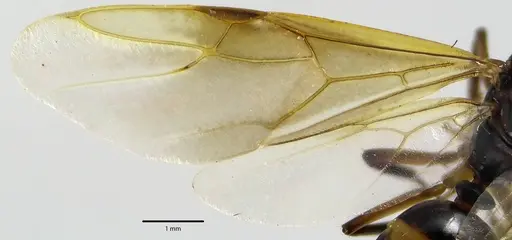
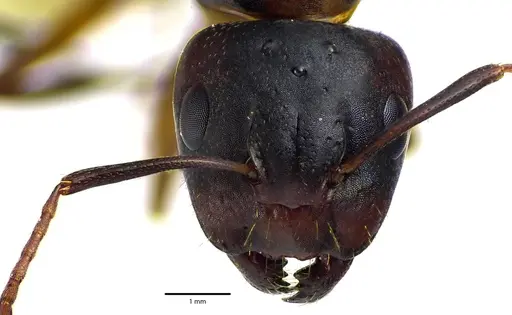
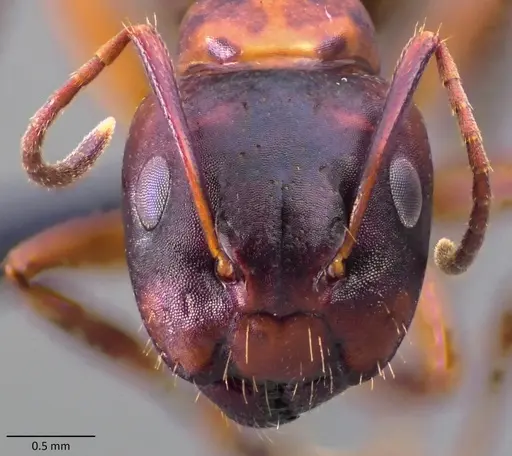
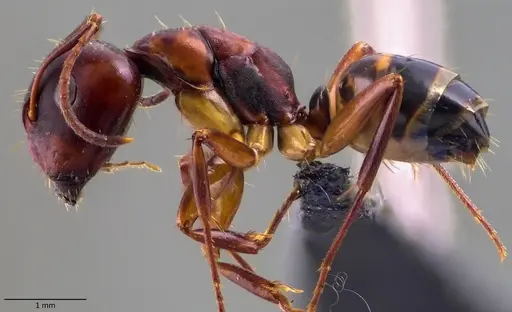
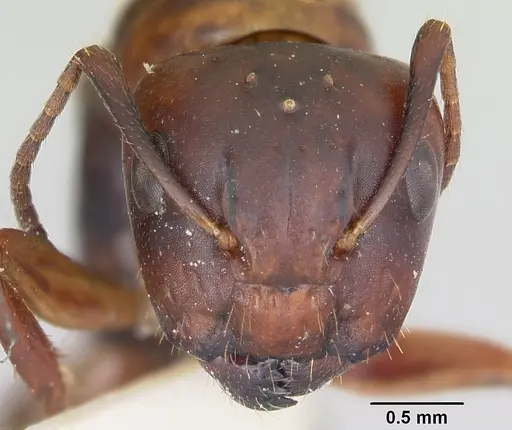
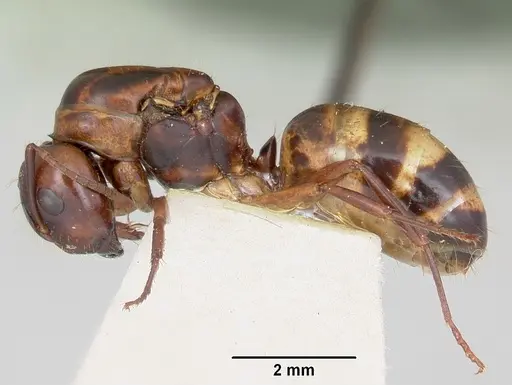
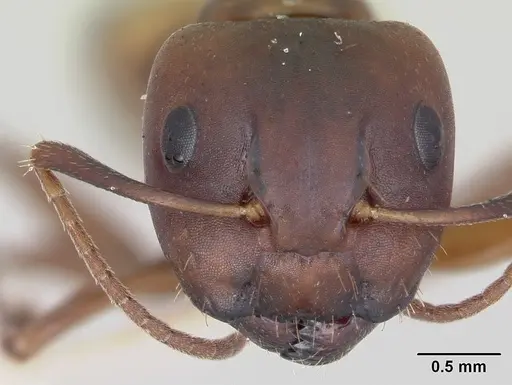
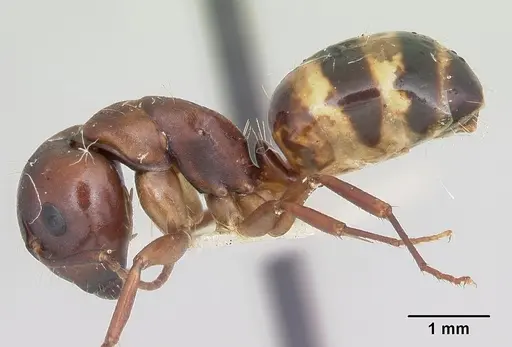
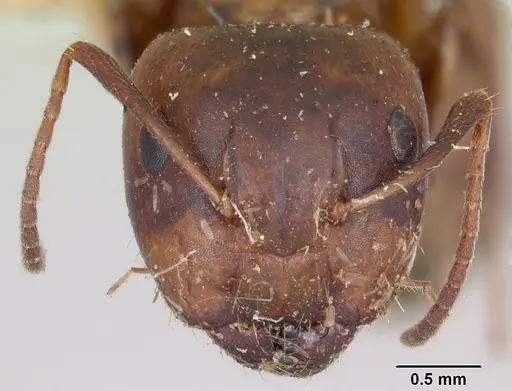
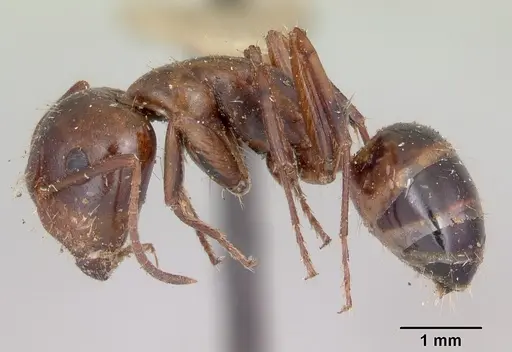
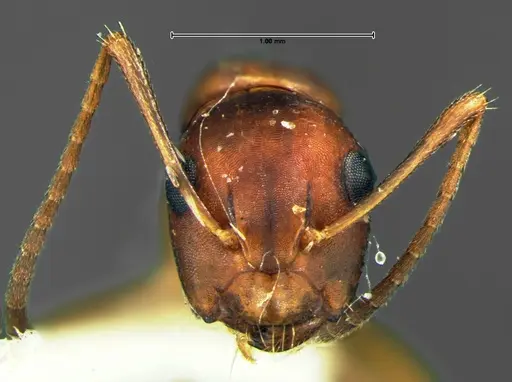
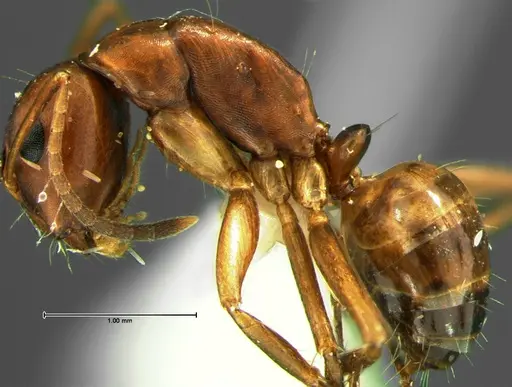
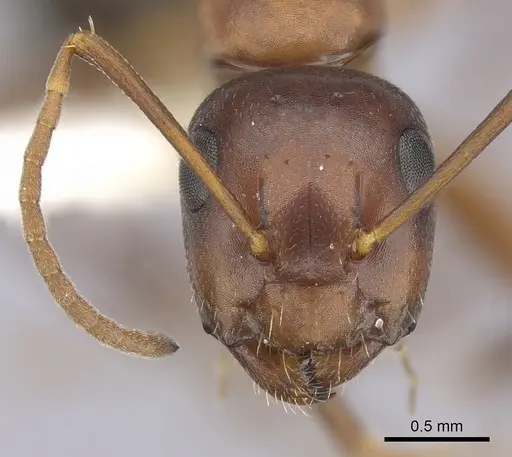
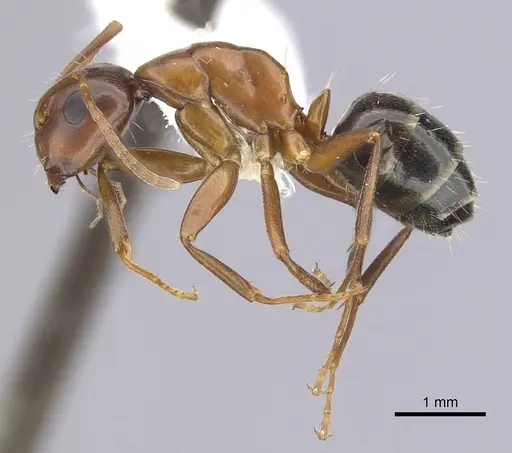
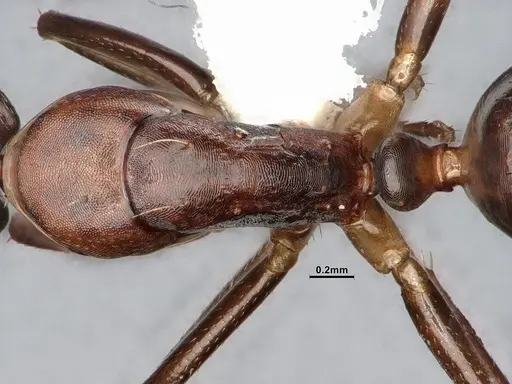
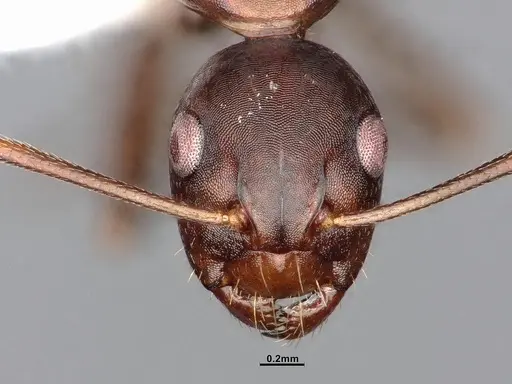
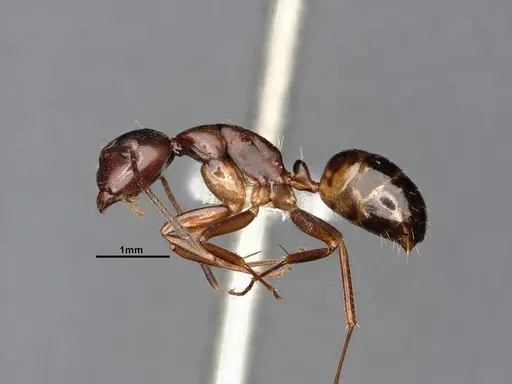
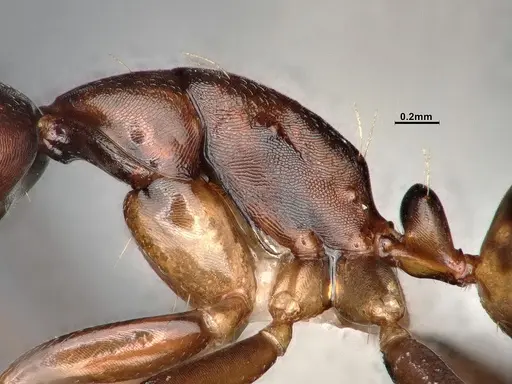
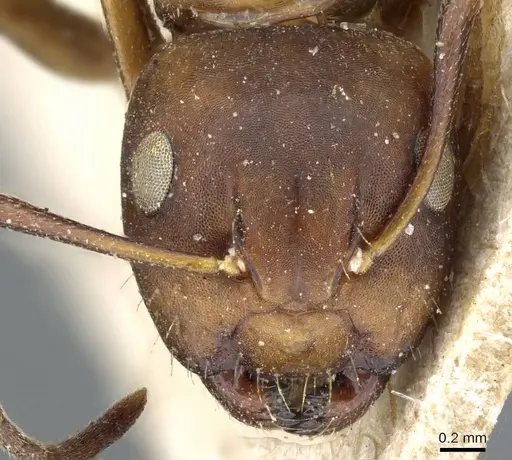
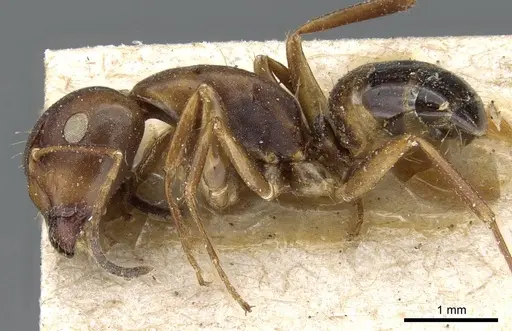
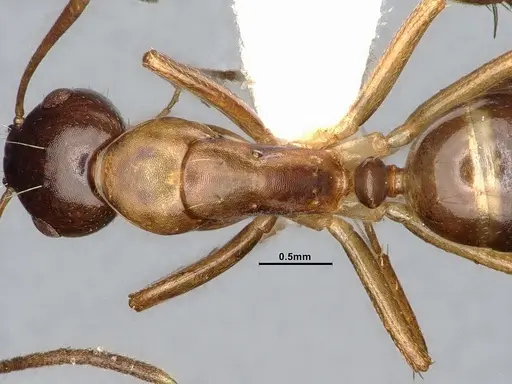
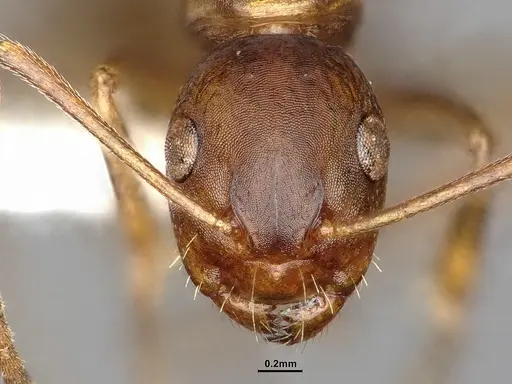
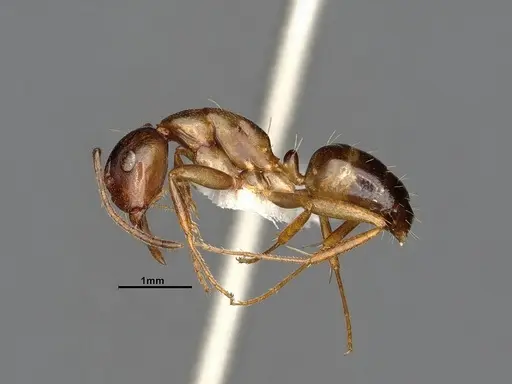
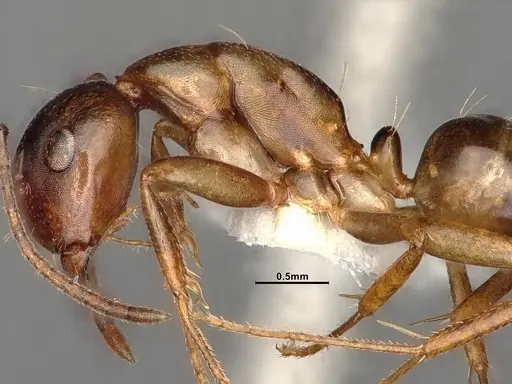
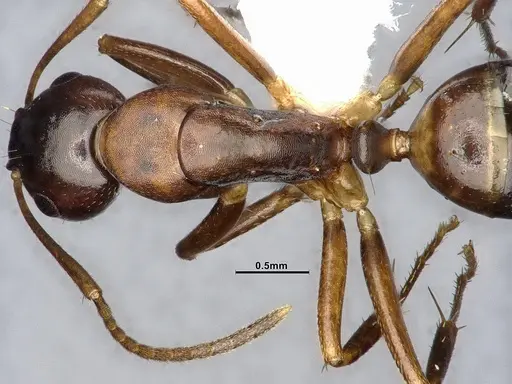
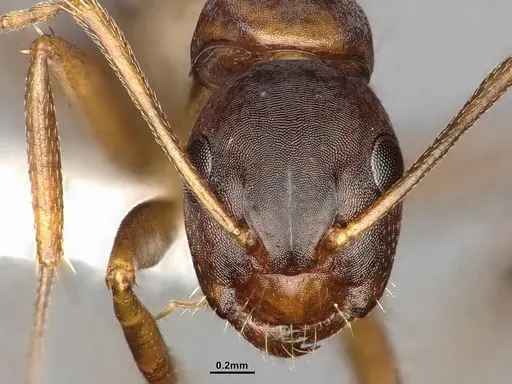
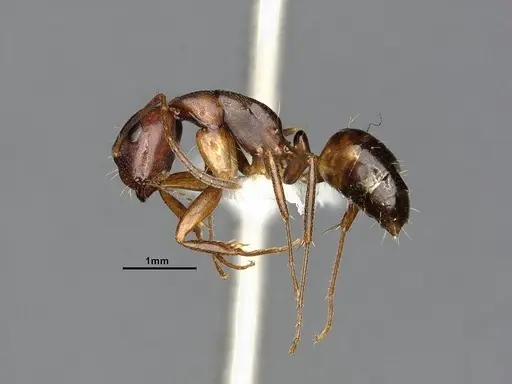
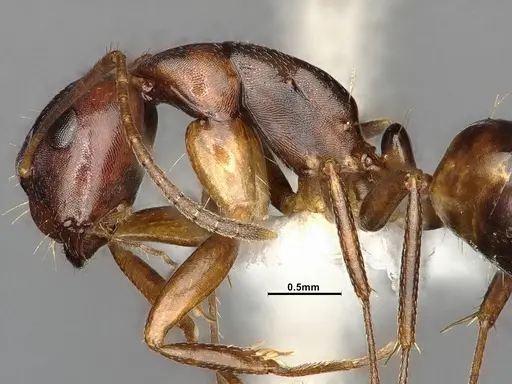
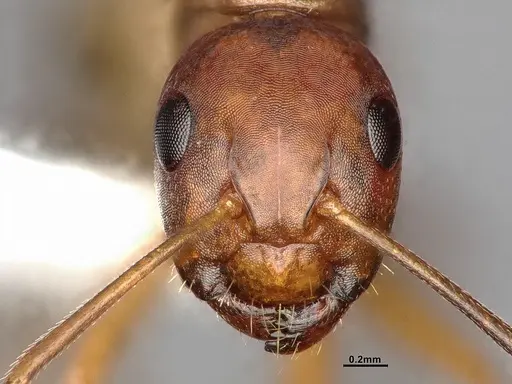
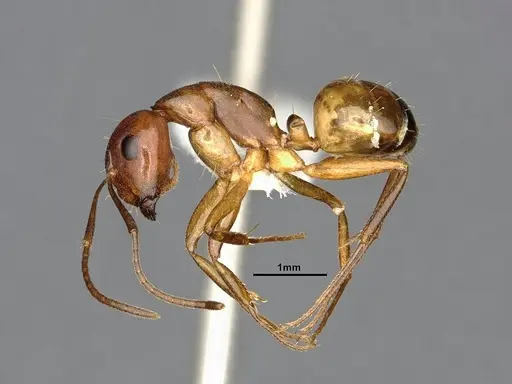
Camponotus subbarbatus is a small carpenter ant native to the eastern United States. Workers measure 3.5-6.5 mm and have a distinct bicolored look: an orangish-red head, thorax, legs, and petiole, with a gaster that's reddish on the first segment and marked with dark brownish-black stripes on later segments . They belong to the Formicinae subfamily, which means they defend themselves by spraying formic acid - they don't have a stinger. This species has a strongly polymorphic worker caste, so you'll see both larger major workers and smaller minor workers in the same colony . They nest in rotting wood, including logs, stumps, and twigs, and occasionally in hickory nuts or old acorns . Their nests often go deep into the soil under the wood . A neat trait of this ant is its use of hickory nuts for founding colonies - queens apparently seal themselves inside a nut cavity to start the colony, then move out once they have a few workers . They also tend aphids for honeydew and have been recorded with the aphid Drepanaphis nigricans . Workers forage on foliage, bushes, and leaf litter, and they'll readily come to tuna bait . Colonies stay small compared to other carpenter ants, which makes them a good choice for keepers who want a manageable colony.
Quick Summary
- Difficulty: Easy
- Origin & Habitat: Eastern United States, from New England south to Georgia and Mississippi, west to Michigan, Ohio, Illinois, Iowa, and Kansas. Found in rich mixed and deciduous forests, oak savanna, and shaded wooded areas [1][5][3].
- Colony Type: Monogyne, single queen colonies. Strongly polymorphic worker caste with distinct major and minor workers [2].
- Size & Growth:
- Queen: Estimated 7-9 mm based on genus patterns (no direct measurements available)
- Worker: 3.5-6.5 mm [1]
- Colony: Small, typically under 500 workers at maturity [5]
- Growth: Moderate
- Development: 6-8 weeks at optimal temperature (estimated based on typical Camponotus development) (Actual timing depends on temperature, not confirmed for this species.)
- Antkeeping:
- Temperature: Room temperature (20-24°C) is ideal. They can tolerate a range from about 18-26°C based on their temperate forest habitat.
- Humidity: Moderate to high. These forest ants like damp nest material, keep the substrate moist but not waterlogged, similar to rotting wood conditions.
- Diapause: Yes. As a temperate species, they need a winter rest period. Reduce temperature to 10-15°C for 3-4 months (November-February) and keep the nest slightly moist.
- Nesting: Y-tong (AAC) or plaster nests work well. They naturally nest in rotting wood, so provide damp nest material they can tunnel into. Test tubes with water reservoirs are perfect for founding colonies. Avoid acrylic nests.
- Behavior: Generally peaceful and non-aggressive. Workers forage on foliage and ground, readily taking protein baits like tuna and sweet liquids. If threatened, they bite and spray formic acid, but they rarely do this to keepers. Escape risk is low due to small size, but use standard barriers.
- Common Issues: slow colony growth, small colonies require patience and careful feeding., desiccation in dry setups, nest substrate must stay damp., mold from uneaten protein, remove leftovers after 24-48 hours., hibernation problems, keep temperature stable during diapause, too wet can cause mold, too dry can kill the colony., wild-caught colonies may carry parasites or diseases, quarantine new colonies.
Nuptial Flight Activity Analysis 275 observations
Flight Activity by Hour 275 observations
Camponotus subbarbatus nuptial flight activity peaks around 16:00 during the afternoon. Activity is spread across a 16-hour window (08:00–23:00). A secondary activity peak occurs around 12:00. Times may be influenced by human observation patterns.
Housing and Nest Setup
Start a new colony in a test tube setup: fill a test tube with water, plug it with cotton, and place the queen in a dark area. She'll seal herself into a chamber and stay there until her first workers hatch. Once you have 10-20 workers, you can move them to a Y-tong (AAC) or plaster nest. These ants nest naturally in rotting wood, so provide damp nest material they can tunnel into, a mix of soil and sand works if kept moist. They also nest in old acorns and hickory nuts in the wild [6][4]. Avoid acrylic nests, they don't hold humidity well. A small outworld for foraging gives you space to feed them without disturbing the nest.
Feeding and Diet
These ants are opportunistic eaters. They accept protein sources like mealworms, small crickets, and tuna, they're known to come eagerly to tuna bait in the wild [1][5]. They also tend aphids for honeydew, so they appreciate sugar water or honey. Feed protein 2-3 times a week and keep a constant sugar source available. Remove uneaten protein after 24-48 hours to prevent mold. Workers forage actively on foliage and leaf litter, so they'll take live prey if you offer it.
Temperature and Seasonal Care
Keep your colony at room temperature, around 20-24°C. They can handle a range from roughly 18-26°C. As a temperate species from the eastern US, they need a winter dormancy period. In autumn, gradually lower the temperature to 10-15°C and keep it there for 3-4 months (roughly November through February). During hibernation, keep the nest slightly moist but not wet, and don't disturb the colony. Bring them back to normal temperatures in spring. This rest period is important for colony health and can trigger the production of winged reproductives. [5]
Behavior and Colony Dynamics
Colonies have a single queen (monogyne) [2]. The worker caste is strongly polymorphic, you'll see both major workers (larger, with bigger mandibles) and minors (smaller and more numerous). Workers are active foragers that search on the ground and on plants. They are not aggressive toward keepers, but if threatened they bite and spray formic acid (their formicine defense). The striped gaster pattern is a good ID feature: the first segment is reddish, and the rest have dark transverse bands [1]. Colonies stay small, so you won't see the massive numbers of some other Camponotus.
Growth and Development
Colony growth is moderate. The queen lays eggs after mating, and development goes through larva and pupa stages before workers emerge. First workers (nanitics) are typically smaller than normal. Based on typical Camponotus development, expect 6-8 weeks from egg to first worker at optimal temperature (20-24°C). Colonies likely stay under 500 workers even when mature. Female alates (new queens) appear in the wild from mid-May to early June, and males from early June to early August [5], suggesting summer nuptial flights.
Frequently Asked Questions
How long does it take for Camponotus subbarbatus to produce first workers?
Expect 6-8 weeks from egg to first worker at optimal temperature (20-24°C). This is based on typical Camponotus development, exact timing for this species is not documented.
Can I keep multiple Camponotus subbarbatus queens together?
No. This species is monogyne, colonies have a single queen. Combining unrelated queens will cause fighting. Pleometrosis (multiple queens founding together) has not been documented for this species.
What do Camponotus subbarbatus eat?
They accept protein sources like mealworms, small crickets, and tuna. They also like sugar water or honey, and they tend aphids for honeydew. Offer protein 2-3 times a week and keep sugar available always.
Are Camponotus subbarbatus good for beginners?
Yes, they are considered easy to keep. They are forgiving of small temperature and humidity changes, accept a wide variety of food, and form small manageable colonies. Their distinctive appearance also makes them fun to watch.
Do Camponotus subbarbatus need hibernation?
Yes. As a temperate species, they require a winter diapause. Gradually lower the temperature to 10-15°C for 3-4 months (roughly November to February). Keep the nest slightly moist and don't disturb them. This helps maintain colony health.
When do Camponotus subbarbatus have nuptial flights?
Female alates (new queens) appear mid-May to early June, and males from early June to early August in the wild [5]. This suggests summer nuptial flights, likely after some rain.
How big do Camponotus subbarbatus colonies get?
Colonies stay relatively small, typically under 500 workers even when mature [5]. They are described as having small colonies in the wild, so don't expect the huge populations of some other carpenter ants.
What size are Camponotus subbarbatus workers?
Workers range from 3.5 to 6.5 mm in total length [1]. Because they are strongly polymorphic, you'll see both larger majors and smaller minors in the same colony.
Where does Camponotus subbarbatus nest?
They nest in rotting wood (logs, stumps, twigs), and their nests often go deep into the soil beneath the wood [5][1]. They also use old acorns and hickory nuts for founding [6][4]. In captivity, Y-tong or plaster nests with damp substrate work well.
When is the nuptial flight of Camponotus subbarbatus?
The nuptial flight of Camponotus subbarbatus typically occurs From April to June.
What time of day does Camponotus subbarbatus fly?
The nuptial flight of Camponotus subbarbatus peaks around 16:00 during the afternoon, with most activity between 08:00 and 23:00. Times may be influenced by human observation patterns.
Report an Issue
The current care sheet is based fully on literature. See inconsistencies, or something that's incorrect? Please , it will be resolved after review from an admin. Contributing to the blogs tab also helps providing information, to make us be able to further improve the caresheets. Thank you for your support!
References

This caresheet is licensed under CC BY-SA 4.0 .
Community Blogs
ANTWEB1041631
View on AntWeb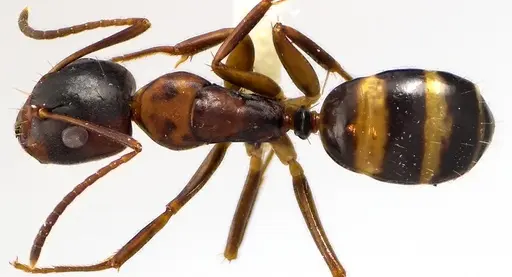
ANTWEB1041642
View on AntWeb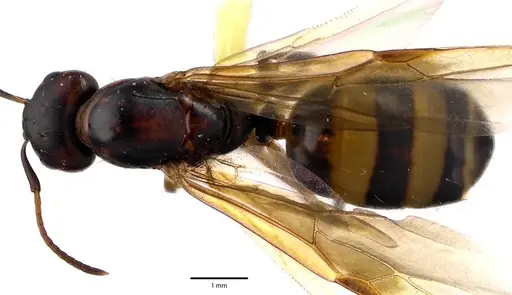
ANTWEB1041643
View on AntWeb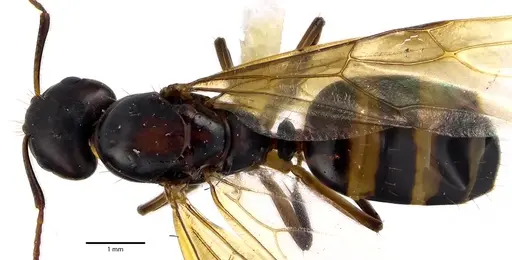
ANTWEB1060080
View on AntWeb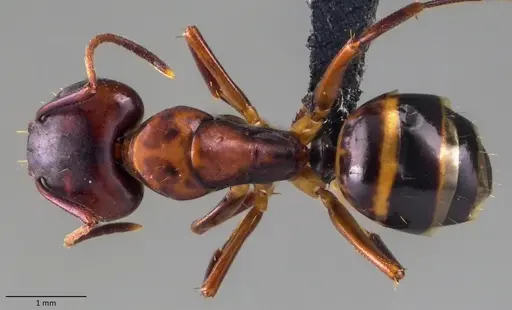
CASENT0103351
View on AntWeb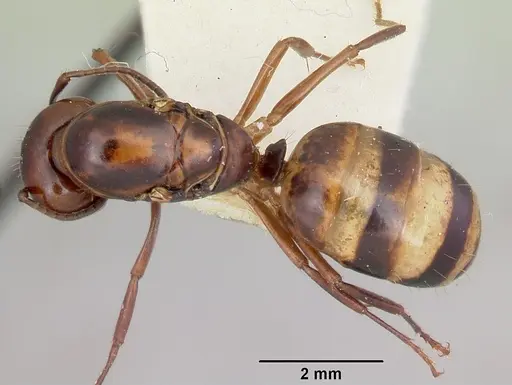
CASENT0103352
View on AntWeb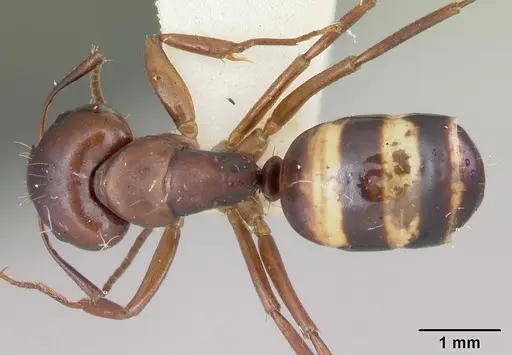
CASENT0103353
View on AntWeb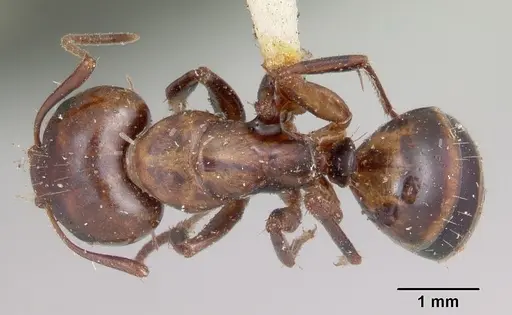
CASENT0105679
View on AntWeb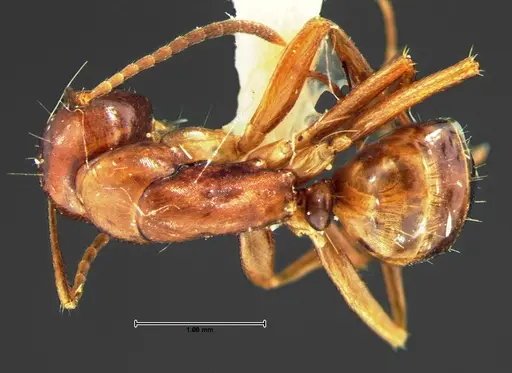
CASENT0249371
View on AntWeb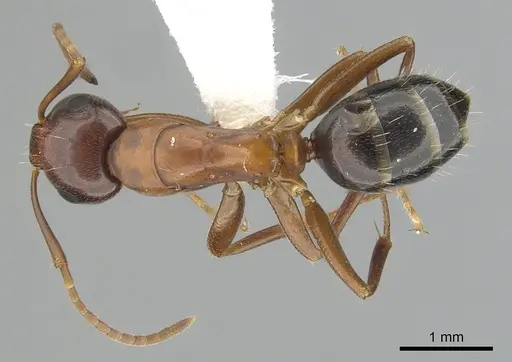
CASENT0653623
View on AntWeb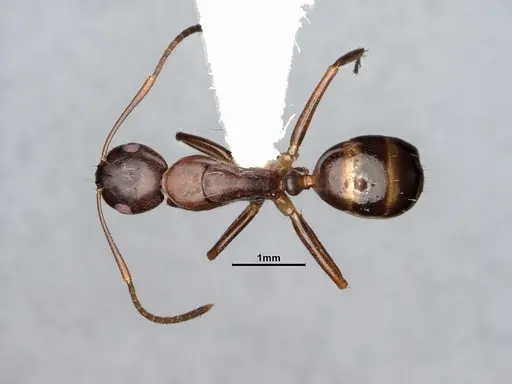
CASENT0905405
View on AntWeb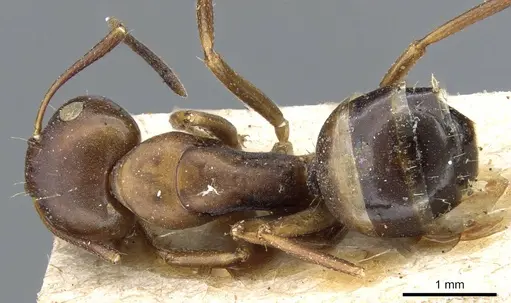
MEM212768
View on AntWeb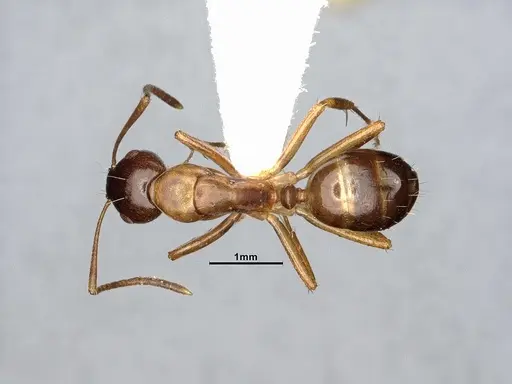
MEM290586
View on AntWeb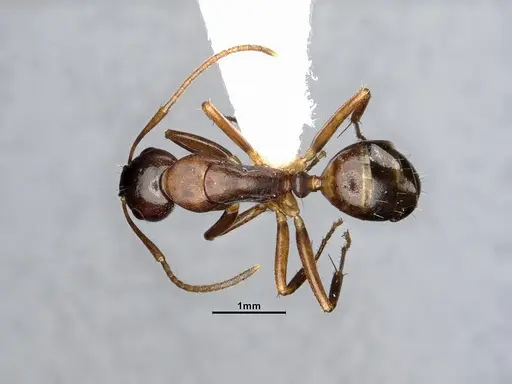
MEM290590
View on AntWeb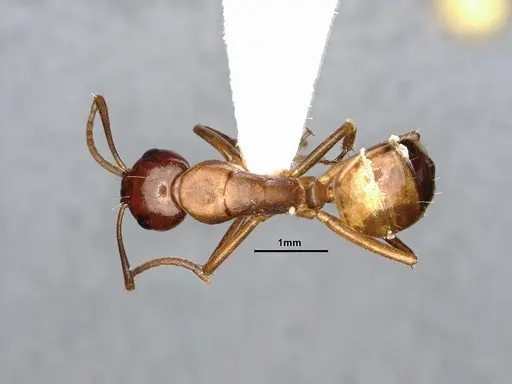
Literature
Loading distribution map...Loading products...