
Camponotus strangulatus
- Sci. Name
- Camponotus strangulatus
- Subgenus
- Myrmosaga
- Tribe
- Camponotini
- Subfamily
- Formicinae
- Author
- Santschi, 1911
- Distribution
- Found in 3 countries
Introduction
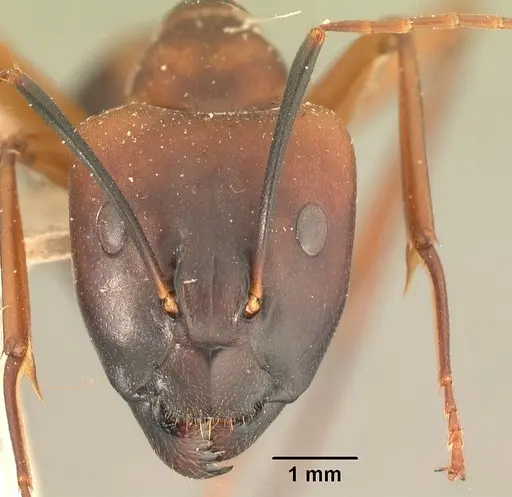
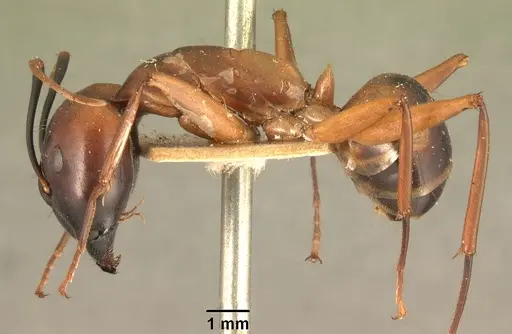
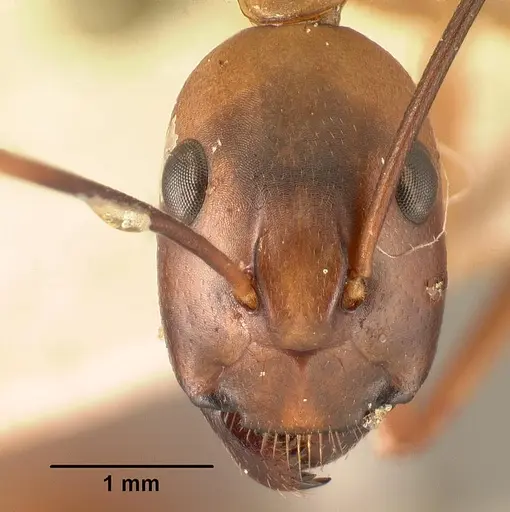
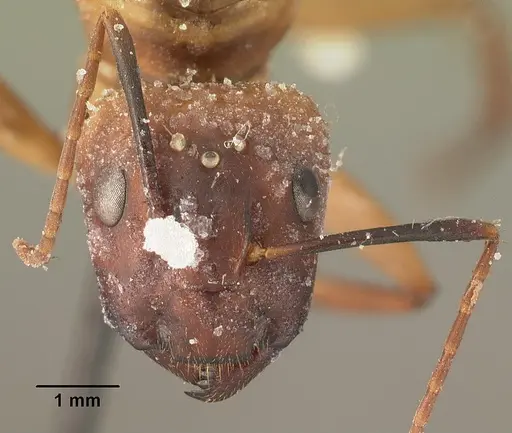
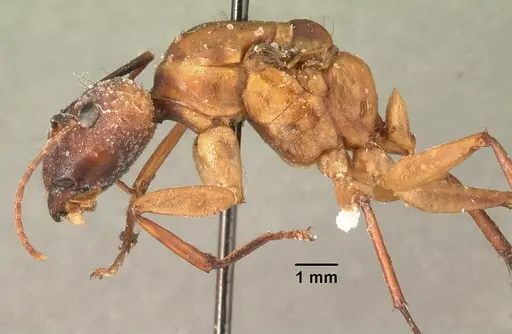
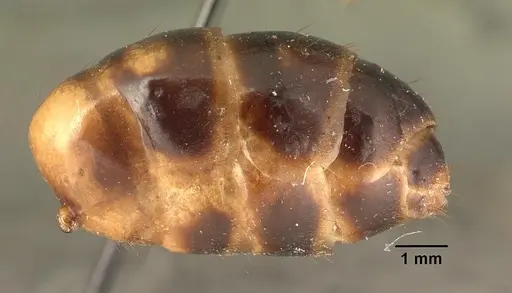
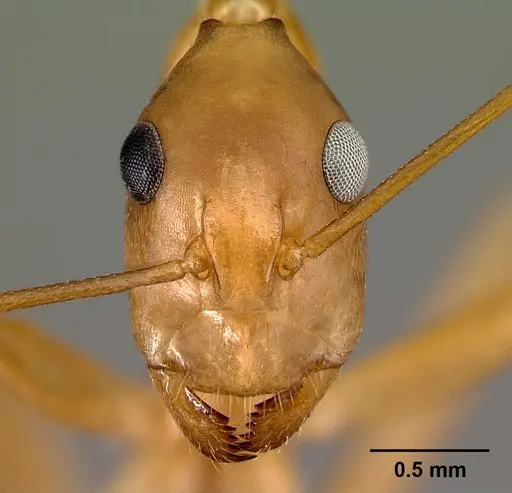
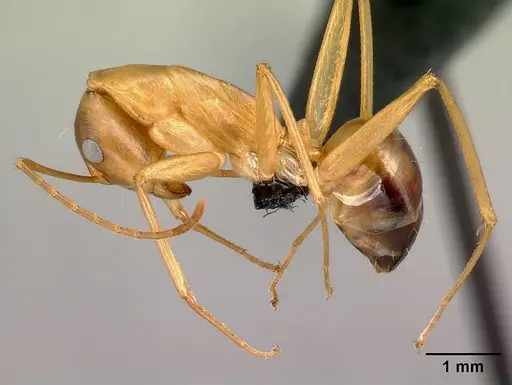
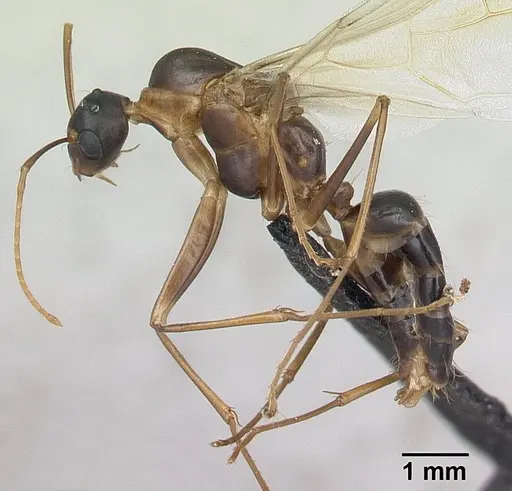
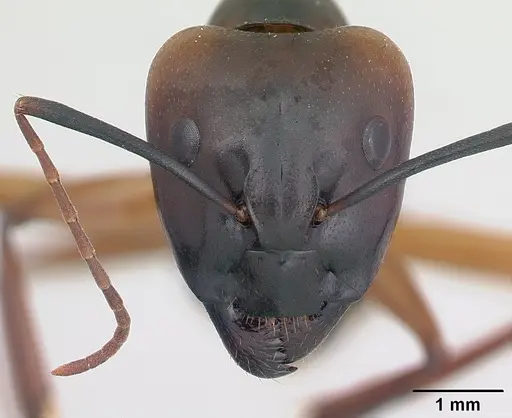
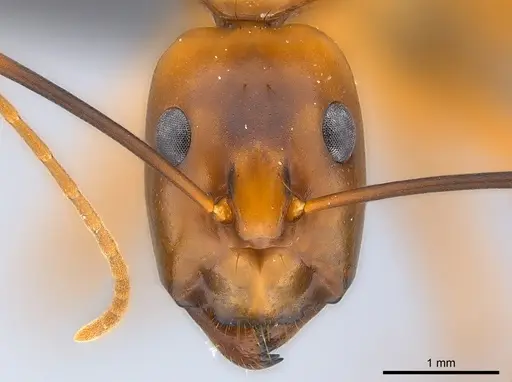
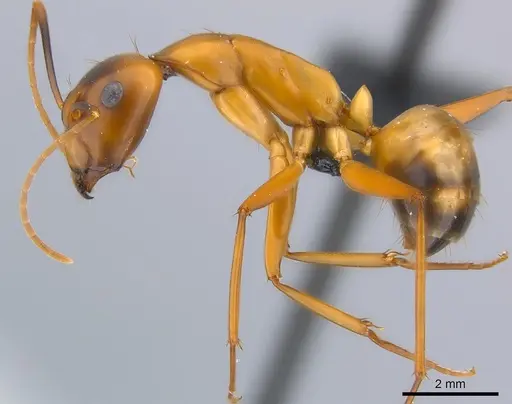
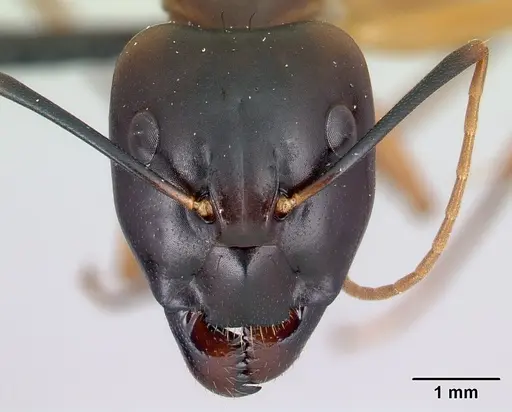
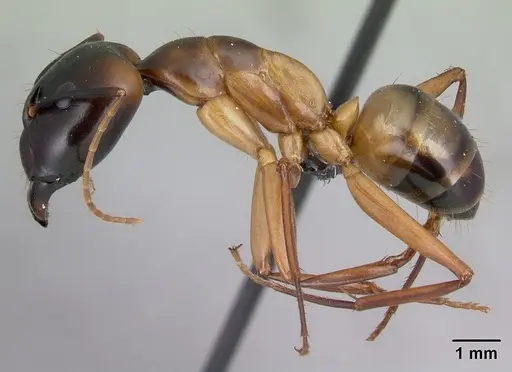
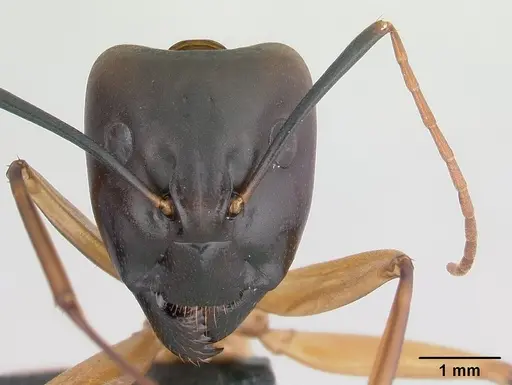
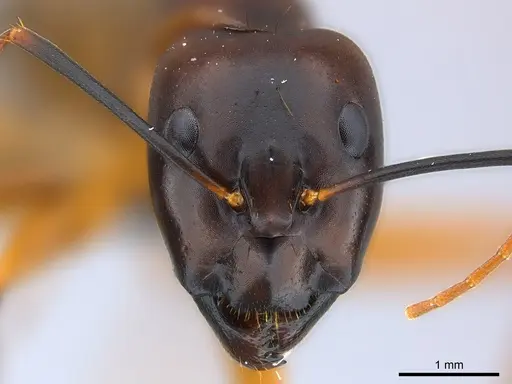
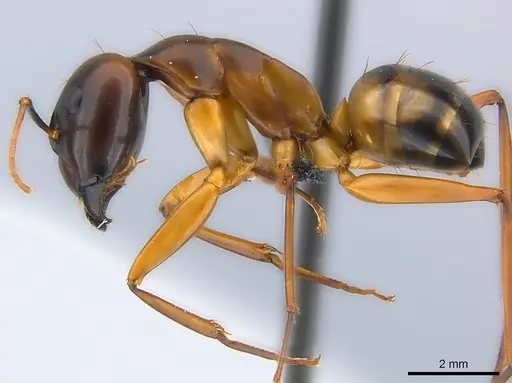
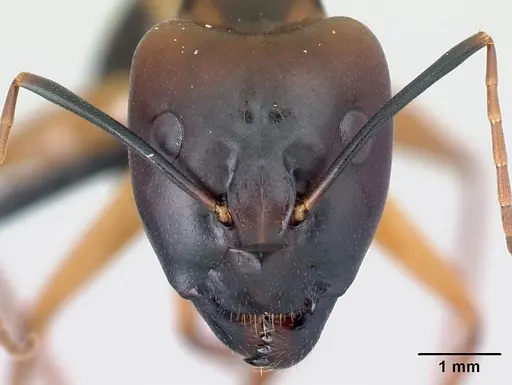
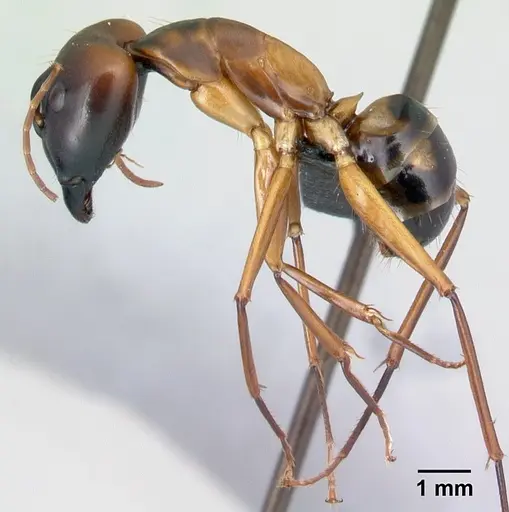
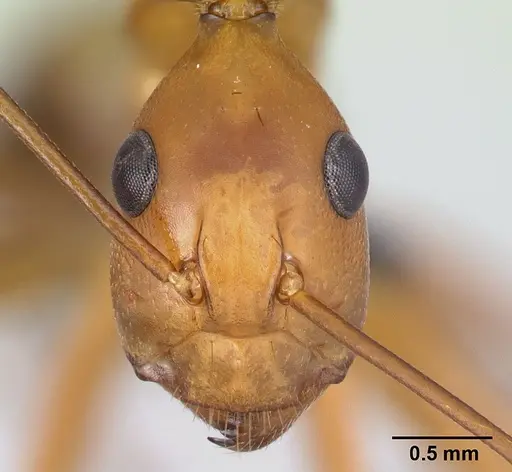
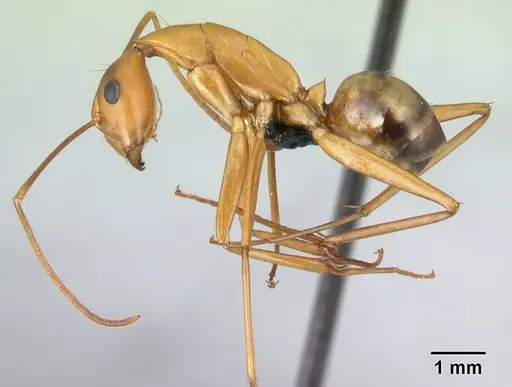
Camponotus strangulatus is a medium-sized ant endemic to the Malagasy region, including Madagascar, the Comoros islands, Mayotte, and the Seychelles. Workers come in two distinct sizes: minor workers are smaller and more slender, while major workers have enlarged heads. They have a dark body with three pairs of erect hairs on the head, and lack the white abdominal spots seen in some related species. The petiole is distinctly nodelike rather than flattened. This species occupies an extraordinary range of habitats across Madagascar, from rainforests in the north to dry spiny forest in the south, and from coastal mangroves to high plateau Uapaca woodland. Workers forage on the forest floor, in leaf litter, and on lower vegetation. What makes this species notable is its flexibility in nesting locations - it nests in rotten logs and sticks on the ground, dead branches above ground, under stones, and directly in the soil.
Quick Summary
- Difficulty: Medium
- Origin & Habitat: Endemic to the Malagasy region, Madagascar, Grand Comore and Moheli (Comoros), Mayotte, and Aldabra (Seychelles). In Madagascar it occupies rainforest, littoral rainforest, dry forest, spiny forest, montane rainforest, Uapaca woodland, and human-modified habitats. Nests in rotten logs, dead branches, under stones, and in ground [1][2].
- Colony Type: Colony structure unconfirmed. No specific research on queen number found for this species.
- Size & Growth:
- Queen: Size data unavailable for this species
- Worker: Minor workers: ~4-6mm, major workers: 6-10mm [1]
- Colony: Unknown for this species
- Growth: Moderate, typical for Camponotus genus
- Development: Development time unconfirmed for this species (As a tropical species, development likely accelerates in warmer temperatures within their range)
- Antkeeping:
- Temperature: Keep at 22-26°C. As a tropical Malagasy species, they prefer warm conditions. A heating cable on one side of the nest creates a gradient allowing workers to self-regulate.
- Humidity: Moderate to high humidity (60-80%). Provide a moist nest substrate, these ants inhabit diverse forests including humid rainforest areas. Keep substrate damp but not waterlogged.
- Diapause: No diapause required. As a tropical species from Madagascar, they do not require hibernation. Maintain year-round warm temperatures.
- Nesting: Highly adaptable. Provide options like a Y-tong (AAC) nest, plaster nest, or naturalistic setup with multiple chambers. Include both horizontal chambers and vertical climbing structures since they forage at various levels. They accept rotten wood sticks in naturalistic setups [1].
- Behavior: Workers are moderately active and forage both on the ground and on vegetation. They are generalist omnivores typical of Camponotus, they collect honeydew from aphids and hunt small insects. Major workers with enlarged heads can defend the colony. They are not particularly aggressive toward keepers but will defend if threatened. Escape risk is moderate, use standard Camponotus escape prevention (fluon on rim edges). Their small worker size means small gaps should be sealed.
- Common Issues: tropical species may decline if temperatures drop below 20°C consistently, colonies may struggle if humidity is too low, dry conditions cause desiccation, slow growth compared to faster-developing genera may frustrate beginners, wild-caught colonies may harbor parasites that affect captive survival, major workers are large but colonies are not fast-growing, patience needed
Nest Preferences and Housing
Camponotus strangulatus shows remarkable flexibility in nesting habits, in the wild they nest in rotten logs and sticks on the ground, dead branches hanging above ground, under stones, and directly in soil. They may also nest in arboreal locations [2]. This translates well to captivity. A Y-tong (AAC) nest works well, providing dark chambers that mimic their natural nesting sites. Plaster nests also work if kept adequately moist. For naturalistic setups, you can provide rotten wood pieces or cork bark. The key is offering multiple chambers so the colony can choose where to store brood and where to rest. Since they forage at various heights in the wild, include some vertical elements in the outworld, branches or mesh climbing structures. Keep the nest area humid but ensure ventilation prevents mold buildup.
Feeding and Diet
Like most Camponotus species, C. strangulatus is a generalist omnivore. Workers forage for honeydew from aphids and scale insects in the wild, and hunt small invertebrates. In captivity, offer sugar water or honey as a constant energy source. For protein, provide small insects like fruit flies, small crickets, mealworms, or waxworms. They typically accept most standard ant foods. Feed protein 2-3 times per week, and keep sugar water available at all times. Remove uneaten prey after 24-48 hours to prevent mold. Minor workers will handle smaller prey items while major workers can tackle larger ones. [1]
Temperature and Seasonal Care
As a species endemic to Madagascar, a tropical island, C. strangulatus prefers warm conditions. Keep the nest area at 22-26°C for optimal brood development. A heating cable placed on top of the nest (never underneath where it can dry out substrate) creates a gentle temperature gradient. Room temperature may suffice if your home stays in the low-mid 20s°C. Unlike temperate species, they do not require a winter diapause. However, they may show reduced activity during cooler periods. Avoid temperatures below 20°C for extended periods, and keep them away from air conditioning vents or cold windows. Consistent warmth year-round supports healthy colony growth. [1]
Behavior and Colony Dynamics
This species develops through minor and major worker castes. Major workers have distinctly enlarged heads and are larger overall, they serve as defenders and can process tougher food items. Workers forage actively, searching for sugar sources and prey. They are not particularly aggressive toward keepers but will bite if provoked. The colony will establish a foraging territory and become more active as it grows. Major workers typically appear after the colony reaches several dozen workers. Expect moderate growth, Camponotus species are not as fast as some genera like Pheidole, but they build lasting colonies that can live for many years with proper care. [1]
Frequently Asked Questions
How long does it take for Camponotus strangulatus to produce first workers?
Development time is unconfirmed for this species. For Camponotus generally, expect first workers in approximately 6-10 weeks at optimal temperatures around 24-26°C. The queen will remain sealed in her founding chamber until the first workers emerge, then she will resume egg-laying while workers take over foraging and brood care.
What temperature do Camponotus strangulatus ants need?
Keep them at 22-26°C. As a tropical species from Madagascar, they prefer warm conditions. A heating cable on the nest creates a gradient. Avoid temperatures below 20°C for extended periods.
Can I keep Camponotus strangulatus in a test tube?
Yes, test tubes work for founding colonies. Use a standard test tube setup with a water reservoir secured with cotton. Once the colony reaches 20-30 workers, consider moving them to a more spacious nest like a Y-tong or plaster formicarium.
What do Camponotus strangulatus eat?
They are omnivores. Offer sugar water or honey constantly, and provide protein sources like small insects (fruit flies, mealworms, small crickets) 2-3 times per week. They will also collect honeydew if aphids are available.
Are Camponotus strangulatus good for beginners?
They are rated as Medium difficulty. They require warm temperatures and moderate humidity, which is manageable. The main challenges are their slower growth compared to some species and the need for consistent care. They are more forgiving than some tropical species but require more attention than common temperate ants.
How big do Camponotus strangulatus colonies get?
Colony size is not well documented for this species. Based on typical Camponotus patterns, expect several hundred workers at maturity. Growth is moderate, colonies take a year or more to reach significant numbers.
Do Camponotus strangulatus need hibernation?
No. As a tropical species from Madagascar, they do not require hibernation. Maintain warm temperatures year-round. They may show reduced activity during cooler periods but no special winter treatment is needed.
When should I move Camponotus strangulatus to a formicarium?
Move them once the colony reaches 20-30 workers and the test tube space becomes cramped. A Y-tong or plaster nest works well. Ensure the new nest is humid and dark, and connect the outworld before moving the colony.
Why is my Camponotus strangulatus colony declining?
Common causes include: temperatures below 20°C, too low humidity causing desiccation, poor nutrition (insufficient protein or sugar), or parasites. Check your temperature and humidity levels first. Ensure fresh sugar water is always available and offer protein regularly. Wild-caught colonies may carry parasites that can cause decline.
Report an Issue
The current care sheet is based fully on literature. See inconsistencies, or something that's incorrect? Please , it will be resolved after review from an admin. Contributing to the blogs tab also helps providing information, to make us be able to further improve the caresheets. Thank you for your support!
References

This caresheet is licensed under CC BY-SA 4.0 .
Community Blogs
CASENT0101097
View on AntWeb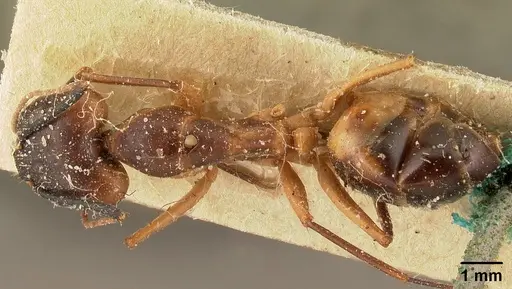
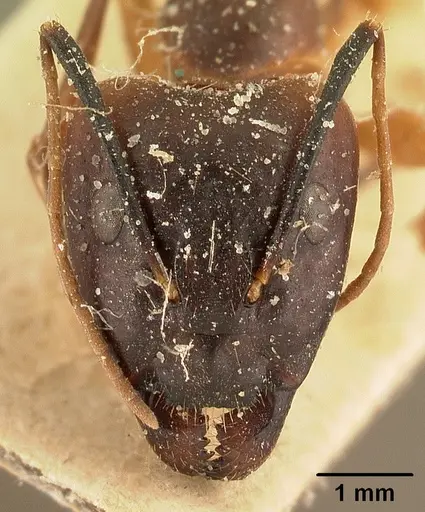
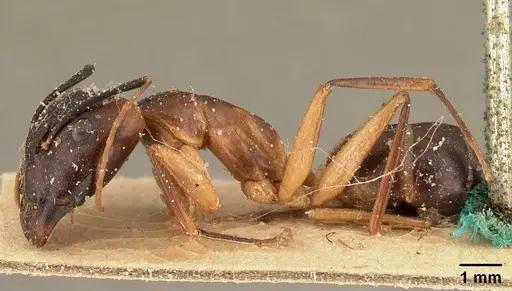
CASENT0101338
View on AntWeb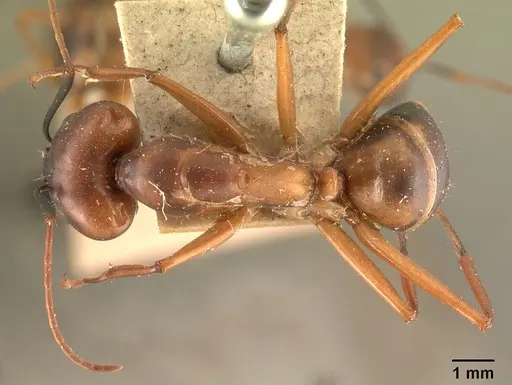
CASENT0101339
View on AntWeb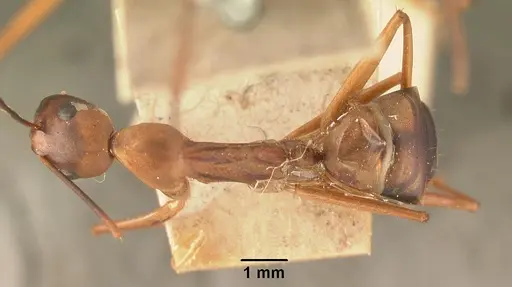
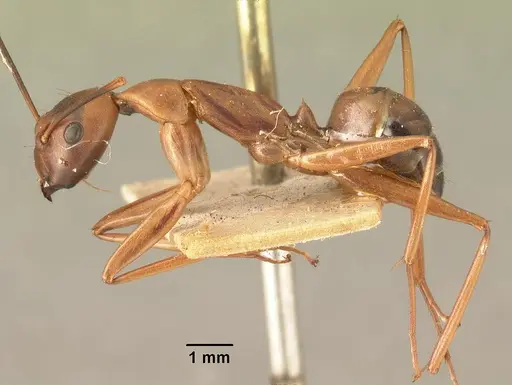
CASENT0101747
View on AntWeb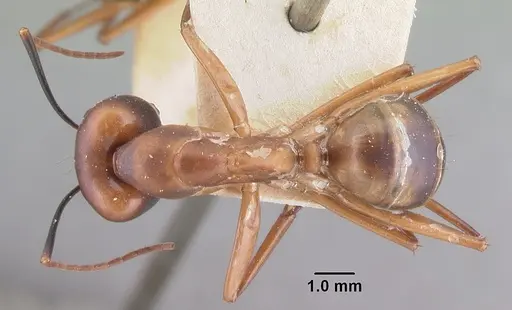
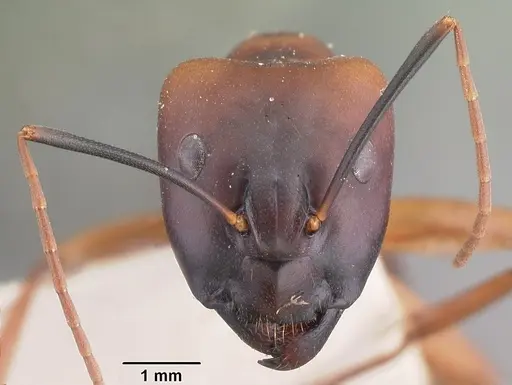
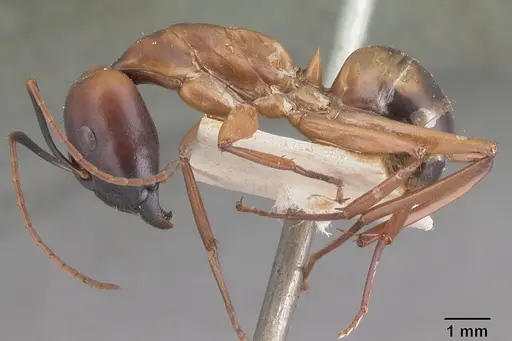
CASENT0101879
View on AntWeb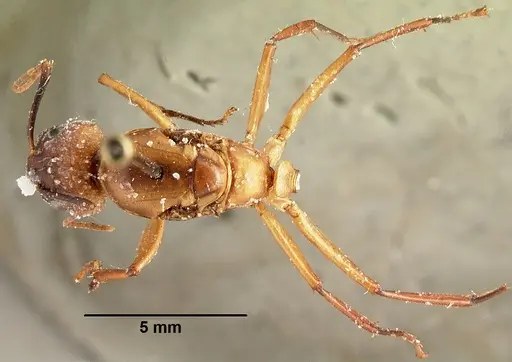
CASENT0132660
View on AntWeb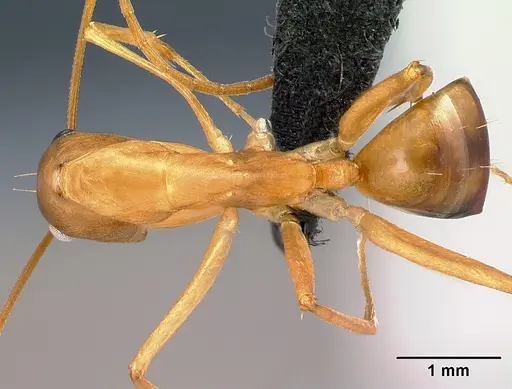
CASENT0134308
View on AntWeb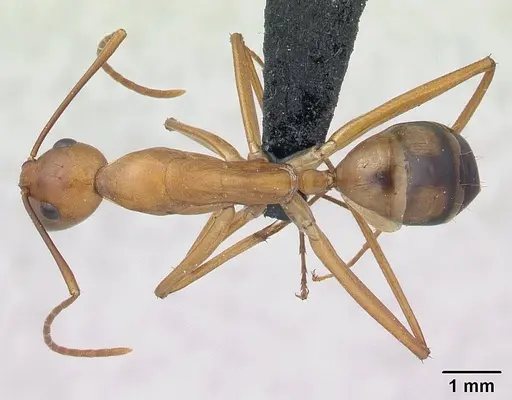
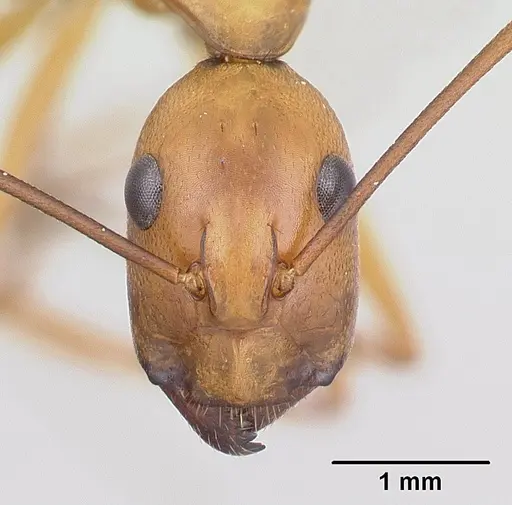
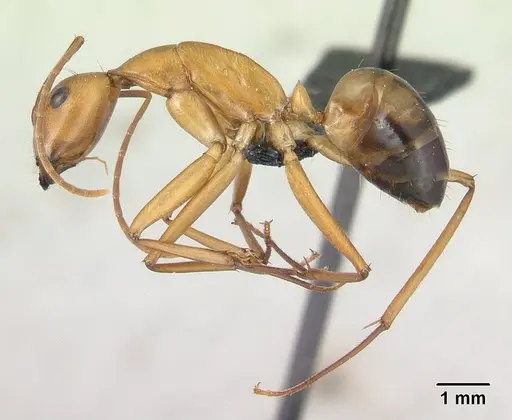
CASENT0134828
View on AntWeb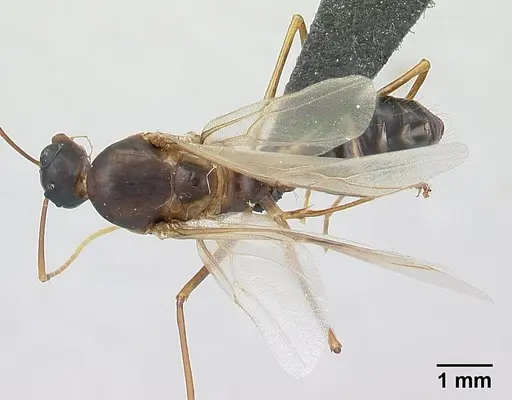
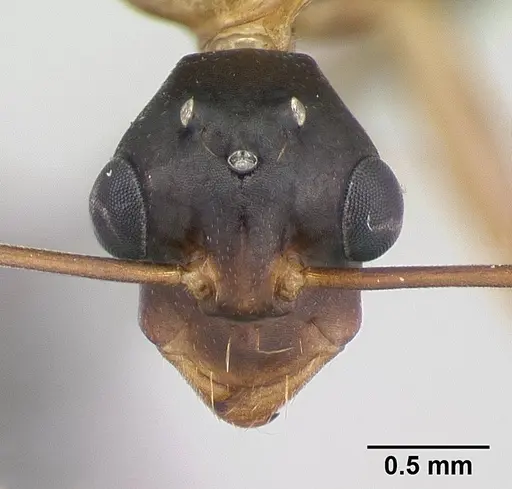
CASENT0134829
View on AntWeb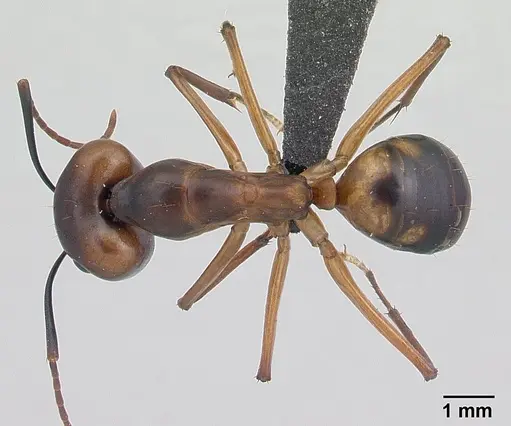
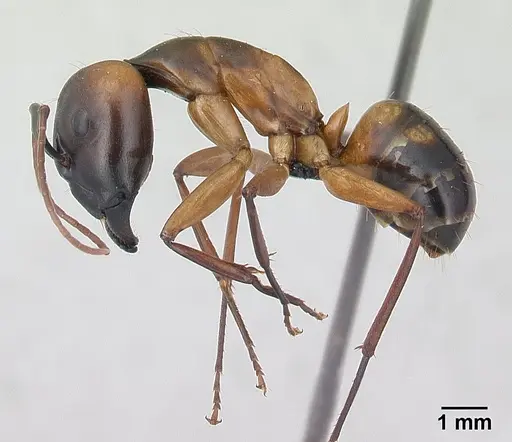
CASENT0134928
View on AntWeb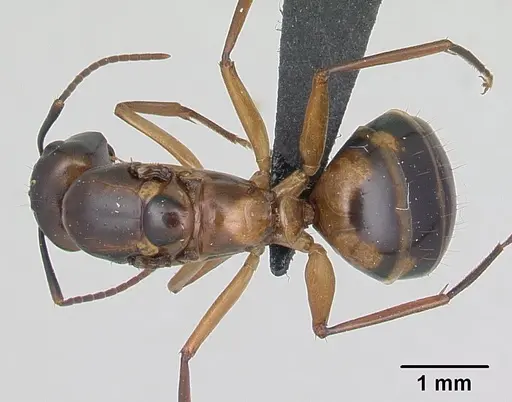
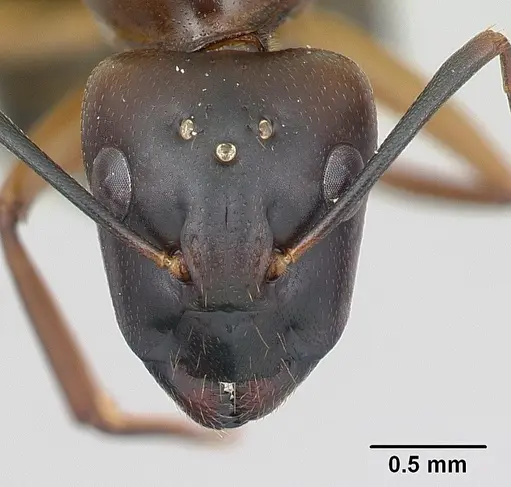
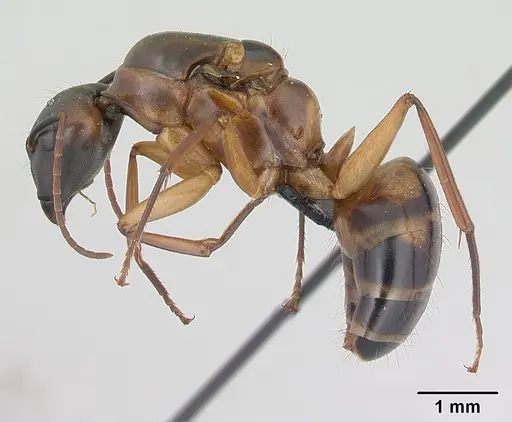
CASENT0136581
View on AntWeb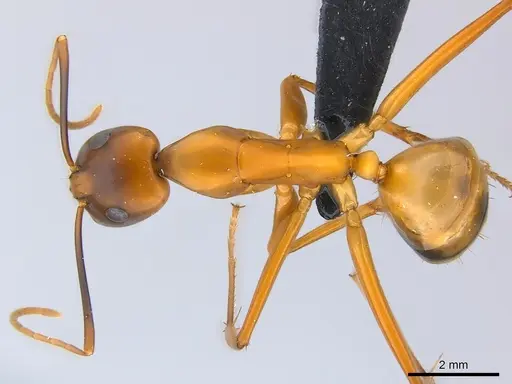
CASENT0137305
View on AntWeb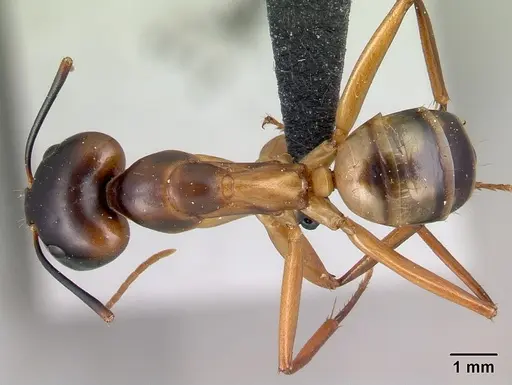
CASENT0146188
View on AntWeb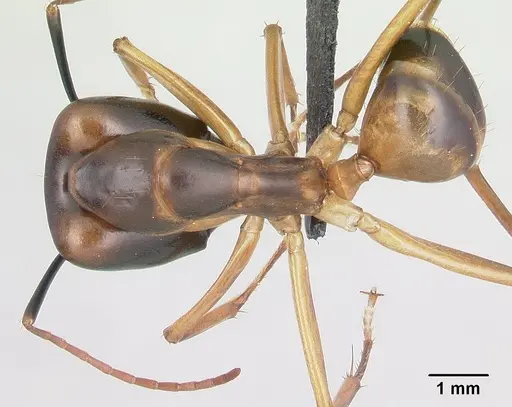
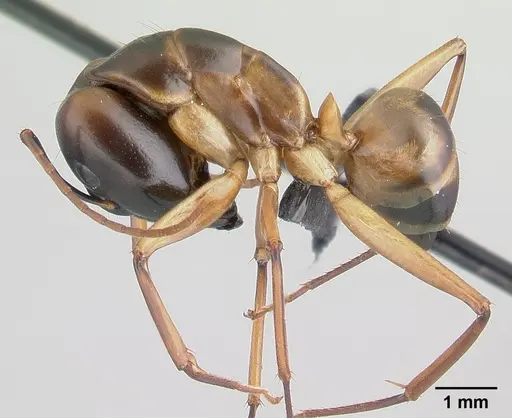
CASENT0146225
View on AntWeb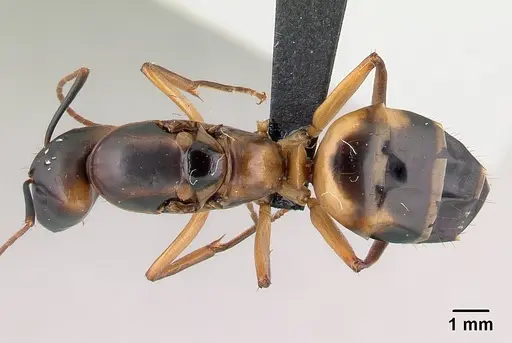
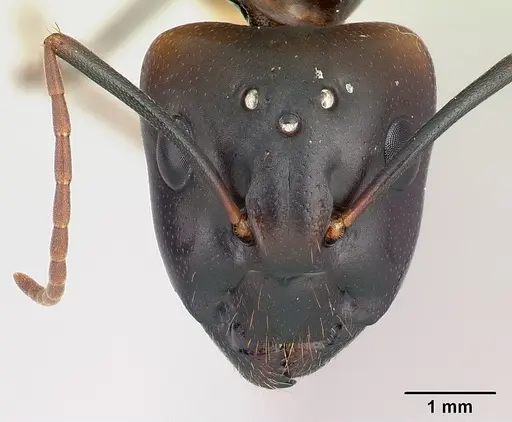
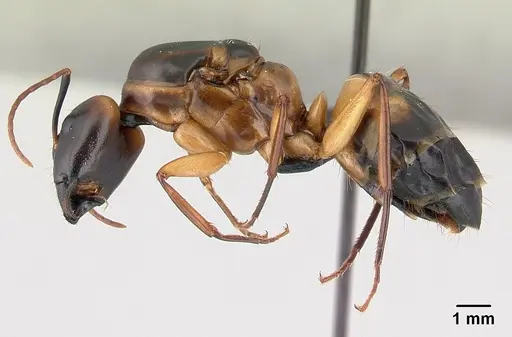
CASENT0149726
View on AntWeb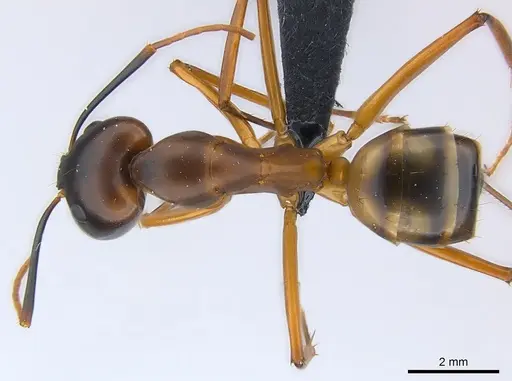
CASENT0165545
View on AntWeb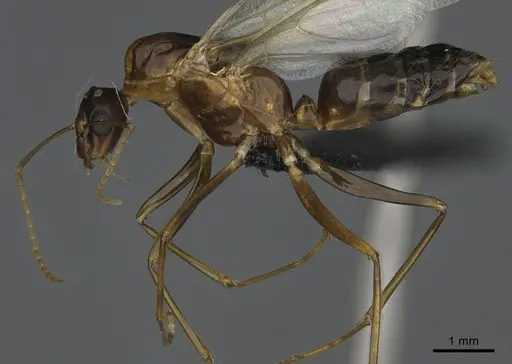
CASENT0168161
View on AntWeb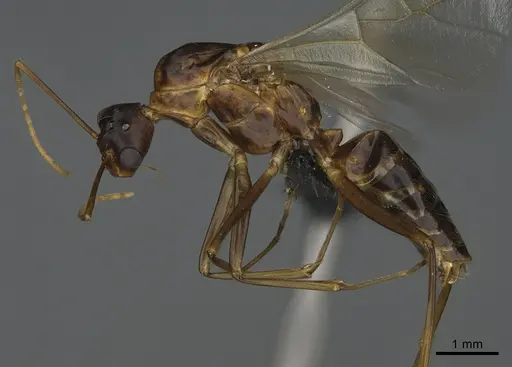
CASENT0192319
View on AntWeb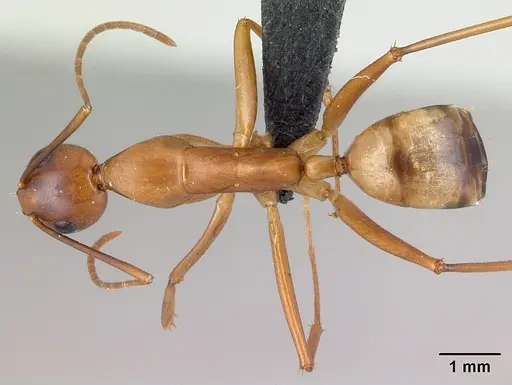
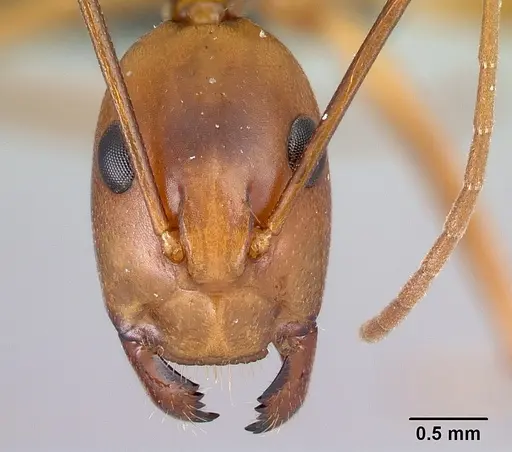
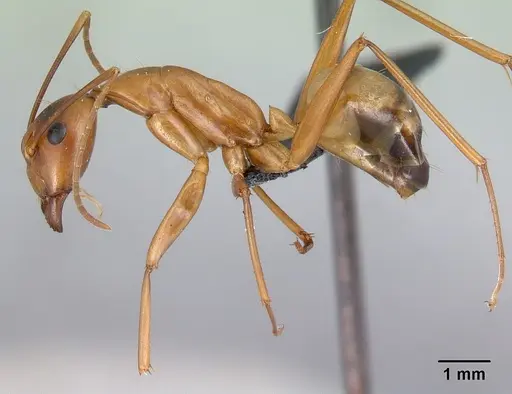
CASENT0476644
View on AntWeb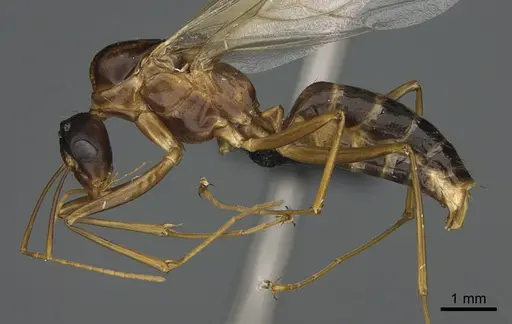
CASENT0476652
View on AntWeb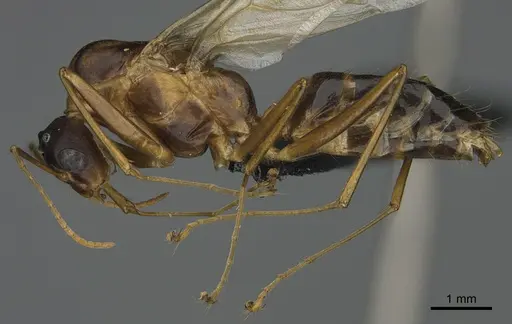
CASENT0476799
View on AntWeb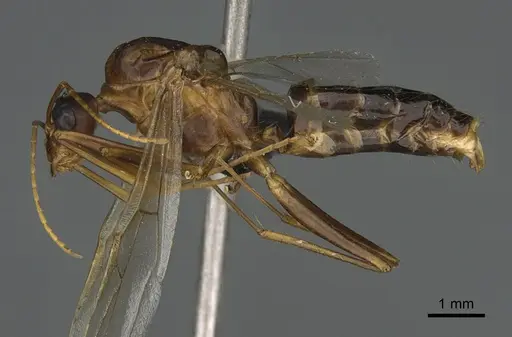
CASENT0499258
View on AntWeb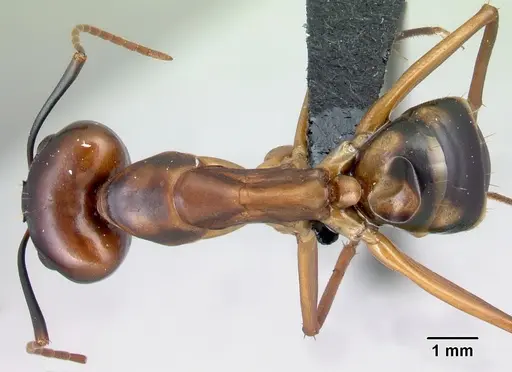
CASENT0499260
View on AntWeb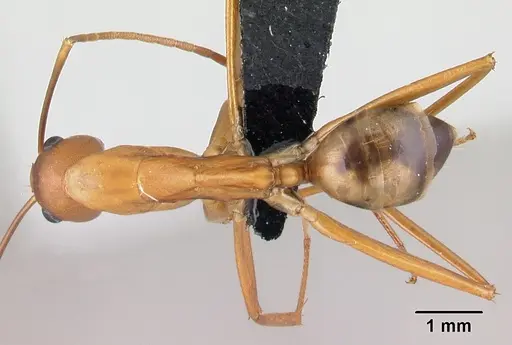
Literature
Loading distribution map...Loading products...