
Camponotus spissinodis
- Sci. Name
- Camponotus spissinodis
- Subgenus
- Myrmentoma
- Tribe
- Camponotini
- Subfamily
- Formicinae
- Author
- Forel, 1909
- Distribution
- Found in 2 countries
Introduction
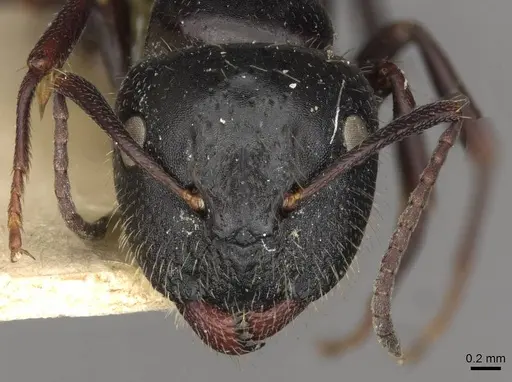
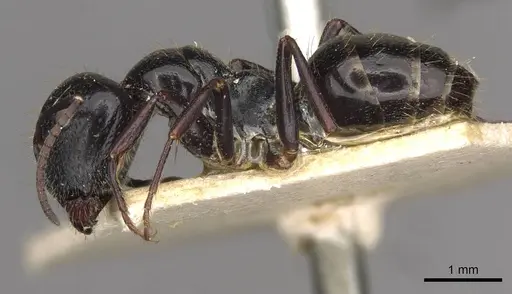
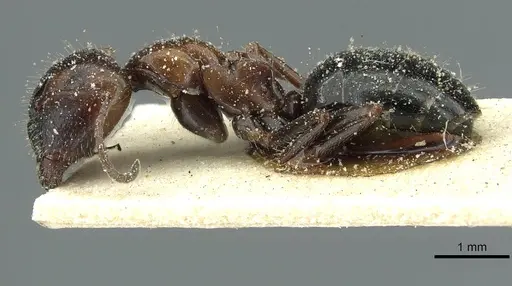
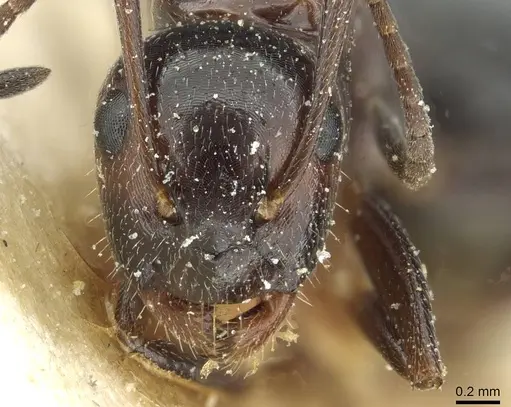
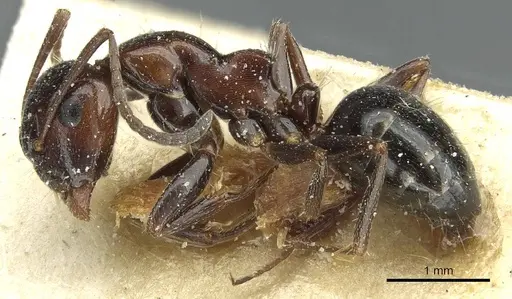
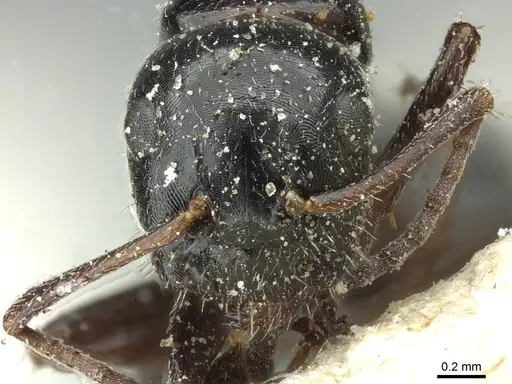
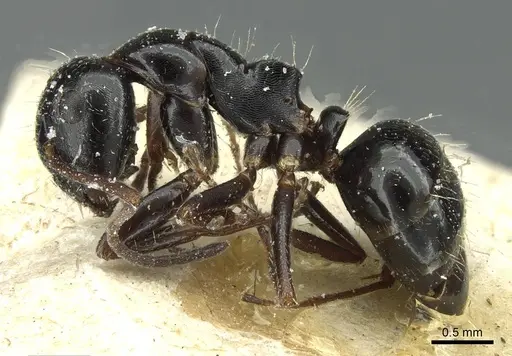
Camponotus spissinodis is a small carpenter ant native to the western Mediterranean region, found in Algeria, Morocco, Tunisia, mainland Spain, and Yemen . This species belongs to the Camponotus lateralis species group, which contains several similar-looking cryptic species that were historically confused with Camponotus piceus and Camponotus candiotes . The most reliable way to distinguish C. spissinodis from its relatives is by the shape of the scapi (antennal stalks) . Workers are polymorphic with major workers having larger heads while minors handle most foraging tasks. These ants are non-mimetic, meaning they don't copy the appearance of other ant species for protection . In the wild, they nest under stones and in soil cavities in warm, dry Mediterranean habitats . This ant was once considered a subspecies of Camponotus lateralis but was elevated to full species status following taxonomic revision .
Quick Summary
- Difficulty: Easy
- Origin & Habitat: Western Mediterranean region, Algeria, Morocco, Tunisia, mainland Spain, and Yemen [1]. This is a warm, dry species from Mediterranean and semi-arid habitats. In Morocco, it appears localized along the Tangeroise peninsula coastline [4].
- Colony Type: Likely single-queen colonies (monogyne) based on typical Camponotus genus patterns. No documented polygyny or ergatoid replacement reproductives in available research.
- Size & Growth:
- Queen: Size data unavailable, inferred from Camponotus genus patterns (~7-9mm)
- Worker: Size data unavailable, inferred from Camponotus genus patterns (~3-6mm, polymorphic)
- Colony: Likely several hundred workers at maturity, estimated based on related C. lateralis group species
- Growth: Moderate
- Development: Estimated 6-10 weeks at optimal temperature based on related Camponotus species (Development time is inferred from genus-level data since species-specific measurements are not available. Expect slower growth in the first few months as the colony establishes.)
- Antkeeping:
- Temperature: Keep at 22-26°C. As a Mediterranean species, they prefer warm conditions but can tolerate room temperature. A heating cable on one side of the nest creates a beneficial gradient.
- Humidity: Low to moderate. These are dry-adapted ants from Mediterranean climates. Keep nest substrate moderately dry with occasional damp areas, think dry stone habitat, not rainforest. Allow portions of the nest to dry out between waterings.
- Diapause: Yes, a winter rest period of 2-3 months at 10-15°C is recommended for this temperate species. Reduce feeding and activity during this period.
- Nesting: Y-tong (AAC) nests work well for this species. They also do well in plaster nests. Provide narrow chambers scaled to their size. In nature they nest under stones and in soil, so a naturalistic setup with a stone covering can mimic their natural habitat.
- Behavior: Generally calm and non-aggressive for a Camponotus species. Workers are active foragers that search for sugar sources and small prey. They are not known to be particularly aggressive or territorial. Escape risk is moderate, use standard barrier methods but they are not extreme escape artists. They show trail-following behavior in some colonies [3]. As with other Formicinae ants, they lack a functional sting but can bite and spray formic acid as defense.
- Common Issues: colonies often stall in development if kept too cold, maintain warm temperatures above 20°C, overwatering can kill these dry-adapted ants, keep nesting area relatively dry, slow founding phase can cause beginners to give up, queens can take months before first workers appear, wild-caught colonies may have parasites that cause colony collapse in captivity, test tube setups work for founding but need careful water management to avoid flooding
Housing and Nest Setup
Camponotus spissinodis adapts well to various nest types. Y-tong (AAC) nests are excellent because they provide the dark, secure environment these ants prefer while allowing you to monitor colony progress. Plaster nests also work well. The key is providing appropriately sized chambers, not too large, as ants feel safer in snugger spaces. For founding colonies, a standard test tube setup works perfectly. Simply fill a test tube one-third with water, plug the water end with cotton, and place the queen in the tube. Cover the tube with a dark cloth to create the darkness they prefer. Once the colony reaches 15-20 workers, you can transition to a formicarium. Always provide an outworld area for foraging, a simple plastic box connected to the nest works fine. In nature, these ants nest under stones [4], so a naturalistic setup with a stone covering can mimic their natural habitat.
Feeding Your Colony
Like most Camponotus species, C. spissinodis is omnivorous with a sweet tooth. Offer sugar water (1:3 ratio honey to water works well) or pure honey as a constant sugar source. For protein, provide small insects like fruit flies, small crickets, or mealworms. Dead insects are usually accepted, crush them slightly to make them easier for the ants to handle. Feed protein 2-3 times per week depending on colony size. Remove uneaten prey after 24-48 hours to prevent mold. During the founding stage, the queen does not need food, she survives entirely on her stored fat reserves. Once workers emerge, begin offering tiny amounts of sugar water and small insect pieces.
Temperature and Seasonal Care
As a Mediterranean species, Camponotus spissinodis thrives at warm temperatures. Aim for 22-26°C in the nest area. Room temperature (around 20-22°C) is acceptable if your home runs that warm, but development will be slower. A small heating cable placed on one side of the nest creates a temperature gradient that lets ants choose their preferred spot. During winter, provide a diapause (winter rest) period of 2-3 months at 10-15°C. This mimics their natural seasonal cycle and helps maintain colony health. Reduce feeding during diapause but do not stop entirely, occasional sugar water prevents starvation. In summer, avoid temperatures above 30°C as this can stress the colony.
Colony Development Timeline
Expect a relatively long founding period compared to some faster-growing ants. After the queen is sealed in her chamber, she will lay eggs and tend to them without leaving. First workers (nanitics) typically emerge in 6-10 weeks, though this varies with temperature. These first workers are smaller than mature workers but immediately begin taking over brood care and foraging duties. Growth is moderate, a healthy colony should reach 50 workers within 6 months and several hundred workers within a year or two. The colony will produce larger major workers as it grows. Be patient during the founding phase, many keepers accidentally disturb colonies by checking too often. Minimize disturbance for the first 4-6 weeks after the queen seals herself in.
Defense and Handling
Camponotus spissinodis is a rewarding species to observe. Workers are active and efficient foragers, and the contrast between large majors and smaller minors is fascinating to watch. These ants are not particularly aggressive and rarely bite, making them suitable for observation. However, they do have the typical Formicinae defense, formic acid spray from their acidopore. They will bite if threatened and spray acid into the wound. The bite is not painful for humans. For observation, use a well-lit formicarium or a naturalistic setup with a clear viewing area. Avoid excessive handling of the ants as this causes stress. If you need to move them, gently coax them into a container rather than picking them up with your hands.
Frequently Asked Questions
How long does it take for Camponotus spissinodis to produce first workers?
First workers typically appear in 6-10 weeks after the queen lays eggs, assuming optimal temperatures around 24-26°C. Cooler temperatures can extend this to 12+ weeks. Be patient and avoid disturbing the queen during this critical founding period.
Can I keep multiple Camponotus spissinodis queens together?
No. This species is likely monogyne, meaning colonies have a single queen. Introducing multiple unrelated queens will result in fighting. Only keep one queen per colony.
What temperature range is best for Camponotus spissinodis?
Keep them at 22-26°C for optimal development. They can tolerate 18-30°C but grow best in the warm end of this range. A slight temperature gradient lets them choose their comfort zone.
How often should I feed my colony?
Provide sugar water (or honey water) constantly, they need a carbohydrate source always available. Offer protein (insects) 2-3 times per week. Remove uneaten food after 24-48 hours.
Do Camponotus spissinodis need hibernation?
Yes, a winter diapause of 2-3 months at 10-15°C is recommended. This mimics their natural Mediterranean seasonal cycle and helps maintain colony health.
When should I move my colony from a test tube to a formicarium?
Move them when the colony reaches 15-25 workers or when the test tube becomes crowded. Make sure there are at least a few workers before transferring.
Are Camponotus spissinodis good for beginners?
Yes, they are considered easy to keep. They are forgiving of minor temperature and humidity mistakes, don't require live prey, and are generally calm. The main challenges are their slow founding phase and need for winter diapause.
How big do Camponotus spissinodis colonies get?
Based on related species, colonies likely reach several hundred workers at maturity. Maximum size is not precisely documented for this species.
Why is my colony not growing?
Common causes include temperatures below 20°C, excessive humidity, or disturbing the queen too often. Check that the queen is still alive and producing brood. Ensure sugar water is always available and offer protein regularly.
Report an Issue
The current care sheet is based fully on literature. See inconsistencies, or something that's incorrect? Please , it will be resolved after review from an admin. Contributing to the blogs tab also helps providing information, to make us be able to further improve the caresheets. Thank you for your support!
References

This caresheet is licensed under CC BY-SA 4.0 .
Community Blogs
CASENT0910433
View on AntWeb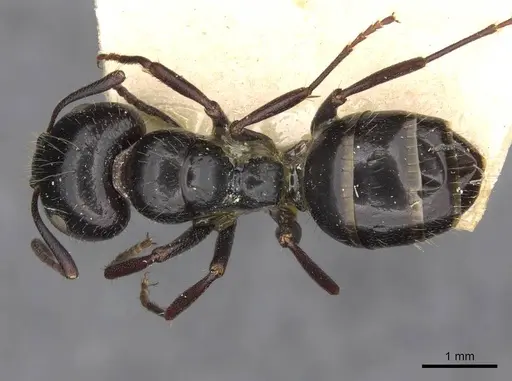
CASENT0910434
View on AntWeb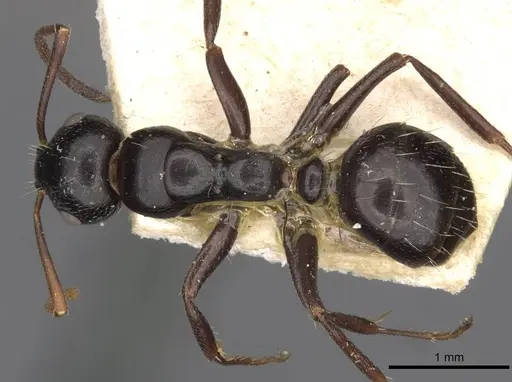
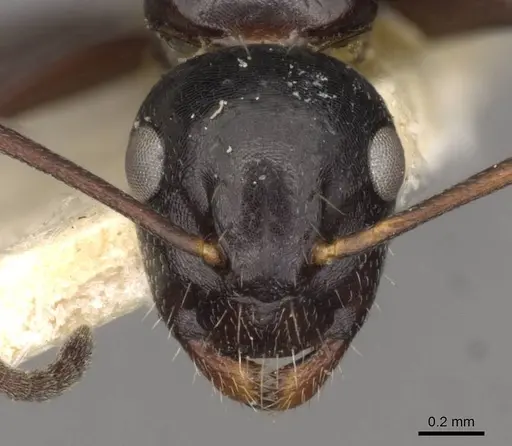
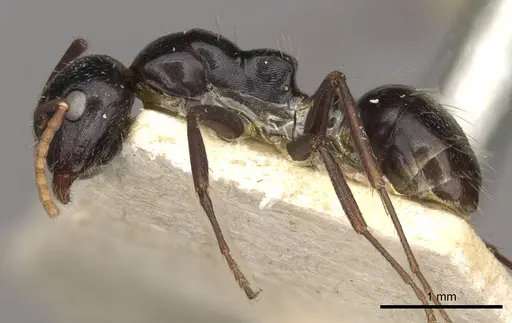
CASENT0911700
View on AntWeb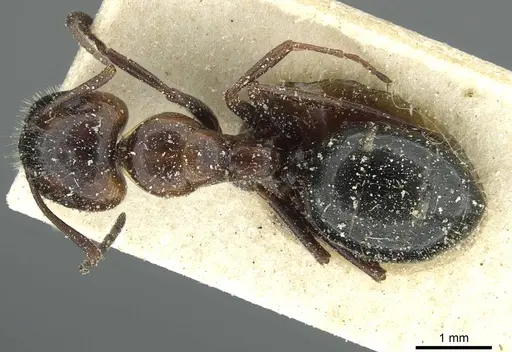
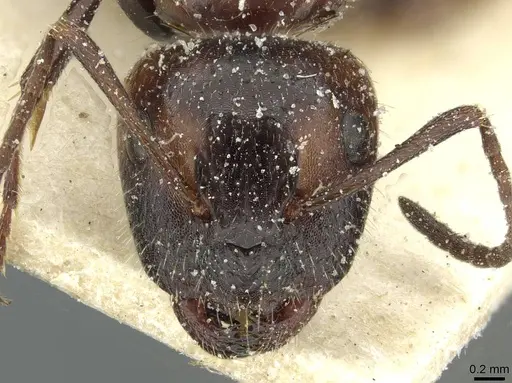
CASENT0911701
View on AntWeb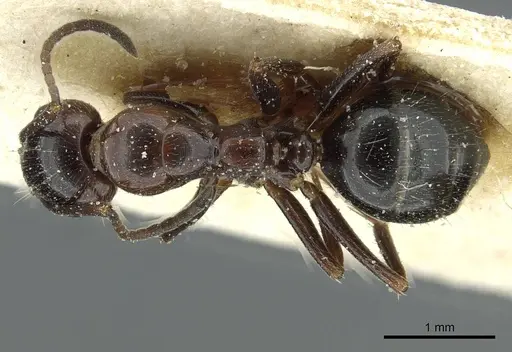
CASENT0911702
View on AntWeb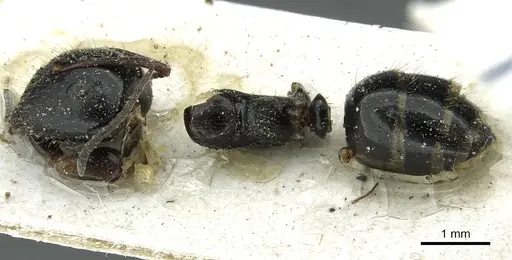
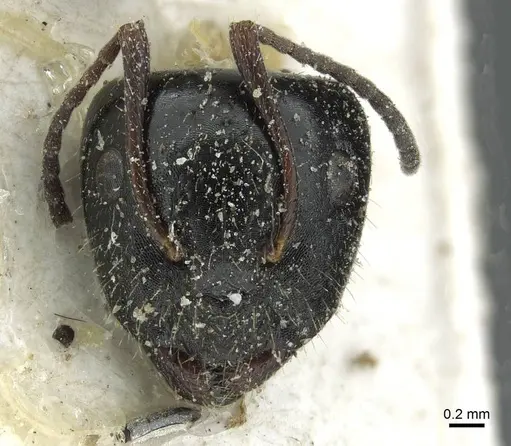
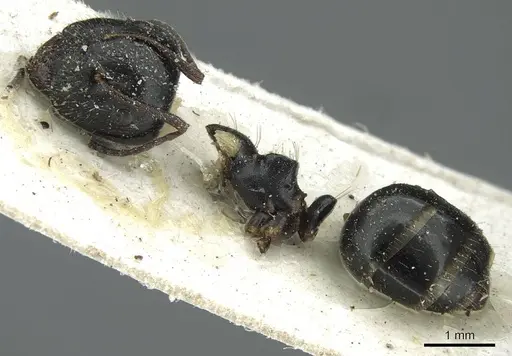
CASENT0911703
View on AntWeb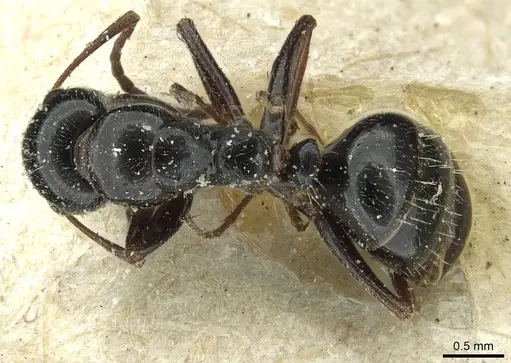
Literature
Loading distribution map...Loading products...