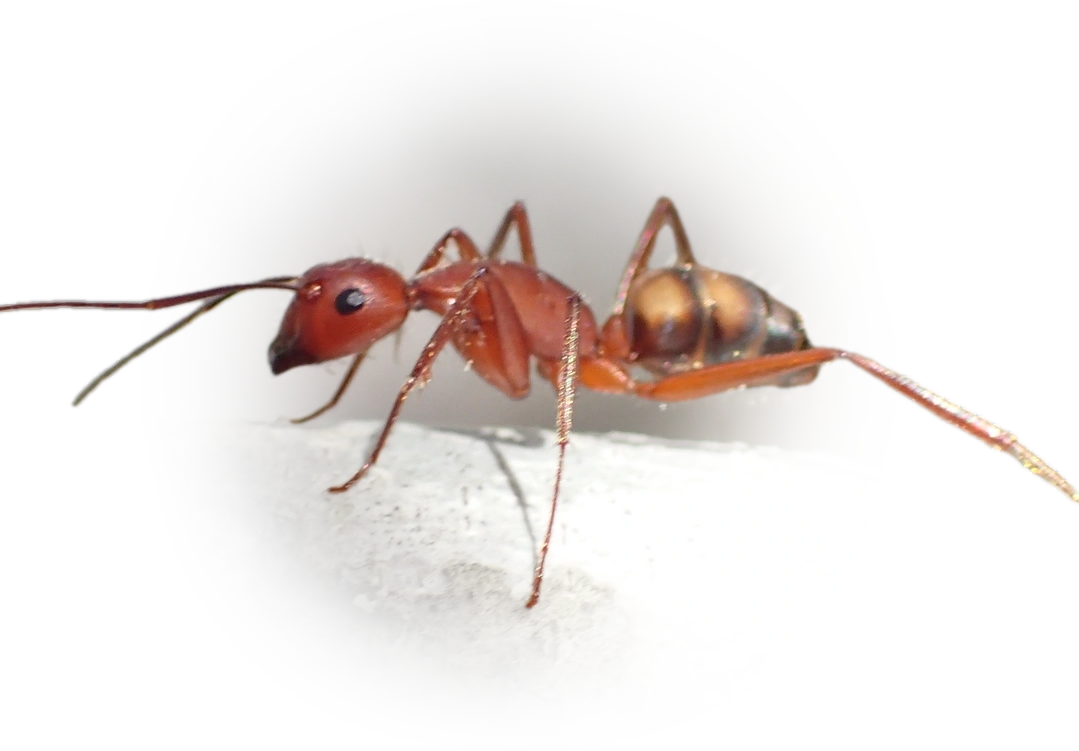
Sandhill Carpenter ant
Camponotus socius
- Sci. Name
- Camponotus socius
- Subgenus
- Tanaemyrmex
- Tribe
- Camponotini
- Subfamily
- Formicinae
- Author
- Roger, 1863
- Common Name
- Sandhill Carpenter ant
- Distribution
- Found in 1 countries
Introduction
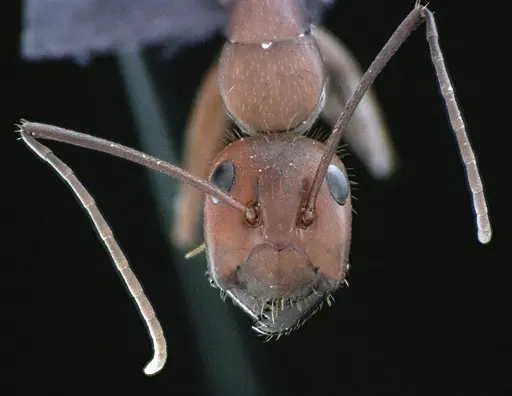
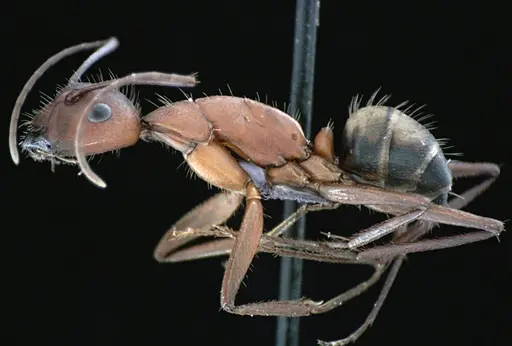
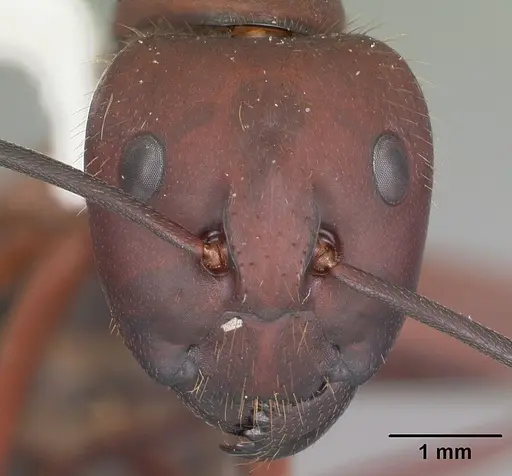
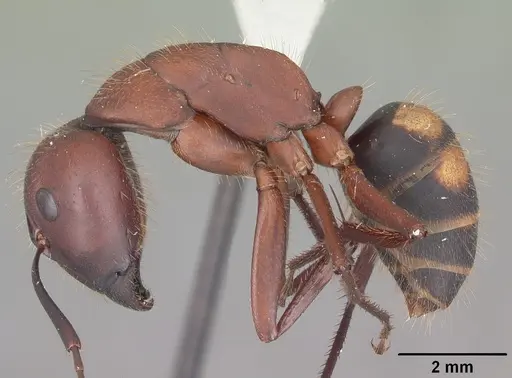
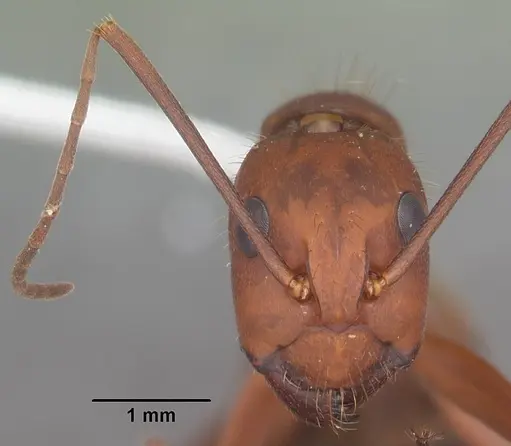
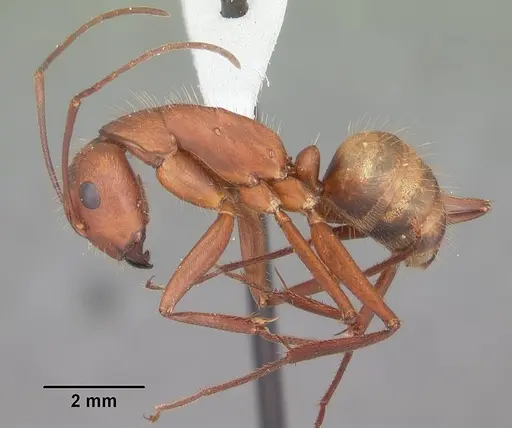
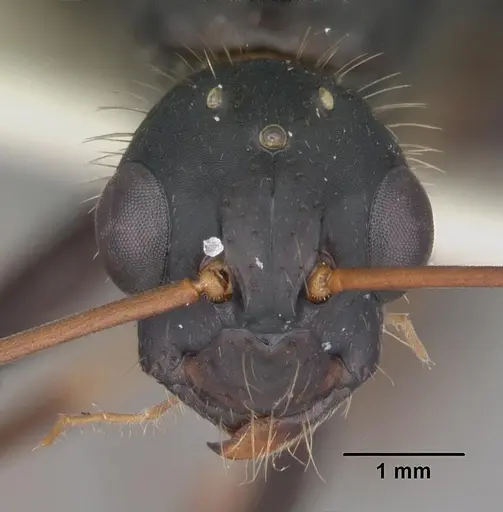
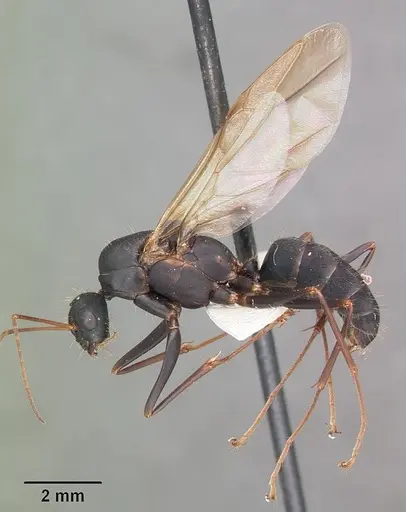
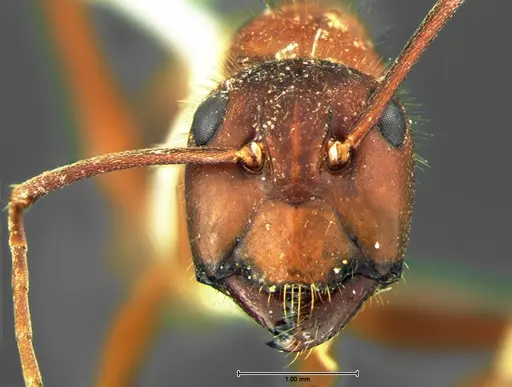
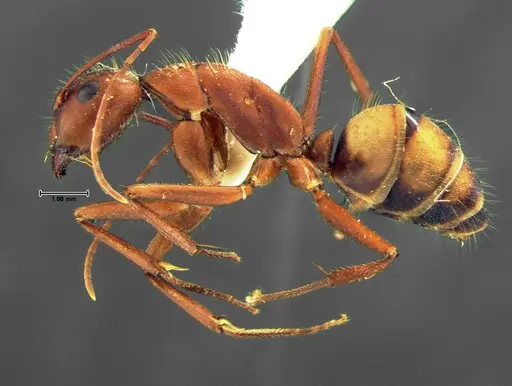
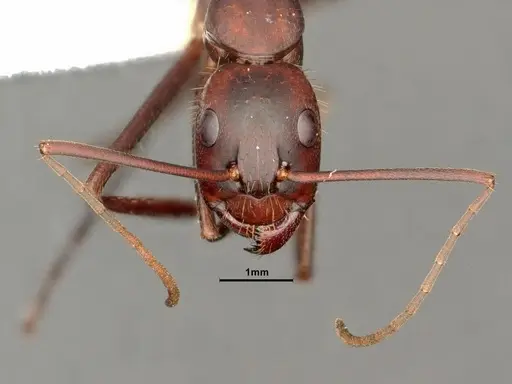
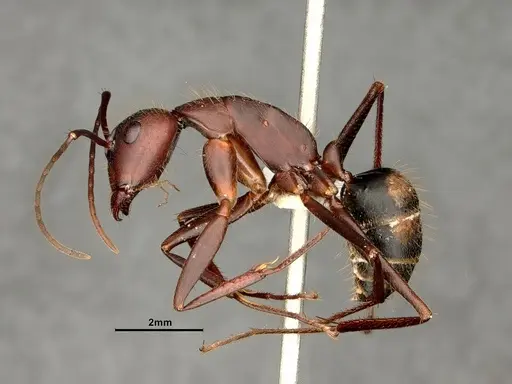
Camponotus socius is a large carpenter ant native to the southeastern United States. Workers range from 6.5-13mm with a distinctive orange to reddish-brown coloration and a banded appearance on the gaster featuring orangish spots against a dark brown background . The species has long erect hairs on the head and body, and differs from similar species like Camponotus floridanus in lacking erect setae on the scapes . Queens reach 15-16mm and are among the larger carpenter ants in the region . This species is a classic coastal plain ant adapted to the sandy soils of frequently burned, open pine woodlands . It primarily nests in sandy soil, digging deep nests up to 70-80cm and maintaining multiple connected entrances (polydomous nesting) . Unlike many wood-nesting carpenter ants, Camponotus socius is a ground-nesting ant that also occasionally uses branches or rotten logs covered by sand . Workers are active foragers using group recruitment with tandem running to bring nestmates to food sources .
Quick Summary
- Difficulty: Medium
- Origin & Habitat: Southeastern United States, native to Florida, Georgia, Alabama, Mississippi, Louisiana, and North Carolina [1][7]. Found in sandy pine woodlands, coastal dunes, xeric longleaf pine habitats, and backdune bushes [8][9][10]. Nests in sandy soil, sometimes in branches of large pines or rotten logs covered by sand [1][8].
- Colony Type: Likely monogyne (single queen) based on typical Camponotus patterns, with polydomous nesting (multiple connected nest entrances) [4].
- Size & Growth:
- Queen: 15-16mm [2]
- Worker: 6.5-13mm (minors 7.5-10.5mm, majors 11-13mm) [1][2]
- Colony: Large colonies, exact worker count unconfirmed, but nest dimensions suggest several thousand workers at maturity [3][11]
- Growth: Moderate, typical for large carpenter ants
- Development: 6-8 weeks (estimated based on typical Camponotus development at 24-26°C, not confirmed in literature) (Development time is typical for large Camponotus species. Larger species generally take longer to produce first workers.)
- Antkeeping:
- Temperature: Keep at 24-28°C for optimal brood development, based on typical Camponotus patterns (not confirmed for this species). Provide a temperature gradient. Room temperature (20-24°C) slows growth.
- Humidity: Provide a humidity gradient, mostly dry nest chamber with one small moist area. They are adapted to sandy, well-draining soils and prefer drier conditions, avoid waterlogging. [9][1]
- Diapause: Yes, as a temperate species from the southeastern US, they require a winter rest period. Reduce temperature to 15-18°C for 2-3 months during winter. Inferred from native range [12].
- Nesting: Y-tong (AAC) nests with sandy substrate work well, or a naturalistic setup with deep sand-filled chambers. Provide at least 10-15cm depth to accommodate their natural deep digging behavior [3]. They prefer sandy, well-draining substrate.
- Behavior: Workers are active foragers that search for dead insects and honeydew [4]. They use group recruitment with tandem running to bring nestmates to food sources [5][6]. More active at night but also forages during the day [1]. Defends food sources aggressively when found [12]. As a formicine ant, they spray formic acid as a defense mechanism. Escape risk is moderate, standard barrier methods are sufficient.
- Common Issues: colonies may fail if substrate stays too wet, they prefer sandy, well-draining conditions, deep nesting instinct means shallow nests may stress colonies, provide adequate depth (at least 10-15cm), slow initial growth during founding can lead to overfeeding by impatient keepers, winter diapause is required, keeping them warm year-round can weaken colonies, polydomous nature means they may try to expand beyond single nest setups
Nest Preferences and Housing
Camponotus socius is unusual among carpenter ants because it primarily nests in sandy soil rather than in wood. In the wild, colonies excavate deep nests reaching 70-80cm deep and maintain multiple connected entrances (polydomous nesting) [3][4]. Their nests are shallower and smaller (about 0.5-1.5m deep) compared to Pogonomyrmex badius nests [13]. For captivity, provide a nest with sandy, well-draining substrate, a Y-tong nest with a sand-filled chamber works well, or create a naturalistic setup with a deep container filled with sandy soil mix. The nest should be at least 10-15cm deep to accommodate their natural digging behavior. They also nest in branches and rotten logs covered by sand in the wild [1], so incorporating some wood elements alongside sandy areas can mimic their natural preferences. Keep the substrate mostly dry with a small moist area, these ants prefer drier conditions than many forest-dwelling species.
Feeding and Diet
Like other carpenter ants, Camponotus socius is omnivorous and will accept a variety of foods. Workers collect dead insects and honeydew in the wild [4]. In captivity, offer protein sources like mealworms, crickets, and other insects 2-3 times per week. They also accept sugar sources, honey water or sugar water can be provided, though they may show less interest in sweets compared to pure protein. Unlike some ant species, they do not remove seeds [2], so don't rely on seed-based foods. Feed them in the outworld (the foraging area outside the nest), and remove any uneaten prey after 24-48 hours to prevent mold. Since they're more active at night [1], evening feedings may yield better results.
Temperature and Seasonal Care
Keep your colony at 24-28°C for optimal growth and brood development. They can tolerate room temperature (20-24°C) but development will be slower. These ants are from the temperate forests of the southeastern United States [12] and require a winter diapause period. In fall, gradually reduce the temperature to 15-18°C and maintain this for 2-3 months. During diapause, reduce feeding to once every 2-3 weeks, the colony will be less active and consume less. Do not feed during the first 2 weeks of cooling or the first 2 weeks after warming back up. A heating cable on one side of the nest can create a temperature gradient, allowing workers to regulate their own temperature by moving between warmer and cooler areas.
Recruitment and Foraging Behavior
One of the most interesting aspects of keeping Camponotus socius is observing their sophisticated recruitment behavior. They use group recruitment with tandem running, where a returning forager leads nestmates directly to food sources [5][6]. This involves both chemical communication (trail pheromones) and physical displays, the recruiting ant performs a waggle display that indicates whether workers should exit the nest [14]. The trail pheromone contains 2,4-dimethyl-5-hexanolide as the principal component [15]. When a good food source is found, workers become aggressive in defending it [12]. They also use alarm pheromones that function as attractants at low concentrations [16]. You can observe this by placing a large prey item in the outworld and watching how quickly and organized the recruitment response is. They maintain long-term trail networks [4], so consistent foraging routes may develop over time.
Colony Growth and Development
Camponotus socius colonies grow moderately fast once established. The founding behavior is undocumented in the literature, but based on typical Camponotus patterns, queens likely are claustral (seal themselves in and raise the first workers on stored fat reserves without foraging). First workers (nanitics) are typically smaller than normal workers. After the nanitics emerge, the colony enters a growth phase where the queen focuses on egg production while workers take over all foraging and nest maintenance. These ants live in polydomous colonies with multiple connected nests [4], and nest size correlates with colony population [11]. In the wild, each colony excavates and abandons several nests per year (up to 70-80cm deep) [3], suggesting they naturally expand and relocate frequently. In captivity, you may notice workers digging in the substrate or attempting to create additional chambers, this is normal behavior.
Frequently Asked Questions
How long does it take for Camponotus socius to produce first workers?
First workers (nanitics) typically emerge 6-8 weeks after the queen lays her first eggs, assuming temperatures around 24-26°C. This is estimated based on typical Camponotus species, specific data for Camponotus socius is not documented.
Can I keep Camponotus socius in a test tube?
Test tubes work for founding colonies, but you'll need to move them to a larger setup with sandy substrate within a few months. Their natural tendency to dig deep nests means a formicarium with adequate depth (at least 10-15cm) is better for established colonies [3].
Are Camponotus socius good for beginners?
They are moderate difficulty, harder than species like Lasius niger but easier than some tropical ants. Their specific need for sandy, well-draining substrate, deep nesting space, and winter diapause makes them better suited for keepers who have successfully kept a founding colony before.
Do Camponotus socius need hibernation?
Yes, they require a winter rest period (diapause). Reduce temperatures to 15-18°C for 2-3 months during winter. This is essential for colony health and reproductive success [12].
What do Camponotus socius eat?
They primarily eat dead insects (such as mealworms and crickets) and will also accept sugar sources like honey water. They are active foragers that collect honeydew and dead insects in the wild [4].
How big do Camponotus socius colonies get?
Exact colony size is not documented in scientific literature, but based on their nest dimensions (up to 70-80cm deep) and polydomous structure, colonies likely reach several thousand workers at maturity [3][4].
Why is my Camponotus socius colony dying?
Common causes include: substrate too wet (they prefer sandy, well-draining conditions), no winter diapause, temperatures too cold, or overfeeding leading to mold. Check that the sandy substrate dries slightly between water additions and ensure you've provided a proper winter rest period.
When should I move my colony to a formicarium?
Move them when the test tube is crowded or when you see workers actively digging in the cotton. For Camponotus socius, provide a formicarium with sandy substrate and adequate depth (at least 10-15cm) to accommodate their natural digging behavior [3].
Report an Issue
The current care sheet is based fully on literature. See inconsistencies, or something that's incorrect? Please , it will be resolved after review from an admin. Contributing to the blogs tab also helps providing information, to make us be able to further improve the caresheets. Thank you for your support!
References

This caresheet is licensed under CC BY-SA 4.0 .
Community Blogs
ANTWEB1041521
View on AntWeb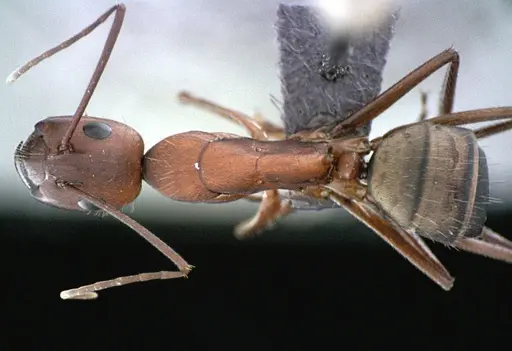
CASENT0103711
View on AntWeb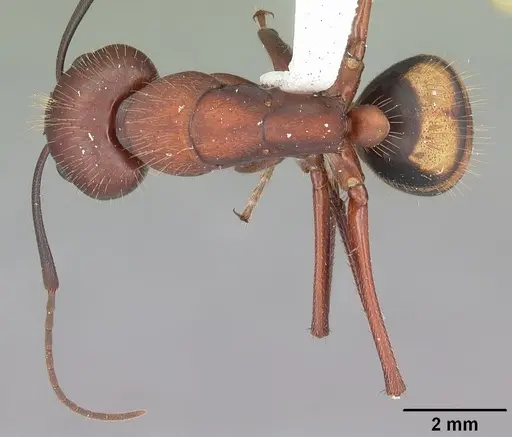
CASENT0103712
View on AntWeb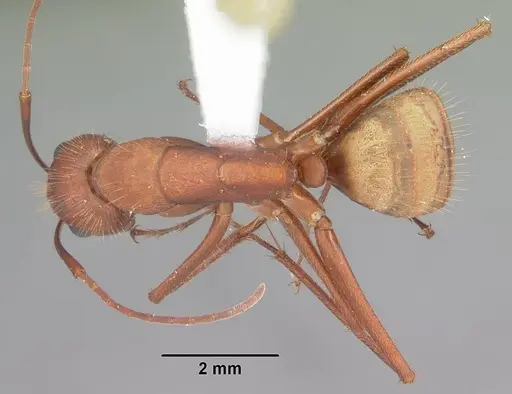
CASENT0103714
View on AntWeb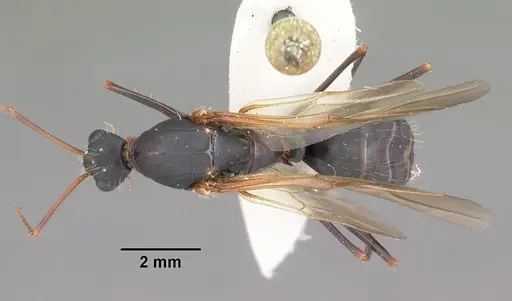
CASENT0105678
View on AntWeb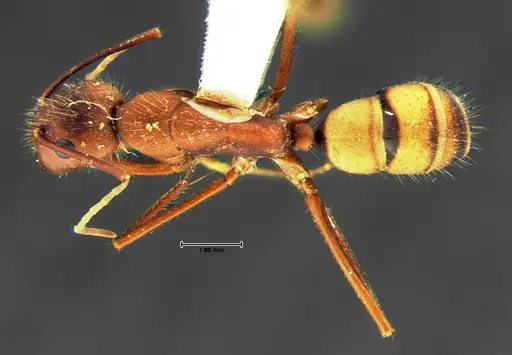
CASENT0884310
View on AntWeb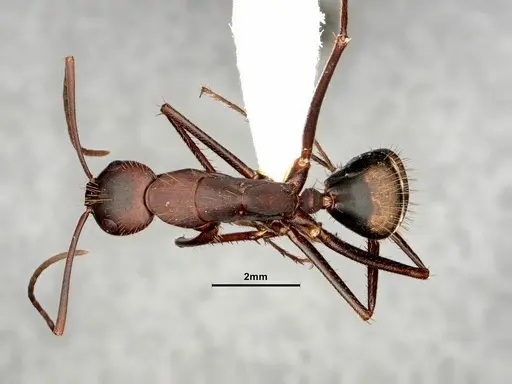
CASENT0923551
View on AntWeb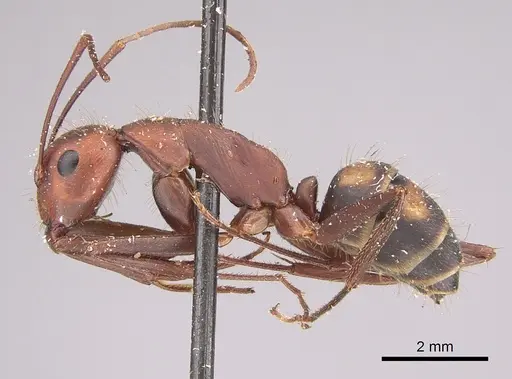
Literature
Loading distribution map...Loading products...