Camponotus snellingi shows a March to May flight window. Peak activity occurs in March, with nuptial flights distributed across 3 months.
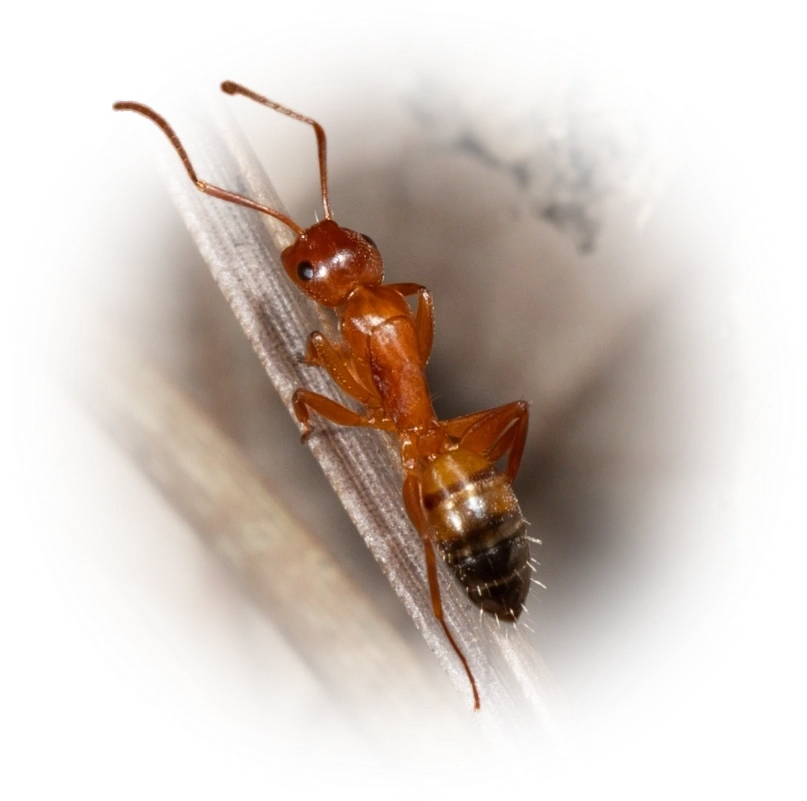
Snelling's Carpenter Ant
Camponotus snellingi
- Sci. Name
- Camponotus snellingi
- Subgenus
- Myrmentoma
- Tribe
- Camponotini
- Subfamily
- Formicinae
- Author
- Bolton, 1995
- Common Name
- Snelling's Carpenter Ant
- Distribution
- Found in 1 countries
- Nuptial Flight
- From March to May
- Peak flight Time
- 17:00
AI Identifiable
try →
Introduction
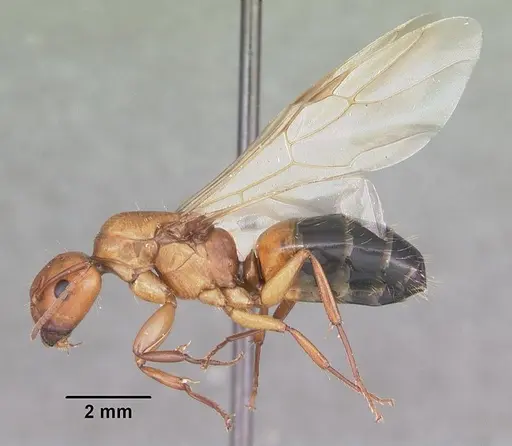
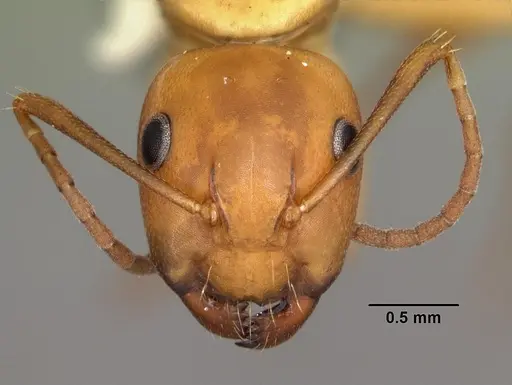
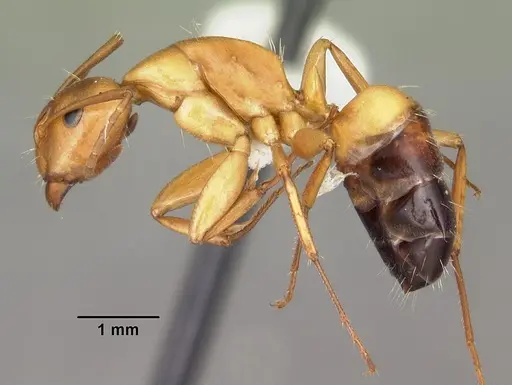
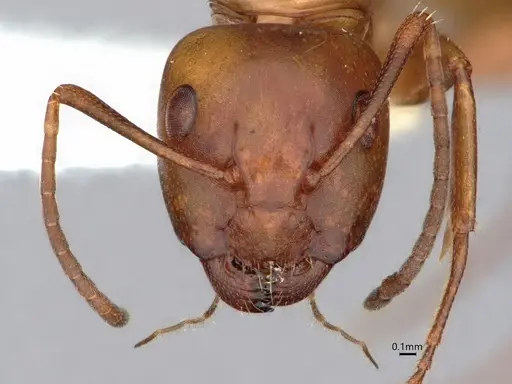
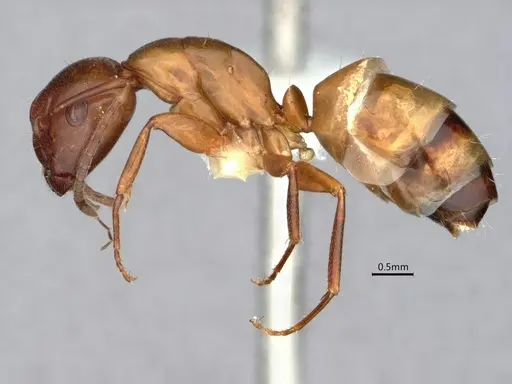
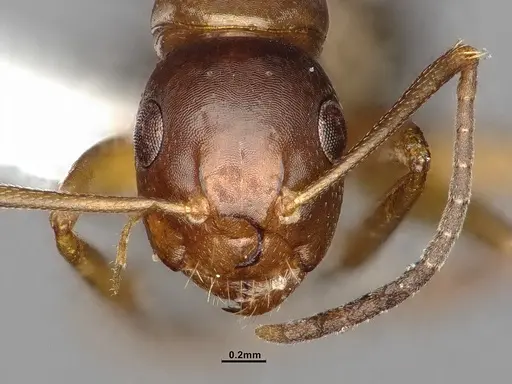
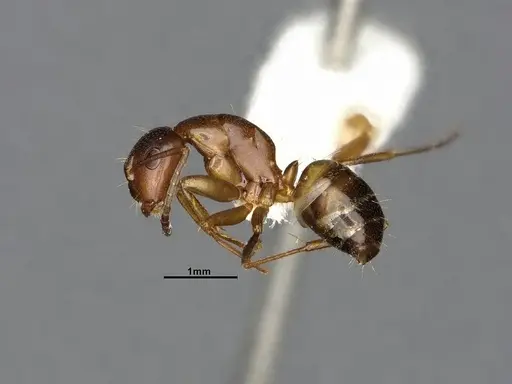
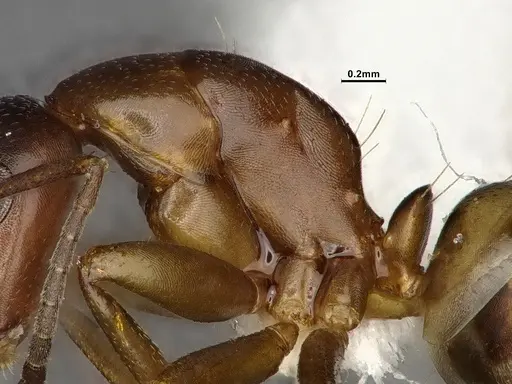
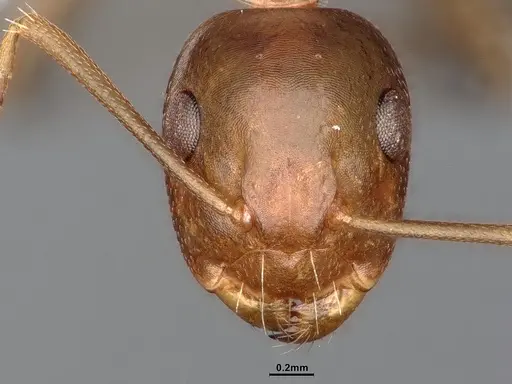
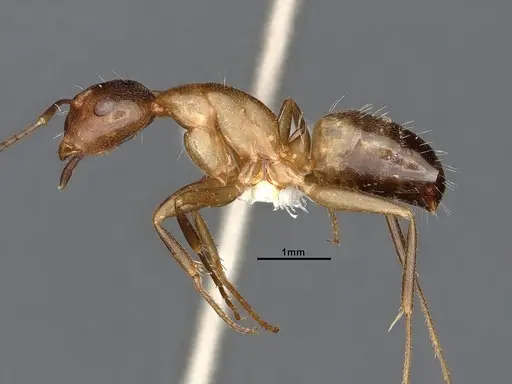
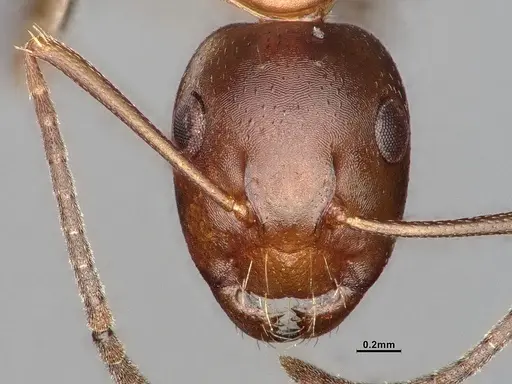
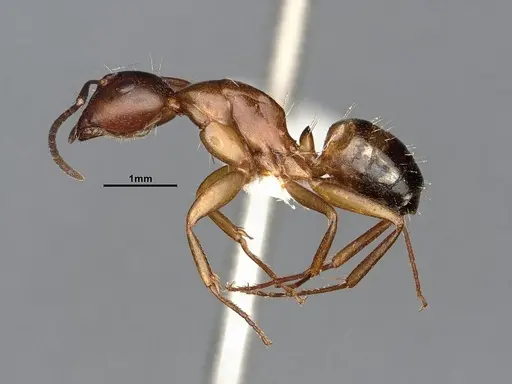
Camponotus snellingi is a medium-sized to large carpenter ant native to the southeastern United States. Workers measure 3.5-8 mm in length, with a bicolored appearance: orangish-red head, alitrunk, legs, and petiole, contrasted with a gaster that has the first two segments orangish-red and the remaining segments blackish . This species nests in dead twigs, branches, under bark, in rotting logs and stumps, and in standing dead trees . It is widespread from central Texas east to Florida and north to Virginia, preferring natural forested habitats . C. snellingi shows colony size flexibility, forming very large colonies with thousands of workers or smaller colonies with under a hundred workers, especially in southern parts of its range .
Quick Summary
- Difficulty: Easy
- Origin & Habitat: Native to southeastern US, from central Texas to Florida and north to Virginia, in forested habitats including swamps and oak forests. Nests in dead wood [1][4][5].
- Colony Type: Based on Camponotus patterns, likely monogyne (single queen colonies), but unconfirmed for this species.
- Size & Growth:
- Queen: Size data unavailable, inferred from Camponotus genus to be around 12-15 mm
- Worker: 3.5-8 mm [1]
- Colony: Up to thousands of workers [1]
- Growth: Moderate, typical for Camponotus
- Development: 6-10 weeks at room temperature, inferred from Camponotus patterns (Development time may vary with temperature)
- Antkeeping:
- Temperature: Keep at room temperature, roughly 20-24°C, based on the species' range in warm southeastern US [1][2]
- Humidity: Keep nest substrate moderately moist but not waterlogged, as they nest in dead wood in forested habitats [1][4]
- Diapause: Yes, for temperate species, winter diapause is recommended for 2-3 months at 10-15°C, inferred from geographic range
- Nesting: Best in Y-tong, plaster, or wood-based nests to mimic natural wood-nesting habits [1]
- Behavior: Fast-moving and active foragers that search for food both day and night, often traveling far from the nest [6]. Not aggressive but will defend the nest if threatened. Workers are large enough to deliver a noticeable bite.
- Common Issues: large colony size requires significant space as they grow, plan for upgrades to prevent overcrowding, fast-moving ants can escape if escape prevention is not maintained, winter diapause is important for long-term health, skipping it may weaken colonies, wood-nesting species may not thrive in fully soil-based setups, very large colonies can become defensive if the nest is disturbed
Nuptial Flight Activity Analysis 74 observations
Flight Activity by Hour 74 observations
Camponotus snellingi nuptial flight activity peaks around 17:00 during the afternoon. Activity is spread across a 24-hour window (00:00–23:00). A secondary activity peak occurs around 20:00. Times may be influenced by human observation patterns.
Housing and Nest Setup
You can use Y-tong, plaster, or wood-based nests for Camponotus snellingi [1]. Give them appropriately sized chambers for their size. For founding colonies, a test tube setup works well. As the colony grows, upgrade to larger formicariums. They prefer darker conditions and will nest in shaded areas [6].
Feeding and Diet
Offer protein foods like mealworms or crickets 2-3 times per week and sugar sources like honey or sugar water regularly. They are omnivores and forage actively [6]. Remove uneaten prey after 24-48 hours to prevent mold.
Temperature and Seasonal Care
Keep the colony at room temperature (20-24°C) and tolerate 18-28°C [1][2]. During winter, reduce temperature to 10-15°C for 2-3 months for diapause. Do not feed during hibernation.
Behavior and Colony Dynamics
This species is fast-moving and forages day and night, often traveling far from the nest [6]. Workers defend the nest vigorously if disturbed. Colonies can grow large, so plan for expansion space.
Growth and Development
As a claustral founder (unconfirmed), the queen raises the first brood alone. First workers emerge in 6-10 weeks at room temperature, inferred from Camponotus patterns. Colony growth accelerates after 20-30 workers. Alates appear in spring, from March through May [1].
Frequently Asked Questions
How long does it take for Camponotus snellingi to produce first workers?
Expect 6-10 weeks from egg to first worker at room temperature (20-24°C), inferred from Camponotus patterns.
Is Camponotus snellingi a good beginner ant?
Yes, they are relatively easy to care for, not aggressive, and tolerate a range of conditions [1].
What do Camponotus snellingi ants eat?
They are omnivores. Offer protein like insects and sugar sources like honey [6].
Do Camponotus snellingi ants need hibernation?
Yes, as a temperate species, they benefit from winter diapause for 2-3 months at 10-15°C, inferred from their range.
How big do Camponotus snellingi colonies get?
They can reach thousands of workers in mature colonies [1].
What type of nest is best for Camponotus snellingi?
Y-tong, plaster, or wood-based nests work well to mimic their natural wood-nesting habits [1].
Can I keep multiple queens together?
This species is likely monogyne, so combining queens is not recommended. House queens alone for founding.
When do Camponotus snellingi alates appear?
In the wild, alates are collected from March through May [1].
Is Camponotus snellingi a pest?
No, they are not considered a serious household pest and prefer natural forested habitats [1].
When is the nuptial flight of Camponotus snellingi?
The nuptial flight of Camponotus snellingi typically occurs From March to May.
What time of day does Camponotus snellingi fly?
The nuptial flight of Camponotus snellingi peaks around 17:00 during the afternoon, with most activity between 00:00 and 23:00. Times may be influenced by human observation patterns.
Report an Issue
The current care sheet is based fully on literature. See inconsistencies, or something that's incorrect? Please , it will be resolved after review from an admin. Contributing to the blogs tab also helps providing information, to make us be able to further improve the caresheets. Thank you for your support!
References

This caresheet is licensed under CC BY-SA 4.0 .
Community Blogs
CASENT0103729
View on AntWeb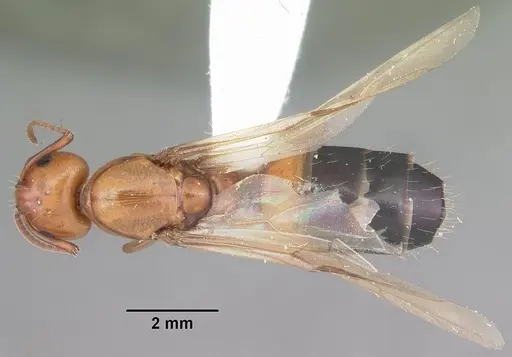
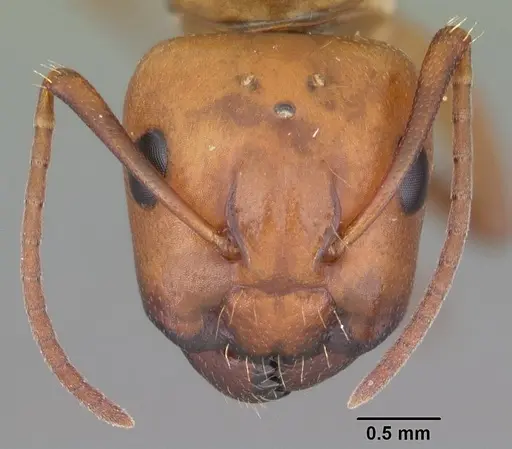
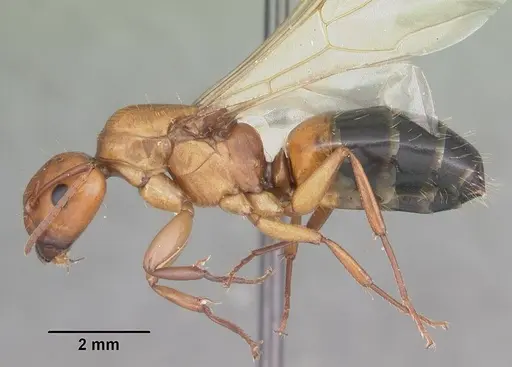
CASENT0103730
View on AntWeb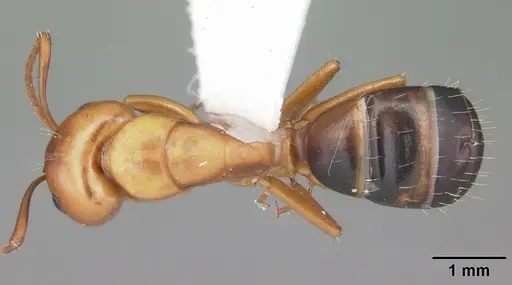
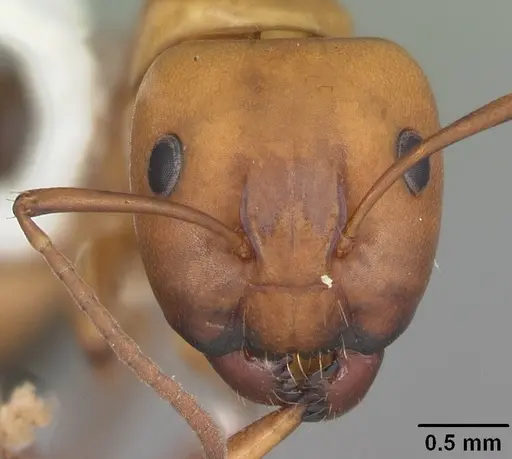
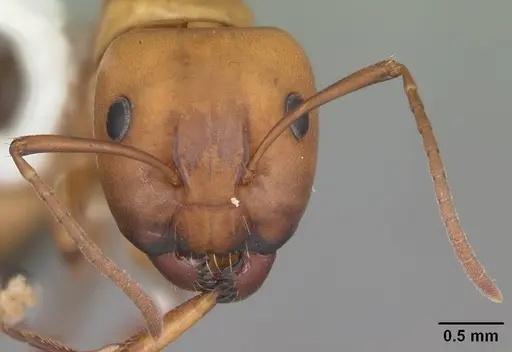
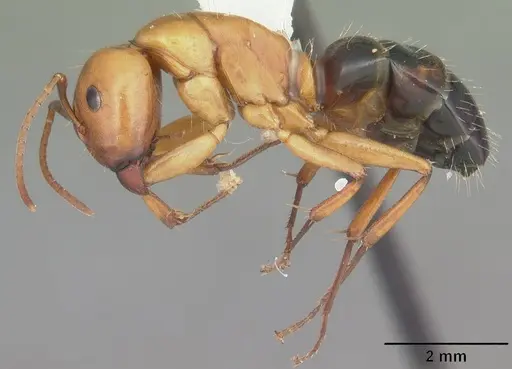
CASENT0103731
View on AntWeb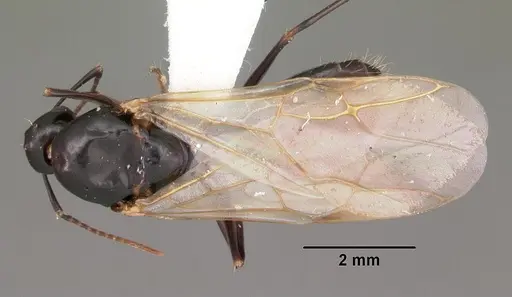
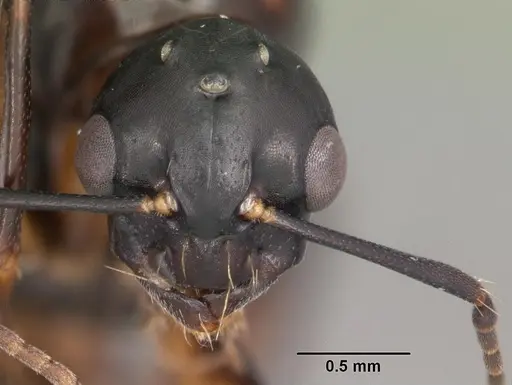
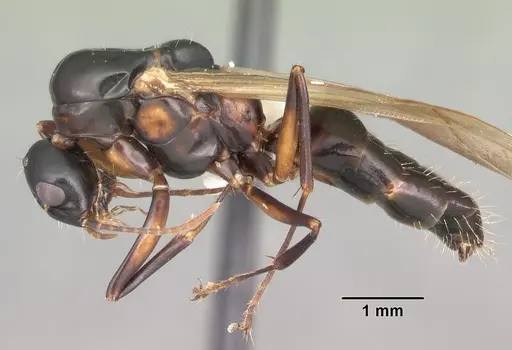
CASENT0103732
View on AntWeb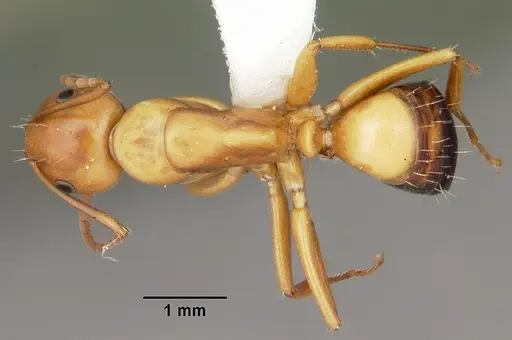
CASENT0221958
View on AntWeb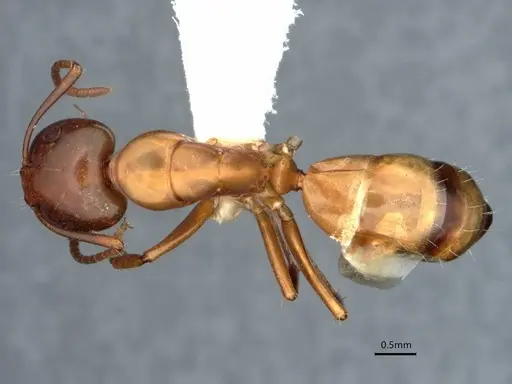
CASENT0901915
View on AntWeb
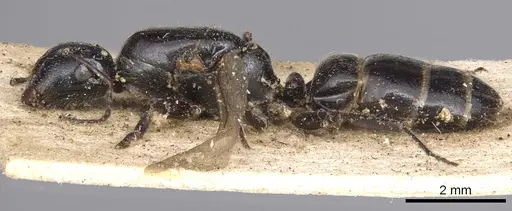
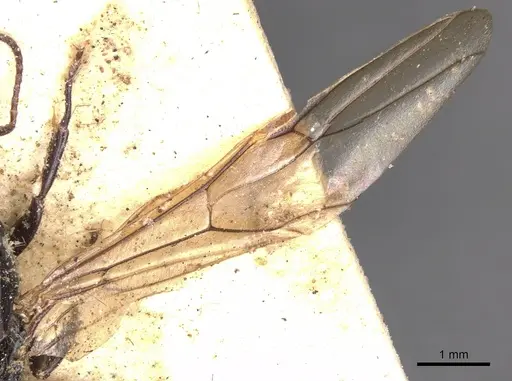
MEM252745
View on AntWeb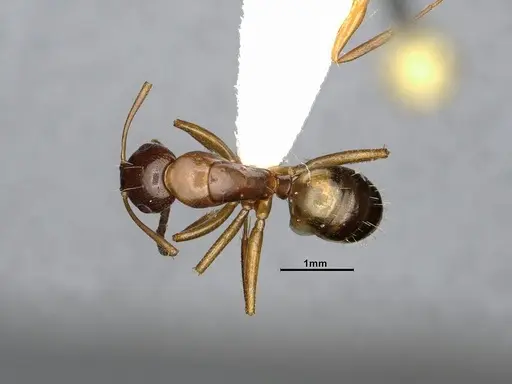
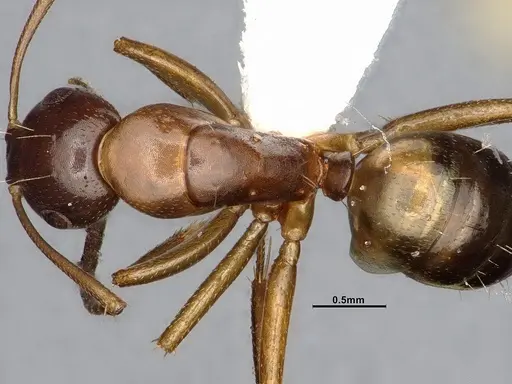
MEM290579
View on AntWeb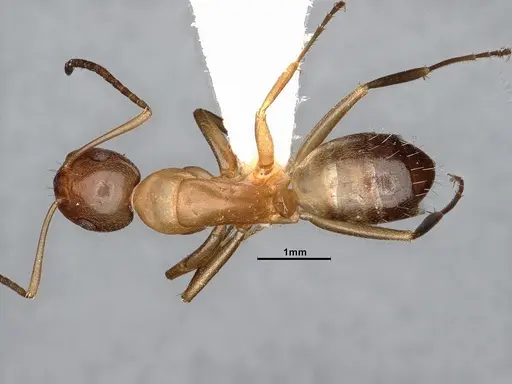
MEM290582
View on AntWeb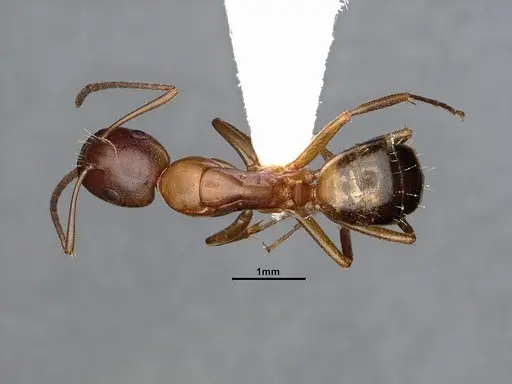
Literature
Loading distribution map...Loading products...