
Camponotus sicheli
- Sci. Name
- Camponotus sicheli
- Subgenus
- Myrmentoma
- Tribe
- Camponotini
- Subfamily
- Formicinae
- Author
- Mayr, 1866
- Distribution
- Found in 4 countries
Introduction
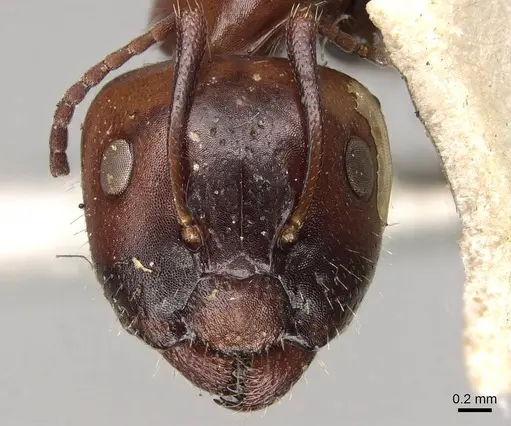
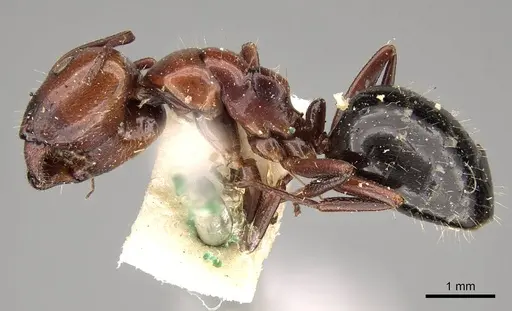
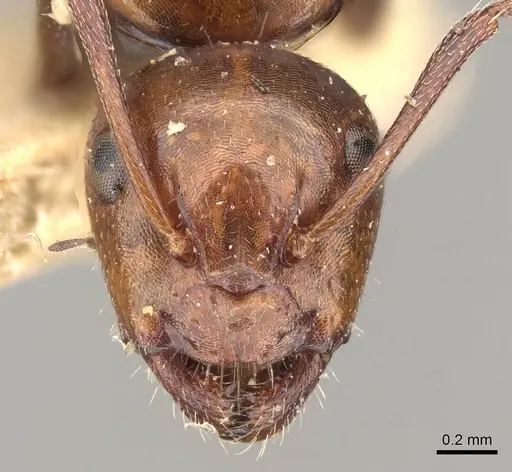
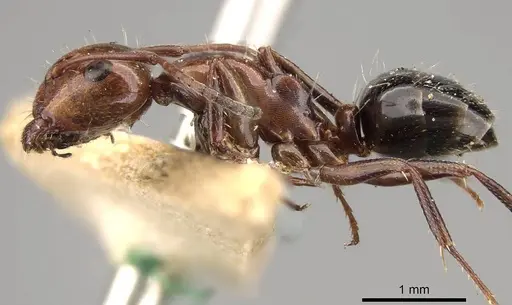
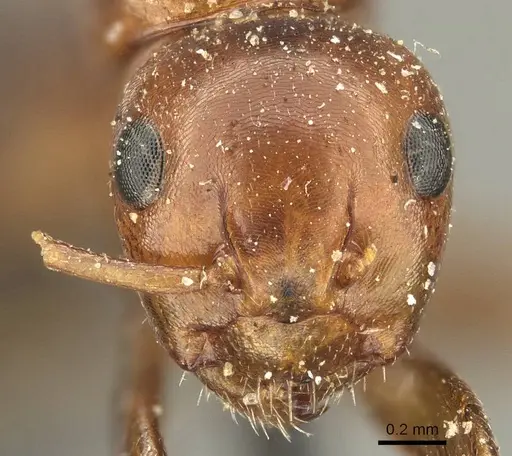
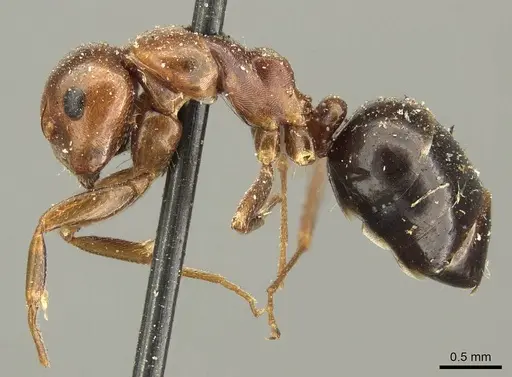
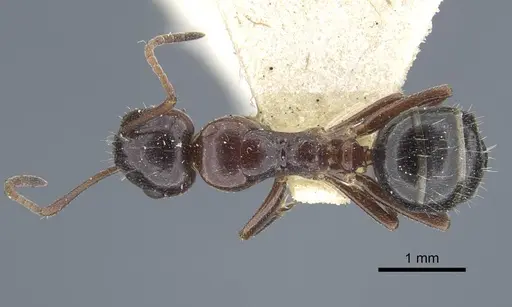
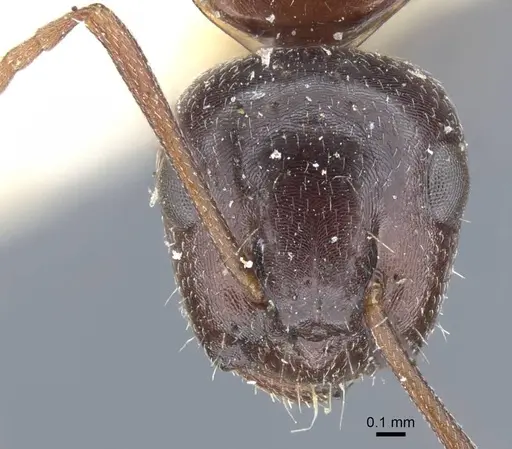
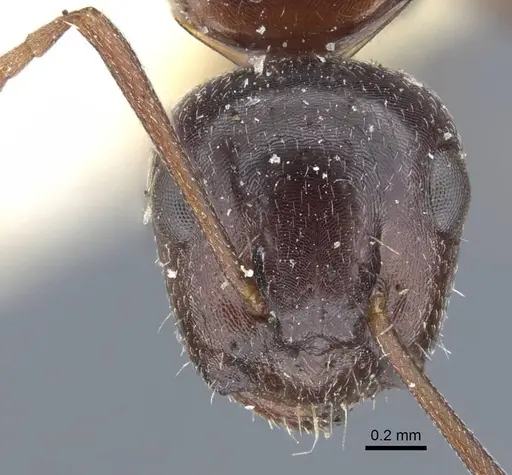
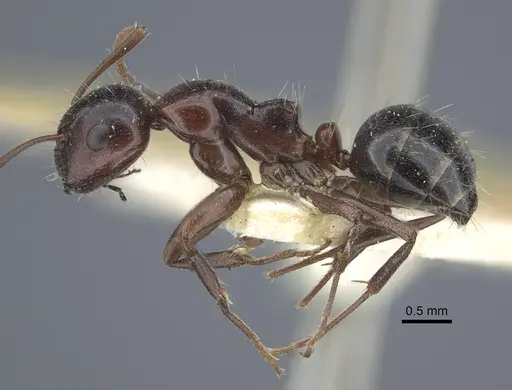
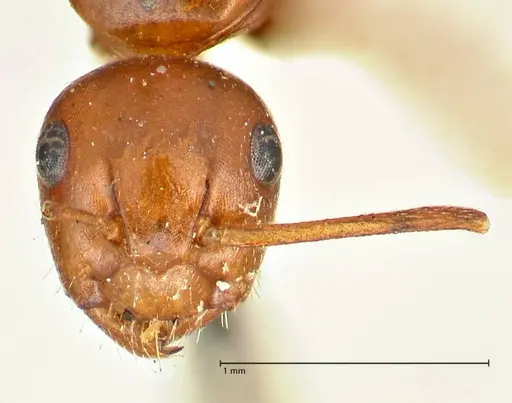
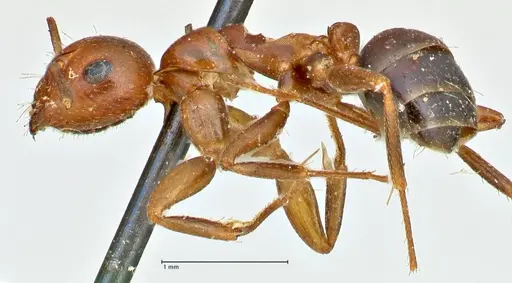
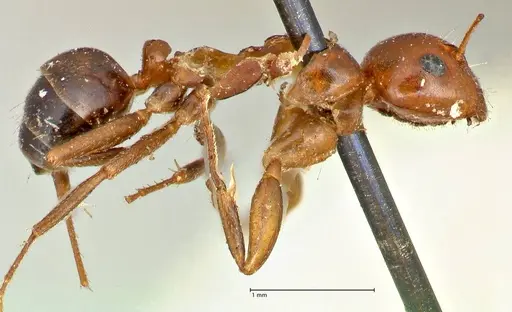
Camponotus sicheli is a medium-sized carpenter ant native to the Mediterranean region, found across Algeria, Tunisia, Spain (including Balearic and Canary Islands), Portugal, Malta, and Gibraltar . Workers measure 4.5-6.8mm and have a distinctive appearance - they're mostly shiny black with reddish-brown mandibles, antennal funiculus, leg joints, and tarsi . This species is closely related to Camponotus ruber, with some taxonomic confusion between the two - C. sicheli is considered the entirely black species while C. ruber is red and black . They prefer coastal environments and woodland habitats, nesting exclusively in dry tree trunks, stumps, and partially decayed branches . What makes C. sicheli interesting is its specialized nesting habitat - unlike many Camponotus species that nest in soil or under stones, this species specifically colonizes dry wood, making it a true carpenter ant that excavates galleries in dead timber. They're associated with Satyrium spini butterfly larvae in a facultative mutualistic relationship .
Quick Summary
- Difficulty: Medium
- Origin & Habitat: Mediterranean region, specifically coastal areas of Algeria, Tunisia, Spain (including Balearic and Canary Islands), Portugal, Malta, and Gibraltar. They inhabit dry woodland and nest in tree stumps, partially decayed branches, and dry trunks [1][4][5][6].
- Colony Type: Colony structure is unconfirmed. Typical for Camponotus genus, but specific data is unavailable.
- Size & Growth:
- Queen: Size data unavailable, inferred from Camponotus genus patterns (~10-12mm)
- Worker: 4.5-6.8mm [2]
- Colony: Up to several hundred workers, estimated from genus typical size
- Growth: Moderate, typical for Camponotus species
- Development: Estimated 6-10 weeks based on typical Camponotus development at warm temperatures (Development time inferred from genus patterns, actual timing may vary with temperature)
- Antkeeping:
- Temperature: Keep at 20-26°C. Mediterranean origin means they tolerate warmth but not extreme heat. Room temperature within this range works well, with a slight gradient optional.
- Humidity: Low to moderate. They naturally nest in dry wood, so avoid overly damp conditions. Provide a water tube but don't saturate the nest area.
- Diapause: Yes, Mediterranean species benefit from a mild winter rest period around 10-15°C for 2-3 months, mimicking their natural seasonal cycle.
- Nesting: Y-tong (AAC) nests or plaster nests work well. They prefer dry conditions and will excavate in wood-based formicaria. Avoid overly humid setups.
- Behavior: Generally calm and non-aggressive for a Camponotus species. Workers are active foragers but not particularly defensive. They establish colonies in wood, so provide appropriate nesting material. As Formicinae, they lack a functional sting but can bite and spray formic acid from their acidopore if threatened. Escape risk is moderate, use standard barriers but no special escape prevention needed beyond standard care.
- Common Issues: dry wood nesting means they need specific nest types, standard test tubes may not be ideal for established colonies, colonies may be slow to establish compared to faster-growing genera like Lasius, winter dormancy is important, skipping diapause can weaken colonies over time, dry nesting preference means over-humid conditions can cause problems, limited availability in the antkeeping hobby means founding colonies may be difficult to obtain
Nest Preferences and Housing
Camponotus sicheli has specific nesting requirements that set it apart from many common ant species. In the wild, they nest exclusively in dry wood, specifically in dry trunks, tree stumps, and partially decayed branches [4][5][6]. This makes them true carpenter ants that excavate their galleries in wood rather than nesting in soil or under stones.
For captive care, Y-tong (AAC) nests or plaster formicaria with wooden elements work best. The nest should be relatively dry, these ants don't need high humidity like tropical species. A water tube should still be provided for drinking, but the nest chamber itself should stay on the drier side. If using a test tube setup for founding, you can eventually move them to a wooden formicarium once the colony reaches 15-20 workers. Avoid setups that keep the nest constantly damp or humid.
Feeding and Diet
Like other Camponotus species, C. sicheli is omnivorous with a preference for protein-rich foods. Workers will consume sugar water, honey, or diluted syrup as an energy source. For protein, offer small insects like fruit flies, small mealworms, or cricket pieces. In the wild, they forage for honeydew and small invertebrates in their woodland habitat.
Feed protein 2-3 times per week, and keep a sugar source (honey water or sugar water) available at all times. Remove uneaten prey after 24-48 hours to prevent mold. Since they're a moderate-sized ant, portion sizes should match their worker size, not too large that they can't handle it, but substantial enough to feed the colony.
Temperature and Seasonal Care
Being a Mediterranean species, C. sicheli prefers warm but not hot conditions. Aim for 20-26°C in the nest area, with room temperature typically being suitable. They can tolerate brief temperature fluctuations but prefer stability. A heating cable on one side of the nest can create a gentle gradient if your room runs cool.
Winter care is important for this species. They benefit from a mild diapause (winter rest) period of 2-3 months at around 10-15°C. This mimics their natural Mediterranean seasonal cycle and helps maintain colony health. Reduce feeding during this period and keep them in a cooler location (garage, basement, or refrigerator for short periods). Skipping diapause won't kill them immediately but can weaken colonies over time.
Behavior and Colony Dynamics
Camponotus sicheli workers are relatively calm and not particularly aggressive or defensive compared to some other Camponotus species. They establish colonies in wood and expand them through excavation. Workers are active foragers, searching for food both on the ground and in vegetation.
Colony growth is moderate, not as fast as Lasius or as slow as some tropical species. Expect the first workers (nanitics) to emerge 6-10 weeks after founding, with the colony gradually expanding over several months to a year. Maximum colony size is likely several hundred workers based on genus typical patterns. Queens are claustral, they seal themselves in a chamber and raise the first brood alone using stored fat reserves, never leaving to forage during founding.
Frequently Asked Questions
How long does it take for Camponotus sicheli to produce first workers?
Expect 6-10 weeks from egg to first worker (nanitic) at optimal temperatures around 24°C. This is typical for Camponotus species, they grow slower than genera like Lasius but faster than some tropical ants.
What nest type is best for Camponotus sicheli?
Y-tong (AAC) nests or plaster formicaria with wooden elements work best. These ants naturally nest in dry wood, so provide appropriate excavation material. Avoid overly humid setups, they prefer dry conditions.
Does Camponotus sicheli need hibernation?
Yes, they benefit from a mild winter rest period. Keep them at 10-15°C for 2-3 months during winter. This mimics their natural Mediterranean seasonal cycle and helps maintain colony health.
Are Camponotus sicheli good for beginners?
They are intermediate in difficulty. The main challenges are providing appropriate dry-wood nesting and managing winter dormancy. If you have experience with at least one other Camponotus or medium-sized ant species, this is a manageable species.
How big do Camponotus sicheli colonies get?
Based on genus typical size, colonies likely reach several hundred workers over 2-3 years. They're not among the largest Camponotus species but can still become substantial colonies.
What do Camponotus sicheli eat?
They accept sugar sources (honey water, sugar water) and protein (small insects like fruit flies, mealworms, crickets). Feed protein 2-3 times per week and keep sugar water available constantly.
Where is Camponotus sicheli found naturally?
They inhabit the Mediterranean region including Algeria, Tunisia, Spain, Portugal, Malta, Gibraltar, and the Canary Islands. They prefer coastal environments and dry woodland habitats, nesting in tree stumps and dry trunks.
Report an Issue
The current care sheet is based fully on literature. See inconsistencies, or something that's incorrect? Please , it will be resolved after review from an admin. Contributing to the blogs tab also helps providing information, to make us be able to further improve the caresheets. Thank you for your support!
References

This caresheet is licensed under CC BY-SA 4.0 .
Community Blogs
CASENT0914012
View on AntWeb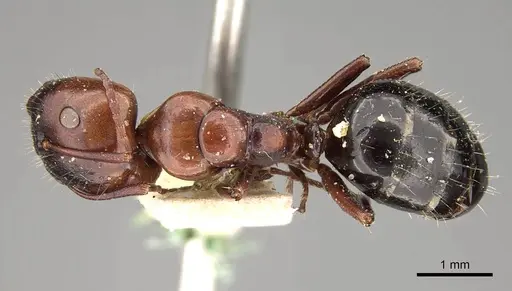
CASENT0914013
View on AntWeb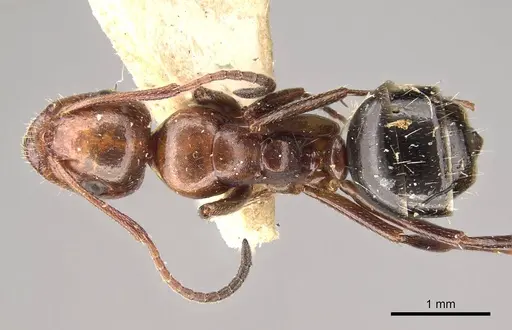
CASENT0915679
View on AntWeb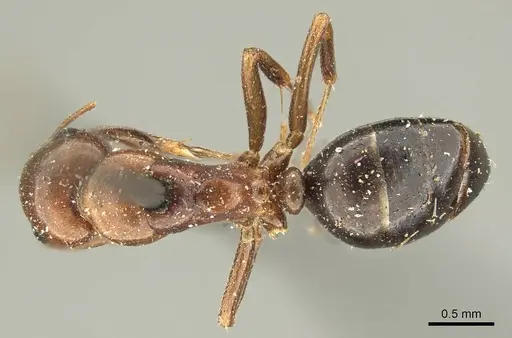
CASENT0917162
View on AntWeb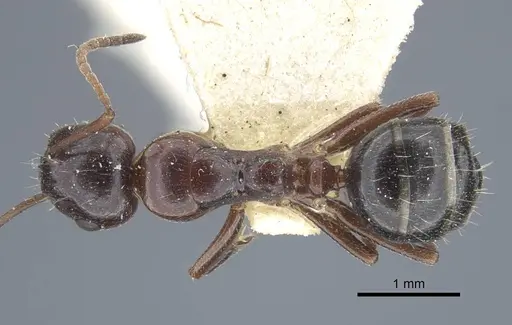
FOCOL2485
View on AntWeb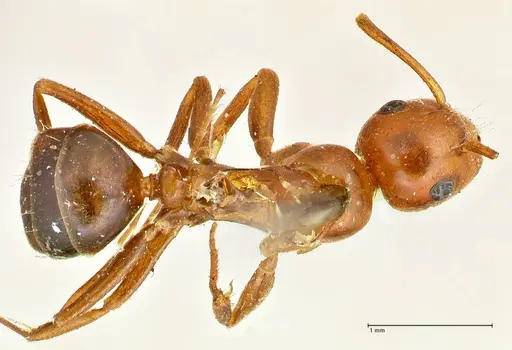
Literature
Loading distribution map...Loading products...