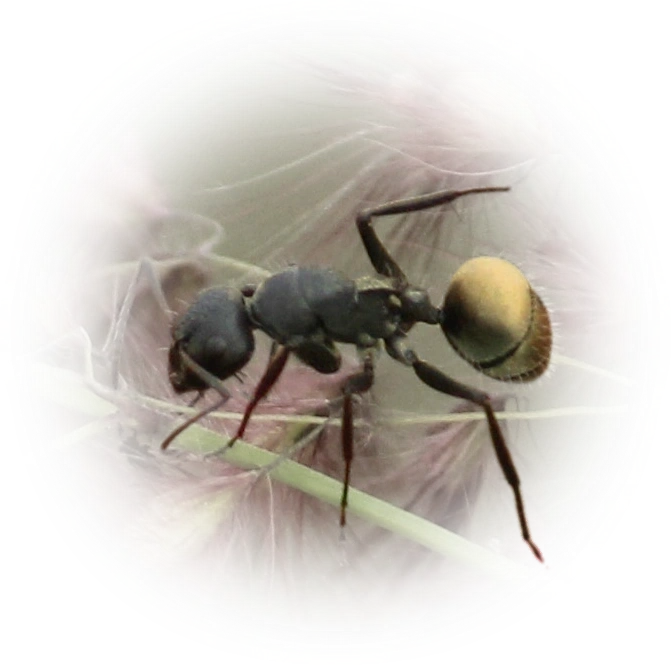
Silky Sugar ant
Camponotus sericeus
- Sci. Name
- Camponotus sericeus
- Subgenus
- Orthonotomyrmex
- Tribe
- Camponotini
- Subfamily
- Formicinae
- Author
- Fabricius, 1798
- Common Name
- Silky Sugar ant
- Distribution
- Found in 15 countries
Introduction
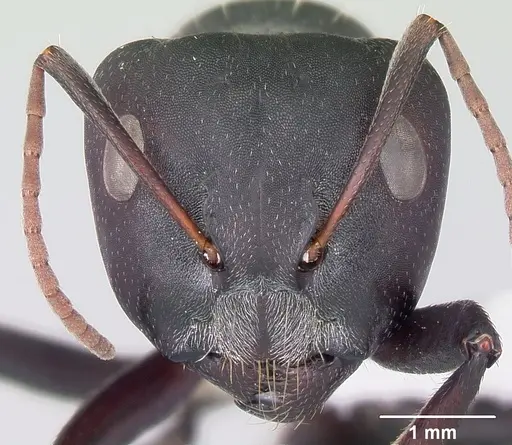
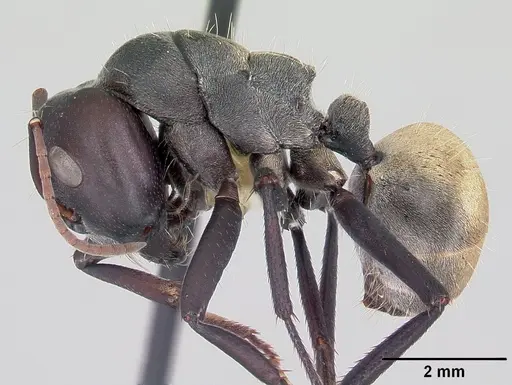
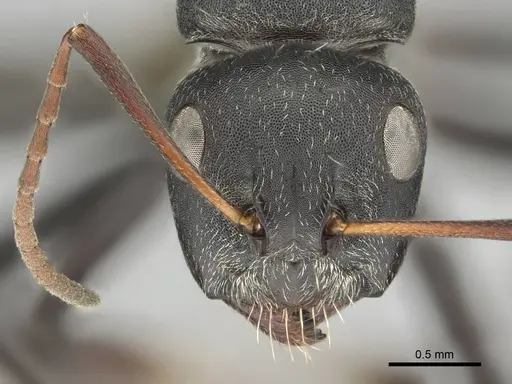
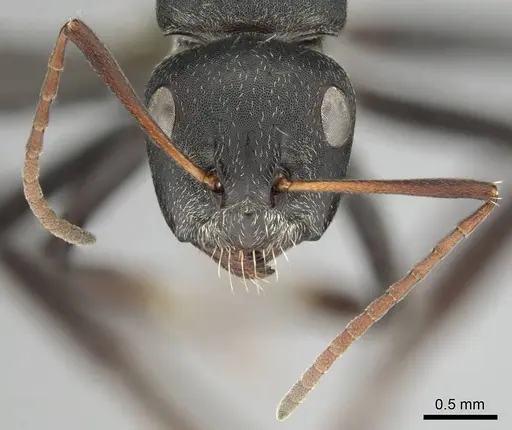
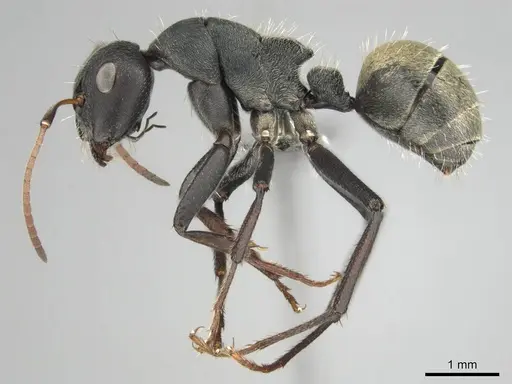
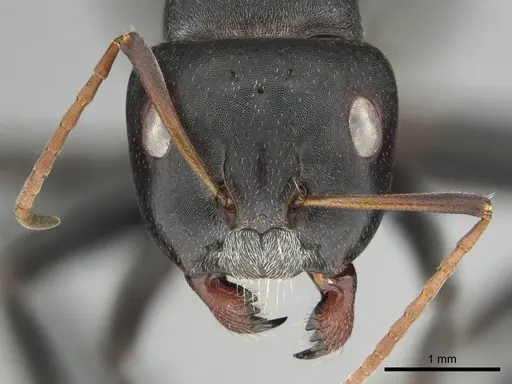
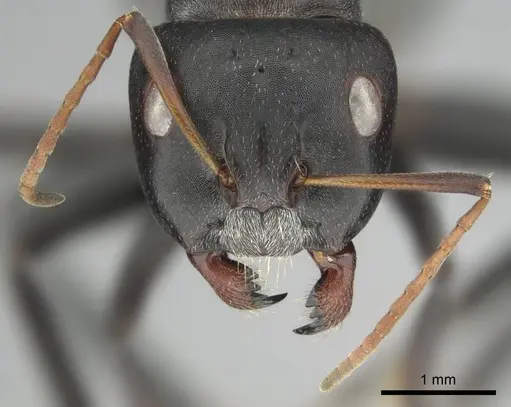
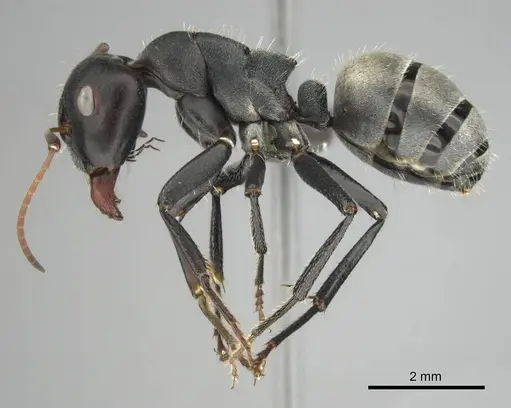
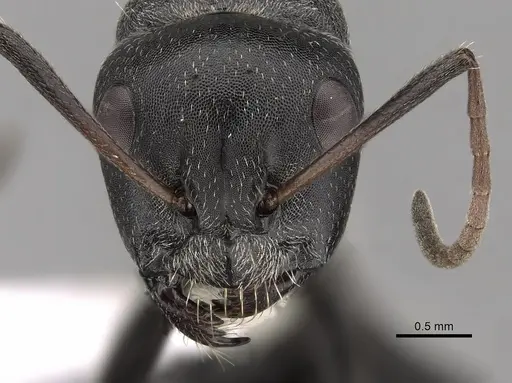
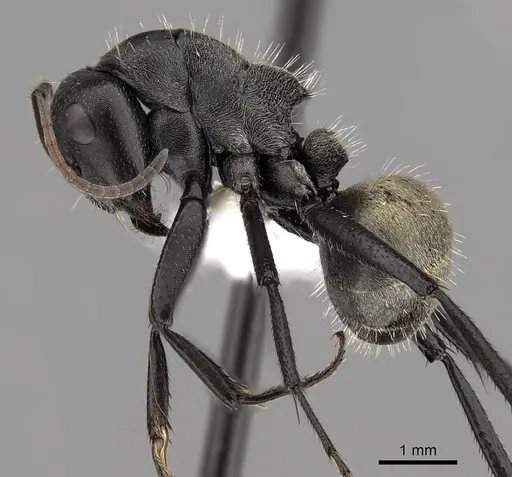
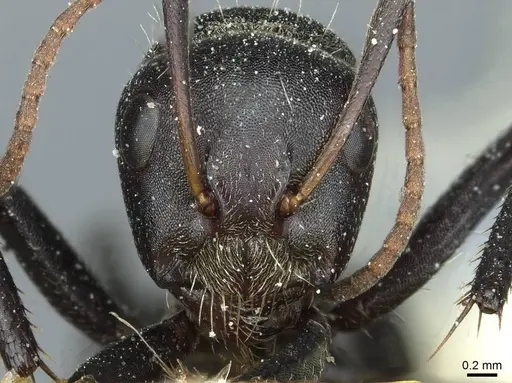
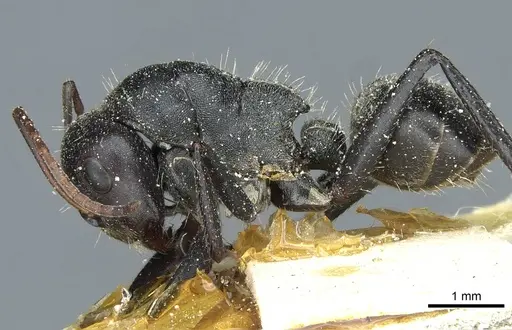
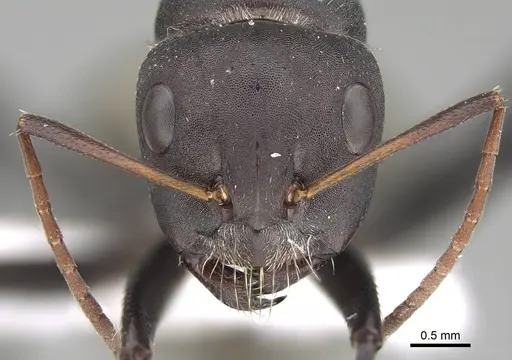
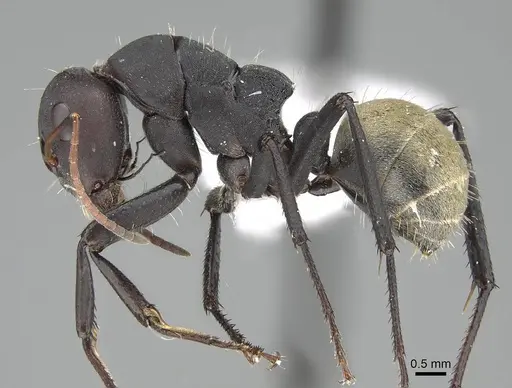
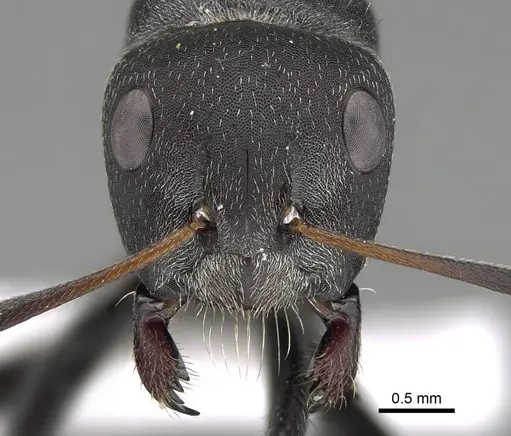
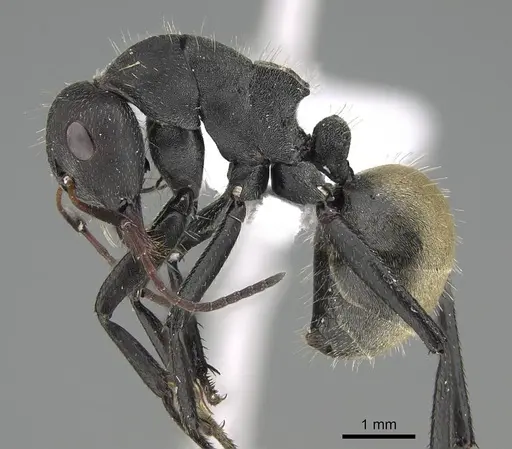
Camponotus sericeus is a large, robust carpenter ant with a distinctive golden shimmer caused by dense, appressed golden pubescence covering its gaster. Major workers have a very broad head and mesosoma with coarse sculpture, while minor workers are more slender and elongated. This species belongs to the subgenus Orthonotomyrmex and is one of only three Camponotus species worldwide known to possess metapleural glands, which produce antibiotic secretions for colony hygiene. Workers measure 7-17mm total length . This pan-African species has an extraordinary distribution spanning Africa, the Middle East, and South Asia into Thailand. Unlike many larger Camponotus species that are nocturnal, C. sericeus is strictly diurnal and forages throughout the day on trees and vegetation. Colonies contain up to 800 workers and use tandem running to recruit nestmates to food sources. They are ground-nesting ants often found under stones near Acacia trees in desert regions, and they commonly attend aphids and feed on extra-floral nectaries .
Quick Summary
- Difficulty: Medium
- Origin & Habitat: Native to tropical and subtropical Africa, the Middle East, and South Asia. Found across Benin, Kenya, Saudi Arabia, India, Pakistan, Sri Lanka, and Thailand. Inhabits dry dipterocarp forests, savannah, agricultural areas, and desert oases. Often nests in soil under stones adjacent to Acacia trees [7][5][6][8].
- Colony Type: Colony structure is not definitively documented in available research. Colonies contain distinct major and minor worker castes. Minor workers handle foraging, patrolling, and tandem running while major workers remain near the nest for defense [4].
- Size & Growth:
- Queen: Size data unavailable, no total length measurements found in research context
- Worker: Minor workers: 6-8mm total length, Major workers: 8-17mm total length [1][2][3]
- Colony: Up to 800 workers [4]
- Growth: Moderate
- Development: Development timeline is unconfirmed for this species (Based on typical Camponotus patterns. Minor workers develop faster than majors as nanitics.)
- Antkeeping:
- Temperature: Keep at 24-28°C. Research colonies were maintained at approximately 25°C [4]. This is a warmth-loving species from tropical and subtropical regions.
- Humidity: Moderate humidity. In nature they prefer marshy areas and are often found near water sources. Keep nest substrate moist but not waterlogged.
- Diapause: Unknown for this species. Being a tropical/subtropical species, they likely do not require true hibernation but may reduce activity in cooler months.
- Nesting: Ground-nesting species. In captivity, use a standard formicarium with dirt/nest material substrate. They do well in Y-tong nests, acrylic nests with soil chambers, or test tube setups with dirt fill. Provide a water tube for humidity.
- Behavior: Strictly diurnal, unlike many larger Camponotus species that are nocturnal, this species forages during the day [4][9]. Minor workers handle most foraging and recruitment through tandem running, where one worker leads another to food. Major workers stay near the nest and serve as defenders. They are not particularly aggressive but will bite if threatened. Escape risk is moderate, use standard barrier methods. They show strong site fidelity, often returning to specific plants or branches [10].
- Common Issues: colonies may fail if kept too dry, they prefer moist substrate and are associated with riparian areas, slow founding phase means beginners may lose patience, queens seal themselves in and need time, wild-caught colonies may have parasites that kill them in captivity, colonies can be difficult to locate for purchase, not as commonly kept as other Camponotus species, test tube setups need proper humidity management to prevent mold while maintaining moisture
Nest Preferences and Housing
Camponotus sericeus is a ground-nesting species that naturally nests under stones in soil, often near Acacia trees in desert regions. In captivity, they do well in formicariums with dirt substrate or Y-tong nests with soil chambers. They prefer tight chambers scaled to their size, with the major workers requiring larger chambers than minors. Provide a water tube or moisture reservoir to maintain substrate humidity. Naturalistic setups with flat stones work well since they mimic their natural nesting sites under stones. They are not arboreal despite being found foraging on trees, so floor space matters more than vertical height. [7][6][9]
Feeding and Diet
This species is a generalized forager that feeds on honeydew, extra-floral nectaries, and insects. Workers attend aphids on plants like Acacia and Calotropis procera, and they visit extra-floral nectary-bearing plants including Vigna species (beans), cotton, and other crops. In captivity, offer sugar water or honey as a constant energy source, and protein sources like mealworms, crickets, or other insects. They are predatory on Helicoverpa armigera larvae in agricultural settings, so they will accept live or dead insects. Feed protein 2-3 times per week and keep sugar water available at all times. Minor workers do most of the foraging and will recruit others via tandem running when they find good food sources. [5]
Temperature and Seasonal Care
Keep colonies at 24-28°C for optimal activity and brood development. Research colonies have been successfully maintained at approximately 25°C with a 12/12 hour photoperiod [4]. As a species from tropical and subtropical regions, they prefer warmth but can tolerate room temperature in most homes. Use a heating cable on one side of the nest if your room temperature falls below 24°C. Create a temperature gradient so ants can choose their preferred zone. Being strictly diurnal, they are most active during daylight hours, you may notice reduced activity in the evening. Their seasonal activity varies by location: in Saudi Arabia they are abundant from March through October with a peak in June [5].
Behavior and Colony Structure
Camponotus sericeus has a well-developed caste system with distinct minor and major workers. Minor workers handle most external tasks: foraging, patrolling, and tandem running to recruit nestmates to food sources. Major workers remain mainly within or around the nest and serve as defenders due to their larger size and more robust build. This division of labor is reflected in their brain anatomy, minor workers have significantly more olfactory glomeruli compared to majors, indicating enhanced sensory capacity for foraging [4]. Colonies show pronounced forager fidelity, returning to specific plants and even specific branches during foraging [10]. They are not aggressive but will bite if the nest is disturbed.
Unique Features - Metapleural Gland
This species is one of only three Camponotus species worldwide known to possess functional metapleural glands, small organs on the mesosoma that produce antibiotic secretions. These glands help control fungal and bacterial growth within the nest, which is especially important for ground-nesting ants in humid environments. The metapleural gland appears as a small raised area on the mesosoma and is visible under magnification. This trait makes C. sericeus particularly interesting for antkeepers who want to observe this rare feature. The gland is fully functional and contributes to their colony hygiene [11][9][12].
Frequently Asked Questions
Is Camponotus sericeus a good beginner ant?
Camponotus sericeus is a medium-difficulty species. They are more challenging than common species like Lasius niger but not as difficult as some exotic ants. They require warm temperatures, moderate humidity, and have a moderately slow founding phase. If you're experienced with basic antkeeping and can maintain proper warmth, they make rewarding pets.
How long does it take for Camponotus sericeus to produce first workers?
Development timeline is unconfirmed for this species. Based on typical Camponotus patterns, expect several months from egg to first worker at optimal temperature (24-28°C). The queen seals herself in during founding, so be patient during the initial weeks. Minor workers (nanitics) will be smaller than normal workers.
What do Camponotus sericeus eat?
They are generalized feeders. Offer sugar water or honey constantly for energy, and protein sources like mealworms, crickets, fruit flies, or other insects 2-3 times per week. They also attend aphids in captivity and will consume honeydew. In nature they feed on extra-floral nectaries and hunt small insects.
Can I keep multiple Camponotus sericeus queens together?
Colony type is unconfirmed for this species. Until more data is available, it is not recommended to keep multiple queens together as this may result in fighting.
Do Camponotus sericeus need hibernation?
Unknown for this species. Being from tropical and subtropical regions, they likely do not require true hibernation. However, they may naturally reduce activity during cooler months. If your colony becomes less active in winter, simply reduce feeding and lower temperatures slightly, but do not force a full diapause.
What size colony do Camponotus sericeus reach?
Mature colonies contain up to 800 workers [4]. This is a moderate colony size compared to some Camponotus species that can reach thousands. Growth is moderate, expect several months to a year to reach 50+ workers.
When should I move Camponotus sericeus to a formicarium?
Keep founding colonies in a test tube setup until they have 15-20 workers. Once the colony outgrows the test tube or you see workers clustering away from the water reservoir, transfer to a proper formicarium. A Y-tong nest or acrylic nest with dirt chambers works well.
Are Camponotus sericeus diurnal or nocturnal?
Strictly diurnal. Unlike many larger Camponotus species that forage at night, C. sericeus is active during the day. This makes them more engaging to watch as they forage and patrol during daylight hours [4][9].
Why is Camponotus sericeus special?
This is one of only three Camponotus species in the world with functional metapleural glands, which produce antibiotic secretions for nest hygiene. They also have an extremely wide distribution across Africa, the Middle East, and South Asia, and show fascinating tandem running recruitment behavior [11][9].
Report an Issue
The current care sheet is based fully on literature. See inconsistencies, or something that's incorrect? Please , it will be resolved after review from an admin. Contributing to the blogs tab also helps providing information, to make us be able to further improve the caresheets. Thank you for your support!
References

This caresheet is licensed under CC BY-SA 4.0 .
Community Blogs
CASENT0104896
View on AntWeb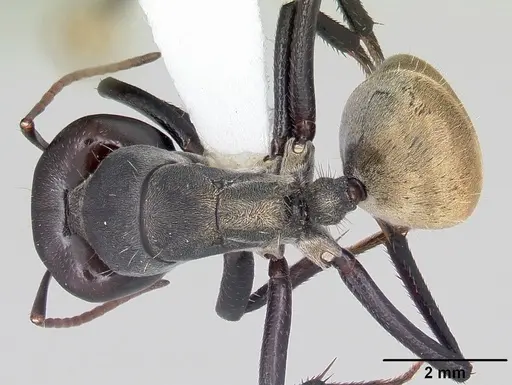
CASENT0251578
View on AntWeb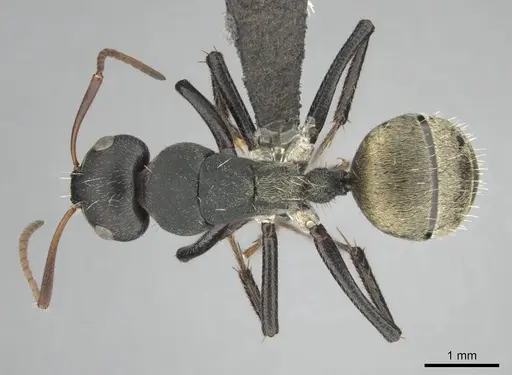
CASENT0251590
View on AntWeb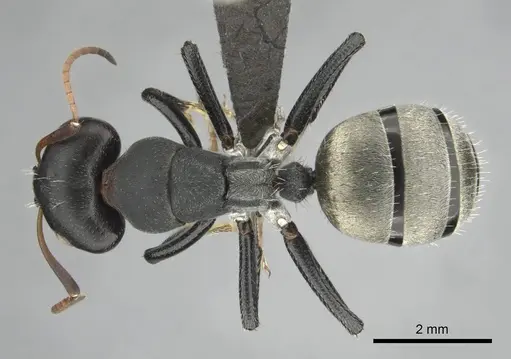
CASENT0280303
View on AntWeb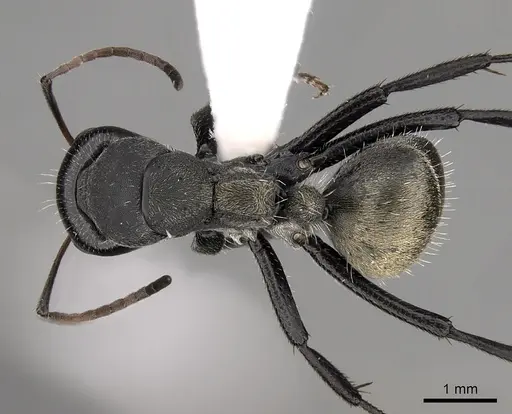
CASENT0905412
View on AntWeb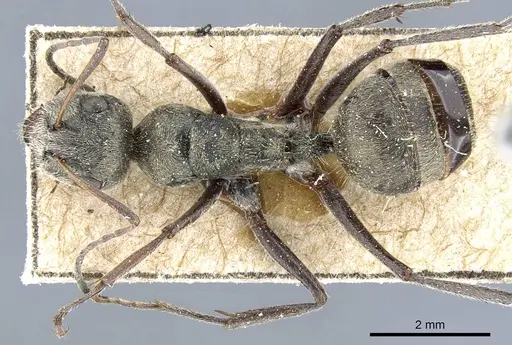
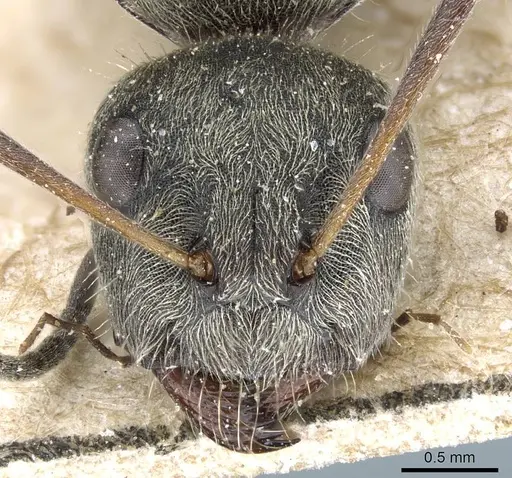
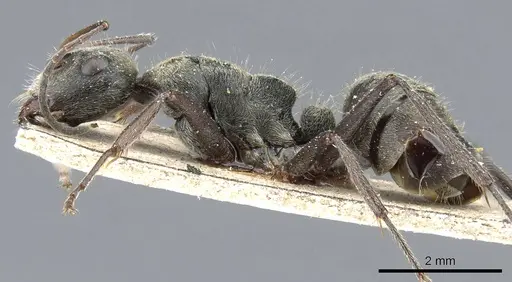
CASENT0910449
View on AntWeb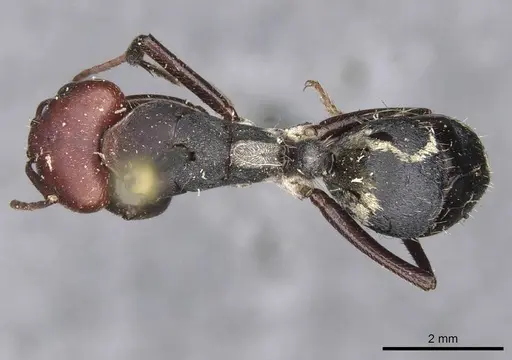
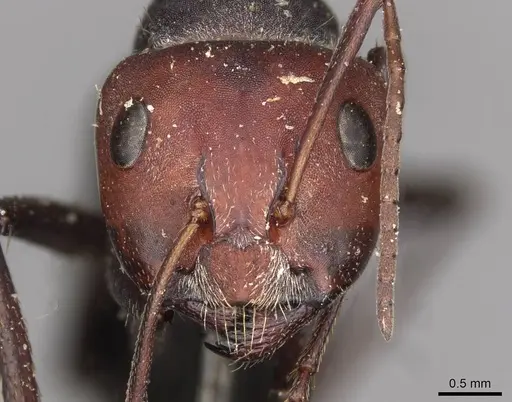
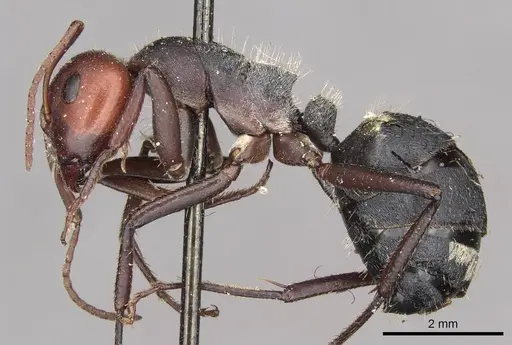
CASENT0911867
View on AntWeb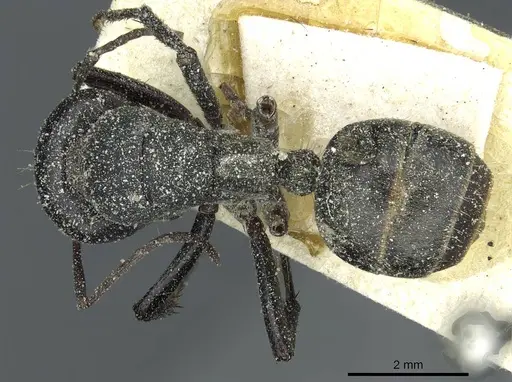
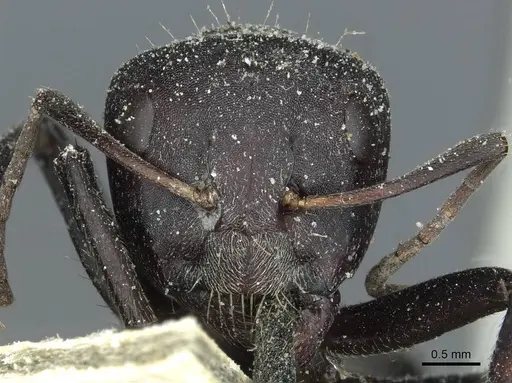
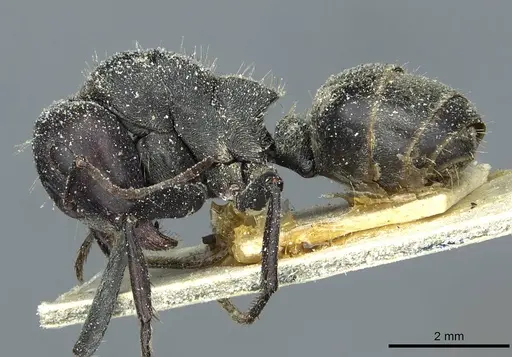
CASENT0911868
View on AntWeb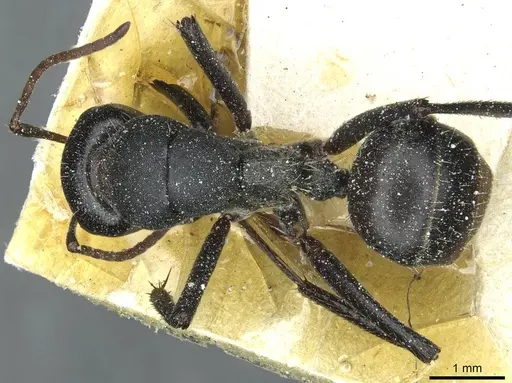
CASENT0919821
View on AntWeb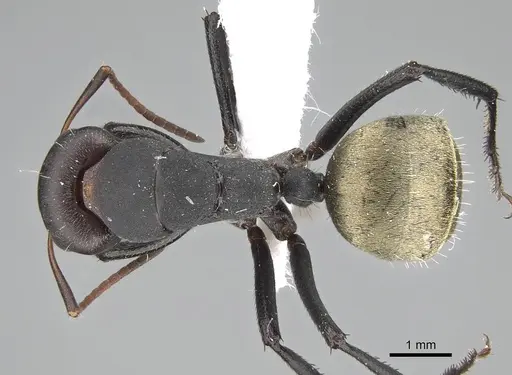
CASENT0922266
View on AntWeb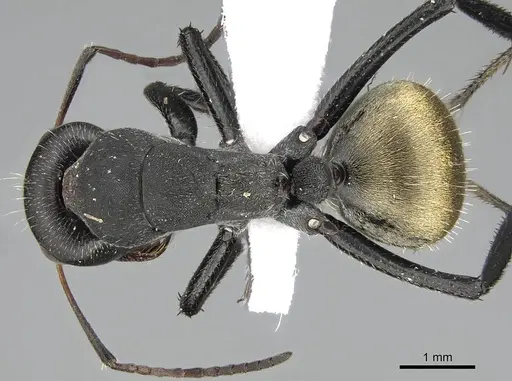
Literature
Loading distribution map...Loading products...