
Camponotus senex
- Sci. Name
- Camponotus senex
- Subgenus
- Myrmobrachys
- Tribe
- Camponotini
- Subfamily
- Formicinae
- Author
- Smith, 1858
- Distribution
- Found in 7 countries
Introduction
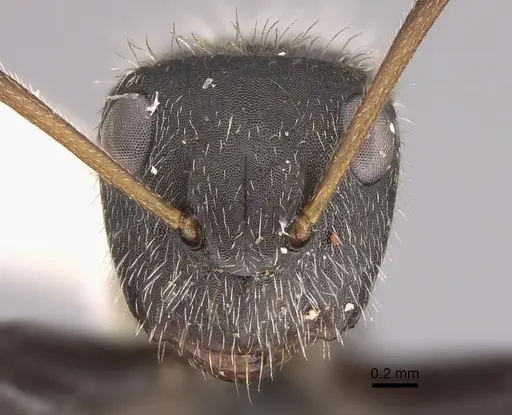
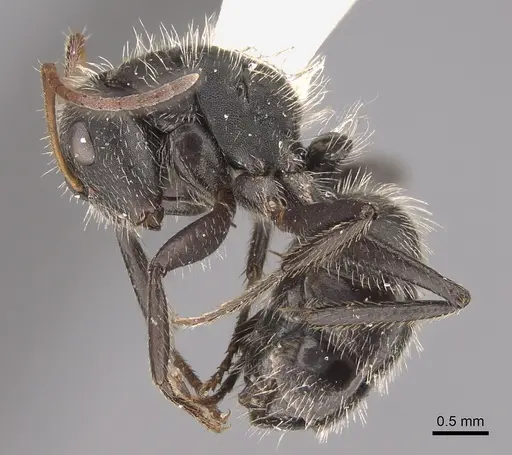
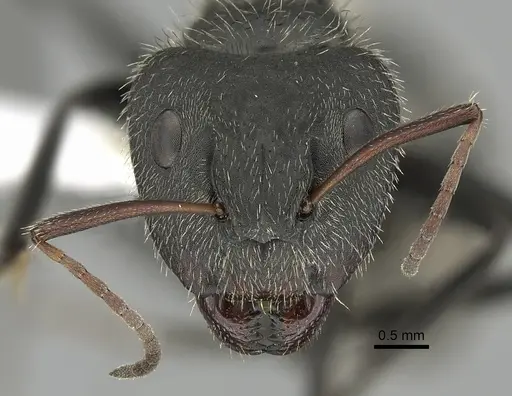
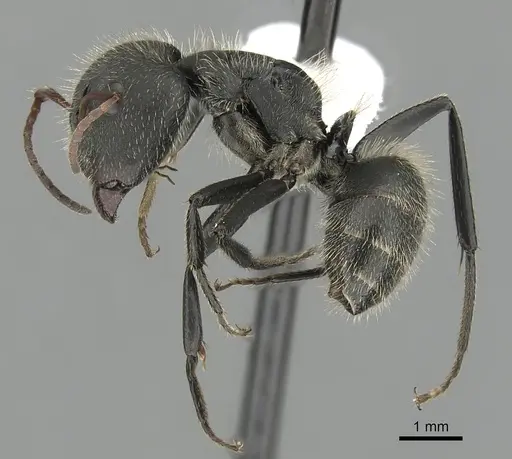
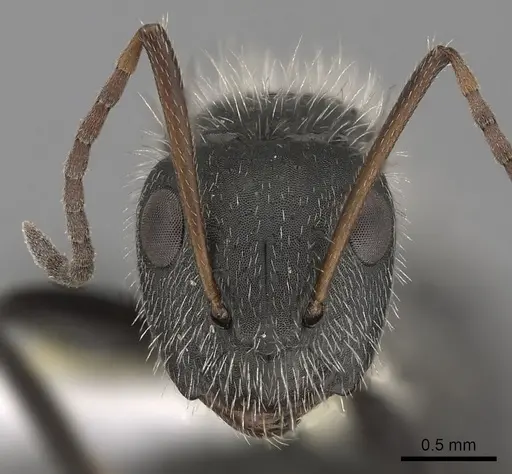
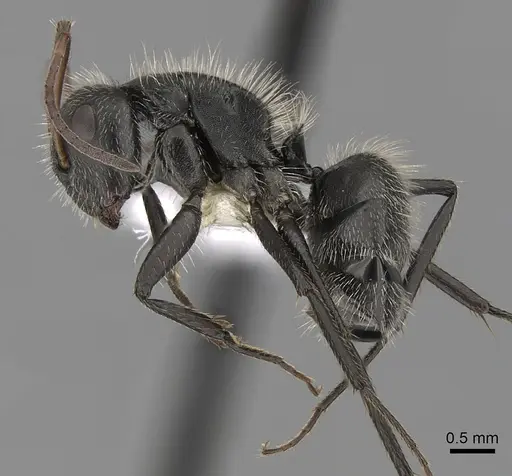
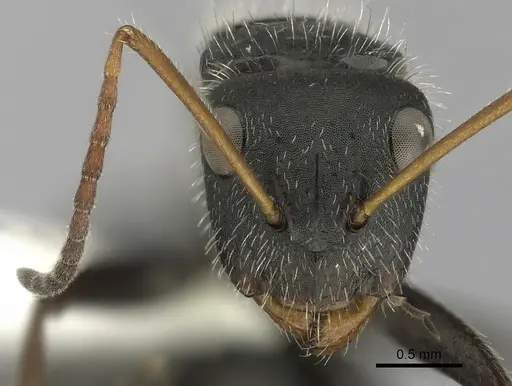
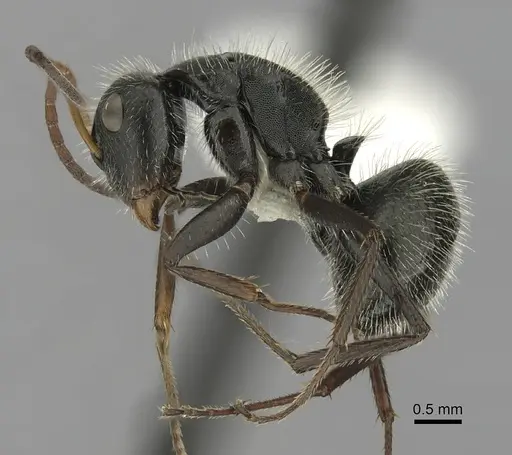
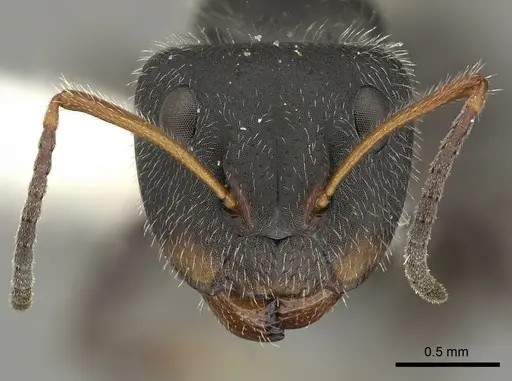
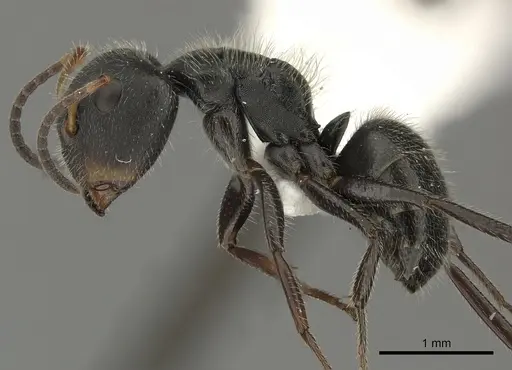
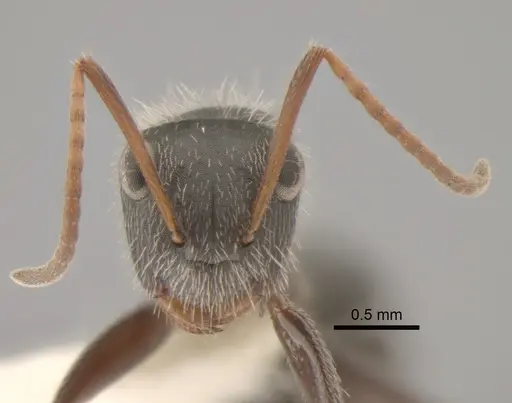
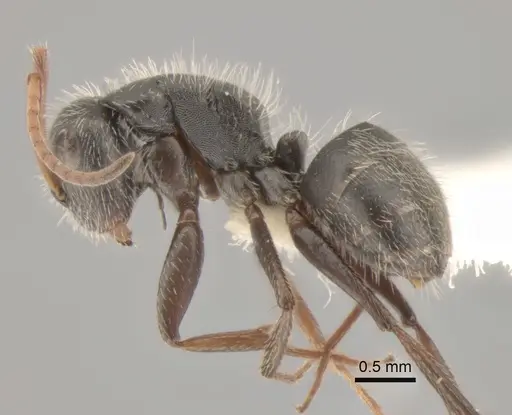
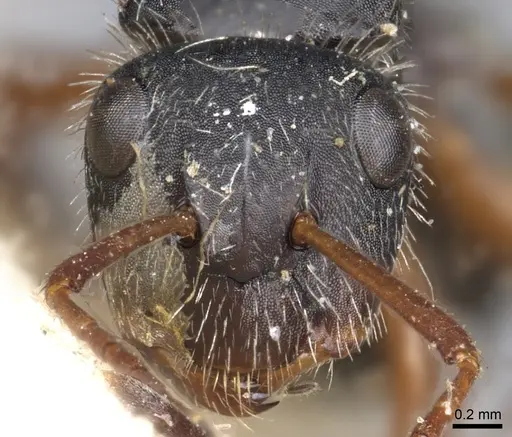
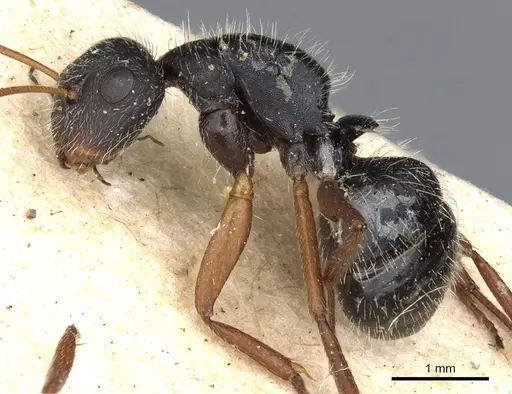
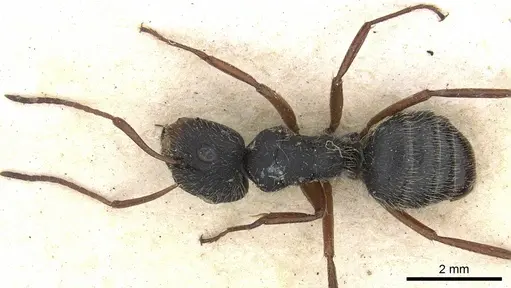
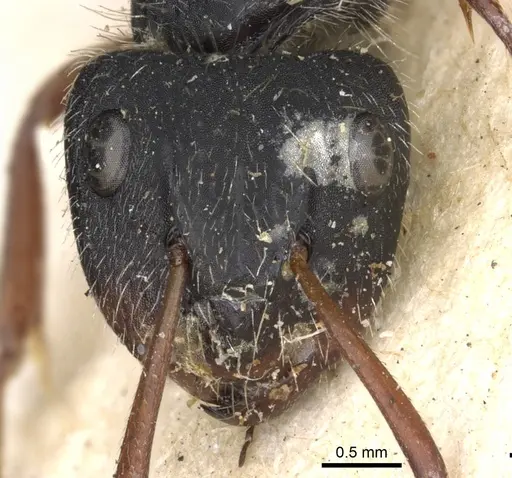
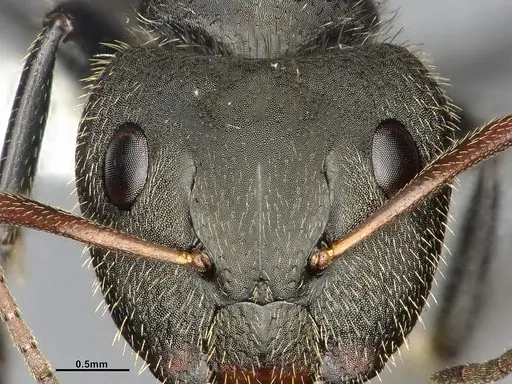
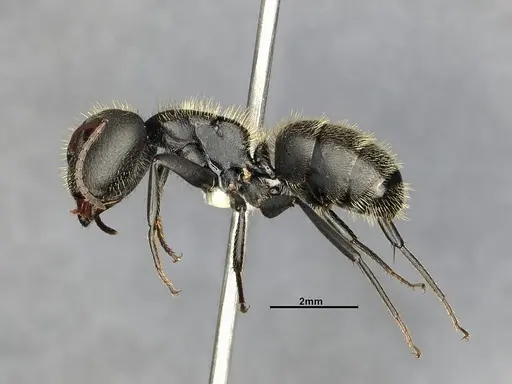
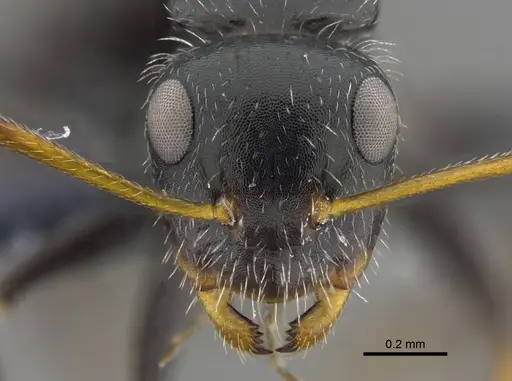
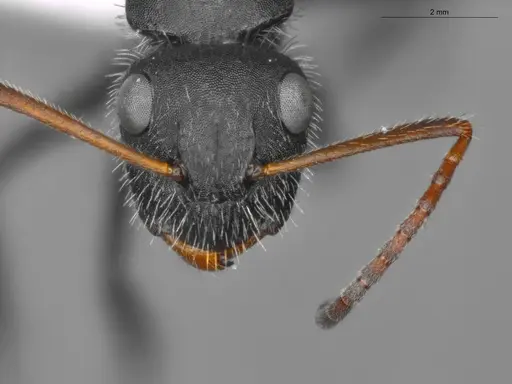
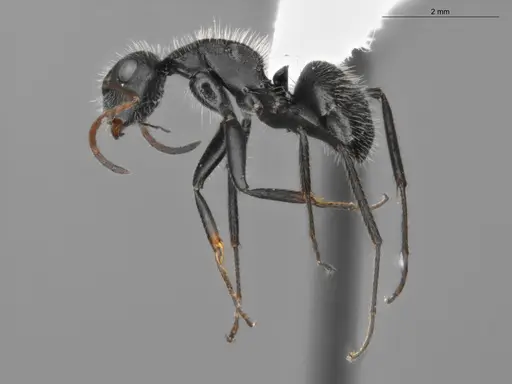
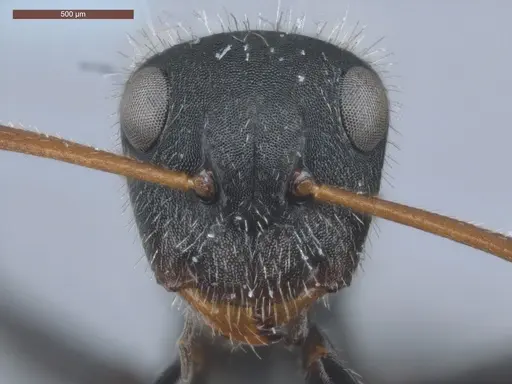
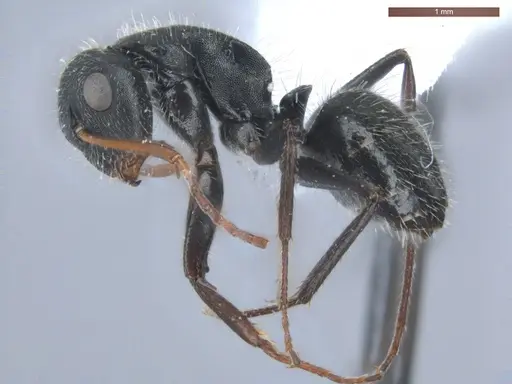
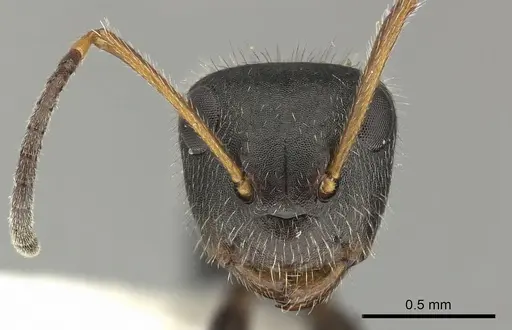
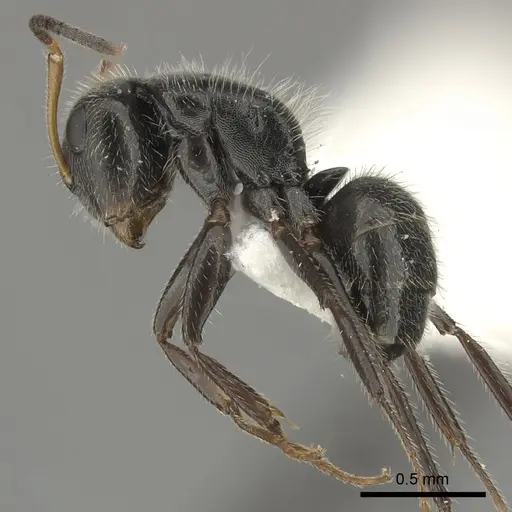
Camponotus senex is a large Neotropical ant species found from Mexico south to Brazil. Workers are entirely black with a chunky, robust build and show strong polymorphism - major workers are noticeably larger than minors. The head and mesosoma are densely punctate, and the body has abundant short erect hairs. This species is often confused with the similar Camponotus textor, but C. senex does NOT build silk nests - it's an opportunistic cavity nester that lives in dead branches, tree hollows, and Cecropia tree internodes. Colonies can grow massive, with up to 50,000 workers and multiple queens. They forage during the day, collecting honeydew, fruits, and insects, and are commonly found attending extrafloral nectaries on plants.
Quick Summary
- Difficulty: Medium
- Origin & Habitat: Neotropical species ranging from Mexico to Brazil. Found in lowland wet forest habitats, both in mature forest and highly disturbed areas like roadsides, agricultural land, and airport landscaping. Nests in dead branches ranging from narrow vine stems to relatively large branches, often in Cecropia trees. Foragers are active during the day in sunny areas [1][2].
- Colony Type: Polygynous (multi-queen) colonies with documented colonies containing up to 30 queens and 50,000+ workers. Colonies can be massive and are typically arboreal, nesting in tree cavities and branches [3][1].
- Size & Growth:
- Queen: Approximately 8.5mm, inferred from original description of 4 lines [4]
- Worker: Approximately 6mm, inferred from original description of 3 lines [4]
- Colony: Up to 50,000-60,000 workers in mature colonies [3][5]
- Growth: Moderate, large colonies develop over several years
- Development: Unknown, no specific development data available for this species (Development time is unconfirmed. Based on typical Camponotus patterns in tropical conditions, expect several months from egg to worker.)
- Antkeeping:
- Temperature: Keep at 24-28°C. As a tropical species from lowland wet forests, they need warm, stable temperatures. A heating cable on one side of the nest creates a gradient allowing workers to self-regulate [1].
- Humidity: Moderate to high humidity. These ants come from wet forest habitats, so keep the nest substrate slightly moist but not waterlogged. Provide a water tube for drinking water [1].
- Diapause: No, as a tropical species, they do not require hibernation. Keep temperatures consistent year-round.
- Nesting: Arboreal cavity nester. Provide a Y-tong (AAC), plaster, or naturalistic setup with cork bark or dead branches. They prefer narrow cavities similar to their natural dead branch nesting sites. Avoid silk nests, this species does NOT weave [1].
- Behavior: Generally peaceful and non-aggressive, but will defend if threatened. Workers are shy and will rapidly flee when nests are disturbed, making brood collection difficult. If handled without care, they can deliver a painful bite with formic acid venom [6]. They are diurnal foragers, actively searching for honeydew, fruits, and insects during daylight hours. They form extensive foraging trails that can cover relatively large areas. Colonies are polygynous with multiple reproductive queens. Escape risk is moderate, use standard barrier methods.
- Common Issues: colonies can reach 50,000+ workers, requiring eventual upgrade to large formicaria [3][5], confusion with C. textor, ensure you have the correct species as C. textor DOES make silk nests [1][6][10], tropical species requires warm temperatures, cold conditions will slow or stop brood development [1], wild-caught colonies may carry Ophiocordyceps fungal parasites common in their native range [8][9], large colony size means significant food consumption, plan for long-term commitment [5], listed as potentially invasive for New Caledonia, ensure no escape to non-native areas [9]
Housing and Nest Preferences
Camponotus senex is an arboreal cavity nester, meaning they naturally live inside dead branches, tree hollows, and plant cavities. In captivity, they do well in Y-tong (AAC) nests or plaster nests with narrow chambers that mimic their natural dead branch habitat. A naturalistic setup with cork bark or actual dead branches also works well. The key point is that unlike their relative C. textor, C. senex does NOT build silk nests, they simply occupy existing cavities. Provide chambers scaled to their size with the major workers being significantly larger than minors. Since colonies can reach 50,000+ workers, plan for eventual expansion into larger setups. Use test tubes for founding colonies, then transition to formicaria as the colony grows [1][6].
Feeding and Diet
In the wild, C. senex workers forage for honeydew (the sugary liquid secreted by aphids and scale insects), fruits, and insects. They are also commonly observed attending extrafloral nectaries on plants like Turnera subulata. In captivity, offer a varied diet: sugar water or honey constantly for energy, protein sources like mealworms, crickets, or other insects 2-3 times per week, and occasional fruit treats. They are not particularly aggressive predators but will readily accept dead insects. Their large colony size means food consumption can be significant, monitor and adjust feeding amounts based on colony activity [7][5][2].
Temperature and Seasonal Care
As a Neotropical species from lowland wet forests, C. senex requires warm temperatures year-round. Keep the nest area at 24-28°C for optimal brood development. Unlike temperate species, they do NOT require hibernation or diapause, maintaining consistent tropical temperatures is key. A heating cable placed on one side of the nest creates a temperature gradient allowing workers to regulate their own exposure. Avoid temperatures below 20°C for extended periods as this can slow development and weaken the colony. Room temperature within this range is usually suitable, but you may need supplemental heating in cooler climates [1].
Colony Structure and Growth
C. senex is polygynous, meaning colonies naturally have multiple queens, documented colonies have featured up to 30 queens working together. Colonies can grow massive, with mature colonies reaching 50,000-60,000 workers. This is one of the larger Camponotus species in the Neotropics. The strong worker polymorphism means you'll see a range of sizes, with major workers significantly larger and more robust than minor workers. Growth is moderate, expect several years to reach maximum colony size. Multiple queens in the colony contribute to rapid growth once established. Be prepared for the long-term commitment a colony of this size represents [3][5][1].
Behavior and Defense
These ants are generally shy and non-aggressive compared to many Camponotus species. When their nest is disturbed, workers will rapidly flee rather than attack, making it difficult to collect brood. However, if handled without care, they can deliver a painful bite followed by application of their formic acid venom. In the wild, they defend their territory through sheer numbers rather than individual aggression. They form extensive foraging trails that can cover areas of approximately 10 square meters and persist for long periods. Colonies are also known to be parasitized by the Ophiocordyceps fungus (the famous 'zombie ant' fungus), so wild-caught colonies should be monitored carefully [6][8][9].
Common Confusions
A critical point for keepers: Camponotus senex is frequently confused with Camponotus textor, the actual weaver ant that builds silk nests. Historically, C. senex was incorrectly associated with silk nest-building due to a misidentification by Forel in 1879. Longino (2006) formally separated the two species, C. senex is an opportunistic cavity nester that does NOT produce silk nests, while C. textor is the true weaver ant. When obtaining or keeping this species, ensure you have the correct identification. C. senex can be distinguished by its all-black coloration, less reddish legs compared to C. textor, and smoother gaster sculpture with fewer appressed hairs [1][6][10].
Frequently Asked Questions
Does Camponotus senex build silk nests like weaver ants?
No. Camponotus senex does NOT build silk nests, this is a common historical confusion with Camponotus textor, the actual weaver ant. C. senex is an opportunistic cavity nester that lives in dead branches, tree hollows, and Cecropia tree internodes. If you want a silk-nesting Camponotus, you need C. textor instead [1][6].
How large do Camponotus senex colonies get?
Very large, mature colonies can reach 50,000 to 60,000 workers with multiple queens (up to 30 documented). This is one of the larger Neotropical Camponotus species. You'll need to plan for significant expansion space as the colony grows [3][5].
What temperature do Camponotus senex ants need?
Keep them warm at 24-28°C. As a tropical lowland species from Central and South America, they need consistent warmth year-round with no hibernation. A heating cable on one side of the nest creates a useful gradient [1].
What do Camponotus senex ants eat?
They forage for honeydew, fruits, and insects. In captivity, offer sugar water or honey constantly, protein (insects like mealworms) 2-3 times weekly, and occasional fruit treats. They are not aggressive predators but accept a wide variety of foods [7][5].
Are Camponotus senex good for beginners?
They are intermediate in difficulty. While not overly aggressive, they require warm temperatures (no hibernation), can grow to massive colony sizes requiring large setups, and are often confused with the similar C. textor. Experienced antkeepers with space for large colonies will do best [1].
How long does it take for Camponotus senex to develop from egg to worker?
Development time is unconfirmed, no specific studies exist for this species. Based on typical Camponotus patterns in tropical conditions, expect several months from egg to worker.
Can I keep multiple Camponotus senex queens together?
Yes, this species is naturally polygynous, meaning colonies have multiple queens. Documented wild colonies have had up to 30 queens. Unlike some species, they do not fight and can be kept together from the start [3].
Do Camponotus senex need humidity control?
Yes, moderate to high humidity is appropriate since they come from wet forest habitats. Keep the nest substrate slightly moist but not waterlogged. A water tube should also be provided for drinking water [1].
Where is Camponotus senex found in the wild?
From Mexico south through Central America to Brazil. They are common in lowland wet forests, both in mature forest and disturbed areas like roadsides, agricultural land, and urban landscaping. They nest in dead branches and Cecropia trees [1][2].
Report an Issue
The current care sheet is based fully on literature. See inconsistencies, or something that's incorrect? Please , it will be resolved after review from an admin. Contributing to the blogs tab also helps providing information, to make us be able to further improve the caresheets. Thank you for your support!
References

This caresheet is licensed under CC BY-SA 4.0 .
Community Blogs
CASENT0217701
View on AntWeb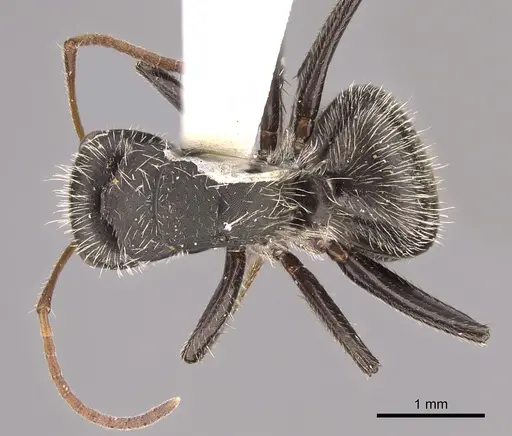
CASENT0280095
View on AntWeb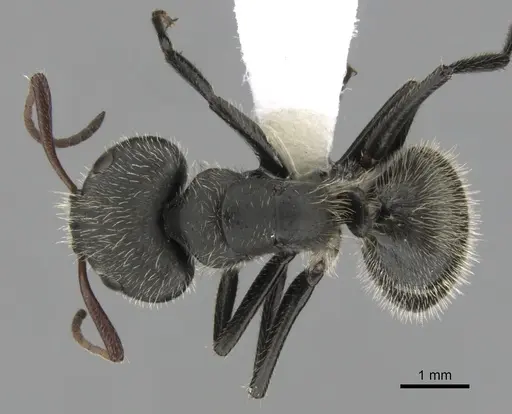
CASENT0280096
View on AntWeb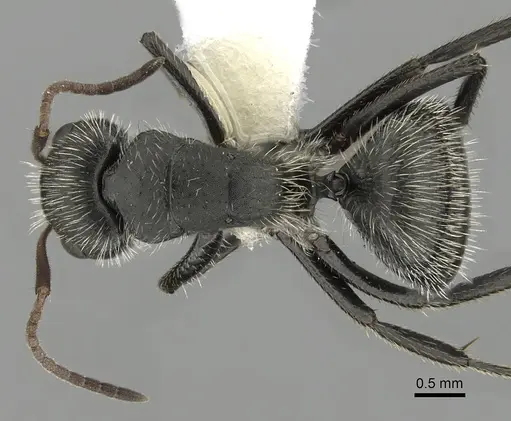
CASENT0280102
View on AntWeb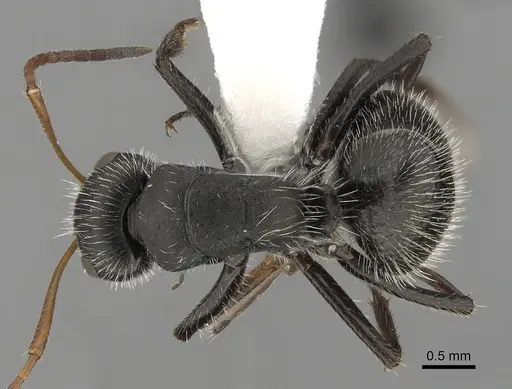
CASENT0619239
View on AntWeb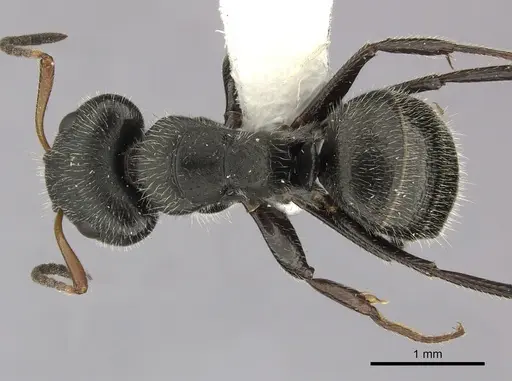
CASENT0882303
View on AntWeb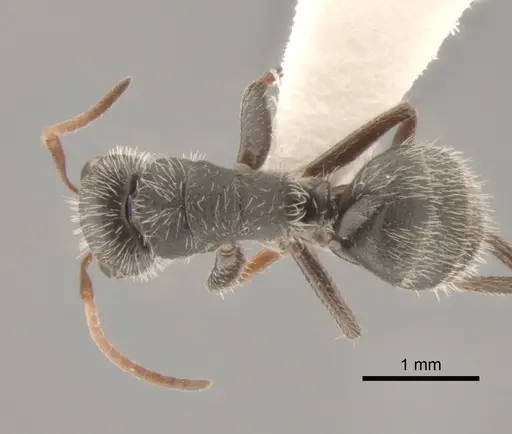
CASENT0903636
View on AntWeb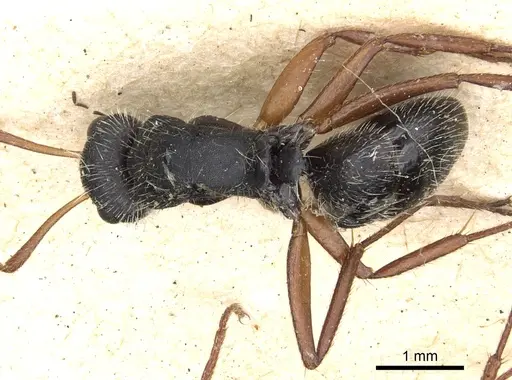
CASENT0903637
View on AntWeb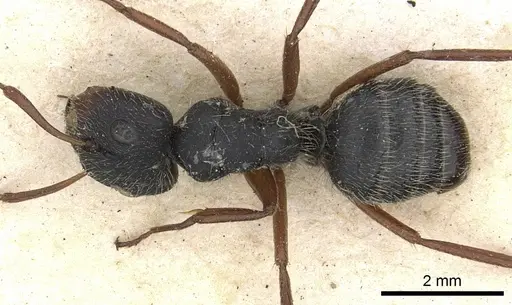
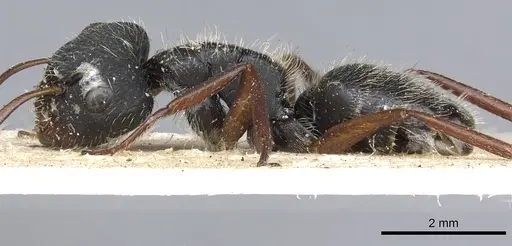
CASENT4032249
View on AntWeb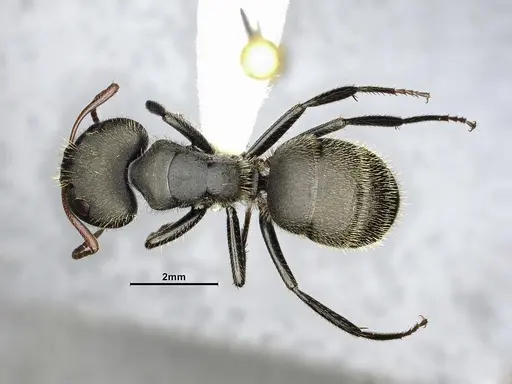
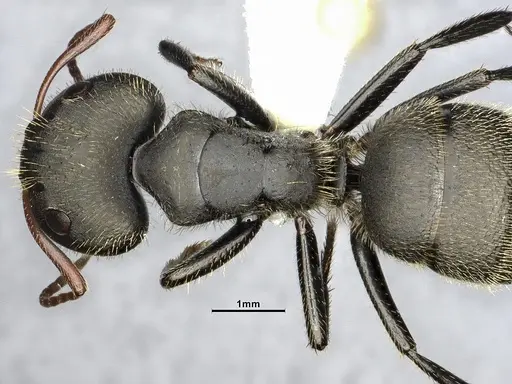
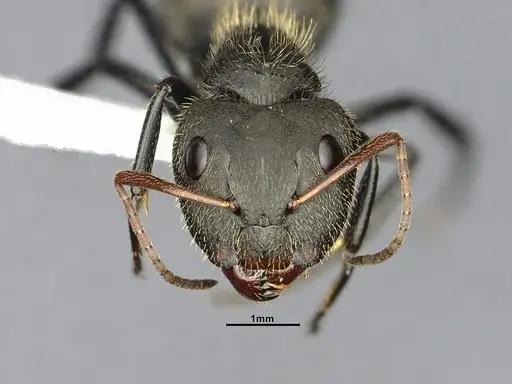
CBUMAGENT41775
View on AntWeb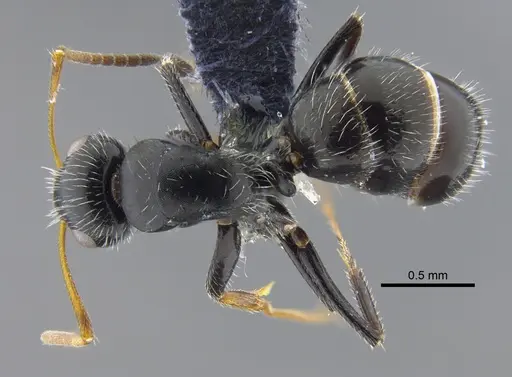
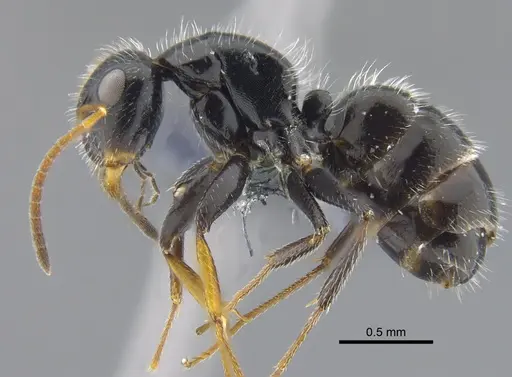
ECOFOG-OI17-0216-05
View on AntWeb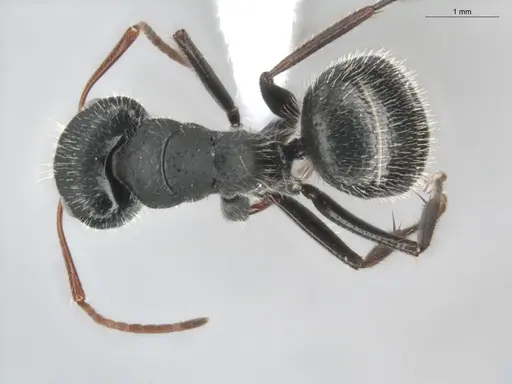
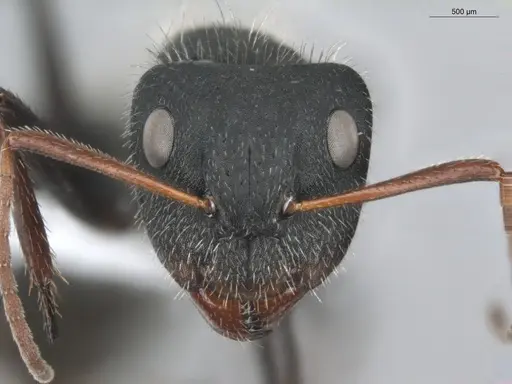
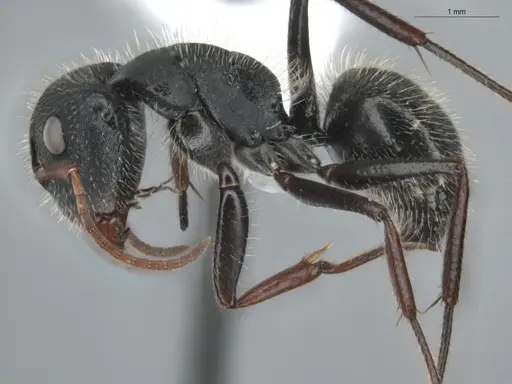
ECOFOG-SAV18-0036-04
View on AntWeb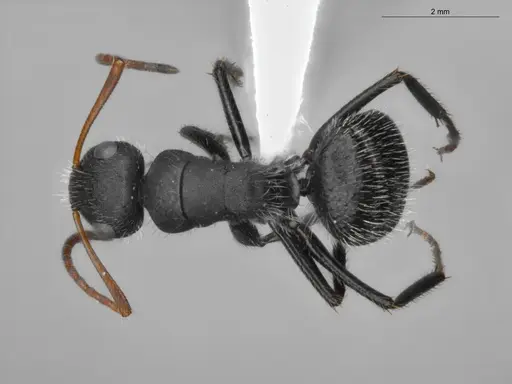
ECOFOG-SAV18-0405-07
View on AntWeb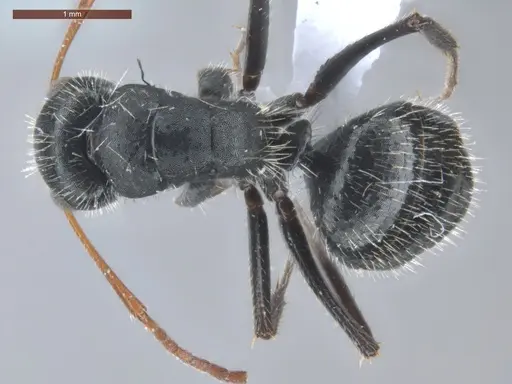
INBIOCRI002280890
View on AntWeb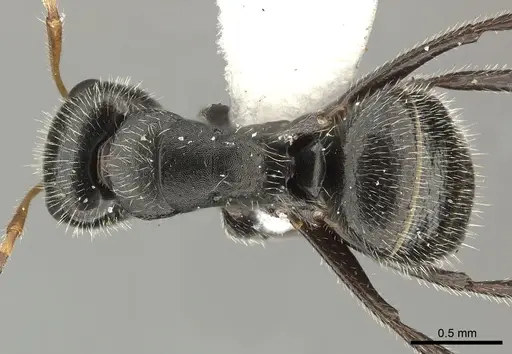
Literature
Loading distribution map...Loading products...