
Camponotus selene
- Sci. Name
- Camponotus selene
- Subgenus
- Orthonotomyrmex
- Tribe
- Camponotini
- Subfamily
- Formicinae
- Author
- Emery, 1889
- Distribution
- Found in 2 countries
Introduction
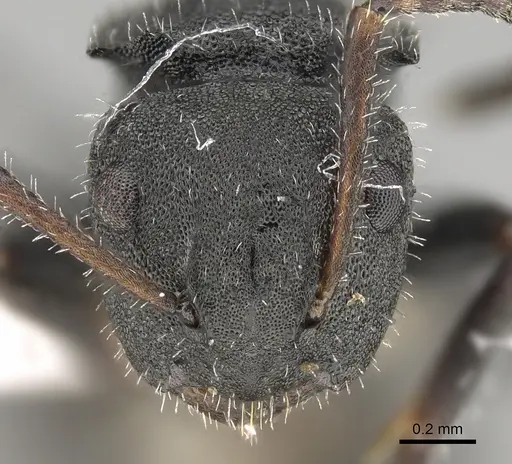
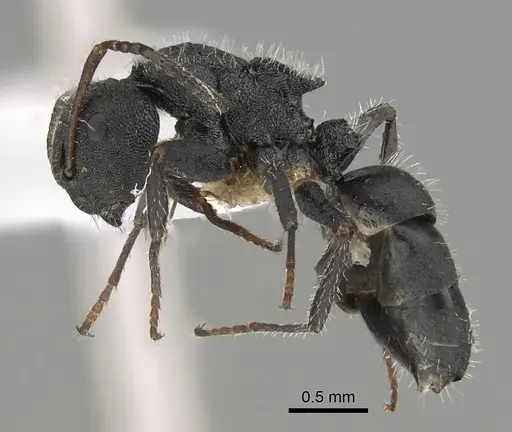
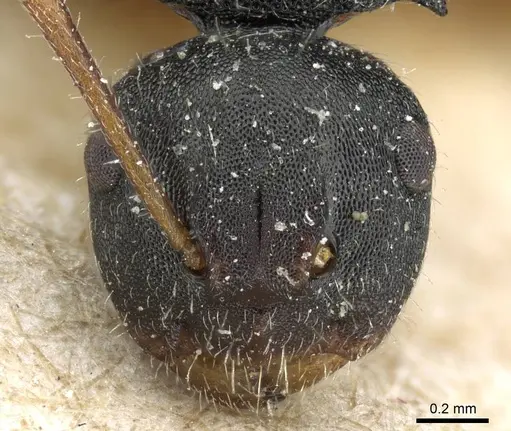
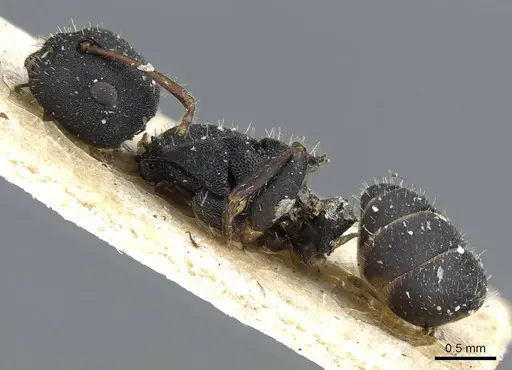
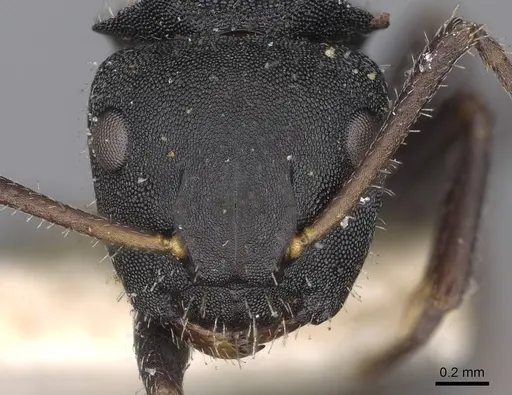
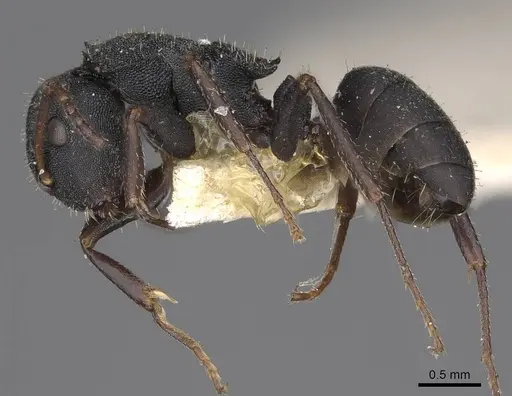
Camponotus selene is a medium-sized carpenter ant native to tropical and subtropical Asia. Workers measure 3-5mm and have a black, opaque body with dark red mandibles, antennae, and leg tarsi. The species belongs to the subgenus Orthonotomyrmex, characterized by two curved spines on the propodeum and a thick, conical petiole node. These ants nest in rotting tree trunks across China, India, Myanmar, and Nepal . This species has a unique defensive behavior - when disturbed, workers are slow-moving and will feign death by remaining motionless . This passive defense makes them fascinating to observe and differs from more aggressive carpenter ant species.
Quick Summary
- Difficulty: Medium
- Origin & Habitat: Native to tropical and subtropical Asia, found in China (Hunan), India (Arunachal Pradesh, Assam, Meghalaya, West Bengal), Myanmar, and Nepal. In the wild, they nest in rotting tree trunks in forested areas [1][4][3][5][6].
- Colony Type: Likely single-queen colonies based on typical Camponotus patterns, specific data for this species is unavailable.
- Size & Growth:
- Queen: 9-12mm, inferred from Camponotus genus patterns (queens typically 1.5-2x worker size)
- Worker: 3-5.1mm [2][1]
- Colony: Colony size data unavailable for this species
- Growth: Moderate, typical for Camponotus species
- Development: 6-10 weeks (estimated based on typical Camponotus development at 24-26°C) (Development time varies with temperature, warmer conditions within safe range accelerate development)
- Antkeeping:
- Temperature: Keep at 24-28°C. A heating cable on one side of the nest creates a gentle gradient allowing workers to regulate their own temperature [2].
- Humidity: Maintain moderate to high humidity (60-80%). Since they nest in rotting wood naturally, the nest substrate should remain slightly moist but not waterlogged. Provide a water tube for drinking water.
- Diapause: Yes, as a subtropical species, they benefit from a winter rest period of 2-3 months at 10-15°C. This helps synchronize their biological cycle and promotes healthy colony development.
- Nesting: Best kept in naturalistic setups with rotting wood or cork, or in Y-tong/plaster nests that can hold moisture. These ants naturally nest in dead wood, so avoid entirely dry setups. Provide narrow chambers appropriate for their medium size.
- Behavior: Camponotus selene is a docile, slow-moving species. Workers are not aggressive and rarely bite when handled. Their most notable behavior is thanatosis, feigning death when threatened or disturbed [1]. They are moderate foragers that primarily seek honeydew and small insects. Escape risk is moderate, while not tiny ants, they can still squeeze through small gaps, so standard escape prevention is recommended.
- Common Issues: colonies may fail if humidity drops too low, they prefer moist nest conditions, slow growth during founding phase can lead to beginner impatience and overfeeding, winter diapause is essential, skipping it can weaken colonies over time, feigning death may alarm new keepers who think their ants are dying, rotting wood nests can develop mold if ventilation is poor
Nest Preferences
In the wild, Camponotus selene nests in rotting tree trunks and dead wood [1]. This tells us they prefer humid, wood-based environments rather than soil nests. For captive care, naturalistic setups with cork or rotting wood work best. Alternatively, Y-tong or plaster nests with moisture retention capabilities are excellent choices. Avoid completely dry setups, these ants need access to moisture. Chamber sizes should be appropriately scaled to worker size (3-5mm), with passages wide enough for easy movement but not so large that the colony feels exposed.
Feeding and Diet
Like most Camponotus species, C. selene is omnivorous with a preference for sugar sources and protein. Feed them sugar water or honey regularly (every 2-3 days), and offer protein sources like mealworms, small crickets, or other insects weekly. In nature, they likely tend aphids for honeydew and scavenge or hunt small invertebrates. During the founding stage, the claustral queen does not forage, she relies entirely on her stored fat reserves to produce and feed the first brood. Once workers emerge, begin offering sugar water immediately and protein shortly after.
Temperature and Seasonal Care
Maintain nest temperatures between 24-28°C for optimal brood development. A gentle thermal gradient is ideal, use a heating cable on one side of the nest so workers can self-regulate by moving between warmer and cooler areas. During winter, provide a diapause period of 2-3 months at 10-15°C. This mimics their natural seasonal cycle in the subtropical regions where they live. Skip diapause only if you are actively maintaining year-round warmth for continuous breeding, but this may shorten colony lifespan. Do not cool suddenly, reduce temperature gradually over 1-2 weeks. [2]
Behavior and Temperament
This species is known for its calm, non-aggressive temperament. Workers move slowly and deliberately, and when threatened, they exhibit thanatosis, feigning death by remaining motionless [1]. This is a passive defense mechanism that helps them avoid predators. They are not known to bite keepers in any meaningful way. Foraging activity is moderate, they will send workers out to collect sugar water and protein but are not hyperactive. Their slow movement makes them enjoyable to watch and easy to handle if you need to relocate them.
Colony Growth and Development
Camponotus colonies grow more slowly than many common species like Tetramorium or Lasius. The claustral queen seals herself in a chamber and does not leave to forage during founding, she lives entirely on stored fat reserves while raising the first brood alone. From egg to first worker (nanitic), expect 6-10 weeks at optimal temperature (24-26°C). The first workers are typically smaller than mature workers. Growth accelerates once the first nanitics emerge and begin foraging. Patience is key with this species.
Frequently Asked Questions
How long does it take for Camponotus selene to produce first workers?
Expect 6-10 weeks from egg to first worker at optimal temperature (24-28°C). This is typical for Camponotus species. The queen is claustral, she seals herself in and raises the first brood alone using stored fat reserves.
What do Camponotus selene ants eat?
They are omnivorous. Offer sugar water or honey regularly (every 2-3 days) and protein sources like mealworms, small crickets, or other insects weekly. Once workers emerge, they will readily collect sweet liquids and protein prey.
What temperature do Camponotus selene need?
Keep them at 24-28°C. A heating cable on one side of the nest creates a gradient. During winter, provide 2-3 months of diapause at 10-15°C.
Are Camponotus selene good for beginners?
They are medium difficulty, more challenging than beginner species like Lasius but easier than exotic or tropical species. Their slow growth requires patience, and proper humidity is essential. They are rewarding for keepers willing to provide proper conditions.
What type of nest is best for Camponotus selene?
Naturalistic setups with rotting wood or cork, or Y-tong/plaster nests that can hold moisture. They naturally nest in dead wood and need humid conditions. Avoid completely dry setups.
Do Camponotus selene need hibernation?
Yes, they benefit from a winter diapause of 2-3 months at 10-15°C. This helps maintain their natural biological cycle and promotes long-term colony health. Reduce temperature gradually over 1-2 weeks.
How big do Camponotus selene colonies get?
Specific colony size data is unavailable for this species. Based on typical Camponotus patterns, colonies likely reach several hundred workers over 2-3 years.
Why is my Camponotus selene colony not growing?
Check temperature (should be 24-28°C), humidity (should be moist but not wet), and food quality. Slow growth is normal, Camponotus grow more slowly than many other ants. Ensure the queen is still laying eggs and workers are healthy.
Can I keep multiple Camponotus selene queens together?
No, this is likely a monogyne species with single-queen colonies. Multiple unrelated queens will fight. Only keep one queen per colony.
Report an Issue
The current care sheet is based fully on literature. See inconsistencies, or something that's incorrect? Please , it will be resolved after review from an admin. Contributing to the blogs tab also helps providing information, to make us be able to further improve the caresheets. Thank you for your support!
References

This caresheet is licensed under CC BY-SA 4.0 .
Community Blogs
CASENT0887747
View on AntWeb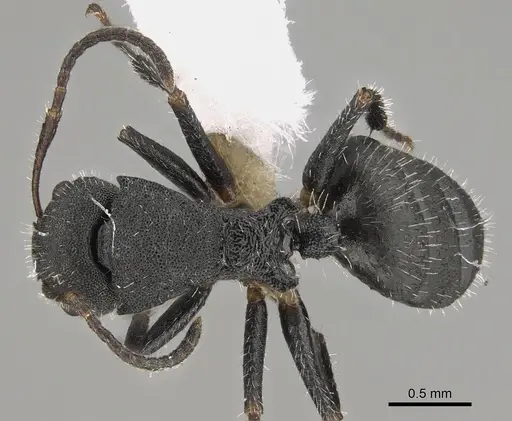
CASENT0905415
View on AntWeb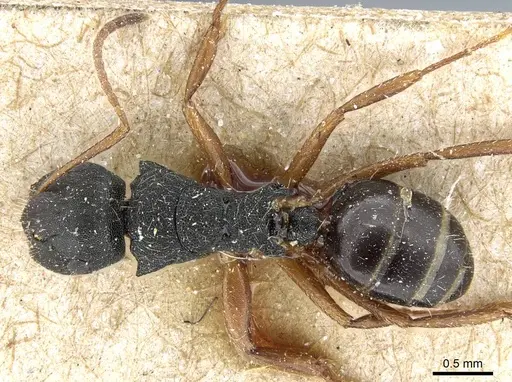
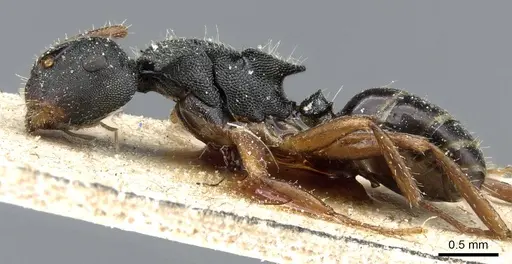
CASENT0905416
View on AntWeb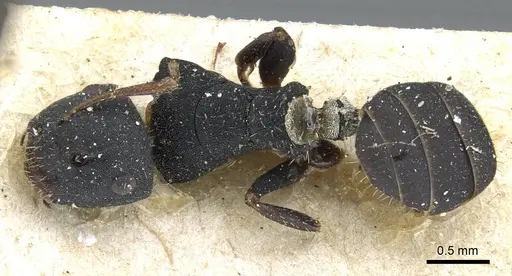
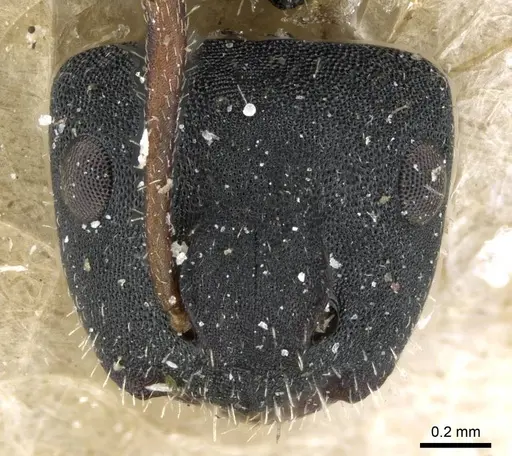
CASENT0906965
View on AntWeb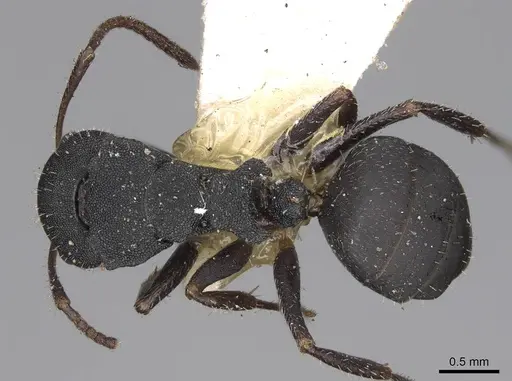
Literature
Loading distribution map...Loading products...