
Camponotus santosi
- Sci. Name
- Camponotus santosi
- Subgenus
- Tanaemyrmex
- Tribe
- Camponotini
- Subfamily
- Formicinae
- Author
- Forel, 1908
- Distribution
- Found in 1 countries
Introduction
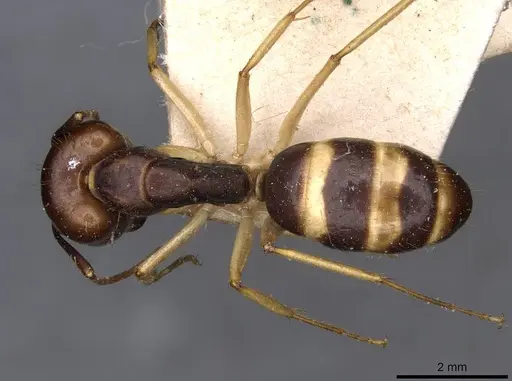
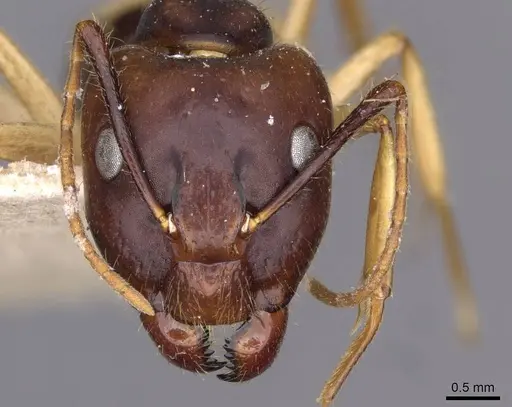
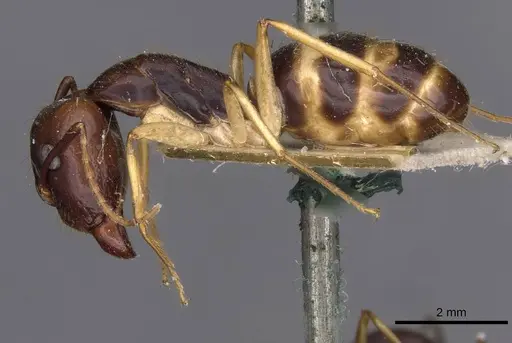
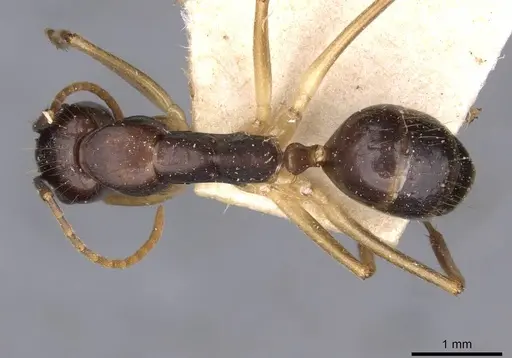
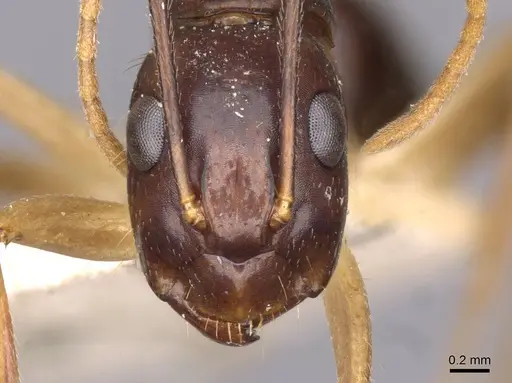
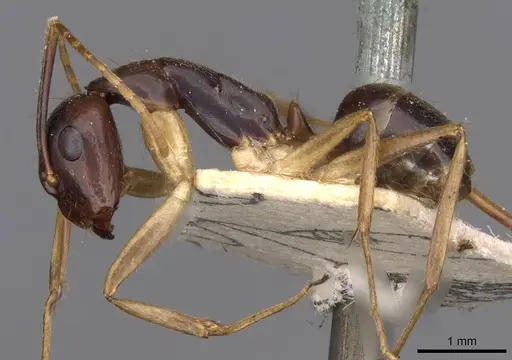
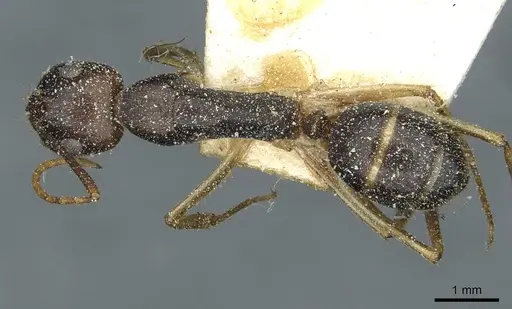
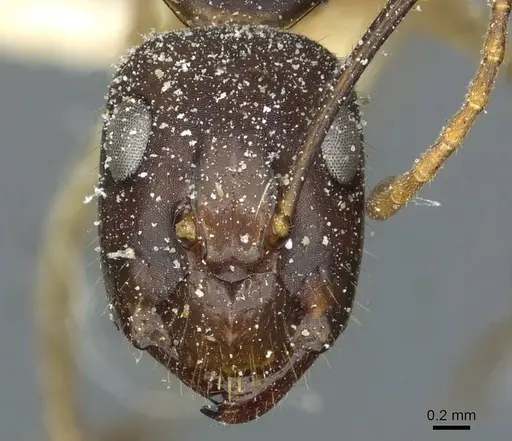
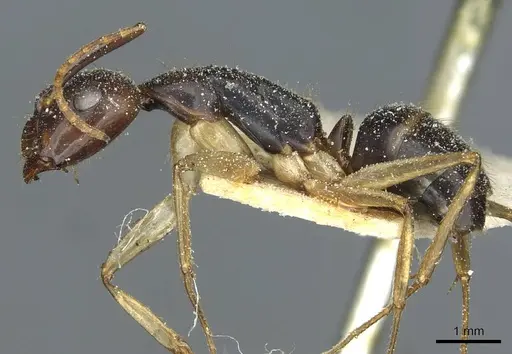
Camponotus santosi is a carpenter ant species endemic to Cuba and the Bahamas in the Greater Antilles . Workers are polymorphic, with major workers having larger, well-developed heads and minor workers being smaller and more slender. This species belongs to the maculatus species complex, characterized by erect or suberect hairs on the cheeks and fewer than 20 erect hairs on the scape . The mesonotum and dorsal face of the propodeum are flattened and sit in nearly the same plane . These ants inhabit diverse environments across Cuba's mountain ranges, including pluviforest, evergreen forest, coastal xeromorphic scrub, pine forest, and coffee plantations in the Sierra Maestra and Nipe-Sagua-Baracoa regions .
Quick Summary
- Difficulty: Medium
- Origin & Habitat: Cuba and Bahamas in the Greater Antilles. This species lives in tropical and subtropical forests, including pluviforest, evergreen forest, coastal xeromorphic scrub, pine forest, and coffee plantations [3].
- Colony Type: Colony type is unconfirmed. Camponotus species are typically monogyne, but specific data for C. santosi is unavailable.
- Size & Growth:
- Queen: Size data unavailable for this species, inferred from typical Camponotus queen size (~12-15mm)
- Worker: Major workers: ~8-12mm, Minor workers: ~5-8mm, inferred from Camponotus genus [1]
- Colony: Colony size data unavailable for this species
- Growth: Moderate, based on typical Camponotus patterns
- Development: Development timeline unconfirmed for this species, typical Camponotus species take 6-10 weeks at optimal temperature (Development time depends on temperature within their warm tropical habitat range)
- Antkeeping:
- Temperature: Keep nest area at 24-28°C. Based on their Cuban tropical habitat, they prefer warm conditions. A heating cable on one side of the nest creates a gradient allowing ants to regulate their temperature.
- Humidity: Moderate to high humidity. Their forest habitats in Cuba experience humid conditions. Keep the nest substrate slightly moist but not waterlogged, with a water tube for drinking water always available [3].
- Diapause: No, being a tropical species from Cuba, they do not require hibernation. Slight temperature reductions during winter months (down to 20-22°C) may slow activity.
- Nesting: Carpenter ants naturally nest in wood. In captivity, Y-tong (AAC) nests, wooden formicaria, or plaster nests with wooden chambers work well. They prefer dark nest areas and will readily excavate soft materials.
- Behavior: Carpenter ants are generally calm and not aggressive toward keepers. They are primarily nocturnal or crepuscular, becoming more active during cooler evening hours. Workers are moderate foragers that search for honeydew, sugar sources, and insect prey. As a Formicinae species, they lack a functional sting but can bite and spray formic acid from their acidopore. Escape prevention is important, use fluon on test tube rims and ensure any formicarium has tight-fitting barriers.
- Common Issues: tropical species may struggle in cool rooms below 22°C, monitor temperature closely, wood-nesting species need appropriate nest materials, avoid glass test tubes without nesting media, colonies grow slowly during founding phase, patience is required until first workers arrive, wild-caught colonies may carry parasites or diseases that can cause colony collapse, major workers are powerful and can chew through weak barriers, use secure enclosures, this species is endemic to Cuba, ensure acquisition is from legal sources
Housing and Nest Setup
Camponotus santosi does well in Y-tong (AAC) nests, wooden formicaria, or plaster nests with wooden inserts. These carpenter ants prefer dark, enclosed spaces and will readily accept setups that mimic their natural wood-nesting behavior. Test tube setups work for founding colonies, but transfer to a proper nest once the colony reaches 15-20 workers. Ensure the nest has a water tube attached, carpenter ants need constant access to drinking water. A foraging area should be connected to the nest chamber, allowing workers to venture out for food. Use escape prevention like fluon on edges, as major workers are strong and can find their way out of poorly secured enclosures.
Feeding and Diet
Like other carpenter ants, Camponotus santosi is omnivorous and will accept a variety of foods. Offer sugar water, honey, or diluted maple syrup as a constant carbohydrate source. For protein, provide insects like mealworms, crickets, or fruit flies. Workers will also collect honeydew from aphids if available. Feed protein prey 2-3 times per week, and keep sugar water available at all times. Remove uneaten prey after 24-48 hours to prevent mold. This species typically forages at night, so placing food in the evening encourages more active feeding behavior.
Temperature and Seasonal Care
Maintain nest temperatures between 24-28°C for optimal brood development. Being from tropical Cuba, this species does not require hibernation. During winter, you can allow temperatures to drop slightly to 20-22°C, which may slow colony growth but is not harmful. Avoid temperatures below 20°C for extended periods. Use a heating cable or mat on one side of the nest to create a temperature gradient, this lets ants choose their preferred warmth. Monitor that heating does not dry out the nest too quickly or cause condensation issues. [3]
Colony Development and Growth
Founding colonies grow slowly at first. The queen seals herself in a chamber to raise her first workers, surviving on stored fat reserves. First workers (nanitics) typically emerge after several weeks and are smaller than mature workers. Once nanitics arrive, the colony enters a growth phase as the queen continues laying and workers expand. Growth rate is moderate, expect several months to reach 50 workers, and a year or more to reach several hundred. Major workers develop as the colony matures and resources allow for larger brood. Patience is essential during the founding phase, as overchecking or disturbing the nest can cause queen stress.
Handling and Temperament
Camponotus santosi is generally calm and manageable. Workers are not overly aggressive and will typically flee rather than attack when disturbed. As a Formicinae ant, they lack a sting but can bite and spray formic acid from their acidopore if threatened. The bite may cause minor irritation but is not medically significant. These ants are not dangerous to keep and are suitable for antkeepers with some experience. They are more active during evening and night hours, so observe them in the evening for the best activity levels.
Frequently Asked Questions
How long does it take for Camponotus santosi to produce first workers?
First workers (nanitics) typically emerge after 6-10 weeks at optimal temperature (24-28°C). This is typical for Camponotus species. The exact timing depends on temperature, warmer conditions within the acceptable range speed up development.
What do Camponotus santosi ants eat?
They are omnivorous. Offer sugar water, honey, or maple syrup constantly for carbohydrates. For protein, feed insects like mealworms, crickets, or fruit flies 2-3 times per week. They will also collect honeydew if you keep aphids.
Do Camponotus santosi ants bite or spray?
As a Formicinae species, they lack a functional sting. They can bite and spray a stream of formic acid from their acidopore into the wound if threatened. The bite may cause minor irritation but is not dangerous to healthy humans.
What temperature do Camponotus santosi need?
Keep the nest at 24-28°C. As a tropical species from Cuba, they prefer warm conditions. A heating cable on one side of the nest creates a gradient. Avoid temperatures below 20°C for extended periods.
Do Camponotus santosi need hibernation?
No, they do not require hibernation. Being a tropical species from Cuba, they are active year-round. You can slightly reduce temperatures in winter (to around 20-22°C) but this is not necessary and primarily slows colony growth.
What size colony do Camponotus santosi reach?
Colony size data is unavailable for this specific species. Based on typical Camponotus patterns, mature colonies may reach several thousand workers over several years. The species is polymorphic, so you'll see both major and minor workers as the colony grows.
Can I keep multiple Camponotus santosi queens together?
Colony type data is unavailable for this species. Most Camponotus are monogyne (single-queen), but specific data for C. santosi is unconfirmed. Combining unrelated queens is not recommended and would likely result in fighting.
What nest type is best for Camponotus santosi?
Y-tong (AAC) nests, wooden formicaria, or plaster nests with wooden chambers work well. These carpenter ants naturally nest in wood, so they accept these setups readily. Test tubes work for founding but should be upgraded once the colony reaches 15-20 workers.
Is Camponotus santosi a good species for beginners?
This is a medium-difficulty species. While not as challenging as some exotic ants, they require attention to temperature and humidity. Their slower growth compared to smaller ants requires patience. They are better suited for antkeepers with some basic experience.
Where is Camponotus santosi native to?
Cuba and the Bahamas in the Greater Antilles. This species is endemic to Cuba, meaning it is found nowhere else in the wild [4][2]. It inhabits various forest types including pluviforest, evergreen forest, coastal xeromorphic scrub, pine forest, and coffee plantations in mountain regions [3].
Report an Issue
The current care sheet is based fully on literature. See inconsistencies, or something that's incorrect? Please , it will be resolved after review from an admin. Contributing to the blogs tab also helps providing information, to make us be able to further improve the caresheets. Thank you for your support!
References

This caresheet is licensed under CC BY-SA 4.0 .
Community Blogs
Literature
Loading distribution map...Loading products...