
Camponotus sanctaefidei
- Sci. Name
- Camponotus sanctaefidei
- Subgenus
- Myrmocladoecus
- Tribe
- Camponotini
- Subfamily
- Formicinae
- Author
- Dalla Torre, 1892
- Distribution
- Found in 12 countries
Introduction
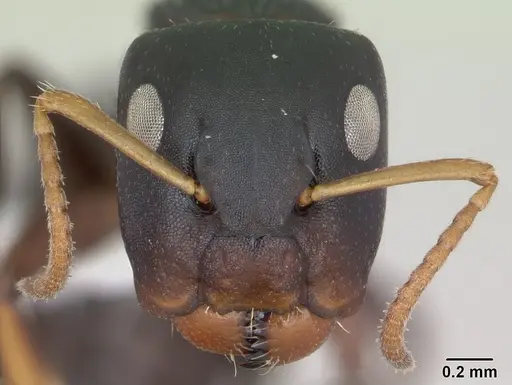
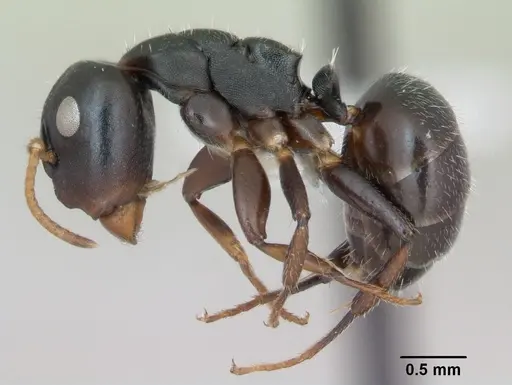
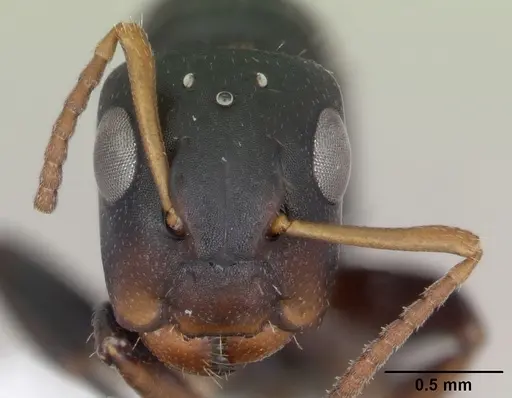
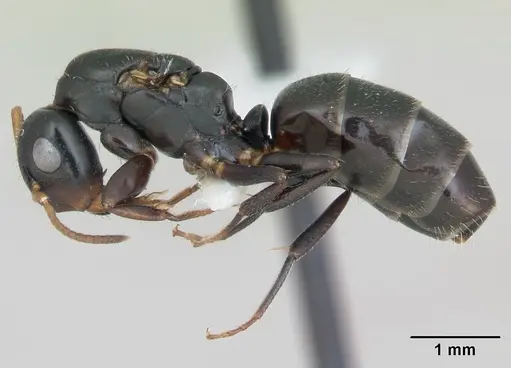
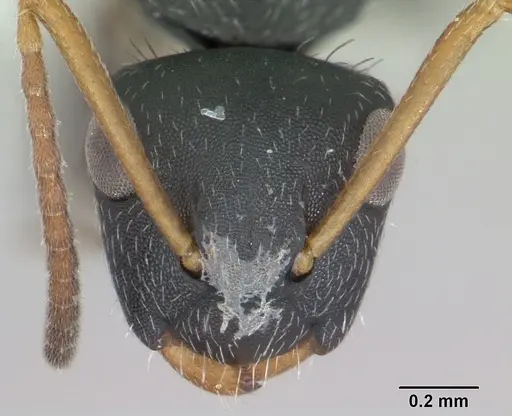
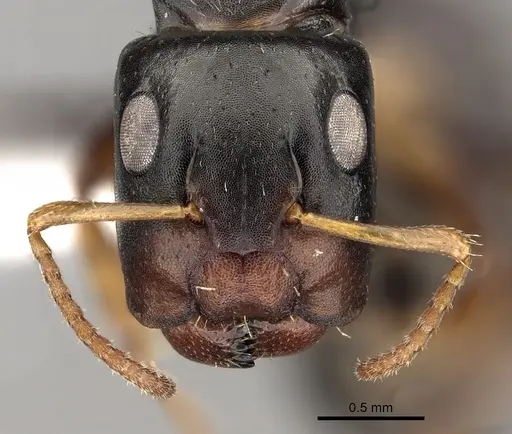
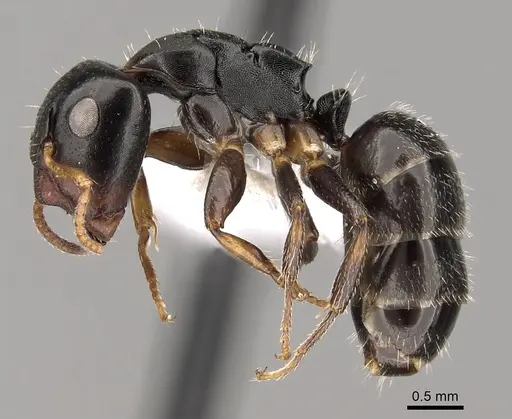
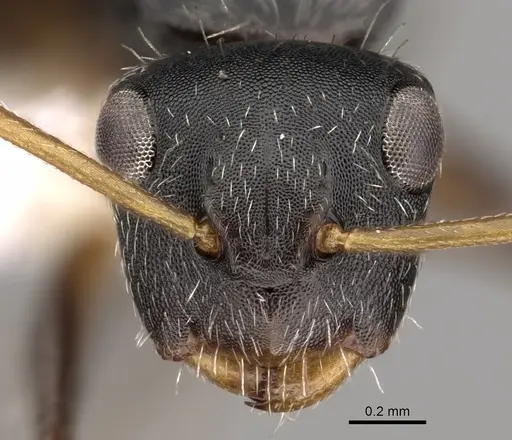
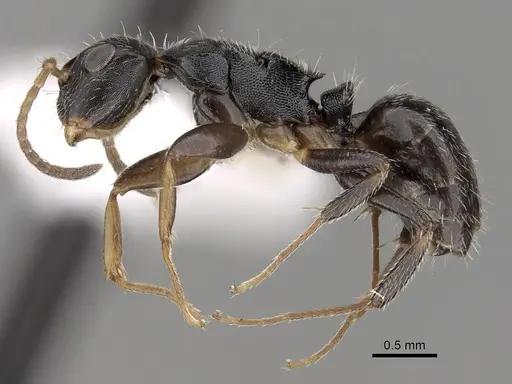
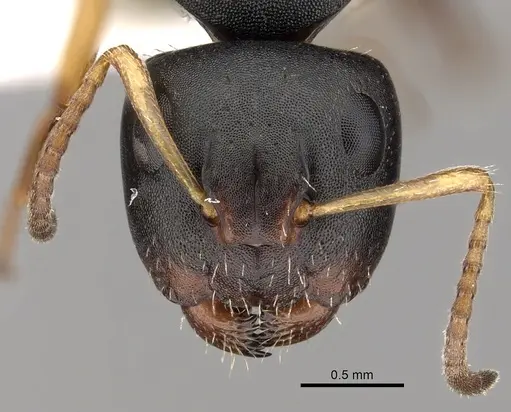
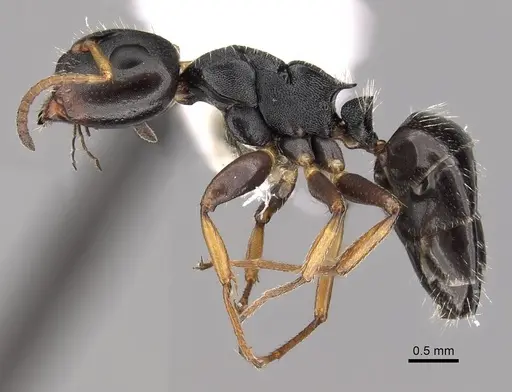
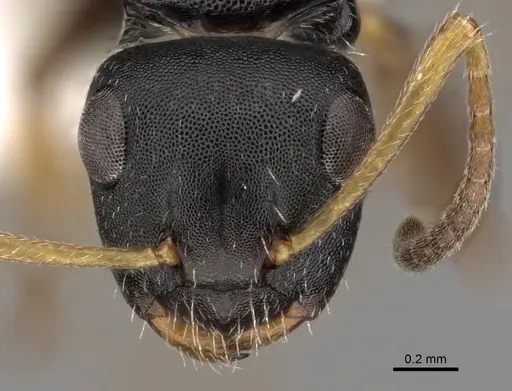
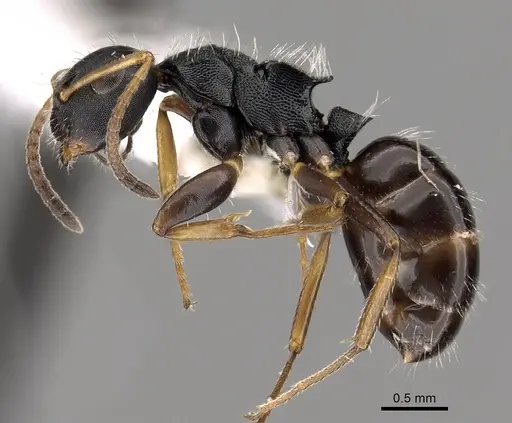
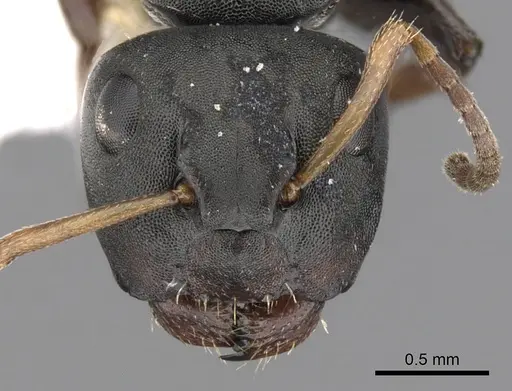
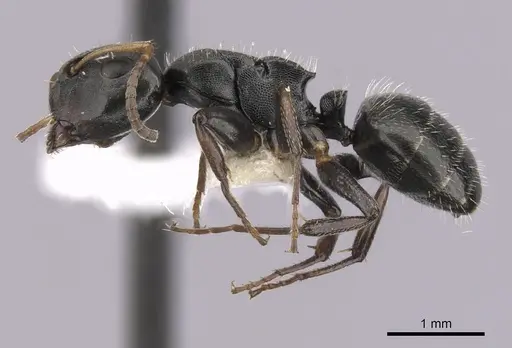
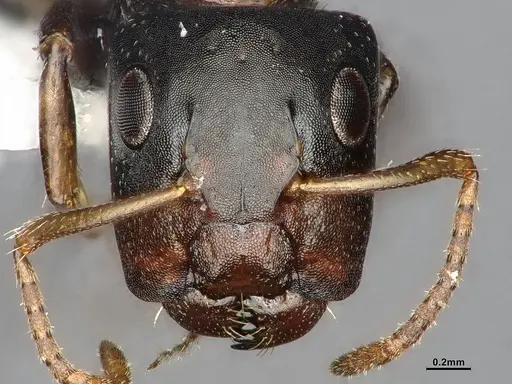
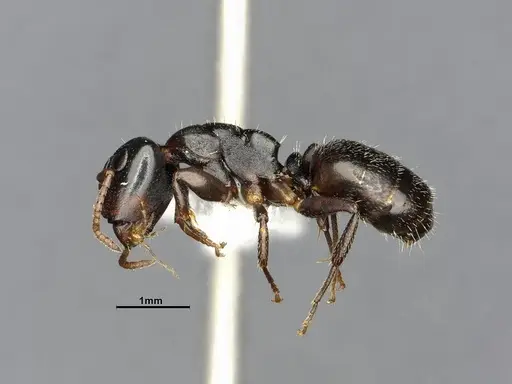
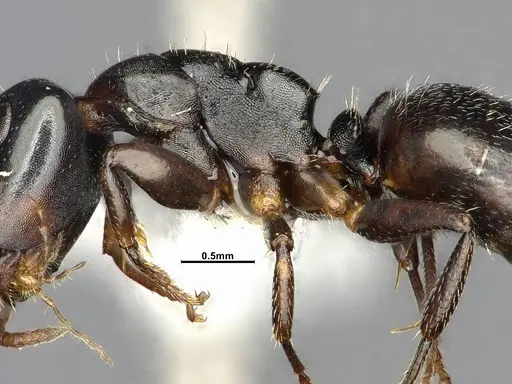
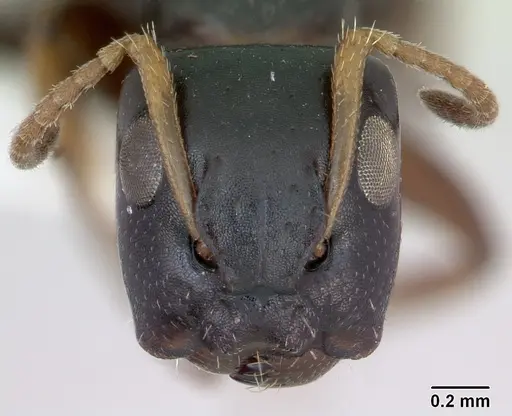
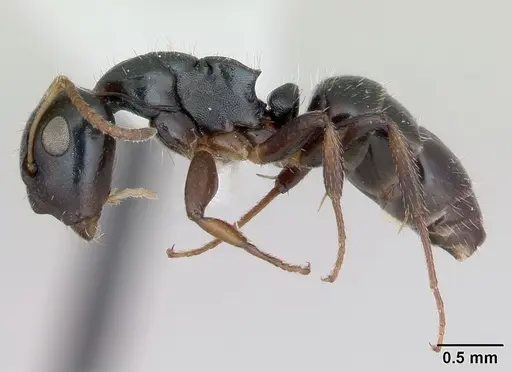
Camponotus sanctaefidei is a Neotropical carpenter ant found throughout Central and South America, from Mexico down to Argentina. These ants are distinctive for having a pair of unusual bulges on the clypeus in major workers and queens - the only New World Camponotus species with this characteristic . Workers are trimorphic, meaning there are three distinct sizes: tiny minima (3-3.5mm), medium-sized media (4-4.5mm), and large maxima workers (4.5-5mm). Queens reach about 6mm. The species is arboreal, nesting in dead twigs and hollow branches in tropical forest trees . They belong to the tribe Camponotini and harbor Blochmannia bacteria, a symbiotic relationship acquired through tending sap-feeding insects .
Quick Summary
- Difficulty: Medium
- Origin & Habitat: Neotropical region, found from Mexico through Central America to Argentina, Bolivia, Brazil, Colombia, Costa Rica, French Guiana, Guatemala, Honduras, Panama, Paraguay, and Peru [1][4][5]. They live in tropical forests and nest in dead twigs placed in trees [1].
- Colony Type: Colony structure is unconfirmed. Most Camponotus species are monogyne, but specific documentation for this species is lacking.
- Size & Growth:
- Queen: 6mm [6]
- Worker: 3-5mm (trimorphic: minima 3-3.5mm, media 4-4.5mm, maxima 4.5-5mm) [6]
- Colony: Likely several hundred workers, estimated based on typical Camponotus colony sizes
- Growth: Moderate, typical for Camponotus genus
- Development: Estimated 6-10 weeks based on typical Camponotus development (Development time is unconfirmed for this specific species. Estimates based on related Camponotus species suggest 6-10 weeks at optimal temperature.)
- Antkeeping:
- Temperature: Keep at room temperature, roughly 22-26°C. As a Neotropical species, they prefer warm conditions but don't need extreme heat.
- Humidity: Moderate to high humidity (60-80%). Their arboreal nesting in twigs suggests they prefer humid forest conditions. Keep the nest substrate slightly moist but not waterlogged.
- Diapause: Likely no true diapause required. As a tropical species from regions with minimal seasonal temperature variation, they probably don't need hibernation. However, a slight reduction in temperature during winter months may be beneficial.
- Nesting: Arboreal species, in captivity they do well in Y-tong (AAC) or plaster nests with narrow chambers. They naturally nest in dead twigs, so provide appropriately sized tunnels. Avoid large, open spaces, tight chambers scaled to their size work best [1][6]
- Behavior: Generally calm and non-aggressive like most Camponotus. They are arboreal foragers, searching for honeydew and small prey in trees and shrubs. Workers are moderately active and will defend the colony if threatened. Escape prevention is important, while not the smallest ants, they can still squeeze through small gaps. Their small to medium size (3-5mm workers) means you should use standard escape prevention measures (Fluon on test tube rims, tight-fitting lids).
- Common Issues: arboreal nesting requirements mean standard test tube setups may not be ideal, they prefer twig-like or plaster nest environments, humidity control is important, too dry and colonies may struggle, especially during founding, escape risk exists despite moderate size, use proper barriers, slow founding period typical of Camponotus queens can lead to beginner impatience and overfeeding, wild-caught colonies may have parasites that affect captive survival
Nest Preferences and Housing
Camponotus sanctaefidei is an arboreal species that naturally nests in dead twigs and hollow branches in tropical forest trees [1]. In captivity, this means they do best in nests that mimic their natural twig-nesting behavior. Y-tong (AAC) formicariums or plaster nests with narrow chambers work well, the chambers should be appropriately sized to the worker caste you're housing. Avoid large, open spaces that don't resemble their natural twig environments. Test tubes can work for founding colonies, but you may need to provide a more natural setup once the colony grows. The key is giving them tight, enclosed spaces that feel like the hollow twigs they would occupy in the wild. They do well with moderate humidity, so a small water reservoir or moist substrate in part of the nest is beneficial.
Feeding and Diet
Like other Camponotus species, these ants are omnivorous. They will readily consume sugar sources (honey water, sugar water, honeydew) and protein (small insects, mealworms, crickets). In the wild, they tend sap-feeding insects like aphids and scale insects for honeydew, and forage for small arthropods [2][3]. For captive colonies, offer a constant sugar source (a drop of honey or sugar water in the outworld) and protein prey 2-3 times per week. Remove uneaten prey after 24-48 hours to prevent mold. Minor workers may struggle with larger prey items, so cut prey to appropriate sizes or offer smaller insects. Their association with sap-feeding insects in the wild suggests they have a strong sugar preference.
Temperature and Seasonal Care
As a Neotropical species from tropical forests, Camponotus sanctaefidei prefers warm conditions. Room temperature (22-26°C) is ideal, they don't need specialized heating but should be kept away from cold drafts. Since they come from regions with minimal seasonal temperature variation, they likely don't require a true hibernation period. However, a slight seasonal reduction in temperature during winter months (dropping a few degrees) may help simulate natural cycles. Avoid temperatures below 18°C for extended periods. If your room temperature is on the cooler side, a heating cable on one side of the nest can create a comfortable gradient.
Behavior and Colony Dynamics
This species exhibits typical Camponotus behavior, workers are generally calm and not prone to excessive biting or stinging. The colony is organized into three worker castes (trimorphic): minima (the smallest foragers), media (intermediate workers), and maxima (the largest soldiers and nest defenders). The distinctive bulges on the clypeus of major workers and queens are unique among New World Camponotus, their function isn't definitively known, but they may help cover nest entrances [1]. Workers forage primarily in the arboreal layer, searching for honeydew and small prey. Colonies grow moderately, expect the first workers (nanitics) 6-10 weeks after the queen lays eggs, then gradual growth over several months to years. Major workers appear as the colony matures.
Frequently Asked Questions
How long does it take for Camponotus sanctaefidei to produce first workers?
Expect first workers (nanitics) in about 6-10 weeks after the queen lays eggs, assuming optimal temperature (around 24-26°C). This is typical for Camponotus species. The exact timeline is unconfirmed for this specific species but aligns with genus patterns.
What do Camponotus sanctaefidei ants eat?
They are omnivorous. Offer a constant sugar source (honey water or sugar water) and protein prey like small insects, mealworms, or crickets 2-3 times weekly. They have a mutualistic relationship with sap-feeding insects in the wild, so sugar is particularly important.
Are Camponotus sanctaefidei good for beginners?
They are rated as medium difficulty. They're more challenging than some common species because they require arboreal-style nesting and specific humidity conditions. However, they're not as difficult as some specialized species. Beginners should research arboreal ant keeping before acquiring this species.
What size nest do Camponotus sanctaefidei need?
They prefer tight, narrow chambers that mimic their natural twig-nesting habitat. Y-tong or plaster nests with appropriately sized chambers work well. Avoid large, open spaces. For founding colonies, test tubes work initially, but consider transitioning to a more naturalistic setup as the colony grows.
Do Camponotus sanctaefidei need hibernation?
Probably not. As a Neotropical species from tropical regions with minimal seasonal temperature variation, they don't require true hibernation. A slight temperature reduction in winter may be beneficial but is not mandatory.
How big do Camponotus sanctaefidei colonies get?
Colony size is unconfirmed but likely reaches several hundred workers typical of Camponotus species. Growth is moderate, expect several months to a year to reach 50+ workers, then gradual expansion over years.
Can I keep multiple Camponotus sanctaefidei queens together?
This has not been documented. Most Camponotus are monogyne (single queen), so it's best to start with one queen per colony. Combining unrelated foundresses is not recommended without specific evidence they can coexist.
Why are my Camponotus sanctaefidei dying?
Common causes include: too low humidity (they're arboreal and need moisture), temperatures below 18°C, improper nesting (they need tight, enclosed spaces not open formicariums), or parasites from wild-caught colonies. Check your temperature and humidity levels first.
Are Camponotus sanctaefidei escape artists?
They are moderately sized (3-5mm) so escape prevention is important but not as critical as for tiny species. Use standard barriers like Fluon on test tube rims and ensure all connections are tight. Don't assume they're too large to escape.
Report an Issue
The current care sheet is based fully on literature. See inconsistencies, or something that's incorrect? Please , it will be resolved after review from an admin. Contributing to the blogs tab also helps providing information, to make us be able to further improve the caresheets. Thank you for your support!
References

This caresheet is licensed under CC BY-SA 4.0 .
Community Blogs
CASENT0173445
View on AntWeb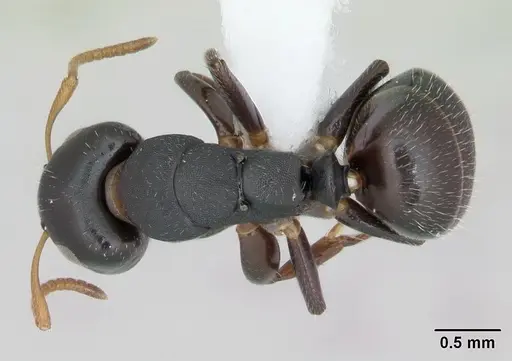
CASENT0173446
View on AntWeb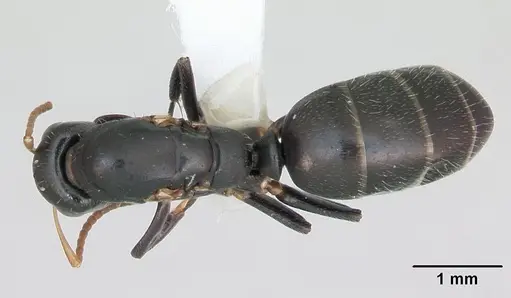
CASENT0173447
View on AntWeb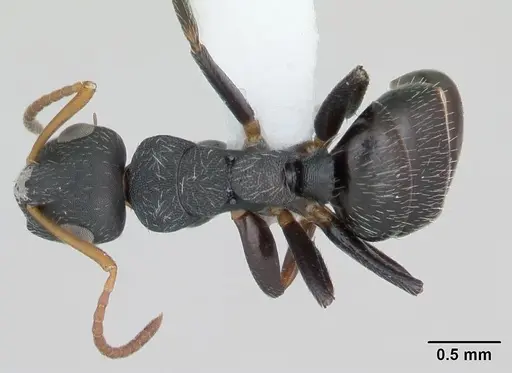
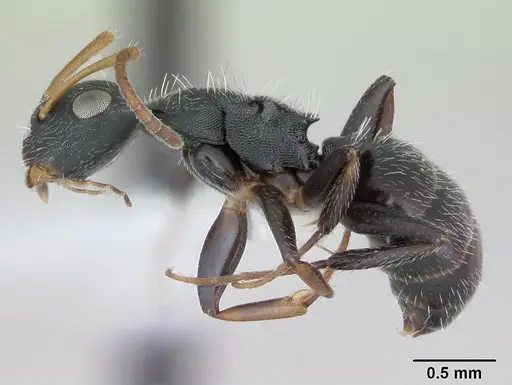
CASENT0173557
View on AntWeb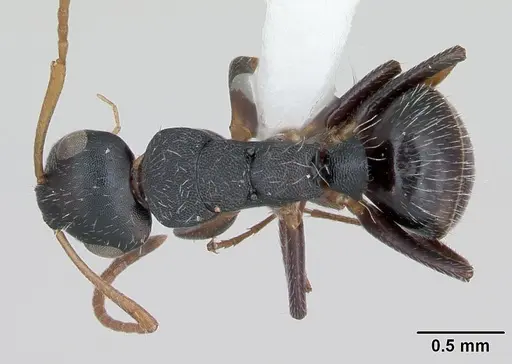
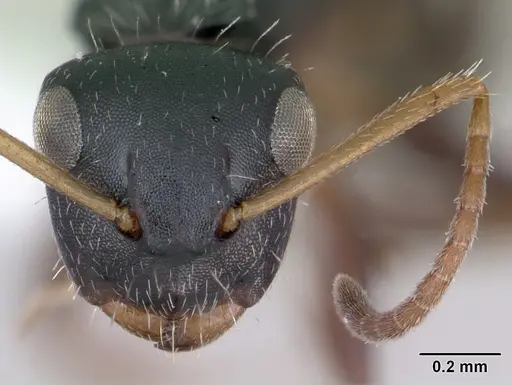
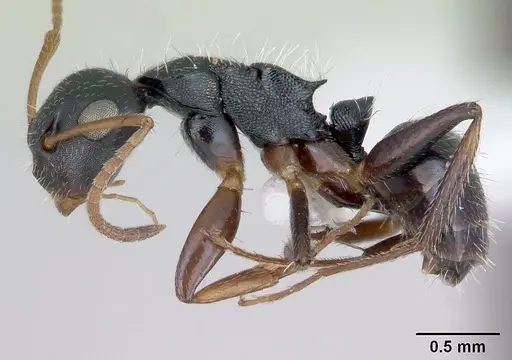
CASENT0280154
View on AntWeb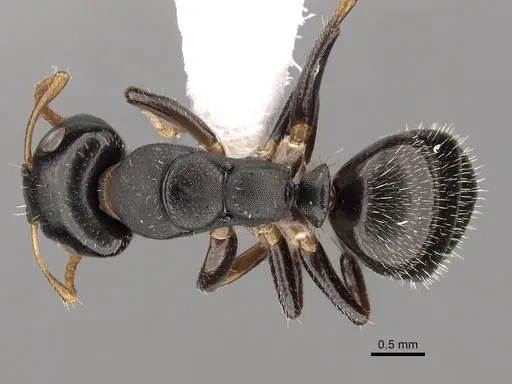
CASENT0280155
View on AntWeb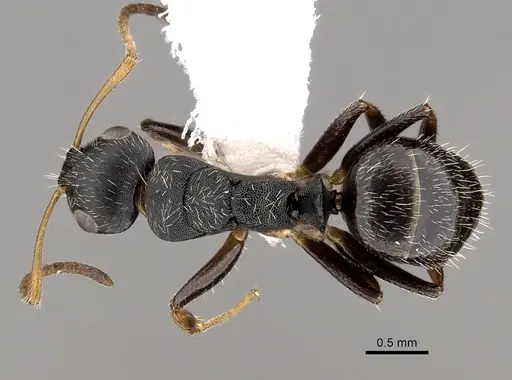
CASENT0280156
View on AntWeb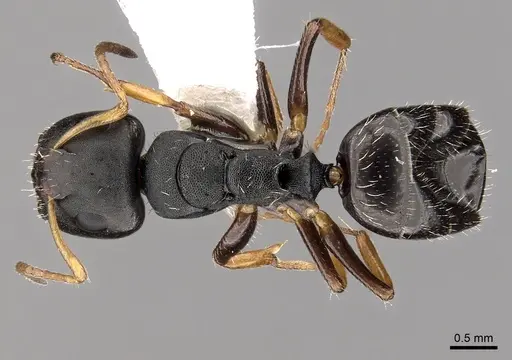
CASENT0280157
View on AntWeb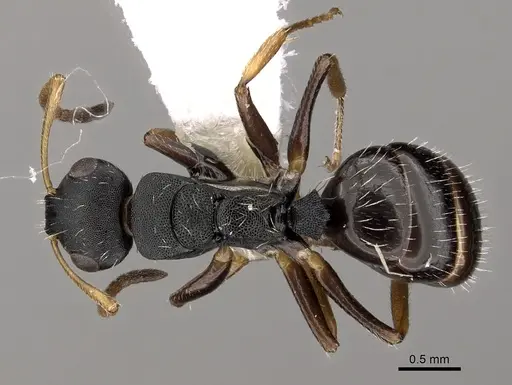
CASENT0280158
View on AntWeb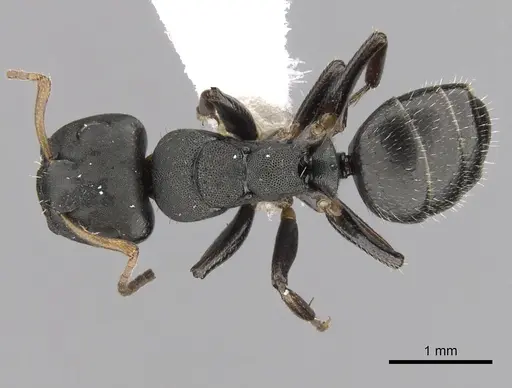
CASENT0280159
View on AntWeb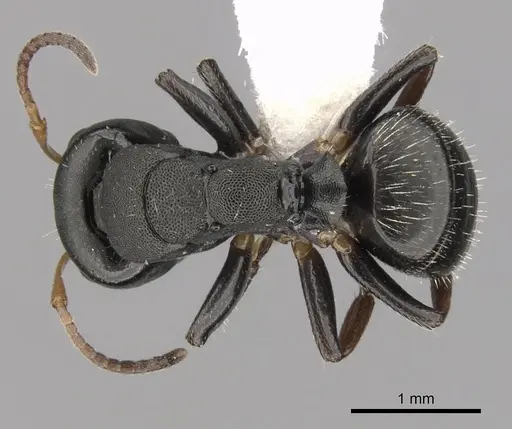
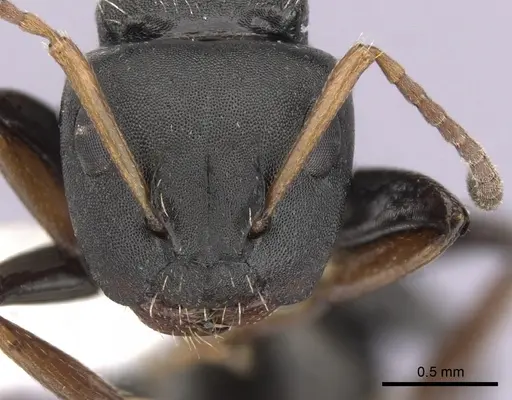
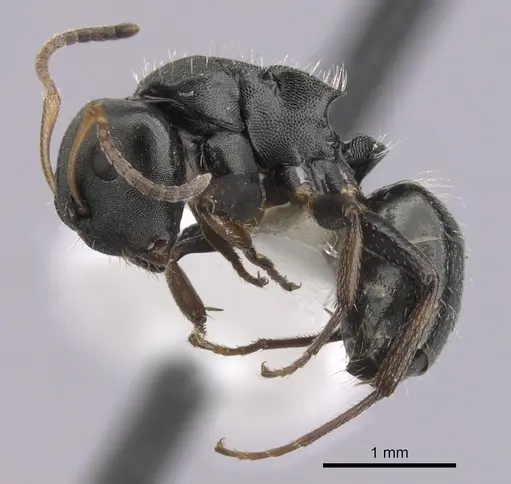
CASENT4032247
View on AntWeb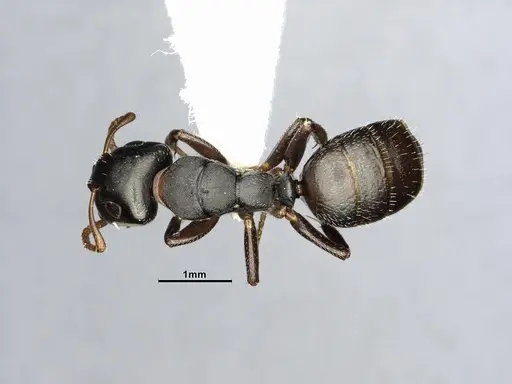
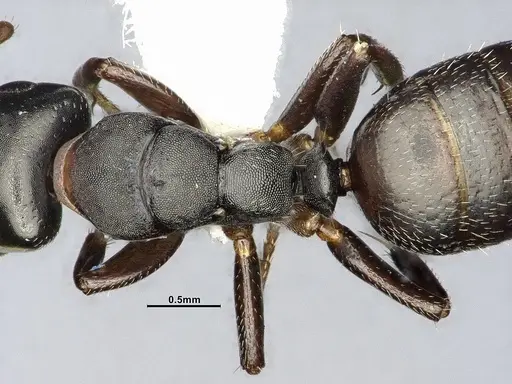
INBIOCRI002280732
View on AntWeb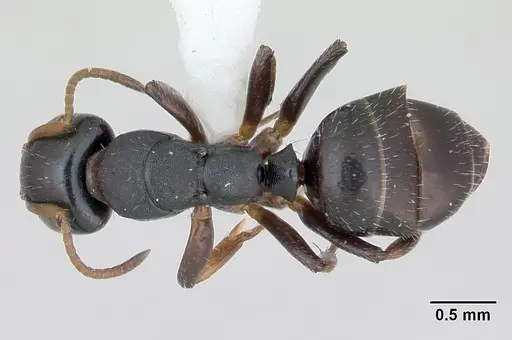
Literature
Loading distribution map...Loading products...