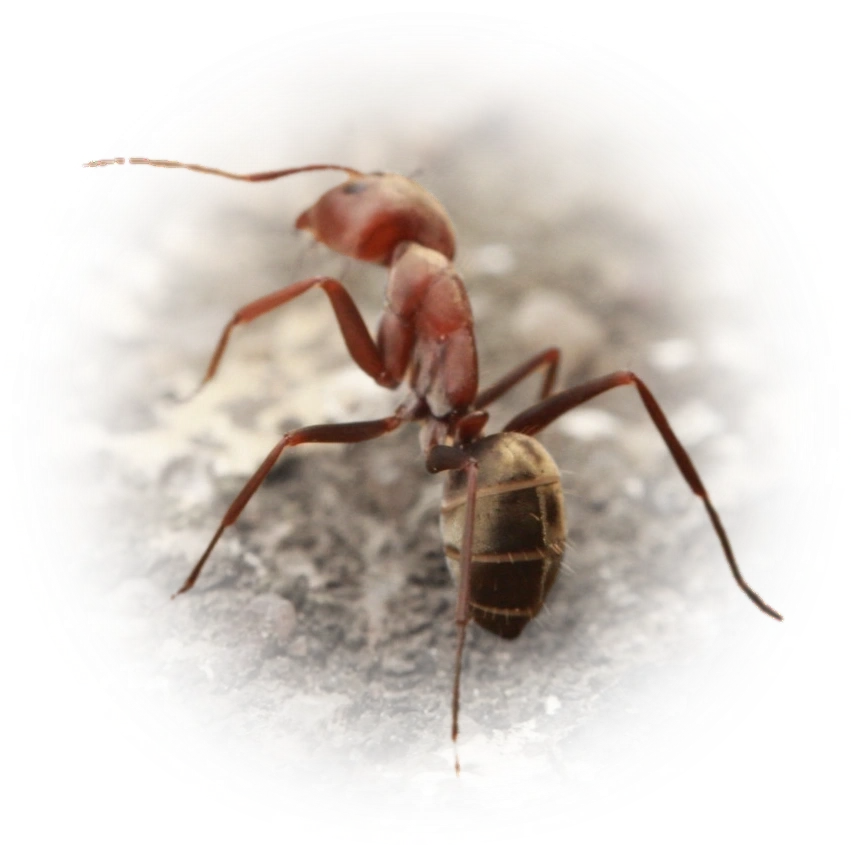
Velvet Sugar Ant
Camponotus rufoglaucus
- Sci. Name
- Camponotus rufoglaucus
- Subgenus
- Myrmosericus
- Tribe
- Camponotini
- Subfamily
- Formicinae
- Author
- Jerdon, 1851
- Common Name
- Velvet Sugar Ant
- Distribution
- Found in 9 countries
Introduction
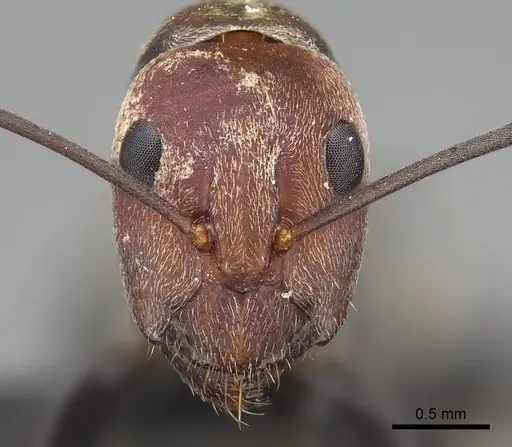
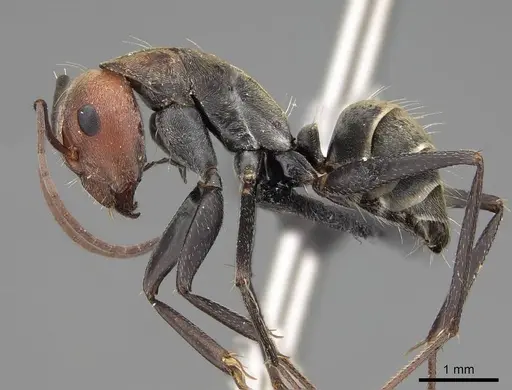
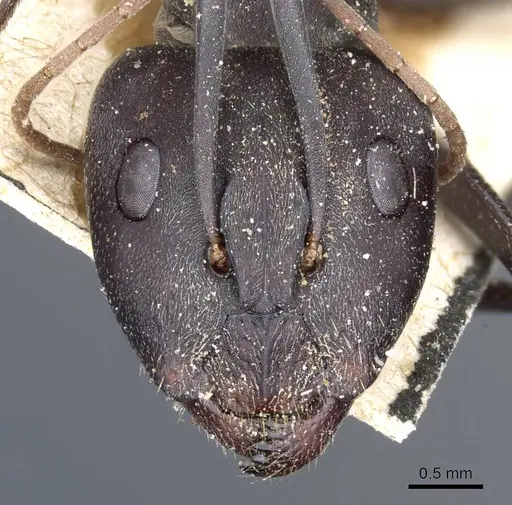
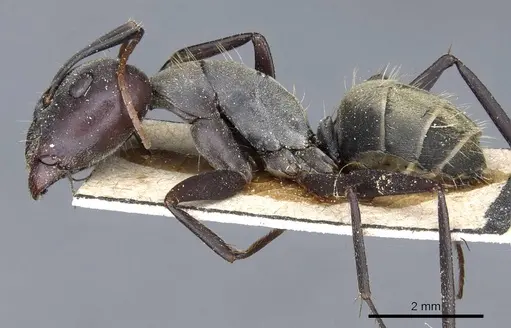
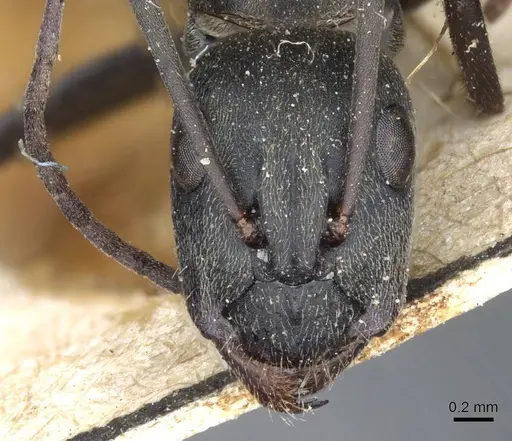
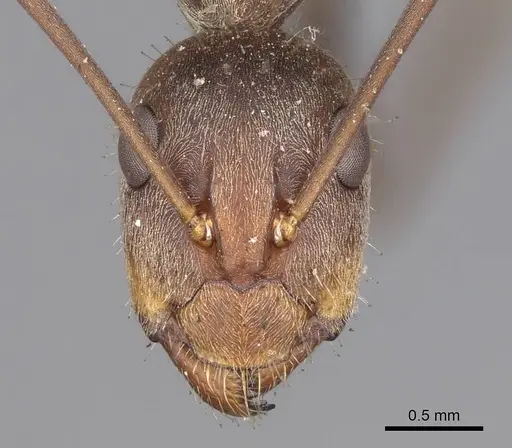
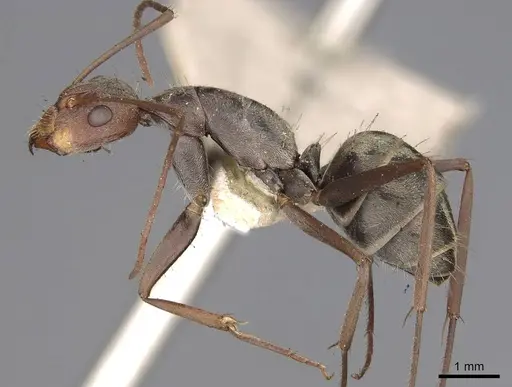
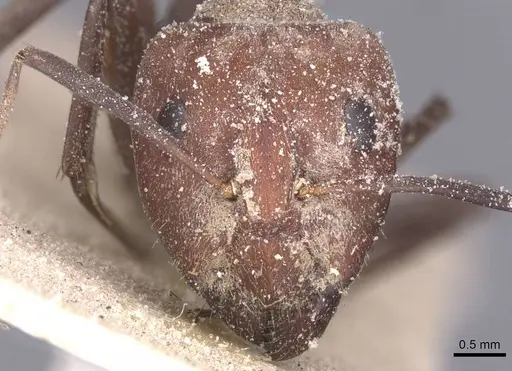
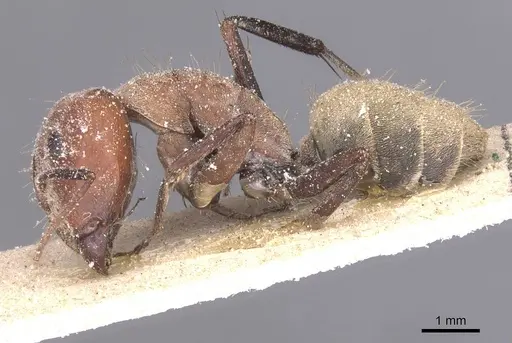
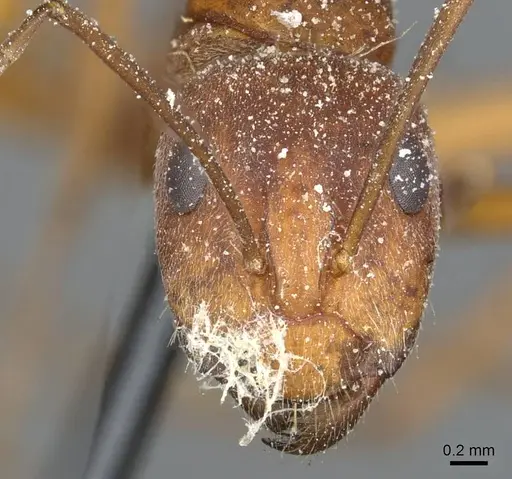
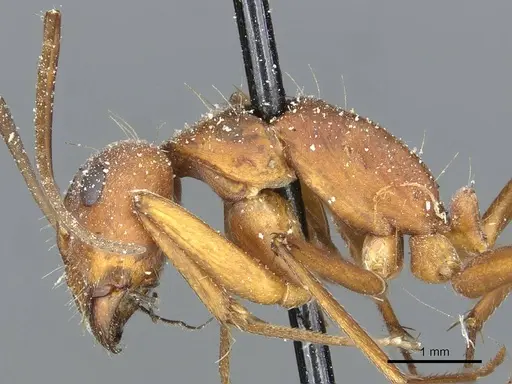
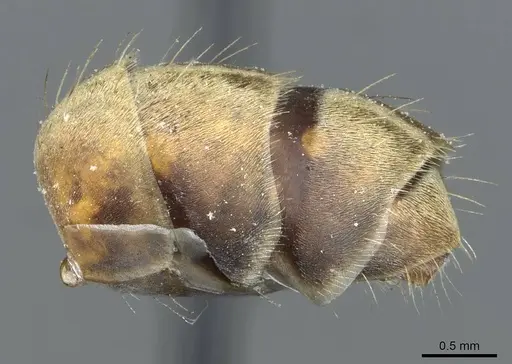
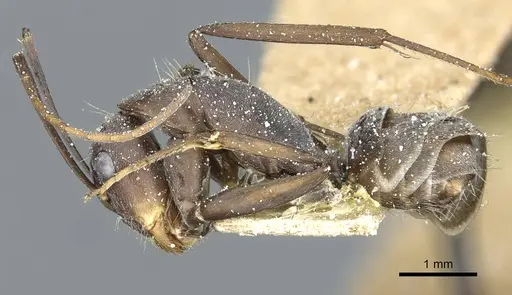
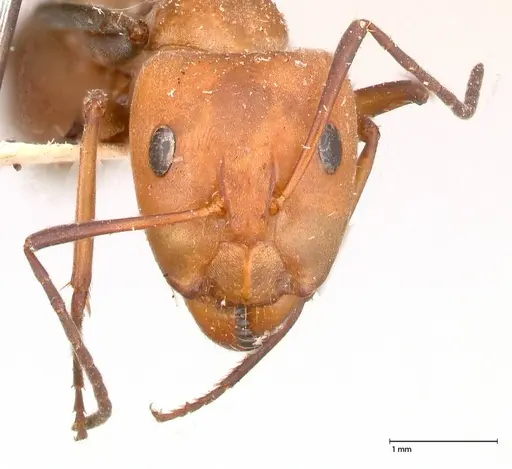
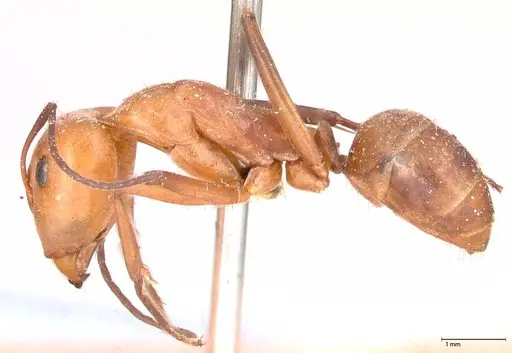
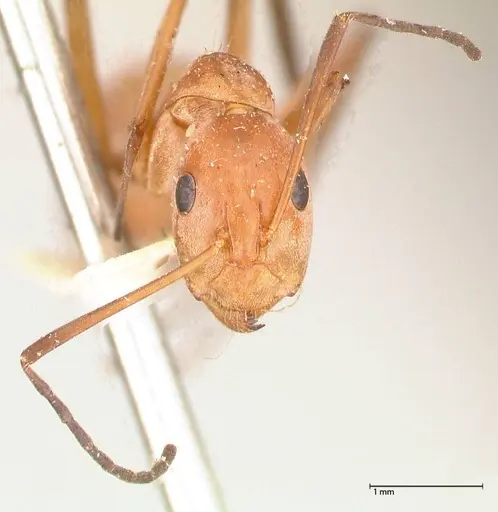
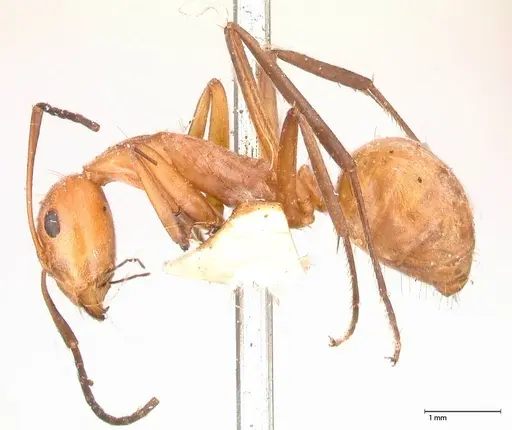
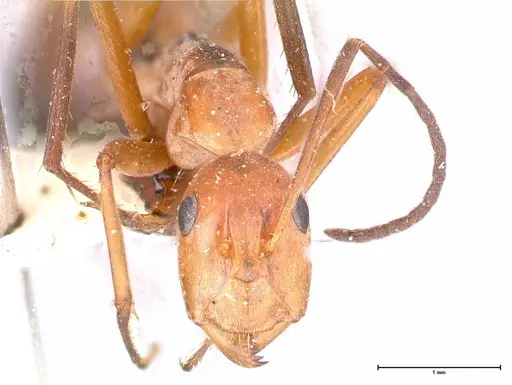
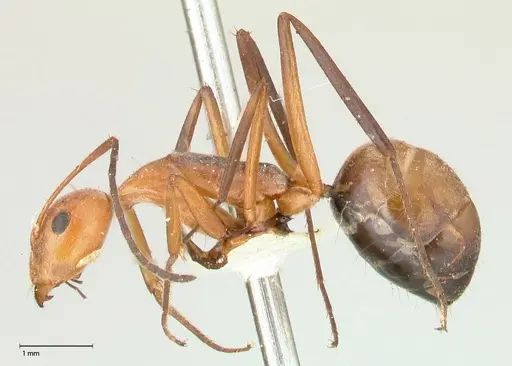
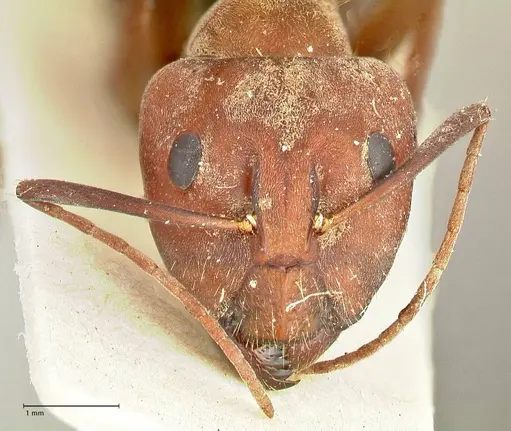
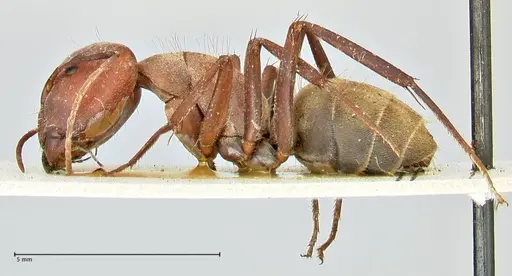
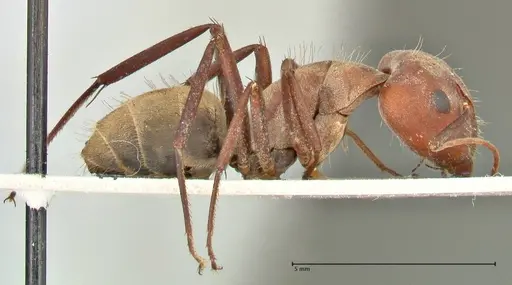
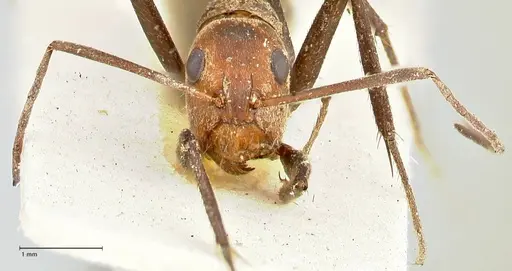
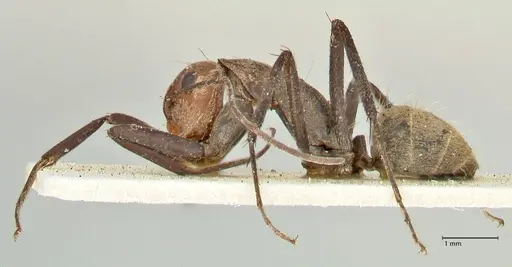
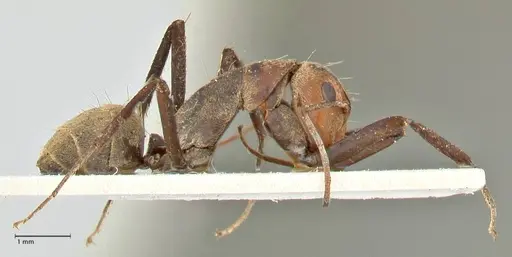
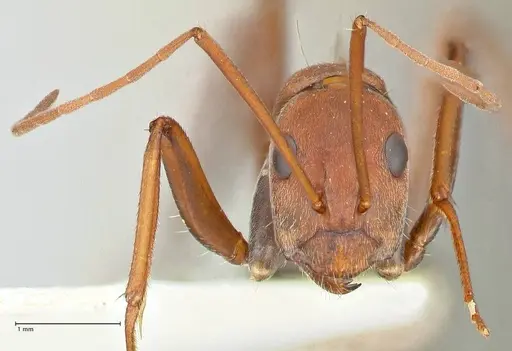
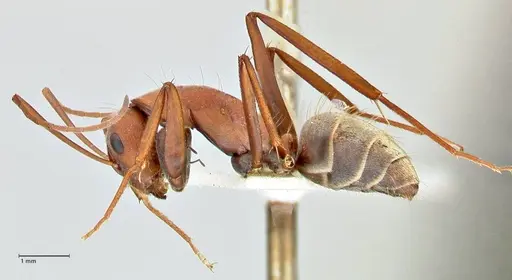
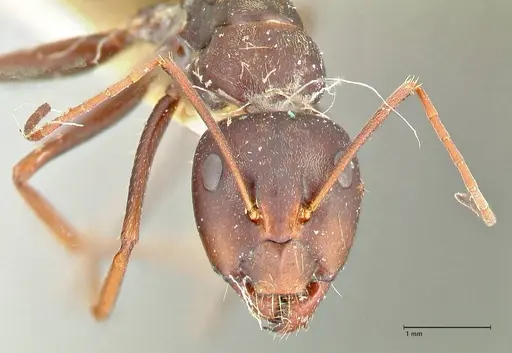
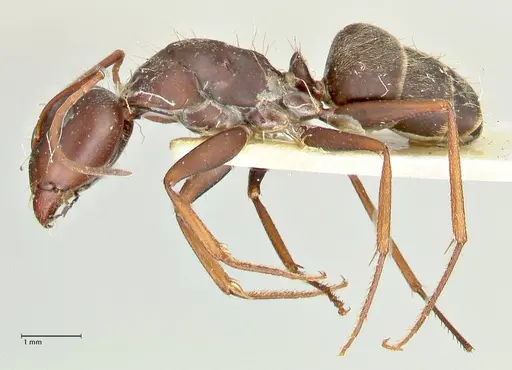
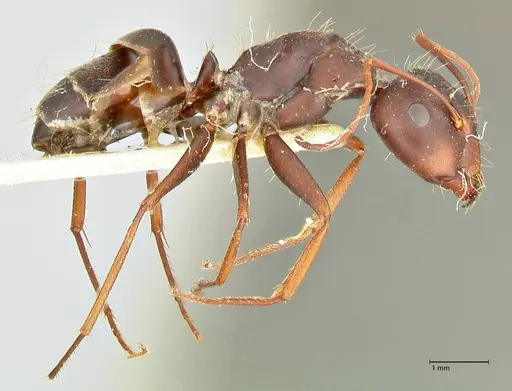
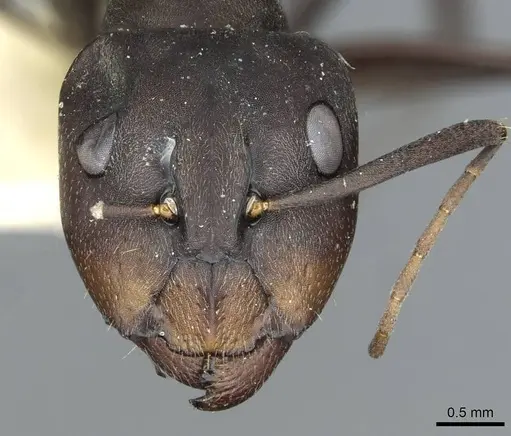
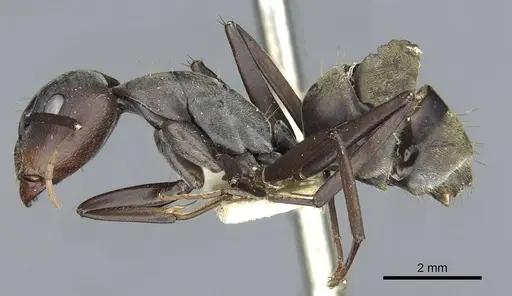
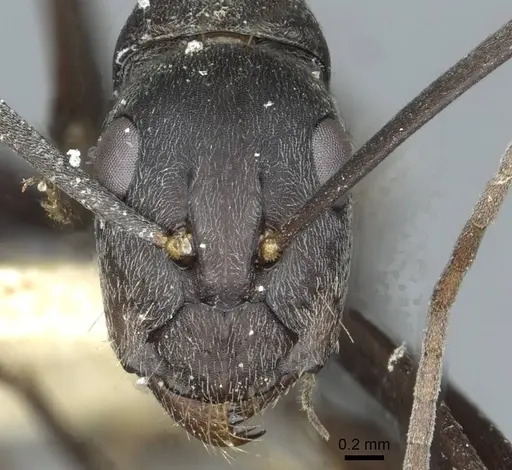
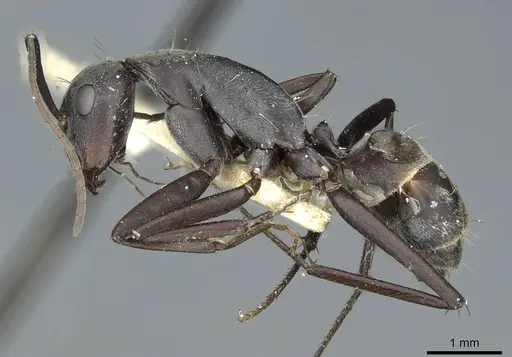
Camponotus rufoglaucus is a large ant species found across tropical Asia, Africa, and the Canary Islands. Workers measure 9-10mm with a distinctive appearance: the head and thorax are reddish-brown while the abdomen is darker brown, covered in fine silky hairs. The head is emarginate (notched) and the abdomen is large and massive. This species belongs to the subfamily Formicinae and is part of the Myrmosericus group. What makes C. rufoglaucus interesting is its adaptability - it thrives in diverse habitats from rainforests to savannahs, from ground level to forest canopy, and shows up in both natural and human-modified landscapes including rubber plantations, coconut groves, and urban areas. The species is highly generalist in diet and nesting preferences .
Quick Summary
- Difficulty: Easy
- Origin & Habitat: Native to tropical Asia and Africa, with records from India, Sri Lanka, Bangladesh, Thailand, Laos, Cambodia, Vietnam, Malaysia, Indonesia, Nepal, China, Kenya, Rwanda, Namibia, Zimbabwe, and the Canary Islands. Found in diverse habitats including mixed deciduous forests, dry dipterocarp forests, rubber plantations, coconut plantations, and urban areas. Nests in the ground, rotten branches, or twigs, rarely in living wood [2][3][5][4][6].
- Colony Type: Likely single-queen (monogyne) colonies based on typical Camponotus patterns. No explicit documentation of polygyny found for this species.
- Size & Growth:
- Queen: size data unavailable, no specific measurements found in research context
- Worker: 9-10mm [1]
- Colony: up to several thousand workers, estimated based on genus patterns
- Growth: Moderate
- Development: development timeline unconfirmed, inferred from typical Camponotus patterns (approximately 6-8 weeks at warm temperatures) (Development time is temperature-dependent, warmer conditions within acceptable range accelerate development)
- Antkeeping:
- Temperature: Keep at 22-26°C. Being a tropical/subtropical species, they tolerate warmer conditions well. A gentle gradient allowing workers to self-regulate is beneficial.
- Humidity: Moderate humidity around 50-70%. They adapt well to varying conditions but prefer some moisture availability. Keep nest substrate slightly moist.
- Diapause: No true diapause required, being a tropical species, they remain active year-round in their native range. In cooler periods, they may reduce activity rather than enter hibernation.
- Nesting: Flexible nesting, in captivity, they do well in Y-tong (AAC) nests, plaster nests, or naturalistic setups. Provide a nest chamber with some moisture retention. They accept test tubes for founding but will need more space as the colony grows.
- Behavior: Generalist foragers with highly generalistic diet, they accept almost any protein source and sugar. Workers are active foragers, both on the ground and in vegetation. They are not particularly aggressive but will defend the nest if threatened. Moderate escape risk due to their size, standard barriers work well. They are known to tend extra-floral nectaries and are predatory on small insects. As Formicinae, they can bite and spray formic acid [7][3][8].
- Common Issues: colonies may fail if kept too cold, maintain warm temperatures, overfeeding can lead to mold issues in nest, remove uneaten food promptly, wild-caught colonies may have parasites, quarantine and monitor new colonies, slow initial growth during founding phase is normal, don't over-interact with founding queen, they are highly adaptable but sudden environmental changes can stress colonies
Housing and Nest Setup
Camponotus rufoglaucus adapts well to various captive setups. For founding colonies, a standard test tube setup works well, fill a test tube one-third with water, plug with cotton, and place the queen in a dark area. The queen will seal herself in and begin laying eggs. Once the colony reaches 15-20 workers, consider moving to a larger setup. Y-tong (AAC) nests work excellently for established colonies, providing proper humidity control and observation opportunities. Plaster nests or naturalistic setups with soil and decorative elements are also accepted. Because they naturally nest in ground, rotten wood, and tree hollows, provide a nest chamber with some moisture-retaining substrate. A small outworld for foraging allows workers to hunt and collect food. Ensure escape prevention is adequate, while not tiny, they are active and can climb smooth surfaces [2][3].
Feeding and Diet
This is a highly generalist species that accepts a wide variety of foods. In captivity, offer protein sources such as small insects (fruit flies, small crickets, mealworms), and provide sugar sources like honey water or sugar water constantly. They are known to tend extra-floral nectary plants in the wild, so they readily accept sweet liquids. Their diet in nature includes predatory feeding on small insects and fresh carrion, making them effective pest controllers. Feed protein 2-3 times per week, and keep sugar water available at all times. Remove uneaten prey after 24-48 hours to prevent mold. Workers will forage actively and store food in their social stomachs to share with the colony. Their predatory nature means live prey is particularly appreciated, but they will scavenge as well [7][3][9][8].
Temperature and Seasonal Care
As a tropical and subtropical species, Camponotus rufoglaucus prefers warmer conditions. Maintain temperatures between 22-26°C for optimal colony health and development. They can tolerate higher temperatures (up to 30°C) but avoid extreme heat. In their native range, they are active year-round, though in cooler regions they may show reduced activity during winter months. Unlike temperate species, they do not require a true hibernation period. Room temperature within the 22-26°C range is often suitable without additional heating. If your room is cooler, a heating cable on one side of the nest can create a beneficial gradient. Monitor colony behavior, if workers consistently cluster near the heated area, slightly increase temperature, if they avoid it, reduce heating. They are found from sea level to over 2000m elevation, showing adaptability to various thermal conditions [10][11][12].
Behavior and Colony Dynamics
Camponotus rufoglaucus forms moderate-sized colonies with typical Camponotus social structure. Colonies begin with a single queen (monogyne) who seals herself in during claustral founding. After the first workers emerge, typically smaller than mature workers, they begin foraging to support the colony. Workers are generalist foragers, actively searching for protein and sugar sources both on the ground and in vegetation. They are not particularly aggressive but will defend the nest vigorously if threatened. The species shows remarkable ecological flexibility, they thrive in natural forests, agricultural lands, and urban environments. Workers communicate through chemical trails and can recruit nestmates to food sources. Their association with extra-floral nectary plants in the wild demonstrates their mutualistic relationships with plants [7][8][3][13].
Growth and Development
Colony growth follows a typical Camponotus pattern. After the queen seals herself in, she lays eggs which develop through larval and pupal stages. First workers emerge after several weeks at optimal temperature. These initial workers are smaller but immediately begin foraging to feed the colony and expand the nest. Growth rate is moderate, the colony may reach 50-100 workers in the first year under good conditions. Subsequent development depends on temperature, feeding quality, and colony health. Mature colonies can reach several thousand workers over several years. The queen can live for many years, continuing to produce eggs throughout her lifespan. Workers live several months to over a year, with overlapping generations maintaining colony stability. Unlike some species, they do not have rapid explosive growth but build steadily over time.
Common Challenges
While Camponotus rufoglaucus is generally hardy, several issues can affect colony success. Temperature management is critical, prolonged cold exposure can weaken or kill colonies. Ensure consistent warmth, especially during founding. Mold is a common problem from overfeeding or poor ventilation, remove uneaten food promptly and provide adequate air flow. Wild-caught colonies may carry parasites that can devastate captive populations, quarantine and observe new colonies before introducing them to established setups. During the founding phase, it is normal for the queen to remain inactive and for progress to seem slow, avoid disturbing the nest excessively. Patience is key with Camponotus colonies. Additionally, because this species is highly adaptable, they may attempt to escape if the setup does not meet their needs, ensure proper barriers and adequate nesting space as the colony grows.
Frequently Asked Questions
How long does it take for Camponotus rufoglaucus to produce first workers?
First workers typically emerge in approximately 6-8 weeks after the queen lays eggs, assuming optimal temperature around 24-26°C. This is typical for Camponotus species. The founding queen seals herself in and raises the first brood without leaving the nest.
What do Camponotus rufoglaucus ants eat?
They are highly generalist feeders. Offer small insects (fruit flies, small crickets, mealworms) as protein 2-3 times per week, and keep sugar water or honey water available at all times. They readily accept both live and dead prey, and will scavenge. They are also known to tend extra-floral nectaries on plants [7][3][8].
What temperature do they need?
Keep them at 22-26°C. This tropical species prefers warmth and can tolerate higher temperatures up to 30°C. Room temperature within this range is usually suitable without additional heating.
Do they need hibernation?
No true hibernation is required. As a tropical/subtropical species, they remain active year-round in their native range. In cooler months, they may show reduced activity but do not need a cold period.
How big do colonies get?
Mature colonies reach up to several thousand workers over several years. Growth is moderate, expect 50-100 workers in the first year under good conditions, with growth accelerating as the colony establishes.
Can I keep multiple queens together?
Not recommended. While colony structure is not fully documented, Camponotus rufoglaucus likely forms single-queen colonies. Combining unrelated queens has not been studied and may result in aggression.
Are they good for beginners?
Yes, this is a good species for beginners. They are adaptable, generalist feeders, and relatively hardy. Their moderate size makes them easy to observe, and they are not overly aggressive.
What size nest do they need?
Start with a test tube for founding. Once the colony reaches 15-20 workers, upgrade to a Y-tong or plaster nest with chambers. They need moderate space and will expand as the colony grows.
Where are they found in the wild?
Across tropical Asia (India, Sri Lanka, Bangladesh, Thailand, Laos, Cambodia, Vietnam, Malaysia, Indonesia, Nepal, China) and Africa (Kenya, Rwanda, Namibia, Zimbabwe), plus the Canary Islands. They live in diverse habitats from forests to plantations to urban areas [5][4][3][6].
Report an Issue
The current care sheet is based fully on literature. See inconsistencies, or something that's incorrect? Please , it will be resolved after review from an admin. Contributing to the blogs tab also helps providing information, to make us be able to further improve the caresheets. Thank you for your support!
References

This caresheet is licensed under CC BY-SA 4.0 .
Community Blogs
CASENT0066797
View on AntWeb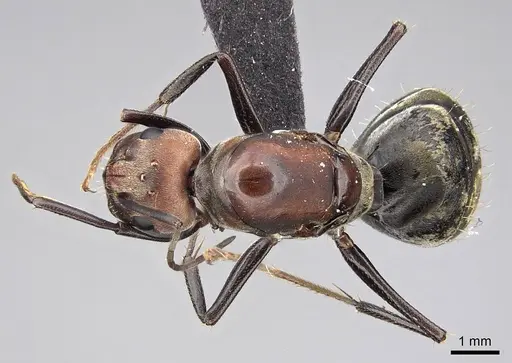
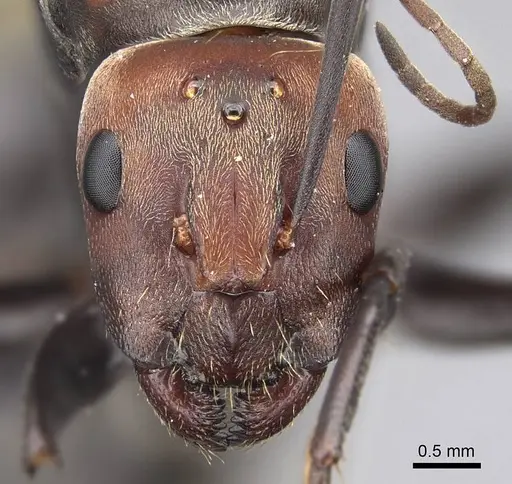
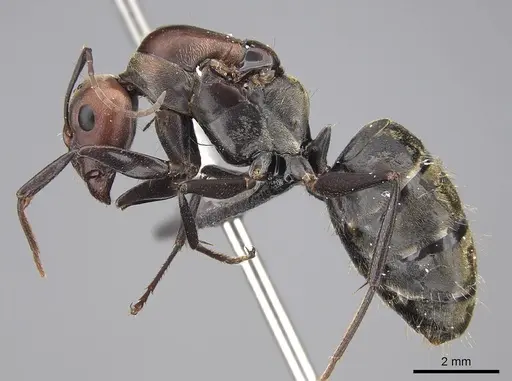
CASENT0066892
View on AntWeb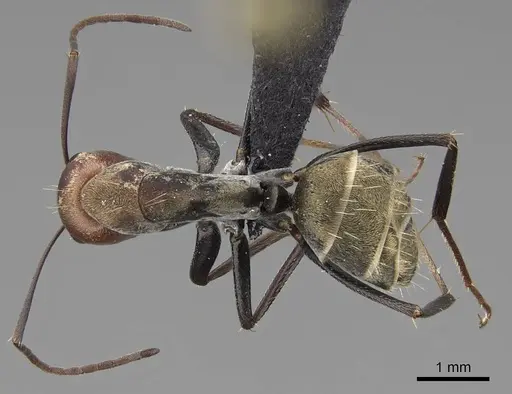
CASENT0905351
View on AntWeb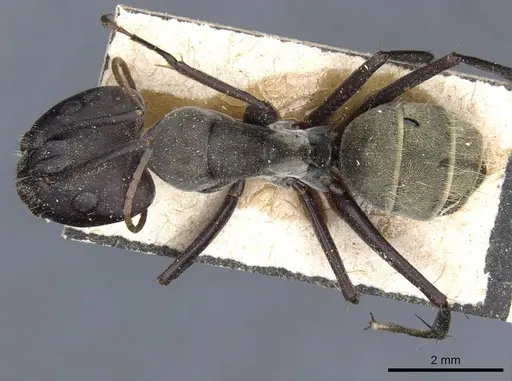
CASENT0905352
View on AntWeb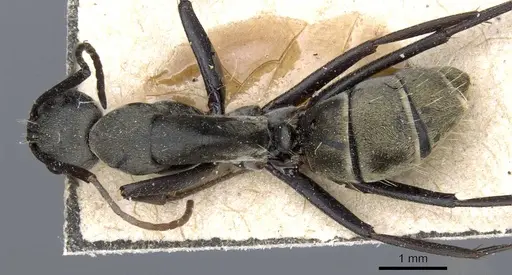
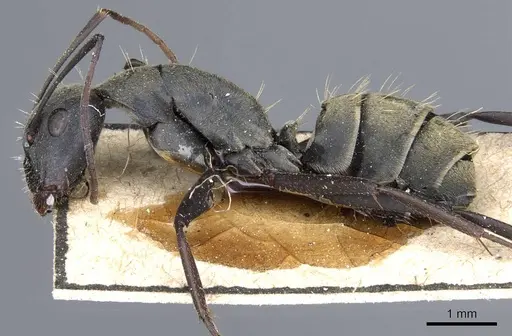
CASENT0906958
View on AntWeb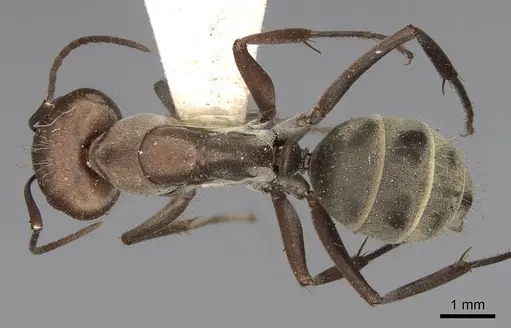
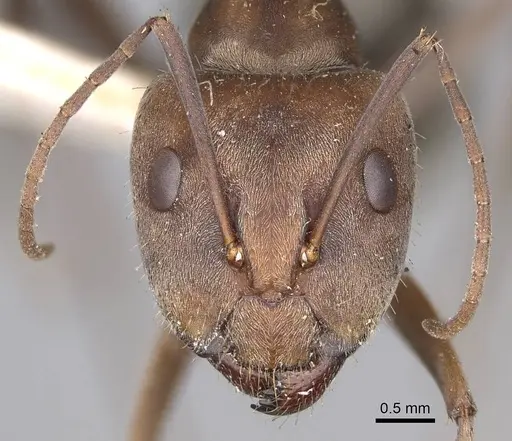
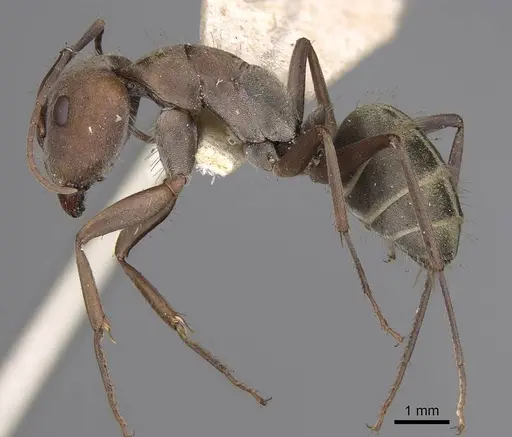
CASENT0906959
View on AntWeb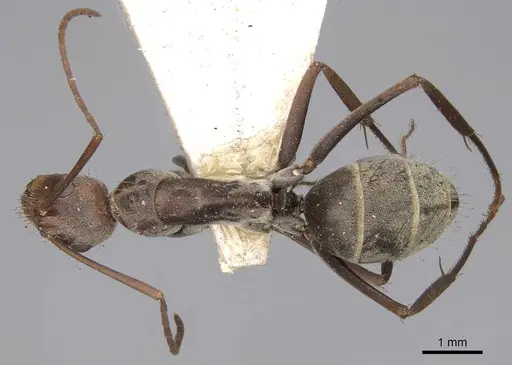
CASENT0910326
View on AntWeb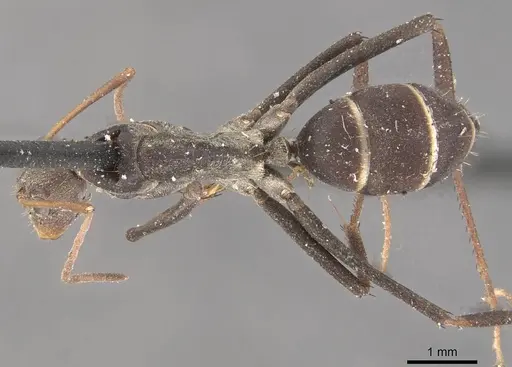
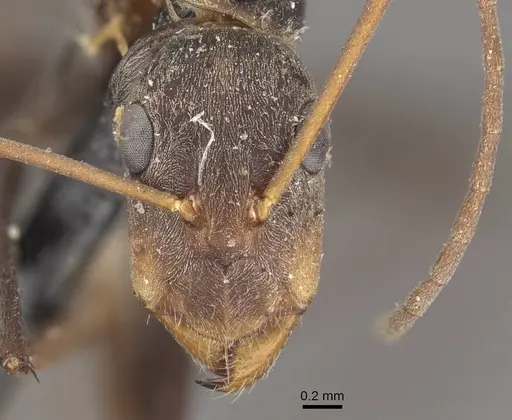
CASENT0910329
View on AntWeb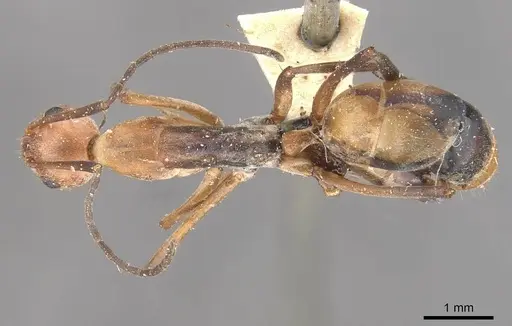
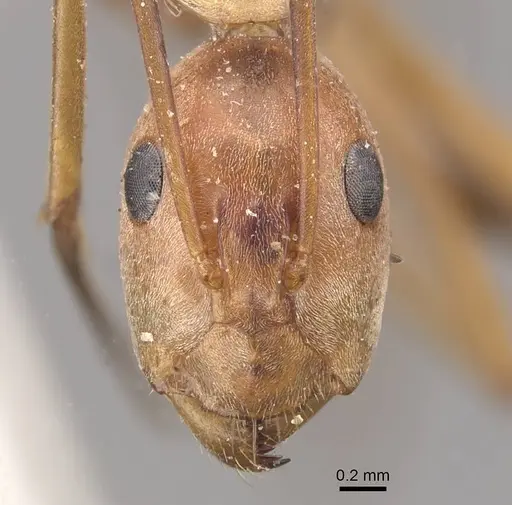
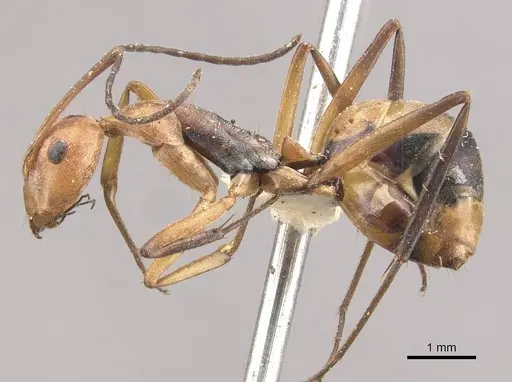
CASENT0911775
View on AntWeb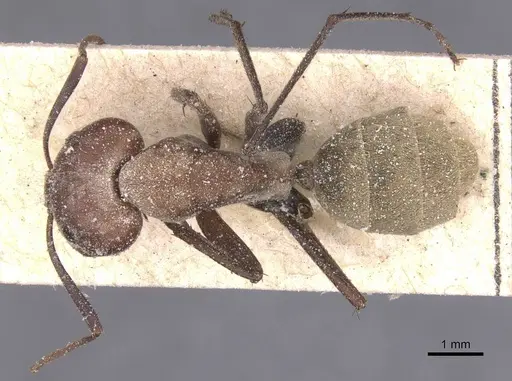
CASENT0911776
View on AntWeb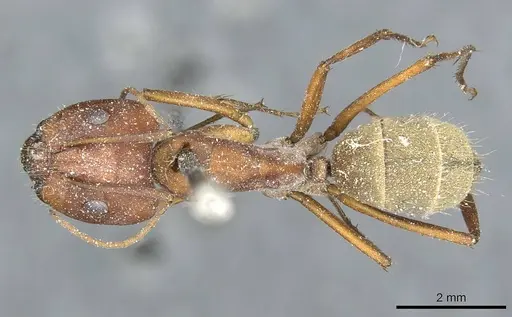
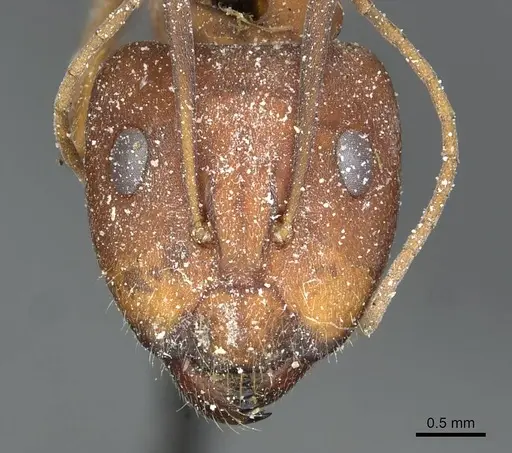
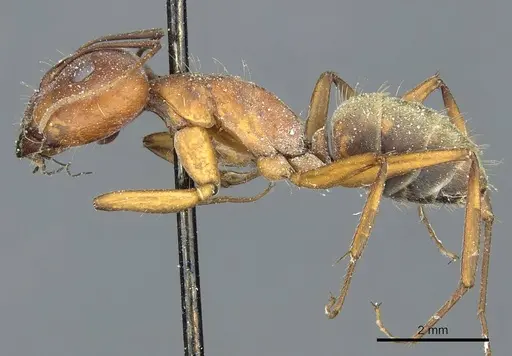
CASENT0911777
View on AntWeb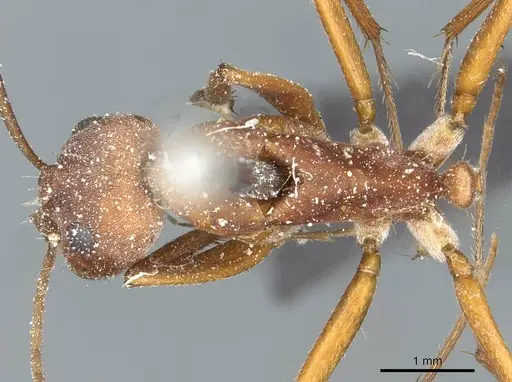
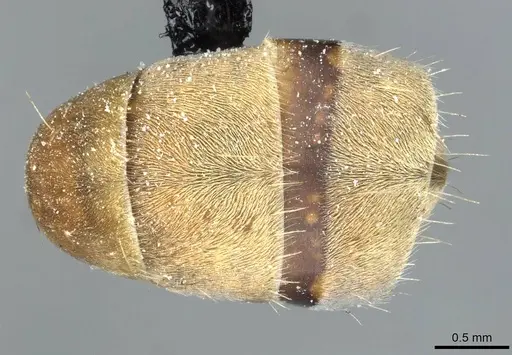
CASENT0911778
View on AntWeb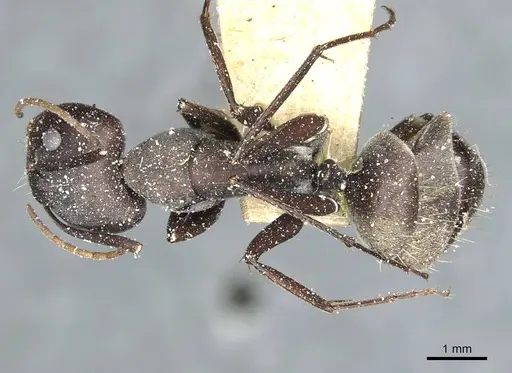
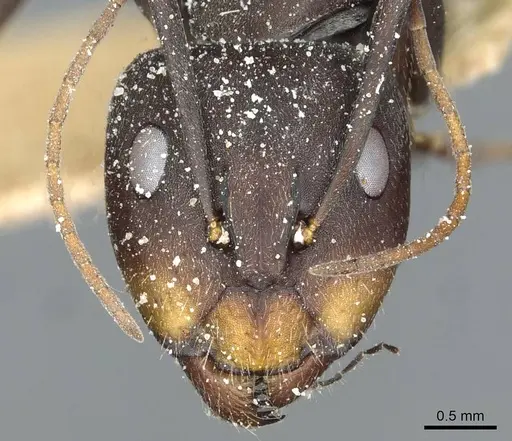
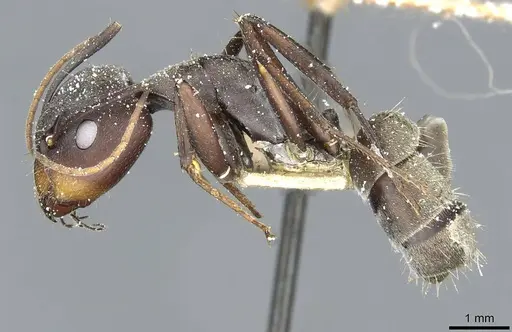
CASENT0911779
View on AntWeb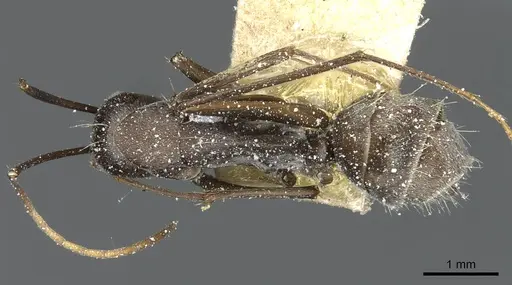
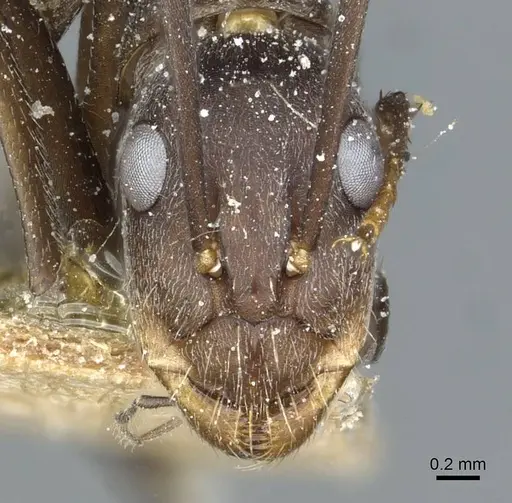
FOCOL0564
View on AntWeb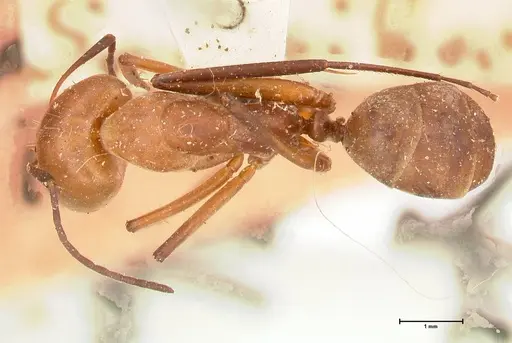
FOCOL0565
View on AntWeb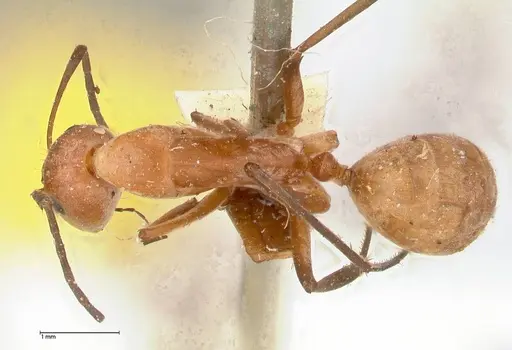
FOCOL0566
View on AntWeb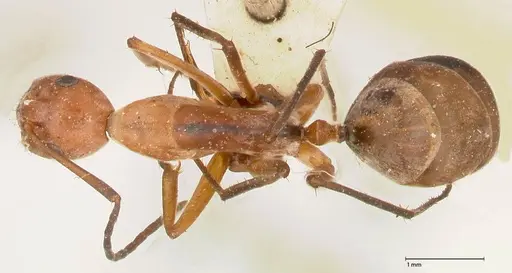
FOCOL2478
View on AntWeb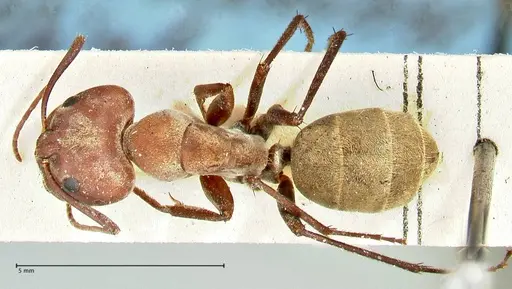
FOCOL2479
View on AntWeb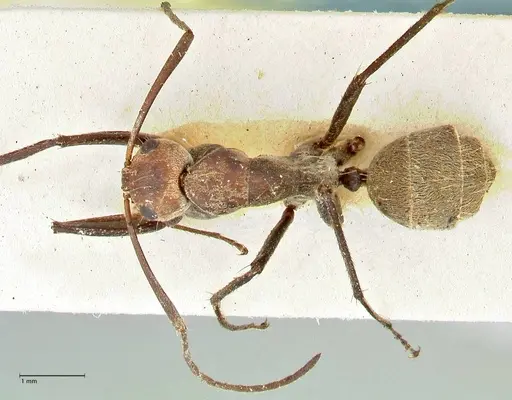
FOCOL2480
View on AntWeb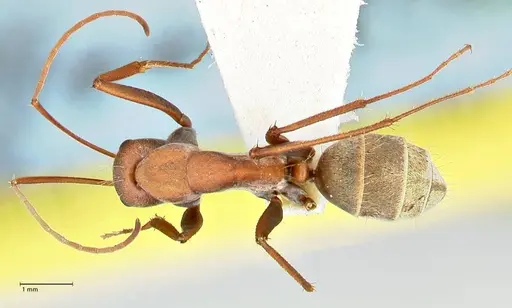
FOCOL2482
View on AntWeb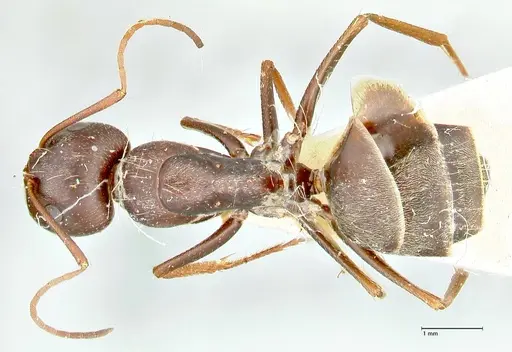
RMCAENT000017810
View on AntWeb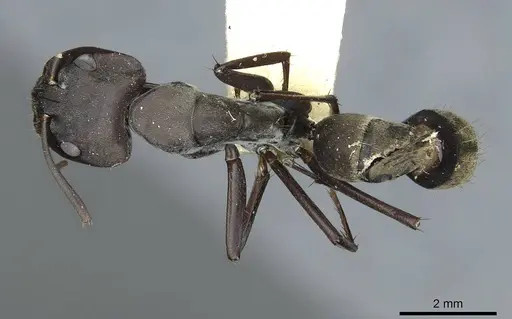
RMCAENT000017811
View on AntWeb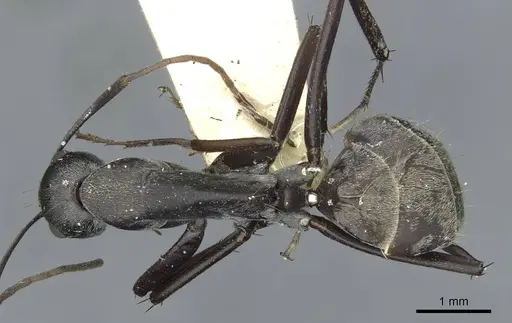
Literature
Loading distribution map...Loading products...