
Camponotus rufifemur
- Sci. Name
- Camponotus rufifemur
- Subgenus
- Myrmotarsus
- Tribe
- Camponotini
- Subfamily
- Formicinae
- Author
- Emery, 1900
- Distribution
- Found in 3 countries
Introduction
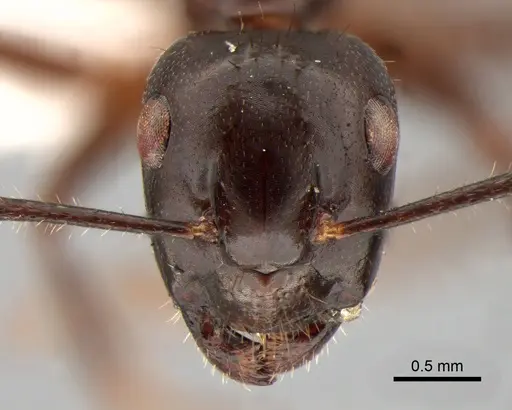
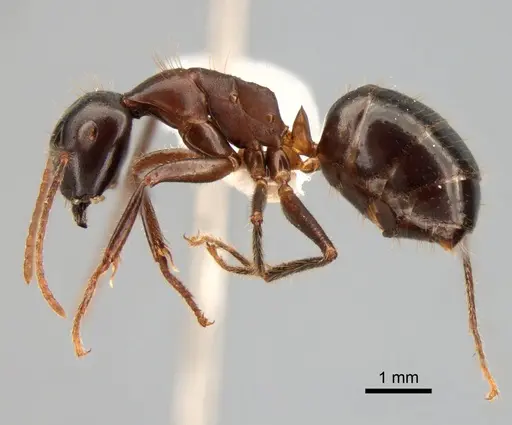
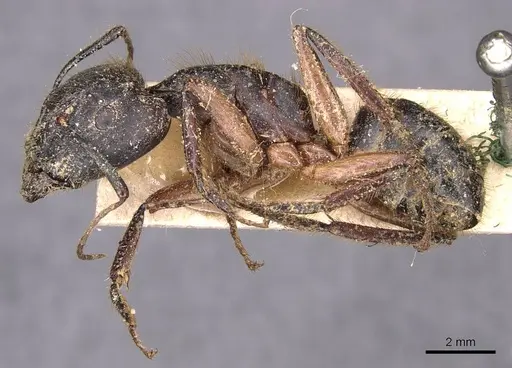
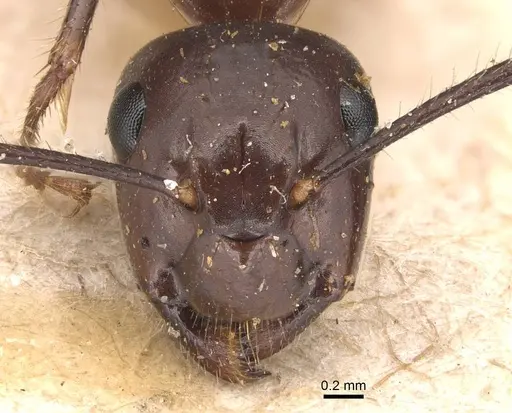
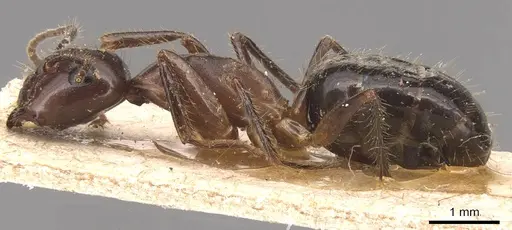
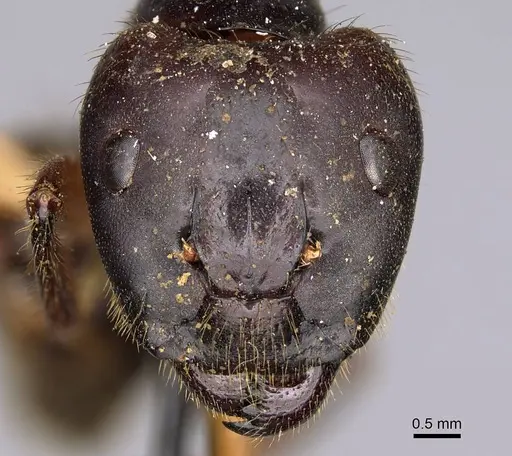
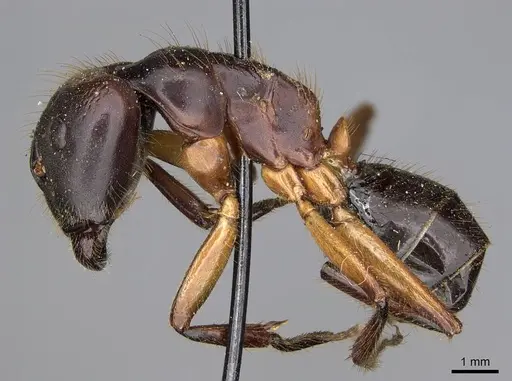
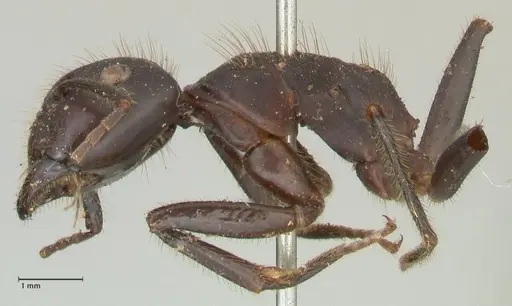
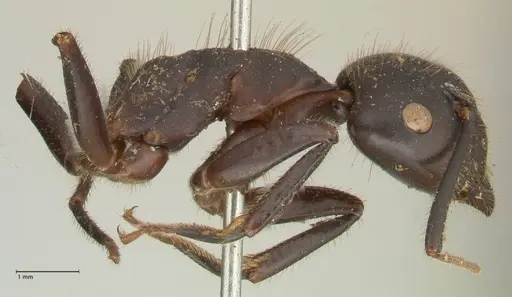
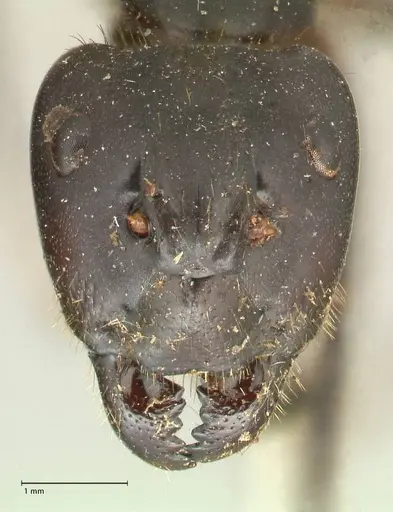
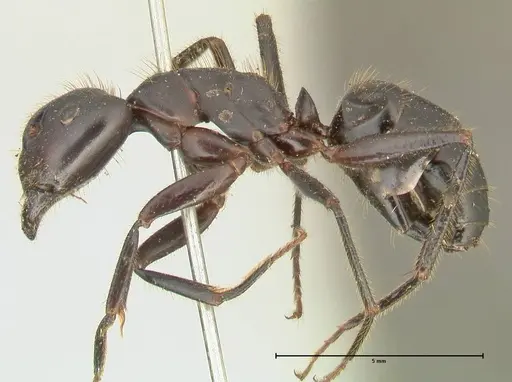
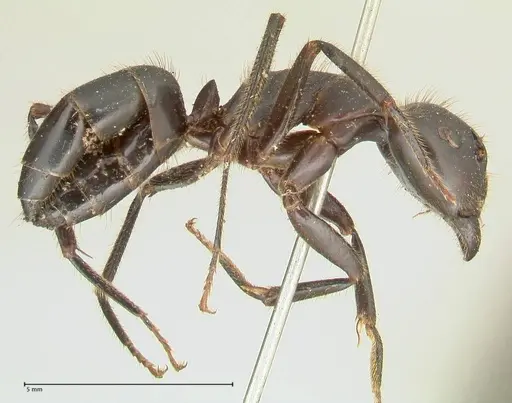
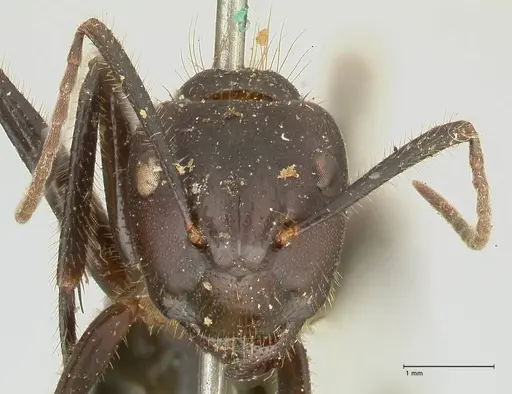
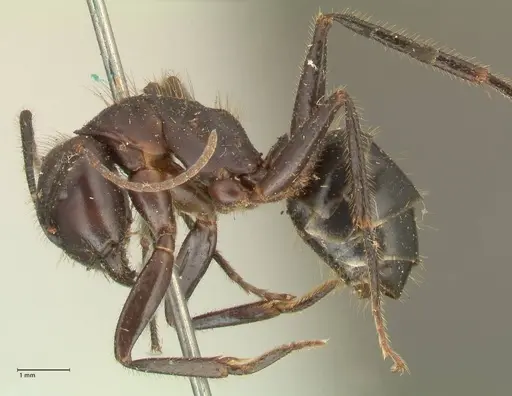
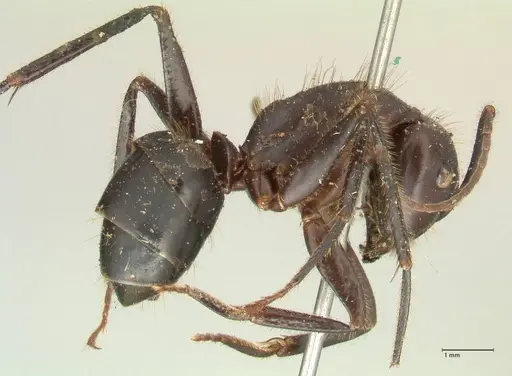
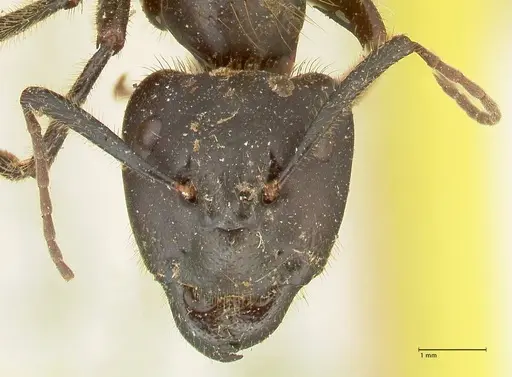
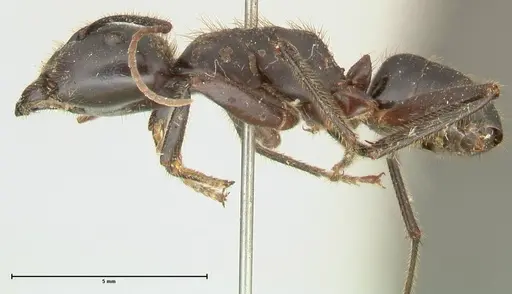
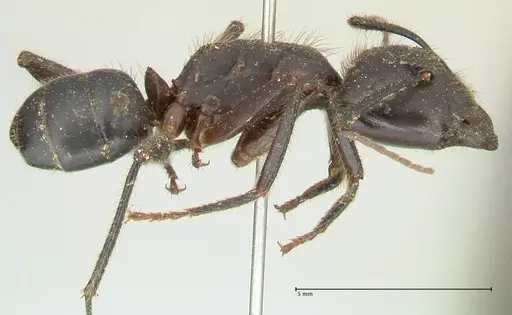
Camponotus rufifemur is a large polymorphic carpenter ant native to Southeast Asian rainforests. Workers range from 5-13mm, with major workers significantly larger than media and minor workers. The species occurs in two distinct color varieties - a red variety with reddish alitrunk and light red-brown legs, and a black variety with black alitrunk and dark red-brown legs. These varieties are chemically distinct and likely represent separate species . This ant is famous for its parabiotic relationship with Crematogaster modiglianii - they share nests in tree trunks and forage together peacefully, though they keep their brood separate . C. rufifemur benefits from the smaller ant's trail pheromones and nest-building abilities while providing powerful defense.
Quick Summary
- Difficulty: Medium
- Origin & Habitat: Southeast Asian rainforests, found in Borneo, India, Indonesia (Sumatra), Malaysia (Sarawak), Thailand, and Vietnam. They live in tree trunks in parabiotic association with Crematogaster modiglianii [1][3][4].
- Colony Type: Likely monogyne based on typical Camponotus patterns. Colonies contain multiple queens in parabiotic nests with Crematogaster modiglianii, but the C. rufifemur colony structure appears to be single-queen [1].
- Size & Growth:
- Queen: size data unavailable
- Worker: 5-13mm polymorphic (media and major workers) [1]
- Colony: up to several thousand workers, estimated from typical Camponotus colony sizes
- Growth: Moderate
- Development: estimated 6-8 weeks at optimal temperature based on genus patterns (Development time inferred from typical Camponotus development at tropical temperatures)
- Antkeeping:
- Temperature: Keep warm and stable, roughly low-to-mid 20s°C, they are a tropical species from warm rainforest habitats [1]
- Humidity: Keep the nest substrate consistently moist but not waterlogged, rainforest species that nests in tree trunks where moisture is stable
- Diapause: No, tropical species does not require hibernation [1]
- Nesting: Y-tong (AAC) or plaster nests work well. Provide a water tube for humidity. Since they naturally nest in tree trunks, they prefer vertical or slightly angled setups with chambers sized to their polymorphic worker sizes
- Behavior: Mainly nocturnal, significantly more active at night than during day [1]. Major workers are highly effective at nest defense and will attack intruders within 30 seconds. They show very low intraspecific nestmate recognition, meaning colonies may not distinguish between nestmates and non-nestmates of the same variety. They peacefully coexist with Crematogaster modiglianii but will attack other ant species. They follow Crematogaster modiglianii pheromone trails to find food, this is informational parasitism where they benefit from the smaller ant's trail-making abilities [1][3]. Escape risk is moderate, use standard barriers.
- Common Issues: tropical species cannot tolerate cool temperatures, keep above 24°C, parabiotic nature means they may be stressed without Crematogaster association, consider providing visual barriers from other ant species, low nestmate recognition means colony introduction may be straightforward but verify queen presence, large polymorphic workers need appropriately sized chambers, high humidity requirements can lead to mold if ventilation is poor
Nest Preferences and Housing
In the wild, Camponotus rufifemur nests in tree trunks in parabiotic association with Crematogaster modiglianii. They never nest alone, the partnership is essential to their natural history [1]. For captive care, Y-tong (AAC) nests or plaster nests work well. Provide a water tube or hydration system to maintain humidity. The nest should be vertical or slightly angled to mimic their natural tree-trunk nesting. Because workers are polymorphic (5-13mm), provide a mix of chamber sizes, smaller chambers for minor workers and larger chambers that can accommodate major workers [1]. A test tube setup can work for founding colonies, but transfer to a formicarium once the colony reaches 20-30 workers.
Feeding and Diet
Camponotus rufifemur is omnivorous like most carpenter ants. They accept sugar sources (honey, sugar water) and protein (insects, frozen fruit flies, mealworms). In the wild, they exploit food sources found through following Crematogaster modiglianii trails, they typically arrive at baits minutes after the smaller ants [5]. They are mainly nocturnal foragers, so offer food in the evening for best acceptance. Feed protein 2-3 times per week and keep sugar water available constantly. As a large species, they can handle larger prey items than tiny ants.
Temperature and Care
As a tropical rainforest species from Southeast Asia, Camponotus rufifemur requires warm temperatures. Keep the nest in the low-to-mid 20s°C range, this is warmer than most temperate ant species require. A heating cable on one side of the nest can help maintain optimal temperature, but place it on top of the nest rather than underneath to avoid excessive drying. Room temperature may be too cool in winter, use a small heat mat or place the nest in a warm room. They do not require hibernation (diapause) since they are tropical [1]. High humidity is essential, mist occasionally and ensure the water tube is filled, but avoid waterlogging the nest.
Behavior and Colony Dynamics
This species has remarkably unusual social behavior. They live in parabiotic association with Crematogaster modiglianii, sharing nests and foraging together peacefully while keeping brood separate [3]. C. rufifemur benefits from the smaller ant's trail pheromones (they follow Crematogaster trails to find food) and nest-building abilities, while providing defense with their larger, more aggressive majors [1]. Major workers are excellent defenders, they can kill intruders within 30 seconds and significantly improve nest defense success [1]. The species shows very low intraspecific nestmate recognition, meaning workers from different colonies of the same color variety may not recognize each other as foreign [3]. There are two color varieties (red and black) that are chemically distinct and likely represent cryptic species, do not mix them [3][2]. They are mainly nocturnal.
Understanding the Parabiotic Relationship
The parabiotic relationship between Camponotus rufifemur and Crematogaster modiglianii is one of the most well-studied ant mutualisms. These two species share nests in tree trunks but maintain separate brood chambers, they do not mix their larvae or pupae [3]. This arrangement benefits both species: C. modiglianii gains protection from the larger, more aggressive C. rufifemur majors that defend the nest, while C. rufifemur exploits the trail pheromones and nest-building capabilities of Crematogaster [6]. In captivity, you cannot replicate this exact relationship, but understanding it helps explain their behavior: they are adapted to coexist peacefully with other ant species and may be less aggressive toward tankmates than typical ants. However, they will readily attack other ant species that approach their nest or food.
Unique Antenna Cleaner
Camponotus rufifemur has a remarkably sophisticated antenna cleaner. It works like a clamp with a concave notch on the basitarsus and a flexible spur on the tibia, both covered in specialized cleaning structures [7]. The cleaning process involves clamping the antenna between these parts and pulling it through. Studies show ants typically pull their antenna through twice before cleaning the cleaner itself (33% do it once, 58% twice, 9% more than twice) [7]. The system acts like a series of sieves, large bristles remove particles over 20 micrometers, combs handle medium particles around 5-20 micrometers, and brush-like structures catch tiny particles under 5 micrometers through adhesion [7]. Two cleaning strokes can remove 84% of particles from the antenna surface.
Frequently Asked Questions
Can I keep Camponotus rufifemur in a test tube?
Yes, test tubes work for founding colonies. Use a standard test tube with a water reservoir (cotton ball at one end). Once the colony reaches 20-30 workers, transfer to a proper formicarium like a Y-tong or plaster nest to accommodate their size and humidity needs.
When should I move Camponotus rufifemur to a formicarium?
Transfer to a formicarium when the colony reaches 20-30 workers. They are a large species and need appropriately sized chambers. A Y-tong or plaster nest with a water tube works well for maintaining humidity.
How long until first workers in Camponotus rufifemur?
First workers (nanitics) typically appear in 6-8 weeks at optimal tropical temperatures. This is based on typical Camponotus development patterns since specific development data for this species is not available.
Are Camponotus rufifemur good for beginners?
This species is rated as medium difficulty. They require warm temperatures and high humidity, which is more demanding than temperate species. They are also a tropical species without hibernation requirements. If you can maintain stable warm, humid conditions, they are rewarding due to their large size and interesting behavior.
Do Camponotus rufifemur need hibernation?
No, they do not require hibernation. As a tropical rainforest species from Southeast Asia, they are active year-round. Keep them warm throughout the year.
Can I keep multiple queens together?
Not recommended, combining unrelated queens of this species has not been documented. In the wild, they form parabiotic nests with Crematogaster, not other Camponotus queens. Start with a single queen colony.
Why are my Camponotus rufifemur dying?
The most common causes are: temperature too cool (must stay above 24°C), humidity too low, or stress from improper handling. This tropical species is sensitive to cool conditions. Also ensure they have protein food 2-3 times weekly and sugar water always available.
What do Camponotus rufifemur eat?
They are omnivorous. Offer protein sources like insects (mealworms, fruit flies, small crickets) 2-3 times per week, and keep sugar water or honey available constantly. They are mainly nocturnal, so evening feeding often yields better results.
How big do Camponotus rufifemur colonies get?
Colonies likely reach several thousand workers based on typical Camponotus sizes. Major workers can reach 13mm, making them impressive display ants. The colony grows moderately, not as fast as some smaller species but substantial with time.
Report an Issue
The current care sheet is based fully on literature. See inconsistencies, or something that's incorrect? Please , it will be resolved after review from an admin. Contributing to the blogs tab also helps providing information, to make us be able to further improve the caresheets. Thank you for your support!
References

This caresheet is licensed under CC BY-SA 4.0 .
Community Blogs
CASENT0882011
View on AntWeb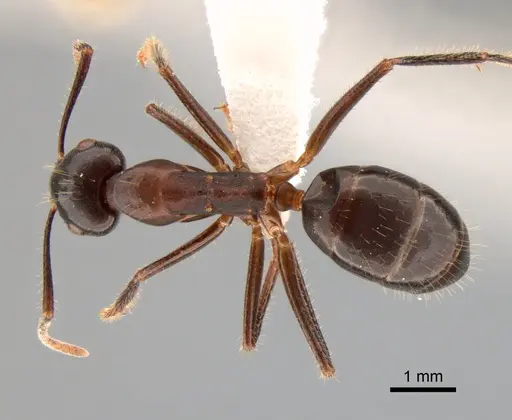
CASENT0882012
View on AntWeb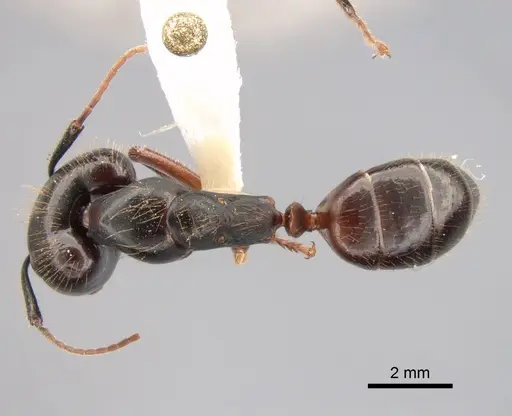
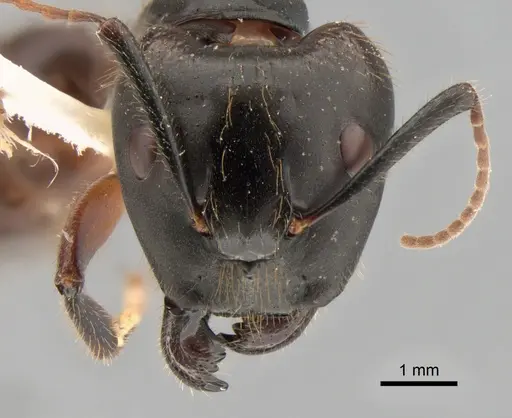
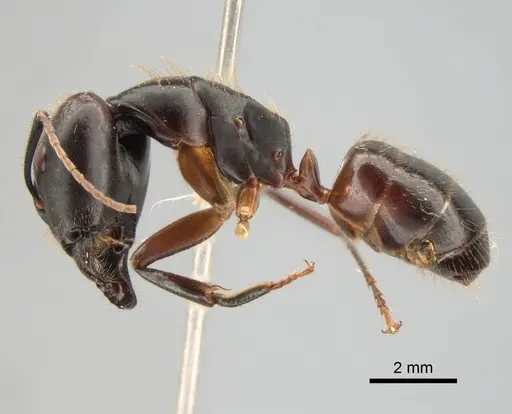
CASENT0905437
View on AntWeb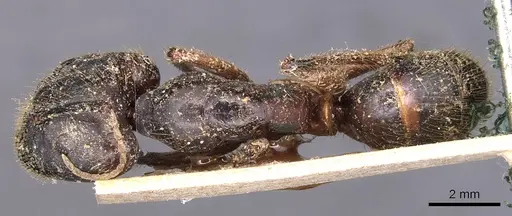
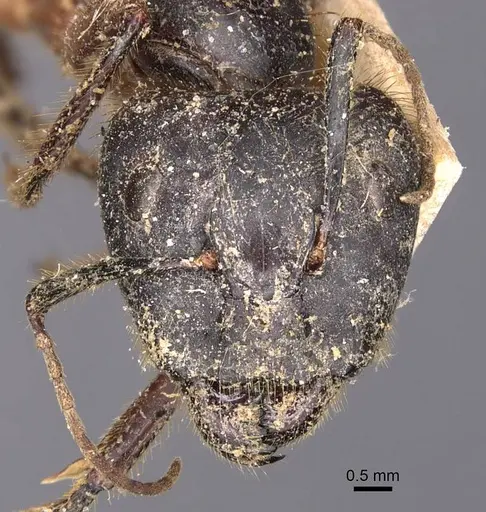
CASENT0905438
View on AntWeb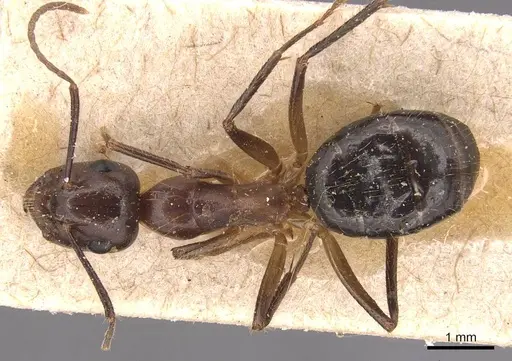
CASENT0906960
View on AntWeb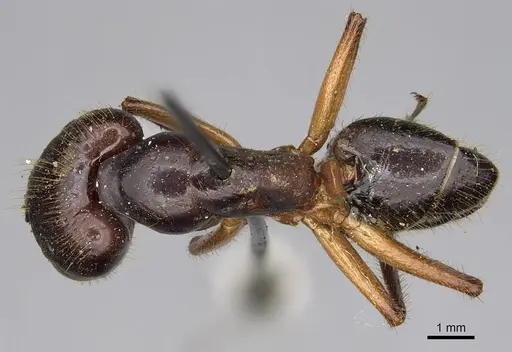
CASENT0906961
View on AntWeb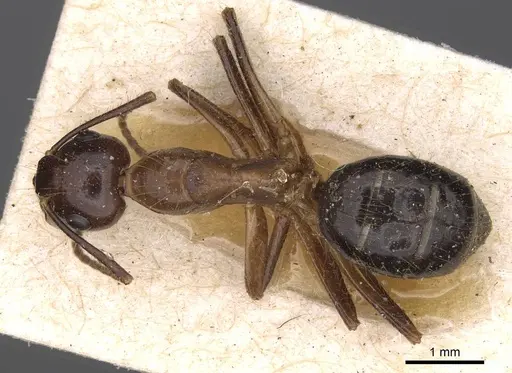
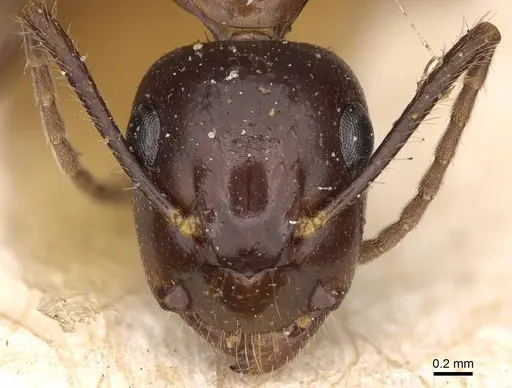
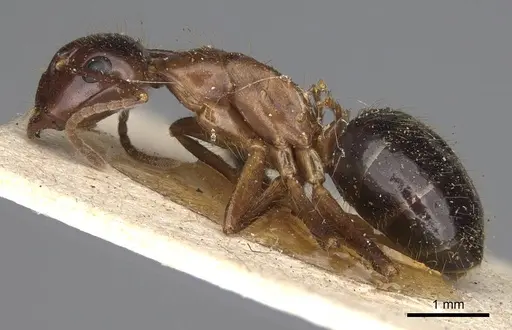
FOCOL2333
View on AntWeb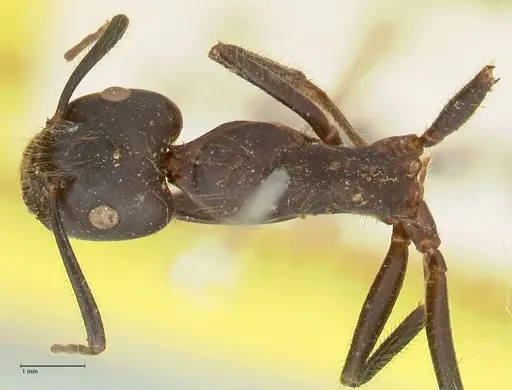
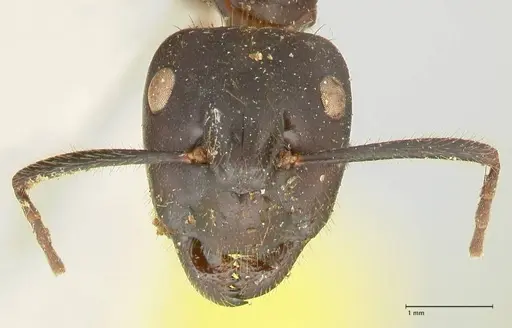
FOCOL2334
View on AntWeb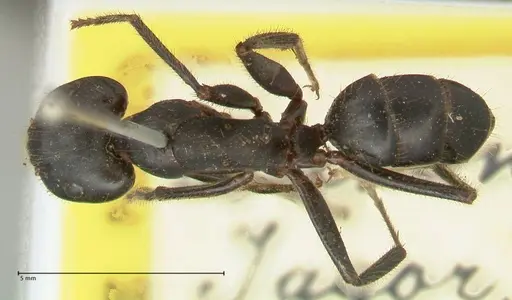
FOCOL2335
View on AntWeb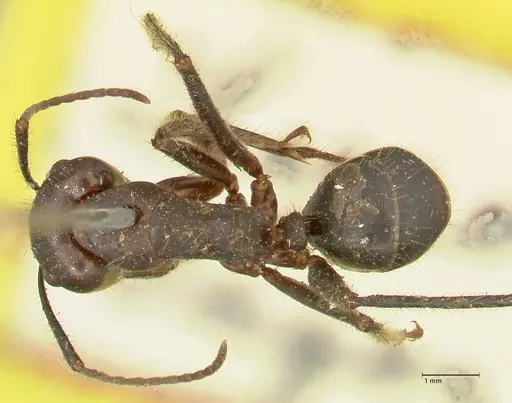
FOCOL2336
View on AntWeb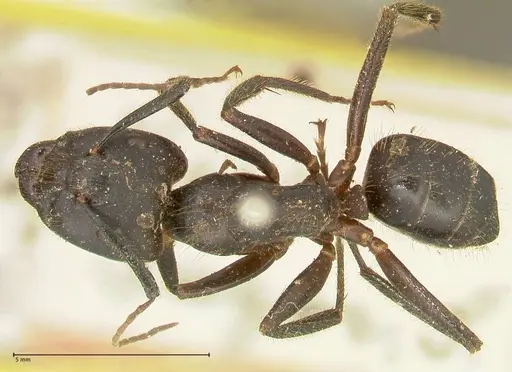
Literature
Loading distribution map...Loading products...