
Red Bristly Sugar ant
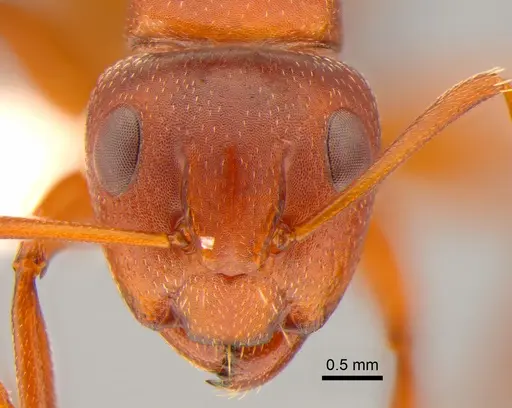
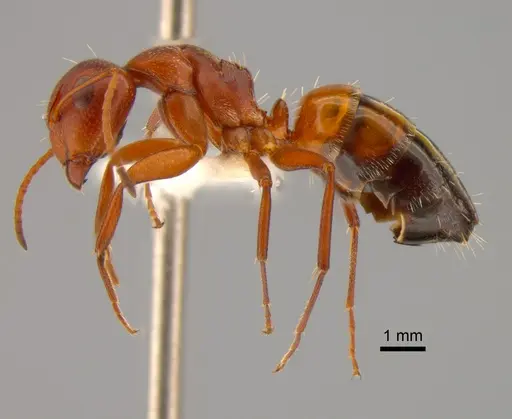
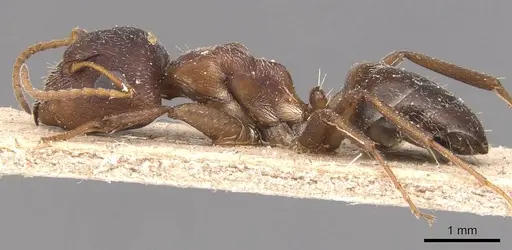
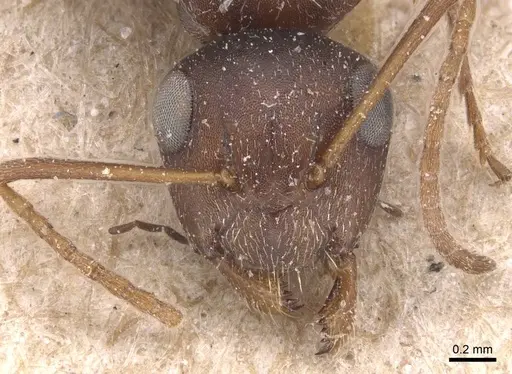
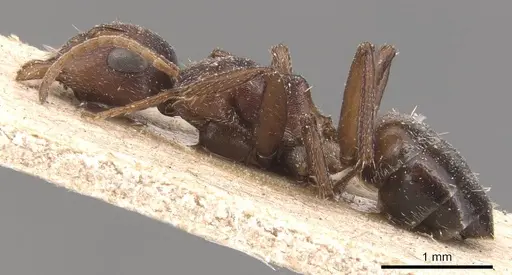
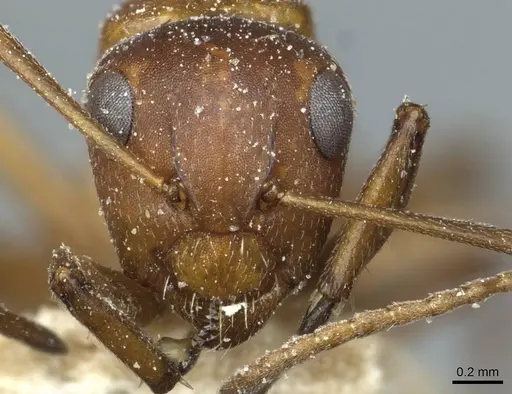
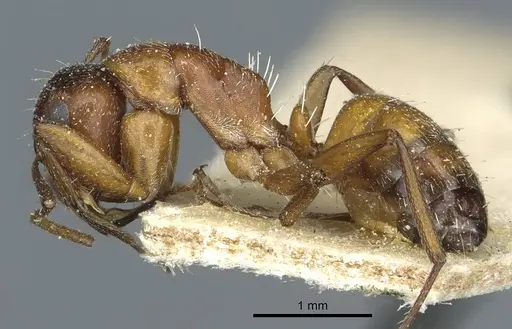
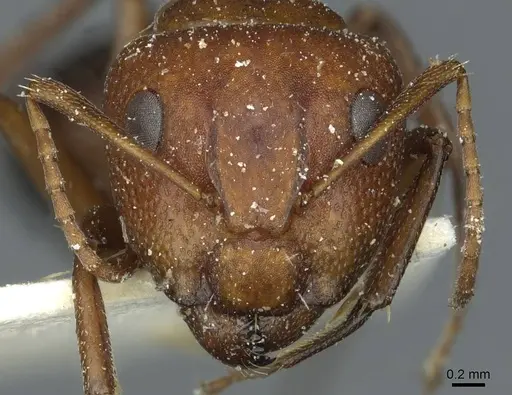
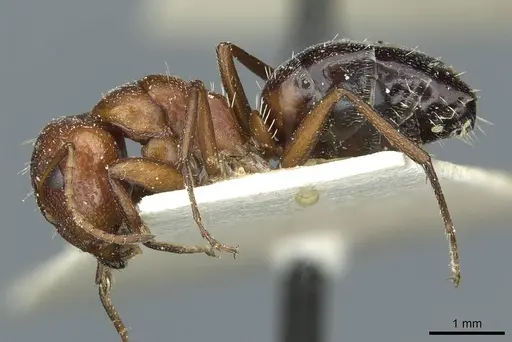
Camponotus robecchii
- Sci. Name
- Camponotus robecchii
- Subgenus
- Myrmotrema
- Tribe
- Camponotini
- Subfamily
- Formicinae
- Author
- Emery, 1892
- Common Name
- Red Bristly Sugar ant
- Distribution
- Found in 5 countries
Introduction
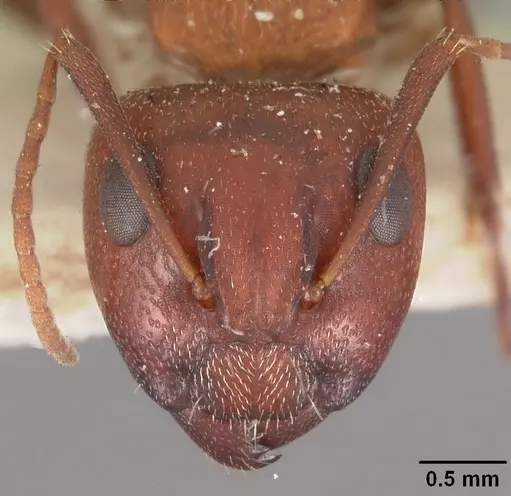
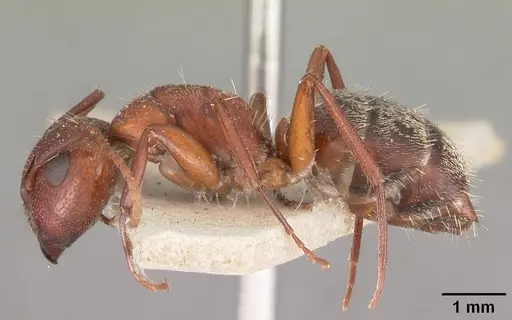
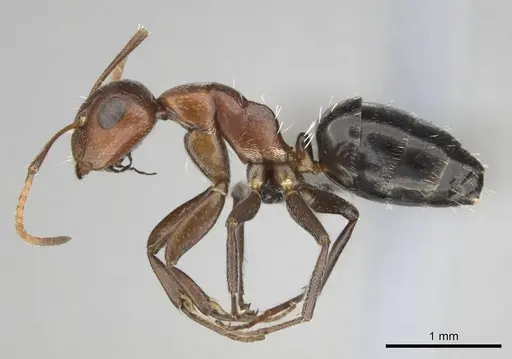
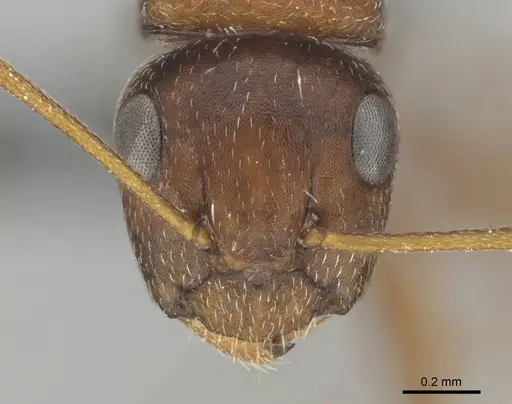
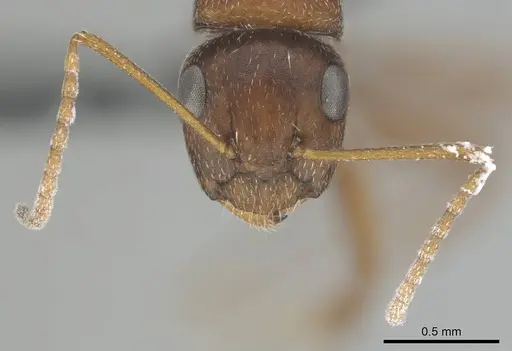
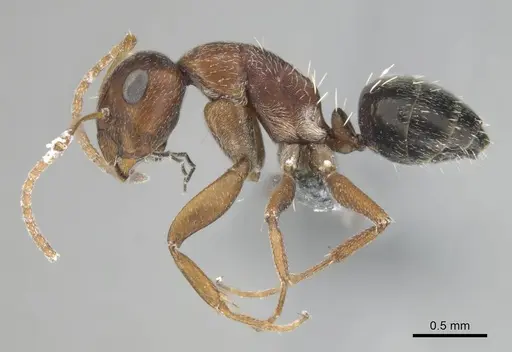
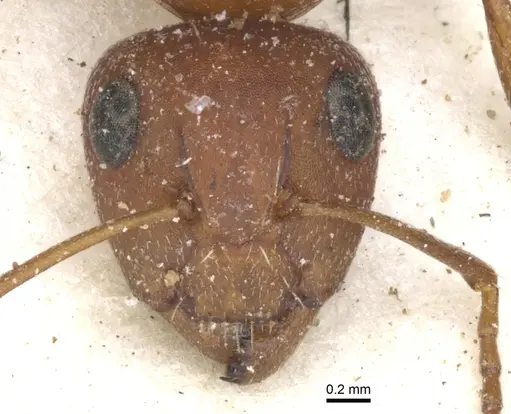
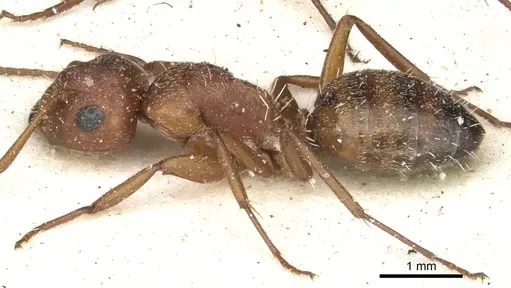
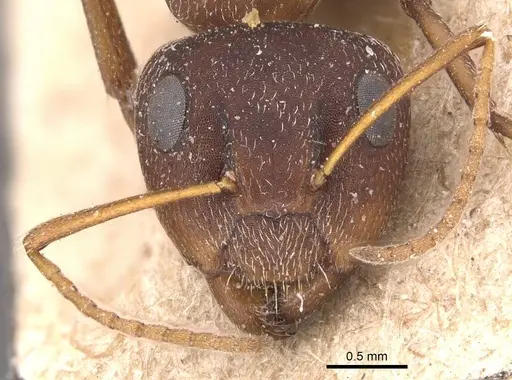
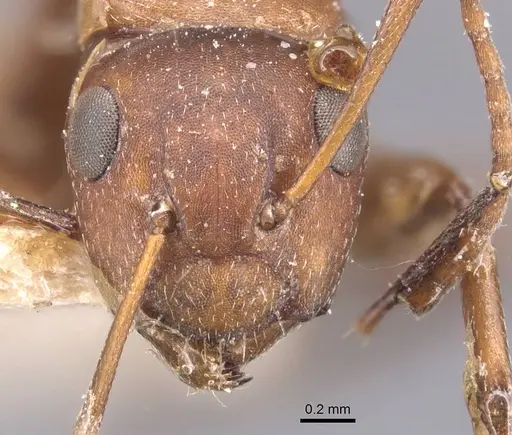
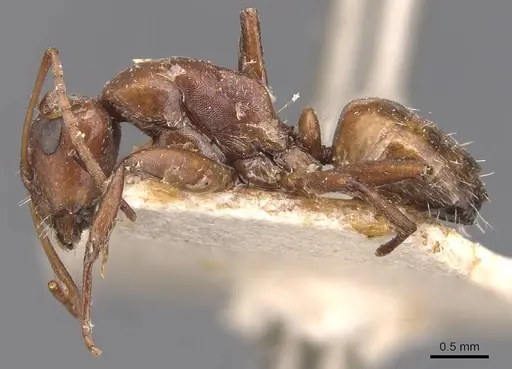
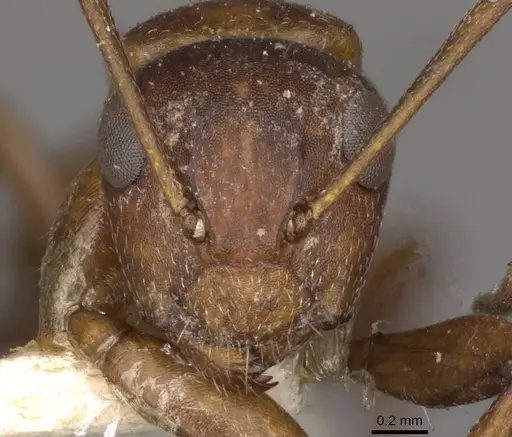
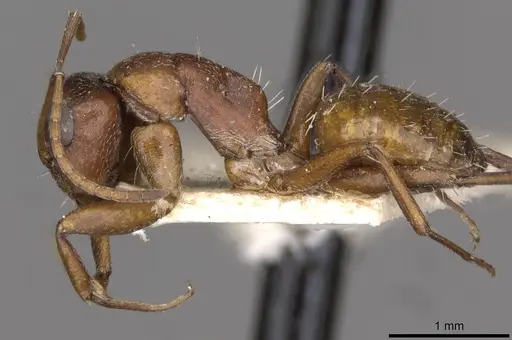
Camponotus robecchii is an African ant species in the subfamily Formicinae, belonging to the Myrmotrema subgenus. Workers are polymorphic with major and minor castes, typical of Camponotus ants. The species was described by Emery in 1892 from Somalia (Obbia) and currently includes five recognized subspecies across eastern and southern Africa: C. r. abyssinicus, C. r. assumptionis, C. r. clyne, C. r. rhodesianus, and C. r. troglodytes [AntWiki]. This ant inhabits hot, dry to semi-arid regions including Eritrea, Kenya, Namibia, Somalia, Yemen, and Zimbabwe [AntWiki]. As a Formicine ant, they lack a functional stinger but can spray formic acid from an acidopore as a defense mechanism. The species remains poorly studied in scientific literature.
Quick Summary
- Difficulty: Medium
- Origin & Habitat: Eastern Africa and Yemen, hot, dry to semi-arid regions including savanna and thorn forest habitats [2][3][1]
- Colony Type: Colony structure has not been documented for this species. Based on typical Camponotus patterns, single-queen colonies are likely but unconfirmed.
- Size & Growth:
- Queen: Size data unavailable, inferred from Camponotus genus (~12-15 mm)
- Worker: Size data unavailable, typical for Camponotus Myrmotrema species major workers are larger than minors
- Colony: Likely reaches several thousand workers at maturity based on genus patterns
- Growth: Growth rate is unconfirmed, likely moderate based on typical Camponotus development
- Development: Development time is unconfirmed for this species. Based on typical Camponotus patterns, expect 6-8 weeks at optimal temperature. (Development time inferred from genus-level data, specific measurements for this species are unavailable)
- Antkeeping:
- Temperature: Keep at 24-28°C, they originate from hot African regions and need warmth to develop properly. A heating cable on one side of the nest creates a suitable gradient
- Humidity: Low to moderate, these are dry-region ants. Keep nest substrate slightly moist but allow portions to dry between waterings. Avoid excessive moisture which can cause fungal problems in their native dry climate.
- Diapause: Unlikely, being from tropical/subtropical Africa, they probably do not require a true hibernation. However, a slight cooling period during winter months may be beneficial if kept in temperate climates.
- Nesting: In nature they likely nest in soil or under stones in dry ground. In captivity, a Y-tong (AAC) nest or plaster formicarium works well. Ensure some dry areas are available within the nest for them to regulate moisture exposure.
- Behavior: Typical Camponotus temperament, generally calm and not aggressive toward keepers. Workers are active foragers, primarily at night. As Formicinae, they can spray formic acid when threatened but pose no real danger to humans. Major workers can deliver a mild bite but rarely attempt to. Escape risk is moderate, use standard Camponotus escape prevention (fluon on rim edges).
- Common Issues: limited availability, this species is rarely available in the antkeeping hobby., poor documentation, specific care requirements are inferred from genus patterns rather than species-specific studies., overheating risk, being from hot climates, they tolerate heat well but can dry out quickly if humidity is too low., founder mortality, claustral queens may fail if disturbed during the sealing period., escape prevention, majors can grip surfaces well and may climb out of poorly secured setups.
Housing and Nest Setup
Camponotus robecchii does well in standard ant keeping setups. A Y-tong (AAC) nest works excellently for this species, providing the dark, secure environment they prefer. The chambers should be appropriately sized, not too large for a founding colony, but spacious enough for a mature colony to expand. For founding colonies, a test tube setup with a water reservoir works well. Once the colony reaches 30-50 workers, you can consider moving them to a formicarium. Ensure the nest has some areas where the substrate can dry out, as these dry-region ants prefer varying moisture levels. A small outworld for foraging allows workers to hunt and explore.
Feeding and Nutrition
Like most Camponotus species, C. robecchii is omnivorous. They readily accept sugar sources including honey water, sugar water, and ripe fruit. For protein, offer insects such as mealworms, crickets, and other small arthropods. In the wild, these ants likely forage for honeydew from aphids and scale insects, plus dead insects. Feed a few times per week, offer protein 2-3 times weekly and keep a sugar source constantly available. Remove uneaten prey after 24-48 hours to prevent mold. Colonies in the founding stage need minimal food, the queen will consume stored fat reserves while raising her first brood.
Temperature and Heating
Being from eastern Africa, these ants need warm conditions. Maintain nest temperatures between 24-28°C for optimal brood development. Room temperature may suffice in warm climates, but most keepers use a heating cable or heating mat placed on one side of the nest to create a gentle thermal gradient. This allows ants to regulate their temperature by moving between warmer and cooler areas. Avoid temperatures below 20°C for extended periods, as this can slow development and weaken the colony. A thermometer in the nest area helps monitor conditions accurately.
Humidity and Water
Camponotus robecchii comes from relatively dry African regions, so they prefer lower humidity than many tropical ants. Keep the nest substrate lightly moist but not saturated. Allow portions to dry completely between waterings to prevent mold growth. A water tube or small water reservoir in the outworld provides drinking water. Mist the nest occasionally, but monitor carefully, too much moisture leads to fungal problems that can devastate colonies. The key is providing moisture gradients so ants can choose their preferred humidity zone.
Colony Development and Growth
A newly mated queen will seal herself in a claustral chamber and lay eggs after 1-2 weeks. Eggs develop through larval and pupal stages over 6-8 weeks at optimal temperature before the first workers (nanitics) emerge. These first workers are typically smaller than mature workers. After first workers, growth accelerates as the queen shifts to rapid egg production. Expect the colony to reach 50-100 workers within the first year under good conditions. Full maturity with major workers develops over 2-3 years. The colony will continue growing for several years, potentially reaching several thousand workers.
Behavior and Temperament
This species displays typical Camponotus behavior, generally peaceful and easy to handle. Workers are most active during evening and nighttime hours, though they will forage during the day if hungry. Majors serve as defenders and seed processors while minors handle brood care and general tasks. When threatened, workers may raise their abdomen and spray formic acid, though this is harmless to humans. They are not aggressive and rarely bite even when handled. The colony will establish defined foraging routes once established. Watching workers patrol and forage makes for engaging observation.
Frequently Asked Questions
How long does it take for Camponotus robecchii to produce first workers?
Expect first workers (nanitics) in 6-8 weeks at optimal temperature (24-28°C). This timeline is based on typical Camponotus development patterns, as species-specific data is not available.
What do Camponotus robecchii eat?
They are omnivorous. Offer sugar water or honey as a constant energy source, plus protein-rich foods like mealworms, crickets, or other insects 2-3 times weekly. They will also accept fruit.
Can I keep multiple queens together?
Not recommended. While colony structure is not documented for this species, Camponotus typically form single-queen colonies. Combining unrelated queens usually results in fighting.
Do Camponotus robecchii need hibernation?
Probably not. Being from tropical/subtropical Africa, they likely do not require a true hibernation. A slight temperature reduction in winter may be beneficial if kept in a temperate climate, but avoid temperatures below 18°C.
How big do Camponotus robecchii colonies get?
Based on typical Camponotus patterns, colonies likely reach several thousand workers at maturity over 3-5 years. Major workers appear once the colony is well-established.
What temperature is best for Camponotus robecchii?
Keep the nest at 24-28°C. Being from hot African regions, they need warmth for proper development. A heating cable on one side of the nest creates a suitable gradient.
Is Camponotus robecchii good for beginners?
This is a medium-difficulty species. They are more forgiving than some tropical ants but require warm conditions. They are also rarely available in the antkeeping hobby, making acquisition challenging.
When should I move Camponotus robecchii to a formicarium?
Wait until the colony has 30-50 workers and the test tube setup becomes cramped. Moving too early can stress the colony. Ensure the formicarium has appropriately sized chambers.
Why is my Camponotus robecchii colony declining?
Common causes include: too low temperature (below 20°C), excessive humidity causing mold, disturbance during founding, or poor nutrition. Review temperature, humidity, and feeding schedules. Ensure the queen is still present and laying eggs.
Report an Issue
The current care sheet is based fully on literature. See inconsistencies, or something that's incorrect? Please , it will be resolved after review from an admin. Contributing to the blogs tab also helps providing information, to make us be able to further improve the caresheets. Thank you for your support!
References

This caresheet is licensed under CC BY-SA 4.0 .
Community Blogs
CASENT0102312
View on AntWeb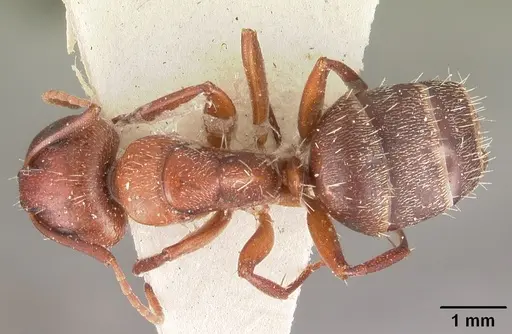
CASENT0102313
View on AntWeb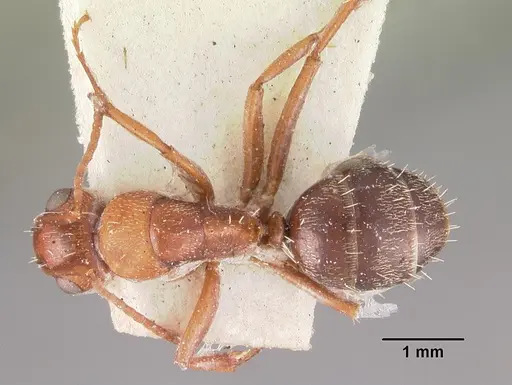
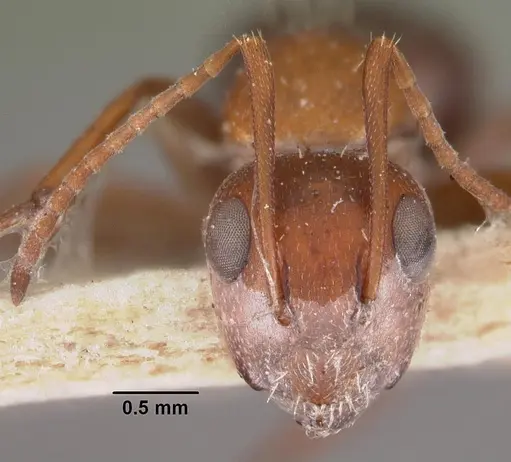
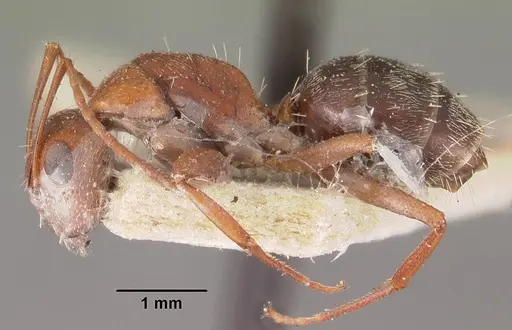
CASENT0235842
View on AntWeb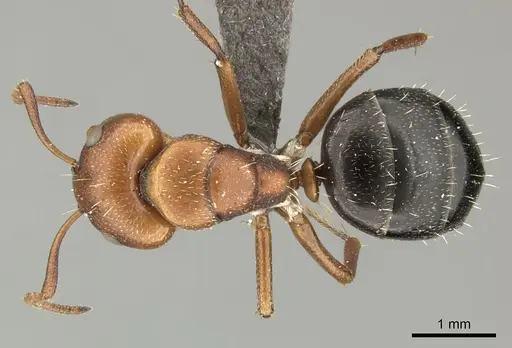
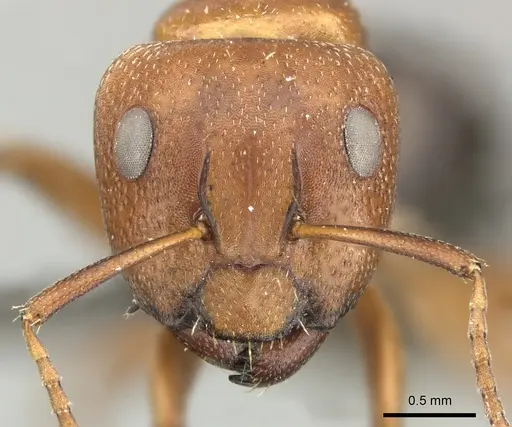
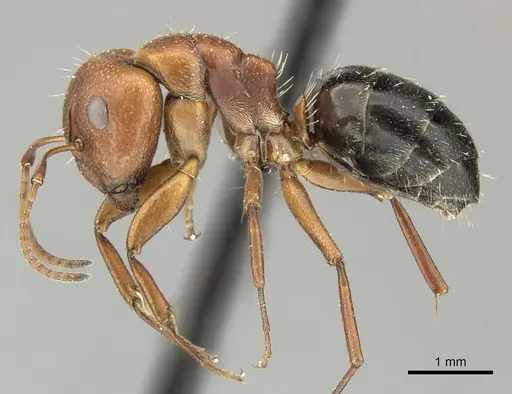
CASENT0255698
View on AntWeb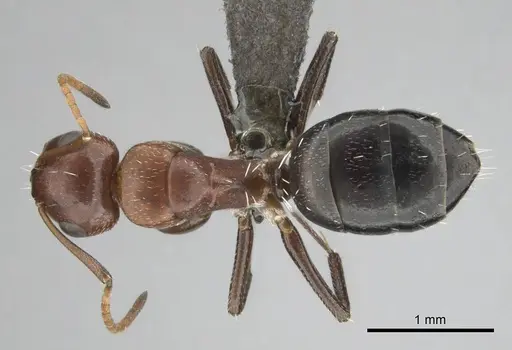
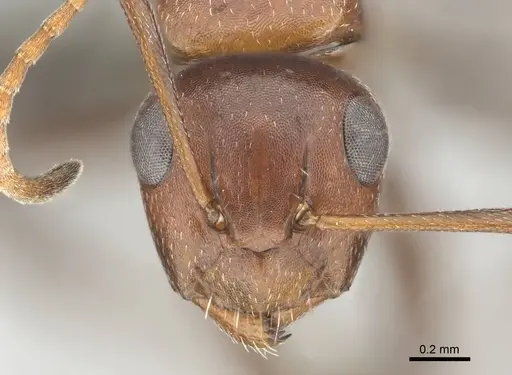
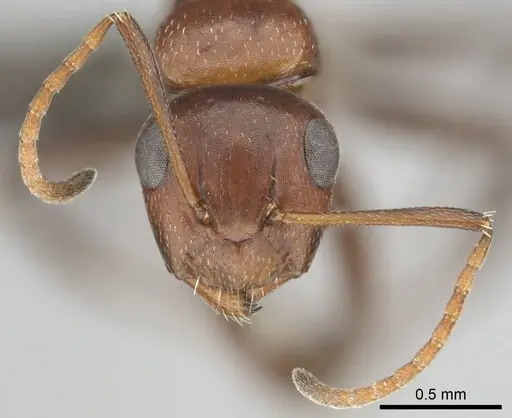
CASENT0257620
View on AntWeb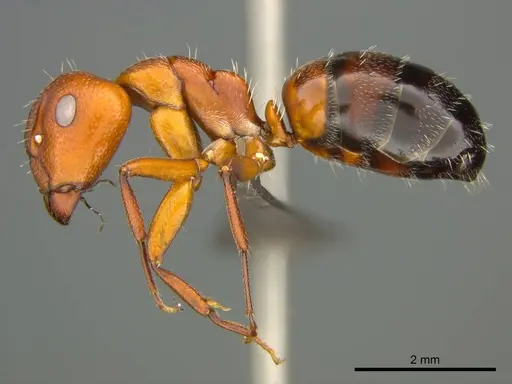
CASENT0814446
View on AntWeb
CASENT0882210
View on AntWeb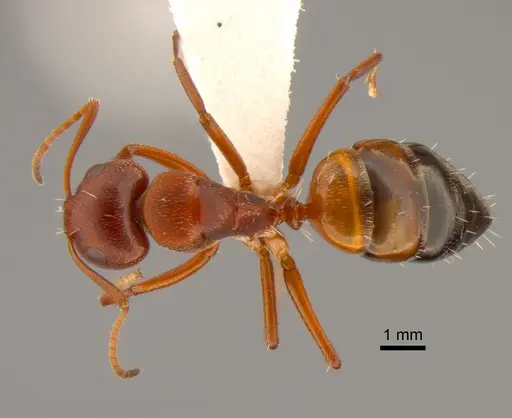
CASENT0903487
View on AntWeb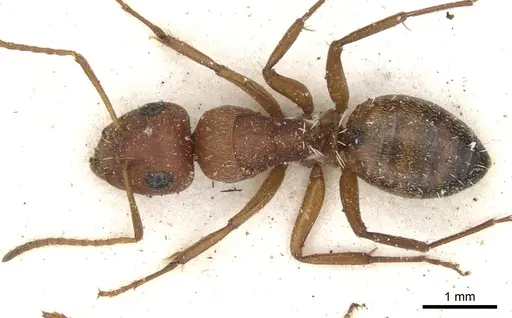
CASENT0905426
View on AntWeb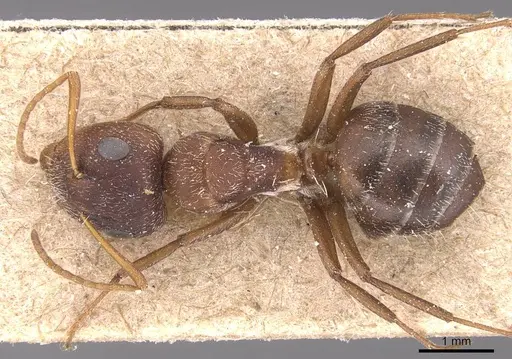
CASENT0905427
View on AntWeb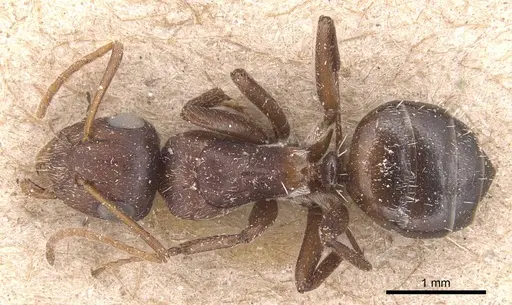
CASENT0905431
View on AntWeb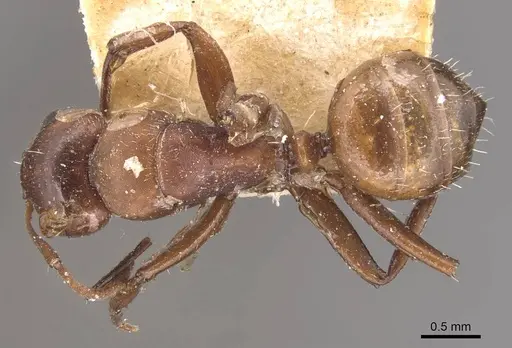
CASENT0906867
View on AntWeb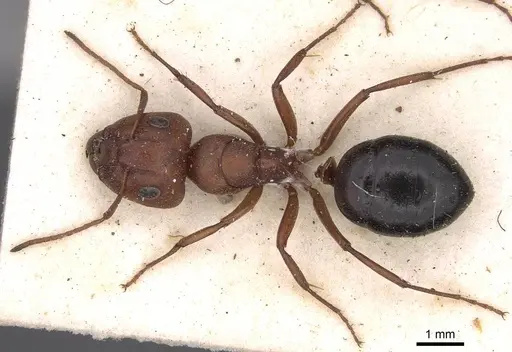
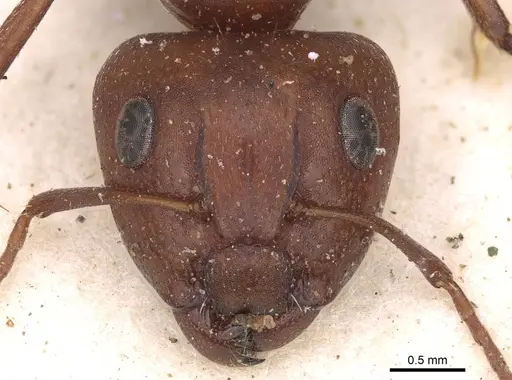
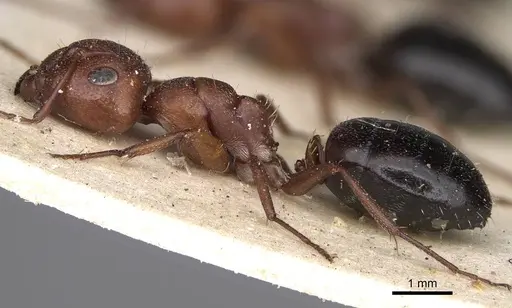
CASENT0910498
View on AntWeb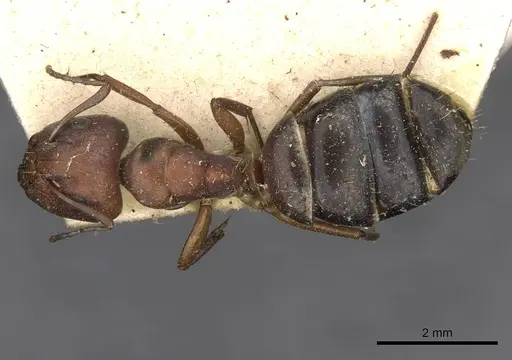
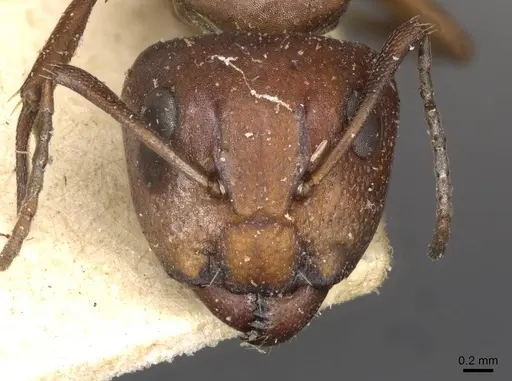
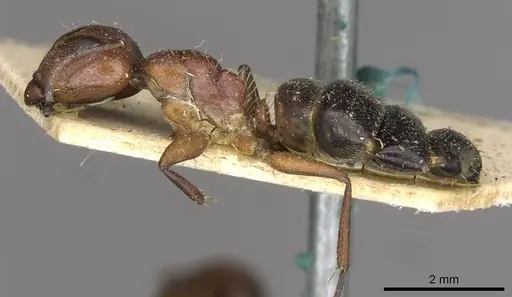
CASENT0910499
View on AntWeb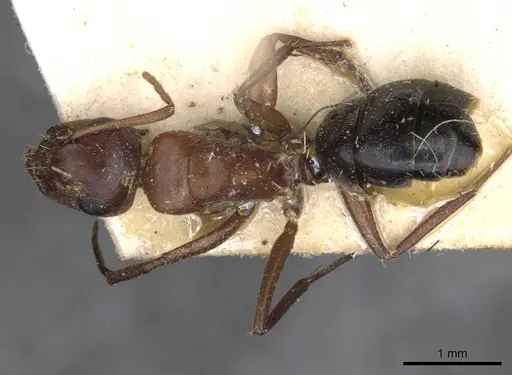
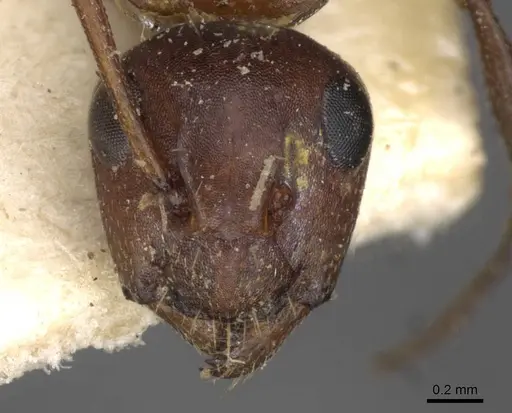
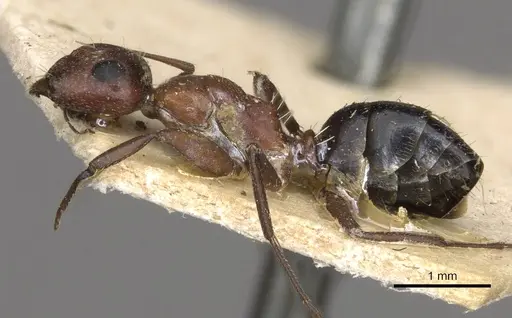
CASENT0910500
View on AntWeb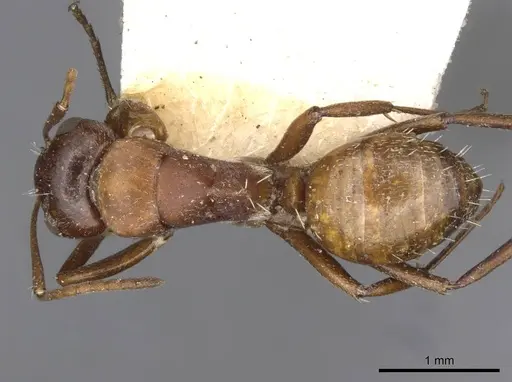
CASENT0911857
View on AntWeb
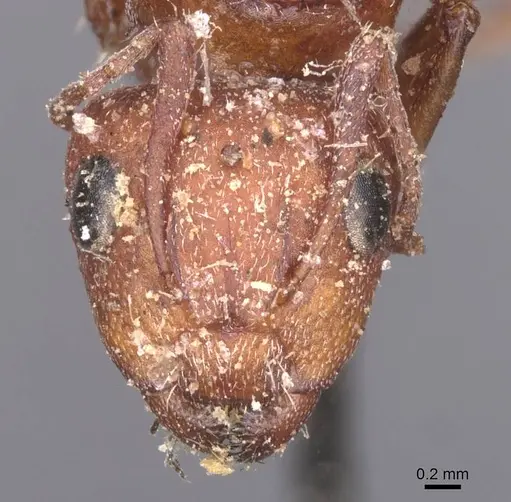
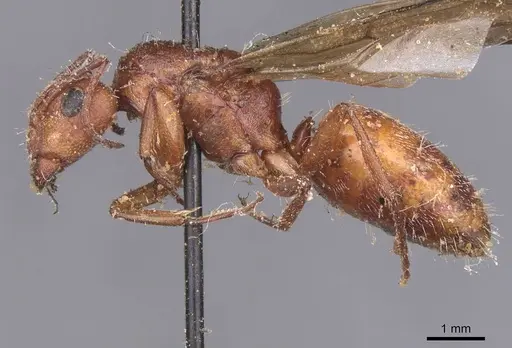
CASENT0911858
View on AntWeb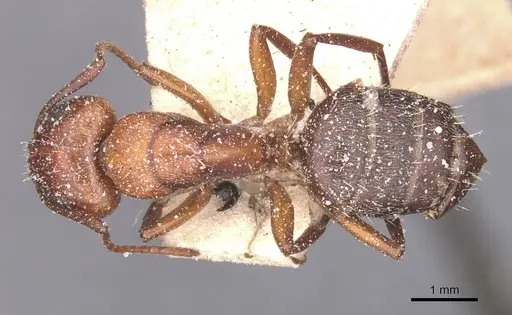
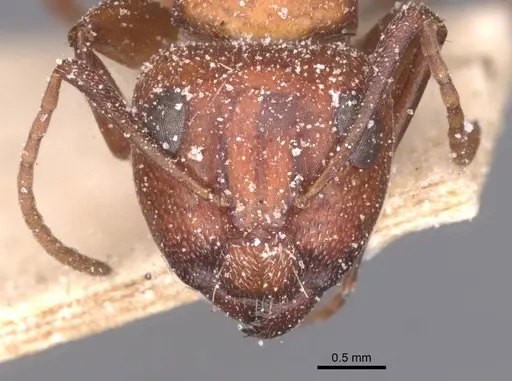
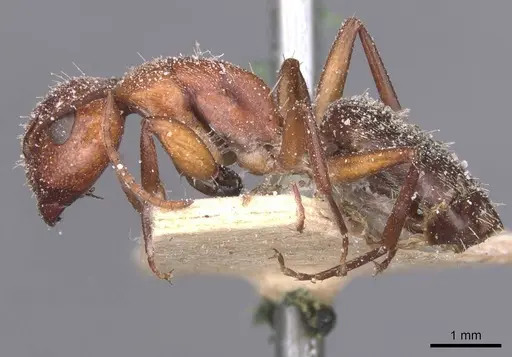
CASENT0911859
View on AntWeb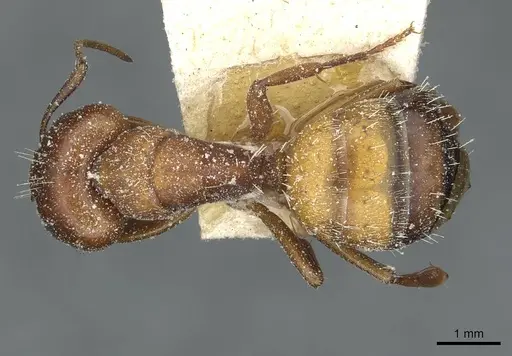
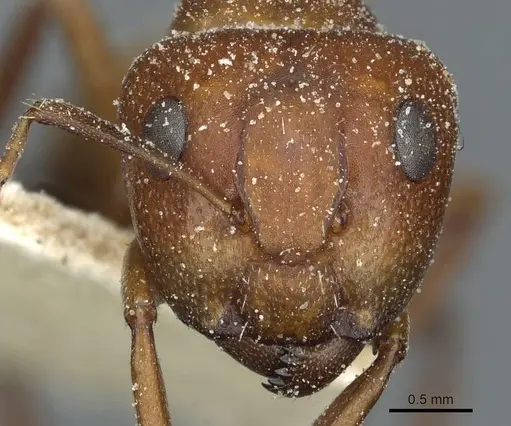
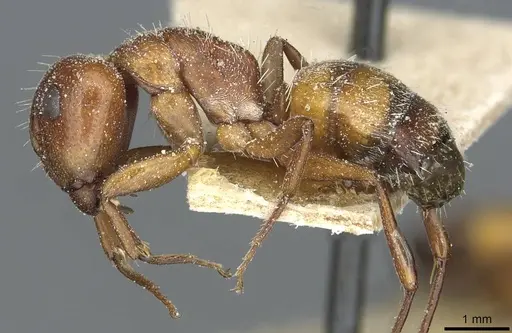
CASENT0911860
View on AntWeb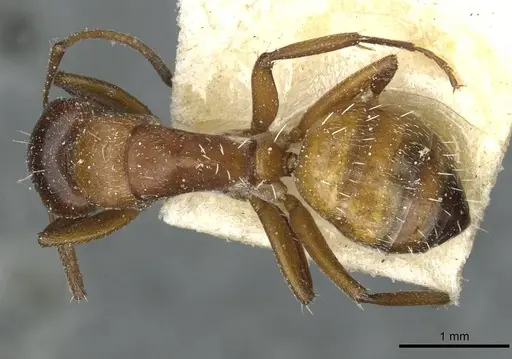
CASENT0911861
View on AntWeb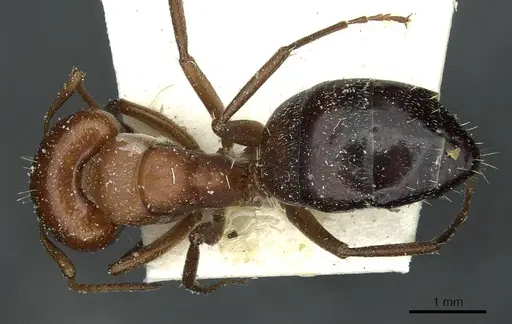
Literature
Loading distribution map...Loading products...