
Camponotus reticulatus
- Sci. Name
- Camponotus reticulatus
- Subgenus
- Myrmamblys
- Tribe
- Camponotini
- Subfamily
- Formicinae
- Author
- Roger, 1863
- Distribution
- Found in 6 countries
Introduction
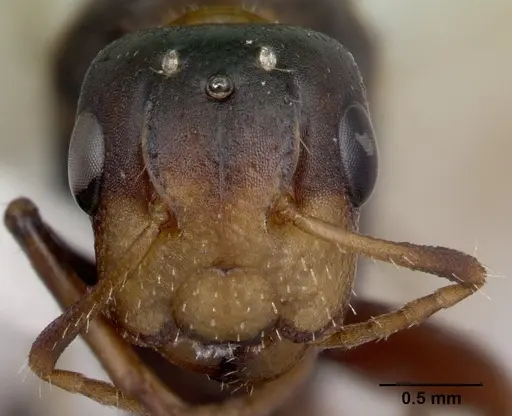
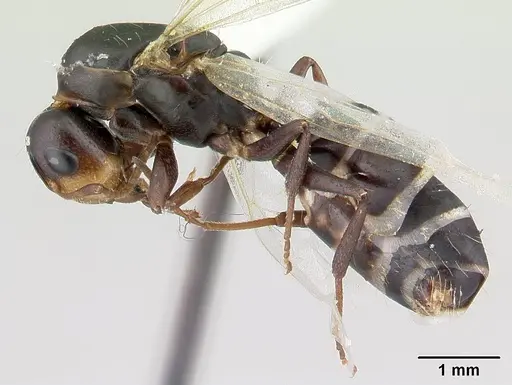
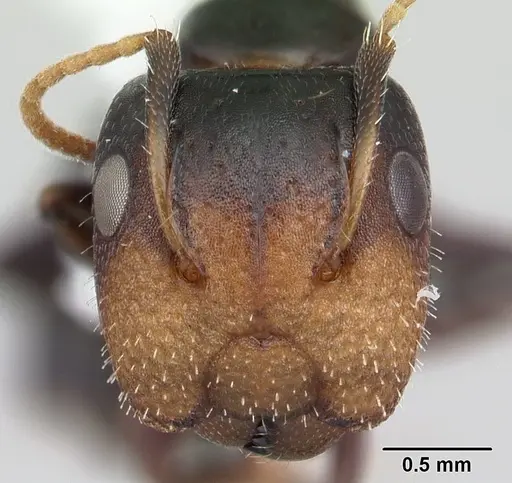
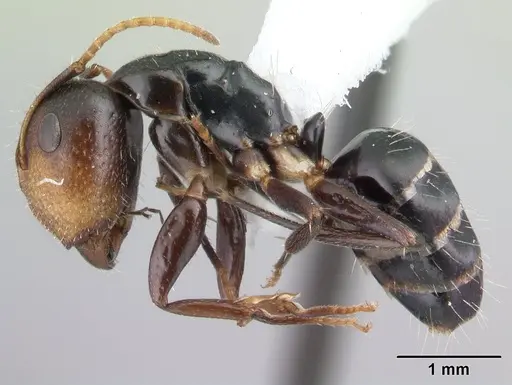
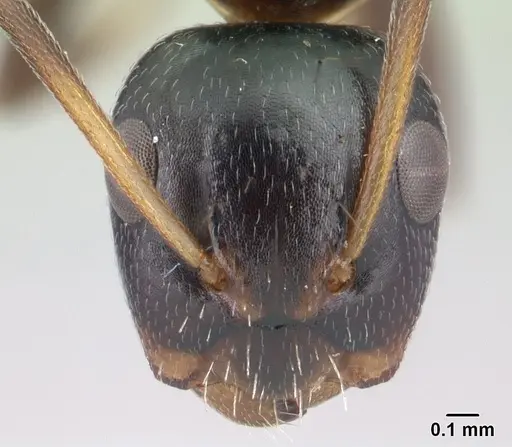
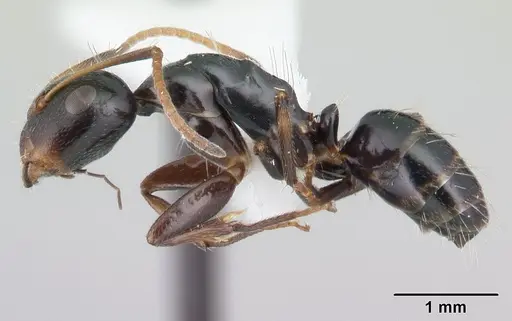
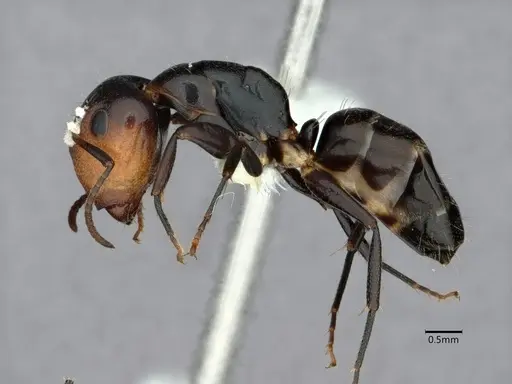
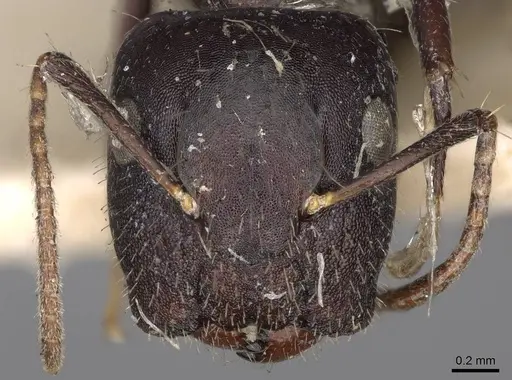
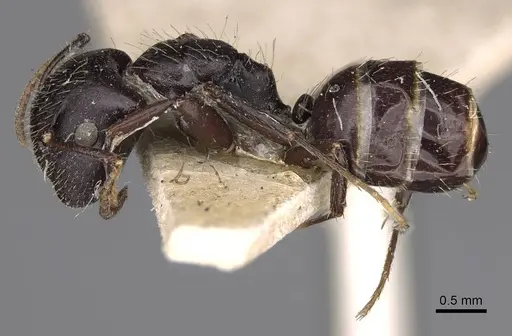
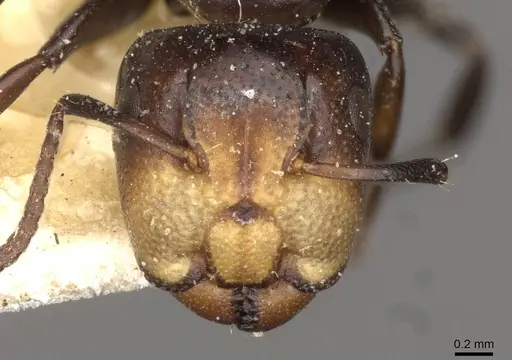
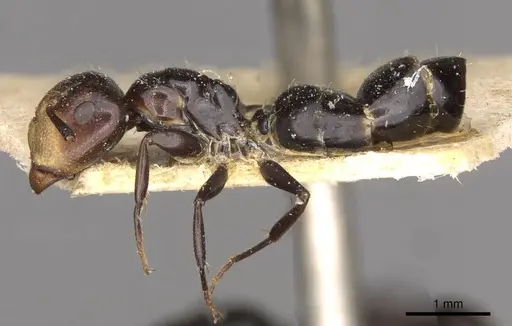
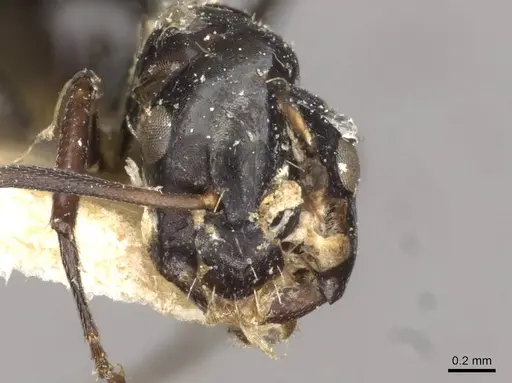
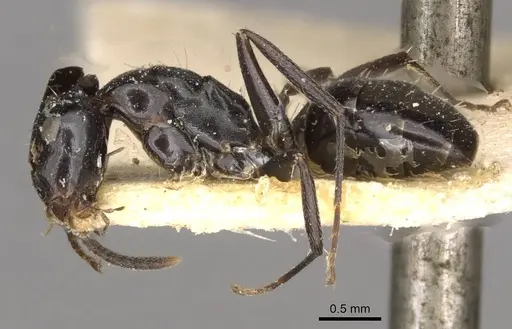
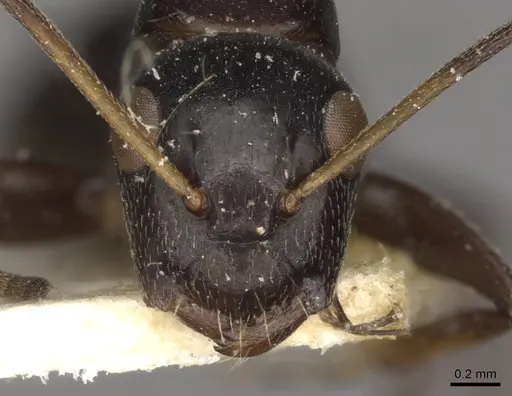
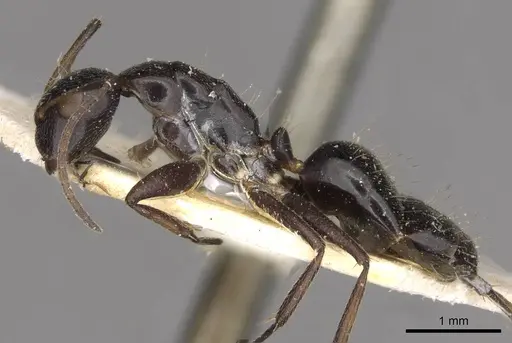
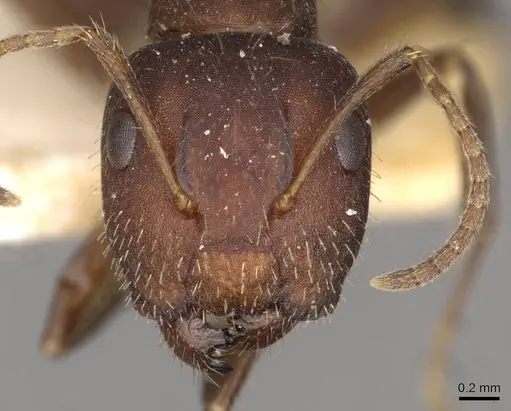
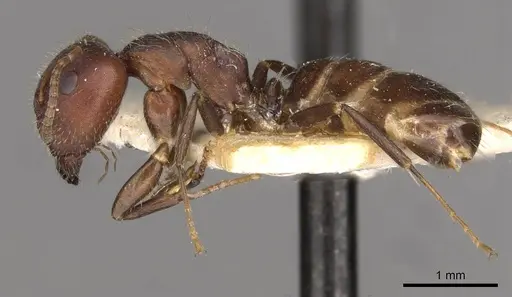
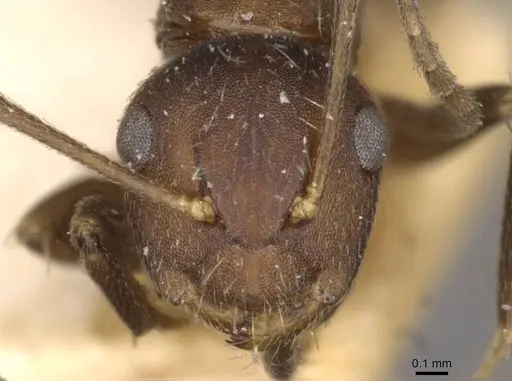
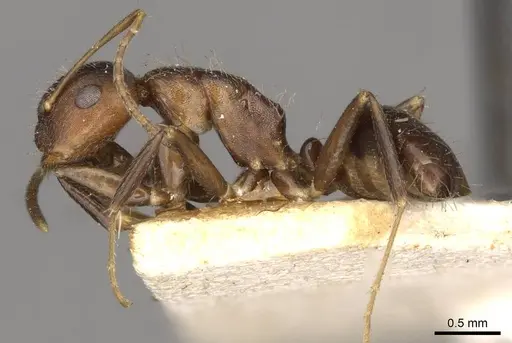
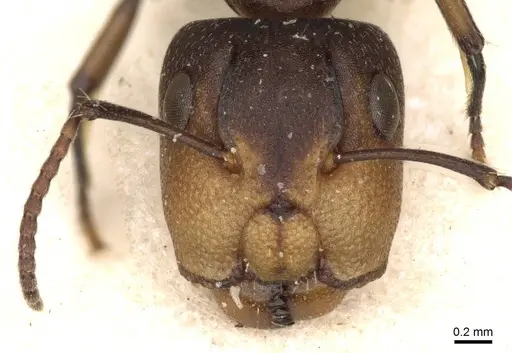
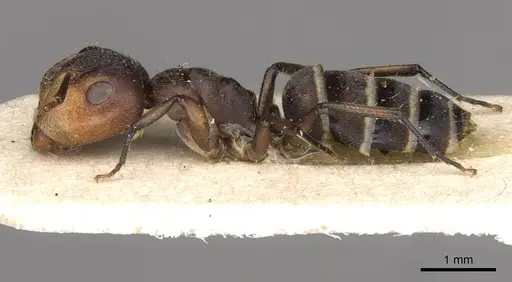
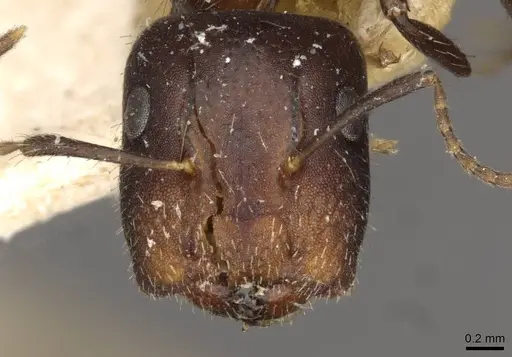
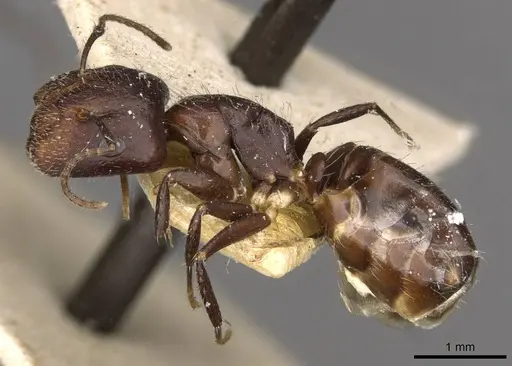
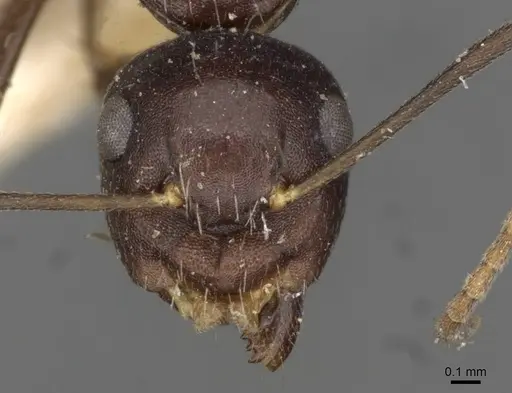
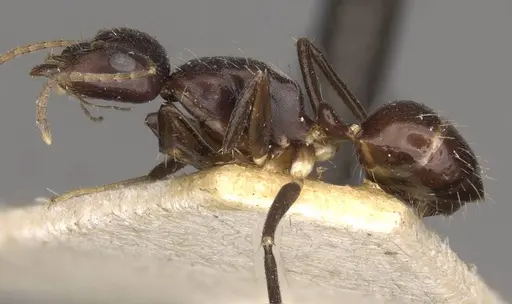
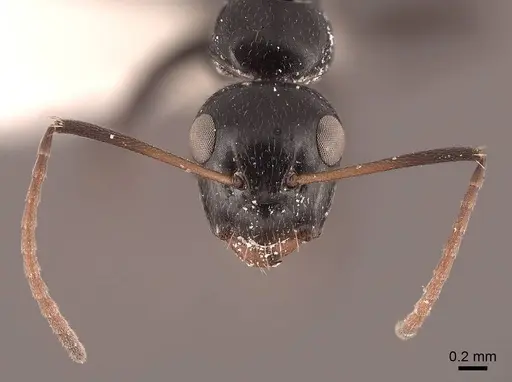
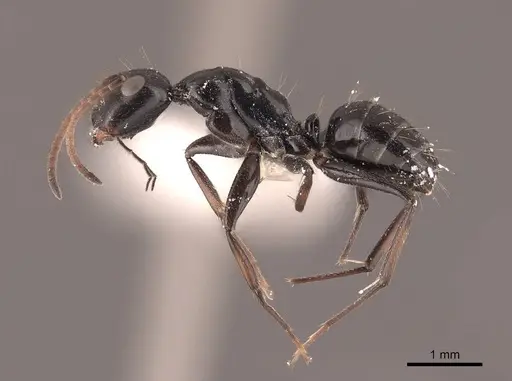
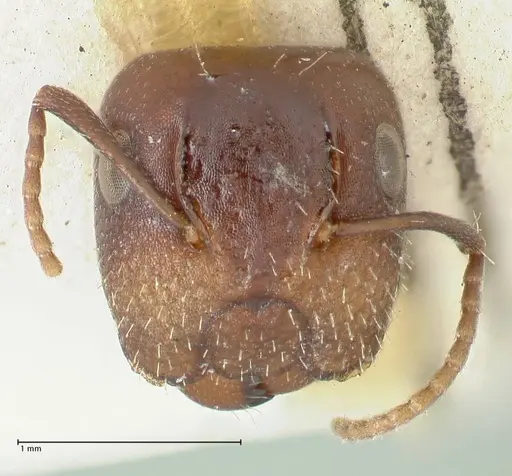
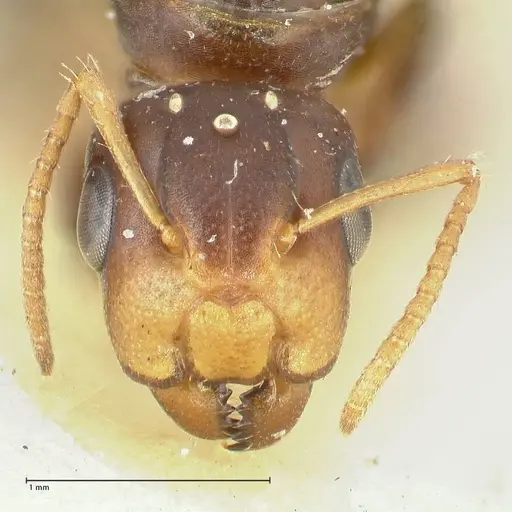
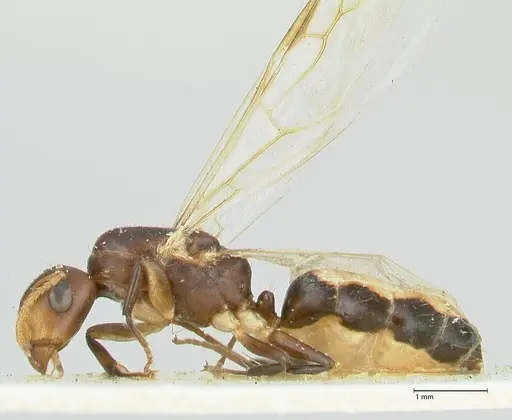
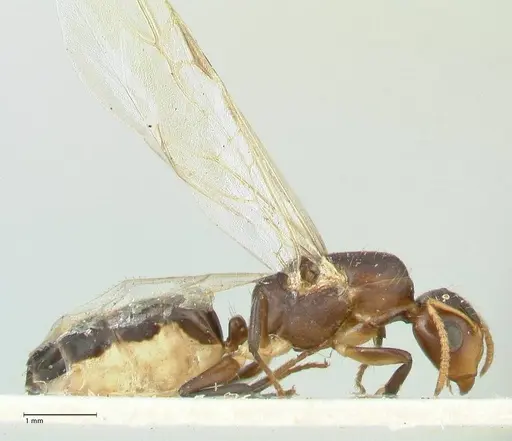
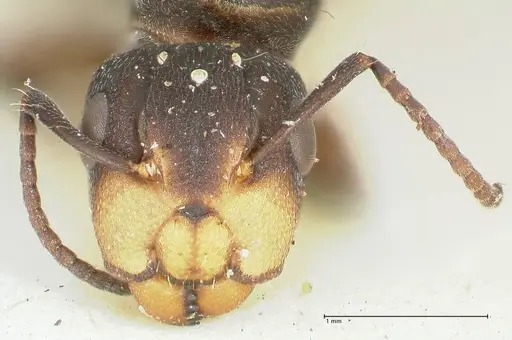
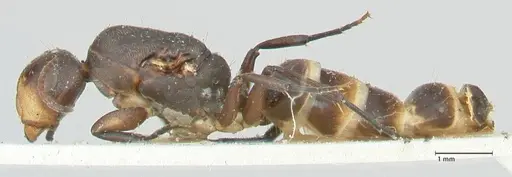
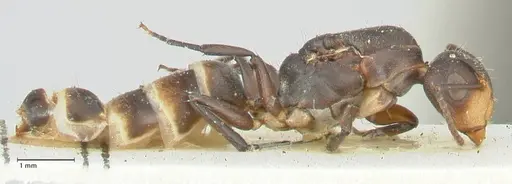
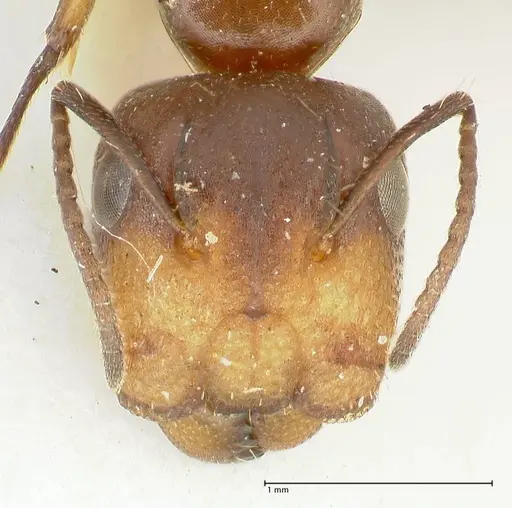
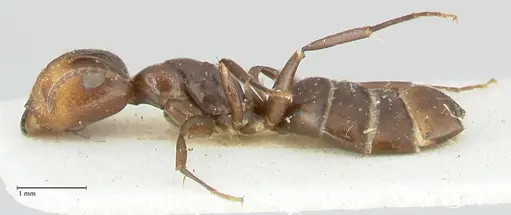
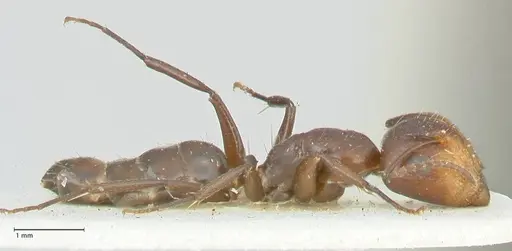
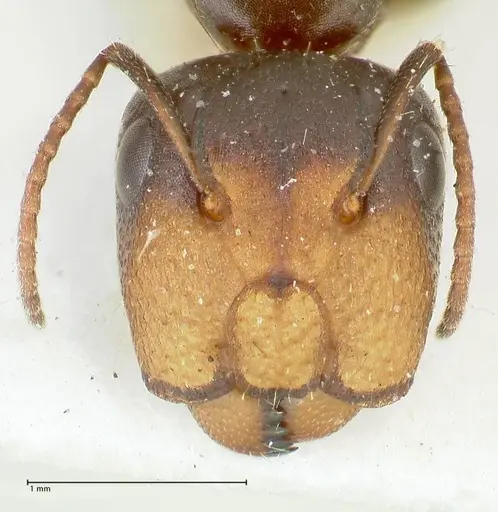
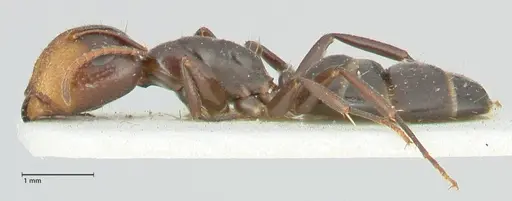
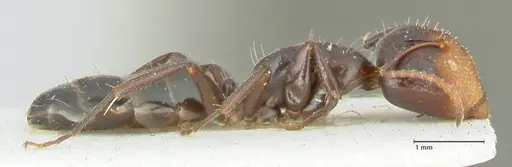
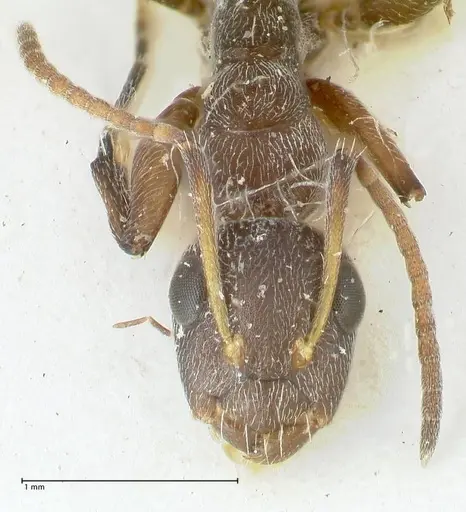
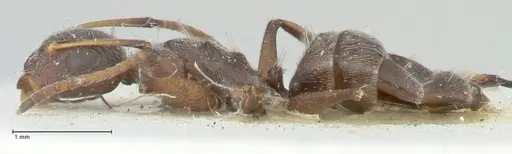
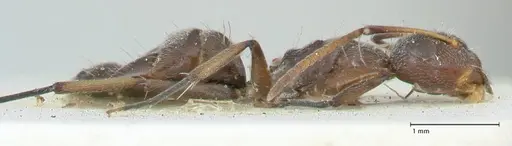
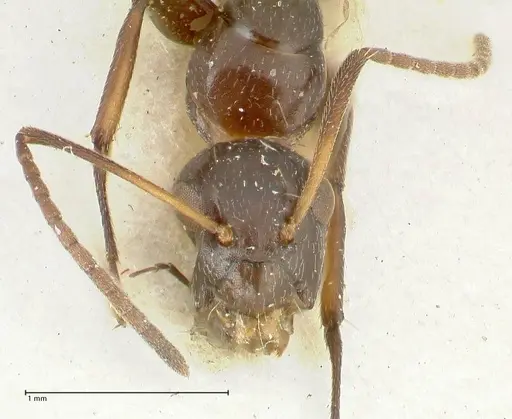
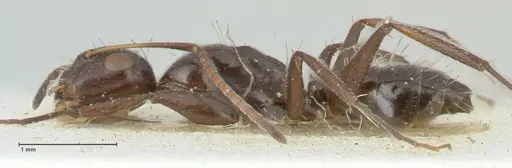
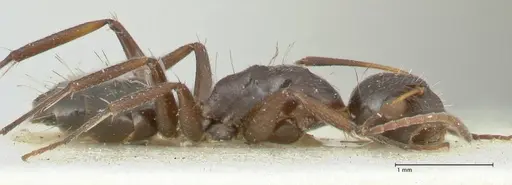
Camponotus reticulatus is a small carpenter ant native to the Indo-Pacific region, found across Sri Lanka, India, Southeast Asia, Micronesia, Palau, the Mariana Islands, and the Pacific Islands . Workers measure approximately 3.5mm in total length and have a dark reddish-brown coloration with brownish-yellow antennae, mandibles, and limb tips. The head is densely covered with fine punctations, and the gaster margins show a yellowish band . When crushed, these ants emit a distinctive coconut-like odor . This species is strongly associated with hemipterans, particularly aphids, and tends Aphis gossypii and Pentalonia nigronervosa for honeydew . It is commonly found in coconut plantations, forest edges, and disturbed areas across its range .
Quick Summary
- Difficulty: Easy
- Origin & Habitat: Indo-Pacific region including Sri Lanka, India, Malaysia, Indonesia, Borneo, Singapore, Micronesia (Chuuk, Kosrae, Pohnpei, Yap), Palau, Mariana Islands, and Solomon Islands. Found in tropical lowland habitats including coconut plantations, forest edges, and disturbed areas [1][3][2][7][8].
- Colony Type: Colony structure is not well documented in scientific literature. Based on typical Camponotus patterns, likely single-queen colonies.
- Size & Growth:
- Queen: Size data unavailable, inferred from typical Camponotus queen size range (~9-12mm)
- Worker: ~3.5mm total length [1]
- Colony: Up to several hundred workers, estimated based on typical Camponotus colony sizes
- Growth: Moderate, typical Camponotus growth pattern
- Development: Approximately 6-8 weeks under optimal conditions, inferred from Camponotus genus patterns (Queens seal themselves in during founding and raise first workers alone on stored fat reserves. Development is temperature-dependent.)
- Antkeeping:
- Temperature: Keep at 24-28°C. As a tropical species from the Indo-Pacific region, they prefer warm conditions.
- Humidity: Moderate humidity around 50-70%. Provide a moist nest chamber but allow some drying areas.
- Diapause: No, as a tropical species, they do not require hibernation. Keep at stable warm temperatures year-round.
- Nesting: Naturalistic setup or Y-tong/plaster nests work well. They are ground-dwelling and prefer nested spaces with some moisture. Provide moderate chamber sizes scaled to their small worker size.
- Behavior: Generally calm and non-aggressive temperament. Workers are active foragers that search for honeydew and small prey. As a small species, they pose minimal sting risk, their stingers are too small to penetrate human skin effectively. They are moderate escape artists due to their small size, ensure escape prevention is adequate with fine mesh barriers. They form mutualistic relationships with aphids in captivity and will readily tend aphid colonies for honeydew [5][6]. When crushed, they emit a noticeable coconut-like odor [4].
- Common Issues: small size means escapes are likely without fine mesh barriers, tropical species may struggle if temperatures drop below 24°C, colonies grow moderately slow, avoid overfeeding which can lead to mold, test tube setups work well but monitor for flooding, aphid mutualism means they may ignore sugar water if honeydew is available
Housing and Nest Setup
Camponotus reticulatus does well in standard ant keeping setups. A test tube setup works well for founding colonies, use a test tube with a water reservoir separated by a cotton plug, providing a humid chamber for the queen to seal herself into. Once the colony reaches 20-30 workers, you can transition to a Y-tong or plaster/naturalistic setup. Since workers are only 3.5mm, ensure any connecting tubes are not too wide, as they may fall into water reservoirs. Provide a small outworld for foraging. A naturalistic setup with a soil substrate works well since they are ground-dwelling ants found in plantation and forest edge habitats in the wild [7][8]. Keep the nest area slightly humid but not waterlogged.
Feeding and Diet
In the wild, C. reticulatus is strongly associated with hemipterans, particularly aphids. They tend Aphis gossypii and Pentalonia nigronervosa for honeydew [5][6]. In captivity, offer sugar water or honey regularly, though they may ignore sugar sources if honeydew-producing insects are available. They also accept protein sources like small insects (fruit flies, small mealworms, crickets) and will forage actively for prey. Feed protein 2-3 times per week and keep sugar water available at all times. Their small size means prey items should be appropriately sized.
Temperature and Seasonal Care
As a tropical Indo-Pacific species, C. reticulatus requires warm temperatures year-round. Keep the nest area at 24-28°C. A heating cable or mat on one side of the nest can create a gentle gradient, but avoid direct heat that could dry out the nest. They do not require hibernation or diapause, maintaining stable tropical conditions is key. Room temperature in heated homes (around 24°C) is often suitable. Monitor colony activity, if workers become sluggish, increase temperature slightly. Avoid temperatures below 22°C for extended periods. [1]
Colony Development
Based on typical Camponotus patterns, C. reticulatus likely has claustral founding. The queen seals herself in a small chamber and does not leave to forage during the founding phase. She lives entirely on her stored fat reserves while raising the first brood. First workers (nanitics) typically appear within 6-8 weeks under optimal warm conditions. Initial colonies grow slowly as the queen focuses on producing a small batch of workers. Once the first workers emerge, the colony enters a growth phase. Expect moderate growth rate, colonies may reach 50-100 workers within the first year with good feeding. Maximum colony size is not well documented but likely reaches several hundred workers based on typical Camponotus patterns. [1]
Behavior and Temperament
This is a calm, non-aggressive species suitable for beginners. Workers are active foragers but not particularly aggressive or territorial. They pose minimal sting risk due to their small size, while they have stingers, they are too small to effectively penetrate human skin. They are not known for being escape artists at the level of tiny species like Pheidole, but their small size still requires reasonable escape prevention (tight-fitting lids, barrier tape). They are ground-dwelling, often found foraging on vegetation in addition to the ground. Their mutualistic relationship with aphids is notable, in captivity, they will readily tend aphid colonies if provided. When crushed, they emit a distinctive coconut-like odor [4].
Frequently Asked Questions
How long does it take for Camponotus reticulatus to get their first workers?
First workers (nanitics) typically appear in 6-8 weeks after the queen lays eggs, assuming optimal temperature around 24-28°C.
What do Camponotus reticulatus eat?
They are omnivorous with a preference for sugar. They readily accept sugar water, honey, or honeydew from aphids. They also eat small insects like fruit flies, small mealworms, and other appropriately-sized protein sources.
Can I keep multiple Camponotus reticulatus queens together?
Colony structure is not well documented for this species. Based on typical Camponotus patterns, they are likely single-queen colonies. Only keep one queen per colony.
Do Camponotus reticulatus need hibernation?
No. As a tropical species from the Indo-Pacific region, they do not require hibernation. Keep them at warm temperatures (24-28°C) year-round.
What is the best nest type for Camponotus reticulatus?
A test tube setup works well for founding colonies. Once established with 20+ workers, a Y-tong or plaster nest with moderate humidity works well. Their small size means chambers should be appropriately scaled.
How big do Camponotus reticulatus colonies get?
Colony size is not well documented in scientific literature, but based on typical Camponotus patterns, colonies likely reach several hundred workers at maturity.
Are Camponotus reticulatus good for beginners?
Yes. They are considered an easy species to keep, they are calm, non-aggressive, and have straightforward temperature requirements. Their small size and tropical nature make them suitable for keepers who can maintain warm temperatures.
Why is my Camponotus reticulatus colony not growing?
Ensure temperatures are warm (24-28°C), humidity is adequate but not excessive, and feeding is appropriate. Colonies grow moderately slowly, do not overfeed as this causes mold. Check that the queen is still laying eggs and that workers are active.
Report an Issue
The current care sheet is based fully on literature. See inconsistencies, or something that's incorrect? Please , it will be resolved after review from an admin. Contributing to the blogs tab also helps providing information, to make us be able to further improve the caresheets. Thank you for your support!
References

This caresheet is licensed under CC BY-SA 4.0 .
Community Blogs
CASENT0178357
View on AntWeb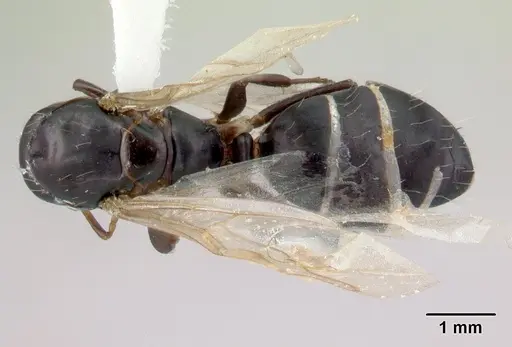
CASENT0178358
View on AntWeb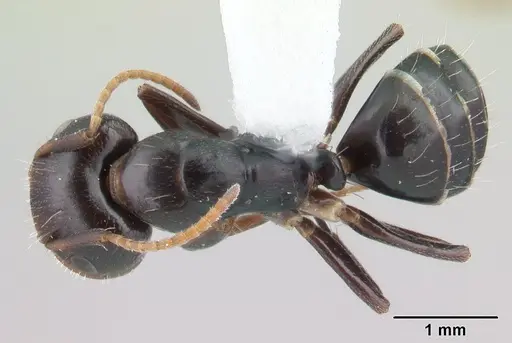
CASENT0178359
View on AntWeb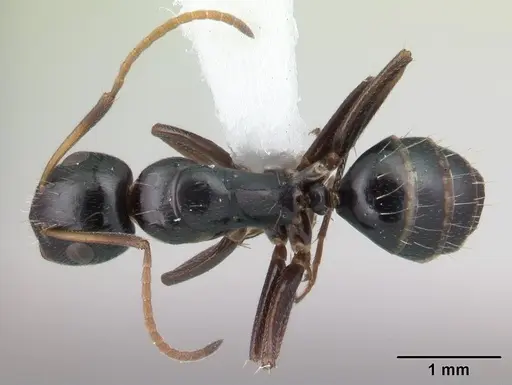
CASENT0882030
View on AntWeb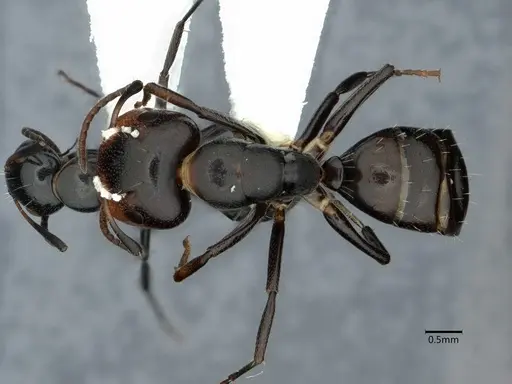
CASENT0906966
View on AntWeb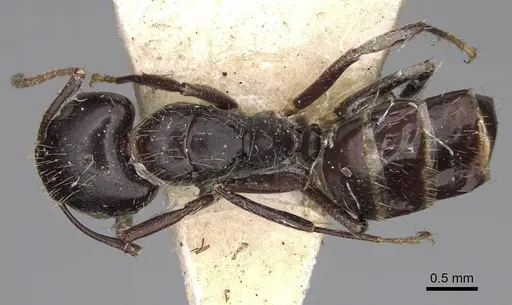
CASENT0910525
View on AntWeb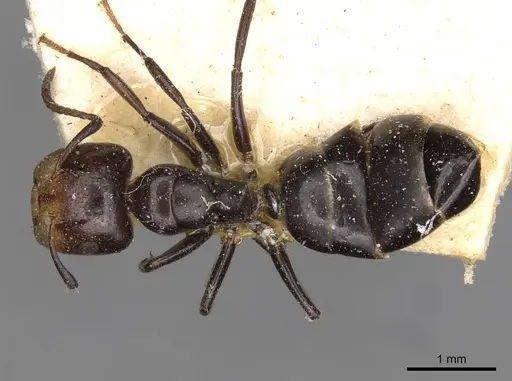
CASENT0910526
View on AntWeb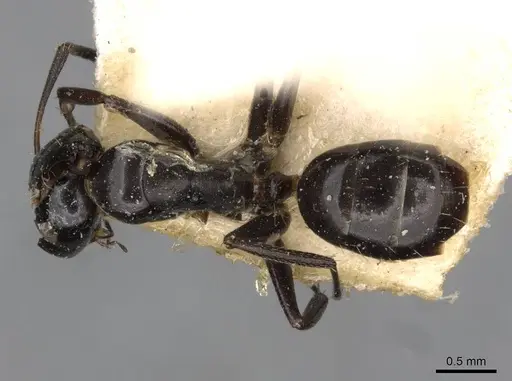
CASENT0910527
View on AntWeb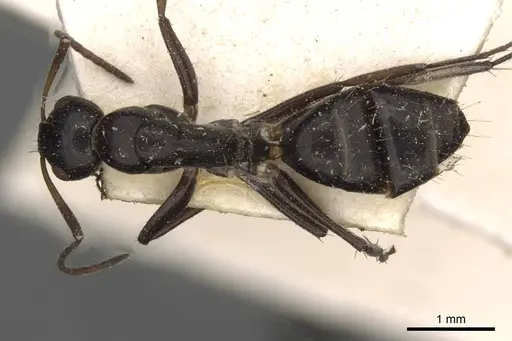
CASENT0910528
View on AntWeb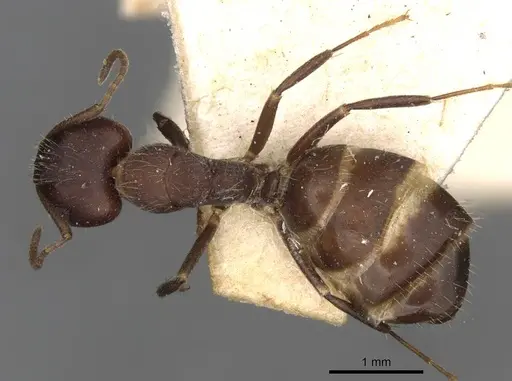
CASENT0910529
View on AntWeb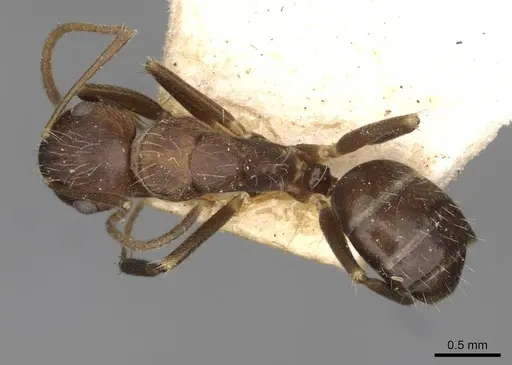
CASENT0910532
View on AntWeb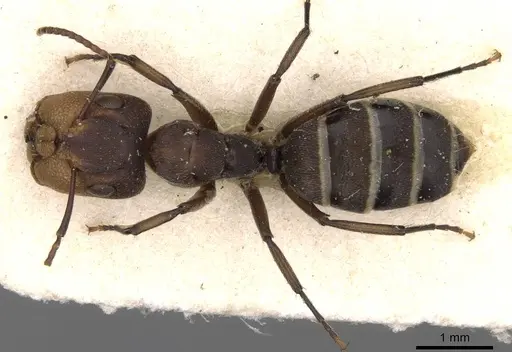
CASENT0910533
View on AntWeb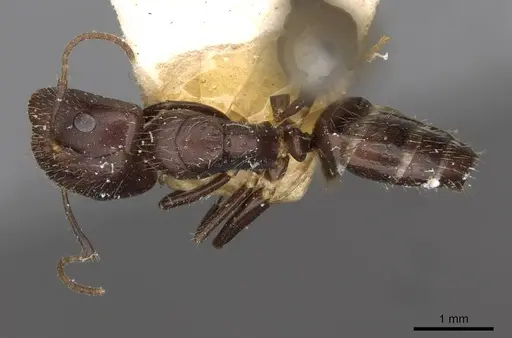
CASENT0910534
View on AntWeb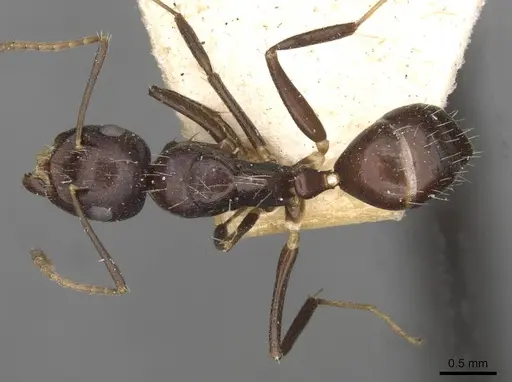
FMNHINS0000065577
View on AntWeb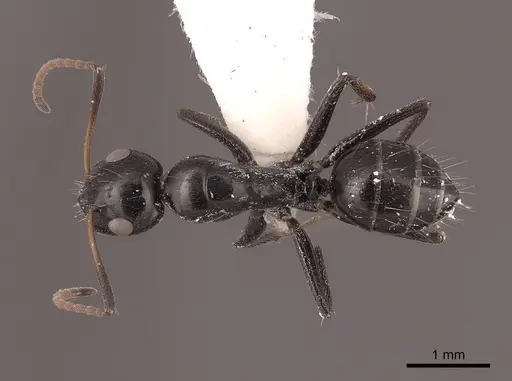
FOCOL2282
View on AntWeb
FOCOL2283
View on AntWeb
FOCOL2284
View on AntWeb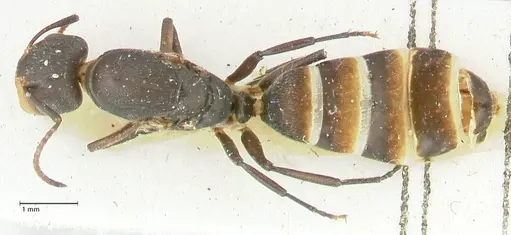
FOCOL2285
View on AntWeb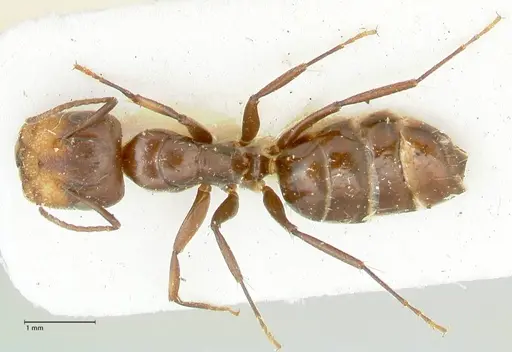
FOCOL2286
View on AntWeb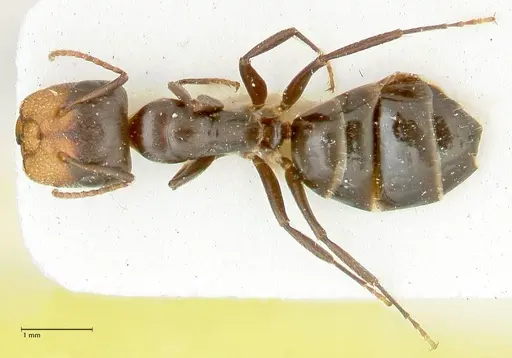
FOCOL2287
View on AntWeb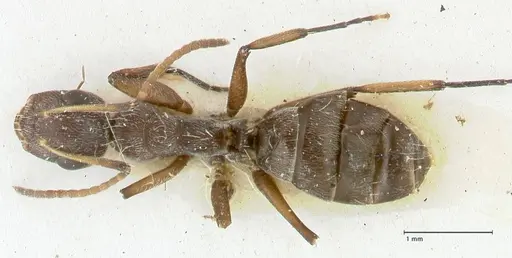
FOCOL2288
View on AntWeb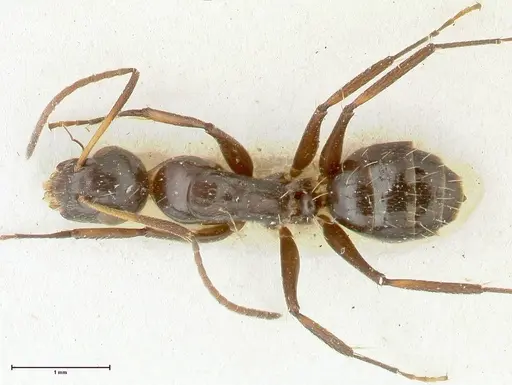
Literature
Loading distribution map...Loading products...