
Camponotus reburrus
- Sci. Name
- Camponotus reburrus
- Subgenus
- Tanaemyrmex
- Tribe
- Camponotini
- Subfamily
- Formicinae
- Author
- Mackay, 2013
- Distribution
- Found in 1 countries
Introduction
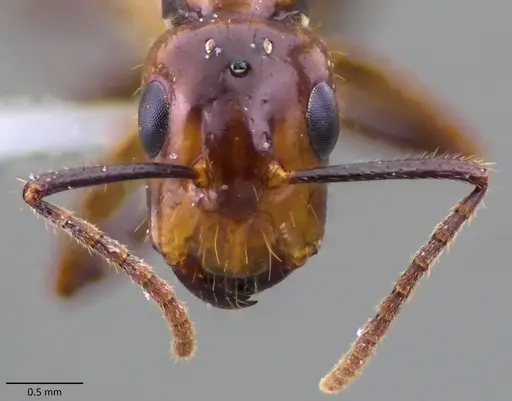
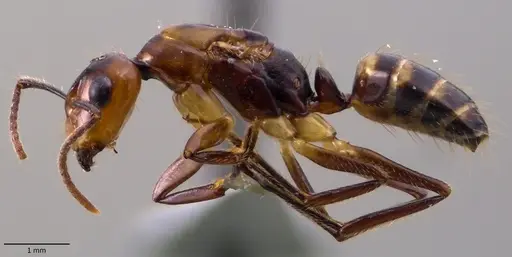
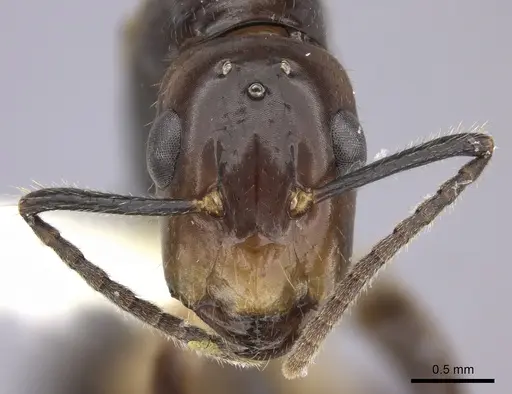
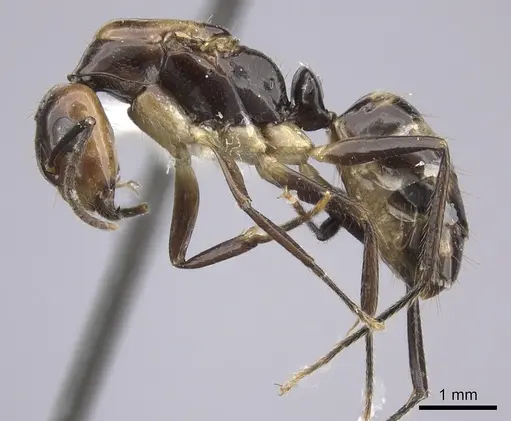
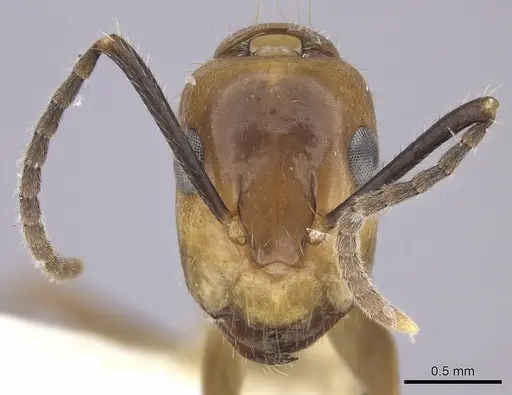
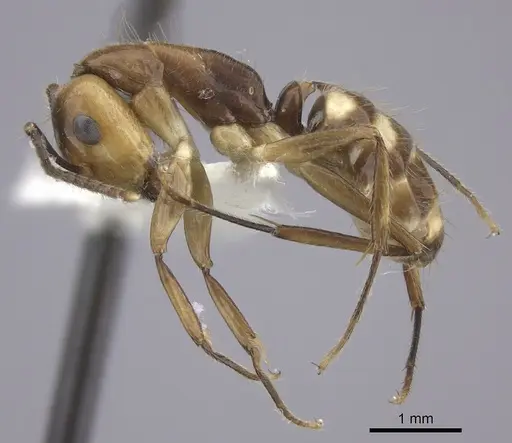
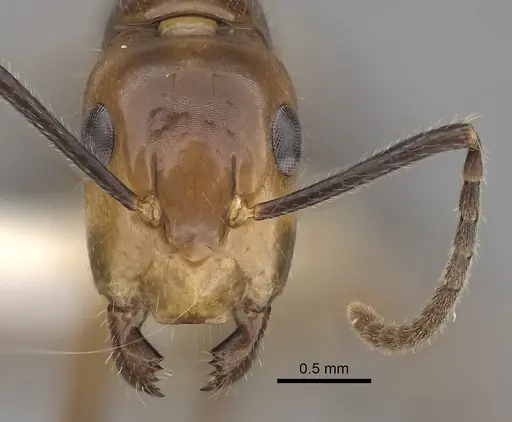
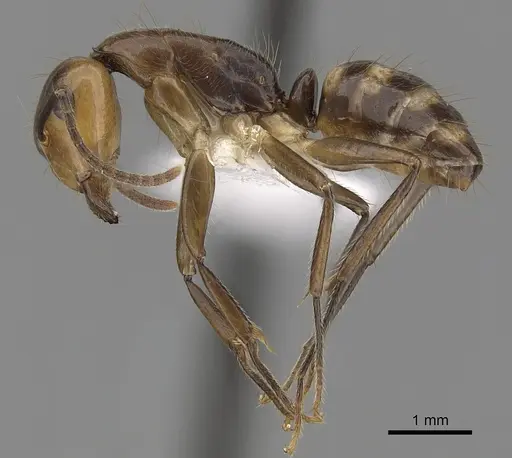
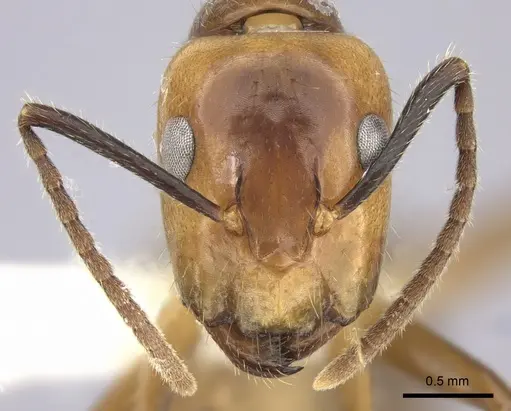
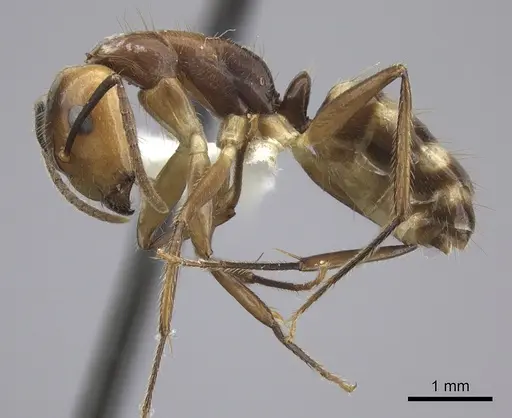
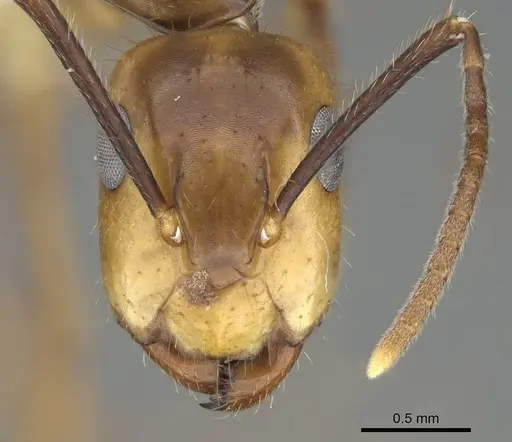
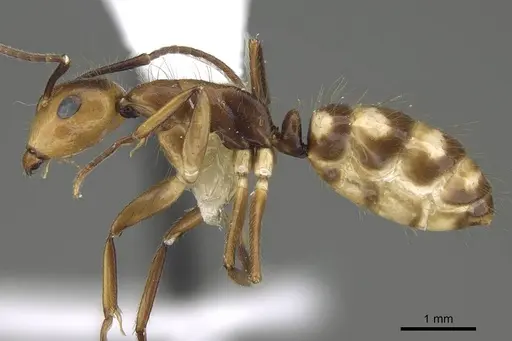
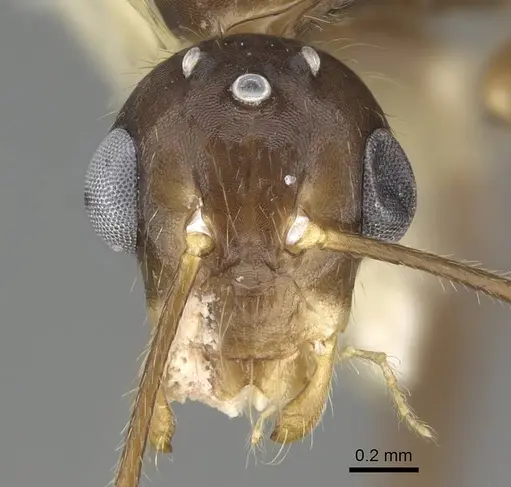
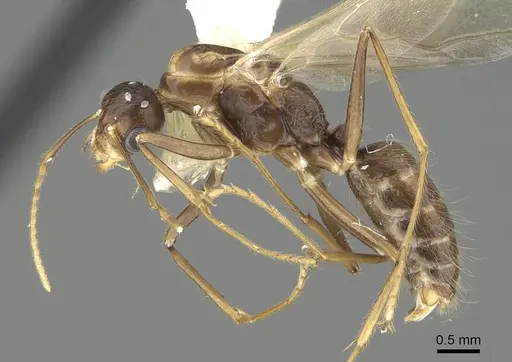
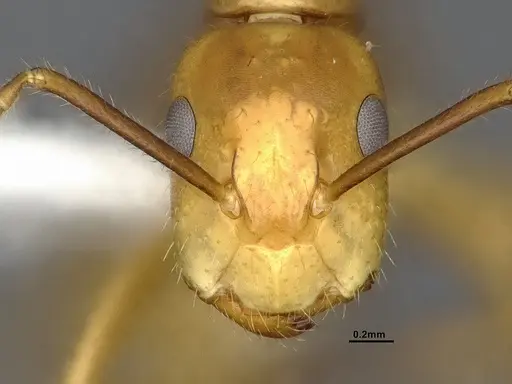
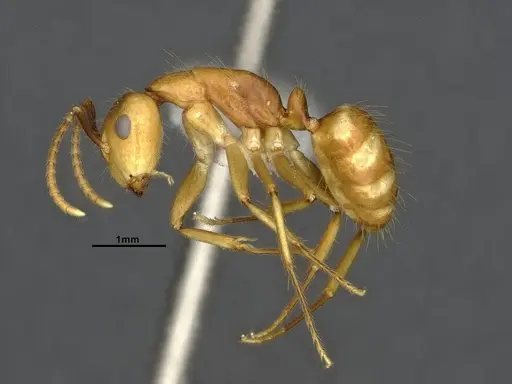
Camponotus reburrus is a small carpenter ant native to northeastern Ecuador. Workers measure 4.4-6.6mm total length and are yellowish-brown with a distinctive transversely striped yellow and brown gaster. The species is unusually hairy - its name comes from the Latin 'reburrus' meaning 'one with bristling hair' . Queens measure 6-7mm total length with a shiny dark brown body and yellow blotches on the gaster . This species is remarkable because it lacks major workers entirely - all individuals are minor workers, which is rare in the genus Camponotus . The species has an obligatory relationship with Cecropia ant plants, living inside the hollow internodes of Cecropia marginalis, C. herthae, and C. membranacea . Unlike aggressive Azteca ants that also inhabit Cecropia, these ants are docile and flee when disturbed rather than attacking .
Quick Summary
- Difficulty: Medium
- Origin & Habitat: Northeastern Ecuador, specifically the Napo and Sucumbios regions at elevations of 200-1000m. Found in both secondary growth rainforest edges and gaps inside primary growth rainforest [2]. Lives exclusively inside Cecropia plant stems.
- Colony Type: Single-queen colonies (monogyne). The species has no major workers, all workers are minor workers, which is unusual for Camponotus [2].
- Size & Growth:
- Queen: 6-7mm [1]
- Worker: 4.4-6.6mm [1]
- Colony: Unknown, no specific data available
- Growth: Moderate, inferred from Camponotus genus patterns
- Development: 6-8 weeks at warm temperatures (estimated based on Camponotus genus patterns) (Development time is estimated, no direct studies exist for this species. Tropical species may develop faster than temperate Camponotus.)
- Antkeeping:
- Temperature: Keep at 24-28°C. This is a tropical lowland species from Ecuador, so warmth is essential [2].
- Humidity: High humidity (70-85%). These ants live inside plant stems in humid rainforest conditions, the nest area should stay consistently moist but not waterlogged [2].
- Diapause: No, this is a tropical species that does not experience cold winters. Maintain warm conditions year-round [2].
- Nesting: Provide a nest with narrow chambers that mimic the inside of Cecropia stems. Y-tong (AAC) nests or plaster nests with small chambers work well. The nest should have tight passages scaled to their small worker size [2].
- Behavior: Docile and non-aggressive. Unlike many Cecropia-dwelling ants, C. reburrus does not attack when disturbed, instead, workers run and escape [2]. They are small but active foragers. Escape prevention is important due to their small size, use fine mesh barriers. Workers are hairy and have good climbing ability.
- Common Issues: small size means escapes are likely without fine mesh barriers, tropical species requires consistently warm temperatures, cold can kill the colony, high humidity needs must be balanced with ventilation to prevent mold, no major workers means all foragers are small, may struggle with larger prey items, wild-caught colonies may be difficult to establish due to their specialized Cecropia habitat
Nest Preferences
In the wild, Camponotus reburrus lives exclusively inside Cecropia plant internodes (hollow stems). These are narrow, enclosed spaces that stay humid inside the living plant [2]. For captive care, provide a nest with small, tight chambers that mimic these conditions. Y-tong (AAC) nests work well because they have narrow passages scaled to the small worker size. Plaster nests with small chambers are also suitable. The nest should have a water reservoir to maintain humidity, but avoid overly wet conditions that could cause mold. The ants will use the chambers that best match their small size, avoid tall, open spaces that larger carpenter ants might use.
Feeding and Diet
Like other Camponotus species, C. reburrus is omnivorous. In the wild, they tend scale insects and feed on the honeydew produced by these insects, plus Müllerian bodies (nutritional structures) that Cecropia plants produce [2]. In captivity, offer a varied diet: sugar water or honey as an energy source, and protein sources like small insects. Because workers are small (under 7mm), prey items should be appropriately sized, fruit flies, small mealworms, or tiny crickets work well. Avoid large prey items that the small workers cannot handle. Feed protein 2-3 times per week and keep sugar water available constantly. Remove uneaten prey after 24-48 hours to prevent mold.
Temperature and Care
This is a tropical species from lowland Ecuador, so it needs warm temperatures year-round. Keep the nest area at 24-28°C, this supports brood development and colony activity [2]. A heating cable on one side of the nest can create a gentle temperature gradient, allowing ants to regulate their own temperature. Place the heating element on top of the nest to avoid drying out the substrate too quickly. Room temperature may be sufficient if your home stays in the low-to-mid 20s°C. Unlike temperate species, these ants do not need a winter diapause period, maintaining consistent warmth year-round is important for colony health. Avoid temperatures below 20°C for extended periods, as this can slow growth and weaken the colony.
Behavior and Temperament
Camponotus reburrus is notably docile compared to many other ant species, especially compared to the aggressive Azteca ants that also inhabit Cecropia plants. When threatened, workers do not attack, they flee and escape instead [2]. This makes them easier to handle than more aggressive species, though it also means they are more likely to escape when the nest is opened. Workers are active and will forage throughout the outworld. The species is unusual in that it has no major workers, all workers are minor workers of similar size [2]. This means the colony relies entirely on small foragers, which affects how you should size their food. Workers are hairy and have good grip, so they can climb smooth surfaces, use fluon or other barriers on the outworld rim.
Unique Biology - Cecropia Association
This species has an obligatory relationship with Cecropia ant plants, it cannot survive without them in the wild. The ants live inside the hollow internodes (stems) of Cecropia trees, specifically C. marginalis, C. herthae, and C. membranacea [2]. This is a mutualistic relationship: the plant provides shelter, and the ants likely protect the plant from herbivores and provide nutrients through their waste. The ants feed on Müllerian bodies (tiny food bodies produced by Cecropia) and honeydew from scale insects that also live in the internodes [2]. This specialized habitat explains why the species is only found in about 9% of Cecropia plants surveyed, they need specific Cecropia species with suitable hollow stems [2]. In captivity, you do not need actual Cecropia plants, but providing a nest that mimics the tight, humid conditions inside plant stems is beneficial.
Frequently Asked Questions
How long does it take for Camponotus reburrus to produce first workers?
Based on typical Camponotus development, expect first workers (nanitics) in about 6-8 weeks after the queen lays eggs, assuming optimal temperatures around 26°C. Development may be faster than temperate Camponotus species since this is a tropical species.
Can I keep Camponotus reburrus in a test tube?
Yes, test tubes work well for founding colonies. Use a small test tube with a cotton ball as a water reservoir. The queen will seal herself in (claustral founding). Once the colony reaches 15-20 workers, consider moving to a proper nest with small chambers.
Are Camponotus reburrus good for beginners?
This species is rated as medium difficulty. They are docile and fascinating to watch, but they have specific requirements: high humidity, warm temperatures, and small prey items. The main challenges are maintaining proper humidity and providing appropriately sized food.
Why does Camponotus reburrus have no major workers?
This is one of the unusual traits of the species. Most Camponotus species have major workers (soldiers) that are larger and handle heavy tasks, but C. reburrus appears to have lost this caste entirely. All workers are minor workers of similar size. This is rare in the genus and was noted as unusual in the original species description [2].
What do Camponotus reburrus eat?
They are omnivorous. Offer sugar water or honey for energy, and small protein sources like fruit flies, small mealworms, or tiny crickets. Because workers are small (under 7mm), prey should be appropriately sized. Remove uneaten food after 24-48 hours.
Do Camponotus reburrus need hibernation?
No. This is a tropical species from Ecuador that does not experience cold winters. Keep them warm year-round at 24-28°C. Do not attempt to hibernate this species.
When should I move Camponotus reburrus to a formicarium?
Move them when the colony reaches about 15-30 workers. Use a nest with small chambers scaled to their tiny size, Y-tong or plaster nests work well. Ensure the new nest has proper humidity control and a water reservoir.
How big do Camponotus reburrus colonies get?
Colony size is not well documented for this species. Based on related species like C. balzani, colonies likely reach several hundred workers. The lack of major workers may limit colony size compared to typical Camponotus species.
Can I keep multiple queens together?
No. This species is monogyne, colonies have a single queen. Combining unrelated queens is not recommended and would likely result in fighting.
Report an Issue
The current care sheet is based fully on literature. See inconsistencies, or something that's incorrect? Please , it will be resolved after review from an admin. Contributing to the blogs tab also helps providing information, to make us be able to further improve the caresheets. Thank you for your support!
References

This caresheet is licensed under CC BY-SA 4.0 .
Community Blogs
ANTWEB1060114
View on AntWeb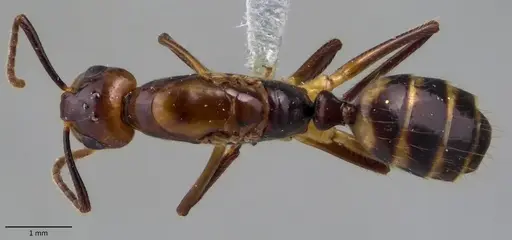
CASENT0249617
View on AntWeb
CASENT0249619
View on AntWeb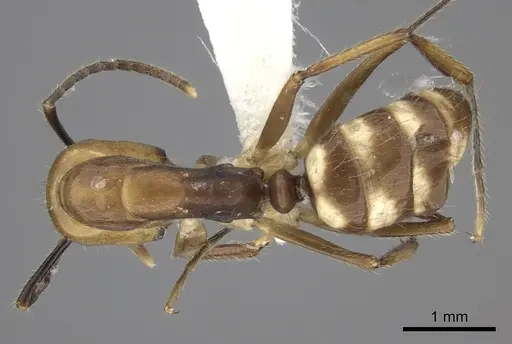
CASENT0280062
View on AntWeb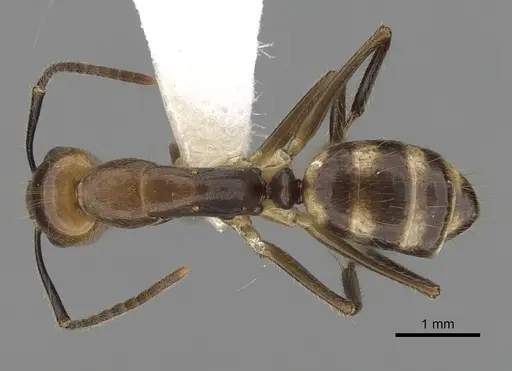
CASENT0619253
View on AntWeb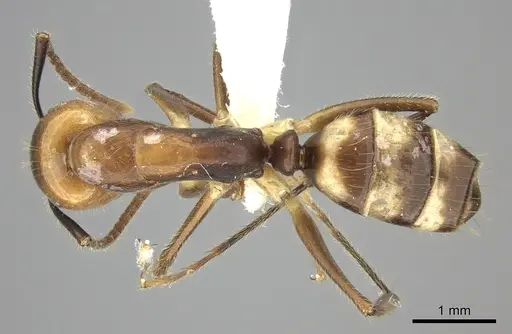
CASENT0919838
View on AntWeb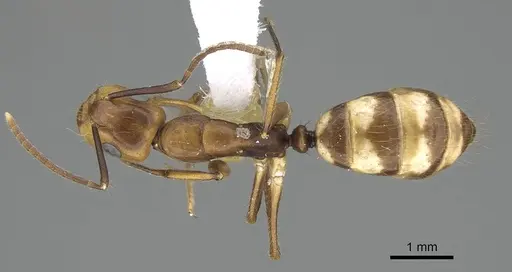
CASENT0919839
View on AntWeb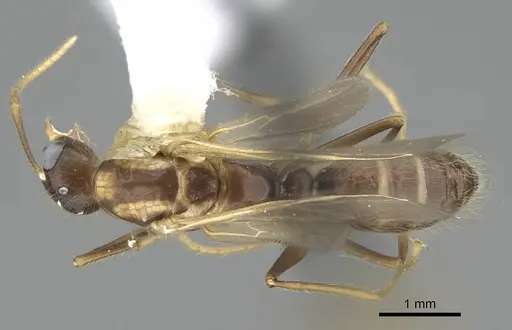
CASENT4031631
View on AntWeb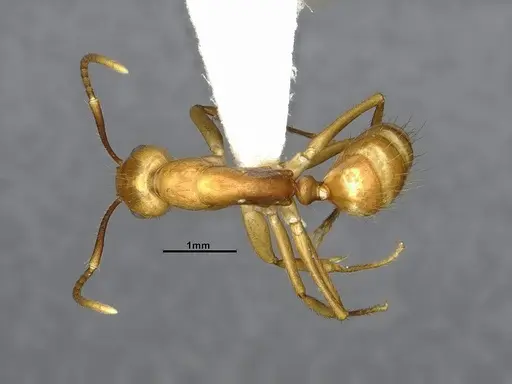
Literature
Loading distribution map...Loading products...