
Camponotus radovae
- Sci. Name
- Camponotus radovae
- Subgenus
- Mayria
- Tribe
- Camponotini
- Subfamily
- Formicinae
- Author
- Forel, 1886
- Distribution
- Found in 1 countries
Introduction
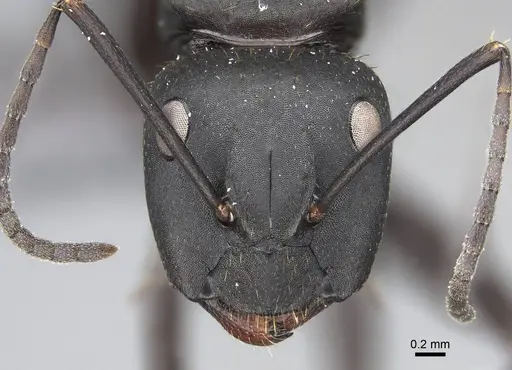
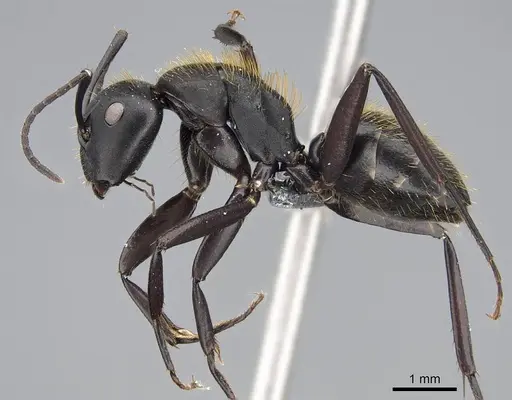
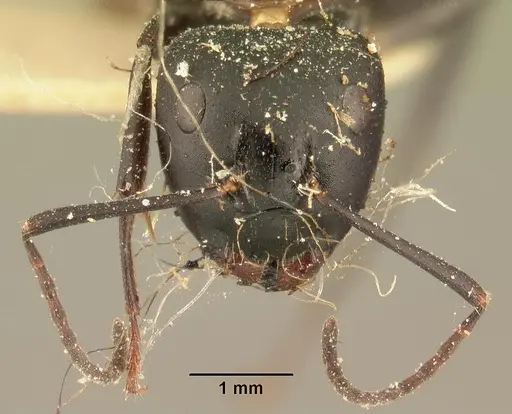
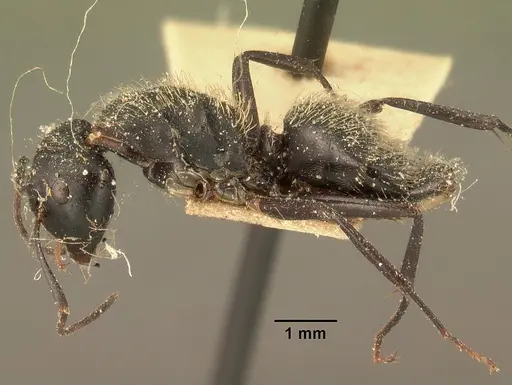
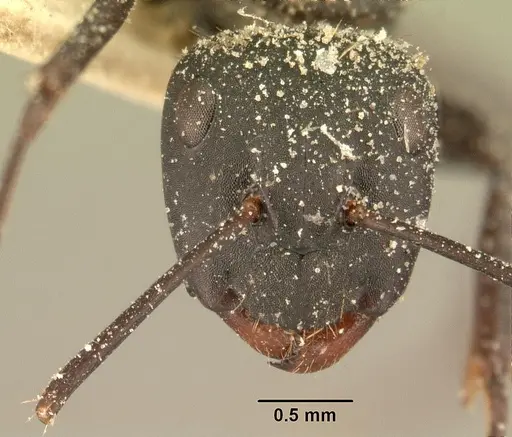
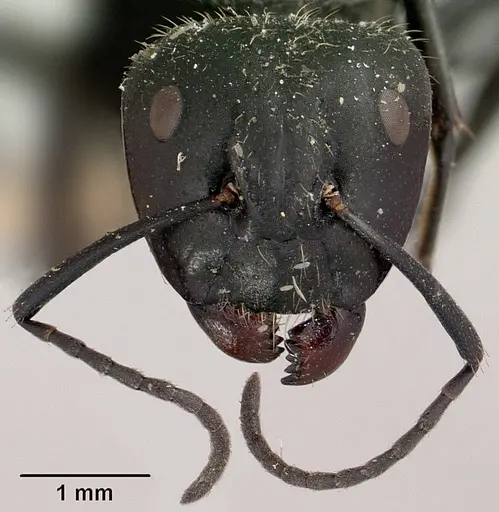
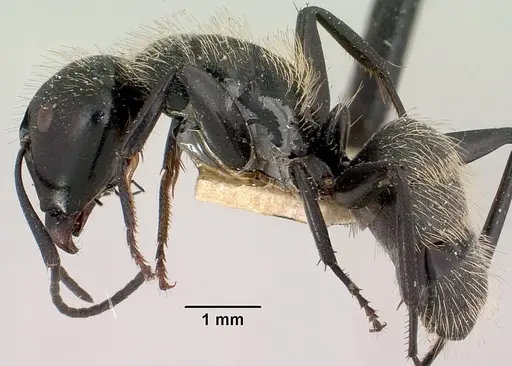
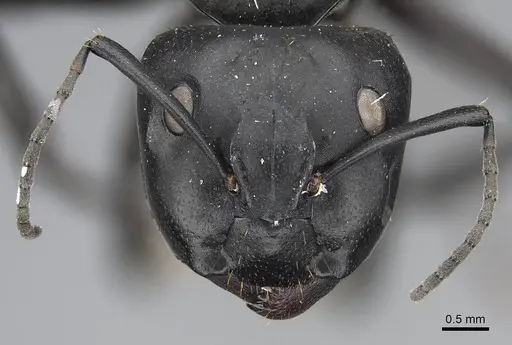
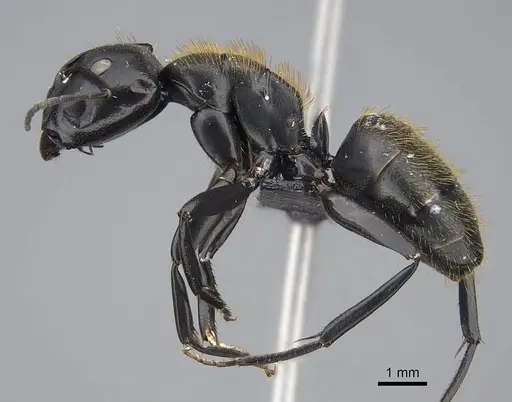
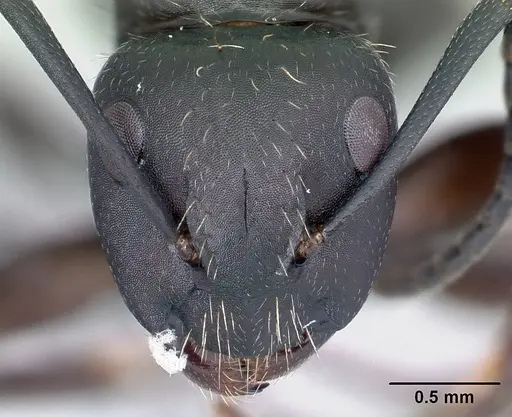
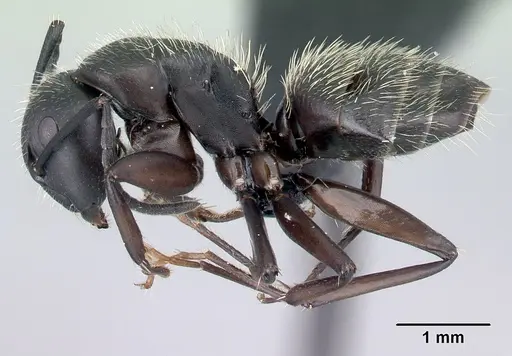
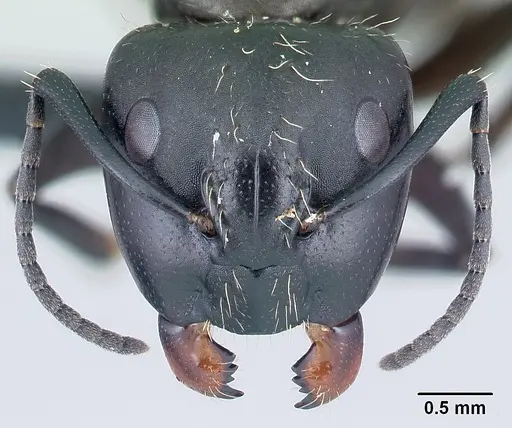
Camponotus radovae is a medium-sized ant species endemic to Madagascar, belonging to the Camponotus darwinii species group. Workers are matte black with sparse yellowish-brown hairs arranged in transverse rows across the body, and they have a distinctive rectangular lobe on the front of the head (clypeus). This species nests in Madagascar's dry forest habitats including deciduous dry forest, gallery forests, and spiny thickets at elevations between 20-840 meters. The species was originally described by Forel in 1886 and was recently reclassified into the subgenus Mayria following a 2022 taxonomic revision .
Quick Summary
- Difficulty: Medium
- Origin & Habitat: Camponotus radovae is found only in southern Madagascar, particularly in Zombitse National Park. It lives in dry forest habitats including deciduous dry forest, tropical dry forests, gallery forests, and spiny forests and thickets at elevations of 20-840 meters [1][2].
- Colony Type: Colony structure is unconfirmed. No specific research documents queen number or colony organization for this species.
- Size & Growth:
- Queen: size data unavailable, no queen measurements exist for this species
- Worker: Minor workers: ~5-7mm, Major workers: ~8-12mm, inferred from Camponotus genus patterns [1]
- Colony: Unknown, no colony size data available for this species
- Growth: Moderate, inferred from typical Camponotus development patterns
- Development: 6-10 weeks estimated based on typical Camponotus genus development at optimal temperature (Development time is estimated from related Camponotus species, no specific data for C. radovae exists)
- Antkeeping:
- Temperature: Keep at 22-26°C. Based on Madagascar's tropical dry forest habitat, they prefer warm conditions. Provide a temperature gradient so ants can self-regulate.
- Humidity: Moderate humidity around 50-70%. These ants come from dry forest environments, so avoid overly damp conditions. Allow the nest to dry partially between waterings.
- Diapause: Unconfirmed, Madagascar has mild seasonal variation, so a true diapause may not be required. Consider a slight cooling period during winter months rather than full hibernation.
- Nesting: In captivity, standard Camponotus setups work well, test tubes for founding colonies, Y-tong or plaster nests for established colonies. They likely prefer a dry to moderately humid nest environment matching their dry forest origin.
- Behavior: Camponotus radovae is a generalist forager typical of the genus. Workers are moderately active and will forage for honeydew and small insects. Major workers have larger heads for seed processing and defense. Escape prevention should be moderate, these are not tiny ants but standard Camponotus size, so standard barriers are adequate.
- Common Issues: limited availability, this is a rarely kept Madagascar endemic species with few suppliers, founding colonies are slow to establish, Camponotus queens can take months to raise first workers, dry forest origins mean they can be sensitive to excessive humidity and mold, wild-caught colonies may carry parasites or diseases from their native habitat, temperature management is important, they need warmth but not extreme heat
Nest Preferences
In the wild, Camponotus radovae nests in soil and rotting wood within dry forest environments. They prefer dry to moderately humid conditions rather than wet environments. For captive colonies, start with a simple test tube setup for founding queens, a water reservoir connected to a cotton plug creates a humid chamber while the queen seals herself in a dry area. Once the colony reaches 20-30 workers, you can move them to a Y-tong or plaster nest. These ants do well with a setup that allows some drying between waterings, avoid constantly soggy substrates. A small outworld for foraging completes the setup. [1][2]
Feeding and Diet
Camponotus radovae is a generalist feeder like most Camponotus species. Workers collect honeydew from aphids and scale insects in the wild, along with small insects and nectar. In captivity, offer a mix of protein and sugar sources. Sugar water, honey, or diluted maple syrup should be available constantly. For protein, offer small insects like fruit flies, pinhead crickets, or mealworms. Major workers can handle larger prey items. Feed protein 2-3 times per week, removing any uneaten food within 24 hours to prevent mold. Fresh water should always be available.
Temperature and Care
As a Madagascar species from dry forests, Camponotus radovae prefers warm conditions around 22-26°C. A heating cable on one side of the nest creates a temperature gradient that lets ants choose their comfort zone. Place the heating on top of the nest rather than underneath to avoid excessive drying. Room temperature in the low 20s°C is often adequate. During winter, a slight reduction to 18-22°C is acceptable, but avoid cold temperatures below 15°C. These ants are from a tropical region and do not require true hibernation, a slight cooling period during winter months is sufficient if desired. [1]
Behavior and Temperament
Camponotus radovae shows typical Camponotus behavior, workers are moderately active foragers that will explore their outworld for food. Major workers have larger heads and can defend the colony. Workers are not particularly aggressive toward keepers but will defend if threatened. The species is not known to be invasive or particularly problematic. Escape risk is moderate, these are standard-sized ants and standard barrier methods work well. They are primarily nocturnal or crepuscular foragers in the wild, so expect most activity during evening and night hours in captivity. [1]
Colony Founding
Founding behavior is unconfirmed for this species. After mating, the queen finds a small cavity in soil or rotting wood, seals the entrance, and lays eggs. Do not disturb a founding queen, stress can cause her to abandon or eat her brood. Only check gently after 4-6 weeks for signs of development.
Growth and Development
The complete development timeline from egg to worker is estimated at 6-10 weeks for Camponotus species at optimal temperature around 24-26°C. This includes the egg stage, larval stages, and pupal stage. Nanitics (first workers) are typically smaller than regular workers. After nanitics emerge, the queen resumes egg-laying and the colony grows more steadily. Major workers appear as the colony matures, typically when the colony reaches several dozen workers. Growth rate is moderate, a healthy colony might reach 100 workers within the first year under good conditions.
Frequently Asked Questions
How long does it take for Camponotus radovae to raise first workers?
First workers typically emerge 6-10 weeks after the queen lays eggs, assuming optimal temperature around 24-26°C. This is estimated from typical Camponotus development as no specific data exists for this species.
What do Camponotus radovae ants eat?
They are generalist feeders. Offer constant sugar sources (sugar water, honey, or maple syrup) and protein 2-3 times weekly (small insects like fruit flies, mealworms, or pinhead crickets).
What temperature do Camponotus radovae need?
Keep them warm at 22-26°C. A heating cable on part of the nest creates a gradient. Room temperature in the low 20s is often adequate.
Is Camponotus radovae a good species for beginners?
This is a medium-difficulty species. While not as challenging as some exotic species, it is rarely available in the antkeeping hobby as it is an uncommon Madagascar endemic. Basic Camponotus care experience is helpful.
Do Camponotus radovae need hibernation?
True hibernation is not required as they come from tropical Madagascar. A slight cooling to 18-22°C during winter months is sufficient if you want to simulate seasonal conditions.
How big do Camponotus radovae colonies get?
Colony size is not documented for this species. Based on typical Camponotus patterns, colonies likely reach several hundred to a few thousand workers at maturity.
Can I keep multiple Camponotus radovae queens together?
Colony structure is unconfirmed for this species. Most Camponotus are single-queen, so combining unrelated queens is not recommended as they likely will fight.
When should I move Camponotus radovae to a formicarium?
Move from test tube to a proper nest (Y-tong or plaster) when the colony reaches 20-30 workers or the test tube becomes cramped.
Where is Camponotus radovae native to?
This species is endemic to southern Madagascar, particularly found in Zombitse National Park. It lives in dry forest habitats at elevations of 20-840 meters.
Is Camponotus radovae available in the antkeeping hobby?
This is a rarely kept species, it is a Madagascar endemic with limited distribution and few collectors. It is not commonly available from ant suppliers.
What humidity level do Camponotus radovae need?
Moderate humidity around 50-70% is appropriate. They come from dry forest habitats, so avoid constantly wet conditions. Allow the nest to dry partially between waterings.
Report an Issue
The current care sheet is based fully on literature. See inconsistencies, or something that's incorrect? Please , it will be resolved after review from an admin. Contributing to the blogs tab also helps providing information, to make us be able to further improve the caresheets. Thank you for your support!
References

This caresheet is licensed under CC BY-SA 4.0 .
Community Blogs
CASENT0066208
View on AntWeb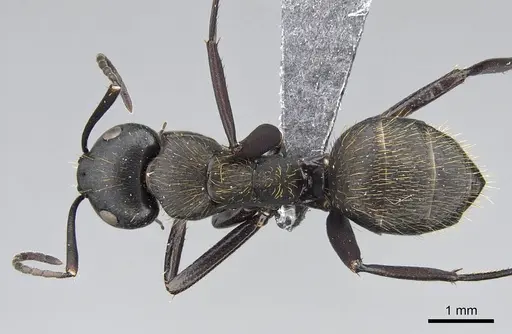
CASENT0101113
View on AntWeb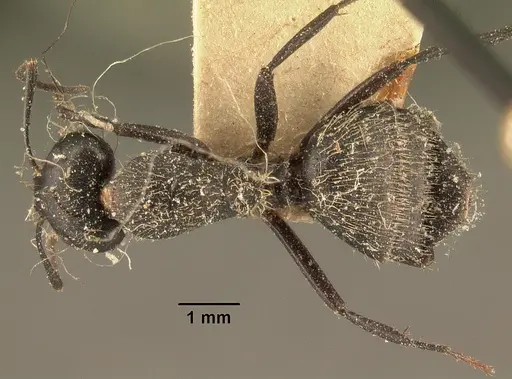
CASENT0101114
View on AntWeb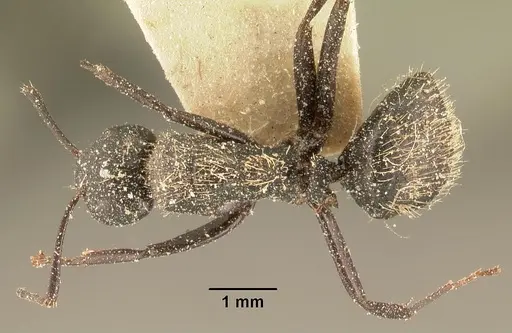
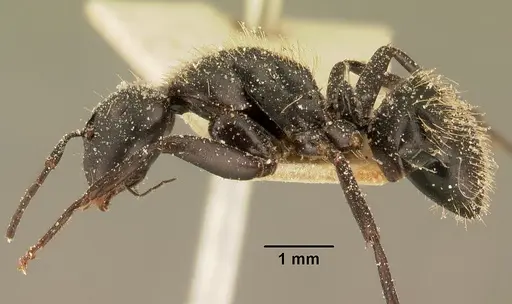
CASENT0101115
View on AntWeb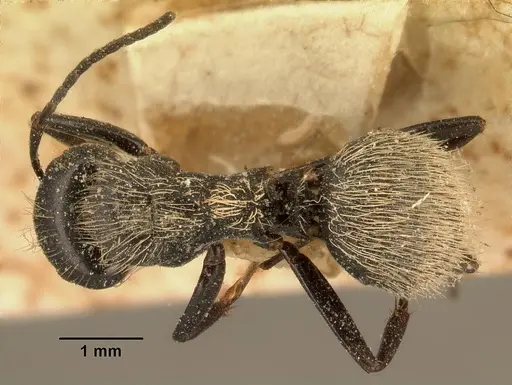
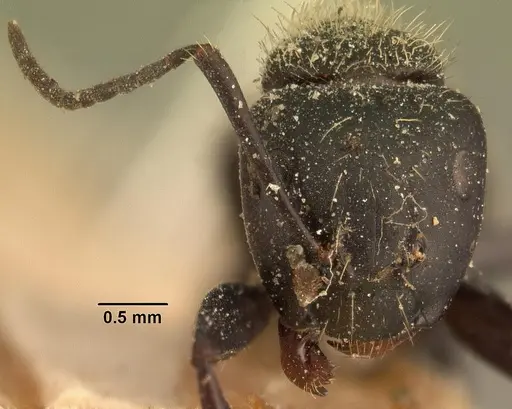
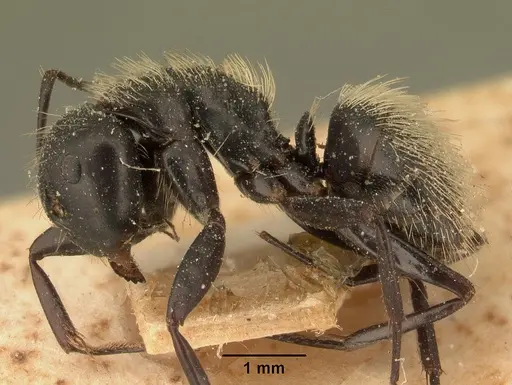
CASENT0101362
View on AntWeb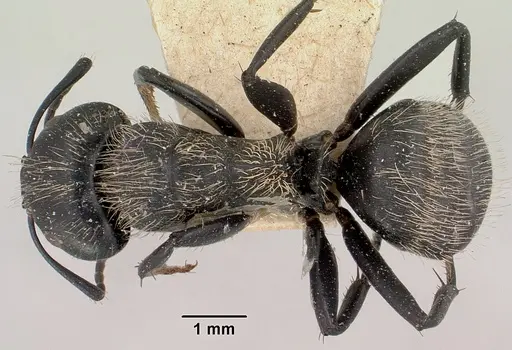
CASENT0101363
View on AntWeb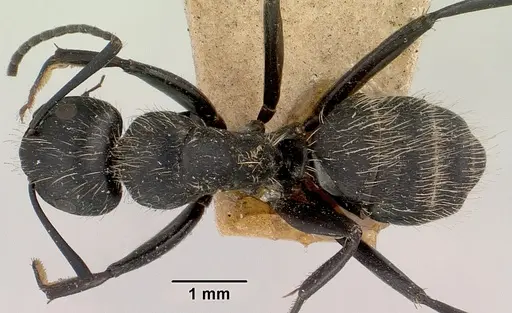
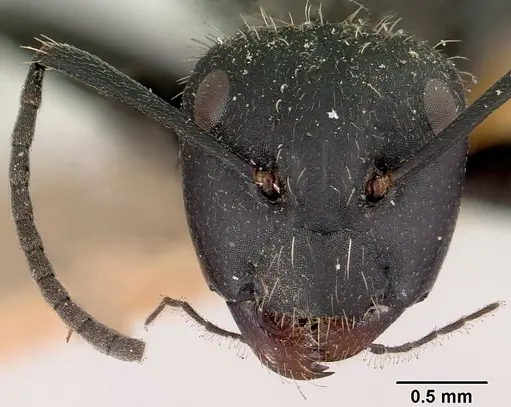
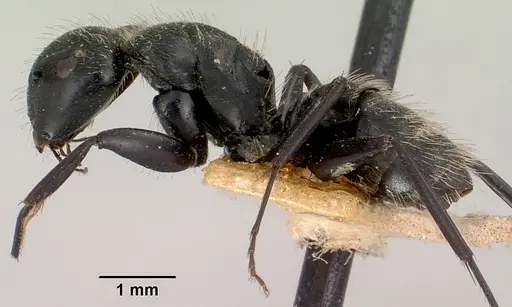
CASENT0101364
View on AntWeb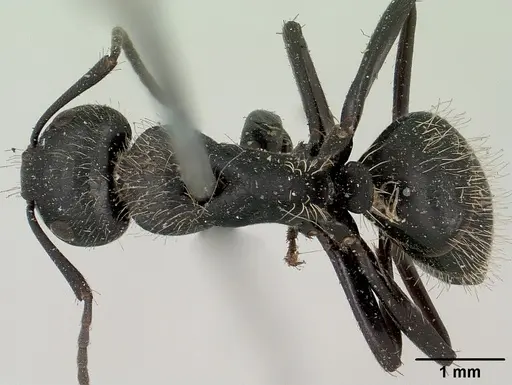
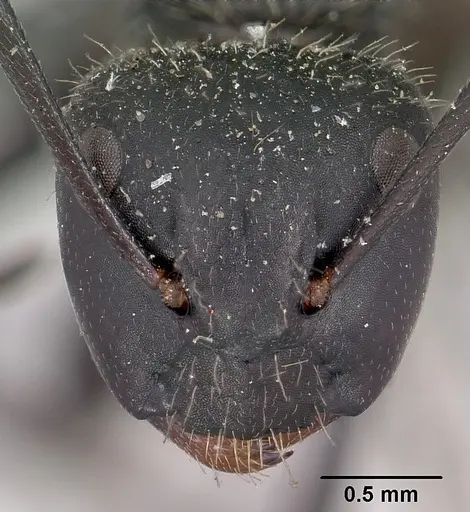
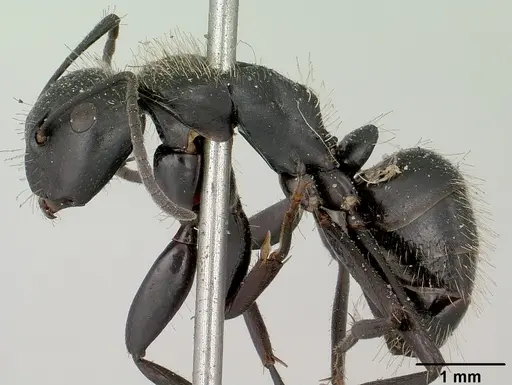
CASENT0101367
View on AntWeb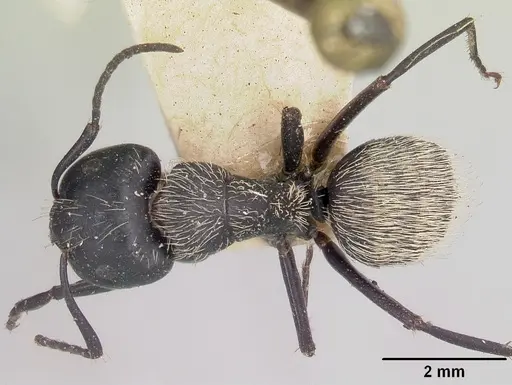
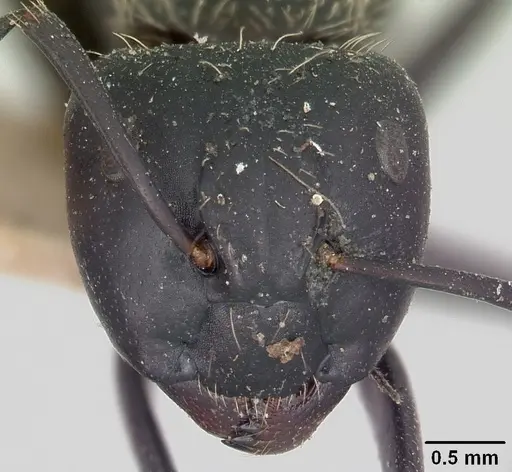
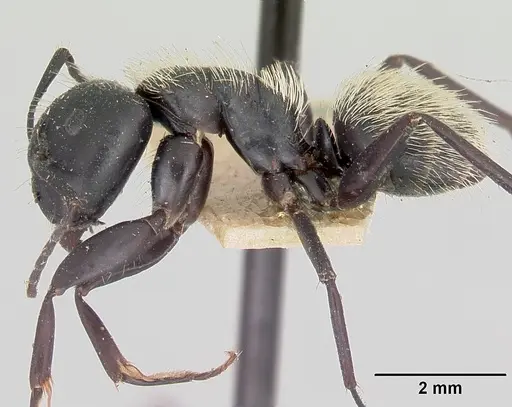
CASENT0155336
View on AntWeb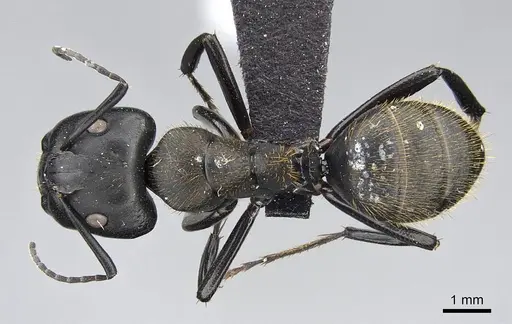
CASENT0491718
View on AntWeb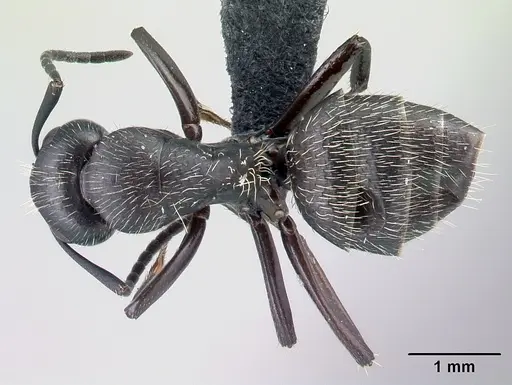
CASENT0491719
View on AntWeb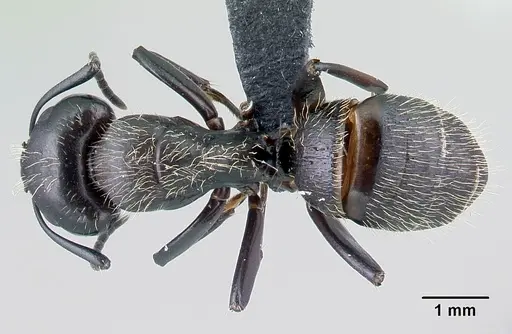
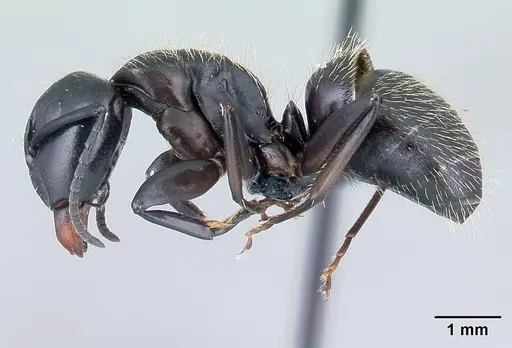
CASENT0491720
View on AntWeb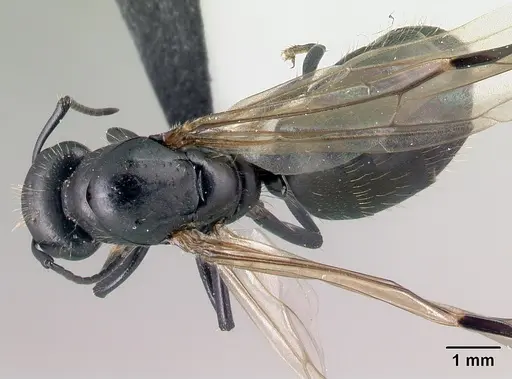
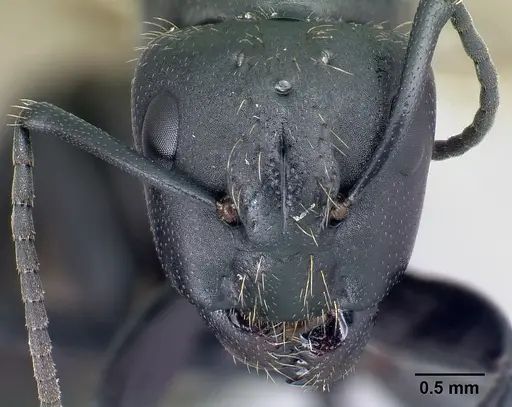
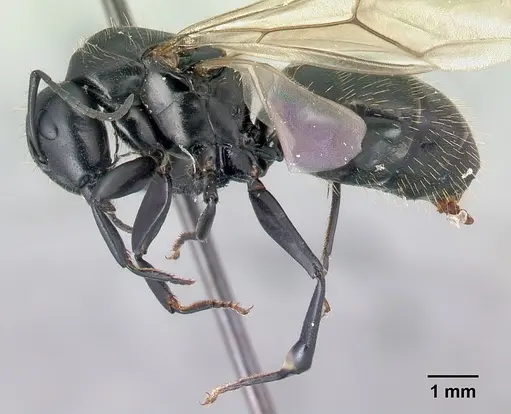
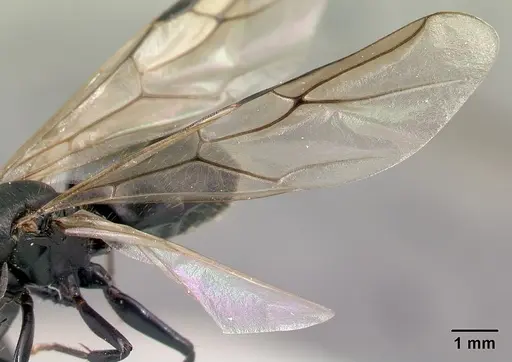
CASENT0493551
View on AntWeb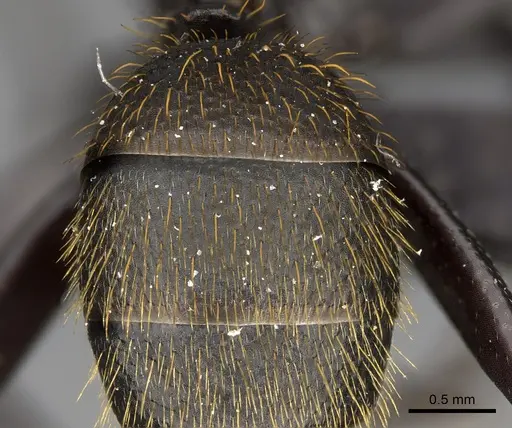
Literature
Loading distribution map...Loading products...