
Camponotus radamae
- Sci. Name
- Camponotus radamae
- Tribe
- Camponotini
- Subfamily
- Formicinae
- Author
- Forel, 1891
- Distribution
- Found in 2 countries
Introduction
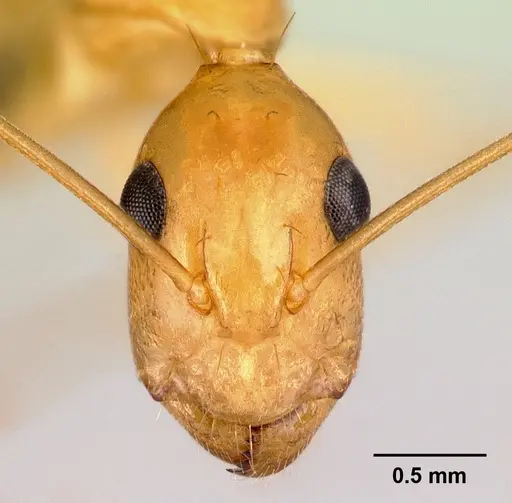
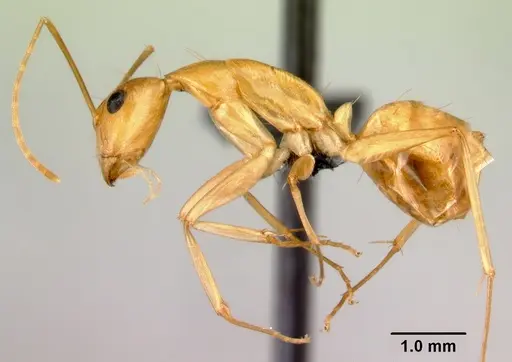
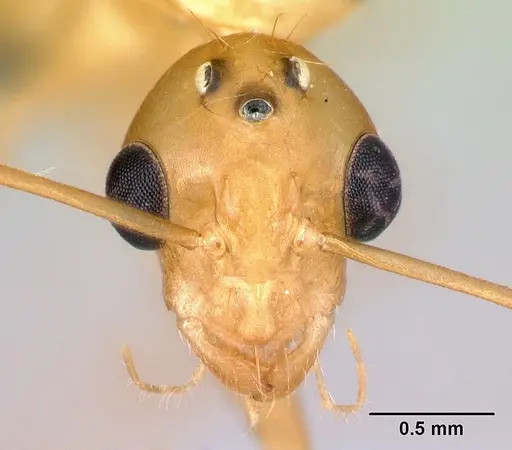
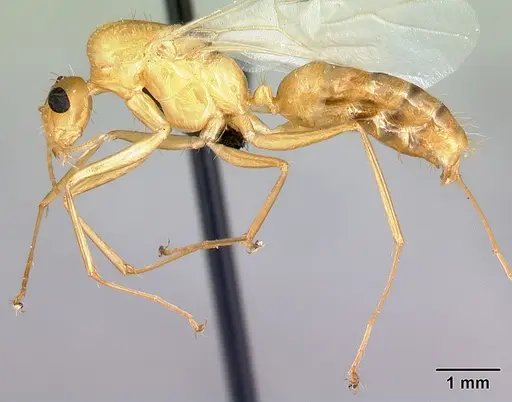
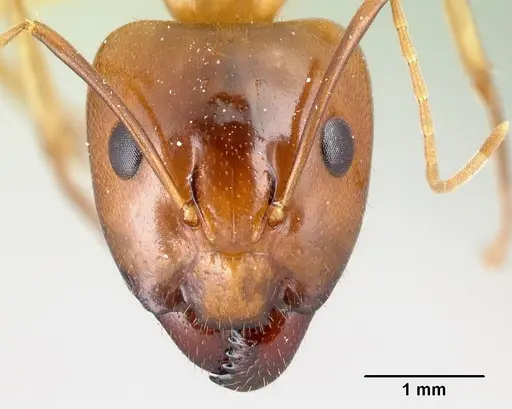
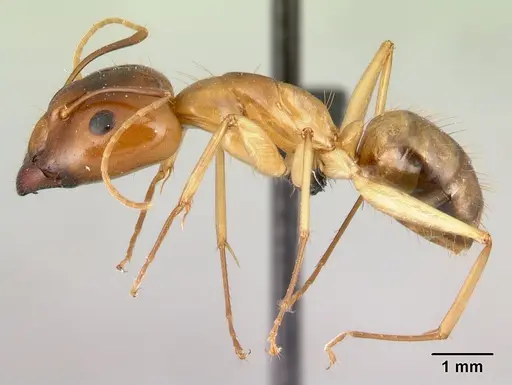
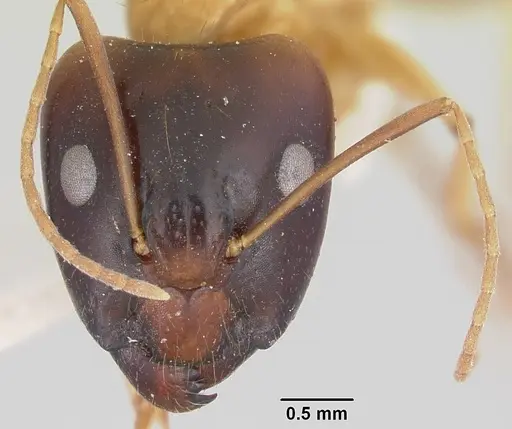
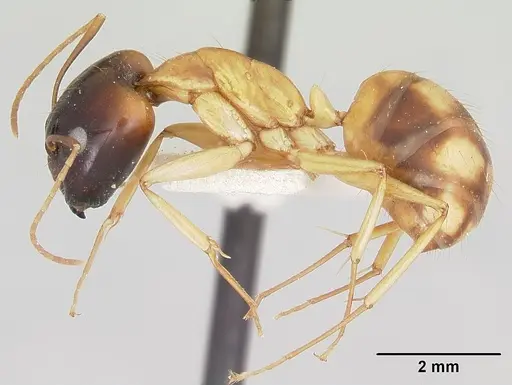
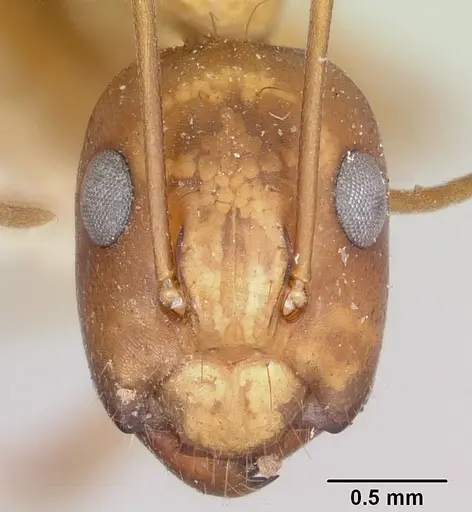
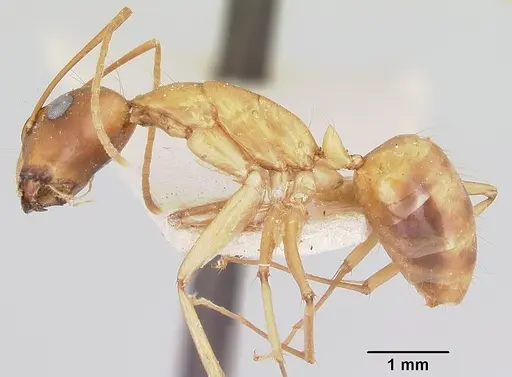
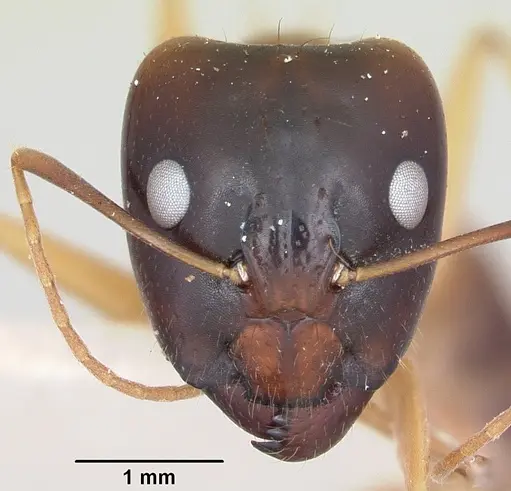
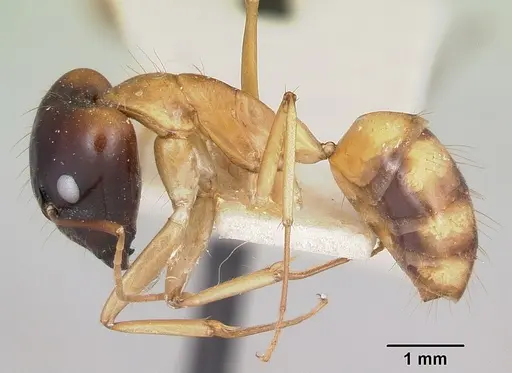
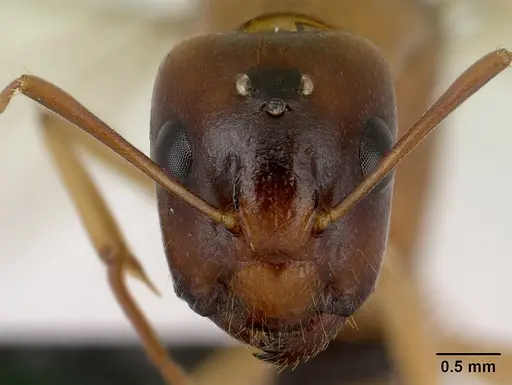
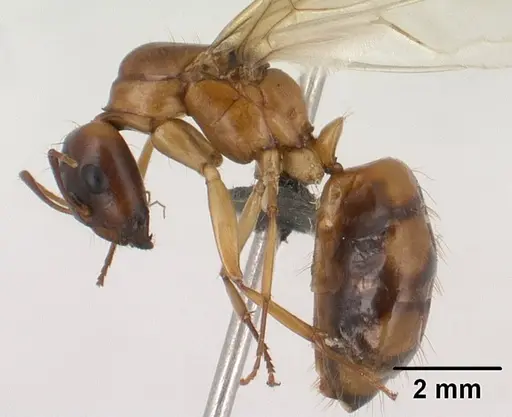
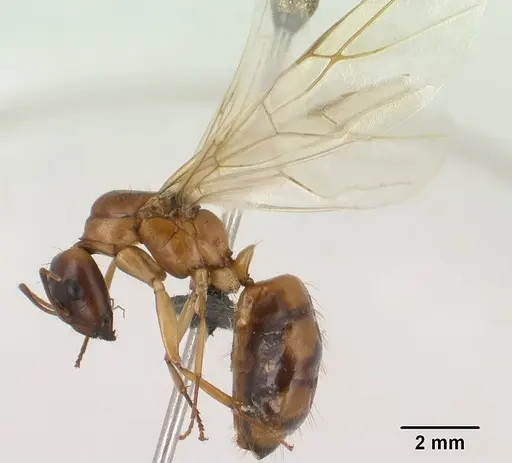
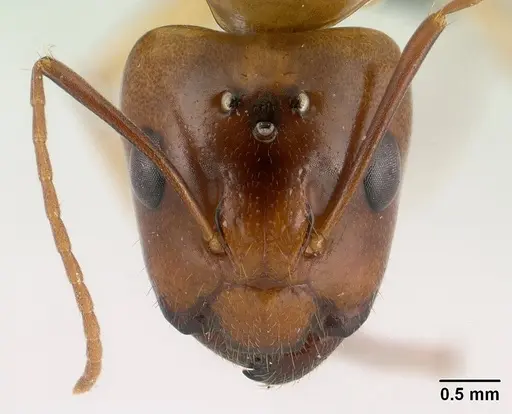
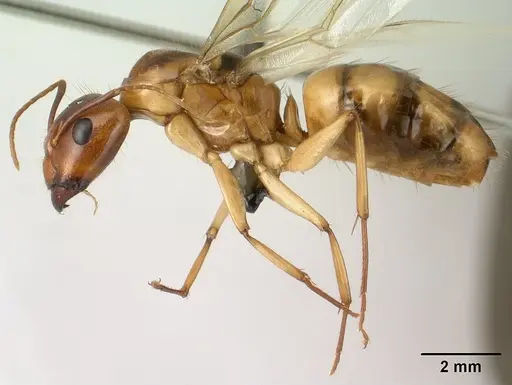
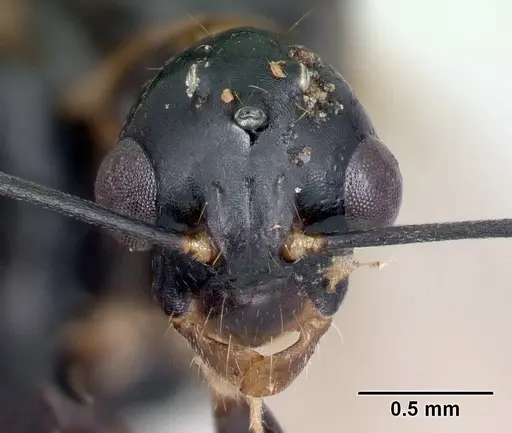
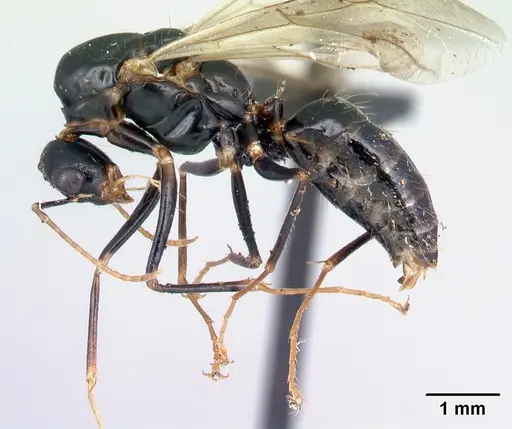
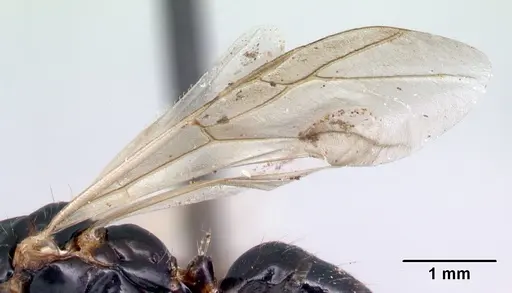
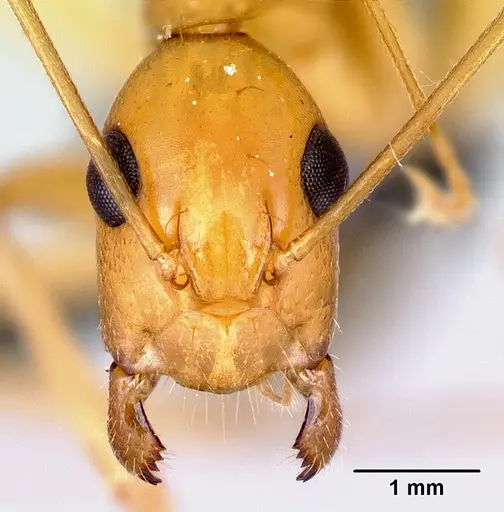
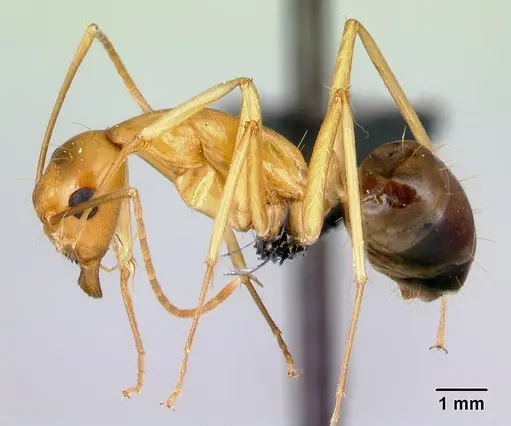
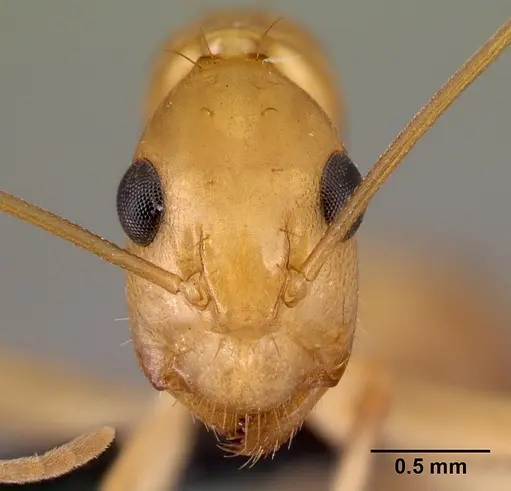
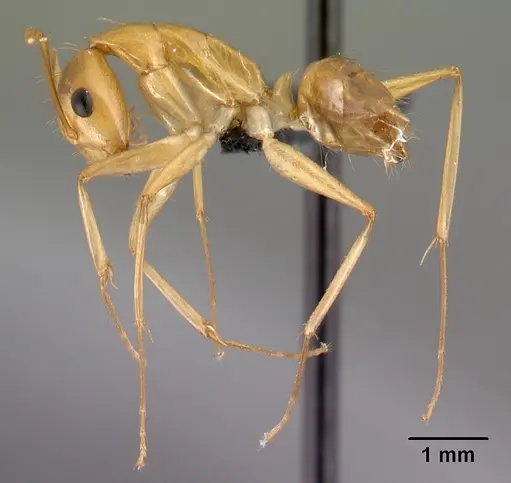
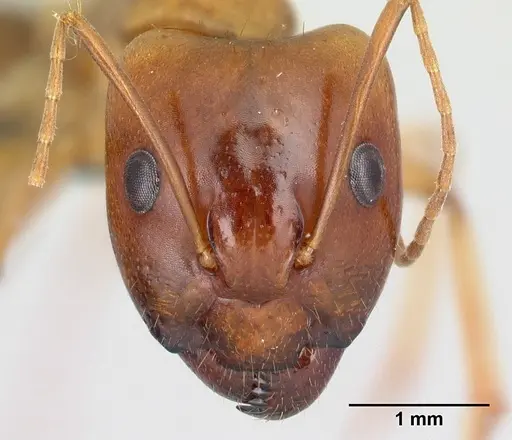
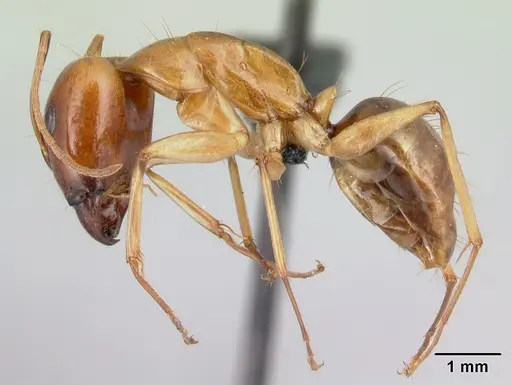
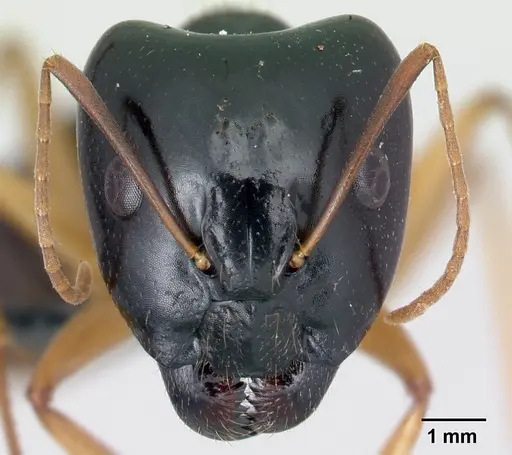
Camponotus radamae is a medium-to-large ant species endemic to Madagascar. Workers come in two distinct sizes: minor workers are more slender with large protruding eyes and parallel-sided heads, while major workers have enlarged heads with a broadly concave posterior margin. The species is arboreal and terrestrial, nesting in rotten logs, tree stumps, dead branches, twigs, and rot pockets above ground. Workers rarely forage on the ground, preferring to search on lower vegetation and in the canopy. This species is part of the Myrmosaga subgenus and is identified by its propodeal dorsum being three times longer than the declivity, and the lack of white spots on the first and second gastral tergites [AntWiki]. What makes C. radamae interesting is its restricted distribution to Madagascar and the eastern humid forests, where it occupies a unique ecological niche as both a tree-nesting and ground-foraging species. It serves as a host for the beetle Miroclaviger cervicornis, which is notably larger than beetle guests of other ant genera, reflecting the larger body size of C. radamae compared to typical myrmecophilous hosts .
Quick Summary
- Difficulty: Medium
- Origin & Habitat: Endemic to Madagascar, found in eastern humid forests ranging from littoral regions to mountaintops. The species is arboreal and terrestrial, nesting in rotten logs, tree stumps, dead branches, twigs, and rot pockets above ground [1].
- Colony Type: Based on typical Camponotus patterns, likely single-queen colonies. Colony structure in the wild has not been specifically documented.
- Size & Growth:
- Queen: size data unavailable, inferred from Camponotus genus (~12-16mm)
- Worker: size data unavailable, minor workers are smaller than major workers based on typical Camponotus dimorphism [1]
- Colony: estimated up to several thousand workers based on typical Camponotus colony development
- Growth: moderate, Camponotus species typically grow at a moderate pace
- Development: estimated 6-8 weeks at optimal temperature based on typical Camponotus development (Development time is inferred from genus-level data as species-specific measurements are not available. Nanitics (first workers) are typically smaller than normal workers.)
- Antkeeping:
- Temperature: Keep at 22-26°C with a gentle gradient. As a tropical species from Madagascar, they prefer warm conditions but avoid excessive heat. Room temperature within this range works well, or use a heating cable on one side of the nest for temperature control [1].
- Humidity: Moderate to high humidity (60-80%). These ants come from humid forest environments, so maintain moisture in the nest substrate. Provide a water tube for drinking access. Mist occasionally but ensure good ventilation to prevent mold.
- Diapause: No, as a tropical species from Madagascar, they do not require hibernation. Maintain consistent temperatures year-round.
- Nesting: Arboreal nester, provide nesting options that mimic their natural habitat. Rotten wood, cork bark, or a Y-tong (AAC) nest with wood-like materials work well. They prefer elevated nest sites and rarely forage on the ground. Avoid fully underground setups.
- Behavior: Workers are moderately active and primarily forage on vegetation and in the canopy, not on the ground. They are not particularly aggressive but will defend their nest. As a Formicinae ant, they lack a functional sting but can bite and spray formic acid from their acidopore if threatened. Escape risk is moderate due to their size, standard formicarium barriers are usually sufficient. They are primarily nocturnal or crepuscular foragers.
- Common Issues: tropical species may suffer if temperatures drop below 20°C, arboreal nesting means they need elevated nest sites, ground-based setups may not be accepted, colonies may be slow to establish during founding phase, poor ventilation can lead to mold problems in their humid environment, formic acid spray from acidopore can cause skin irritation, handle with care
Housing and Nest Preferences
Camponotus radamae is an arboreal species, meaning they prefer to nest above ground rather than in underground chambers. In captivity, they do well in Y-tong (AAC) nests, cork bark setups, or wooden formicaria that mimic their natural nesting in rotten logs and dead branches. The nest should have chambers scaled to their size, major workers need larger passages than minor workers. Place the nest in a warm, humid area of your setup. Since workers rarely forage on the ground, consider adding climbing structures like twigs or plants that reach up to the nest entrance. This helps simulate their natural canopy-edge foraging behavior. [1]
Feeding and Diet
Like most Camponotus species, C. radamae is omnivorous. They accept sugar sources (honey water, sugar water) and protein foods (insects, mealworms, crickets). In the wild, they forage for honeydew from aphids and scale insects on vegetation, plus small arthropods. Feed them a varied diet: offer protein 2-3 times per week and keep a constant sugar water supply. They are not aggressive hunters but will take small live prey. Remove uneaten food after 24-48 hours to prevent mold. [1]
Temperature and Seasonal Care
As a tropical species from Madagascar, C. radamae needs warm temperatures year-round. Keep the nest area at 22-26°C. They do not enter diapause or hibernation, so maintain consistent temperatures throughout the year. Avoid temperatures below 20°C, as this can stress the colony and slow development. A heating cable placed on one side of the nest creates a gentle temperature gradient that allows ants to regulate their own position. Room temperature in most homes is acceptable if it falls within their preferred range. [1]
Behavior and Colony Dynamics
This species has distinct worker castes, minor workers handle most foraging and brood care, while major workers defend the nest and may assist with processing larger food items. Workers are primarily nocturnal or crepuscular, foraging on vegetation and in the canopy rather than on the ground. They are not overly aggressive but will defend if threatened. As Formicinae ants, they lack a functional sting and instead use their bite combined with spraying formic acid from their acidopore as defense. The colony will grow over time as the queen produces more workers. Expect the first wave of workers (nanitics) to be smaller than subsequent generations. [1]
Frequently Asked Questions
Can I keep Camponotus radamae in a test tube?
Test tubes can work for founding colonies, but this arboreal species prefers elevated nest sites. Consider moving them to a Y-tong or cork bark setup once they have 20-30 workers. Test tubes are fine for the initial founding phase but may not provide the vertical space they prefer long-term.
How long does it take for Camponotus radamae to produce first workers?
Expect first workers (nanitics) in about 6-8 weeks under optimal conditions (22-26°C). This is typical for Camponotus species. The queen will remain sealed in her chamber until her first workers emerge.
What temperature do Camponotus radamae need?
Keep them at 22-26°C. As a tropical species from Madagascar, they prefer warm conditions and do not tolerate cold well. Avoid temperatures below 20°C.
Are Camponotus radamae good for beginners?
This is a medium-difficulty species. They require warm temperatures year-round and need arboreal-style housing. If you have experience with other Camponotus species, this is a manageable choice. Complete beginners may find the year-round heating requirements challenging.
Do Camponotus radamae need hibernation?
No. As a tropical species from Madagascar, they do not require hibernation or winter cooling. Maintain consistent warm temperatures year-round.
What do Camponotus radamae eat?
They are omnivorous. Offer sugar water or honey constantly, and protein (insects, mealworms, crickets) 2-3 times per week. They also foraged honeydew in the wild, so they may tend aphids if available.
How big do Camponotus radamae colonies get?
Colonies can reach several thousand workers over time. Development is moderate, expect steady growth over several years rather than rapid expansion.
When should I move my colony to a formicarium?
Move them when the test tube or founding setup becomes crowded, typically around 30-50 workers. Since they are arboreal, choose a vertical-style nest like Y-tong or cork bark rather than a horizontal setup.
Can I keep multiple Camponotus radamae queens together?
Not recommended. While colony structure is not fully documented, Camponotus species are typically single-queen colonies. Combining unrelated queens has not been studied for this species and risks fighting.
Report an Issue
The current care sheet is based fully on literature. See inconsistencies, or something that's incorrect? Please , it will be resolved after review from an admin. Contributing to the blogs tab also helps providing information, to make us be able to further improve the caresheets. Thank you for your support!
References

This caresheet is licensed under CC BY-SA 4.0 .
Community Blogs
CASENT0066701
View on AntWeb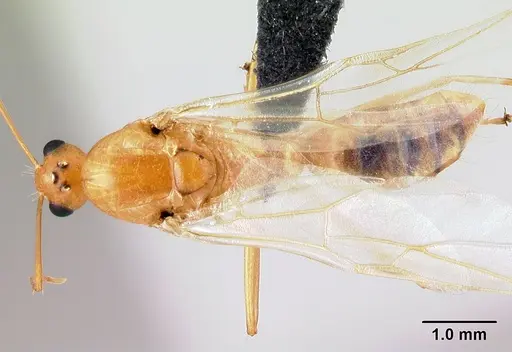
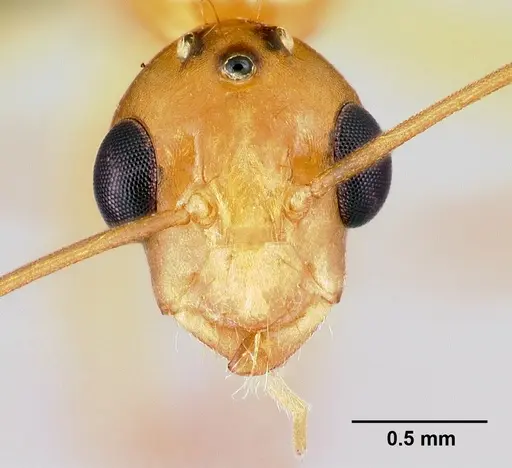
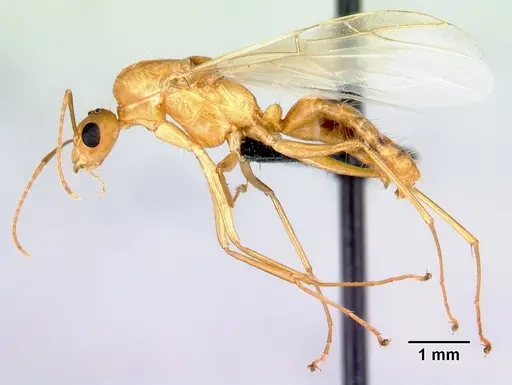
CASENT0066777
View on AntWeb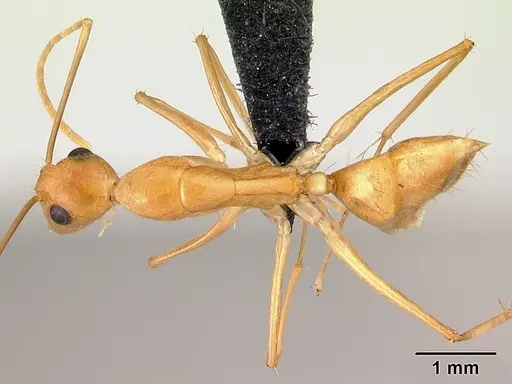
CASENT0067191
View on AntWeb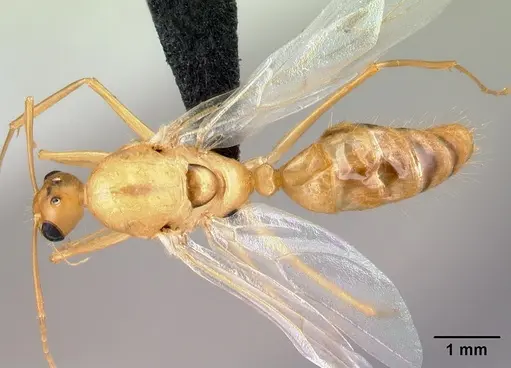
CASENT0067192
View on AntWeb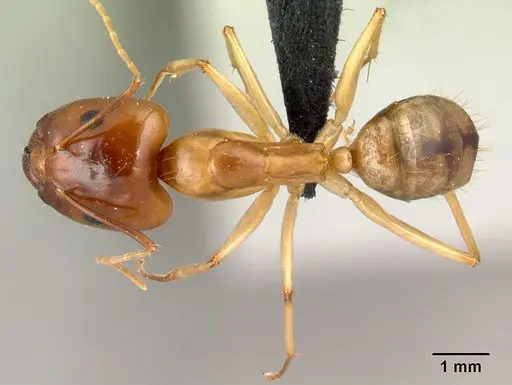
CASENT0101346
View on AntWeb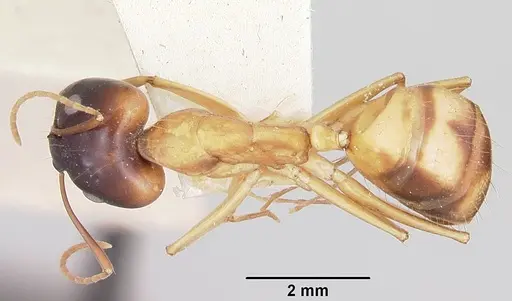
CASENT0101347
View on AntWeb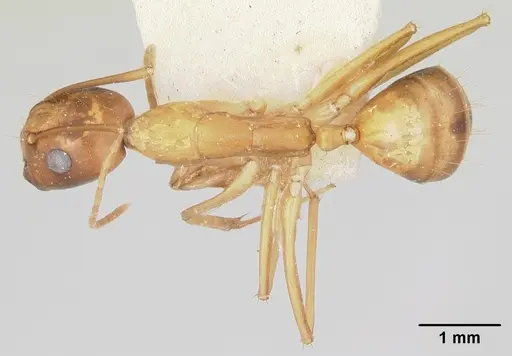
CASENT0101867
View on AntWeb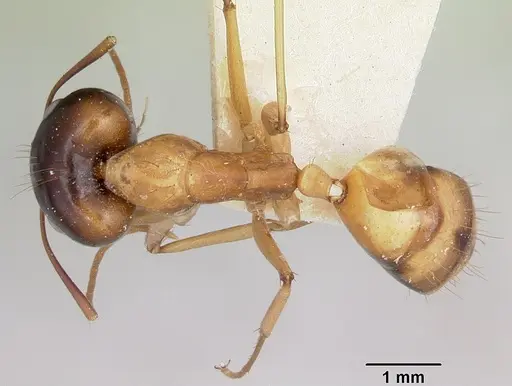
CASENT0135816
View on AntWeb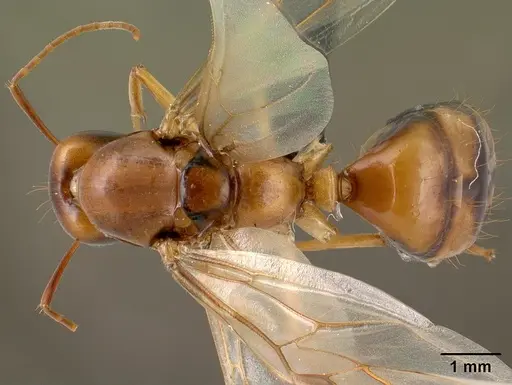
CASENT0143598
View on AntWeb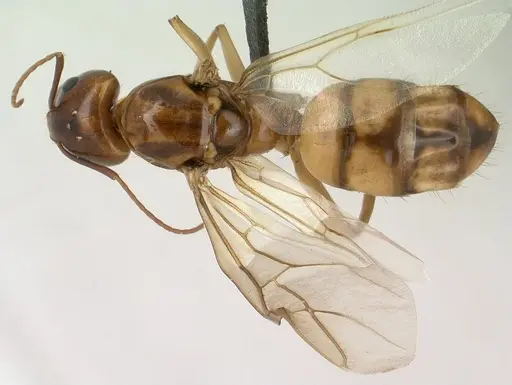
CASENT0152452
View on AntWeb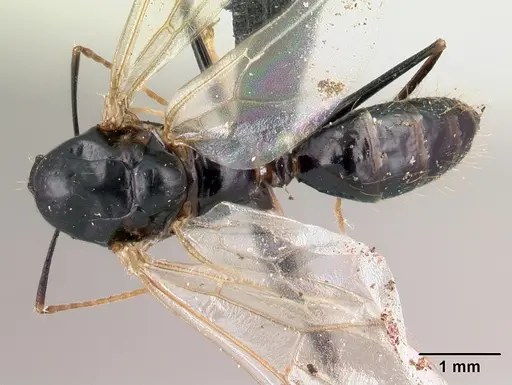
CASENT0152453
View on AntWeb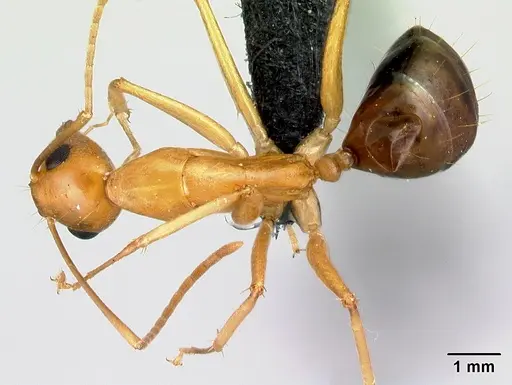
CASENT0217307
View on AntWeb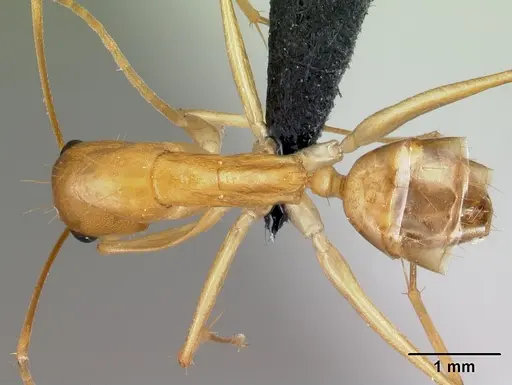
CASENT0217308
View on AntWeb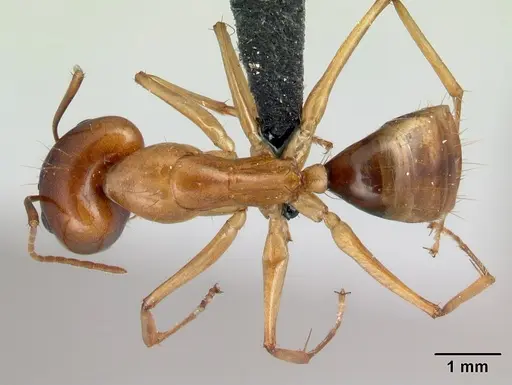
CASENT0217314
View on AntWeb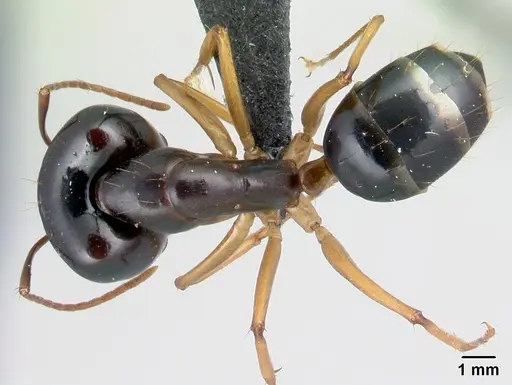
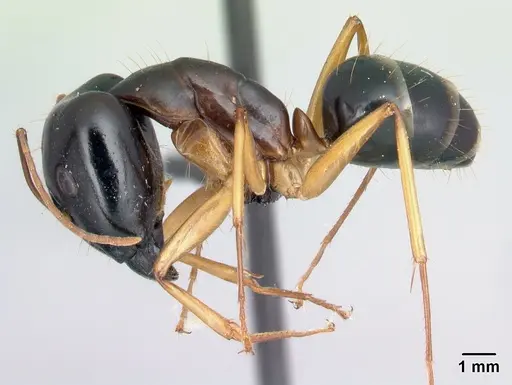
CASENT0228250
View on AntWeb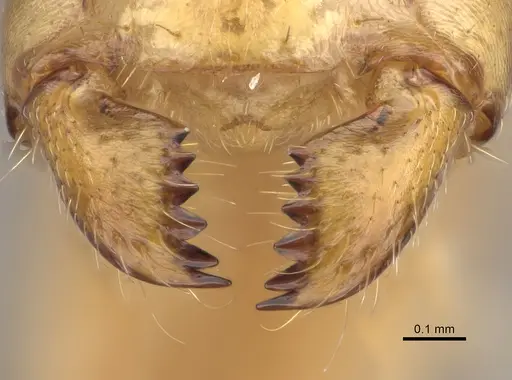
Literature
Loading distribution map...Loading products...