
Camponotus quadrisectus
- Sci. Name
- Camponotus quadrisectus
- Subgenus
- Myrmotarsus
- Tribe
- Camponotini
- Subfamily
- Formicinae
- Author
- Smith, 1858
- Distribution
- Found in 3 countries
Introduction
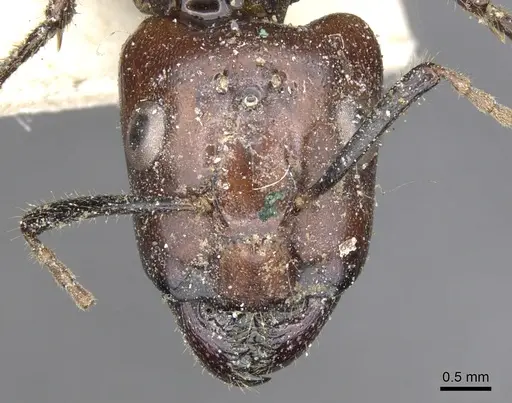
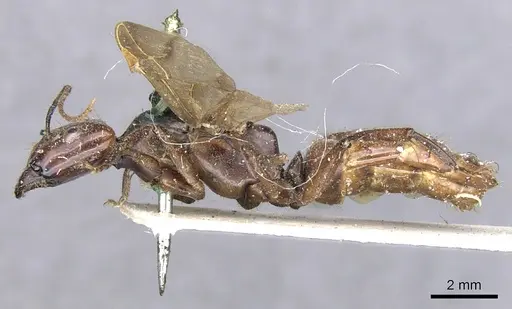
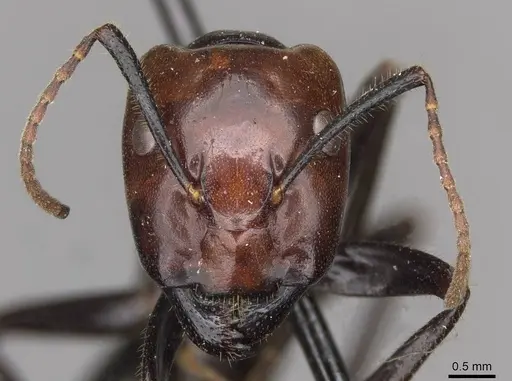
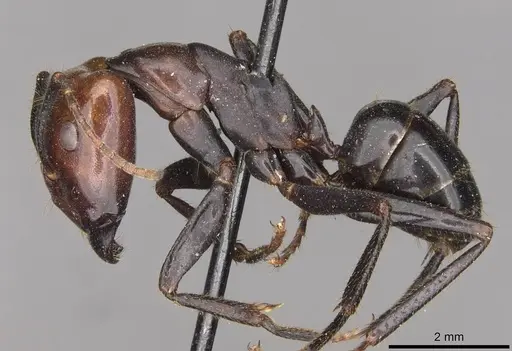
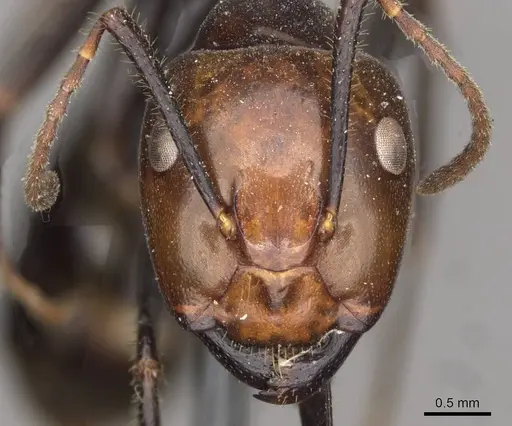
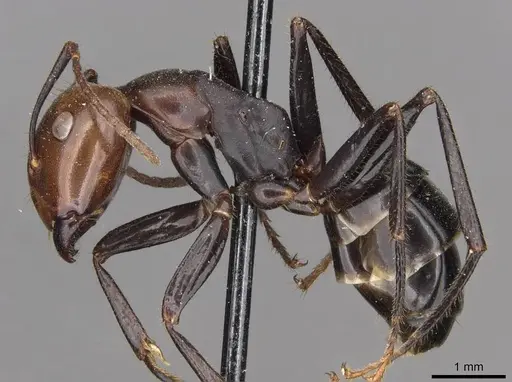
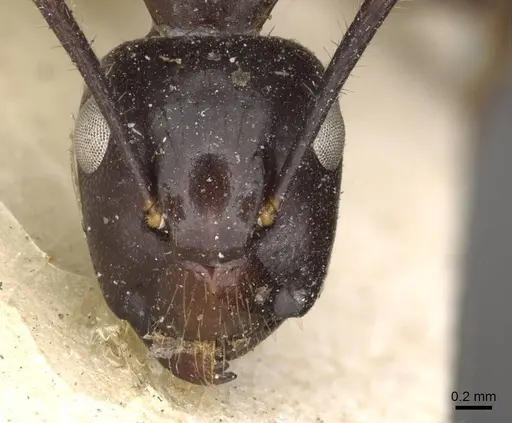
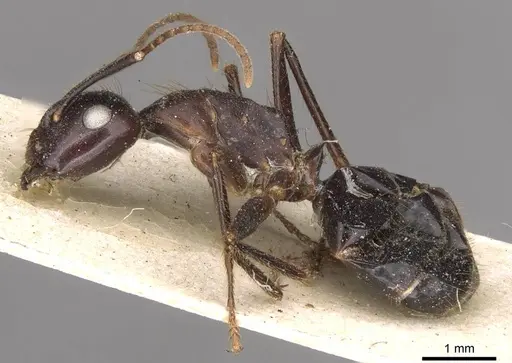
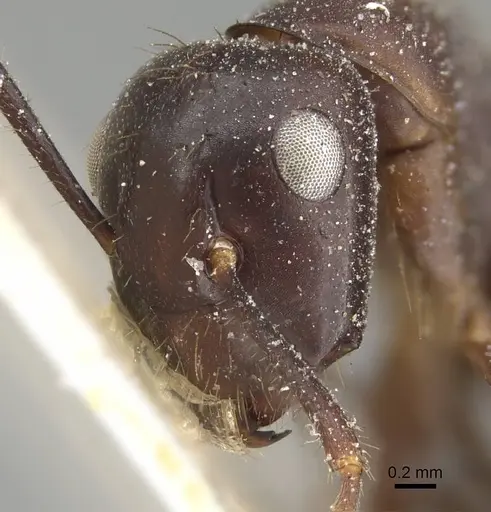
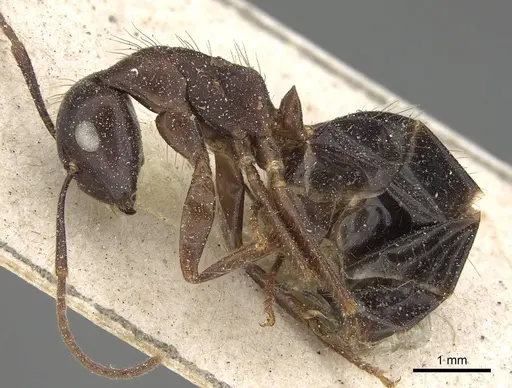
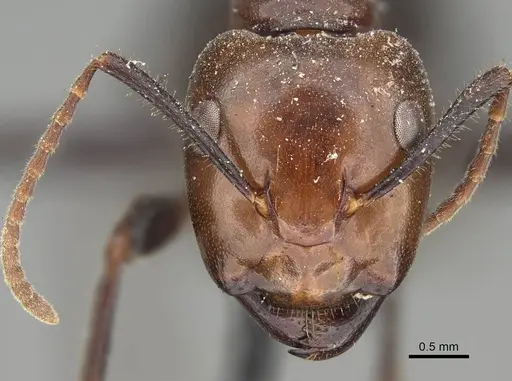
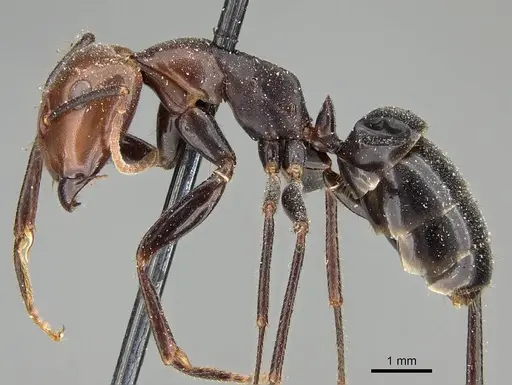
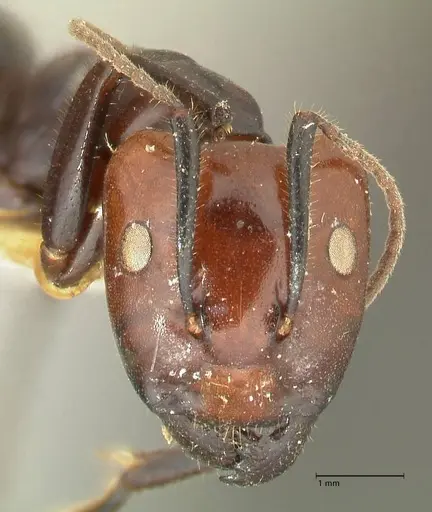
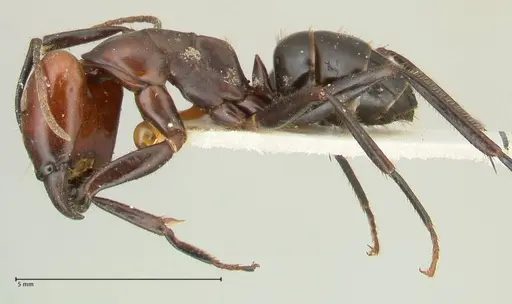
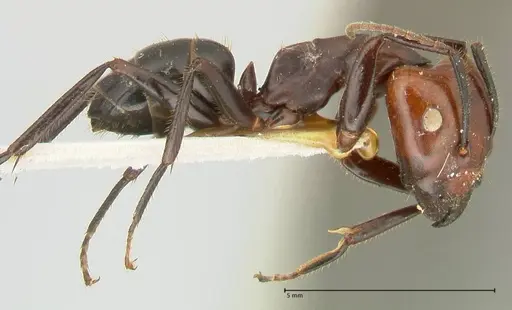
Camponotus quadrisectus is a large carpenter ant species native to Southeast Asia, found throughout the Philippines, Borneo, Malaysia, and Indonesia. Queens reach approximately 14-15mm (originally described as 7 lines in length), while workers range from 6-12mm depending on caste. They have the typical robust Camponotus body with a distinctive four-segmented constriction between the mesosoma and gaster - the 'quadrisectus' name refers to this feature. Coloration is generally dark brown to black with lighter reddish-brown legs and antennae. This species nests in rotting wood, under bark, and in soil cavities within tropical forest habitats. Like other Camponotus, they are generalist foragers that tend honeydew and hunt small insects. Their mandibular glands produce antibiotic compounds including m-cresol and other antimicrobial substances that help protect the colony from infection - a useful adaptation for life in humid tropical environments.
Quick Summary
- Difficulty: Medium
- Origin & Habitat: Native to the Philippines, Borneo, Malaysia (Peninsula and Sarawak), and Indonesia (Sumatra). Found in tropical forest habitats where they nest in rotting wood, under bark, and in soil cavities [1][2][3].
- Colony Type: Likely monogyne (single queen colonies) based on typical Camponotus patterns, though this is not explicitly confirmed for this species.
- Size & Growth:
- Queen: Approximately 14-15mm (originally described as 7 lines in length) [4]
- Worker: 6-12mm (major and minor workers)
- Colony: Up to several thousand workers at maturity, typical for Camponotus
- Growth: Moderate
- Development: 8-12 weeks at optimal temperature (typical for Camponotus in tropical conditions) (Development is temperature-dependent, warmer conditions within safe range accelerate development. Nanitics (first workers) are smaller than mature workers.)
- Antkeeping:
- Temperature: Keep at 24-28°C for optimal development. This is a tropical species that prefers warm conditions. A slight gradient allowing workers to self-regulate is beneficial.
- Humidity: Moderate to high humidity (60-80%). These ants come from humid tropical environments and need moisture, but avoid waterlogging the nest. Provide a water source.
- Diapause: Not required. As a tropical species, they do not need hibernation.
- Nesting: In captivity, they do well in Y-tong (AAC), plaster, or soil nests. Provide nesting chambers scaled to colony size. They prefer dark, secure spaces. A foraging area should allow them to hunt and forage freely.
- Behavior: Generally calm and non-aggressive for a large ant species. Workers are active foragers, primarily at night (nocturnal tendency). They are not particularly defensive but will bite if threatened. Escape risk is moderate, their larger size makes them easier to contain than tiny ants, but they are strong and can push through loose connections. They communicate through chemical trails and will recruit nestmates to food sources.
- Common Issues: colonies can stall if temperatures drop too low, keep warm, queens may die during founding if disturbed too much, provide quiet, dark space, large colonies need significant space, plan for expansion, mold can be an issue in humid setups, maintain proper ventilation, foraging workers may escape if the outworld is not properly sealed
Nest Preferences
In the wild, Camponotus quadrisectus nests in rotting wood, under loose bark, and in soil cavities in tropical forests. They prefer humid, shaded locations that stay relatively stable in temperature. For captive colonies, Y-tong (AAC) nests work excellently as they provide the dark, secure environment these ants prefer. Plaster nests with water channels can also work well, providing humidity control. The nesting area should be dark and sized appropriately, too large a space can stress founding colonies. As the colony grows, you can expand into additional formicarium sections. [2][1]
Feeding and Diet
Camponotus quadrisectus is a generalist feeder like most carpenter ants. In captivity, they readily accept sugar sources (honey, sugar water, maple syrup) which provides energy for active workers. Protein is essential for brood development, offer small insects like fruit flies, small crickets, mealworms, or frozen bloodworms. They are nocturnal foragers, so offering food in the evening often yields better results. A constant sugar source plus protein 2-3 times per week works well for established colonies. Remove uneaten prey after 24-48 hours to prevent mold issues.
Temperature and Care
As a tropical species from Southeast Asia, Camponotus quadrisectus thrives at warmer temperatures. Keep the nest area at 24-28°C for optimal brood development. Temperatures below 22°C can slow development significantly, and prolonged cold can be harmful. A heating cable on one side of the nest creates a gradient allowing workers to self-regulate. Place the heating on top of the nest, not underneath, to avoid drying out the substrate. Room temperature within this range is acceptable without additional heating. They do not require hibernation, this is a year-round active species.
Defense and Health
This is a relatively calm species for a large carpenter ant. Workers are not particularly aggressive and will typically flee rather than fight when disturbed. However, they have a powerful bite if cornered. They are primarily nocturnal, with most foraging activity occurring at night. Workers communicate through chemical pheromones and will form recruitment trails to good food sources. The mandibular glands produce antibiotic secretions including m-cresol and other antimicrobial compounds that help protect the colony from pathogens [5][6]. This is why these ants can thrive in humid environments that would be risky for other species. They are moderate escape artists, larger than most ants but strong enough to find gaps, so ensure all connections are secure.
Frequently Asked Questions
How long does it take for Camponotus quadrisectus to produce first workers?
Expect first workers (nanitics) to emerge 8-12 weeks after the queen lays eggs, assuming optimal temperatures of 24-28°C. Development is slower at cooler temperatures. The first workers will be smaller than mature workers but will quickly be replaced by larger majors as the colony grows.
Can I keep Camponotus quadrisectus in a test tube?
Yes, test tubes work well for founding colonies. Use a standard test tube setup with a water reservoir (cotton ball) and provide darkness. Once the colony reaches 15-20 workers, consider moving them to a proper formicarium with more space. Test tubes are fine for the founding stage but become inadequate as the colony grows.
What temperature do Camponotus quadrisectus need?
Keep them at 24-28°C for best results. This tropical species prefers warmth. A slight temperature gradient in the nest allows workers to choose their preferred zone. Room temperature in this range is acceptable without additional heating.
How big do Camponotus quadrisectus colonies get?
Mature colonies can reach several thousand workers over several years. This is a long-lived species, queens can live 15-30 years, so colonies can grow quite large with patience and proper care.
Do Camponotus quadrisectus need hibernation?
No, they do not require hibernation. As a tropical species from the Philippines and Southeast Asia, they are active year-round. You can maintain consistent temperatures throughout the year.
What do Camponotus quadrisectus eat?
They are generalist feeders. Offer a constant sugar source (honey, sugar water, or maple syrup) and protein sources like small insects (fruit flies, crickets, mealworms). Feed protein 2-3 times per week and remove uneaten food promptly.
Are Camponotus quadrisectus good for beginners?
They are a medium-difficulty species. They are more forgiving than some tropical ants but require warm temperatures and proper humidity. Their large size makes them easier to observe than tiny species. The main challenges are maintaining warmth and providing enough space as the colony grows.
When should I move Camponotus quadrisectus to a formicarium?
Move from the test tube setup to a formicarium once the colony reaches 15-30 workers and the test tube is becoming crowded. A Y-tong or plaster nest works well. Make sure the new nest has appropriately sized chambers, too large can stress the colony.
Why is my Camponotus quadrisectus queen not laying eggs?
Common causes include temperatures that are too low (below 22°C), disturbance or stress, or insufficient nutrition. Ensure the queen is in a dark, quiet location at optimal temperature. A claustral queen may take several weeks to settle before laying. If she has workers, ensure the colony has adequate sugar and protein.
Report an Issue
The current care sheet is based fully on literature. See inconsistencies, or something that's incorrect? Please , it will be resolved after review from an admin. Contributing to the blogs tab also helps providing information, to make us be able to further improve the caresheets. Thank you for your support!
References

This caresheet is licensed under CC BY-SA 4.0 .
Community Blogs
CASENT0903576
View on AntWeb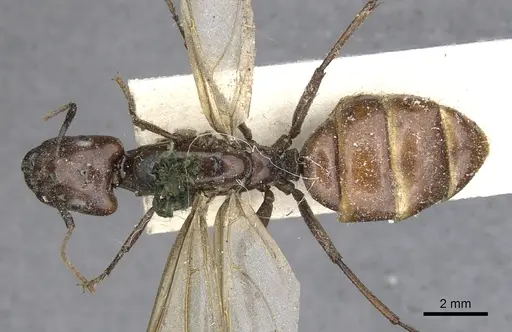
CASENT0910508
View on AntWeb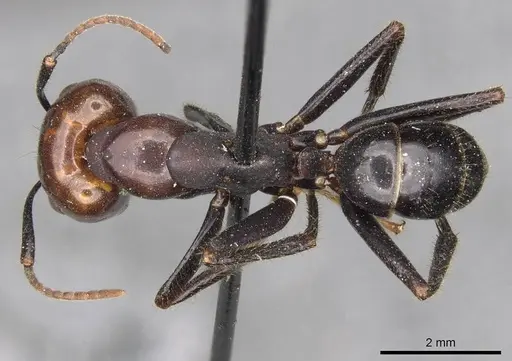
CASENT0910509
View on AntWeb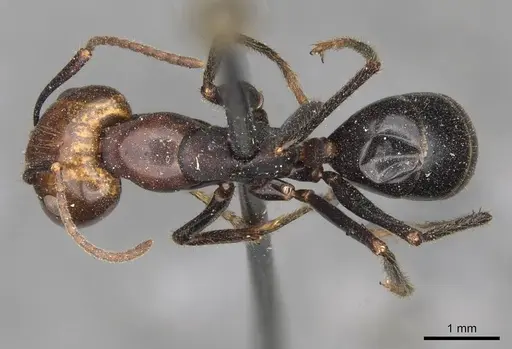
CASENT0910510
View on AntWeb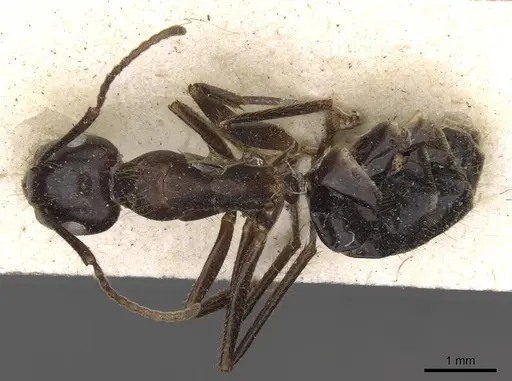
CASENT0922409
View on AntWeb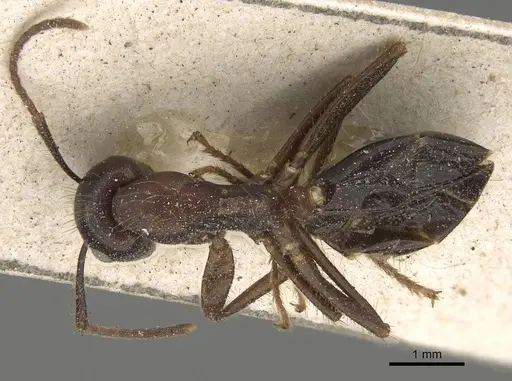
CASENT0922412
View on AntWeb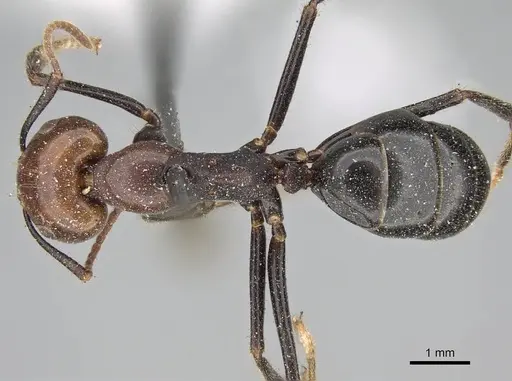
FOCOL2337
View on AntWeb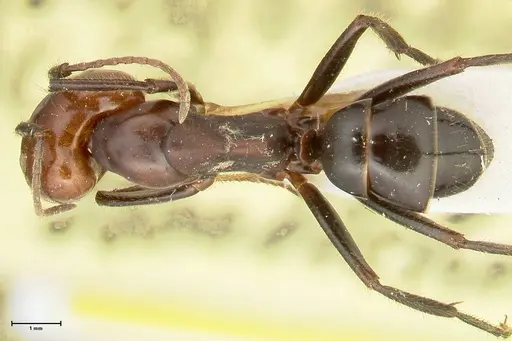
Literature
Loading distribution map...Loading products...