
Camponotus quadrimaculatus
- Sci. Name
- Camponotus quadrimaculatus
- Subgenus
- Myrmosaga
- Tribe
- Camponotini
- Subfamily
- Formicinae
- Author
- Forel, 1886
- Distribution
- Found in 3 countries
Introduction
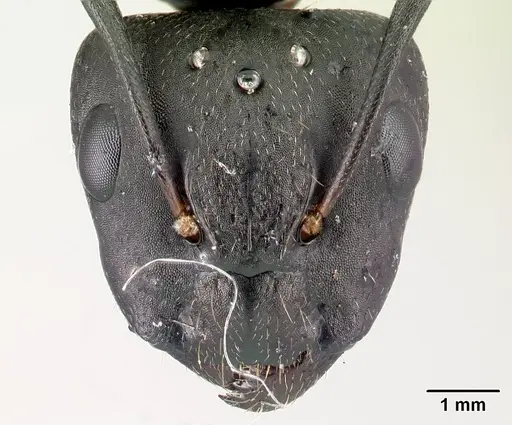
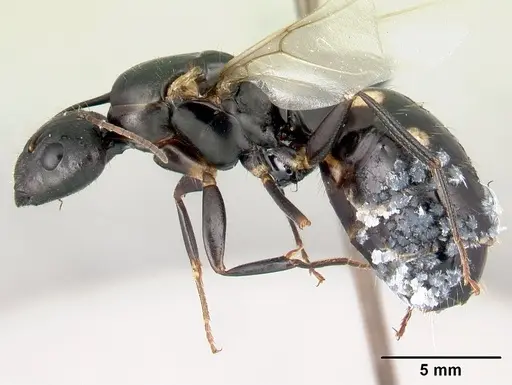
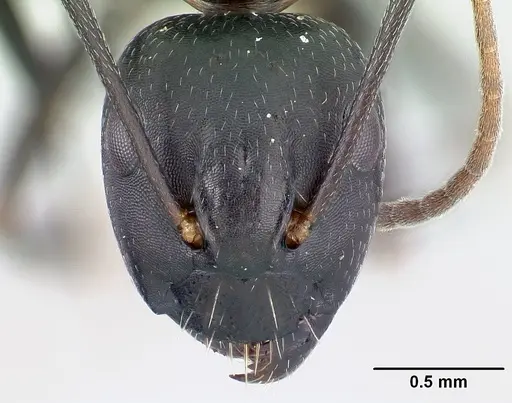
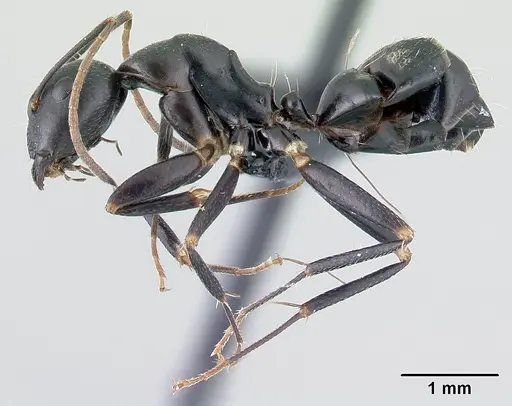
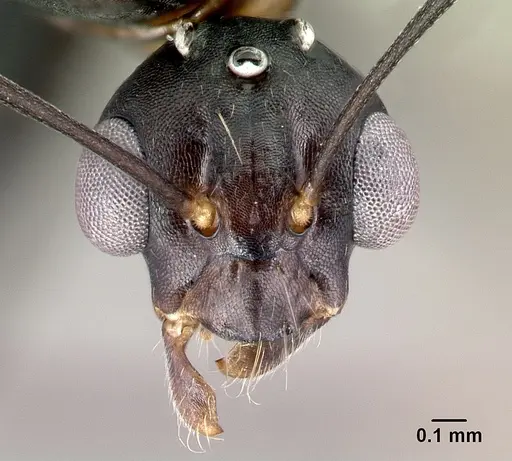
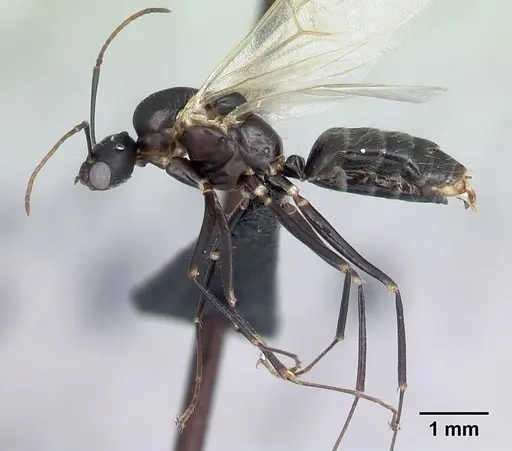
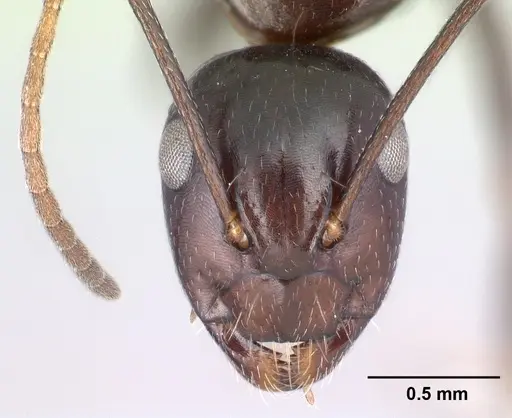
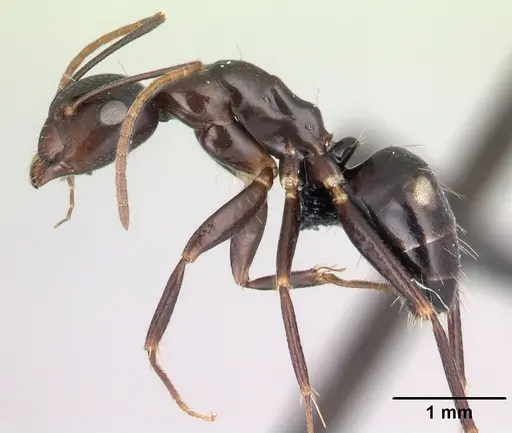
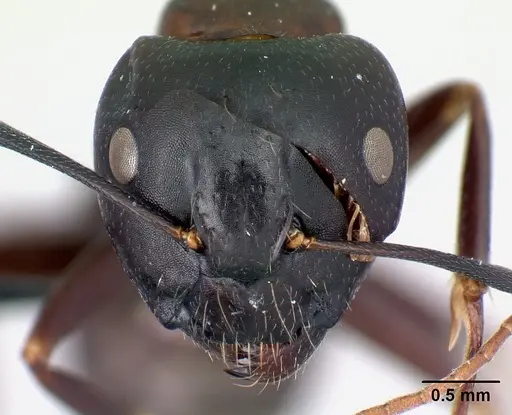
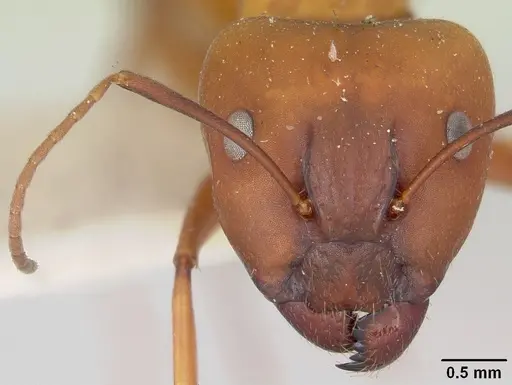
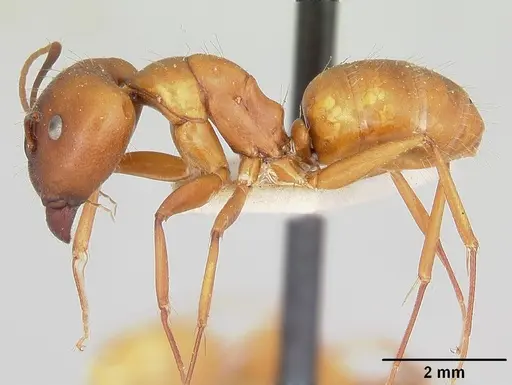
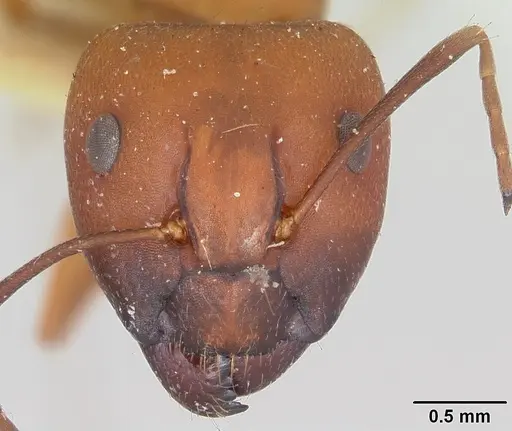
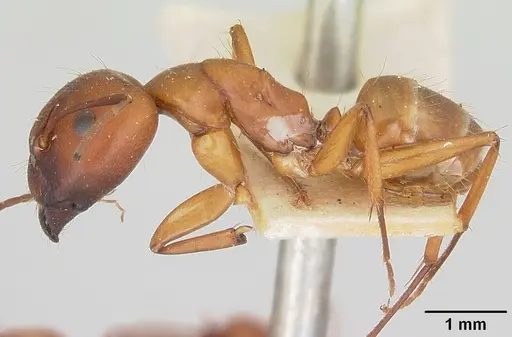
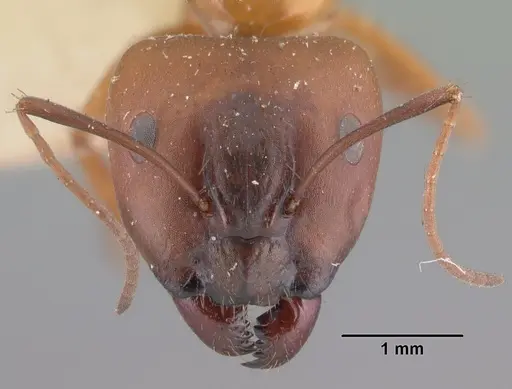
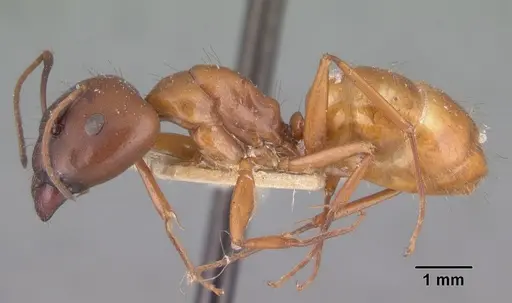
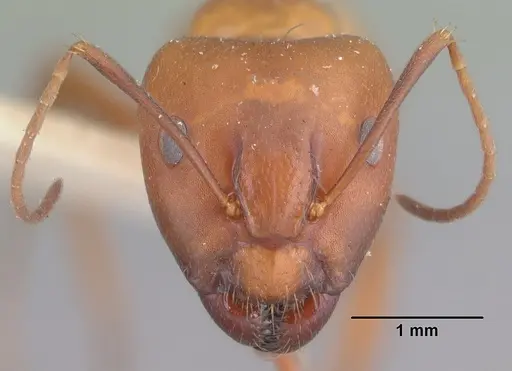
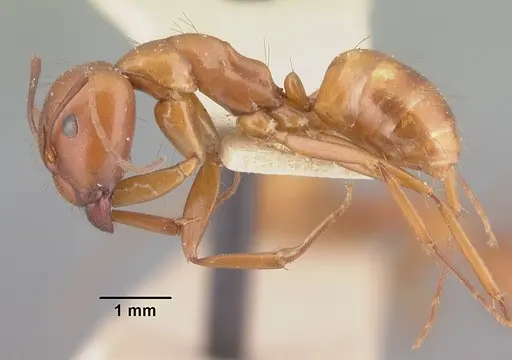
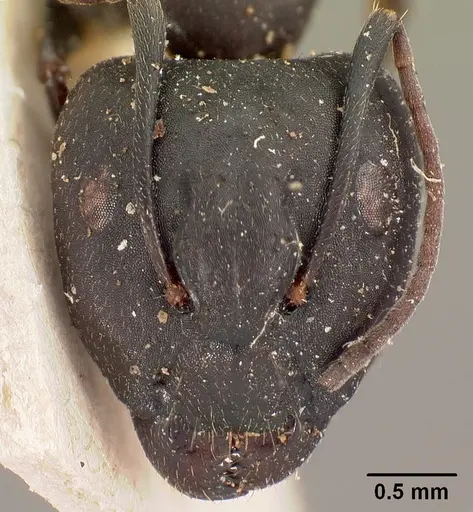
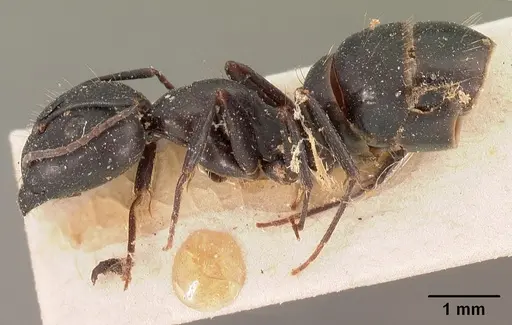
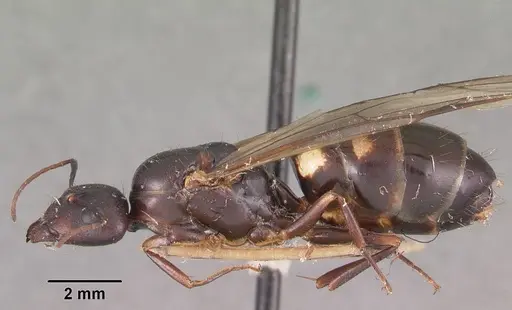
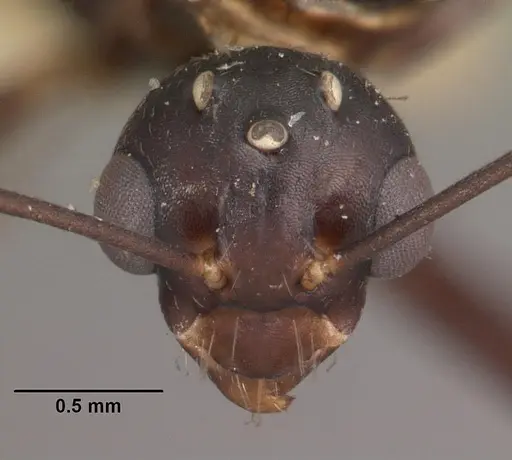
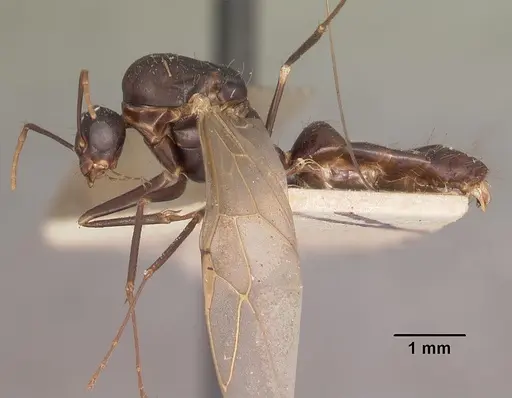
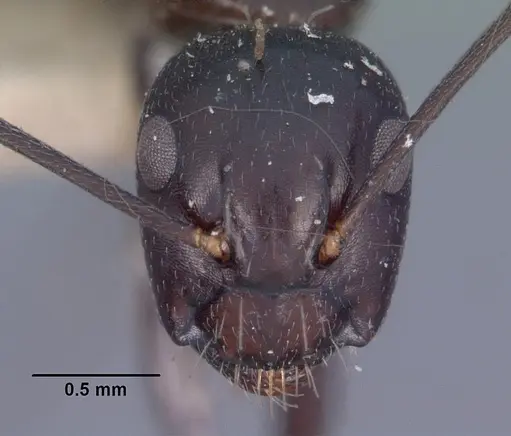
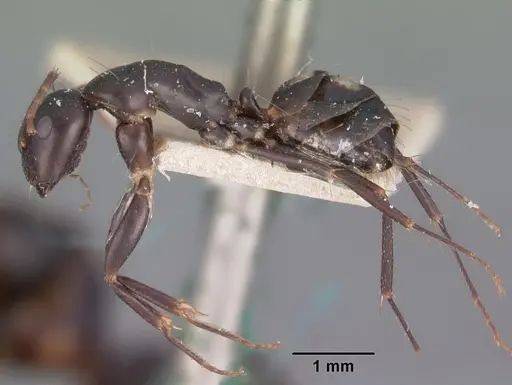
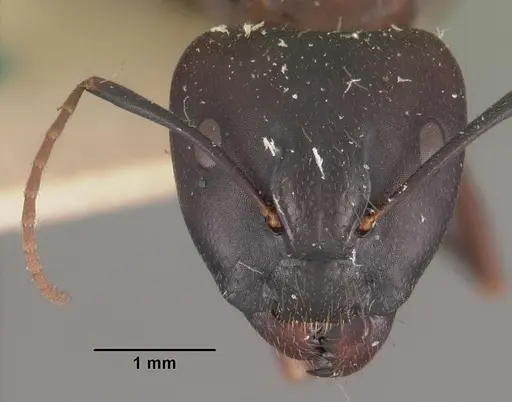
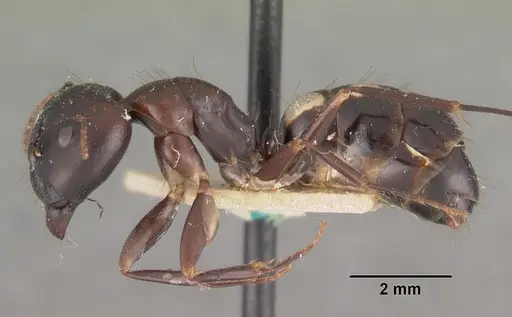
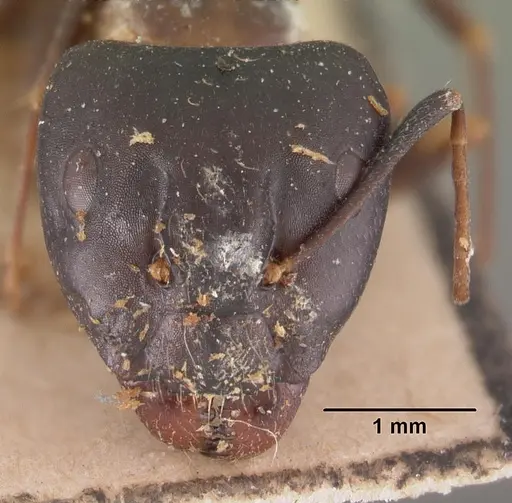
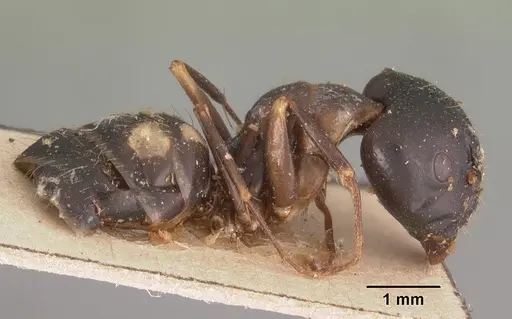
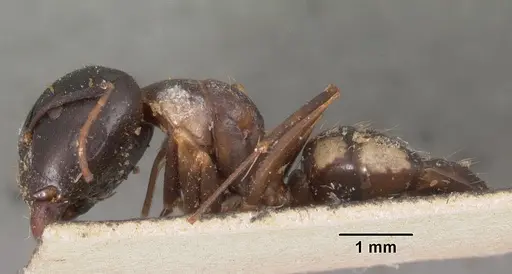
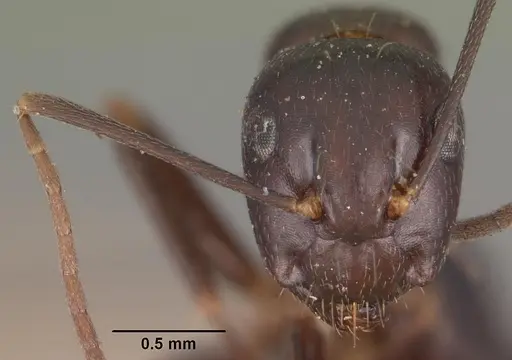
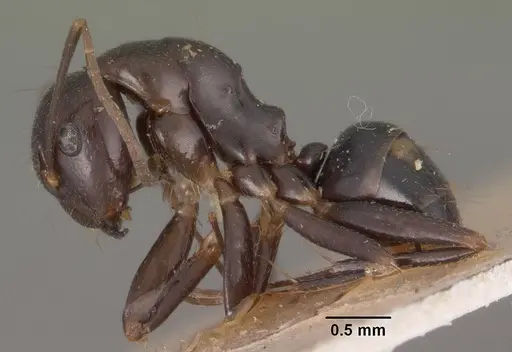
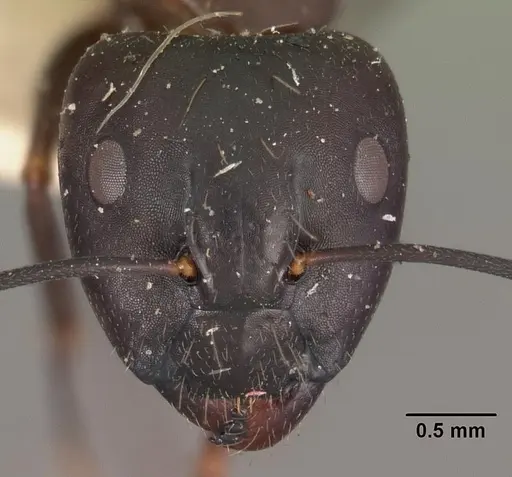
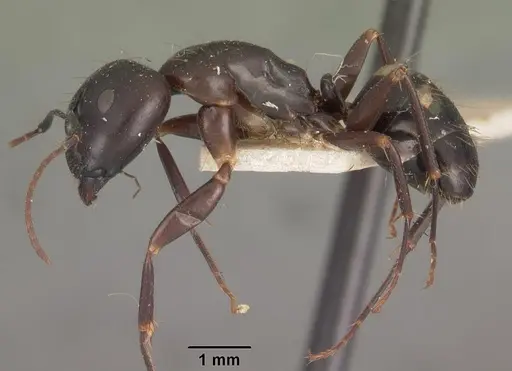
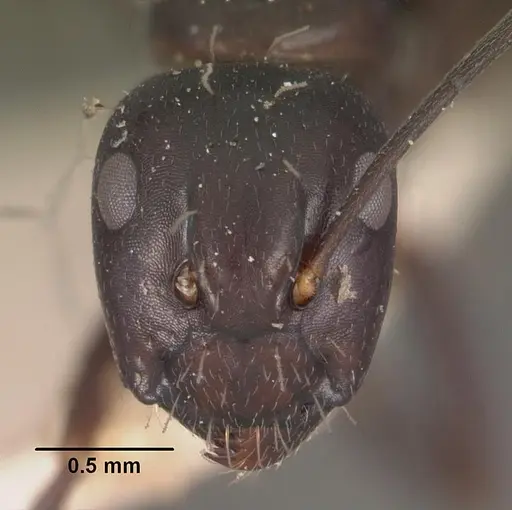
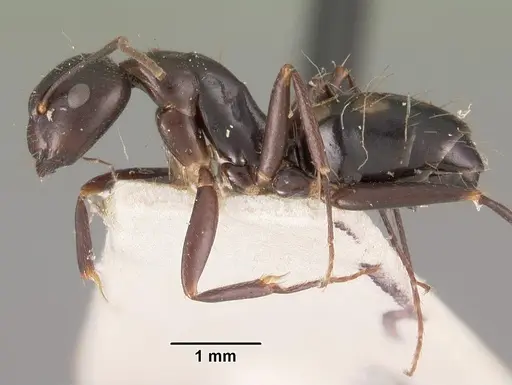
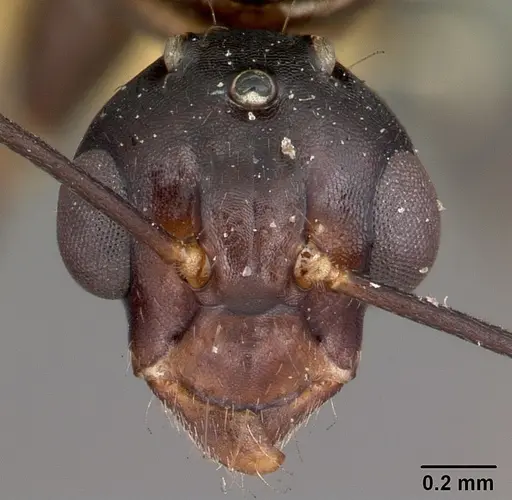
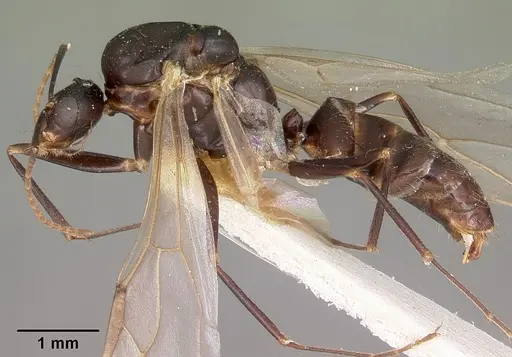
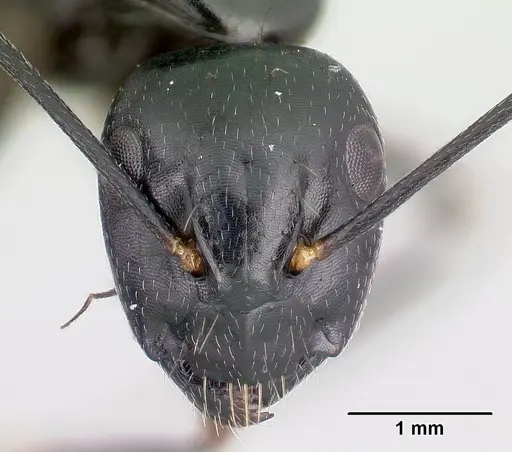
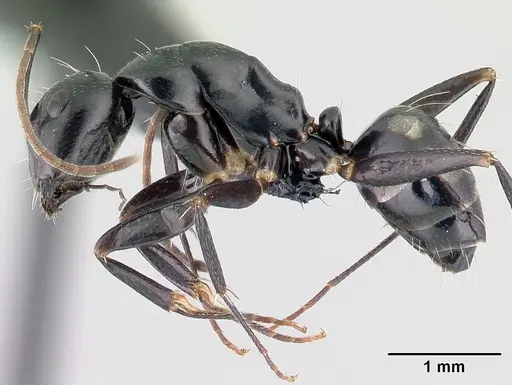
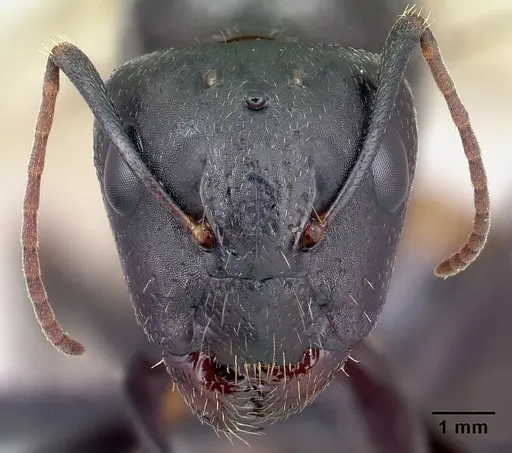
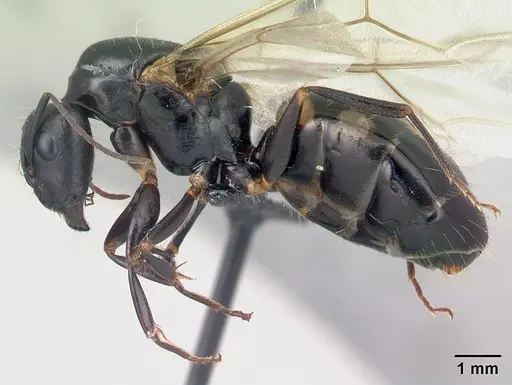
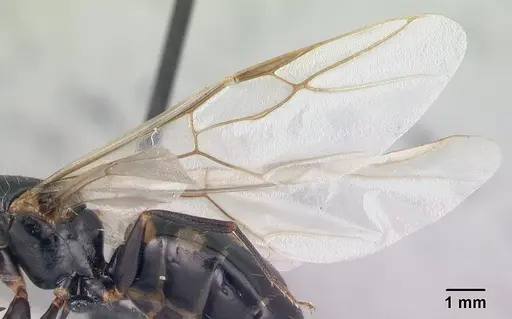
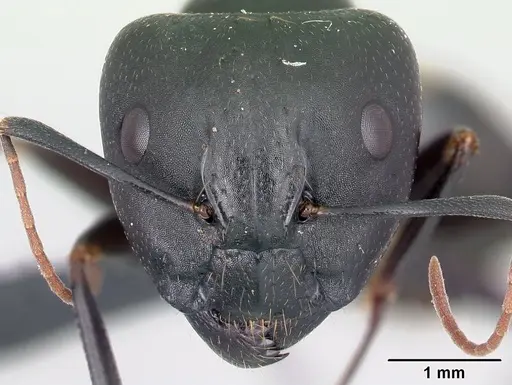
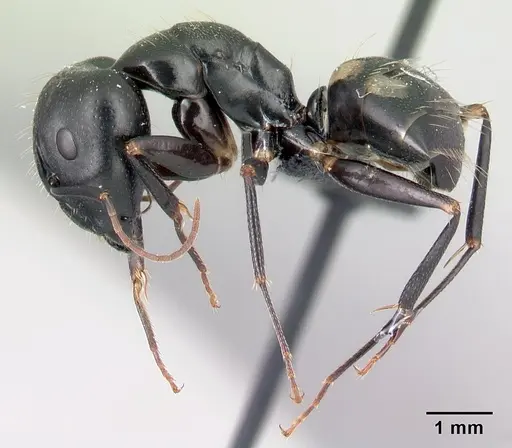
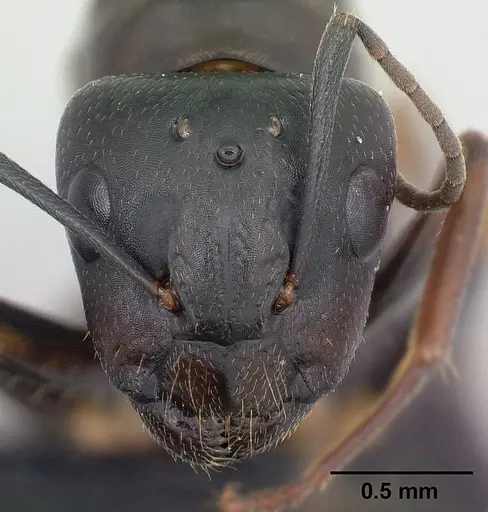
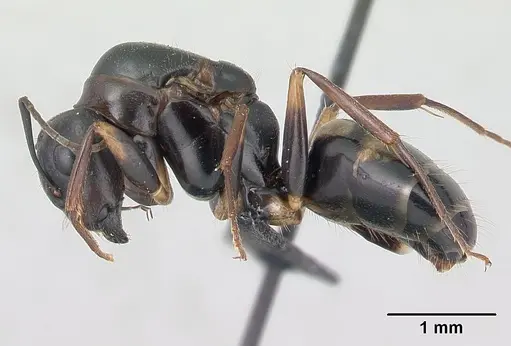
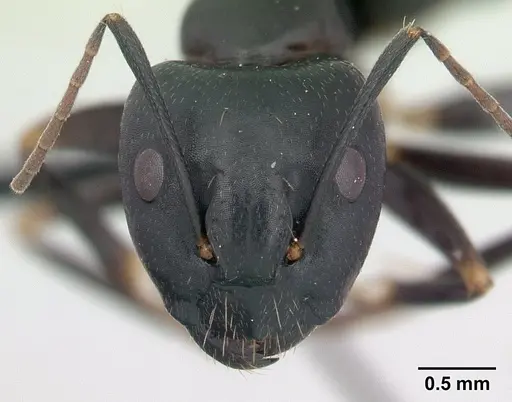
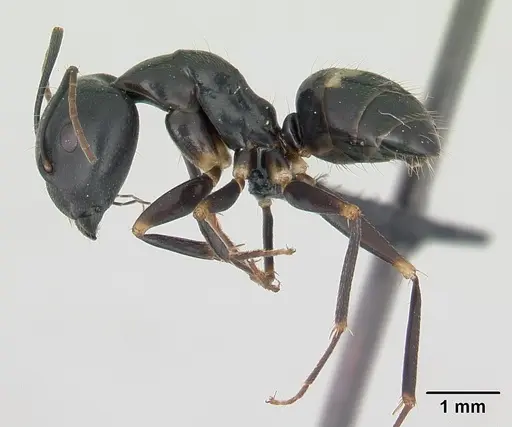
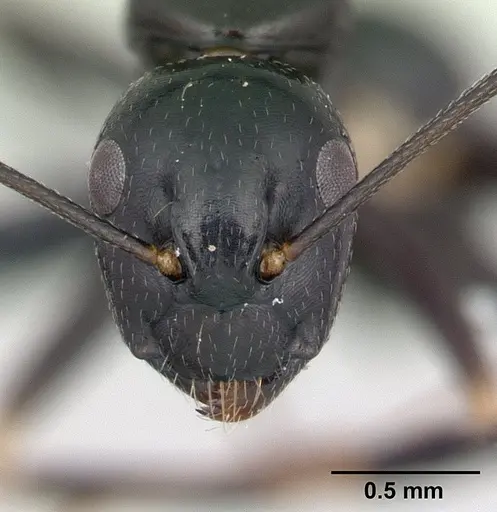
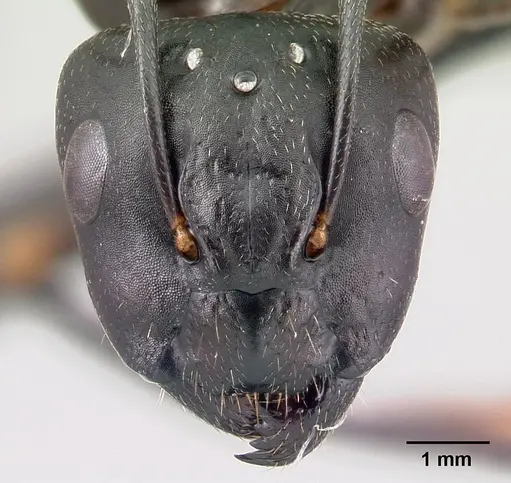
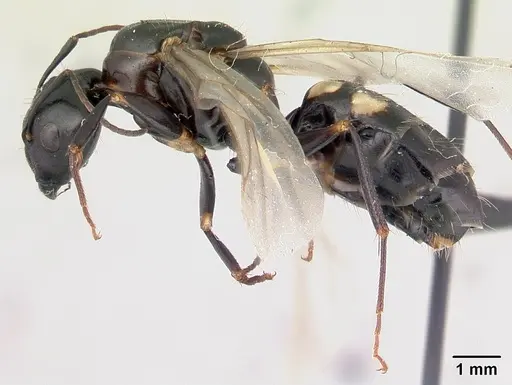
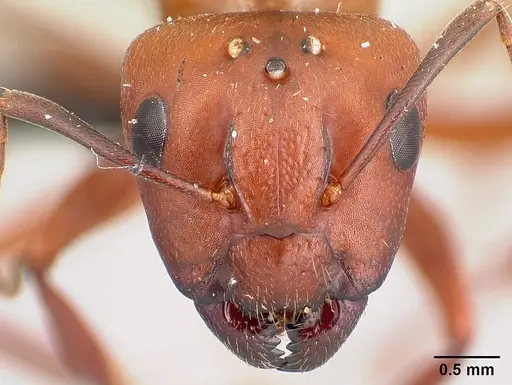
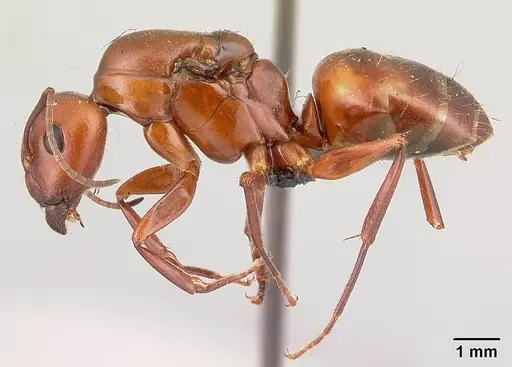
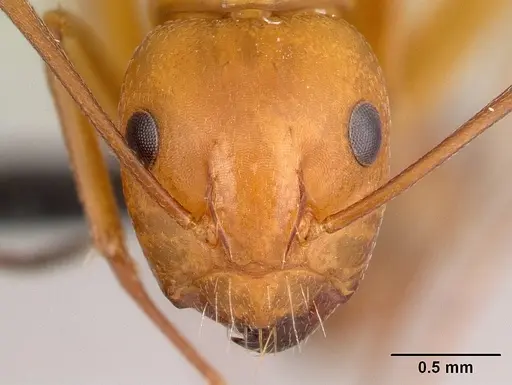
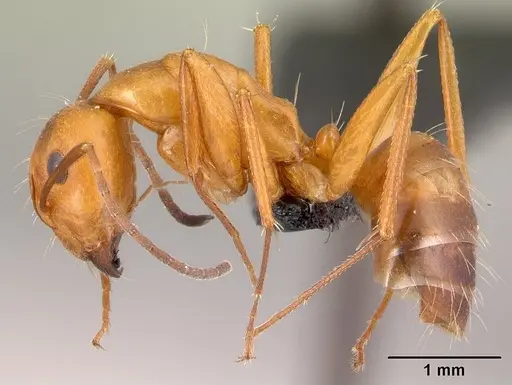
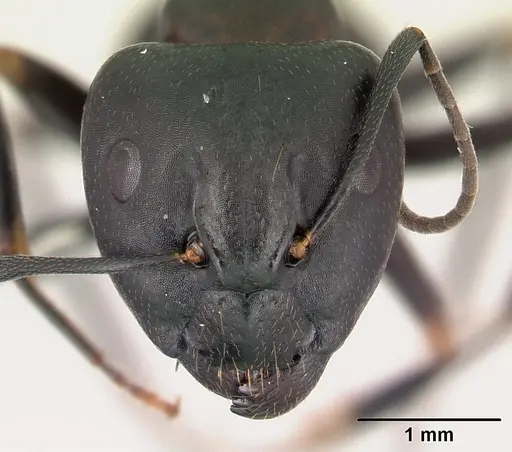
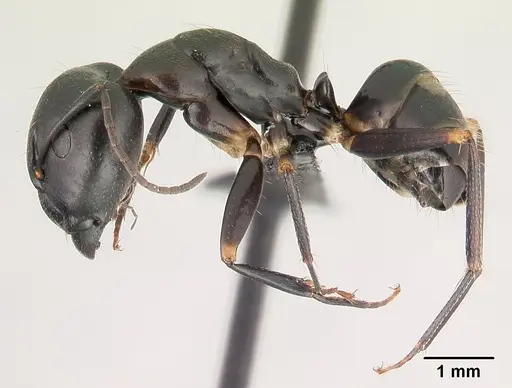
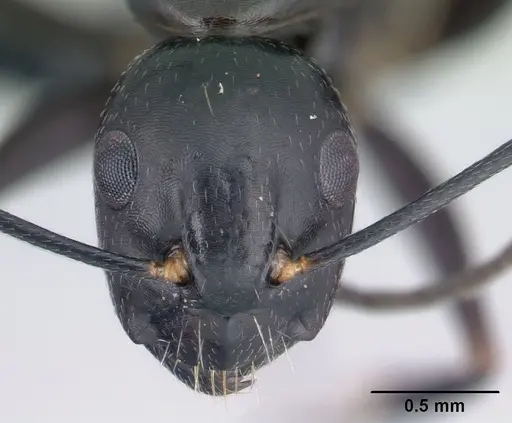
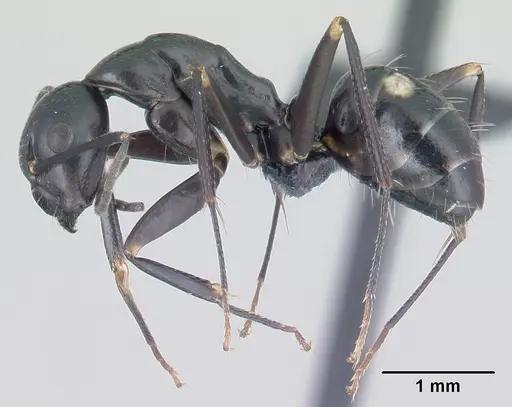
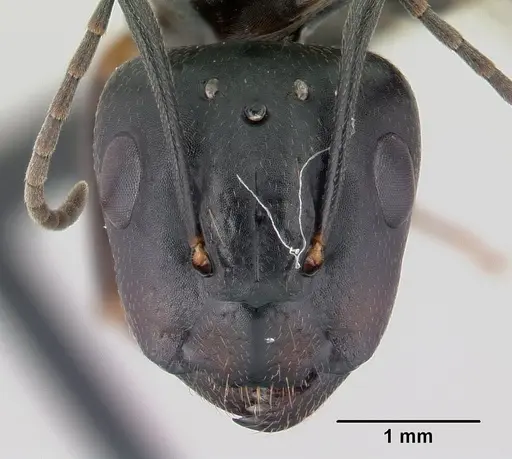
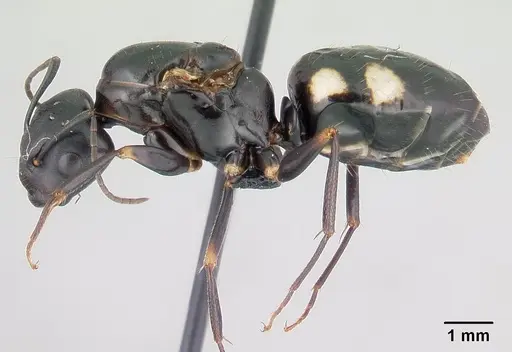
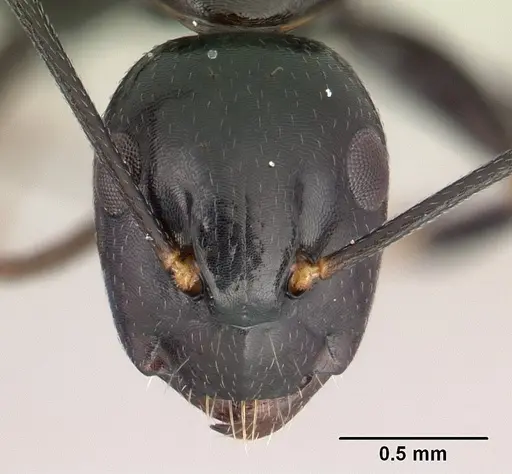
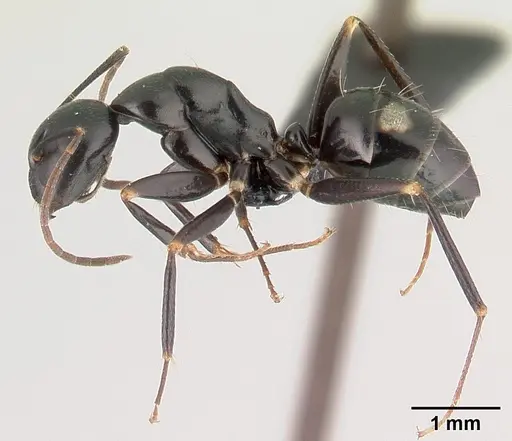
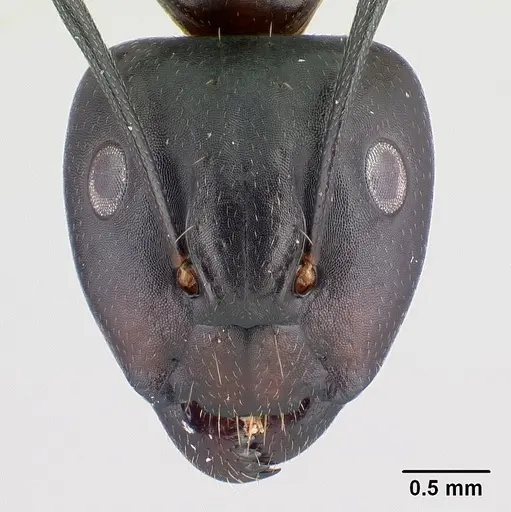
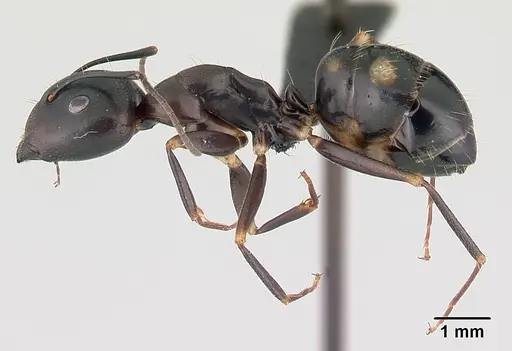
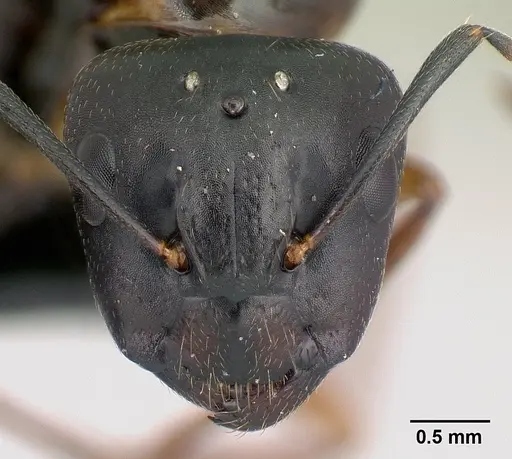
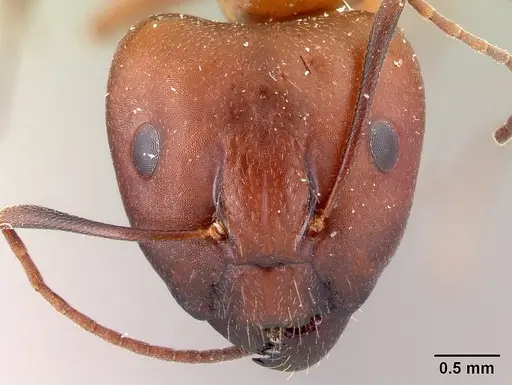
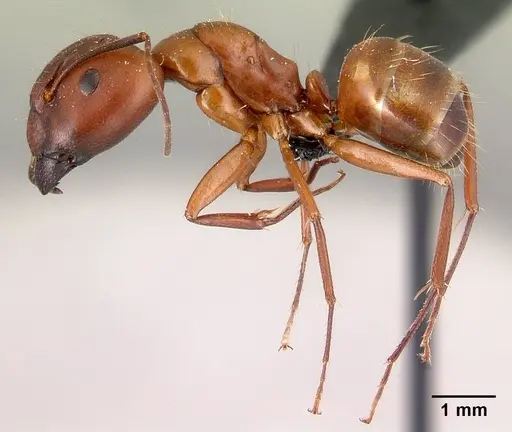
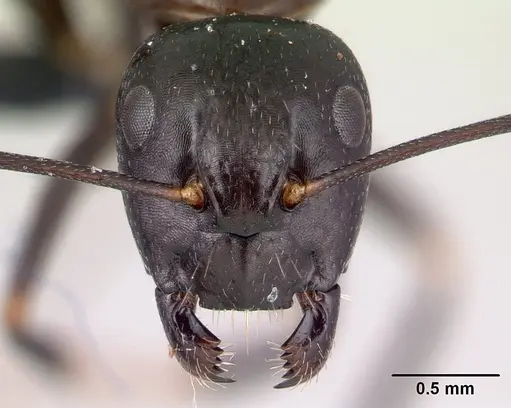
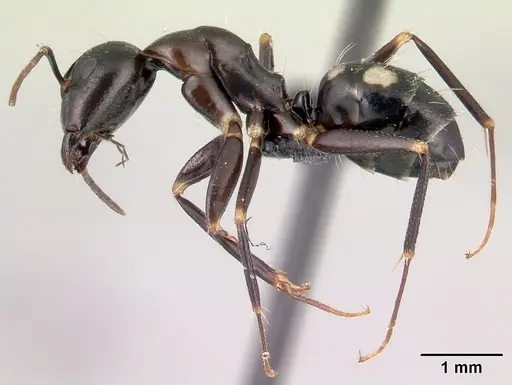
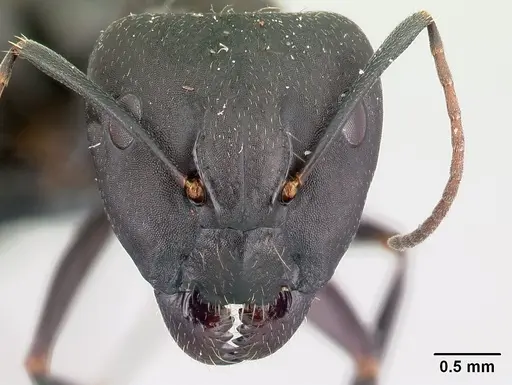
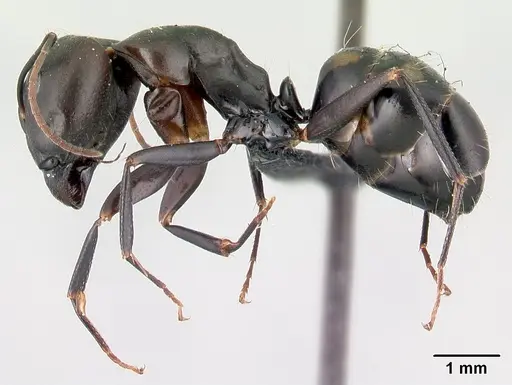
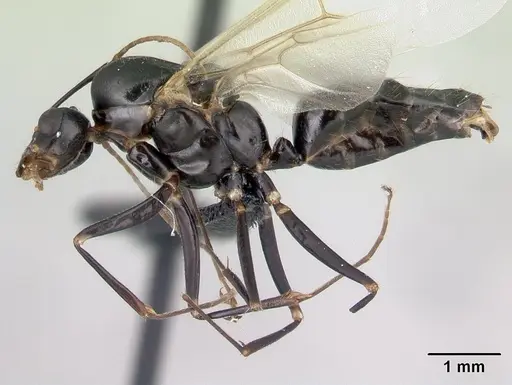
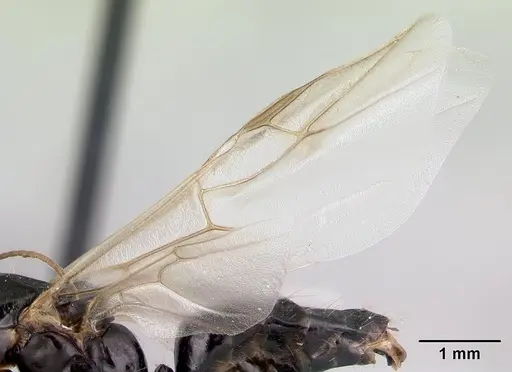
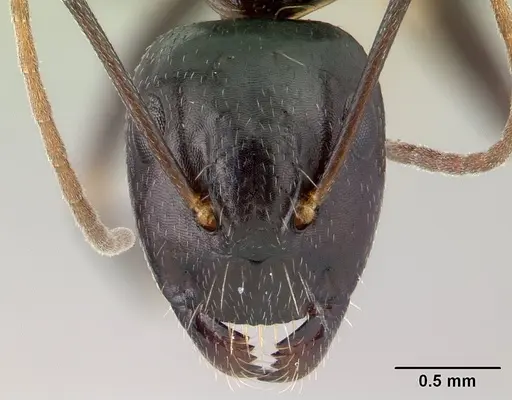
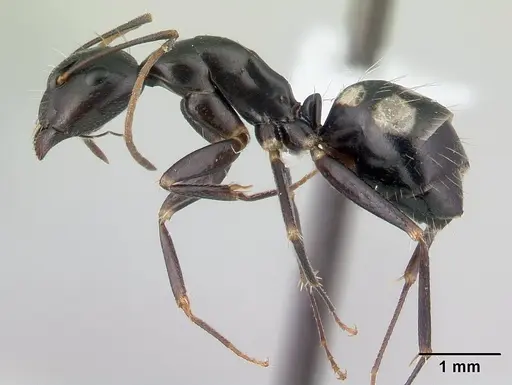
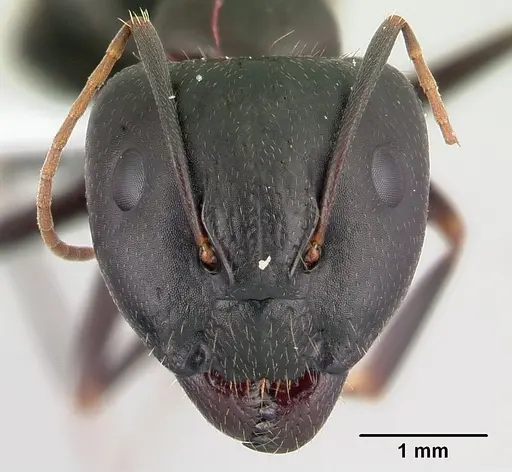
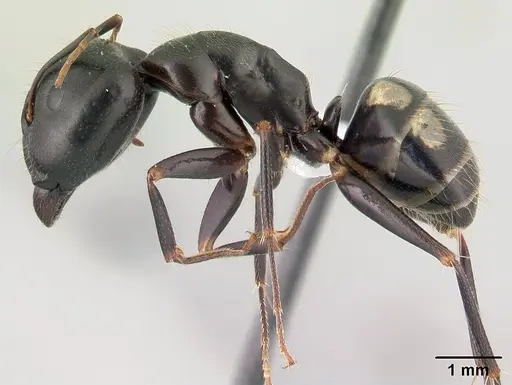
Camponotus quadrimaculatus is a medium-sized carpenter ant endemic to the Malagasy region, found throughout Madagascar, the Comoros islands (Anjouan, Grand Comore, Moheli), and Mayotte. Workers display distinctive two pairs of white spots on their second and third abdominal segments, giving them their scientific name meaning 'four-spotted.' Minor workers are more slender with smaller heads, while major workers have enlarged heads typical of Camponotus species. This ant shows remarkable color variation across its range, with a yellowish orange variant restricted to northern Madagascar [AntWiki]. This species occupies diverse habitats from littoral rainforest and dry forest through montane rainforest to savannah woodland, and has adapted well to human-modified landscapes. Unlike many specialized ants, C. quadrimaculatus can nest both arboreally and in ground cavities, making it relatively flexible in captive setups. The species was revised in 2022, with several former species (Camponotus kelleri, Camponotus kelleri invalidus, Camponotus quadrimaculatus sellaris) synonymized under this name [AntWiki].
Quick Summary
- Difficulty: Medium
- Origin & Habitat: Endemic to the Malagasy region, Madagascar, Comoros islands (Anjouan, Grand Comore, Moheli), and Mayotte. Found across most terrestrial habitats on Madagascar except spiny bush and thicket in the southern region. Occupies littoral rainforest, dry forest, rainforest, montane rainforests, and savannah woodland. Also colonizes human-modified habitats adjacent to natural areas [1].
- Colony Type: Colony type is unconfirmed. No specific literature documents queen number for this species.
- Size & Growth:
- Queen: Size data unavailable, no specific measurements exist for this species. Inferred from Camponotus genus patterns (~9-12mm)
- Worker: Minor workers: ~4-6mm, Major workers: ~8-12mm, inferred from Camponotus genus patterns
- Colony: Colony size data unavailable for this species
- Growth: Moderate
- Development: Development time is unconfirmed for this species. Based on typical Camponotus patterns, expect 6-10 weeks at optimal temperature. (Development time varies with temperature, warmer conditions accelerate development while cooler temperatures slow it down)
- Antkeeping:
- Temperature: Keep at 24-28°C. As a Malagasy species, they prefer warm conditions. A heating cable on one side of the nest creates a temperature gradient allowing workers to self-regulate. Avoid temperatures below 20°C for extended periods.
- Humidity: Moderate to high humidity (60-80%). These ants occupy diverse habitats from dry forest to rainforest, so they tolerate a range. Keep the nest substrate slightly moist but not waterlogged. Provide a water tube for drinking water.
- Diapause: No true diapause required. As a tropical species from Madagascar, they do not need hibernation. However, slight temperature reductions during winter months (down to 20-22°C) may be beneficial to simulate natural seasonal variations.
- Nesting: Nests both arboreally and in ground cavities in the wild. In captivity, they do well in Y-tong (AAC) nests, plaster nests, or naturalistic setups with soil and rotting wood. Provide a dark nesting area and foraging space. Accepts test tube setups for founding colonies.
- Behavior: Generally calm and non-aggressive for a Camponotus species. Workers are active foragers, primarily nocturnal but can show activity during the day. They are moderate escape artists, use standard barrier methods (Fluon on test tube rims, fine mesh on outworlds). Major workers can defend the colony with their mandibles but rarely sting. They forage for honeydew, nectar, and small insects. Workers communicate using chemical trails to food sources.
- Common Issues: mold growth in nests if humidity is too high or ventilation is poor, ensure adequate airflow, escape through small gaps, check all connections and use barrier methods, founding colonies failing if queen is disturbed during claustral period, minimize vibrations and light exposure, slow initial growth during founding phase can lead to overfeeding or excessive checking by impatient keepers, tropical species may struggle if room temperature drops below 20°C, use heating in cooler climates
Nest Preferences and Housing
Camponotus quadrimaculatus nests both arboreally and in ground cavities in the wild, showing flexibility that benefits captive keepers [2]. For founding colonies, a simple test tube setup works well, fill a tube one-third with water, plug with cotton, and place the queen in the tube. The queen will seal herself into a chamber at the front of the tube.
For established colonies, Y-tong (AAC) nests or plaster nests work excellently. These provide darkness for the brood chambers while allowing you to observe colony activity. If using a naturalistic setup, provide a layer of moist soil or sand with pieces of rotting wood or cork bark as nesting material. The ants will excavate galleries or use pre-existing cavities.
Ensure the nest has a connected outworld for foraging. A shallow water tube should always be available, these ants need access to drinking water. Escape prevention is important but not as critical as with tiny species, standard barriers like Fluon on test tube rims and fine mesh on outworlds will suffice.
Feeding and Diet
Like most Camponotus species, C. quadrimaculatus is omnivorous with a preference for sugary liquids and protein. In captivity, offer a constant source of sugar water (1:3 ratio honey to water) or pure honey. For protein, provide small insects like fruit flies, small crickets, mealworms, or waxworms. Feed protein prey 2-3 times per week, adjusting based on colony size.
In the wild, these ants likely forage for honeydew from aphids and scale insects, as well as small arthropods. They are not specialized predators, so a varied diet works well. Remove uneaten prey after 24-48 hours to prevent mold issues. During founding, the claustral queen does not eat, she survives entirely on stored fat reserves until her first workers (nanitics) emerge. [1]
Temperature and Seasonal Care
As a Malagasy species from tropical to subtropical environments, C. quadrimaculatus requires warm conditions. Maintain nest temperatures between 24-28°C for optimal brood development. Temperatures below 20°C for extended periods can stress colonies and slow development significantly.
Use a heating cable or heating mat on one side of the nest to create a temperature gradient. Place the heating element on top of the nest rather than underneath to avoid drying out the substrate through evaporation. Workers will move brood to their preferred temperature zone within the gradient.
Unlike temperate species, this ant does not require a true diapause or hibernation period. However, slight seasonal variations are natural, you can reduce temperatures by 2-4°C during winter months (to around 20-22°C) to simulate natural cycles, but this is not strictly necessary for colony health.
Behavior and Colony Dynamics
Camponotus quadrimaculatus exhibits typical Camponotus colony structure with one dominant queen and multiple worker castes. Minor workers handle most foraging and brood care, while major workers (with their enlarged heads) specialize in defense and food processing. The distinctive white spots on the gaster help distinguish this species from similar Malagasy Camponotus.
Workers are primarily nocturnal but show flexible activity patterns. They use chemical pheromone trails to recruit nestmates to food sources. When threatened, major workers may bite using their strong mandibles, while not painful to humans, this demonstrates their defensive capabilities.
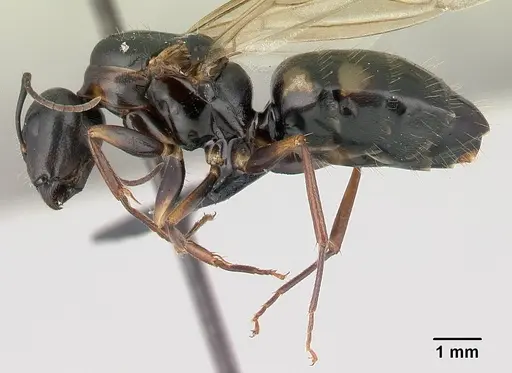
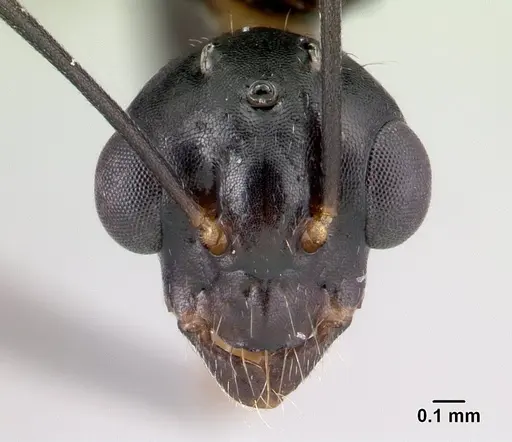
Colony growth is moderate. A newly mated queen will remain claustrated for several weeks before her first nanitic workers emerge. The colony will grow steadily over the next few years. Mature colonies may produce sexuals (alate queens and males) for nuptial flights. [1]
Frequently Asked Questions
How long does it take for Camponotus quadrimaculatus to produce first workers?
Development time is unconfirmed for this species. Based on typical Camponotus patterns, first workers (nanitics) typically emerge 6-10 weeks after the queen lays her first eggs, assuming optimal temperatures around 24-28°C. The queen seals herself in during founding and does not leave to forage, she relies on stored fat reserves until her first workers hatch.
Can I keep multiple Camponotus quadrimaculatus queens together?
Colony type is unconfirmed for this species. Combining unrelated queens is not recommended as they will likely fight. If you capture a dealate queen, house her alone in a test tube until her colony is established.
What size colony does Camponotus quadrimaculatus reach?
Colony size data is unavailable for this species. Based on typical Camponotus patterns, colonies may reach several hundred workers over 2-3 years. The species shows polymorphism with major and minor workers, majors develop as the colony grows and need more resources.
What temperature range is best for Camponotus quadrimaculatus?
Keep nest temperatures between 24-28°C. This tropical Malagasy species prefers warm conditions. A heating cable on one side of the nest creates a gradient. Avoid temperatures below 20°C for extended periods. Room temperature in most homes (20-24°C) is acceptable but may slow development slightly.
Is Camponotus quadrimaculatus good for beginners?
This species is rated as Medium difficulty. It is more forgiving than some tropical species but requires warm temperatures and proper humidity. Beginners should have experience with at least one claustral founding before attempting this species. The main challenges are maintaining warmth and avoiding disturbance during the founding phase.
What do I feed Camponotus quadrimaculatus?
Offer sugar water or honey constantly, they need carbohydrates for energy. For protein, provide small insects like fruit flies, small crickets, or mealworms 2-3 times per week. Remove uneaten prey after 24 hours. They also need access to fresh water.
When should I move Camponotus quadrimaculatus from a test tube to a formicarium?
Move the colony when the test tube becomes crowded or the water reservoir is depleted. For C. quadrimaculatus, this is typically when the colony reaches 30-50 workers. Use a connection tube between the test tube and the formicarium, allowing workers to explore and move brood at their own pace. Do not force the transfer.
Does Camponotus quadrimaculatus need hibernation?
No. As a tropical species from Madagascar, they do not require hibernation or a true diapause period. Slight temperature reductions during winter (down to 20-22°C) are acceptable but not necessary. Avoid cold temperatures below 18°C as this can stress the colony.
Why is my Camponotus quadrimaculatus colony declining?
Common causes include: temperature stress (too cold, below 20°C), excessive disturbance during founding, mold from overwatering or poor ventilation, starvation (ensure constant sugar and regular protein), or parasites. Check your setup against the requirements: warmth (24-28°C), moderate humidity, minimal disturbance during founding, and proper nutrition.
Report an Issue
The current care sheet is based fully on literature. See inconsistencies, or something that's incorrect? Please , it will be resolved after review from an admin. Contributing to the blogs tab also helps providing information, to make us be able to further improve the caresheets. Thank you for your support!
References

This caresheet is licensed under CC BY-SA 4.0 .
Community Blogs
CASENT0053747
View on AntWeb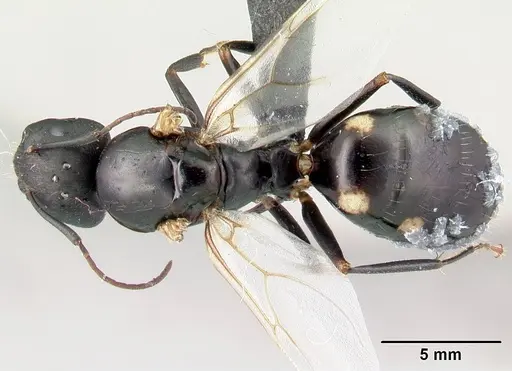
CASENT0053748
View on AntWeb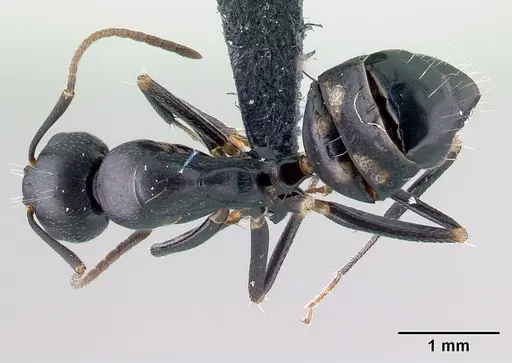
CASENT0054543
View on AntWeb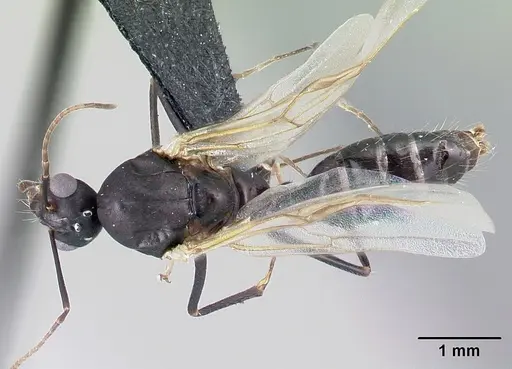
CASENT0096044
View on AntWeb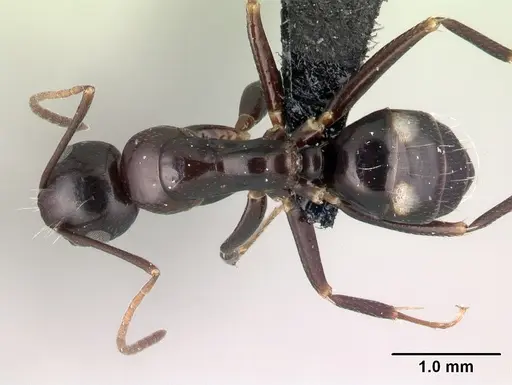
CASENT0096045
View on AntWeb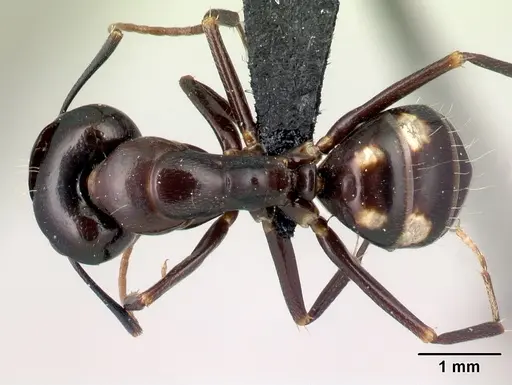
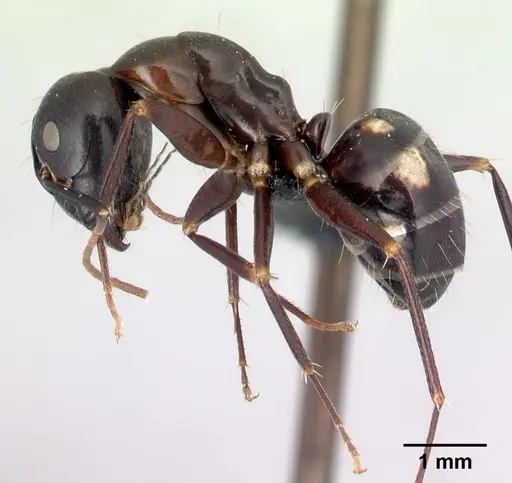
CASENT0101517
View on AntWeb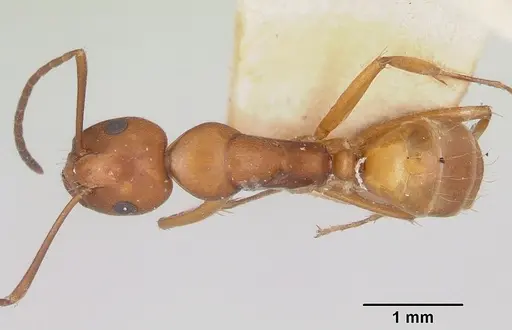
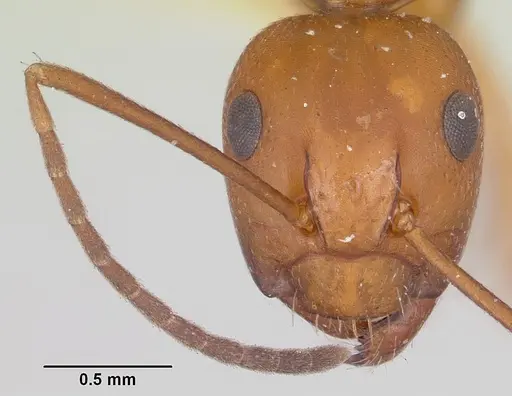
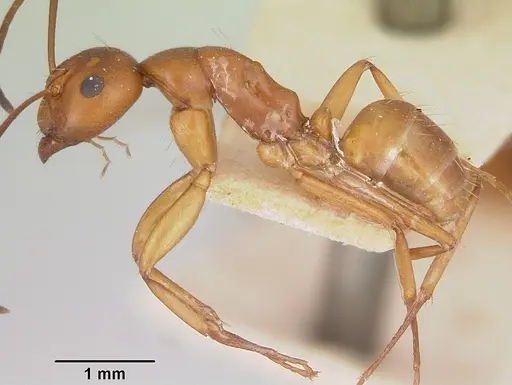
CASENT0101519
View on AntWeb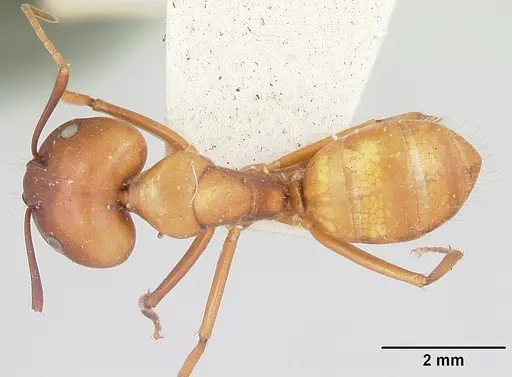
CASENT0101520
View on AntWeb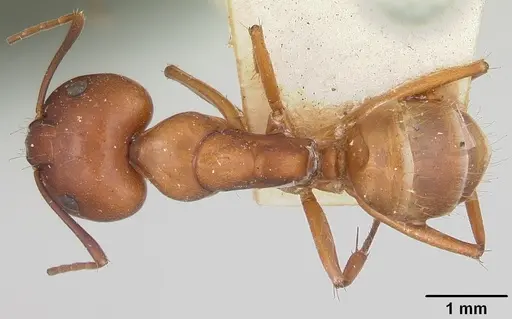
CASENT0101524
View on AntWeb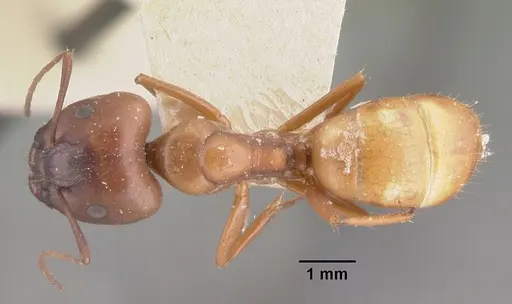
CASENT0101525
View on AntWeb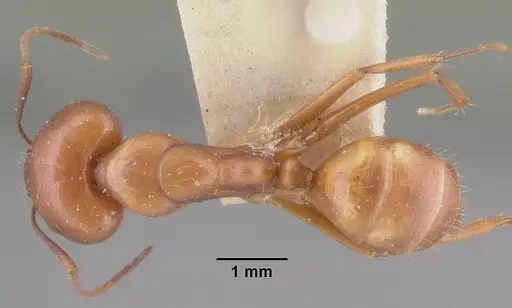
CASENT0102106
View on AntWeb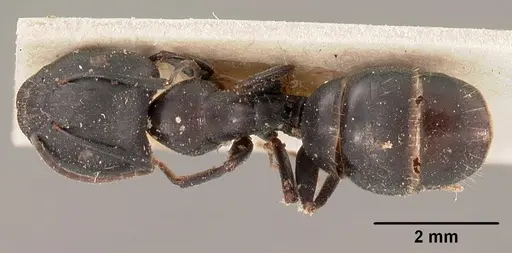
CASENT0102109
View on AntWeb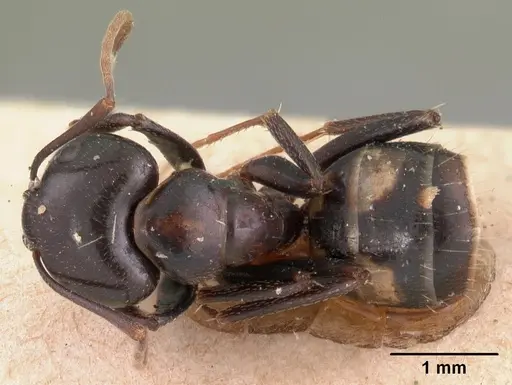
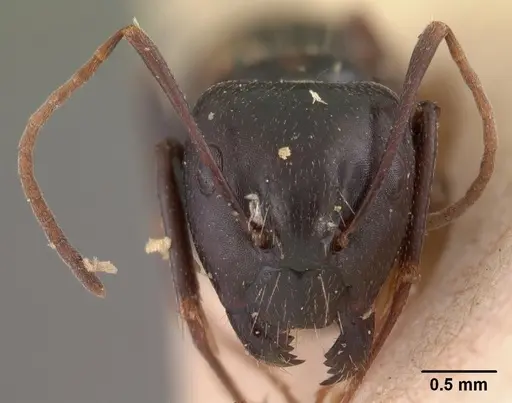
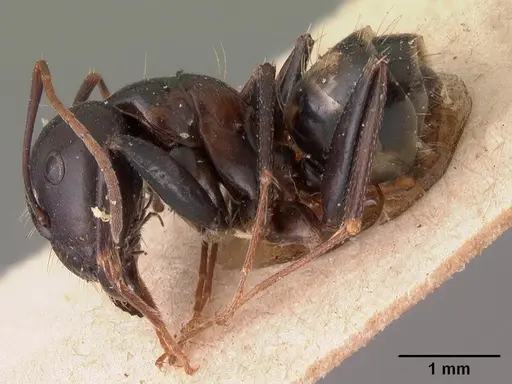
CASENT0102110
View on AntWeb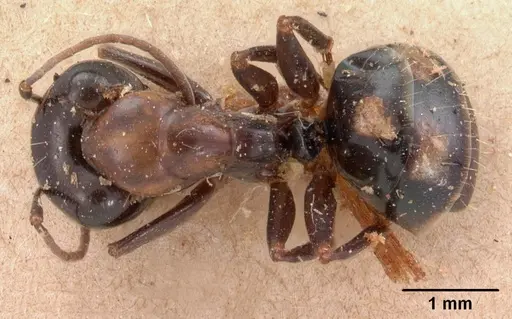
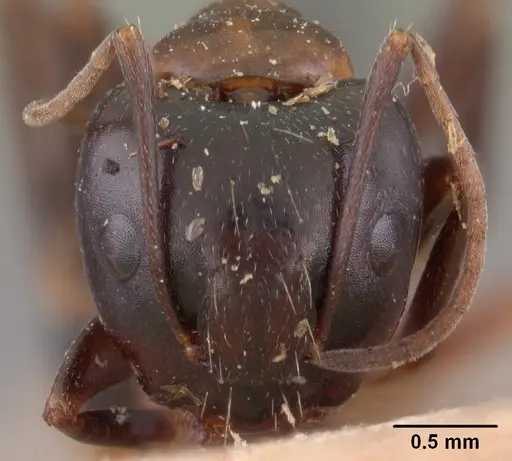
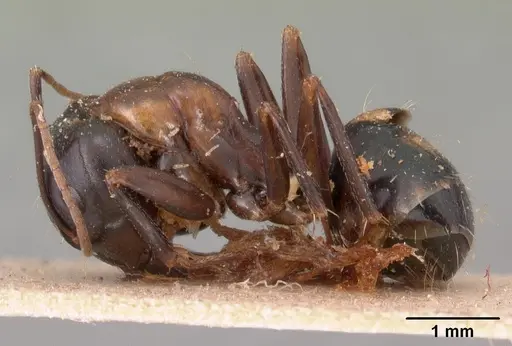
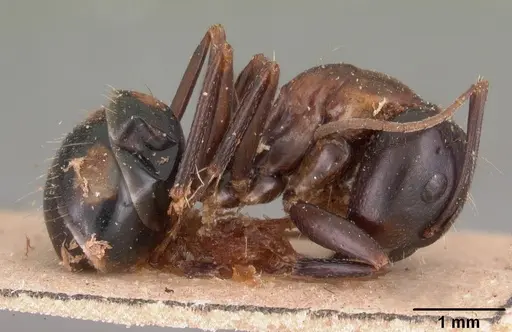
CASENT0102424
View on AntWeb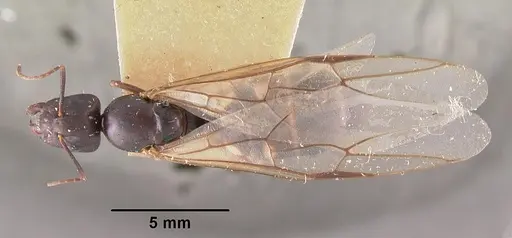
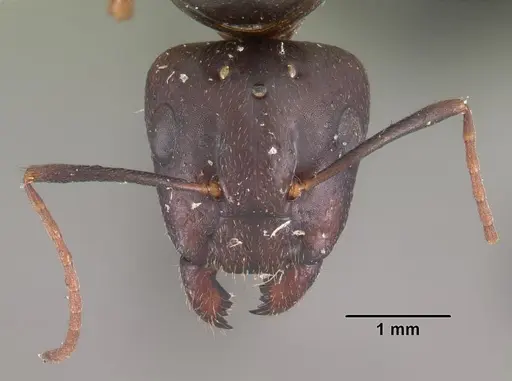
CASENT0102425
View on AntWeb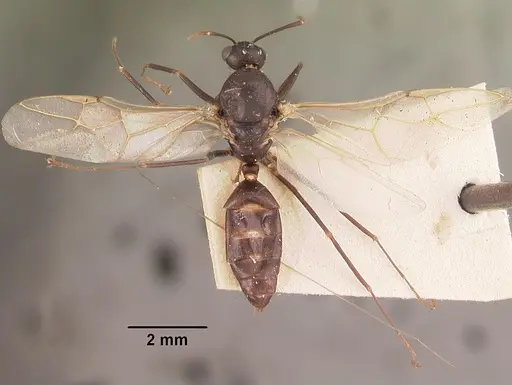
CASENT0102426
View on AntWeb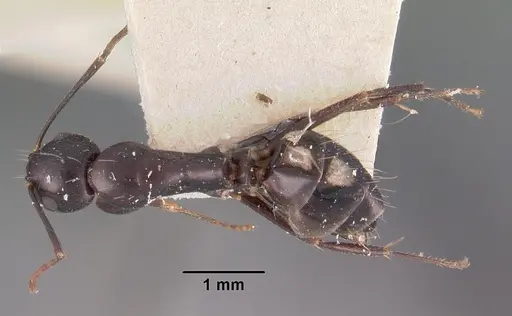
CASENT0102427
View on AntWeb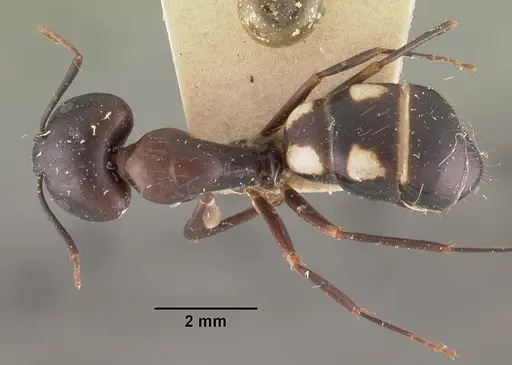
CASENT0102435
View on AntWeb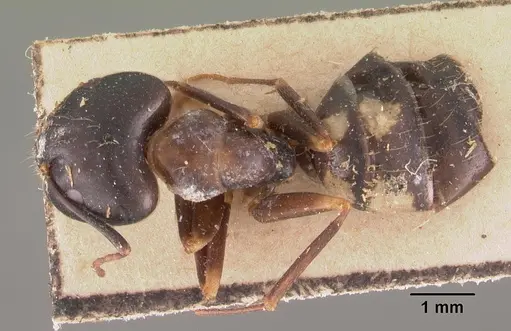
CASENT0102436
View on AntWeb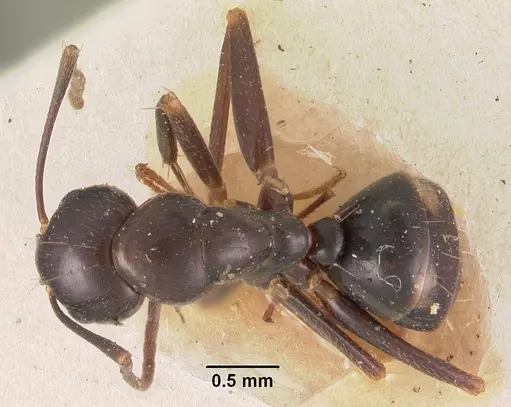
CASENT0102442
View on AntWeb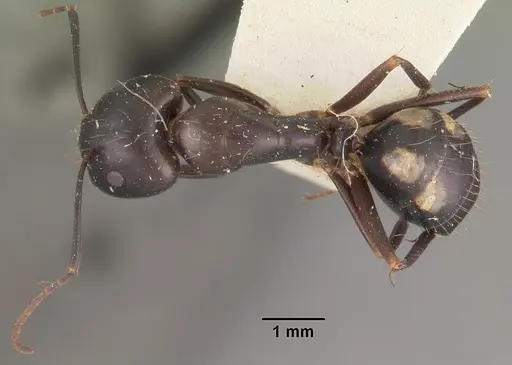
CASENT0102443
View on AntWeb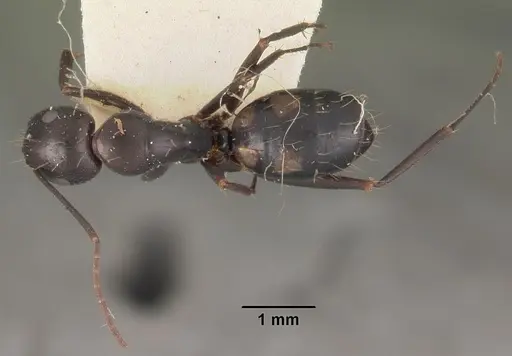
CASENT0104625
View on AntWeb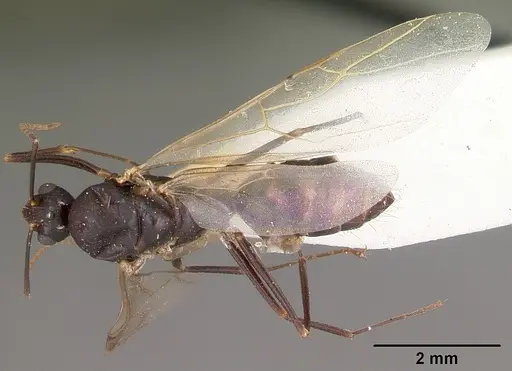
CASENT0121629
View on AntWeb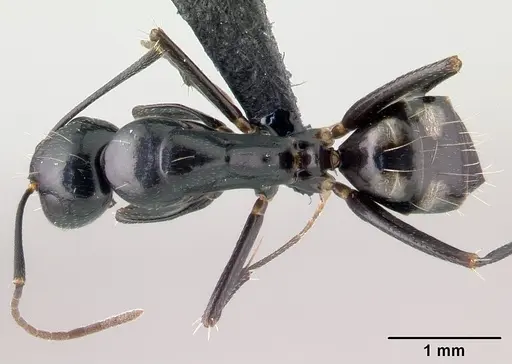
CASENT0121638
View on AntWeb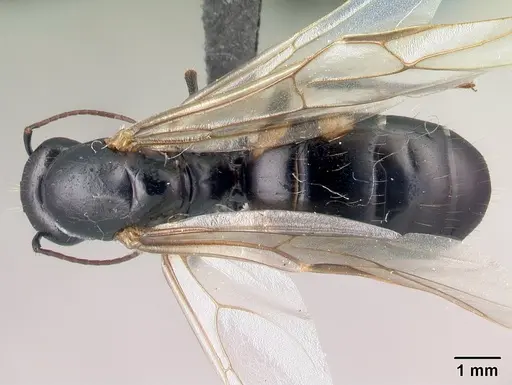
CASENT0121639
View on AntWeb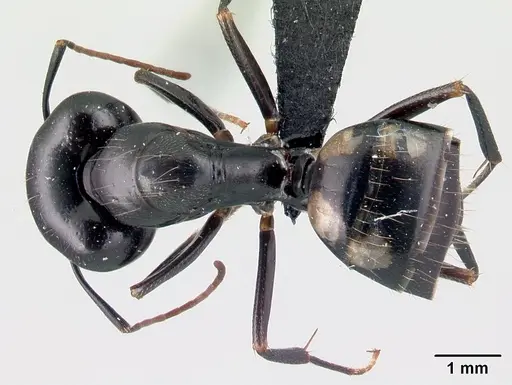
CASENT0133512
View on AntWeb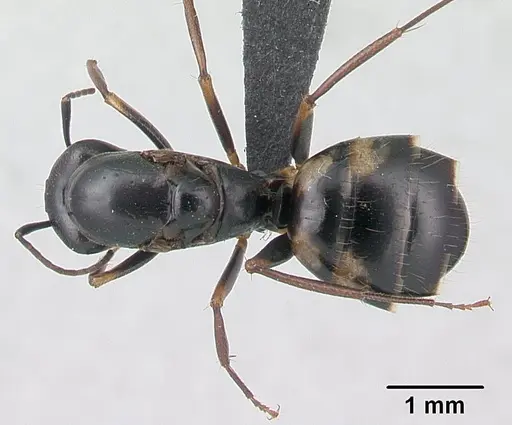
CASENT0133564
View on AntWeb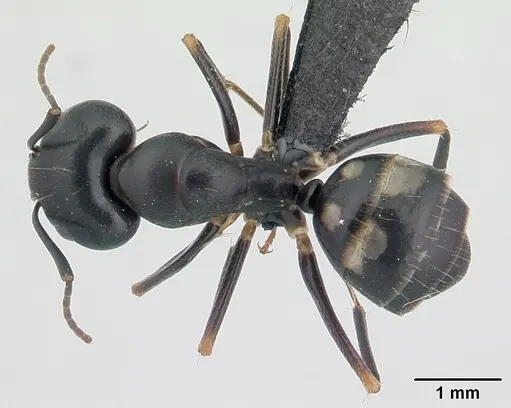
CASENT0134917
View on AntWeb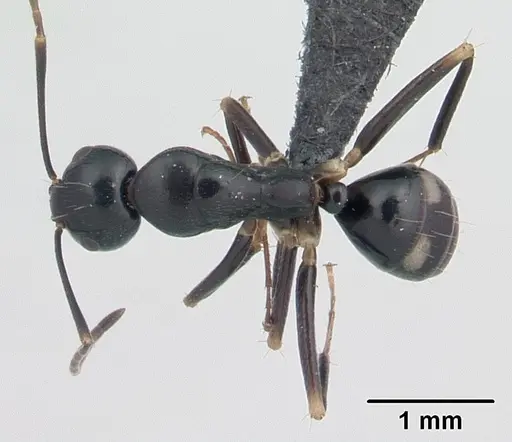
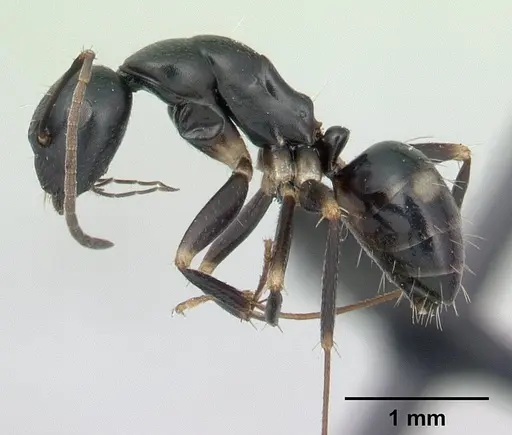
CASENT0136259
View on AntWeb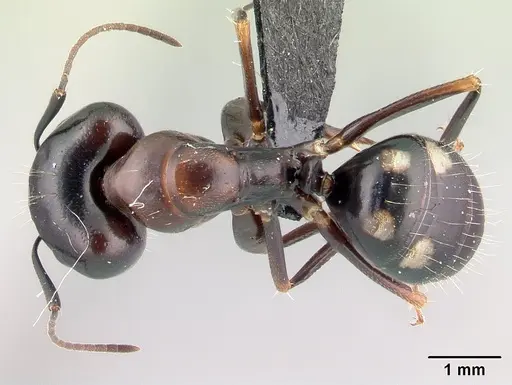
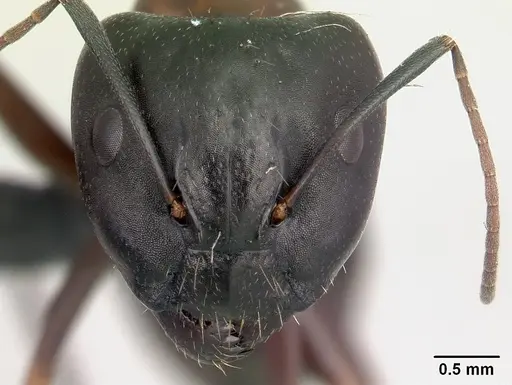
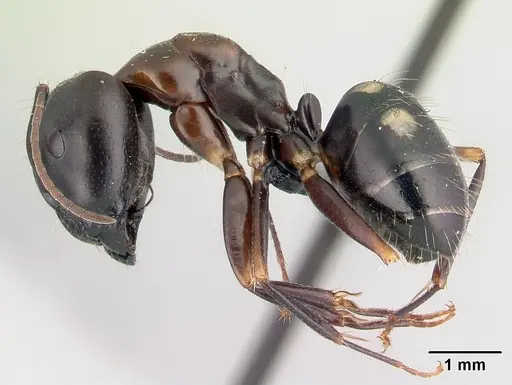
CASENT0136260
View on AntWeb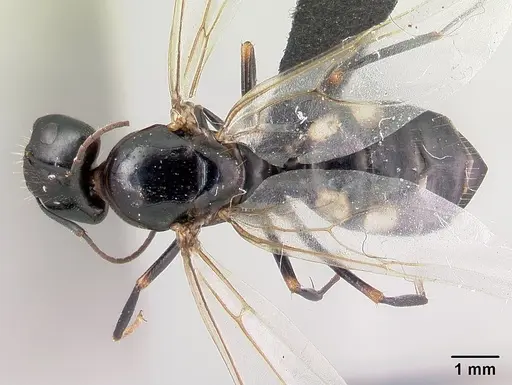
CASENT0137832
View on AntWeb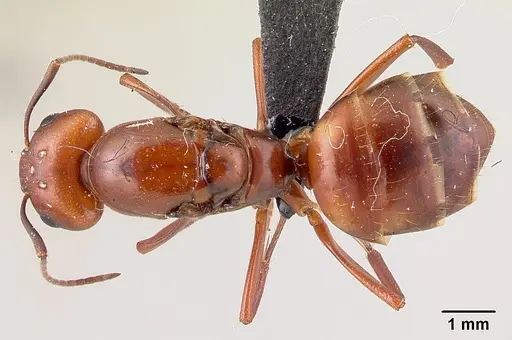
CASENT0138320
View on AntWeb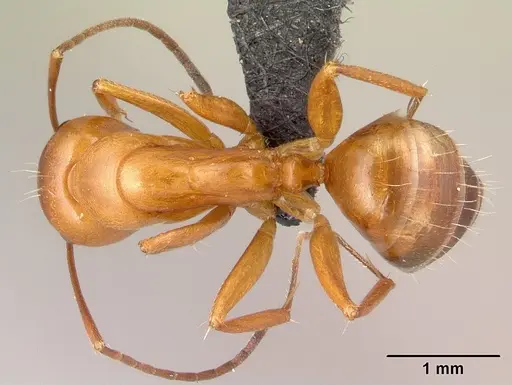
CASENT0145975
View on AntWeb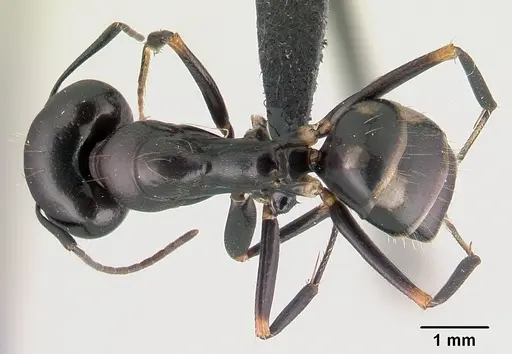
CASENT0146244
View on AntWeb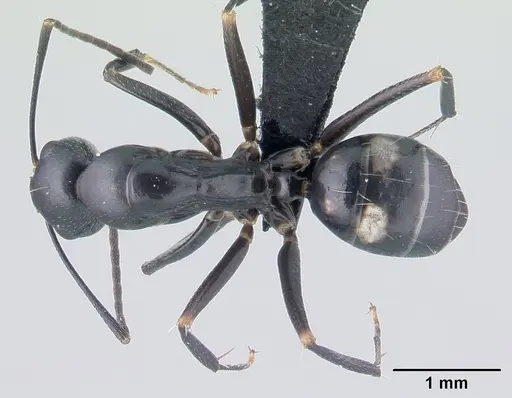
CASENT0146490
View on AntWeb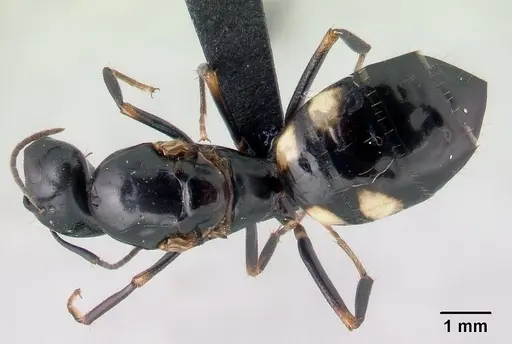
CASENT0146549
View on AntWeb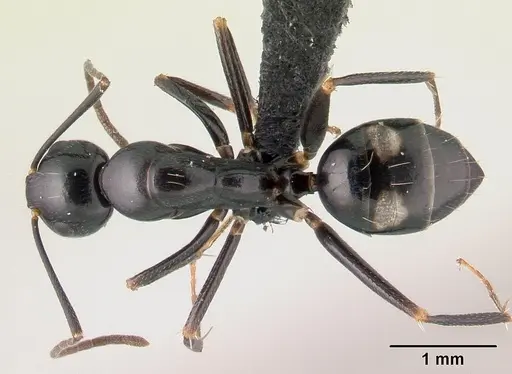
CASENT0146552
View on AntWeb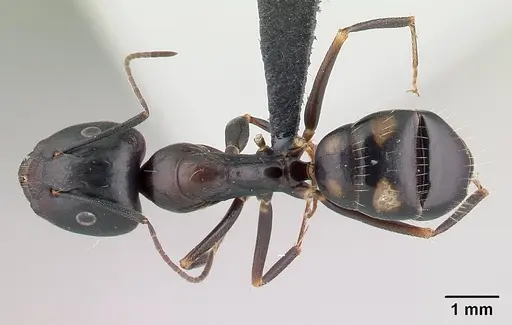
CASENT0147466
View on AntWeb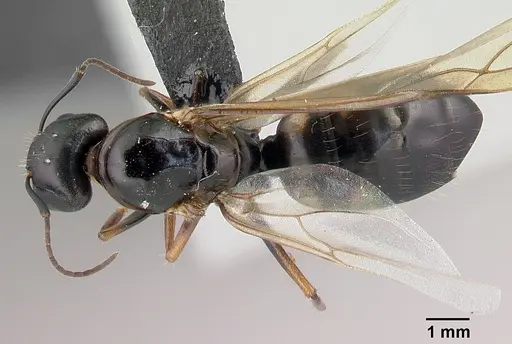
CASENT0179434
View on AntWeb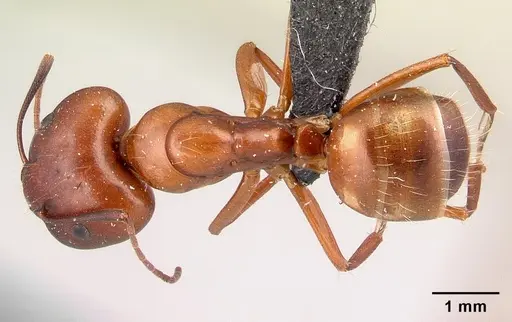
CASENT0179436
View on AntWeb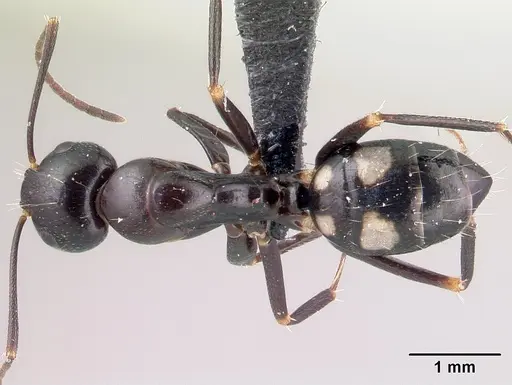
CASENT0179437
View on AntWeb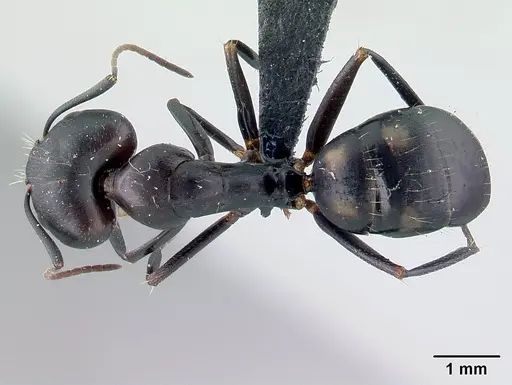
CASENT0179438
View on AntWeb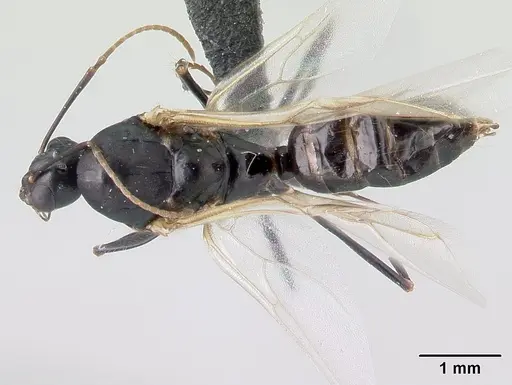
CASENT0430149
View on AntWeb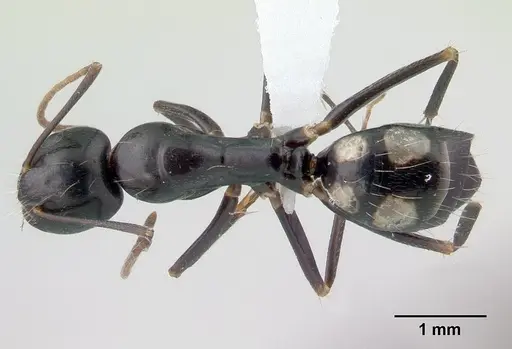
CASENT0430152
View on AntWeb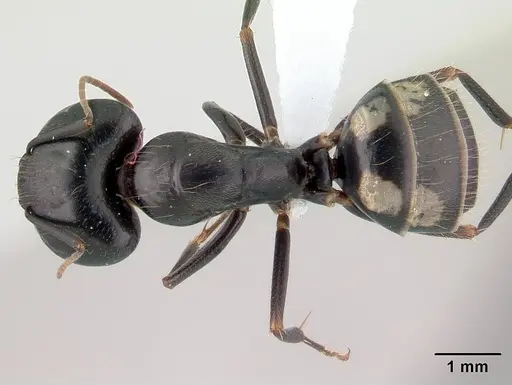
Literature
Loading distribution map...Loading products...