
Camponotus putatus
- Sci. Name
- Camponotus putatus
- Subgenus
- Myrmonesites
- Tribe
- Camponotini
- Subfamily
- Formicinae
- Author
- Forel, 1892
- Distribution
- Found in 1 countries
Introduction
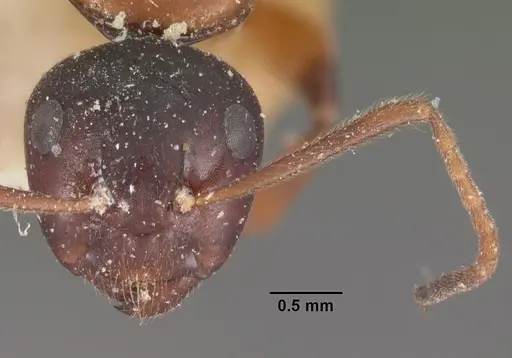
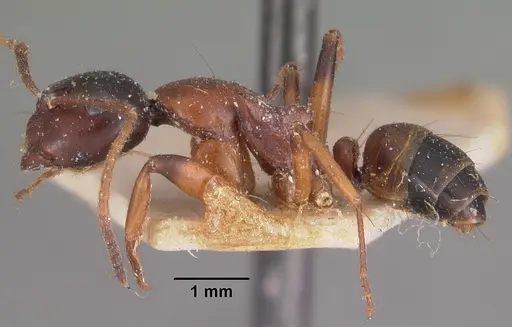
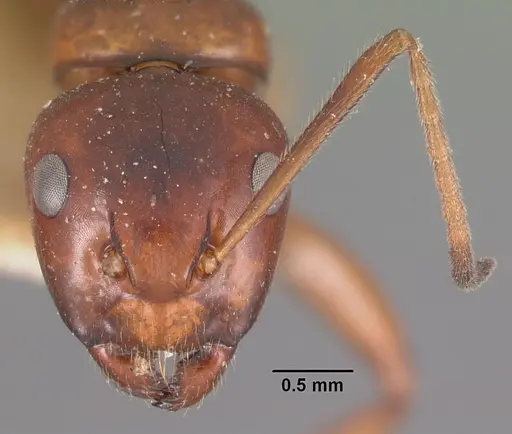
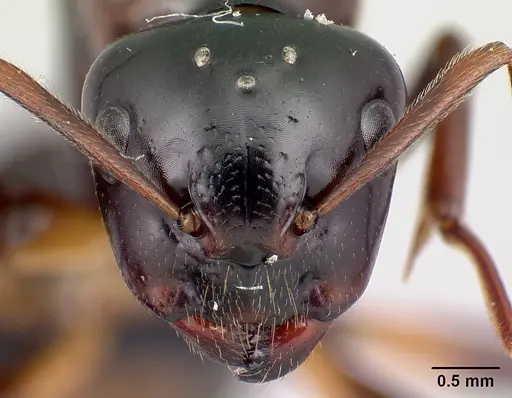
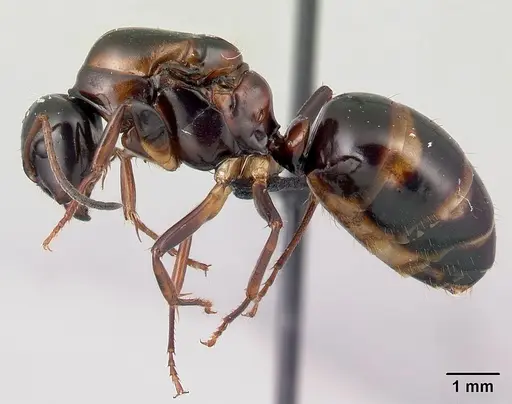
Camponotus putatus is a carpenter ant species endemic to Madagascar. Workers are medium-sized, typically ranging from 5-9mm. This species belongs to the Formicinae subfamily and defends itself by spraying formic acid rather than using a stinger. The species was originally described by Forel in 1892 from specimens collected near Antananarivo. Camponotus putatus has been reclassified between several subgenera over the years (Myrmentoma, Calomyrmex, and Myrmonesites). These ants are found in mid-elevation habitats, with specimens collected at 425m on the Masoala Peninsula and 875m in the Réserve Spéciale d'Anjanaharibe-Sud .
Quick Summary
- Difficulty: Medium
- Origin & Habitat: Endemic to Madagascar, found in mid-elevation rainforest habitats (425-875m) in the eastern and central regions of the island [1].
- Colony Type: Colony structure is unconfirmed. Based on typical Camponotus patterns, likely single-queen colonies.
- Size & Growth:
- Queen: Size data unavailable, inferred from Camponotus genus to be approximately 12-15mm
- Worker: 5-9mm (minor workers), inferred from Camponotus genus patterns
- Colony: Likely several hundred workers at maturity, inferred from genus patterns
- Growth: Moderate
- Development: Development time is unconfirmed, estimated 6-8 weeks based on typical Camponotus development at optimal temperature (Development time is inferred from genus-level data, as species-specific measurements are not available)
- Antkeeping:
- Temperature: Keep at 22-26°C. As a Madagascar species from mid-elevations, they prefer warm but not extreme heat. A gentle temperature gradient allows workers to regulate their conditions.
- Humidity: Moderate to high humidity (60-80%). Madagascar's eastern rainforests provide humid conditions. Keep the nest substrate moist but allow some drier areas for the ants to choose.
- Diapause: No true diapause required. As a tropical species from Madagascar, they do not need hibernation. However, they may show reduced activity during cooler periods.
- Nesting: In captivity, they do well in Y-tong (AAC), plaster, or soil nests. Provide a dark, quiet location. They will excavate in gypsum or sand setups. An outworld for foraging is essential.
- Behavior: Typical Camponotus temperament, generally calm and not aggressive toward keepers. Workers are active foragers, primarily at night. They are omnivorous, accepting sugar sources (honey, sugar water) and protein (insects). They have formic acid for defense rather than a stinger. Escape risk is moderate due to their medium size, standard barrier methods work well.
- Common Issues: tropical species may struggle in cool rooms below 20°C, slow founding phase can lead to beginner impatience and overfeeding, wild-caught colonies may harbor parasites that cause colony collapse, medium size means they can squeeze through standard test tube openings if not properly sealed, mold can develop if humidity is too high without adequate ventilation
Housing and Nest Setup
Camponotus putatus does well in standard ant keeping setups. Y-tong (AAC) nests work excellently because they provide the dark, humid environment these ants prefer. Plaster nests with built-in water chambers maintain humidity well. The nest should be placed in a quiet area away from direct sunlight and vibrations. A connected outworld allows workers to forage. For founding colonies, a test tube setup with a water reservoir works well, the queen will seal herself into a chamber and raise her first nanitic workers there. Once the colony reaches 20-30 workers, you can consider moving them to a larger formicarium. Ensure all connections between nest areas are secure, while not tiny, these ants can still escape through small gaps.
Feeding and Diet
Like most Camponotus species, C. putatus is omnivorous. They readily accept sugar sources including honey, sugar water, and maple syrup. For protein, offer small insects like fruit flies, small mealworms, or cricket pieces. In the wild, they forage for honeydew from aphids and scale insects, plus hunt small invertebrates. Feed sugar water constantly (via a cotton ball or feeder) and offer protein 2-3 times per week. Remove uneaten protein after 24-48 hours to prevent mold. During the founding stage, the queen does not eat, she survives entirely on her stored fat reserves. Once workers arrive, they will collect food and regurgitate it to feed the colony (trophallaxis).
Temperature and Seasonal Care
Maintain temperatures between 22-26°C for optimal colony health and brood development. As a Madagascar mid-elevation species, they prefer warmth but not extreme heat. Room temperature in most homes (20-24°C) is generally acceptable, but you may need a heating cable or mat on one side of the nest to reach the ideal range. Create a gentle temperature gradient so ants can move between warmer and cooler areas. Unlike temperate species, they do not require hibernation or diapause. However, they may show slightly reduced activity during cooler months. Avoid temperatures below 18°C for extended periods, as this can weaken the colony. A thermometer helps you monitor conditions accurately.
Humidity and Water Needs
Camponotus putatus needs moderate to high humidity (60-80%). In their natural Madagascar rainforest habitat, humidity is consistently high. Keep the nest substrate moist but not waterlogged. A water reservoir connected to the nest (like in a test tube setup) provides a constant moisture source through capillary action. Check the nest regularly, if you see condensation constantly pooling, it's too wet, if the substrate looks completely dry, it's too dry. Good ventilation helps prevent mold while maintaining humidity. You can also lightly mist the outworld occasionally, but avoid spraying directly into the nest.
Colony Founding and Growth
Based on typical Camponotus behavior, C. putatus is likely claustral, the queen seals herself into a chamber and raises her first workers alone without foraging. She uses stored fat reserves to produce eggs and feed the developing larvae. The first workers (nanitics) are typically smaller than normal workers. This founding phase can take 1-2 months or longer, depending on temperature. During this time, the queen needs complete darkness and minimal disturbance. Do not feed the founding queen, she will not eat. Once the first workers emerge, they will begin foraging, and you can start offering food. Colony growth is moderate, expect several months to reach 50 workers, and a year or more to reach 100+. Patience is key with carpenter ants.
Behavior and Handling
Camponotus putatus has a calm temperament typical of carpenter ants. They are not aggressive and rarely bite. When threatened, they defend with formic acid spray, this can irritate eyes and skin but is not dangerous. Workers are primarily nocturnal foragers but will be active during the day if food is available. They communicate through chemical trails and will recruit nestmates to good food sources. These ants are medium-sized (5-9mm), making them easy to observe. They are not strong climbers on smooth surfaces, so standard barrier methods (fluon, talcum powder) work well for containment. They do not have a true stinger, so sting pain is not a concern.
Frequently Asked Questions
How long does it take for Camponotus putatus to raise first workers?
Based on typical Camponotus development, expect 6-8 weeks from egg to first worker at optimal temperature (22-26°C). The exact timing depends on temperature, warmer conditions speed development slightly, while cooler temperatures slow it down. The founding queen needs complete darkness and minimal disturbance during this time.
What temperature do Camponotus putatus need?
Keep them at 22-26°C. This Madagascar species prefers warmth but not extreme heat. A heating cable on one side of the nest creates a gradient that lets ants choose their comfort zone.
Can I keep multiple Camponotus putatus queens together?
Colony structure is unconfirmed for this species. Based on typical Camponotus patterns, they are likely single-queen (monogyne). Introducing additional queens will likely result in fighting.
What do Camponotus putatus eat?
They are omnivorous. Offer sugar sources constantly (honey, sugar water, maple syrup) and protein 2-3 times weekly (small insects like fruit flies, mealworms, or cricket pieces). Remove uneaten protein after 24-48 hours to prevent mold.
Do Camponotus putatus need hibernation?
No. As a tropical species from Madagascar, they do not require hibernation or diapause. They may show slightly reduced activity during cooler periods, but no special winter care is needed.
How big do Camponotus putatus colonies get?
Based on typical Camponotus patterns, colonies likely reach several hundred workers at maturity. This takes 1-2 years or more from founding. They are moderate growers, not as fast as some tropical species.
Is Camponotus putatus good for beginners?
This species is rated as Medium difficulty. They are more forgiving than some tropical species but require attention to temperature and humidity. Beginners should have experience with at least one claustral founding species before attempting this ant.
When should I move Camponotus putatus from a test tube to a formicarium?
Move them once the colony reaches 20-30 workers and the test tube is becoming crowded. Signs include workers clustering near the cotton, condensation issues, or the queen moving toward the outworld. Make sure the formicarium is properly set up with humidity before the move.
Why is my Camponotus putatus colony dying?
Common causes include: temperatures below 18°C, humidity too low or too high, mold from overfeeding, disturbance during founding, or parasites from wild-caught colonies. Check your temperature and humidity first. Ensure you are not overfeeding, remove uneaten food promptly.
Report an Issue
The current care sheet is based fully on literature. See inconsistencies, or something that's incorrect? Please , it will be resolved after review from an admin. Contributing to the blogs tab also helps providing information, to make us be able to further improve the caresheets. Thank you for your support!
References

This caresheet is licensed under CC BY-SA 4.0 .
Community Blogs
CASENT0102415
View on AntWeb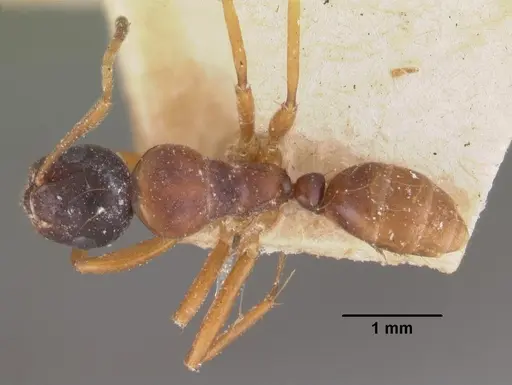
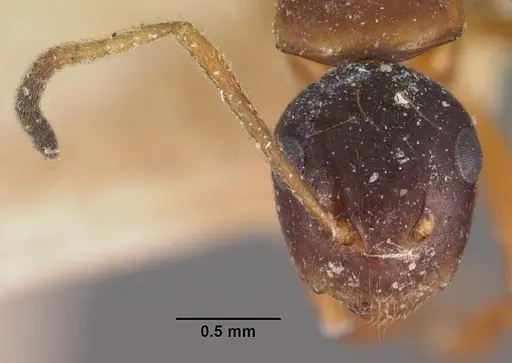
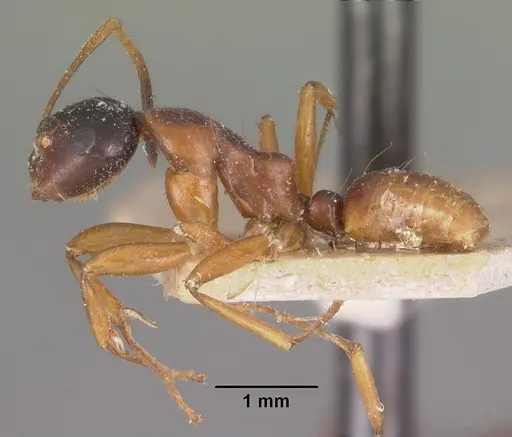
CASENT0102416
View on AntWeb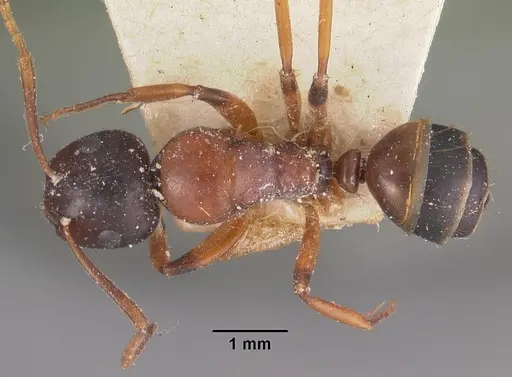
CASENT0102417
View on AntWeb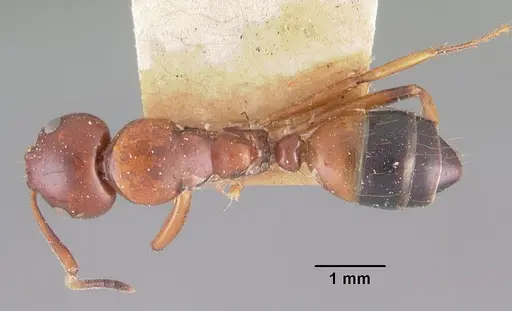
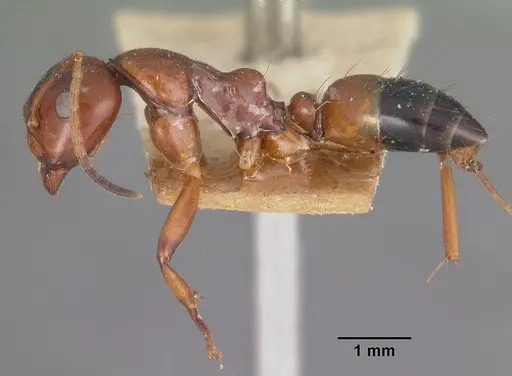
CASENT0497230
View on AntWeb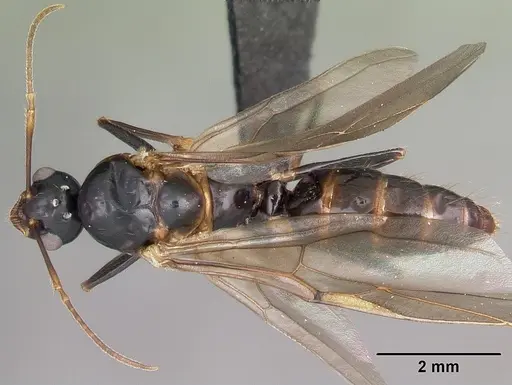
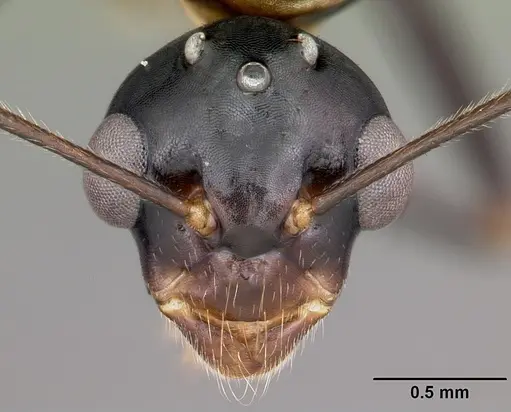
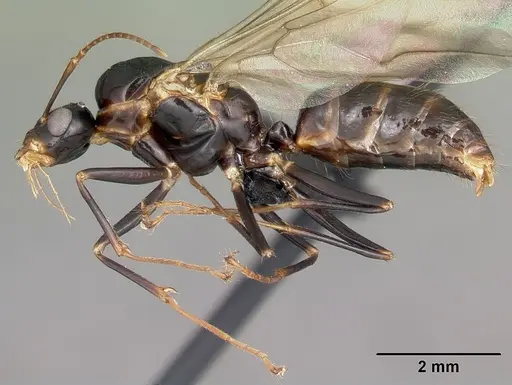
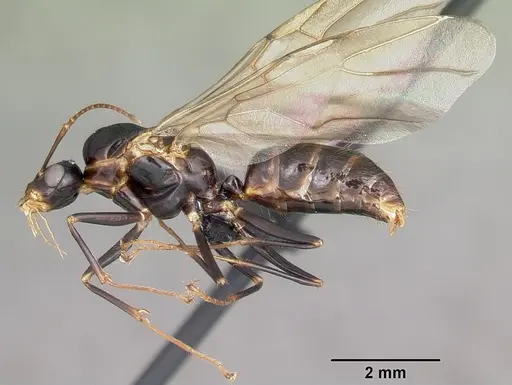
CASENT0497233
View on AntWeb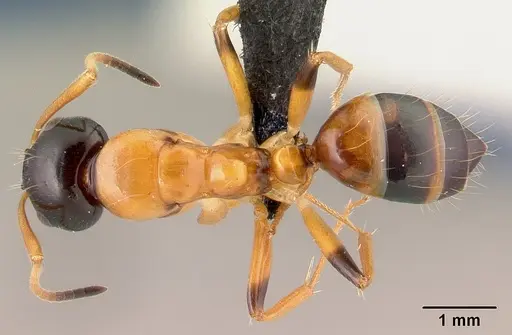
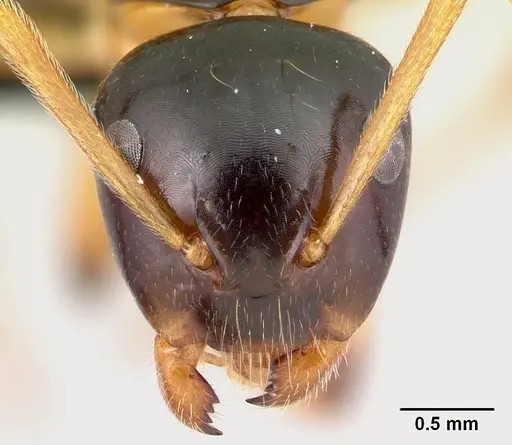
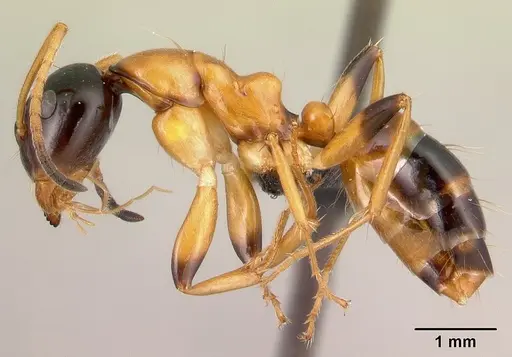
CASENT0497235
View on AntWeb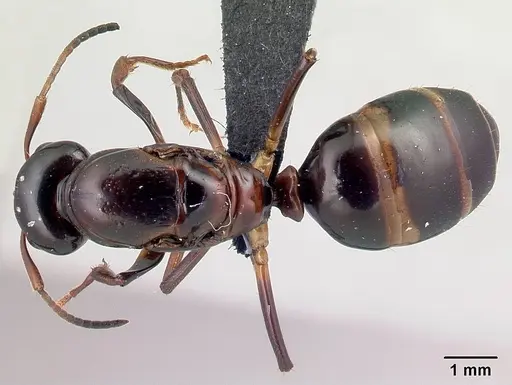
Literature
Loading distribution map...Loading products...