
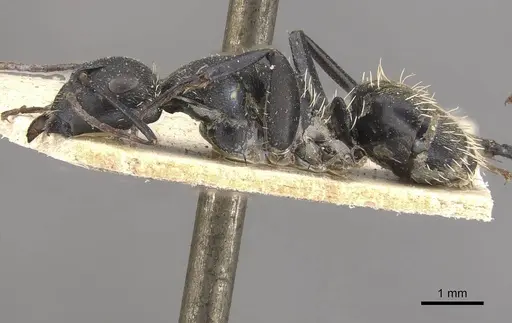
Bristleback Sugar Ant
Camponotus postoculatus
- Sci. Name
- Camponotus postoculatus
- Subgenus
- Myrmotrema
- Tribe
- Camponotini
- Subfamily
- Formicinae
- Author
- Forel, 1914
- Common Name
- Bristleback Sugar Ant
- Distribution
- Found in 1 countries
Introduction
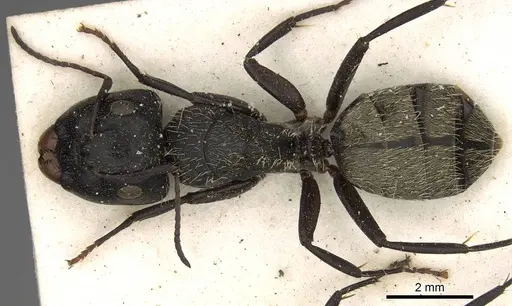
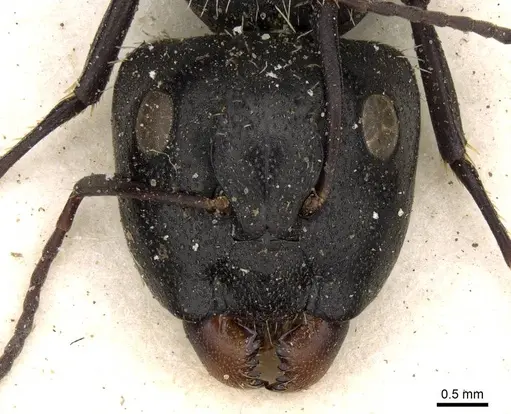
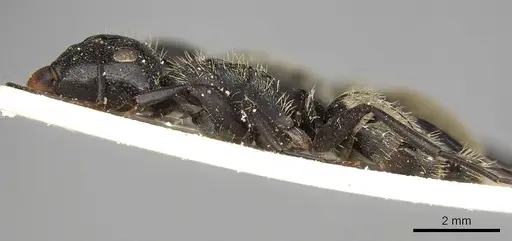
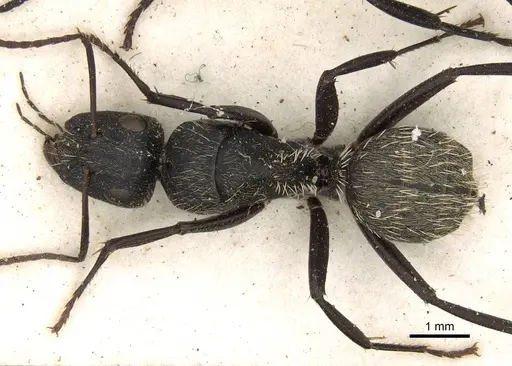
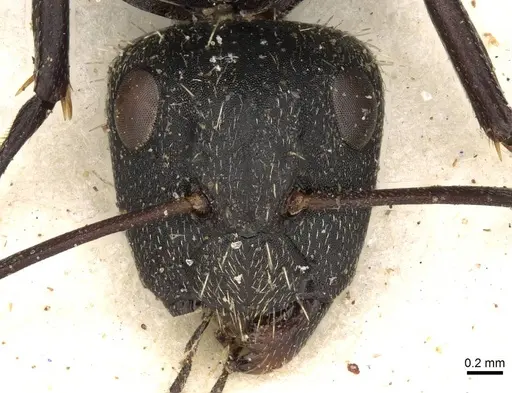
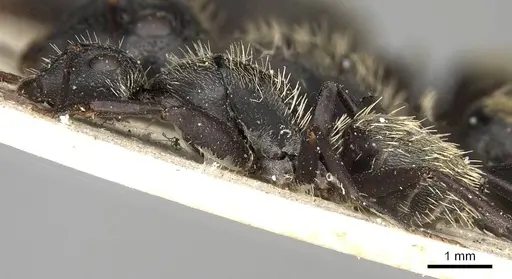
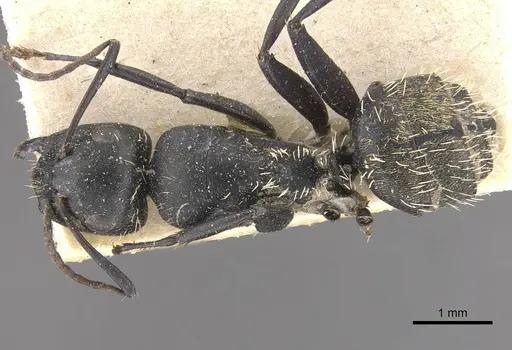
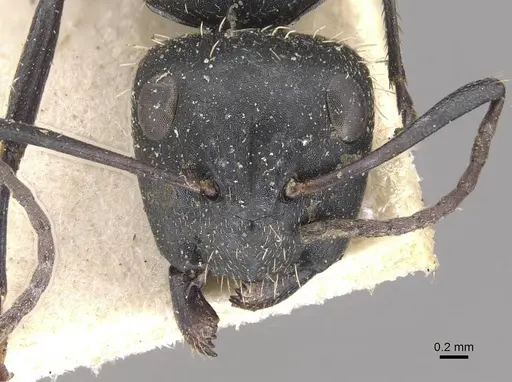
Camponotus postoculatus is a medium-sized ant species belonging to the Formicinae subfamily, native to the coastal regions of South Africa. Workers are typical of the Camponotus genus with a robust build. The species was described by Forel in 1914 from specimens collected in Natal (Durban area) [AntWiki]. As a member of the Myrmotrema subgenus, these ants are arboreal, typically found nesting in tree trunks or under bark . This species has been documented in spider diet studies, showing it occupies a specific ecological niche in South African coastal habitats.
Quick Summary
- Difficulty: Medium
- Origin & Habitat: South Africa (Natal/Durban region), subtropical coastal forest and savanna habitats [1]
- Colony Type: Unconfirmed, colony structure is not documented for this species
- Size & Growth:
- Queen: size data unavailable, no specific measurements for this species
- Worker: size data unavailable, no specific measurements for this species
- Colony: estimated up to a few thousand workers based on typical Camponotus patterns
- Growth: Moderate, inferred from Camponotus genus patterns
- Development: approximately 6-8 weeks at optimal temperature, inferred from related Camponotus species (Development time is estimated from genus-level data, actual timing may vary for this species)
- Antkeeping:
- Temperature: Keep at 22-26°C. Being from subtropical South Africa, they prefer warm conditions. A heating cable on one side of the nest creates a suitable gradient.
- Humidity: Moderate humidity. Provide a water tube and allow the nest to dry out slightly between rehydration. These arboreal ants tolerate drier conditions than ground-nesting species.
- Diapause: Unknown for this species. South African populations may experience reduced activity during cooler months but true hibernation requirements are unconfirmed.
- Nesting: Y-tong (AAC) nests or plaster nests work well. They prefer tight chambers and narrow passages. Provide bark or wood pieces in the outworld to mimic their natural arboreal habitat.
- Behavior: Typical Camponotus temperament, generally calm and not aggressive. Workers are moderate foragers and will recruit nestmates to food sources. They are not known to be escape artists but standard barrier precautions apply. Being a Myrmotrema species, they are arboreal and may show tree-trunk foraging behavior in captivity.
- Common Issues: limited availability, this species is rarely available in the antkeeping hobby, poor documentation, care requirements are inferred from genus patterns rather than species-specific studies, arboreal nature may require specific setup considerations not typical for ground-nesting ants, slow colony growth may frustrate beginners expecting fast development, no confirmed colony structure data, monogyne/polygyne status unknown
Origin and Natural Habitat
Camponotus postoculatus originates from the coastal regions of South Africa, specifically the Natal province around Durban [1]. This area features a subtropical climate with warm temperatures year-round and moderate rainfall. The species is classified under the Myrmotrema subgenus, which is known for arboreal nesting habits. In their natural habitat, these ants typically nest in tree trunks, under bark, or in pre-existing cavities in woody vegetation. The spider association study [2] found them on tree trunks with a relative frequency of 0.41, confirming their arboreal lifestyle. This preference for elevated nesting sites distinguishes them from many other Camponotus species that nest in soil or under stones.
Defense Mechanism
Like other Formicinae ants, Camponotus postoculatus lacks a functional sting. Their primary defense is to bite the target and spray a stream of concentrated formic acid from an acidopore into the wound. This chemical defense is effective against predators and other threats.
Nest Preferences and Housing
For captive care, Y-tong (AAC) nests or plaster nests provide suitable housing options. These ants prefer tight chambers and narrow passages that match their moderate worker size. The nesting material should allow for some humidity control but not retain excessive moisture, these are arboreal ants adapted to drier conditions than ground-nesting species. In the outworld, include pieces of bark, cork, or small wood branches to simulate their natural tree-trunk habitat. This encourages natural foraging behavior and provides enrichment. A test tube setup works well for founding colonies, with migration to a formicarium once the colony reaches 20-30 workers.
Feeding and Diet
Like most Camponotus species, C. postoculatus likely has an omnivorous diet. Workers consume honeydew from aphids and scale insects in nature, along with small insects and nectar. In captivity, offer sugar water or honey as a constant energy source. For protein, provide small insects such as fruit flies, small crickets, or mealworms. Feed protein prey 2-3 times per week, adjusting based on colony size and brood production. These ants are moderate foragers and will recruit nestmates to larger food discoveries through chemical trails.
Temperature and Seasonal Care
Maintain nest temperatures between 22-26°C for optimal brood development. Being from subtropical South Africa, these ants prefer consistently warm conditions. Use a heating cable or heating mat on one side of the nest to create a gentle temperature gradient, allowing workers to self-regulate. During winter, a slight temperature reduction to 18-20°C is recommended, simulating the cooler subtropical winter. True hibernation is not confirmed to be required, but a cool period of reduced activity helps maintain natural seasonal rhythms. Monitor colony behavior, if workers become sluggish, slightly increase temperature.
Colony Development
Colony founding behavior is unconfirmed for this species. In related Camponotus species, the queen typically seals herself in a chamber and survives entirely on stored fat reserves until the first workers (nanitics) emerge. This process typically takes 6-8 weeks under optimal conditions, though exact timing is estimated from related species. Initial colonies grow moderately, nanitics are smaller than subsequent workers but the colony expands as more workers emerge. A healthy colony can reach several hundred workers within the first year under good conditions. Growth rate depends heavily on feeding frequency, temperature stability, and proper humidity levels.
Frequently Asked Questions
How long does it take for Camponotus postoculatus to produce first workers?
Based on typical Camponotus development, expect first workers (nanitics) to emerge in 6-8 weeks after the queen lays eggs. This timeline assumes optimal temperatures around 24-26°C. Actual timing may vary based on temperature and feeding.
What do Camponotus postoculatus ants eat?
They are omnivorous. Offer sugar water or honey constantly for energy, and protein sources like small insects (fruit flies, pinhead crickets, mealworms) 2-3 times per week. They will also consume nectar and honeydew if available.
Can I keep Camponotus postoculatus in a test tube?
Yes, test tubes work well for founding colonies. Use a standard test tube setup with a water reservoir at one end, secured with cotton. Keep the tube in darkness and undisturbed until workers emerge. Migrate to a formicarium once the colony reaches 20-30 workers.
Are Camponotus postoculatus good for beginners?
This species is rated as Medium difficulty. While not as challenging as some exotic species, the limited species-specific information and rarity in the hobby make it better suited for keepers with some experience. Beginners may prefer more documented species.
What temperature do Camponotus postoculatus need?
Keep them at 22-26°C. A heating cable on one side of the nest creates a gradient. Avoid temperatures below 18°C or above 30°C for extended periods.
Do Camponotus postoculatus need hibernation?
True hibernation requirements are unconfirmed for this species. However, a cool period during winter months (15-18°C for 2-3 months) helps simulate natural seasonal cycles and may benefit colony health.
How big do Camponotus postoculatus colonies get?
Based on typical Camponotus patterns, colonies can reach up to a few thousand workers. Full maturity may take 2-3 years under optimal conditions.
When should I move Camponotus postoculatus to a formicarium?
Transfer to a formicarium once the colony reaches 20-30 workers. Signs that they need more space include workers frequently exploring beyond the test tube or the water reservoir becoming contaminated.
Why is my Camponotus postoculatus colony not growing?
Common causes include: temperatures too low (below 20°C), insufficient protein feeding, excessive humidity causing mold, or disturbance during founding. Check each factor and adjust accordingly. Remember that Camponotus colonies naturally grow slowly.
Report an Issue
The current care sheet is based fully on literature. See inconsistencies, or something that's incorrect? Please , it will be resolved after review from an admin. Contributing to the blogs tab also helps providing information, to make us be able to further improve the caresheets. Thank you for your support!
References

This caresheet is licensed under CC BY-SA 4.0 .
Community Blogs
Literature
Loading distribution map...Loading products...