
Camponotus pittieri
- Sci. Name
- Camponotus pittieri
- Subgenus
- Myrmobrachys
- Tribe
- Camponotini
- Subfamily
- Formicinae
- Author
- Forel, 1899
- Distribution
- Found in 11 countries
Introduction
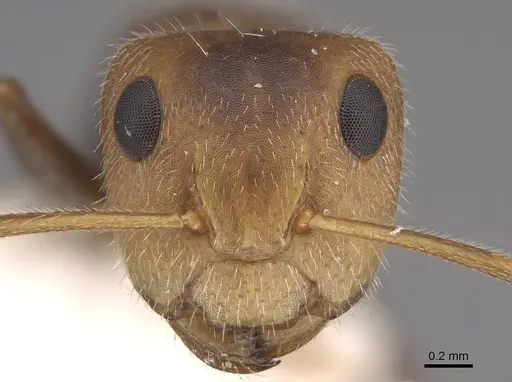
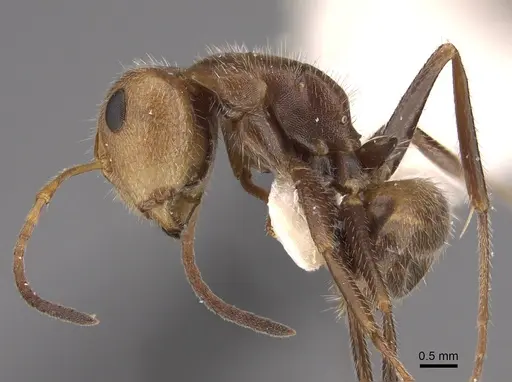
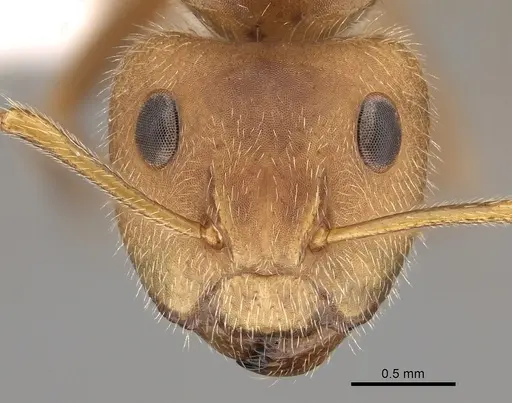
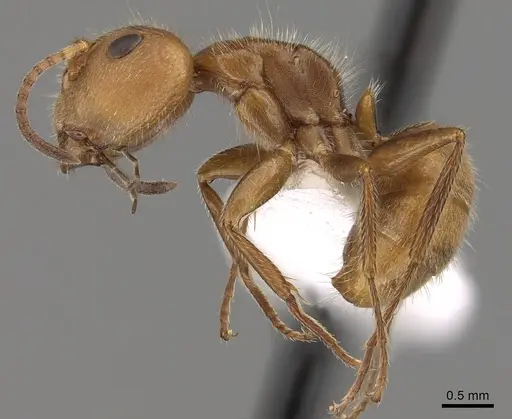
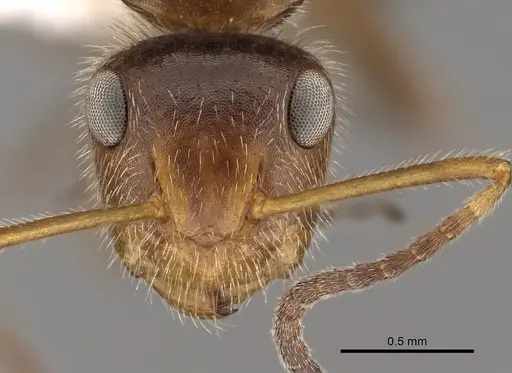
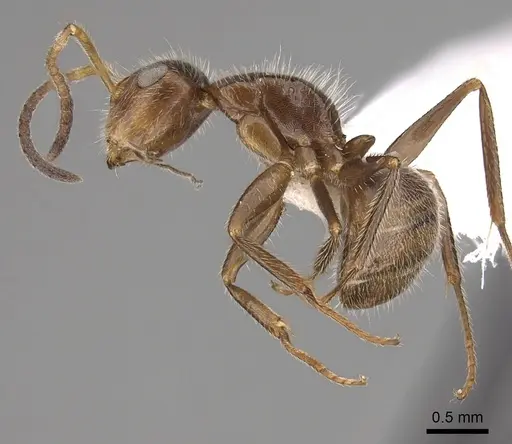
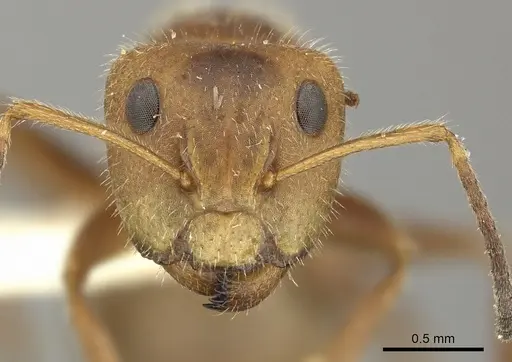
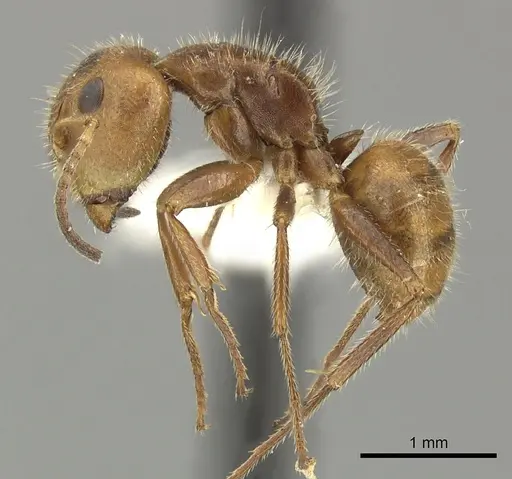
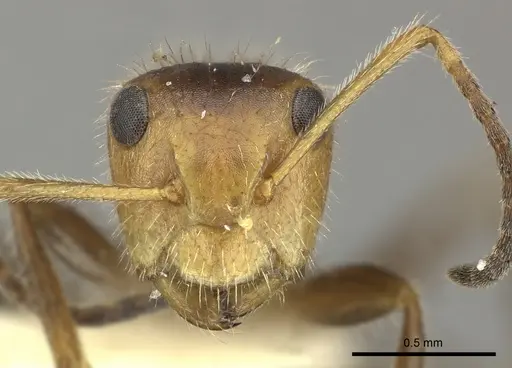
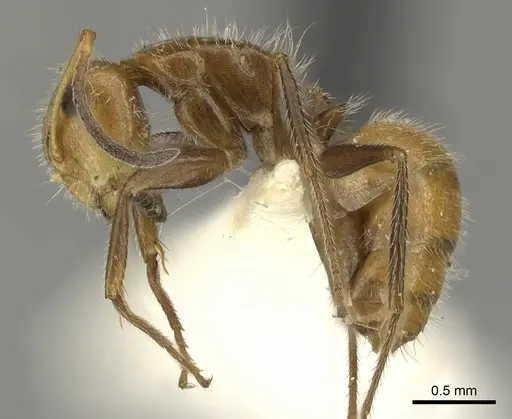
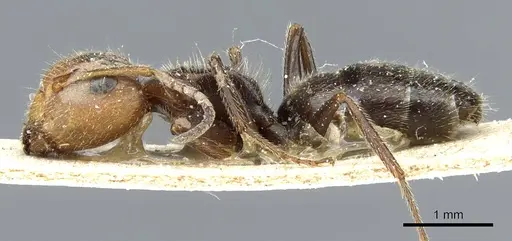
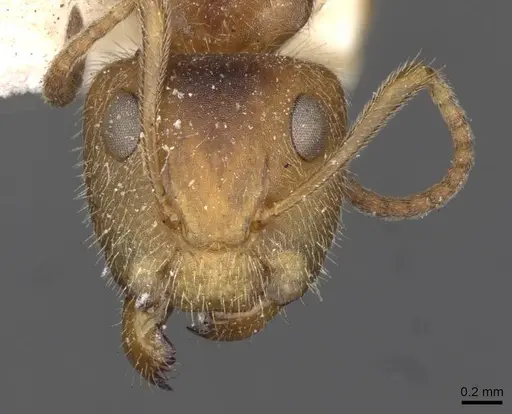
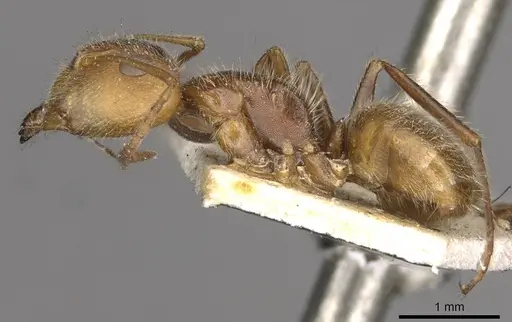
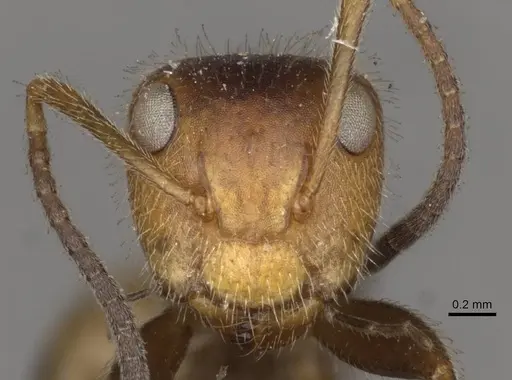
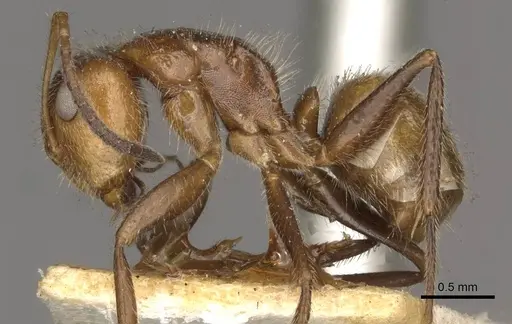
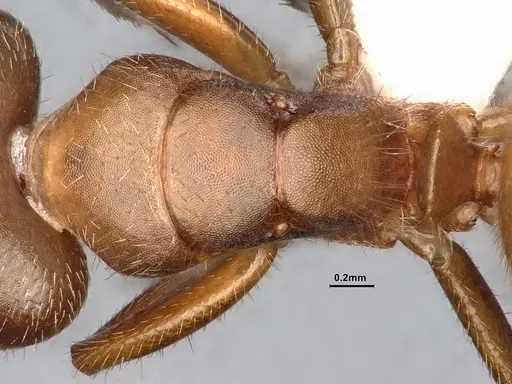
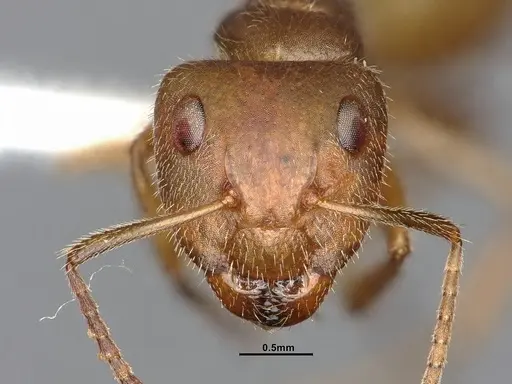
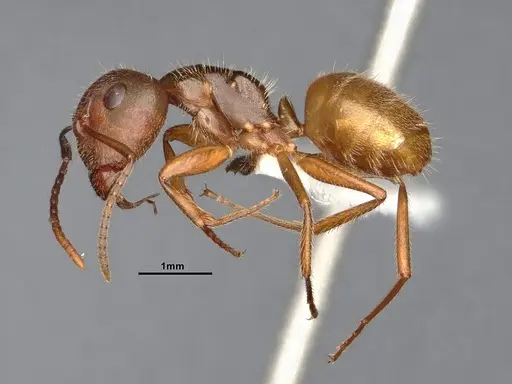
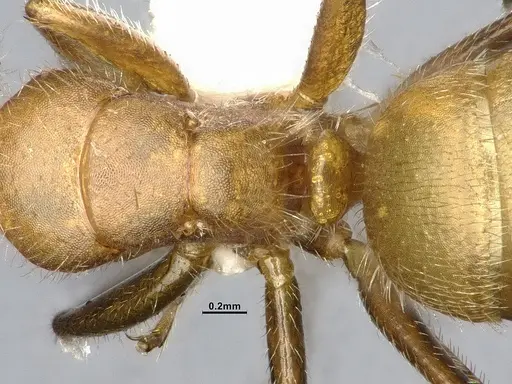
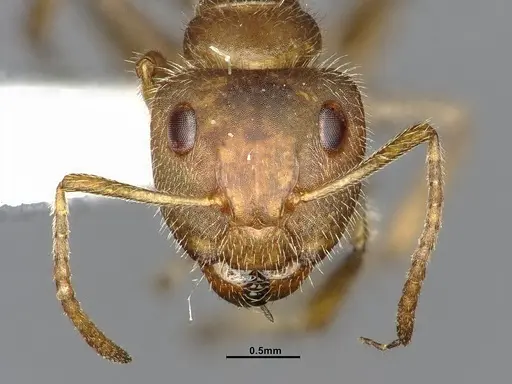
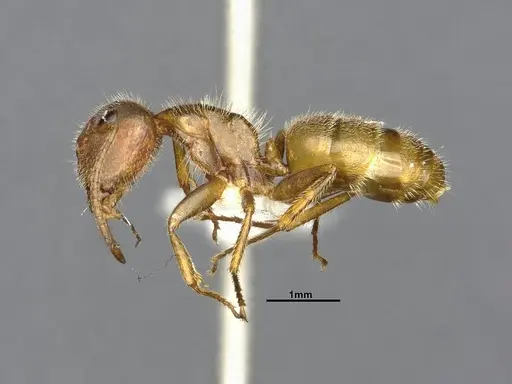
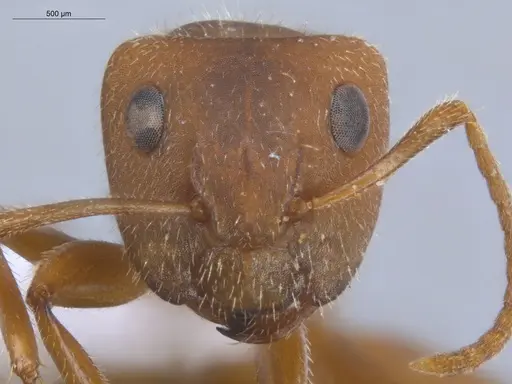
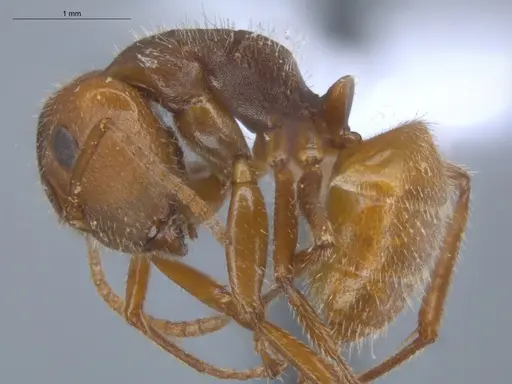
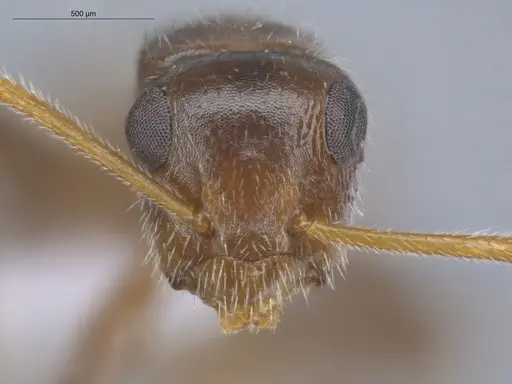
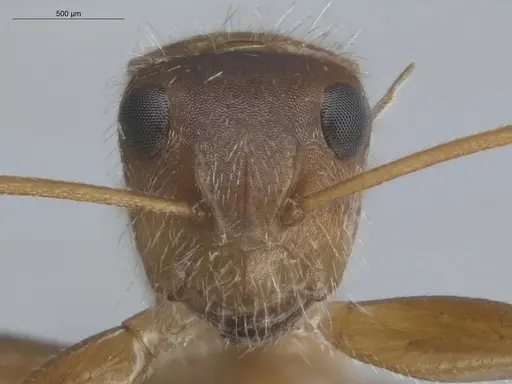
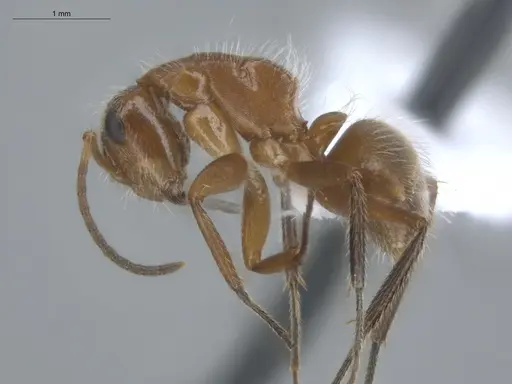
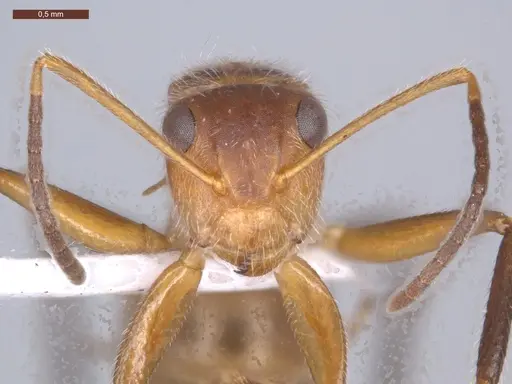
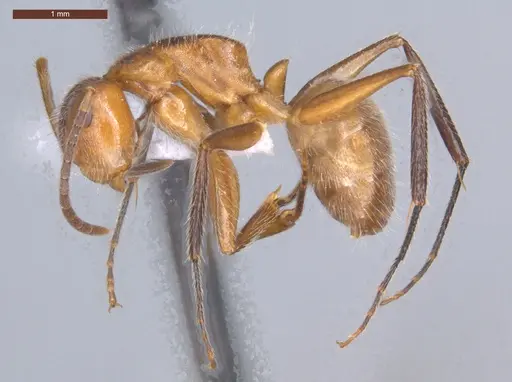
Camponotus pittieri is a small Neotropical ant species in the subgenus Myrmobrachys. Workers measure 3.6-4.4 mm with weak dimorphism between majors and minors . They are pale brown to dark brown with abundant erect hairs on the head . The species ranges from Costa Rica to Brazil, including Colombia, Peru, French Guiana, and Caribbean islands like Guadeloupe . It nests under bark on living trees in tropical forests, from pristine to disturbed areas .
Quick Summary
- Difficulty: Medium
- Origin & Habitat: Neotropical region from Costa Rica to Brazil, nesting under bark on trees in tropical forests [2][3].
- Colony Type: Colony structure is unconfirmed, no data on queen number in the research context.
- Size & Growth:
- Queen: Size data unavailable, no total length measurements in context. Inferred from Myrmobrachys genus patterns, but this is not confirmed for this species.
- Worker: 3.6-4.4 mm [1]
- Colony: Unknown, no maximum colony size documented in the research.
- Growth: Moderate, typical for small Camponotus species, but not confirmed for this species.
- Development: Unknown, no data in context. Inferred from genus patterns, but timeline may vary. (Development likely depends on temperature and feeding conditions.)
- Antkeeping:
- Temperature: Keep warm, roughly 24-28°C, based on tropical habitat [2][3]. Start in this range and observe colony response.
- Humidity: Keep nest substrate consistently moist but not waterlogged, as this species is from humid forests [2][3].
- Diapause: No, tropical species does not require hibernation [2].
- Nesting: Arboreal nester, use Y-tong, plaster, or soil nests with climbing structures like bark or twigs [2][3]. Provide vertical space.
- Behavior: Arboreal and active, workers forage on trees and vegetation. Temperament is generally docile but will defend nests. Escape risk is moderate due to small size, use standard barriers.
- Common Issues: workers dying outside the nest is normal, sick ants leave to protect the colony., small size means high escape risk, check barriers regularly., arboreal nature requires climbing structures, plain nests may cause stress., tropical species may struggle in cool rooms, maintain warm temperatures., humidity control is important, too dry causes brood loss, too wet causes mold.
Housing and Nest Preferences
Camponotus pittieri is an arboreal species that nests under bark on living trees [2][3]. In captivity, use Y-tong, plaster, or soil nests with climbing elements like twigs or cork bark. Provide vertical space and dark, secure nest areas. The outworld should include climbing structures for foraging [2][3].
Feeding and Diet
This species is omnivorous. Offer sugar sources like honey or sugar water constantly. Provide protein such as fruit flies or small insects 2-3 times per week. Remove uneaten food to prevent mold.
Temperature and Seasonal Care
As a tropical species, keep temperatures warm year-round, roughly 24-28°C [2][3]. Use a heating mat if needed. Avoid temperatures below 22°C. No diapause is required [2].
Colony Founding and Development
Founding behavior is unconfirmed, no data in research context. If a queen is found, leave her undisturbed. Development timeline is unknown, but growth is likely moderate.
Behavior and Temperament
Workers are arboreal and active, foraging on trees [2][3]. They are docile but defend nests. Weak dimorphism means majors and minors are similar in size [1]. Escape risk is moderate due to small size.
Frequently Asked Questions
How long does it take for Camponotus pittieri to produce first workers?
Unknown, no data in research context. Inferred from genus patterns, but timeline may vary based on temperature and feeding.
What temperature do Camponotus pittieri ants need?
Keep them warm, roughly 24-28°C, based on their tropical habitat [2][3].
Can I keep Camponotus pittieri in a test tube?
Yes, but add climbing structures like twigs or bark since they are arboreal [2][3].
Do Camponotus pittieri ants need hibernation?
No, as a tropical species, they do not require hibernation [2].
What do Camponotus pittieri ants eat?
They are omnivorous, offer sugar sources constantly and protein like small insects 2-3 times per week.
How big do Camponotus pittieri colonies get?
Colony size is unknown, no maximum size documented in research.
Are Camponotus pittieri good for beginners?
They are intermediate due to temperature and housing needs, but not recommended for absolute beginners.
Where is Camponotus pittieri found in the wild?
From Costa Rica to Brazil, including Colombia, Peru, French Guiana, and Caribbean islands, nesting under bark on trees [2][3][4].
Why is my Camponotus pittieri colony not growing?
Check temperature (24-28°C), humidity, and food. Growth may be slow, be patient. Ensure the queen is laying eggs and the colony is not stressed.
Report an Issue
The current care sheet is based fully on literature. See inconsistencies, or something that's incorrect? Please , it will be resolved after review from an admin. Contributing to the blogs tab also helps providing information, to make us be able to further improve the caresheets. Thank you for your support!
References

This caresheet is licensed under CC BY-SA 4.0 .
Community Blogs
CASENT0217684
View on AntWeb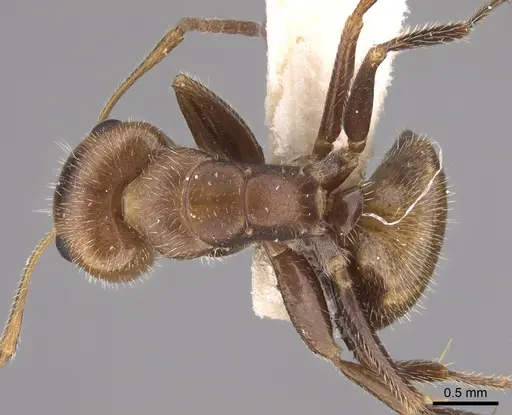
CASENT0280133
View on AntWeb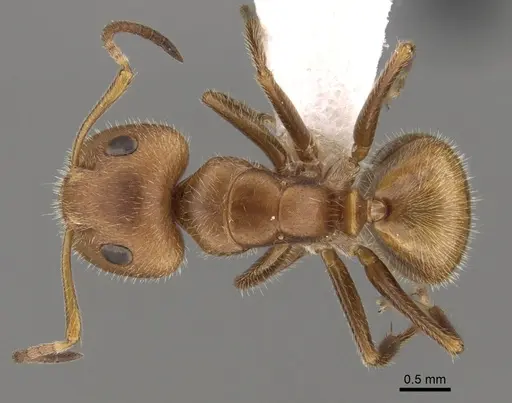
CASENT0280134
View on AntWeb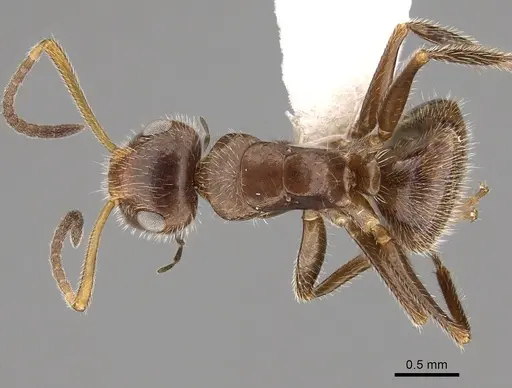
CASENT0619236
View on AntWeb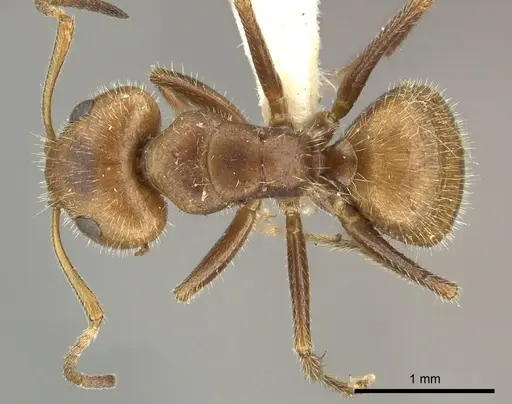
CASENT0619237
View on AntWeb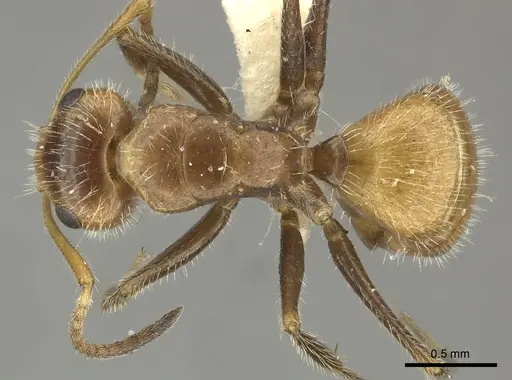
CASENT0905517
View on AntWeb

CASENT0910708
View on AntWeb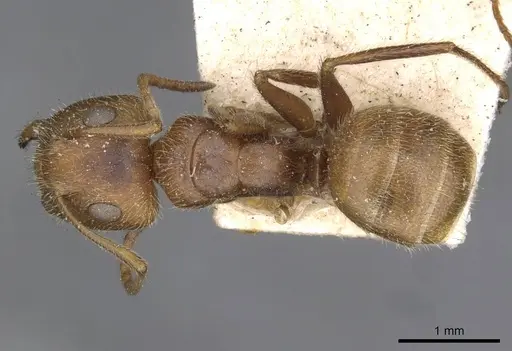
CASENT0910709
View on AntWeb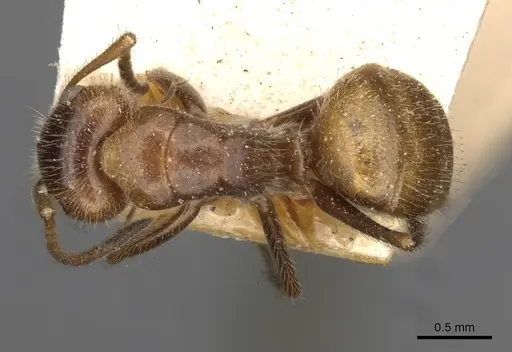
CASENT4031391
View on AntWeb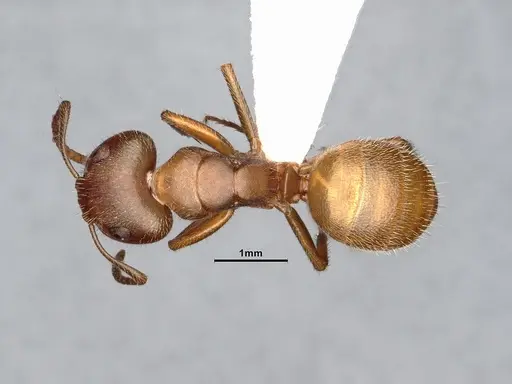
CASENT4032241
View on AntWeb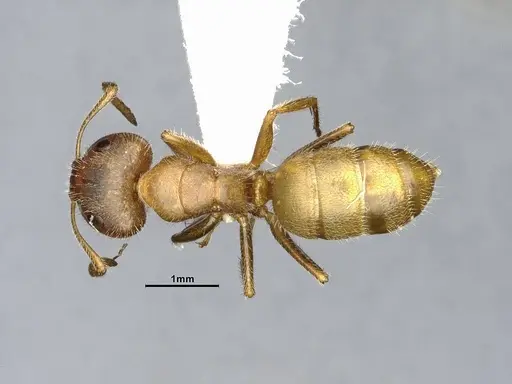
ECOFOG-BOUM-0551-03
View on AntWeb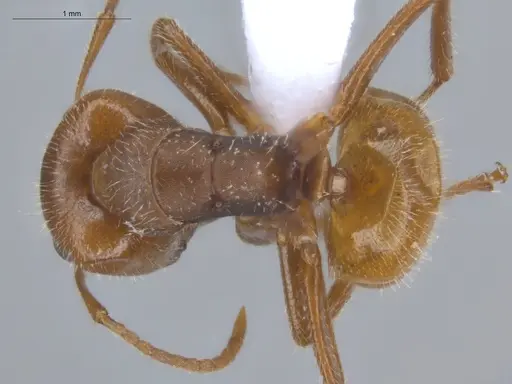
ECOFOG-BOUM-0555-01
View on AntWeb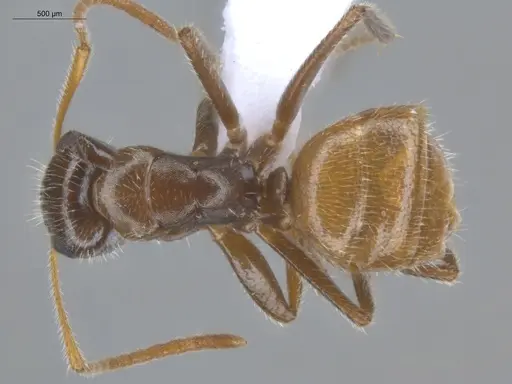
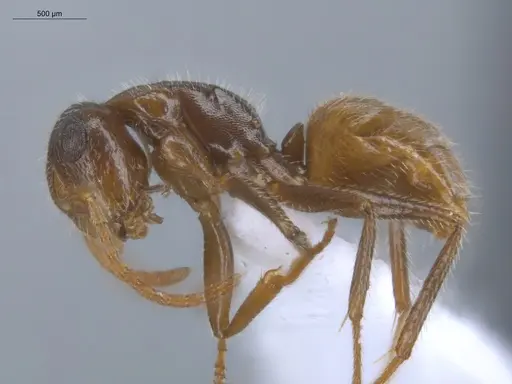
ECOFOG-BUG-1383-05
View on AntWeb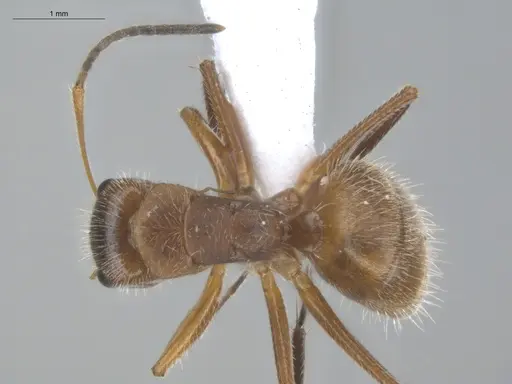
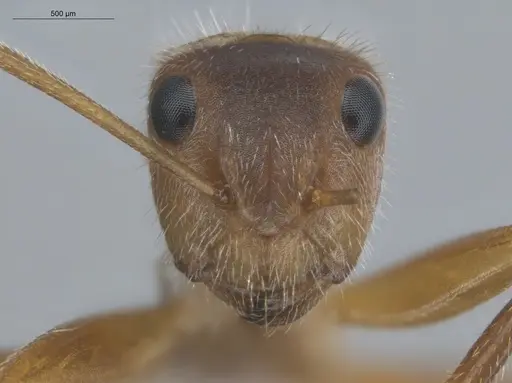
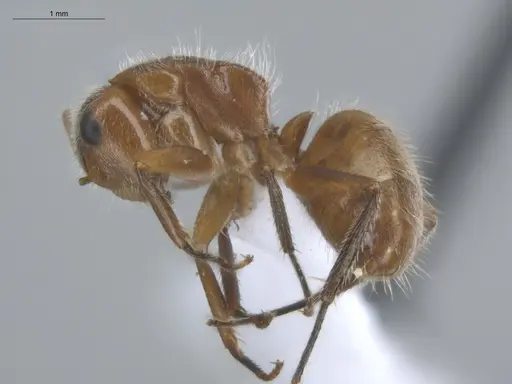
ECOFOG-BUG-1775-01
View on AntWeb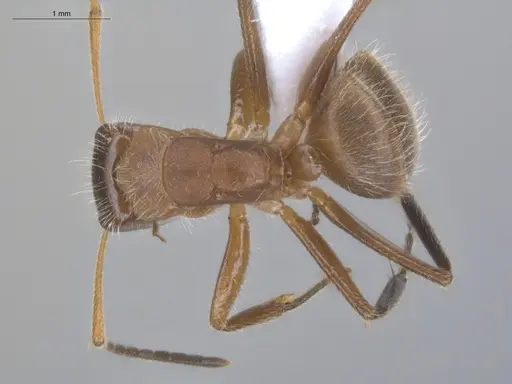
ECOFOG-MI15-0154-20
View on AntWeb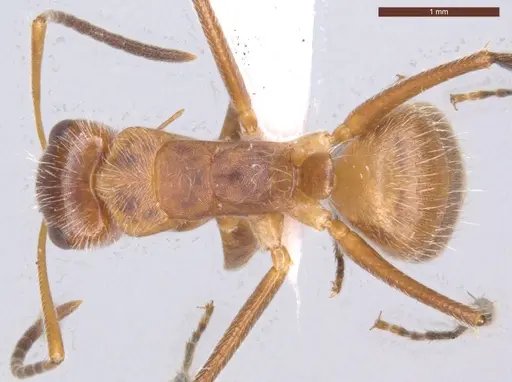
Literature
Loading distribution map...Loading products...