
Camponotus pitjantjatarae
- Sci. Name
- Camponotus pitjantjatarae
- Tribe
- Camponotini
- Subfamily
- Formicinae
- Author
- McArthur, 2003
- Distribution
- Found in 1 countries
Introduction
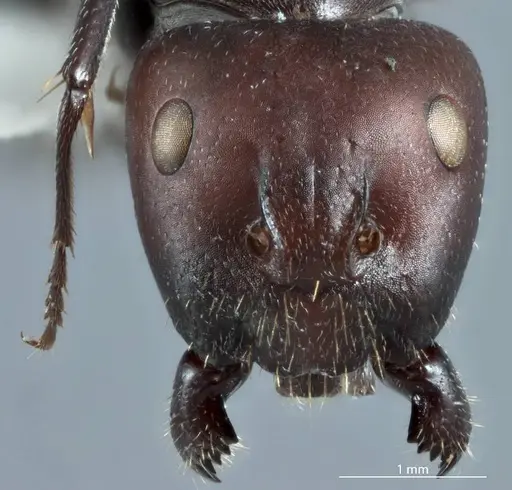
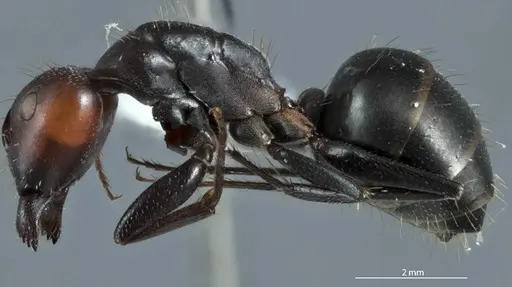
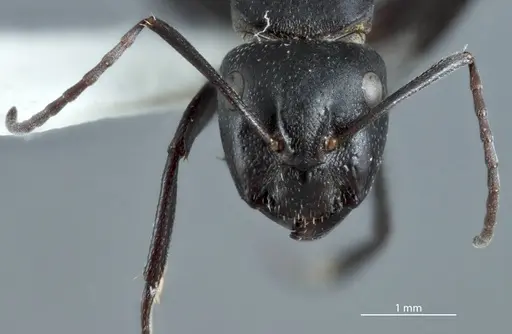
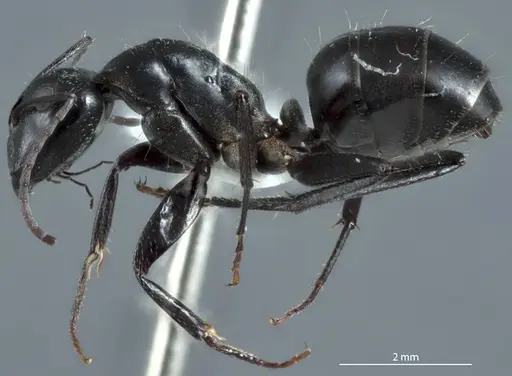
Camponotus pitjantjatarae is an Australian carpenter ant species described from South Australia, specifically the Musgrave Ranges region. Minor workers have a distinctive triangular head with straight sides, while major workers have more convex head sides. They are very similar to Camponotus inflatus and Camponotus cinereus amperei, with minor workers distinguished by their mostly straight head sides and the triangular vertex shape when viewed from above . The species was named after the Pitjantjatjara Aboriginal people who inhabit the area where these ants are found . This species is poorly documented in scientific literature - no specific biological studies exist. As a Camponotus species, they likely follow typical genus patterns for founding and colony development. The natural habitat is arid to semi-arid central Australia based on the type locality in the Musgrave Ranges .
Quick Summary
- Difficulty: Medium
- Origin & Habitat: Central Australia (South Australia, Musgrave Ranges region). Found in arid to semi-arid habitats typical of inland Australia [1].
- Colony Type: Unconfirmed, likely single-queen colonies based on typical Camponotus patterns.
- Size & Growth:
- Queen: size data unavailable, inferred from Camponotus genus (~12-16mm)
- Worker: Minor workers approximately 4-6mm, major workers larger with more robust heads [1].
- Colony: up to several thousand workers, typical for Camponotus.
- Growth: Moderate, typical for Camponotus species.
- Development: 6-10 weeks at optimal temperature based on typical Camponotus development. (Development time varies with temperature, warmer conditions within acceptable range accelerate development. Nanitics are typically smaller than normal workers.)
- Antkeeping:
- Temperature: Keep at room temperature (20-25°C). Provide a gentle temperature gradient allowing workers to self-regulate. Avoid temperatures below 15°C or above 30°C. Based on arid Australian habitat, they likely tolerate warmer conditions better than most Camponotus.
- Humidity: Moderate humidity is sufficient. Provide a water tube as a moisture source. The arid origin suggests they can tolerate drier conditions than many tropical ants, aim for 40-60% humidity in the outworld, with slightly higher humidity in the nest area.
- Diapause: Yes, likely required. As a species from temperate Australia, they probably need a winter rest period. Provide 2-3 months of reduced temperatures (around 10-15°C) during winter months.
- Nesting: Y-tong (AAC) nests or plaster nests work well for Camponotus. Provide a dark, quiet location. They may accept test tube setups in the founding stage. Natural nesting sites would be in soil or decaying wood, typical for carpenter ants.
- Behavior: Generally calm temperament typical of most Camponotus. Workers are not particularly aggressive but will defend the colony if threatened. Foraging activity is typically crepuscular or nocturnal in the wild, but captive colonies often adapt to daytime feeding schedules. Escape risk is moderate, use standard Camponotus escape prevention (fluon on edges, tight-fitting lids). They are not known to be especially destructive to nest materials beyond typical carpenter ant wood-boring behavior.
- Common Issues: limited documentation means care requirements are estimates based on genus patterns rather than species-specific studies., slow founding phase, queens may take several months to produce first workers, patience is essential., hibernation failure, improper winter rest can weaken or kill colonies., overheating risk, despite arid origin, extreme heat should be avoided., limited availability, this species is rarely available in the antkeeping hobby.
Nest Preferences
In the wild, Camponotus pitjantjatarae likely nests in soil or decaying wood, typical of carpenter ants. For captive care, Y-tong (AAC) nests or plaster nests work well, these allow you to maintain appropriate humidity while providing a dark, secure environment. Test tube setups are suitable for founding colonies. The species comes from arid central Australia, so they prefer drier conditions than many other Camponotus species. Ensure the nest area remains relatively dark and undisturbed during the founding stage. Provide a temperature gradient within the nest if possible, allowing the colony to self-regulate[1].
Feeding and Diet
Like most Camponotus, they are omnivorous with a preference for protein-rich foods. Offer a varied diet including sugar water or honey for energy, and protein sources such as mealworms, crickets, or other small insects. Feed protein 2-3 times per week, and keep sugar water available constantly. In the wild, they likely forage for honeydew from aphids and scale insects, plus dead or injured insects. Remove uneaten prey after 24-48 hours to prevent mold. Young colonies should be fed more frequently with smaller portions.
Temperature and Seasonal Care
Camponotus pitjantjatarae originates from the arid interior of South Australia, so they can tolerate warmer temperatures than many temperate Camponotus species. Keep the colony at room temperature (20-25°C) with a gentle gradient. During winter, provide a diapause period of 2-3 months at reduced temperatures around 10-15°C. This mimics their natural seasonal cycle and helps maintain colony health. Do not cool them below 5°C or expose them to freezing temperatures. After hibernation, gradually return to normal temperatures over 1-2 weeks.
Colony Founding
The founding process follows typical Camponotus patterns, the queen seals herself in a small chamber and does not leave to forage. She relies on stored fat reserves to survive while laying eggs and raising the first brood. This is called claustral founding. First workers (nanitics) will be smaller than normal workers and typically appear within 6-10 weeks under optimal conditions. The queen may not lay eggs immediately, this is called dealation stress and is normal. Do not disturb the founding chamber during this period. Once nanitics emerge, the colony can begin foraging for food.
Behavior and Temperament
Camponotus pitjantjatarae has a calm temperament typical of most carpenter ants. Workers are not particularly aggressive and rarely sting. They are primarily nocturnal foragers in the wild but often adjust to daytime feeding in captivity. The species shows typical Camponotus foraging behavior, workers leave the nest to search for food and return with resources. Major workers, with their larger heads, can defend the colony if needed. Escape prevention should be moderate, they are not particularly small ants but can fit through small gaps. Use standard barriers like fluon on test tube rims.
Frequently Asked Questions
How long does it take for Camponotus pitjantjatarae to produce first workers?
Based on typical Camponotus development, expect first workers (nanitics) to emerge in 6-10 weeks after the queen lays eggs. This timeline depends on temperature, warmer conditions within the acceptable range speed development. Be patient during founding, as disturbing the queen can cause her to abandon or eat her brood.
What is the best nest type for Camponotus pitjantjatarae?
Y-tong (AAC) nests or plaster nests work well for established colonies. For founding, a simple test tube setup with a water reservoir is sufficient. This species prefers drier conditions than many other Camponotus, so ensure good ventilation to prevent excess moisture buildup.
What do I feed Camponotus pitjantjatarae?
Offer a balanced diet: sugar water or honey constantly for energy, and protein sources like mealworms, crickets, or small insects 2-3 times per week. Remove uneaten prey after 24-48 hours. This species likely forages for honeydew in the wild, so sugar sources are important.
Does Camponotus pitjantjatarae need hibernation?
Yes, likely required. As a species from temperate Australia, they probably need a winter rest period of 2-3 months at reduced temperatures (10-15°C). This helps maintain colony health and mimics their natural seasonal cycle. Do not hibernate below 5°C.
How big do Camponotus pitjantjatarae colonies get?
Based on typical Camponotus development, colonies can reach several thousand workers over several years. Growth is moderate, major increases occur after the first year when the colony has established a strong worker force.
Is Camponotus pitjantjatarae good for beginners?
This species is rated Medium difficulty. While not the most challenging ant to keep, limited species-specific information exists, so experience with Camponotus or carpenter ants is helpful. Their slow founding phase requires patience.
Can I keep multiple Camponotus pitjantjatarae queens together?
Not recommended. While some Camponotus can be polygynous, combining unrelated queens of this species has not been documented. Single-queen colonies are standard, start with one mated queen for best success.
What temperature range is best for Camponotus pitjantjatarae?
Keep at 20-25°C with a gentle gradient. This species likely tolerates warmer conditions better than most due to its arid Australian origin, but avoid temperatures above 30°C or below 15°C. Room temperature is typically suitable.
Why is my Camponotus pitjantjatarae queen not laying eggs?
Dealation stress is normal, newly mated queens often wait weeks or months before laying eggs. Ensure she is in a dark, undisturbed location with adequate moisture. Do not check on her frequently. If months pass without eggs, she may not be mated or may be unhealthy.
Report an Issue
The current care sheet is based fully on literature. See inconsistencies, or something that's incorrect? Please , it will be resolved after review from an admin. Contributing to the blogs tab also helps providing information, to make us be able to further improve the caresheets. Thank you for your support!
References

This caresheet is licensed under CC BY-SA 4.0 .
Community Blogs
JDM32-001303-1
View on AntWeb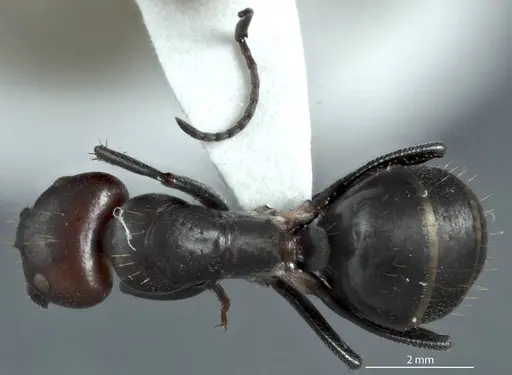
JDM32-001303-2
View on AntWeb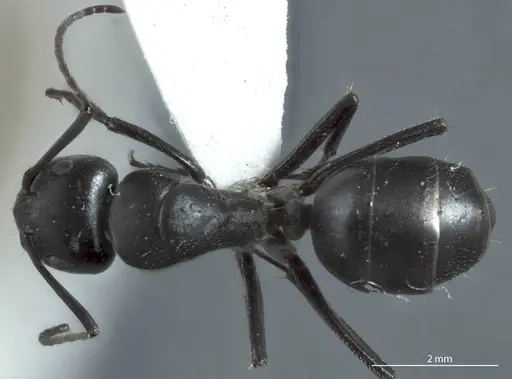
Literature
Loading distribution map...Loading products...