
Camponotus picipes
- Sci. Name
- Camponotus picipes
- Subgenus
- Tanaemyrmex
- Tribe
- Camponotini
- Subfamily
- Formicinae
- Author
- Olivier, 1792
- Distribution
- Found in 4 countries
Introduction
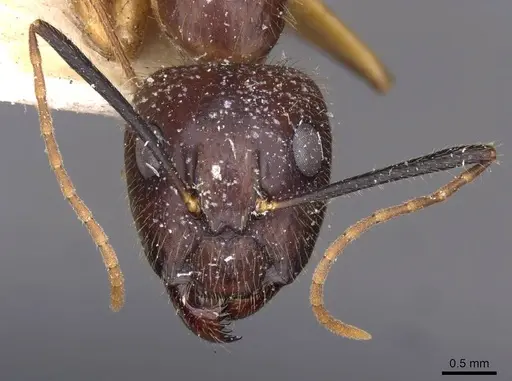
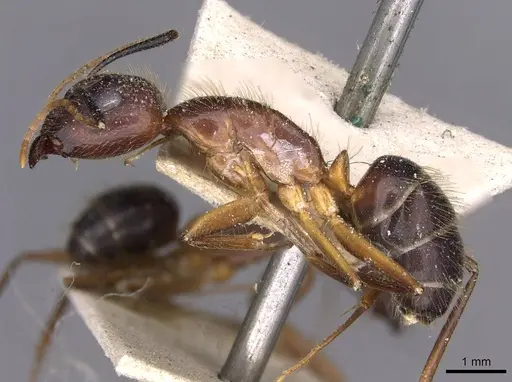
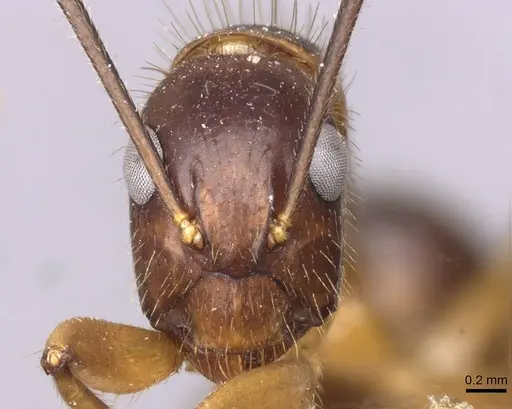
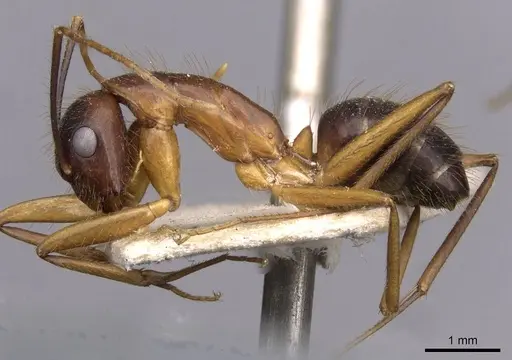
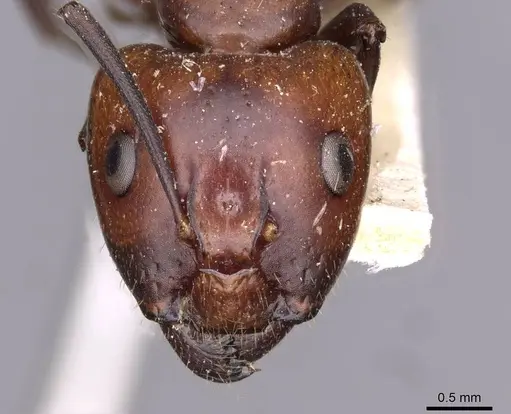
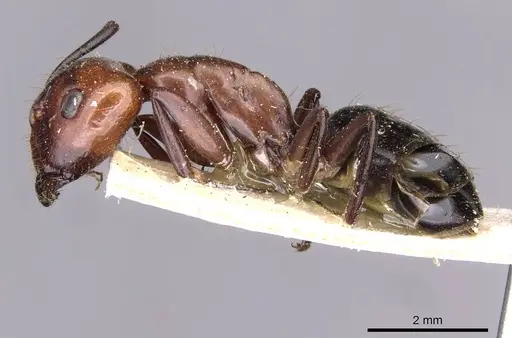
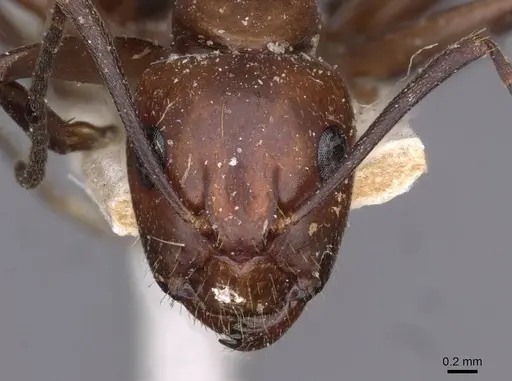
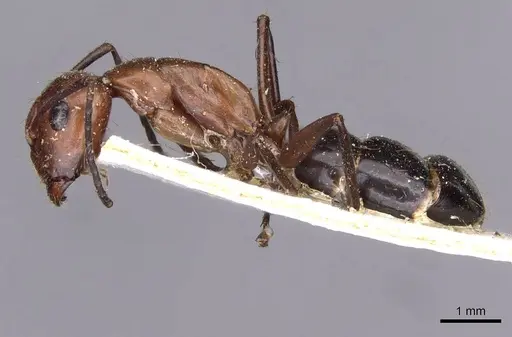
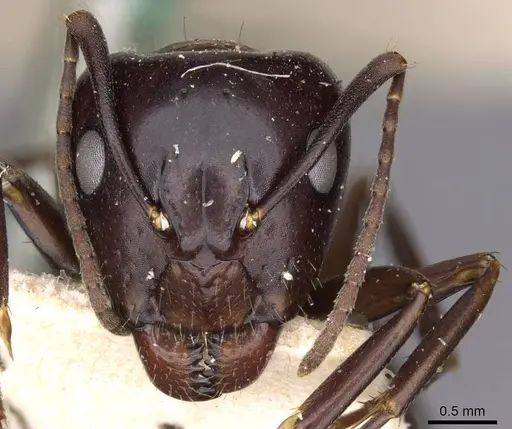
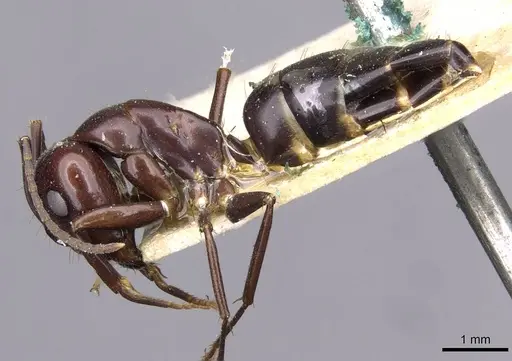
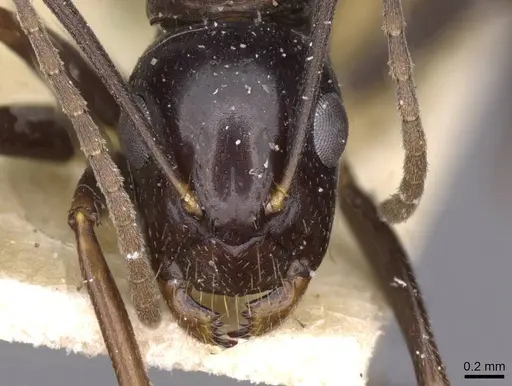
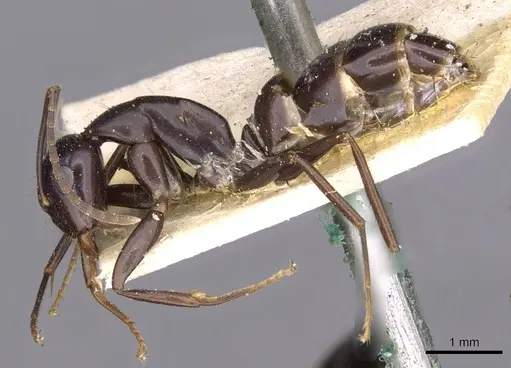
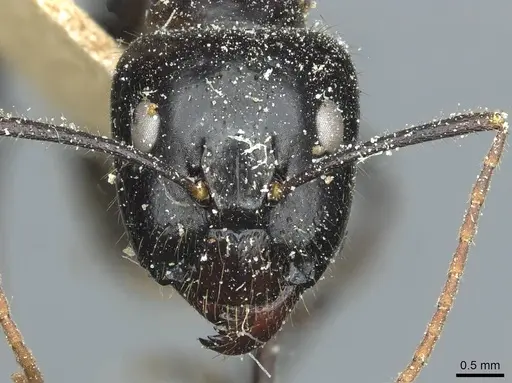
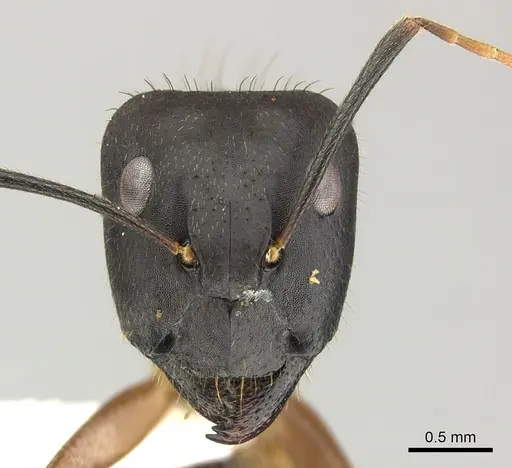
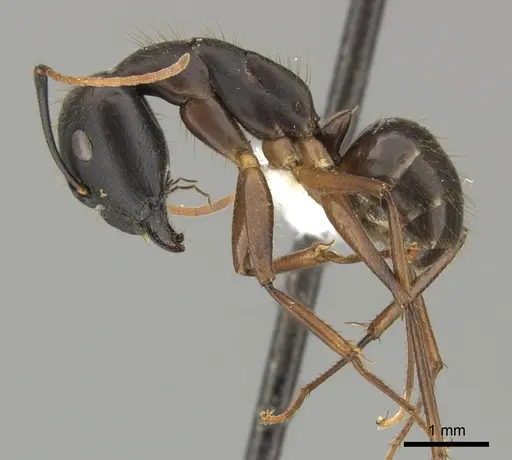
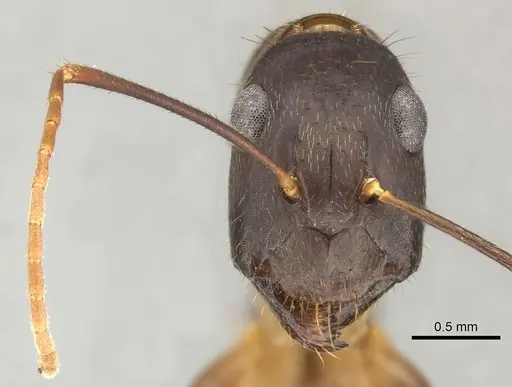
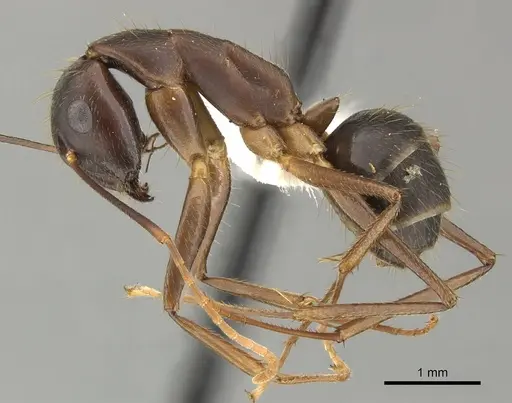
Camponotus picipes is a Neotropical carpenter ant that belongs to the maculatus species complex . Workers vary in size, with majors and minors, but precise measurements are not documented. The head is dark brown, the mesosoma (middle body) lighter brown, and the gaster (abdomen) dark brown, often with yellow lateral spots . The entire head surface has erect and suberect hairs, but the scape (first antennal segment) lacks standing hairs . The tibial hairs are almost completely appressed . This ant nests in soil, usually under stones, and in some regions builds crater-like nest entrances in the ground . It is found from Mexico through Central America to Argentina and the Caribbean .
Quick Summary
- Difficulty: Medium
- Origin & Habitat: Neotropical region: Mexico, Guatemala, Colombia, Venezuela, Brazil, French Guiana, Guyana, Suriname, and the Caribbean [1][2][4]. They inhabit tropical and subtropical forests, typically nesting in soil under stones at various elevations [3][2].
- Colony Type: Unconfirmed. The species is presumed monogyne based on typical Camponotus patterns, but no specific data exists.
- Size & Growth:
- Queen: Size data unavailable
- Worker: Size data unavailable
- Colony: Estimated up to several thousand workers, based on typical Camponotus colony sizes
- Growth: Moderate
- Development: Estimated 6-8 weeks based on Camponotus genus development patterns (Development speed depends on temperature. First workers (nanitics) are smaller than mature workers.)
- Antkeeping:
- Temperature: Keep at 24-28°C. As a Neotropical species, it prefers warm conditions. Provide a gradient so workers can choose.
- Humidity: Keep the nest substrate moist but not waterlogged. In the wild they nest under stones in soil, so aim for damp soil with good drainage. Provide a water source.
- Diapause: No. Based on its tropical distribution, it likely stays active year-round if kept warm. Activity may slow in cooler periods but true diapause is not required.
- Nesting: Soil-based nests work best. In the wild they nest under stones [2]. Use a Y-tong (AAC) nest with a soil chamber, or a naturalistic setup with deep soil. Avoid dry conditions.
- Behavior: Typical carpenter ant behavior, generally calm and non-aggressive toward humans. They will defend their nest if threatened by biting and spraying formic acid (subfamily/tribe defense). Foragers are active day and night. Escape risk is moderate: they are not tiny escape artists, but standard fluon or barriers are recommended.
- Common Issues: colonies may slow down if temperature drops below 20°C, keep warm, wild-caught colonies may carry parasites, quarantine new colonies, overfeeding can cause mold, remove uneaten food after 24-48 hours, disturbing a founding queen may cause her to abandon the nest, minimize interference during founding
Housing and Nest Setup
Camponotus picipes naturally nests in soil under stones [2]. A Y-tong (AAC) formicarium with a soil chamber or a naturalistic setup with deep soil works well. Provide a moisture gradient: keep the brood chamber slightly moist and other areas drier. Place flat stones or bark on top of the soil in the outworld to give them natural cover. You can start a colony in a test tube, but move them to a larger nest once they have 20-30 workers.
Feeding and Diet
Like most Camponotus, these ants are omnivorous. Offer sugar water or honey water as a constant energy source. Provide protein a few times per week: mealworms, crickets, or fruit flies. Remove leftover prey after 24-48 hours to prevent mold. Workers take food back to the nest to feed larvae.
Temperature and Seasonal Care
Being from warm Neotropical regions, Camponotus picipes does best at 24-28°C. Use a heating mat on one side of the nest to create a gradient. They do not need hibernation. If the room drops below 20°C, add supplemental heat. Avoid sudden temperature swings.
Colony Development
A newly mated queen likely founds the colony claustrally (based on typical Camponotus behavior). She seals herself in a chamber and uses stored fat reserves to raise the first brood. First workers (nanitics) emerge after about 6-8 weeks if kept warm. The colony grows moderately, reaching several hundred workers in the first year or two and eventually up to several thousand.
Behavior and Temperament
Camponotus picipes is generally calm and not aggressive toward humans. Workers are active foragers. When threatened, they bite and spray formic acid (subfamily defense mechanism). They are not known to be escape artists, but standard escape prevention (fluon) is recommended.
Frequently Asked Questions
How long does it take for Camponotus picipes to have first workers?
Expect first workers (nanitics) to emerge in about 6-8 weeks after the queen lays eggs, assuming temperatures are kept at 24-28°C. This estimate is based on typical Camponotus development patterns.
What do Camponotus picipes ants eat?
They are omnivorous. Offer sugar water or honey water continuously, and provide protein (mealworms, crickets, fruit flies) a few times per week.
Do Camponotus picipes ants need hibernation?
No. Based on their tropical origin, they stay active year-round if kept warm (above 20°C). They do not enter true diapause.
What temperature is best for Camponotus picipes?
Keep them at 24-28°C for optimal growth and brood development. Provide a gradient with a heating mat.
Are Camponotus picipes good for beginners?
They are medium difficulty. They require warm temperatures and a soil-based nest. Not as beginner-friendly as Lasius or some temperate species, but manageable with basic care.
How big do Camponotus picipes colonies get?
Mature colonies can reach up to several thousand workers over several years, based on typical Camponotus colony sizes.
Can I keep multiple Camponotus picipes queens together?
The species is thought to be monogyne (single-queen). It is not recommended to combine unrelated queens as they may fight.
What type of nest is best for Camponotus picipes?
Soil-based nests work best since they naturally nest in soil under stones [2]. A Y-tong (AAC) formicarium with a soil chamber or a naturalistic setup is ideal.
Where is Camponotus picipes found in the wild?
They are found from Mexico through Central America to Argentina and the Caribbean [1][2][4]. They inhabit forests and nest in soil under stones.
Why is my Camponotus picipes colony not growing?
Check temperature (24-28°C), humidity (moist soil), and food (constant sugar, protein 2x/week). Ensure the nest is in a quiet place. If the queen died, the colony stops growing.
When should I move my colony to a formicarium?
Move them when they outgrow the test tube, typically at 20-30 workers or when the tube gets crowded. Make sure the new nest has proper humidity and a suitable soil chamber.
Report an Issue
The current care sheet is based fully on literature. See inconsistencies, or something that's incorrect? Please , it will be resolved after review from an admin. Contributing to the blogs tab also helps providing information, to make us be able to further improve the caresheets. Thank you for your support!
References

This caresheet is licensed under CC BY-SA 4.0 .
Community Blogs
CASENT0910007
View on AntWeb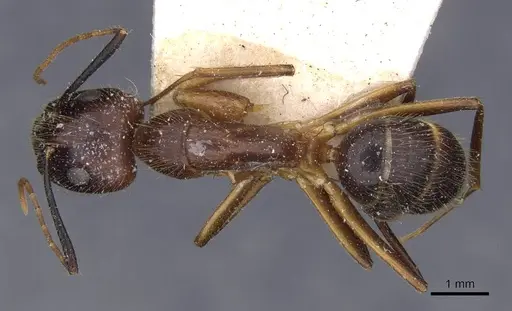
CASENT0910008
View on AntWeb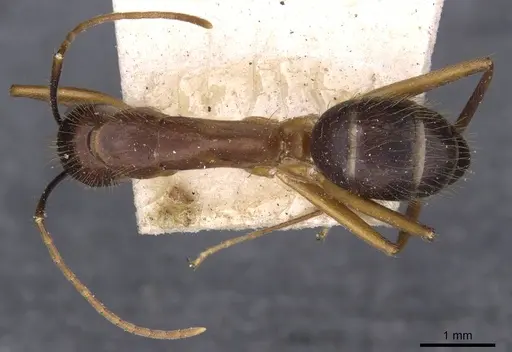
CASENT0910012
View on AntWeb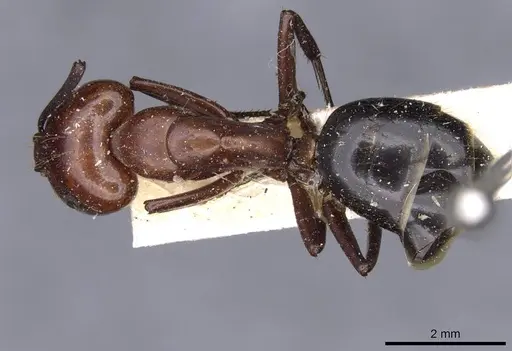
CASENT0910013
View on AntWeb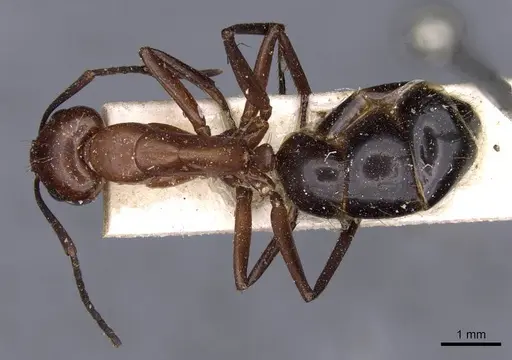
CASENT0910014
View on AntWeb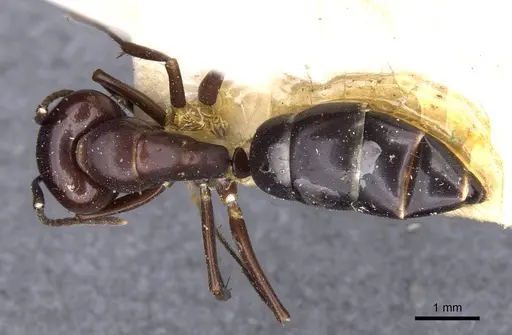
CASENT0910015
View on AntWeb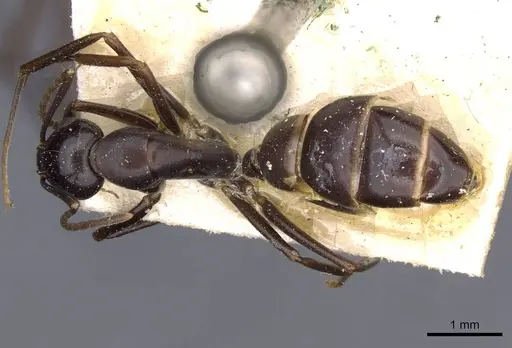
CASENT0912013
View on AntWeb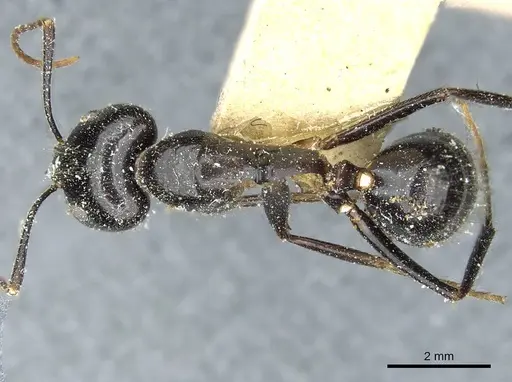
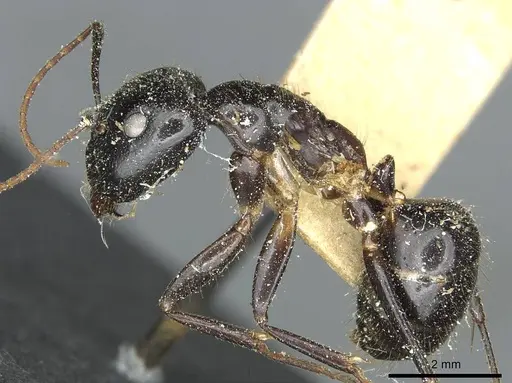
CASENT0912014
View on AntWeb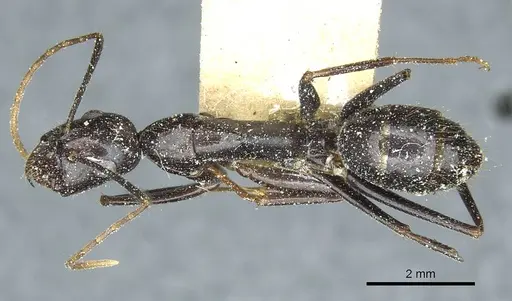
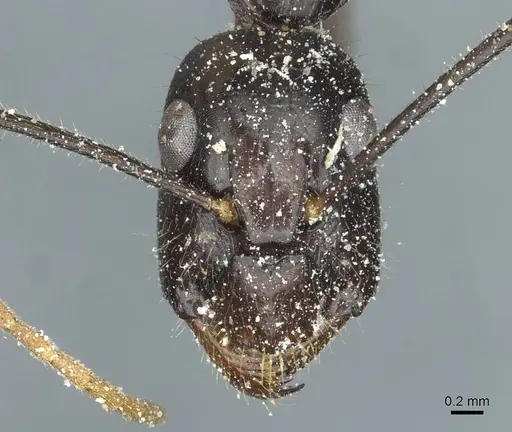
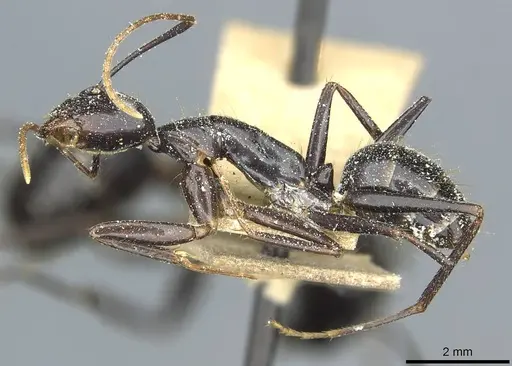
JTLC000001696
View on AntWeb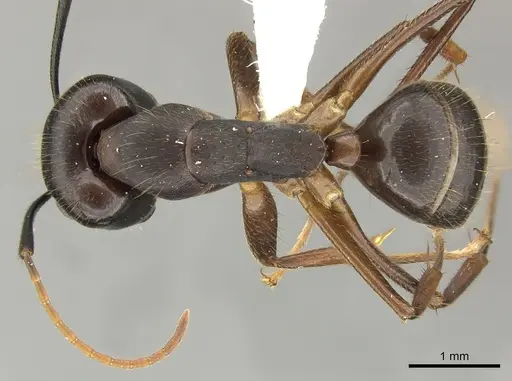
JTLC000001697
View on AntWeb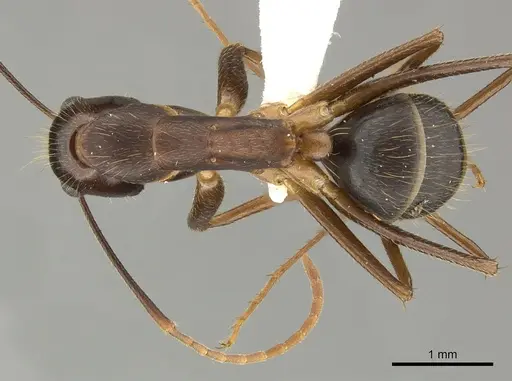
Literature
Loading distribution map...Loading products...