
Camponotus pexus
- Sci. Name
- Camponotus pexus
- Subgenus
- Myrmosericus
- Tribe
- Camponotini
- Subfamily
- Formicinae
- Author
- Santschi, 1929
- Distribution
- Found in 1 countries
Introduction
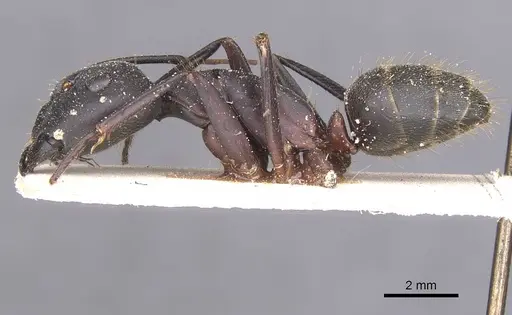
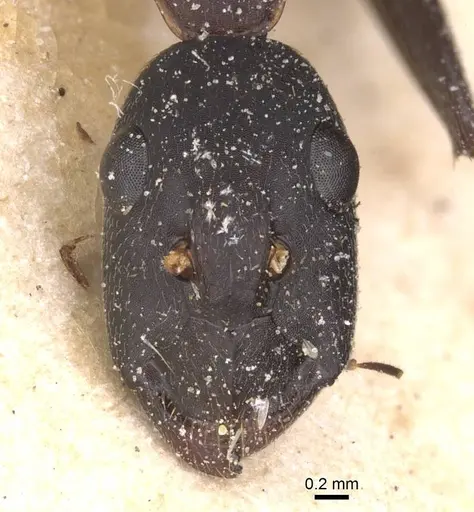
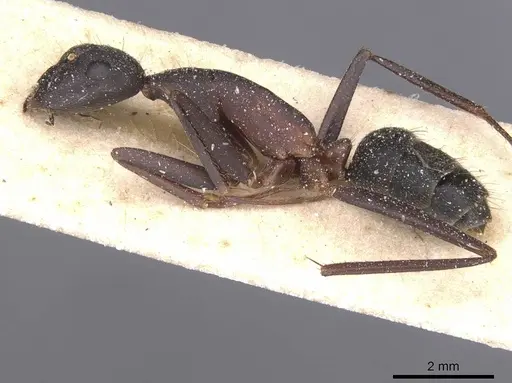
Camponotus pexus is a carpenter ant species endemic to southwest Morocco, found from the Atlantic coast inland to Tizi-n-Test and the Middle Atlas region at high altitude . As a Camponotus species, workers are polymorphic with major workers significantly larger than minors. The genus is known for their characteristic heart-shaped gaster and ability to excavate wood for nesting. This species is adapted to higher elevation habitats in Morocco's mountainous regions.
Quick Summary
- Difficulty: Medium
- Origin & Habitat: Endemic to southwest Morocco, from the Atlantic coast to Tizi-n-Test and the Middle Atlas mountains at high altitude [1][2].
- Colony Type: Colony structure is unconfirmed for this species.
- Size & Growth:
- Queen: Size data unavailable, no measurements exist for this species
- Worker: Size data unavailable, no measurements exist for this species
- Colony: Colony size is unconfirmed for this species
- Growth: Growth rate is unconfirmed for this species
- Development: Development time is unconfirmed for this species (Development time varies with temperature.)
- Antkeeping:
- Temperature: Temperature requirements are unconfirmed for this species, keep at room temperature (18-24°C) and observe colony activity
- Humidity: Provide moderate humidity, keep the nest substrate slightly moist but not waterlogged
- Diapause: Diapause requirements are unconfirmed for this species, based on geographic origin in Morocco's mountains, a winter rest period may benefit the colony
- Nesting: Y-tong (AAC) nests, plaster nests, or test tube setups work well. Provide a dark nesting area.
- Behavior: Generally calm temperament typical of larger carpenter ants. Workers are robust and can deliver a mild bite combined with formic acid spray if threatened. They are not aggressive but will defend the nest. Escape risk is moderate, ensure standard barriers are in place.
- Common Issues: colonies grow slowly which can lead to keeper impatience and overfeeding, test tube setups can dry out, monitor water reservoirs regularly, winter dormancy is often mishandled, too warm temperatures prevent proper rest, wild-caught colonies may have parasites that are difficult to detect, queens can be damaged during founding if disturbed, minimize nest inspections
Natural History and Distribution
Camponotus pexus is endemic to southwest Morocco, found in a relatively limited range from the Atlantic coast extending inland through the Tizi-n-Test mountain pass and into the Middle Atlas region [1][2]. This high-altitude distribution is notable as many Camponotus species prefer warmer lowland habitats. The species appears to be adapted to more temperate conditions than typical tropical carpenter ants, likely inhabiting mountainous areas where temperatures are cooler and seasonal variation is more pronounced. In their natural habitat, they likely nest in soil, under stones, or in decaying wood, typical nesting sites for Camponotus species in Mediterranean climates.
Housing and Nest Setup
For founding colonies, a standard test tube setup works well. Fill the tube about one-third with water and plug with cotton, this provides humidity and a water source. Place the tube in a dark area to simulate a natural underground chamber. Once the colony reaches 20-30 workers, you can consider moving to a formicarium. Y-tong (AAC) nests with narrow chambers suit their size well. Avoid nests with overly large chambers as ants prefer tight spaces. Provide an outworld area for foraging and place protein and sugar foods there. Ensure the nest is in a quiet location away from vibrations and direct sunlight.
Feeding and Nutrition
Camponotus pexus will accept a typical carpenter ant diet. Provide sugar sources continuously, honey water, sugar water, or commercial ant nectar. For protein, offer insects like fruit flies, mealworms, small crickets, or other small invertebrates. Feed protein every 2-3 days, removing any uneaten prey after 24 hours. Remove sugar sources if they become contaminated. Fresh water should always be available. This species is not specialized and will accept the standard foods that most Camponotus keepers provide.
Temperature and Seasonal Care
Based on their high-altitude Moroccan origin, Camponotus pexus likely prefers cooler temperatures than many tropical ants. Keep the colony at room temperature, ideally 18-22°C. A temperature gradient is beneficial, allow part of the setup to be slightly warmer while keeping most areas cool. During winter, they may benefit from a dormancy period of 2-3 months at 10-15°C. This can be achieved by moving the colony to a cooler location like an unheated garage or basement. Do not feed during the dormant period. The winter rest helps maintain natural colony cycles and may improve long-term colony health.
Colony Development
A newly mated queen will seal herself in a chamber and lay eggs without foraging. She survives entirely on her stored fat reserves during claustral founding. The first eggs develop into larvae, then pupae, and eventually emerge as workers called nanitics, these first workers are typically smaller than mature workers. The queen does not eat during this time, workers feed her and tend the brood. Once nanitics emerge, the colony enters the nanitic phase where workers begin foraging while the queen focuses on egg production. Growth is gradual, expect several months before you see significant numbers of workers. Major workers typically appear once the colony reaches several hundred workers.
Frequently Asked Questions
How long does it take for Camponotus pexus to produce first workers?
Development time is unconfirmed for this species. First workers typically appear 6-10 weeks after the queen lays eggs in most Camponotus species, depending on temperature. The first workers (nanitics) will be smaller than normal workers.
What temperature is best for Camponotus pexus?
Temperature requirements are unconfirmed, keep them at room temperature, ideally 18-22°C. This is cooler than many tropical ant species prefer, reflecting their high-altitude Moroccan origin. A slight temperature gradient allows the ants to choose their preferred zone.
Do Camponotus pexus colonies need hibernation?
Diapause requirements are unconfirmed for this species. Based on their origin in Morocco's mountainous regions where winters are cool, a winter dormancy period of 2-3 months at 10-15°C may benefit the colony. Skip feeding during this period.
Can I keep multiple Camponotus pexus queens together?
This is not recommended. Colony structure is unconfirmed for this species, but most Camponotus species are monogyne (single queen). Combining unrelated queens usually results in fighting.
How big do Camponotus pexus colonies get?
Colony size is unconfirmed for this species. Most Camponotus species reach several thousand workers at maturity. Growth is slow, expect several years to reach maximum size.
What do I feed Camponotus pexus?
Provide a constant sugar source (honey water or sugar water) and protein every few days (insects like fruit flies, mealworms, or small crickets). Remove uneaten food promptly.
Is Camponotus pexus good for beginners?
This species is rated Medium difficulty. They are more forgiving than some tropical species due to their cooler temperature requirements, but their slow growth and specific seasonal needs require some experience.
When should I move Camponotus pexus from a test tube to a formicarium?
Move them once the colony reaches 20-30 workers and the test tube is becoming crowded. Ensure the formicarium has appropriately sized chambers, avoid chambers that are too large.
Why is my Camponotus pexus colony growing slowly?
Slow growth is normal for Camponotus species. Ensure temperatures are within range (18-22°C), provide proper nutrition, and avoid disturbing the nest too often. Colonies naturally grow gradually over months and years.
Report an Issue
The current care sheet is based fully on literature. See inconsistencies, or something that's incorrect? Please , it will be resolved after review from an admin. Contributing to the blogs tab also helps providing information, to make us be able to further improve the caresheets. Thank you for your support!
References

This caresheet is licensed under CC BY-SA 4.0 .
Community Blogs
CASENT0249973
View on AntWeb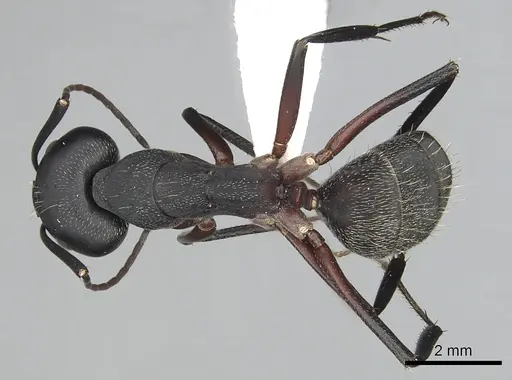
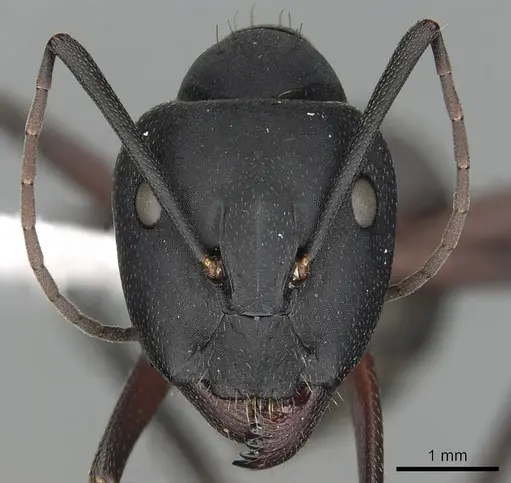
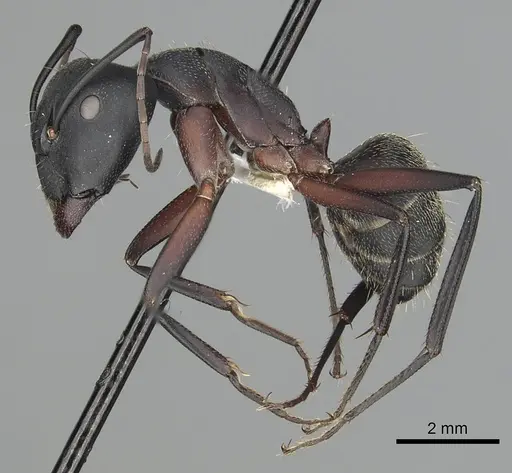
CASENT0249974
View on AntWeb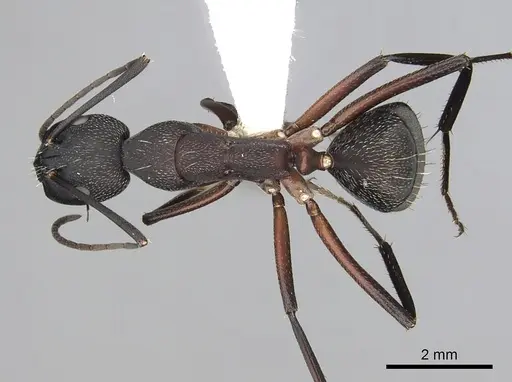
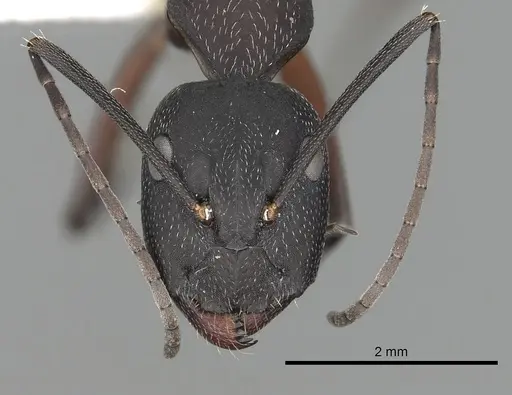
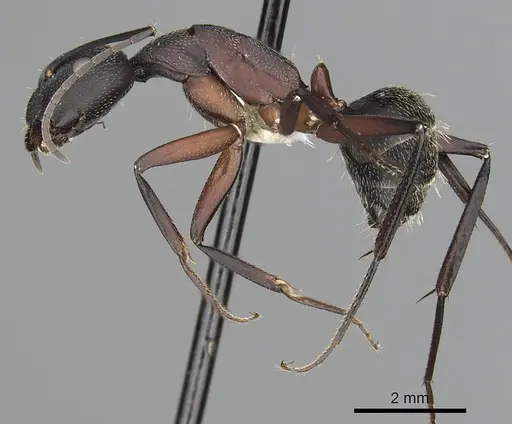
CASENT0911773
View on AntWeb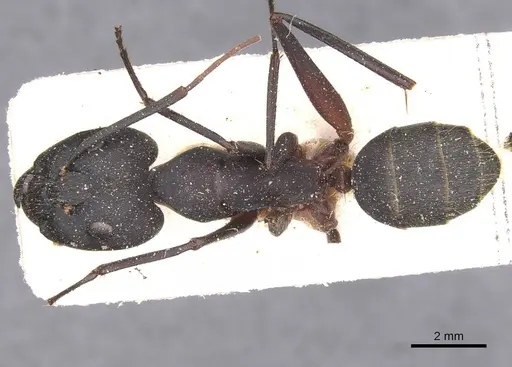
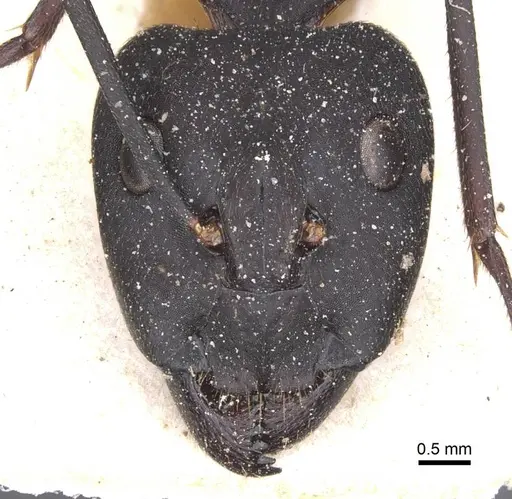
CASENT0911774
View on AntWeb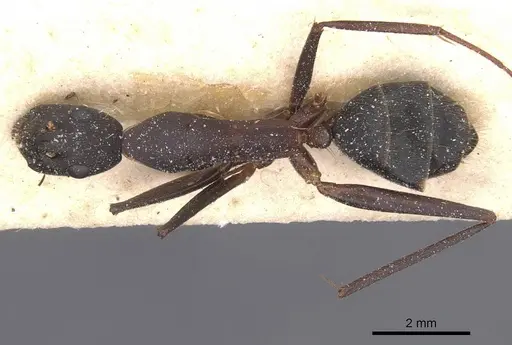
Literature
Loading distribution map...Loading products...