
Camponotus paradoxus
- Sci. Name
- Camponotus paradoxus
- Subgenus
- Hypercolobopsis
- Tribe
- Camponotini
- Subfamily
- Formicinae
- Author
- Mayr, 1866
- Distribution
- Found in 1 countries
Introduction
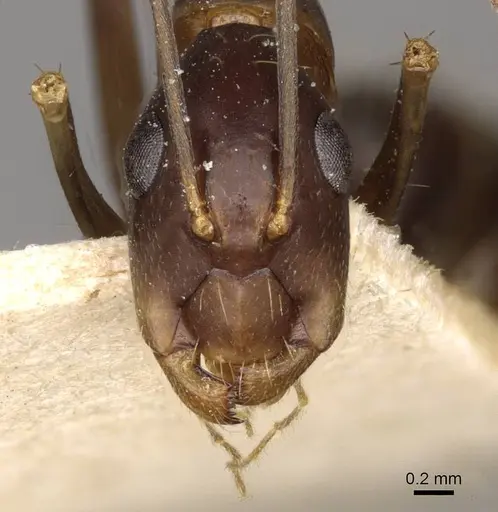
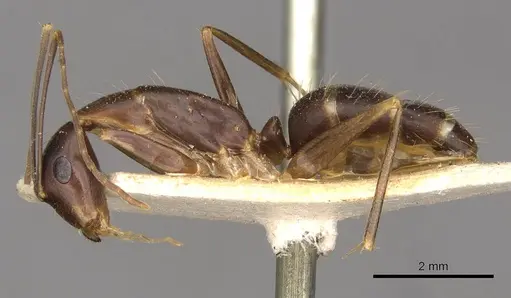
Camponotus paradoxus is an ant species originally described from Brazil, now classified in the subgenus Phasmomyrmex. The species has a complex taxonomic history, having been placed in multiple subgenera including Colobopsis and Hypercolobopsis before its current classification . Workers are small for a Camponotus species. The head shape of major workers shows some modification, similar to other Colobopsis-group ants that use their heads as living corks to seal nest entrances. This species has been recorded in Brazil, French Guiana, Democratic Republic of Congo, and Mexico, suggesting a broad distribution across tropical regions [AntWiki]. One notable aspect of this species is its association with fungal parasites. In Africa, C. paradoxus has been documented as a host for Ophiocordyceps unilateralis (the 'zombie ant' fungus), which manipulates the ant's behavior before killing it . This highlights ecological connections between this ant species and broader ecosystem dynamics.
Quick Summary
- Difficulty: Medium
- Origin & Habitat: Tropical species with records from Brazil, French Guiana, Democratic Republic of Congo, and Mexico [2][3][4][5]. In Brazil, they are found in the Atlantic Forest region, typically nesting in rotting wood or under bark in forested habitats [5].
- Colony Type: Colony structure is unconfirmed. Based on typical Camponotus patterns, likely single-queen colonies.
- Size & Growth:
- Queen: Approximately 8-10mm, inferred from related Camponotus species [5]
- Worker: 4-7mm, inferred from related Camponotus species [5]
- Colony: Likely reaches several thousand workers at maturity based on typical Camponotus patterns
- Growth: Moderate
- Development: 6-10 weeks at optimal temperature (estimated from typical Camponotus development) (Development time varies with temperature. Nanitics (first workers) are smaller than normal workers.)
- Antkeeping:
- Temperature: Keep nest area at 24-28°C. As a tropical species, they prefer warm conditions. Use a heating cable on one side of the nest to create a gentle gradient.
- Humidity: Moderate to high humidity. Keep nest substrate slightly moist but not waterlogged. Provide a water tube as a constant moisture source.
- Diapause: Unconfirmed for this specific species. Tropical ants from Brazil may not require true hibernation, but a cooler period during winter months may benefit colonies.
- Nesting: In captivity, they do well in Y-tong (AAC) nests, plaster nests, or naturalistic setups with rotting wood. They prefer tight, dark chambers similar to their natural nesting sites in decaying wood.
- Behavior: Generally calm and non-aggressive compared to many Camponotus species. Workers are moderately active foragers that search for honeydew and small insects. They are not particularly defensive. Major workers have slightly enlarged heads but are not aggressive soldiers. As Formicinae, they lack a functional sting and instead bite and spray formic acid from their acidopore. Escape risk is moderate, standard escape prevention measures are sufficient.
- Common Issues: fungal parasites, wild-caught colonies may carry Ophiocordyceps or other pathogens that can devastate captive colonies [6], overheating, being tropical, they are sensitive to temperatures above 30°C which can kill brood, dry conditions, too dry habitat causes brood death and colony decline, poor founding success, queen founding can be slow and prone to failure if disturbed or if humidity is incorrect, escape through gaps, despite moderate size, they can find and exploit small openings in equipment
Nest Preferences and Housing
Camponotus paradoxus naturally nests in rotting wood, under bark, and in hollow twigs or stems, typical behavior for ants in the Colobopsis group. In captivity, they adapt well to several nest types. Y-tong (AAC) nests work well because they provide the dark, tight chambers these ants prefer. Plaster nests are also suitable, especially when kept slightly moist. For naturalistic setups, provide pieces of rotting wood or cork bark that the ants can colonize. The key is providing appropriately sized chambers, too large and open spaces make them stressed and less active. [5]
Feeding and Diet
Like most Camponotus species, C. paradoxus is omnivorous with a preference for sugar sources. Offer sugar water, honey, or diluted maple syrup as a constant energy source. For protein, provide small insects like fruit flies, small crickets, mealworms, or wax worms. They will also collect honeydew if you offer plants with aphids. Feed protein sources 2-3 times per week, and keep sugar water available at all times. During founding, the queen does not need food, she relies on stored fat reserves. Once workers arrive, they will readily accept offered foods. Remove uneaten prey after 24-48 hours to prevent mold. [5]
Temperature and Seasonal Care
As a tropical species from Brazil and other warm regions, Camponotus paradoxus prefers warm temperatures in the range of 24-28°C. This temperature range supports optimal brood development and worker activity. Use a heating cable or heating mat on one portion of the nest to create a temperature gradient, allowing ants to move between warmer and cooler areas as they choose. Place the heating element on top of the nest, not underneath, to avoid evaporating moisture too quickly. During winter months, you can reduce temperatures slightly to 20-22°C, but avoid true cold hibernation as this species is not adapted to freezing conditions. Sudden temperature drops below 15°C can be harmful. [5]
Colony Founding and Early Development
Camponotus paradoxus likely follows typical claustral founding behavior, though this is not explicitly documented. After mating, the queen searches for a suitable nesting site in rotting wood or a small cavity, then seals herself inside. She remains inside, laying eggs and raising the first brood entirely on her stored fat reserves. This founding period typically lasts 6-10 weeks depending on temperature. During this time, the queen may appear inactive, this is normal. Do not disturb or try to open the founding chamber. The first workers (nanitics) are smaller than normal workers and will initially tend the queen and brood. Once nanitics emerge, the colony will grow gradually. [5]
Health Concerns and Common Problems
One significant concern with C. paradoxus is the potential for fungal parasites. While documented primarily in African populations, wild-caught colonies from any region may carry pathogens [6]. Quarantine and observe new colonies carefully before introducing them to established setups. Mold is another common issue, it thrives in the warm, humid conditions these ants need. Prevent mold by removing uneaten food promptly, ensuring ventilation without drafts, and avoiding over-misting. Temperature stress is a real danger, temperatures above 30°C can kill developing brood, while temperatures below 15°C may cause dormancy or death. Finally, these ants can be sensitive to vibrations and disturbances during founding.
Frequently Asked Questions
How long does it take for Camponotus paradoxus to raise first workers?
Expect 6-10 weeks from egg to first worker at optimal temperature (24-28°C). This is typical for Camponotus species. The queen seals herself in during founding and raises the first brood alone using stored fat reserves. Be patient, disturbing the queen during this period often leads to colony failure.
What do Camponotus paradoxus ants eat?
They are omnivorous with a strong preference for sugar. Offer sugar water, honey, or maple syrup constantly. For protein, feed small insects like fruit flies, small crickets, or mealworms 2-3 times per week. They will also collect honeydew from aphids if available.
What temperature do Camponotus paradoxus colonies need?
Keep nest temperatures between 24-28°C. Use a heating cable on part of the nest to create a gradient. Avoid temperatures above 30°C (kills brood) or below 15°C (causes stress). Room temperature within this range works for established colonies.
Are Camponotus paradoxus good for beginners?
They are moderately difficult, easier than many aggressive Camponotus but requiring more attention to temperature and humidity than hardy species like Lasius. They have specific warmth needs and slower growth than tropical species. Recommended for antkeepers who have kept at least one colony successfully.
How big do Camponotus paradoxus colonies get?
Mature colonies likely reach several thousand workers based on typical Camponotus growth patterns. Growth is moderate, expect 1-2 years to reach 100+ workers, with larger sizes taking several years. Colonies are long-lived, potentially lasting many years with proper care.
Can I keep multiple Camponotus paradoxus queens together?
Not recommended. This species is likely single-queen in nature based on typical Camponotus patterns. Combining unrelated queens typically results in fighting and colony failure. If you start with multiple foundress queens, house them separately.
Do Camponotus paradoxus need hibernation?
True hibernation is not required as they are tropical. However, a slight cooling period (20-22°C) during winter months may be beneficial and mimic natural seasonal changes. Avoid temperatures below 15°C. If your room temperature naturally drops in winter, this is usually sufficient.
What type of nest is best for Camponotus paradoxus?
Y-tong (AAC) nests or plaster nests work well. They prefer dark, tight chambers scaled to their size. Naturalistic setups with rotting wood or cork bark are also suitable. Avoid large, open spaces, these ants feel secure in snug chambers.
Why is my Camponotus paradoxus colony dying?
Common causes include: temperature stress (too hot above 30°C or too cold below 15°C), improper humidity (too dry or constantly wet/moldy), fungal infection from wild-caught colonies [6], disturbance during queen founding, or poor nutrition. Review each factor and adjust accordingly. Wild-caught colonies have higher mortality risk from parasites.
Report an Issue
The current care sheet is based fully on literature. See inconsistencies, or something that's incorrect? Please , it will be resolved after review from an admin. Contributing to the blogs tab also helps providing information, to make us be able to further improve the caresheets. Thank you for your support!
References

This caresheet is licensed under CC BY-SA 4.0 .
Community Blogs
CASENT0910676
View on AntWeb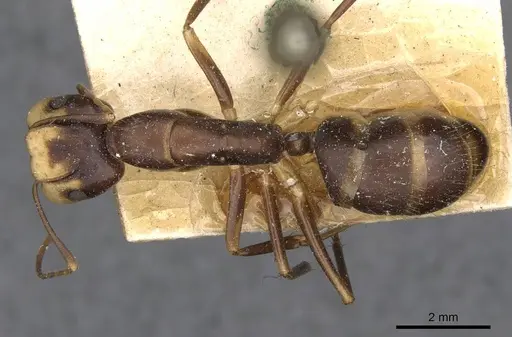
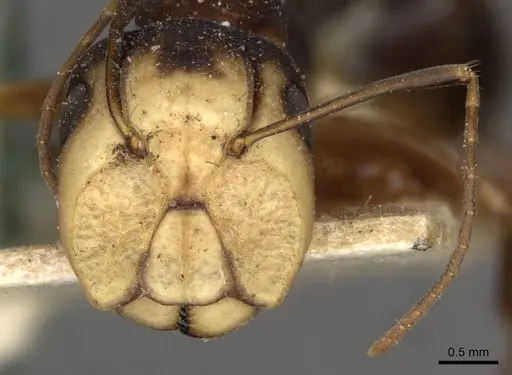
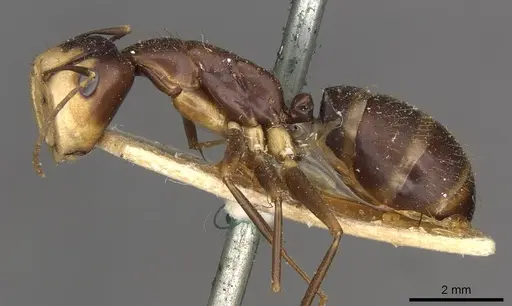
CASENT0910677
View on AntWeb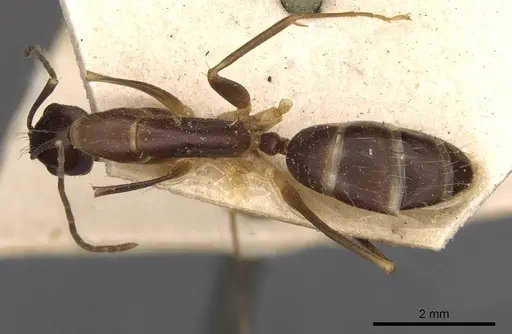
Literature
Loading distribution map...Loading products...