
Camponotus pallescens
- Sci. Name
- Camponotus pallescens
- Subgenus
- Tanaemyrmex
- Tribe
- Camponotini
- Subfamily
- Formicinae
- Author
- Mayr, 1887
- Distribution
- Found in 1 countries
Introduction
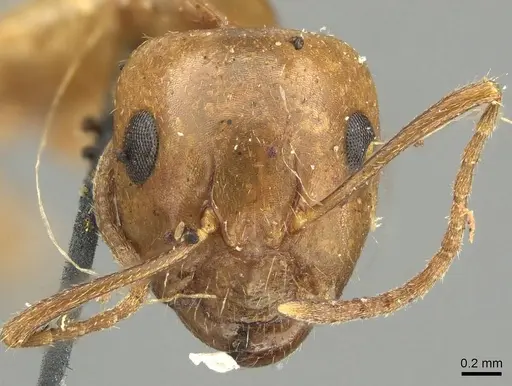
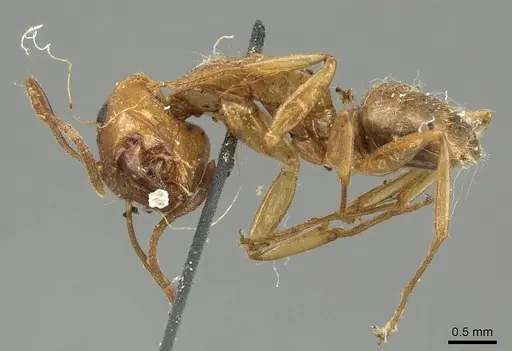
Camponotus pallescens is a Neotropical ant species native to Brazil, belonging to the subfamily Formicinae. Size data is unavailable from literature, but typical Camponotus species are medium to large ants. Workers are polymorphic (different sizes), and the species has been recorded across multiple Brazilian biomes including the Pantanal wetlands, Caatinga dry forest, and Cerrado savanna . They are part of the Camponotini tribe and show typical genus behaviors: they are generalist omnivores that nest in rotting wood and tree trunks, and they actively patrol their territory while recruiting nestmates to abundant food sources . What makes C. pallescens interesting is its nocturnal dominance at liquid food sources and extrafloral nectaries. Research shows this species becomes one of the most dominant ant species at night when competing for honeydew and nectar, visiting the extrafloral nectaries of plants like Caryocar brasiliense and Ouratea hexasperma in Cerrado vegetation . This nighttime activity pattern is notable because many Camponotus species are diurnal, making this a distinctive trait for this particular species.
Quick Summary
- Difficulty: Medium
- Origin & Habitat: Native to Brazil, specifically recorded from Santa Catarina (type locality), São Paulo, Pernambuco, Amapá, and the Pantanal region of Mato Grosso do Sul. This is a Neotropical species found across multiple Brazilian biomes including Cerrado savanna, Caatinga dry forest, and seasonal wetlands [1][2][3][4]. In the wild, they nest in rotting wood and tree trunks, which is typical for Camponotus species [5].
- Colony Type: Unknown, no data available on social structure. Based on typical Camponotus patterns, they are likely monogyne (single queen colony), but this remains unconfirmed. Colony size is also unknown, but related Camponotus species can reach several thousand workers. The genus shows polymorphic workers, which is confirmed for this species [5].
- Size & Growth:
- Queen: Size data unavailable
- Worker: Size data unavailable
- Colony: Up to 5,000 workers (estimated from genus patterns)
- Growth: Moderate
- Development: Estimated 8-12 weeks based on typical Camponotus development at 24-27°C (inferred as species-specific data is absent) (Development time is inferred from genus-level data. Warmer temperatures within the safe range may accelerate development.)
- Antkeeping:
- Temperature: Keep at 24-27°C. As a Neotropical species from Brazil, they prefer warm conditions year-round. Provide a thermal gradient using a heating cable on one side of the nest. Temperature specifics are not documented in literature but are inferred from the species' tropical origin.
- Humidity: Moderate humidity. Keep the nest substrate slightly moist but allow some drying areas. This species tolerates the range from dry Caatinga to humid Pantanal conditions [2][1].
- Diapause: No, as a Neotropical species from tropical and subtropical Brazil, they do not require hibernation. Keep them at stable warm temperatures year-round.
- Nesting: Y-tong (AAC) nests, plaster nests, or naturalistic setups with rotting wood pieces work well. Provide narrow chambers scaled to their size, with some larger chambers for majors.
- Behavior: This is a generally calm, non-aggressive species compared to some other ants. They are nocturnal foragers, becoming more active at night when they dominate liquid food sources [6]. Workers will recruit nestmates massively to abundant food using chemical trails, typical Camponotus behavior [5]. They are moderate escape risks, their medium size allows climbing, so ensure tight-fitting barriers and consider fluon on smooth surfaces. They are omnivorous, accepting sugar sources (honey, sugar water) and protein (insects, mealworms).
- Common Issues: colonies may fail if kept too cold, maintain warmth year-round as this is a tropical species., escape prevention is important, use tight lids and barriers despite their moderate size., slow founding phase is normal, founding behavior is unconfirmed, but typical Camponotus queens take months before first workers emerge., wild-caught colonies may carry parasites that cause colony collapse in captivity., overfeeding can lead to mold problems, remove uneaten food promptly.
Housing and Nest Setup
Camponotus pallescens does well in Y-tong (AAC) nests, which provide the dark, enclosed chambers these wood-nesting ants prefer [5]. The chambers should be sized appropriately, not too large for small colonies, but with room to expand as the colony grows. A typical starting setup for a newly mated queen is a test tube setup with a water reservoir, kept in darkness. Once the colony has a small worker force, you can transition to a small formicarium. Provide a constant water source via test tube and offer sugar water or honey regularly. Because they nest in rotting wood in the wild, you can also use naturalistic setups with wood pieces or cork bark. Ensure escape prevention is adequate, while not the smallest ants, they are still capable of finding gaps in poorly sealed setups.
Feeding and Diet
As omnivorous generalists, these ants accept a wide variety of foods. They show strong attraction to sugary liquids, research confirms they are dominant nocturnal visitors to extrafloral nectaries and liquid food sources in the wild [6][7]. Offer sugar water (1:4 ratio), honey, or diluted maple syrup as a constant sugar source. For protein, provide small insects like fruit flies, small crickets, mealworms, or frozen bloodworms. Feed protein 2-3 times per week, adjusting based on colony size and consumption. Remove uneaten prey after 24-48 hours to prevent mold. As the colony grows, increase food quantity but always remove excess to maintain cleanliness.
Temperature and Seasonal Care
Being a Neotropical species from Brazil, C. pallescens requires warm temperatures year-round. Maintain nest temperatures between 24-27°C. They do not require hibernation or diapause, unlike temperate species, these ants expect consistent warmth throughout the year. A heating cable placed on one end of the formicarium creates a thermal gradient, allowing workers to move between warmer and cooler areas as needed. Room temperature in heated indoor spaces (around 22-24°C) is often adequate, but additional heating may be needed in cooler climates. Avoid temperatures below 20°C for extended periods, as this can slow metabolism, reduce feeding response, and weaken the colony.
Colony Development and Growth
Founding behavior is unconfirmed for this species. In typical Camponotus, the queen is claustral (raises the first brood alone without foraging), but this has not been documented for C. pallescens. Provide a test tube setup and be patient, the first workers may appear within 6-10 weeks at optimal temperature if the species is claustral. Growth is moderate, expect the colony to reach a few dozen workers within 6-12 months under good conditions, with mature colonies potentially reaching several thousand workers. Avoid disturbing the queen during founding, as stress can cause brood abandonment.
Behavior and Foraging Patterns
This species exhibits notable nocturnal foraging behavior, becoming one of the dominant ant species at night in their natural habitat [6]. Workers patrol extensively and will recruit nestmates massively when they discover abundant food sources, a classic Camponotus behavior [5]. They are not particularly aggressive toward keepers and rely on formic acid spray for defense (they lack a functional sting), making them manageable even for intermediate antkeepers. However, they are active foragers and will explore the outworld frequently. Their medium size and active nature make them entertaining to watch. They communicate using chemical pheromone trails, so you'll often see established foraging paths when food is discovered.
Frequently Asked Questions
How long does it take for Camponotus pallescens to produce first workers?
This is unknown for this species. Based on typical Camponotus development at 24-27°C, expect 6-10 weeks from egg to first worker, assuming claustral founding. However, founding behavior is unconfirmed, so this is an estimate.
What temperature do Camponotus pallescens need?
Keep them warm at 24-27°C year-round. This is a Neotropical species from Brazil that does not tolerate cold. A heating cable on part of the nest creates a gradient they can self-regulate within.
Can I keep multiple Camponotus pallescens queens together?
There is no information on this species. Based on typical Camponotus patterns, they are likely monogyne (single queen), so combining unrelated queens is not recommended. If you attempt pleometrosis (multiple queen founding), monitor carefully and be prepared to separate them.
What do Camponotus pallescens eat?
They are omnivorous generalists. Offer sugar water, honey, or maple syrup constantly. For protein, provide small insects like fruit flies, mealworms, or small crickets 2-3 times per week. They are particularly attracted to liquid sugars [6][7].
Are Camponotus pallescens good for beginners?
They are a medium-difficulty species. They are more forgiving than some tropical species but require warm temperatures year-round and don't tolerate cold. Their moderate size and generally calm temperament make them manageable for intermediate antkeepers.
Do Camponotus pallescens need hibernation?
No. As a Neotropical species from tropical and subtropical Brazil, they do not require hibernation or winter cooling. Keep them at warm temperatures (24-27°C) year-round.
When should I move Camponotus pallescens to a formicarium?
Start with a simple test tube setup for the founding queen. Once the colony has a small worker force and you see active foraging in the outworld, you can transition to a small formicarium. Make sure the chambers are appropriately sized, not too large for the colony.
How big do Camponotus pallescens colonies get?
Colony size is not documented for this species. Based on typical Camponotus patterns, mature colonies can reach several thousand workers. Growth is moderate, expect several years to reach maximum size under good conditions.
Why is my Camponotus pallescens colony not growing?
Check temperature first, they need warmth (24-27°C). Also ensure the queen is still laying eggs and that workers have access to protein food. Poor nutrition, cold temperatures, or a failed queen can all halt colony growth. Be patient, founding colonies are slow, and founding behavior is unconfirmed.
Report an Issue
The current care sheet is based fully on literature. See inconsistencies, or something that's incorrect? Please , it will be resolved after review from an admin. Contributing to the blogs tab also helps providing information, to make us be able to further improve the caresheets. Thank you for your support!
References

This caresheet is licensed under CC BY-SA 4.0 .
Community Blogs
CASENT0915798
View on AntWeb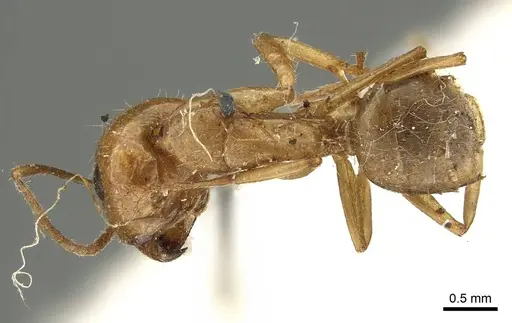
Literature
Loading distribution map...Loading products...