
Camponotus oxleyi
- Sci. Name
- Camponotus oxleyi
- Subgenus
- Myrmophyma
- Tribe
- Camponotini
- Subfamily
- Formicinae
- Author
- Forel, 1902
- Distribution
- Found in 1 countries
Introduction
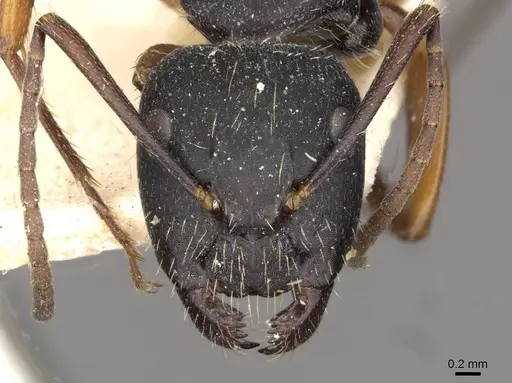
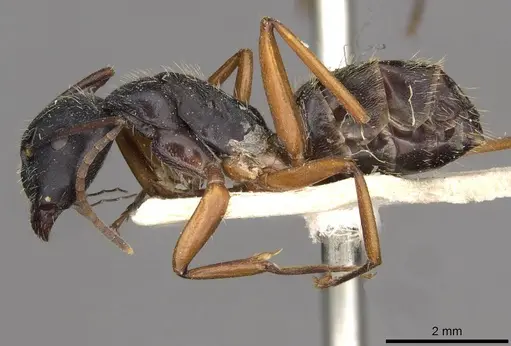
Camponotus oxleyi is a large carpenter ant species native to southeastern Australia, specifically New South Wales. Major workers measure 9-12.5mm, with a strong size dimorphism between major and minor castes - medium workers are rare or absent . This species belongs to the Camponotus maculatus group, characterized by a distinct ridge (occipital carina) on the back of the minor worker's head that helps strengthen the front of the head . The head of major workers tapers strongly toward the front, while minor workers have more parallel-sided heads . These ants are primarily nocturnal, nesting at honey bait in the wild and quickly scattering when disturbed by bright light . As with other carpenter ants, they are omnivorous, feeding on honeydew, insects, and sweet liquids. Their large size and straightforward care requirements make them a rewarding species for antkeepers who can provide the warm temperatures they prefer.
Quick Summary
- Difficulty: Medium
- Origin & Habitat: Southeastern Australia, particularly New South Wales. They inhabit temperate areas and likely nest in soil or rotting wood [1].
- Colony Type: Colony type unconfirmed. No documented data on queen number in wild colonies.
- Size & Growth:
- Queen: ~12-15mm, estimated based on Camponotus genus patterns
- Worker: Major workers 9-12.5mm, minor workers smaller [1]
- Colony: Colony size data unavailable, likely several thousand workers at maturity based on typical Camponotus development
- Growth: Moderate, typical for larger carpenter ants
- Development: Development time unconfirmed for this species. Based on related Camponotus species, expect 6-8 weeks at optimal temperature. (Development time varies with temperature, larger Camponotus species typically take longer than smaller ants.)
- Antkeeping:
- Temperature: Keep at 22-26°C. A heating cable on one side of the nest creates a gentle gradient. Australian species prefer warm conditions.
- Humidity: Moderate humidity around 50-60%. Provide a water tube for drinking water and occasional misting of the outworld.
- Diapause: Diapause requirements unconfirmed for this species. Based on geographic range (temperate southeastern Australia), a cool period likely needed during winter months.
- Nesting: Y-tong (AAC) nests or plaster nests work well. Their large size requires appropriately scaled chambers. Provide soil or sand as substrate in the outworld for natural foraging behavior.
- Behavior: Nocturnal and generally calm temperament. This species lacks a functional sting, instead, major workers bite and spray concentrated formic acid from an acidopore into the wound [1]. They quickly scatter when disturbed, a defensive behavior observed in the wild [1]. Escape risk is moderate due to their larger size, standard barrier methods like Fluon on test tube rims work well. They are omnivorous foragers that will readily accept sugar water, honey, and protein sources like insects.
- Common Issues: colonies may fail if kept too cold, maintain warm temperatures year-round, slow founding phase can last several months, patience is required, wild-caught colonies may carry parasites that affect captive survival, overfeeding can lead to mold in nests, remove uneaten food promptly, larger colonies need more space, upgrade to larger formicaria as the colony grows
Nest Preferences and Housing
Camponotus oxleyi adapts well to various nest types in captivity. Y-tong (AAC) nests with appropriately sized chambers work excellently for this species given the large size of major workers. Plaster nests also provide good humidity control. The nest should have chambers large enough for the colony to move freely, these are not tiny ants that need tiny passages. In the outworld, provide a soil or sand area for natural foraging behavior. A water tube connected to the nest helps maintain humidity and provides drinking water. Because they are nocturnal, ensure the setup allows for dark nesting areas while the outworld can be observed under red light. [1]
Feeding and Diet
As omnivorous carpenter ants, C. oxleyi accepts a varied diet. Offer sugar water or honey as a constant energy source, they will readily consume sweet liquids. For protein, provide insects like mealworms, crickets, or other small arthropods. Feed protein 2-3 times per week, removing any uneaten prey within 24 hours to prevent mold. Fresh fruit can occasionally be offered as well. In the wild, they are known to attend honey baits [1], so sweet foods are particularly favored. Ensure a consistent food supply as the colony grows, but avoid overfeeding.
Temperature and Seasonal Care
Maintain nest temperatures between 22-26°C for optimal brood development. A heating cable placed on one side of the nest creates a temperature gradient allowing ants to self-regulate. These Australian ants prefer warm conditions but should not be overheated. Diapause requirements are unconfirmed for this specific species, but based on their temperate range in southeastern Australia, a cool period during winter months (roughly June-August in the southern hemisphere) is likely beneficial. Provide temperatures around 10-15°C for 2-3 months during this period. [1]
Behavior and Colony Dynamics
C. oxleyi exhibits strong dimorphism with distinct major and minor worker castes, medium workers are rare or absent [1]. Major workers are significantly larger (9-12.5mm) and serve as soldiers and foragers, while minor workers handle brood care and internal nest tasks. They are primarily nocturnal, becoming most active in the evening and night hours [1]. When disturbed, they quickly scatter, a defensive behavior that helps protect the colony [1]. This species lacks a functional sting. The defense mechanism involves biting the target and spraying concentrated formic acid from an acidopore into the wound. The colony will grow over several years to potentially several thousand workers.
Frequently Asked Questions
How long does it take for Camponotus oxleyi to produce first workers?
Development time is unconfirmed for this species. Based on related Camponotus species, expect 6-8 weeks from egg to first worker at optimal temperatures (22-26°C). Larger Camponotus species typically take longer than smaller ants. The claustral queen will seal herself in and not emerge until her first workers hatch.
Can I keep multiple Camponotus oxleyi queens together?
Not recommended. There is no documented data on colony type for C. oxleyi. Starting with one mated queen is the standard approach for most Camponotus species.
What temperature do Camponotus oxleyi need?
Keep them at 22-26°C. A heating cable on one side of the nest creates a gradient. These Australian ants prefer warm conditions but avoid direct heat that could dry out the nest.
Do Camponotus oxleyi need hibernation?
Diapause requirements are unconfirmed for this specific species. Based on their geographic range in temperate southeastern Australia, a cool period during winter months is likely beneficial. Provide temperatures around 10-15°C for 2-3 months.
What do Camponotus oxleyi eat?
They are omnivorous. Offer sugar water or honey constantly, plus protein sources like insects (mealworms, crickets) 2-3 times weekly. They readily accept sweet foods and are known to attend honey baits in the wild.
Are Camponotus oxleyi good for beginners?
They are rated as medium difficulty. Their larger size makes them easier to observe than tiny ants, but they require warm temperatures and proper seasonal care. Beginners should be prepared for the multi-month founding phase.
When should I move Camponotus oxleyi to a formicarium?
Keep founding colonies in a simple test tube setup until they have 20-30 workers. Once the colony grows beyond this, you can move them to a Y-tong or plaster nest with an outworld. Larger colonies need more space.
How big do Camponotus oxleyi colonies get?
Colony size data is unavailable for this species. Based on typical Camponotus patterns, mature colonies likely reach several thousand workers over several years. The strong dimorphism between major and minor workers helps the colony efficiently allocate tasks.
Why are my Camponotus oxleyi dying?
Common causes include: temperatures too cold (below 20°C), improper humidity (too dry or waterlogged), overfeeding leading to mold, or stress during the founding phase. Check that your setup provides proper warmth and humidity before diagnosing other issues.
Report an Issue
The current care sheet is based fully on literature. See inconsistencies, or something that's incorrect? Please , it will be resolved after review from an admin. Contributing to the blogs tab also helps providing information, to make us be able to further improve the caresheets. Thank you for your support!
References

This caresheet is licensed under CC BY-SA 4.0 .
Community Blogs
CASENT0910397
View on AntWeb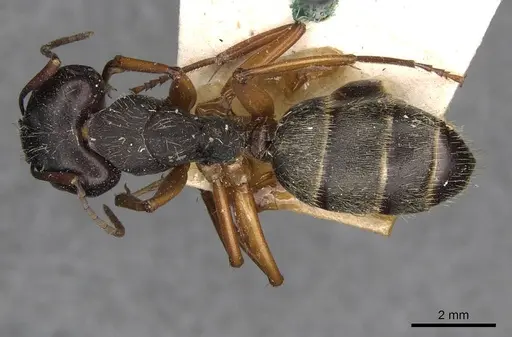
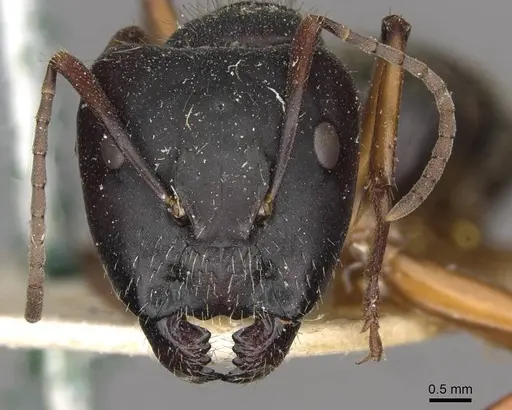
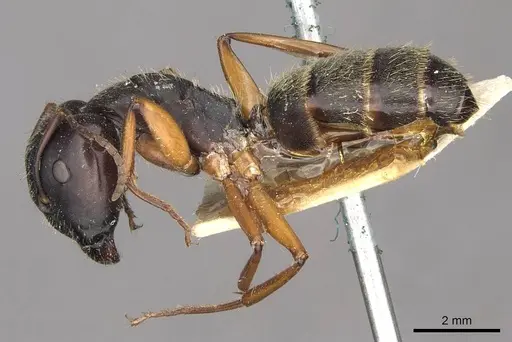
CASENT0910398
View on AntWeb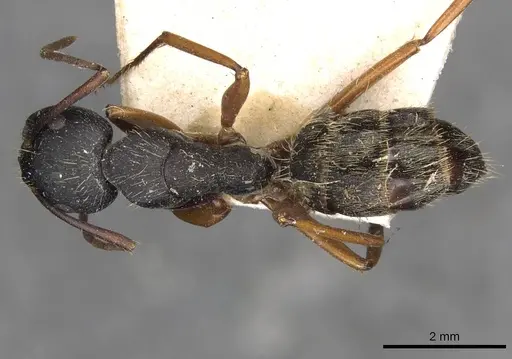
Literature
Loading distribution map...Loading products...