
Olivier's Bristly Sugar ant
Camponotus olivieri
- Sci. Name
- Camponotus olivieri
- Subgenus
- Myrmotrema
- Tribe
- Camponotini
- Subfamily
- Formicinae
- Author
- Forel, 1886
- Common Name
- Olivier's Bristly Sugar ant
- Distribution
- Found in 5 countries
Introduction
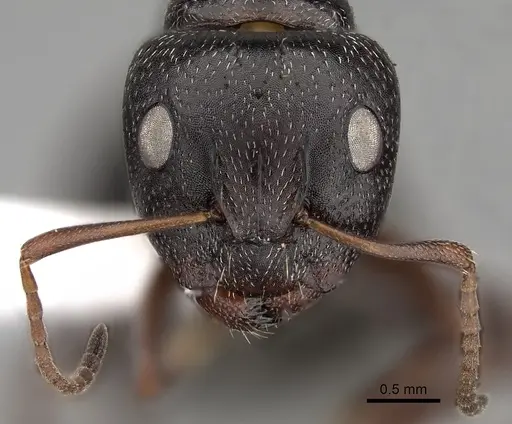
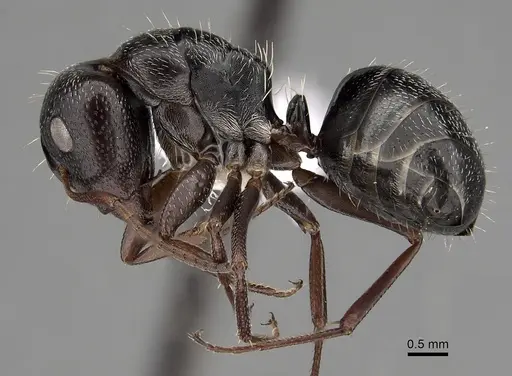
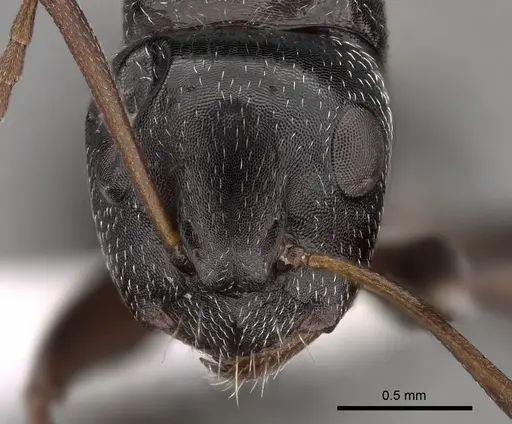
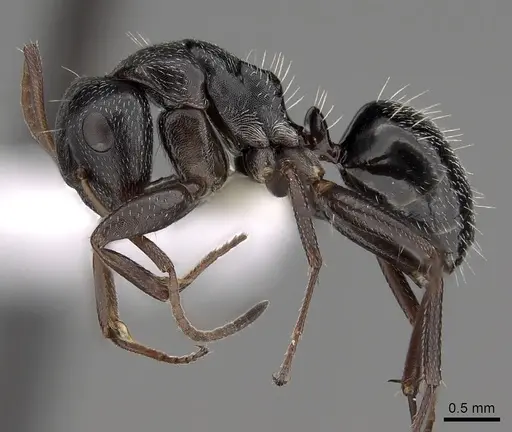
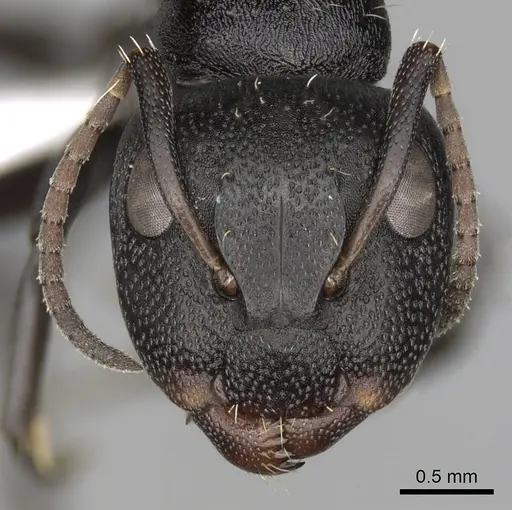
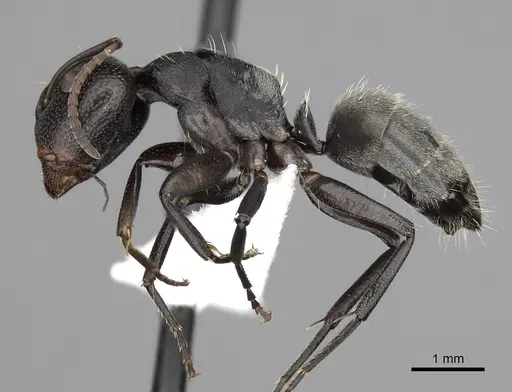
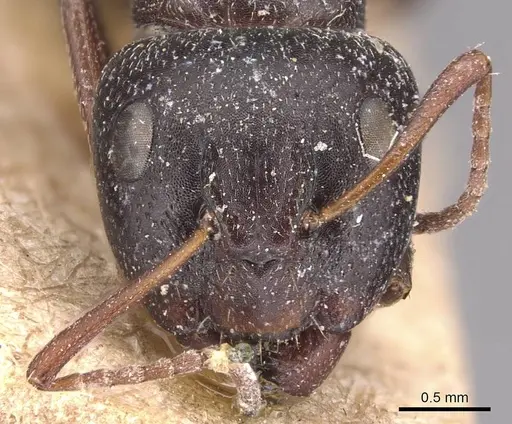
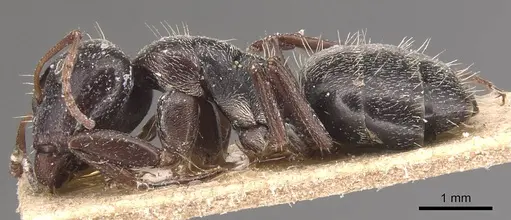
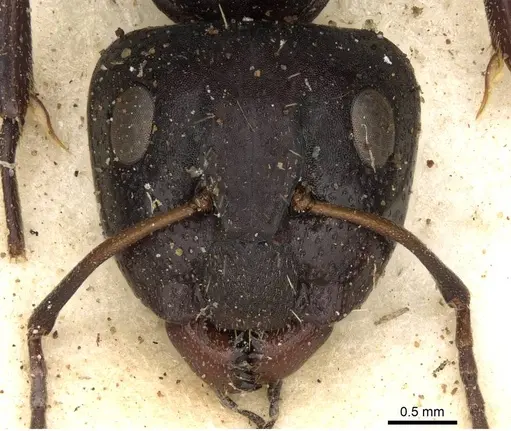
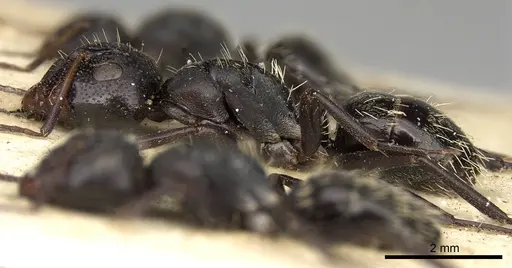
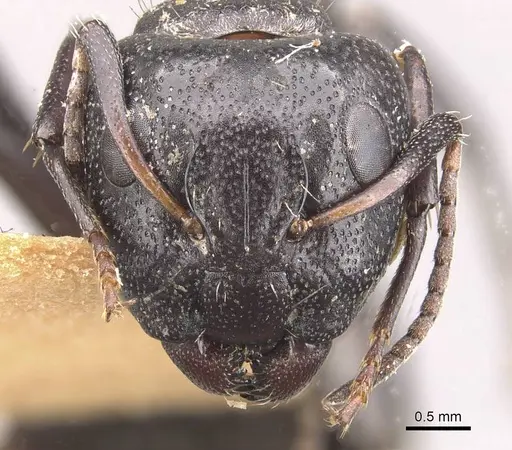
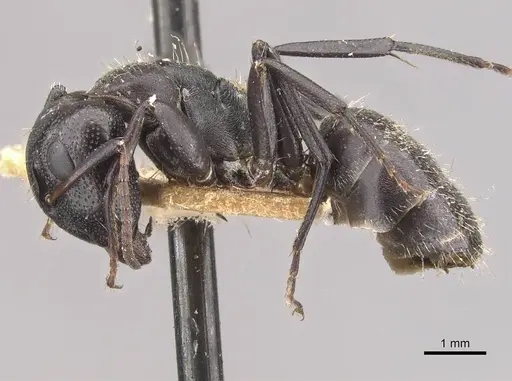
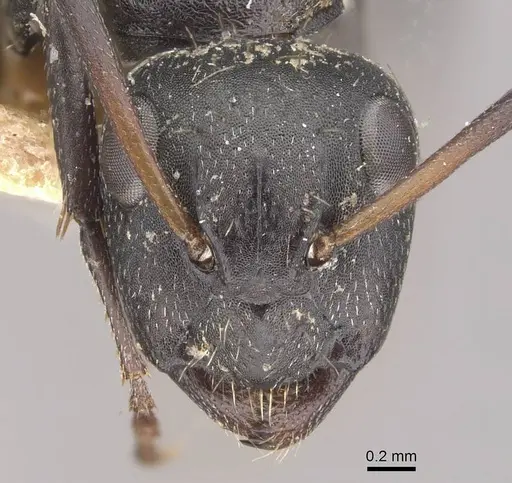
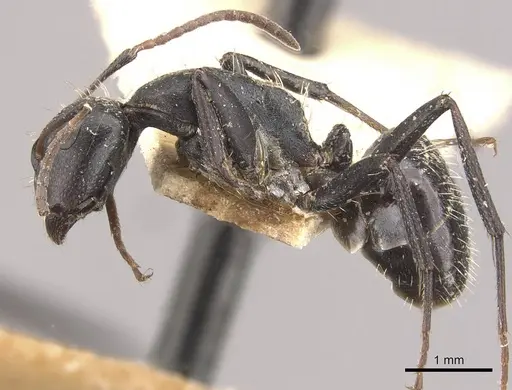
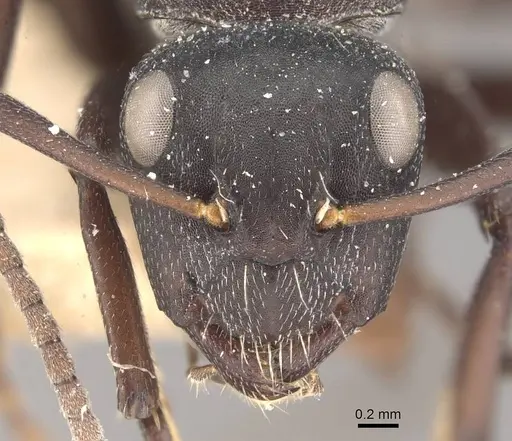
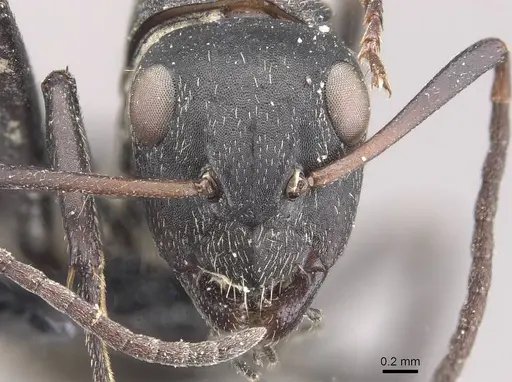
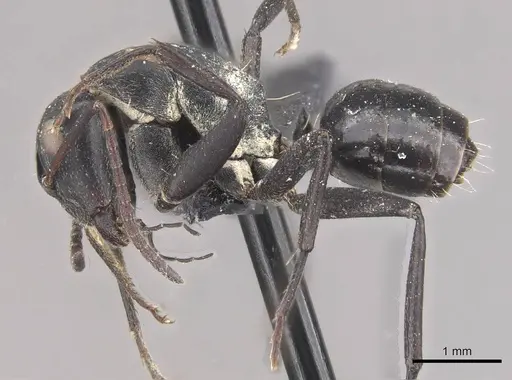
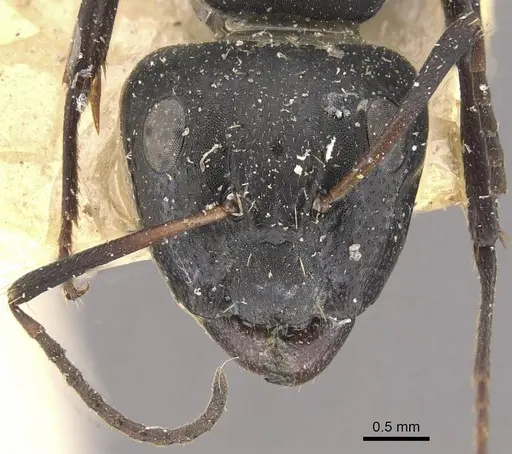
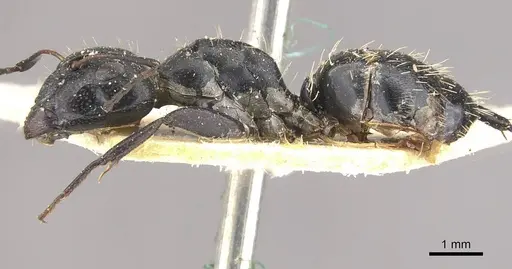
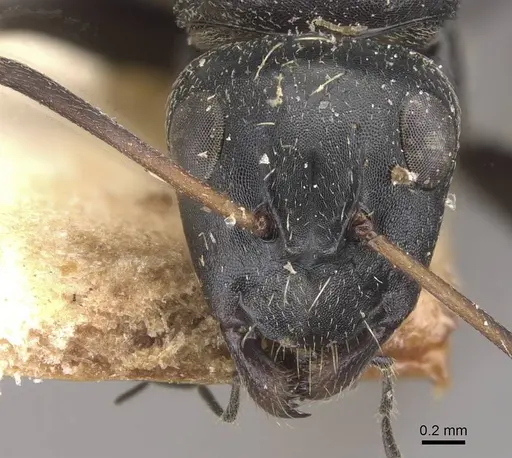
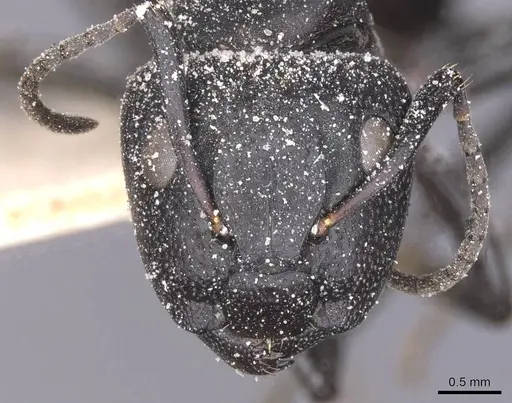
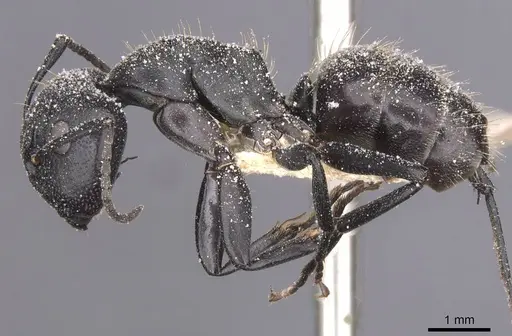
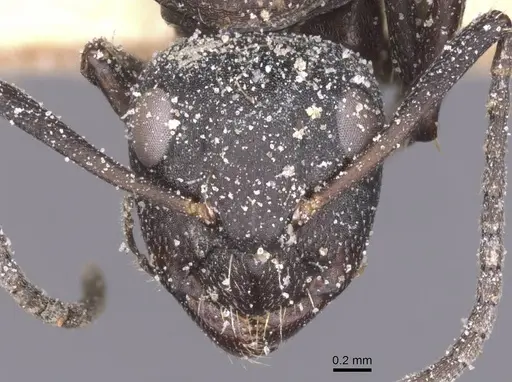
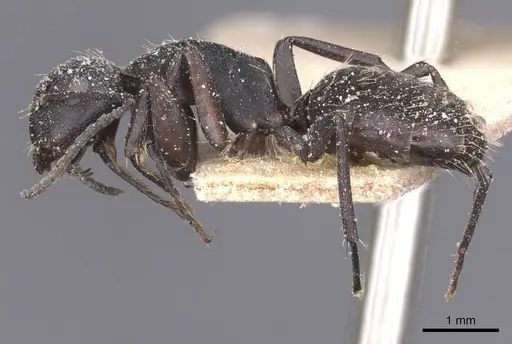
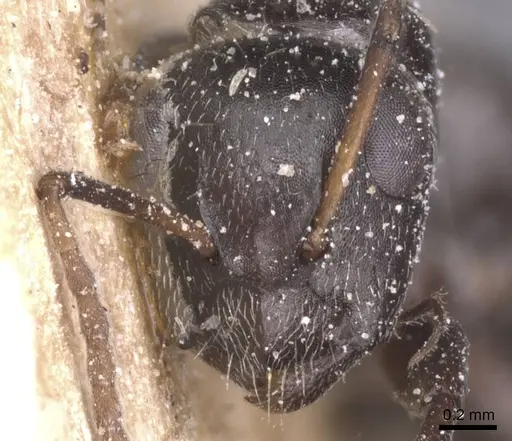
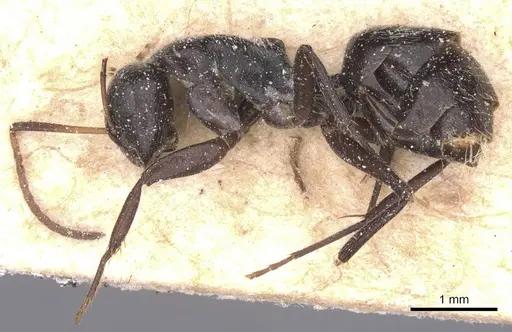
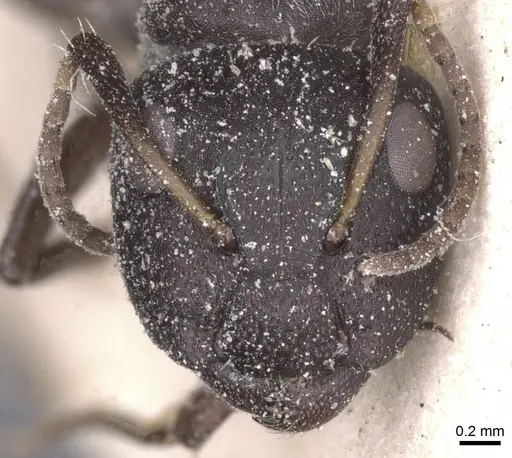
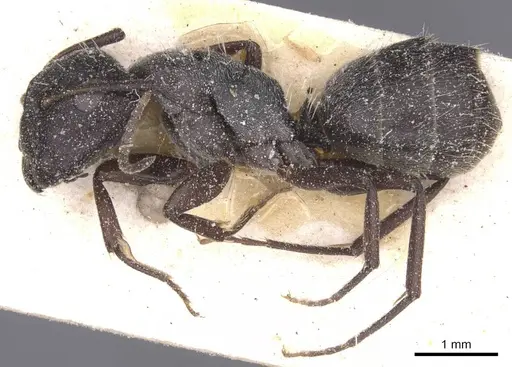
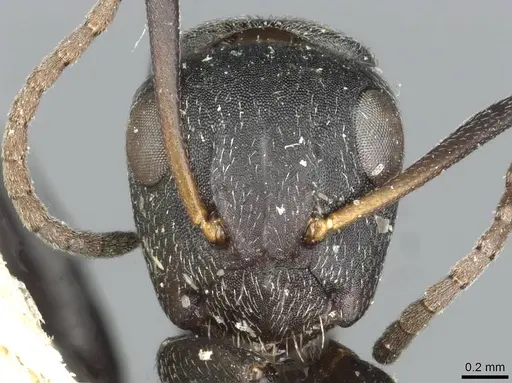
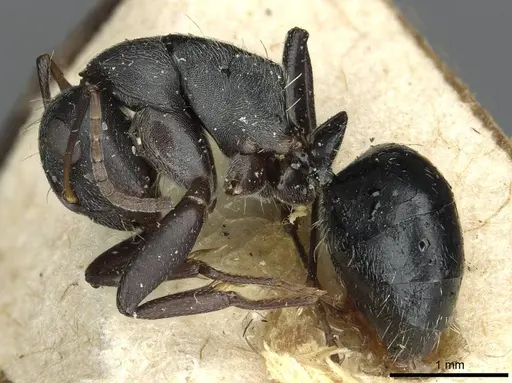
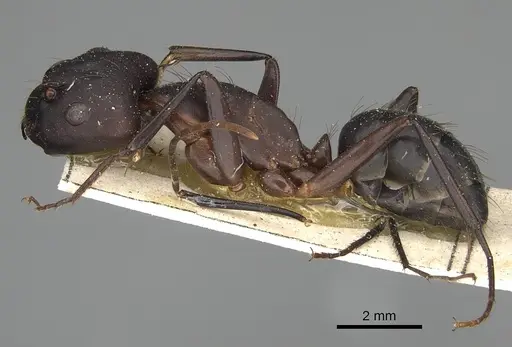
Camponotus olivieri is a medium-sized African carpenter ant belonging to the subfamily Formicinae. Major workers measure 4.0-5.8mm in total length, with a robust build typical of Camponotus species . The species is found across tropical Africa, including Ghana, Tanzania, Angola, the Democratic Republic of Congo, and Gabon . These ants nest in tree crevices and hollows, particularly in savannah trees like Vachellia and cashew trees, where they tend aphids and scale insects for honeydew . As an arboreal species, they naturally inhabit elevated locations within trees rather than underground nests.
Quick Summary
- Difficulty: Medium
- Origin & Habitat: Tropical Africa, found in Ghana, Tanzania, Angola, Democratic Republic of Congo, and Gabon. These ants nest in crevices and hollows within trees, particularly savannah trees like Vachellia species and cashew trees. They are commonly found foraging on tree trunks and branches [3][1][2].
- Colony Type: Colony type unconfirmed, no specific literature data on queen number for this species.
- Size & Growth:
- Queen: size data unavailable, no queen measurements in available research
- Worker: Major workers 4.0-5.8mm total length [1]. Minor worker size data unavailable.
- Colony: size data unavailable, no colony size data in available research
- Growth: unknown
- Development: unconfirmed, no specific development data available (Development time is typical for tropical Camponotus species but exact timing is unstudied.)
- Antkeeping:
- Temperature: Keep at 24-28°C. As a tropical species, they prefer warm conditions year-round. A heating cable on one side of the nest creates a suitable gradient [1].
- Humidity: Moderate humidity. Their arboreal nesting habits mean they prefer slightly drier conditions than ground-nesting ants. Mist occasionally and provide a water tube. Avoid overly damp substrates.
- Diapause: No, being a tropical species, they do not require hibernation. Keep temperatures consistent year-round [1][3].
- Nesting: Arboreal setup works best, they naturally nest in tree crevices. A Y-tong (AAC) nest or plaster nest with tight chambers suits them well. Avoid overly damp substrates. Provide bark, twigs, or cork as enrichment to mimic their natural tree-nesting habitat [3].
- Behavior: Generally docile and non-aggressive. Workers are active foragers, primarily on trees where they tend aphids and scale insects for honeydew. They are moderate escape artists, use standard Camponotus escape prevention (fluon on container edges). This species lacks a functional sting, instead, they bite and spray concentrated formic acid from their acidopore into the wound as defense. Workers are most active during warmer hours, matching their tropical activity patterns.
- Common Issues: tropical species cannot tolerate cool temperatures below 20°C, colony decline is likely in cold rooms, arboreal nature means they need vertical space and climbing structures, flat horizontal nests may not suit them, honeydew specialists may initially reject protein foods, offer sugar water consistently alongside prey, escape prevention is important despite moderate size, they are agile climbers, slow founding phase can frustrate beginners, claustral queens seal themselves in and may take months before first workers appear
Nest Preferences and Housing
Camponotus olivieri is an arboreal species that naturally nests in tree crevices and hollows. In captivity, they do well in Y-tong (AAC) nests or plaster nests with relatively tight chambers. Unlike many Camponotus that prefer ground nests, this species benefits from vertical space and climbing structures. Add small pieces of cork bark, twigs, or artificial branches to mimic their natural tree-dwelling habitat. Keep the nest relatively dry, these ants come from tropical trees where conditions are not as damp as forest floor nests. A test tube setup works for founding colonies, but be prepared to move them to a more elaborate setup as the colony grows. The key is providing narrow, snug chambers that match the tight tree hollows they use in nature [3][1].
Feeding and Diet
In the wild, C. olivieri is a honeydew specialist, they tend aphids and scale insects on trees like cashew and Vachellia, collecting the sugary honeydew these insects produce [3]. In captivity, offer sugar water or honey water constantly as a primary food source. They will also accept protein in the form of small insects like fruit flies, small mealworms, or cricket pieces. Feed protein 2-3 times per week, and keep sugar water available at all times. During the founding phase, the claustral queen does not eat, she relies entirely on stored fat reserves. Once workers emerge, they will readily forage for both sugar and protein. If your colony initially ignores protein, keep offering it, they may prefer sugar at first but will eventually accept insects as the colony grows [3].
Temperature and Seasonal Care
As a tropical African species, C. olivieri requires warm temperatures year-round. Keep the nest area at 24-28°C for optimal brood development. A heating cable placed on one side of the nest creates a temperature gradient that allows ants to regulate their own exposure to warmth. This species does NOT require hibernation or diapause, maintaining consistent tropical temperatures is essential for their health. Cool temperatures below 20°C can cause colony decline and should be avoided. Room temperature in most homes is acceptable if it falls within their preferred range, but you may need a small heater or heating cable in cooler climates. Unlike temperate Camponotus species, there is no winter rest period, they remain active year-round when kept warm [1][3].
Colony Founding and Development
C. olivieri likely follows the standard claustral founding pattern typical of many Camponotus. A newly mated queen will seal herself inside a small chamber and remain there, living entirely on her stored fat reserves, while she lays eggs and raises the first brood. This founding phase can take several weeks to months, depending on temperature. The first workers (nanitics) are typically smaller than normal workers but will quickly be replaced by larger workers as the colony grows. Major workers (4.0-5.8mm) appear as the colony matures and are used for defense and processing larger food items. Colonies grow at a moderate pace, expect the colony to reach several hundred workers within a year under good conditions. Patience is essential during the founding phase, as disturbing the queen during this period can cause colony failure [1].
Behavior and Temperament
This is a relatively docile species that is not particularly defensive. Workers are active foragers, primarily on vertical surfaces (trees), which translates to active movement on the walls of their enclosure in captivity. They are not aggressive toward keepers. As Formicinae ants, they lack a functional sting but can deliver a defensive bite combined with spraying formic acid from their acidopore if threatened. They are moderate climbers, so standard escape prevention with fluon on container edges is sufficient. Their arboreal nature means they prefer to travel along edges and vertical surfaces rather than across open ground. Workers are most active during warmer parts of the day, reflecting their tropical origins. Overall, they are a rewarding species to keep, active, visually interesting with the major/minor worker size difference, and relatively easy to care for once their warm temperature requirements are met.
Frequently Asked Questions
How long does it take for Camponotus olivieri to produce first workers?
Exact timing is unconfirmed. The claustral queen seals herself in and raises the first brood alone, so this founding phase requires patience, typically several weeks to months depending on temperature. Cooler temperatures will slow development significantly.
What do Camponotus olivieri ants eat?
They are honeydew specialists in the wild. In captivity, offer sugar water or honey water constantly as a primary food. They also accept protein like fruit flies, small mealworms, or cricket pieces 2-3 times per week.
Do Camponotus olivieri ants need hibernation?
No. As a tropical African species, they do not require hibernation. Keep them warm year-round at 24-28°C. Cool temperatures below 20°C can harm the colony.
What size are Camponotus olivieri workers?
Major workers (soldiers) are 4.0-5.8mm total length. Minor worker size is unconfirmed in available research. The significant size difference between castes is typical of Camponotus species.
Are Camponotus olivieri good for beginners?
They are moderate difficulty. The main challenges are maintaining warm tropical temperatures and providing appropriate arboreal-style housing. They are docile and rewarding once their basic needs are met, but the slow founding phase requires patience.
Can I keep multiple Camponotus olivieri queens together?
Colony type is unconfirmed for this species. It is best to keep one queen per colony until more specific data is available.
What type of nest is best for Camponotus olivieri?
They are arboreal nesters, so they do well in Y-tong (AAC) nests or plaster nests with relatively tight chambers. Provide some vertical space and climbing structures like cork bark to mimic their natural tree-hollow habitat.
How big do Camponotus olivieri colonies get?
Colony size data is unavailable in current research. Based on typical Camponotus patterns, mature colonies likely reach several hundred workers, but exact numbers are unconfirmed.
Why is my Camponotus olivieri colony not growing?
Check temperature first, they need 24-28°C. Also ensure sugar water is always available. If the colony is still in founding phase, remember that patience is key, the queen may take months before producing first workers.
Report an Issue
The current care sheet is based fully on literature. See inconsistencies, or something that's incorrect? Please , it will be resolved after review from an admin. Contributing to the blogs tab also helps providing information, to make us be able to further improve the caresheets. Thank you for your support!
References

This caresheet is licensed under CC BY-SA 4.0 .
Community Blogs
CASENT0280301
View on AntWeb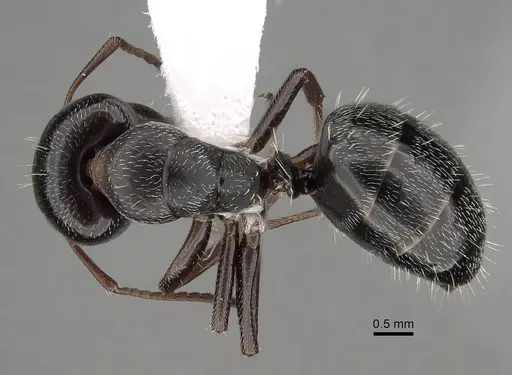
CASENT0280302
View on AntWeb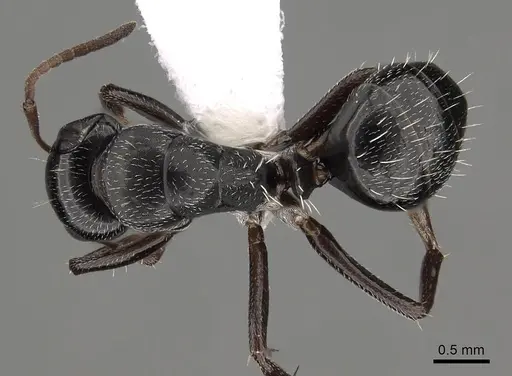
CASENT0415556
View on AntWeb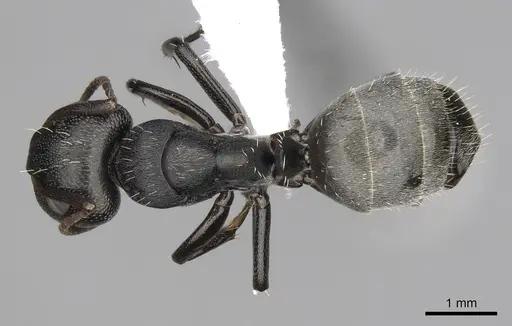
CASENT0905424
View on AntWeb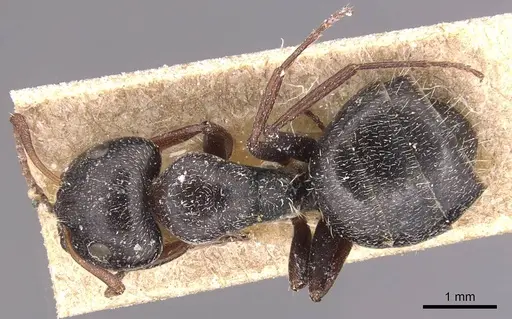
CASENT0906879
View on AntWeb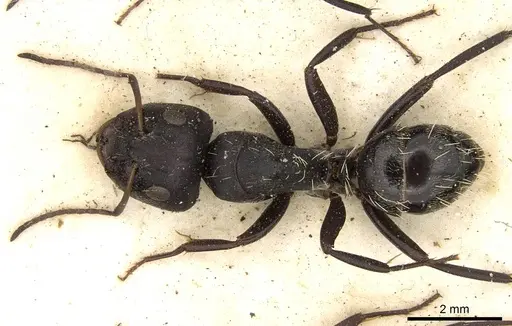
CASENT0906880
View on AntWeb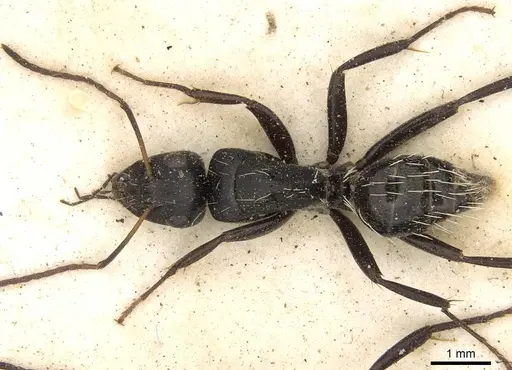
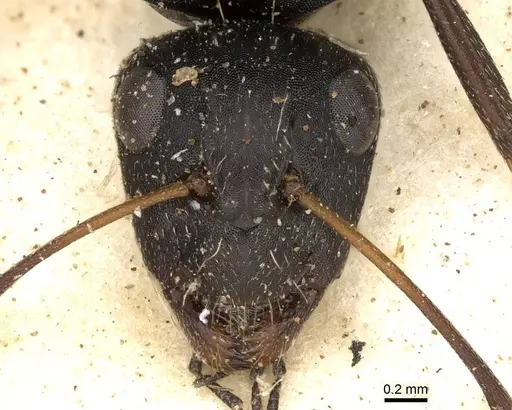
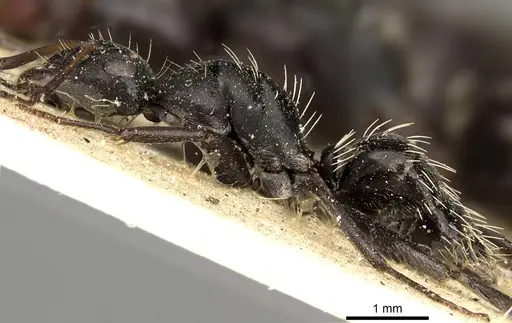
CASENT0910482
View on AntWeb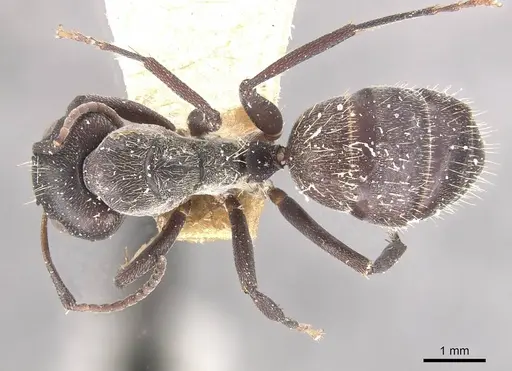
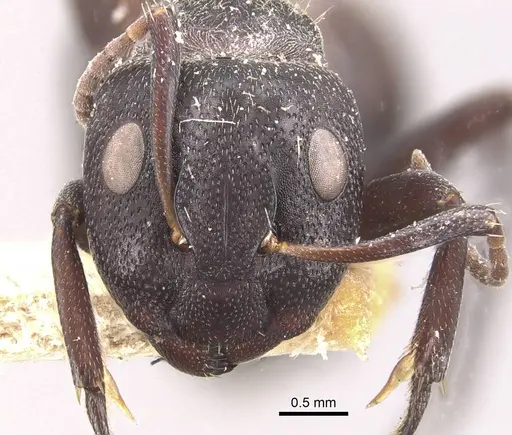
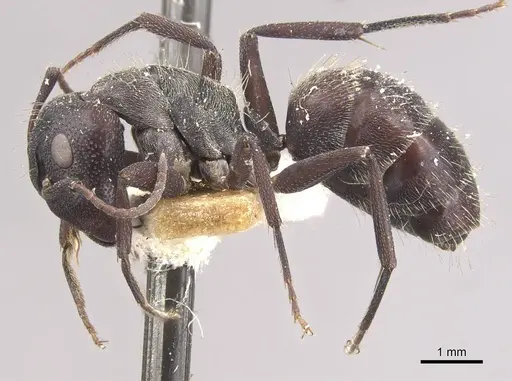
CASENT0910483
View on AntWeb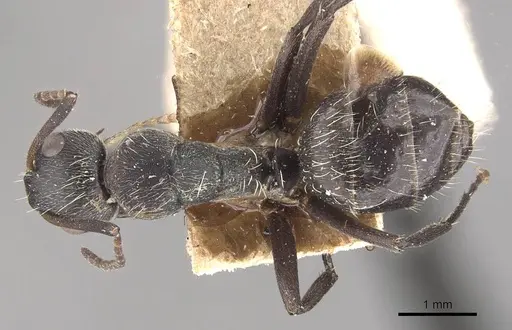
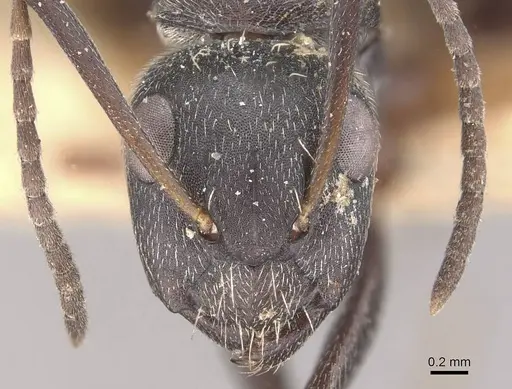
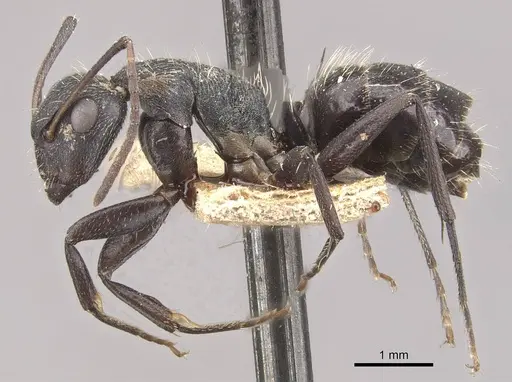
CASENT0910484
View on AntWeb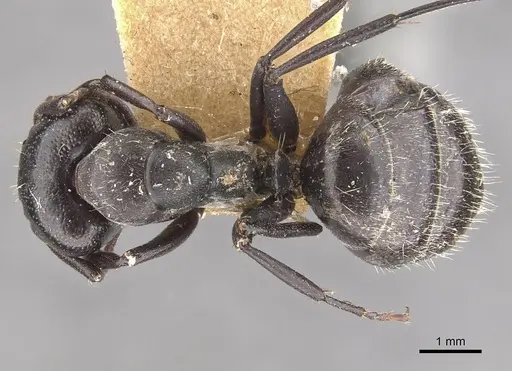
CASENT0910485
View on AntWeb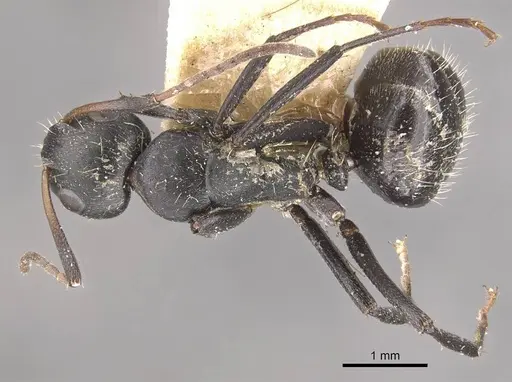
CASENT0910486
View on AntWeb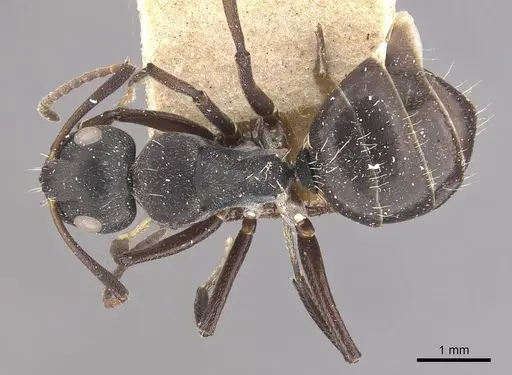
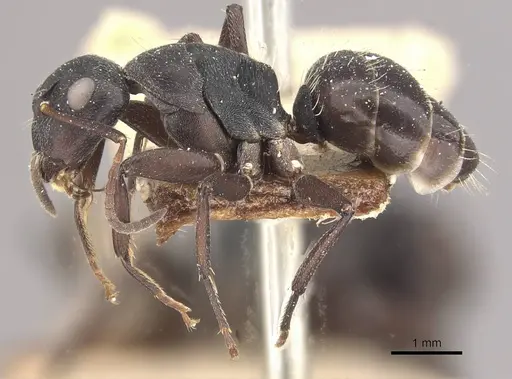
CASENT0910487
View on AntWeb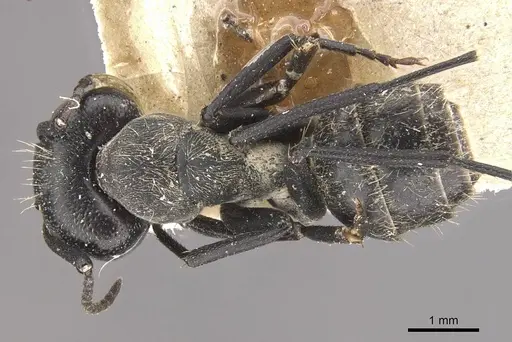
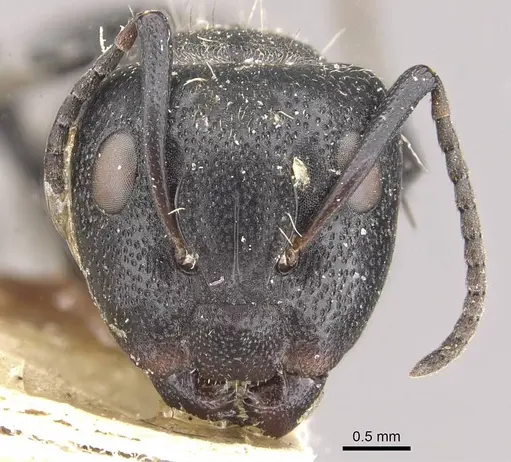
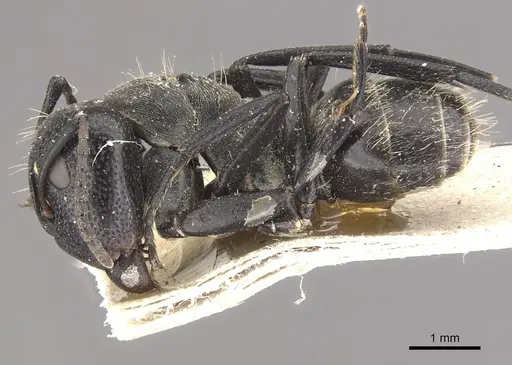
CASENT0910488
View on AntWeb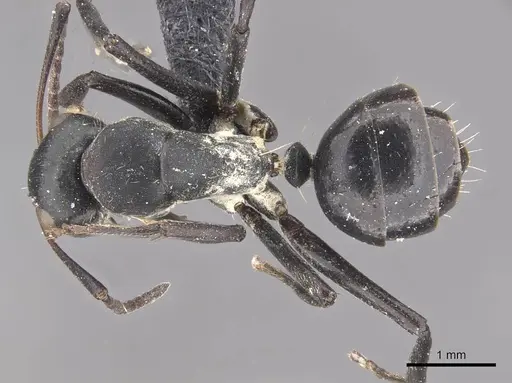
CASENT0910491
View on AntWeb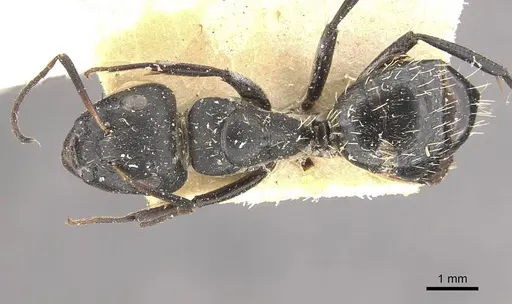
CASENT0910492
View on AntWeb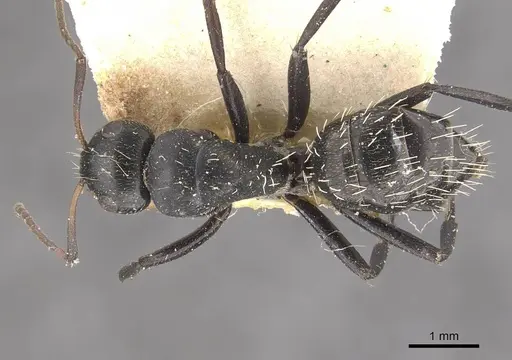
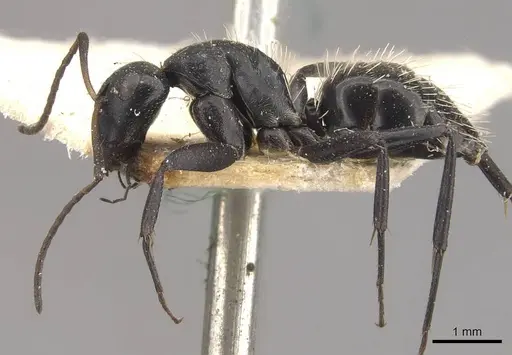
CASENT0910493
View on AntWeb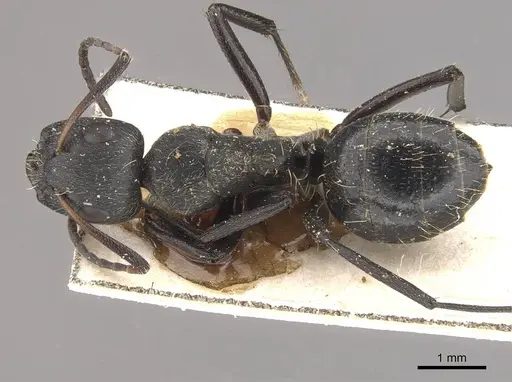
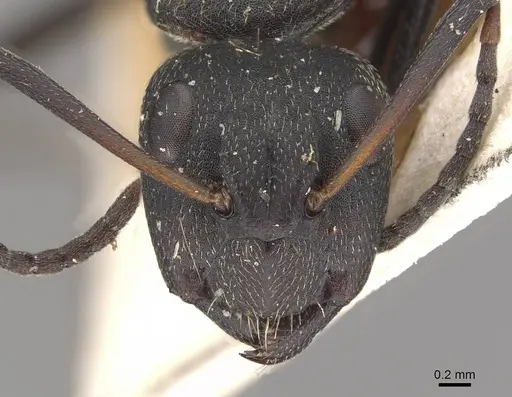
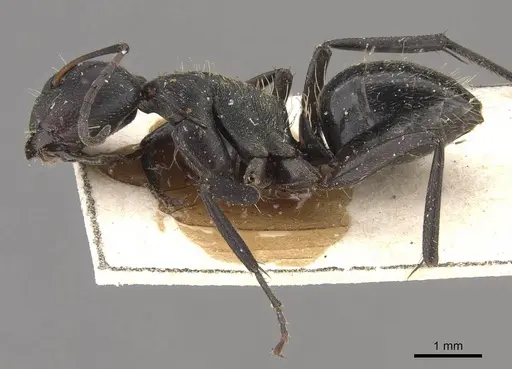
CASENT0911841
View on AntWeb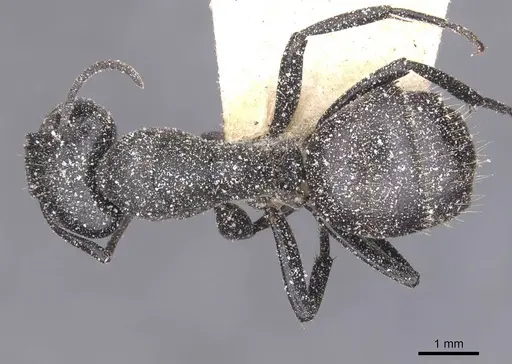
CASENT0911842
View on AntWeb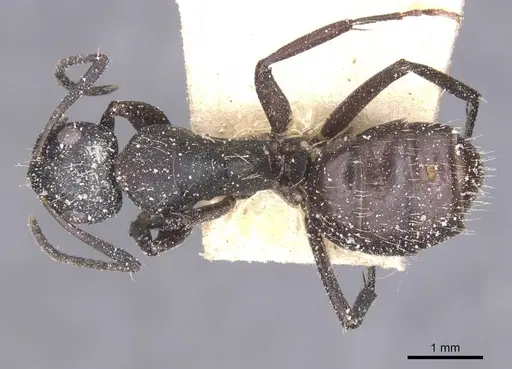
CASENT0911843
View on AntWeb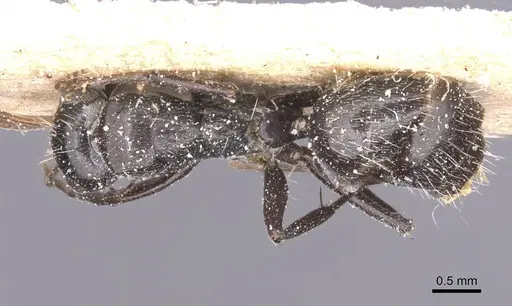
CASENT0911845
View on AntWeb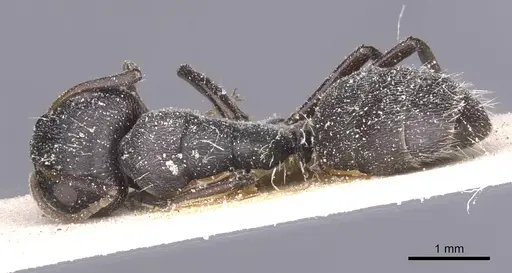
CASENT0913707
View on AntWeb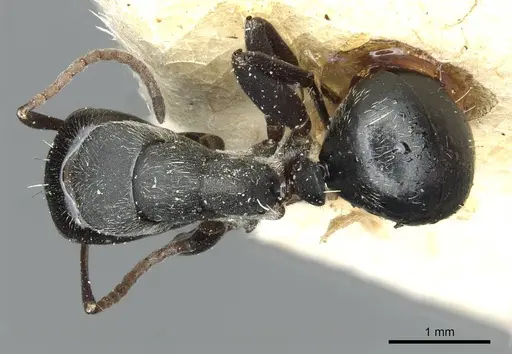
CASENT0922408
View on AntWeb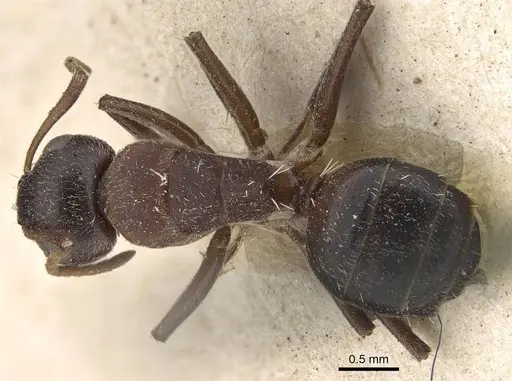
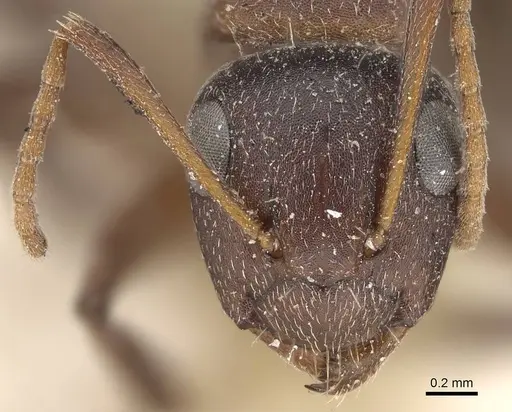
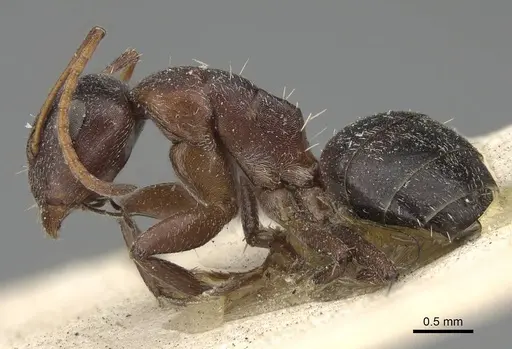
CASENT0922415
View on AntWeb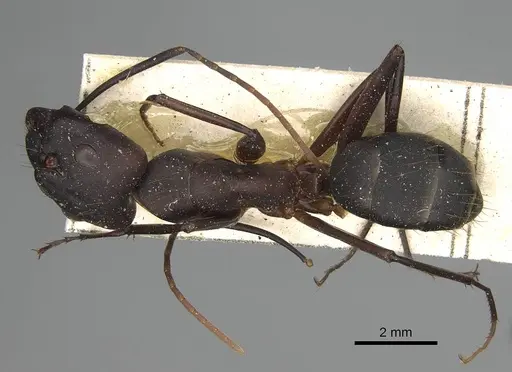
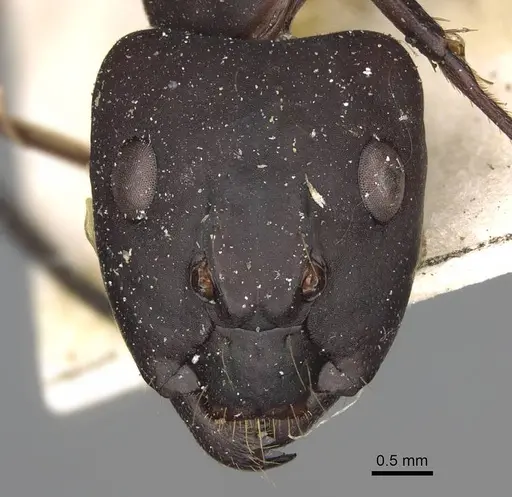
Literature
Loading distribution map...Loading products...