
Oertzen's Carpenter Ant
Camponotus oertzeni
- Sci. Name
- Camponotus oertzeni
- Subgenus
- Tanaemyrmex
- Tribe
- Camponotini
- Subfamily
- Formicinae
- Author
- Forel, 1889
- Common Name
- Oertzen's Carpenter Ant
- Distribution
- Found in 3 countries
Introduction
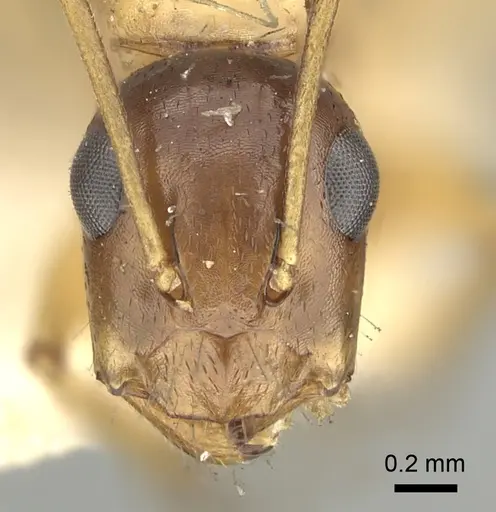
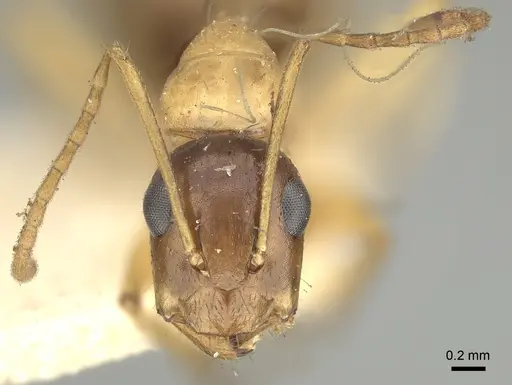
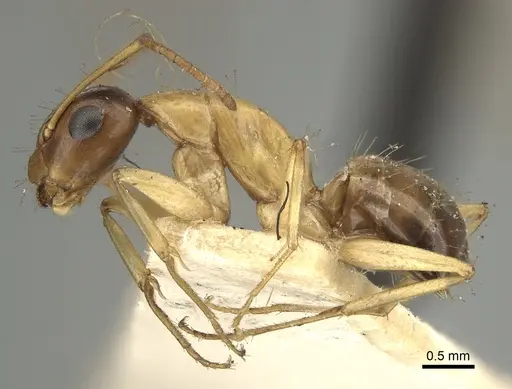
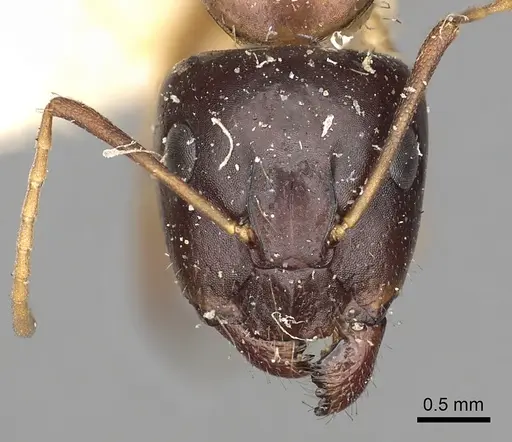
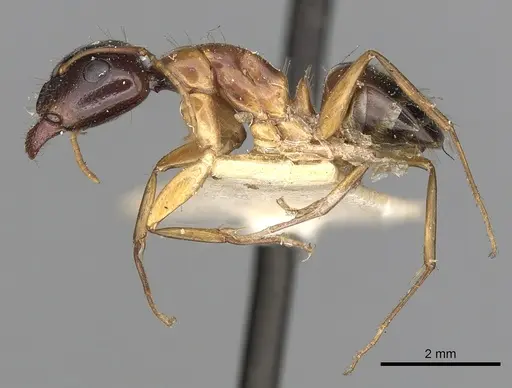
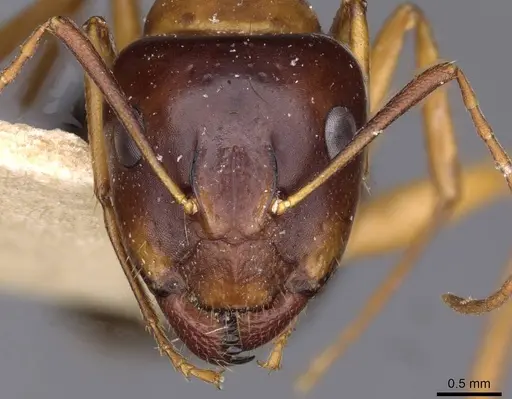
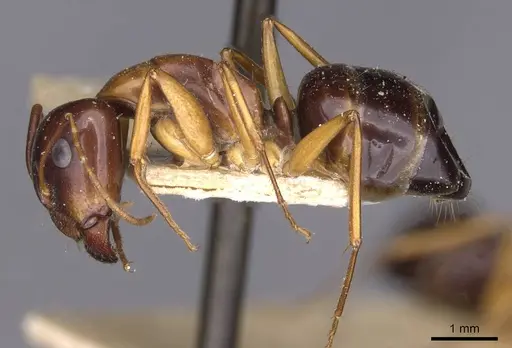
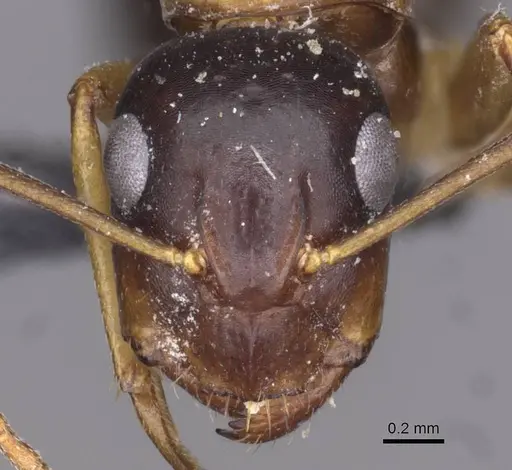
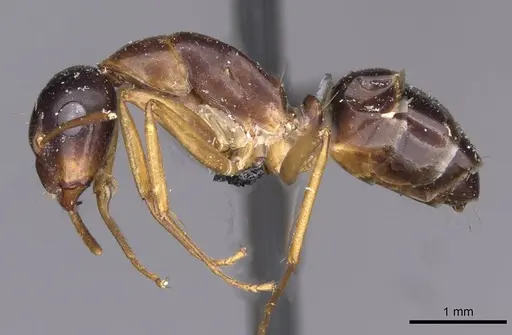
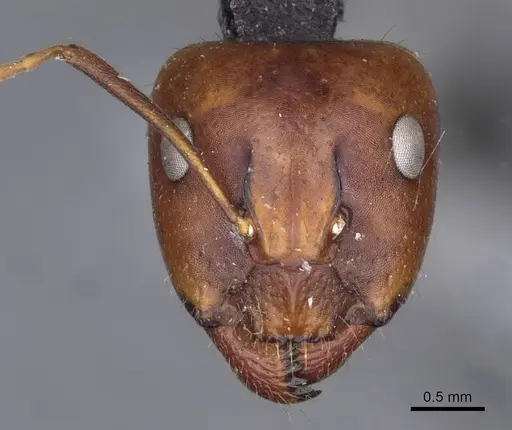
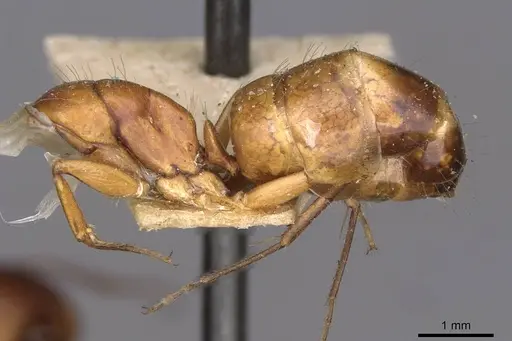
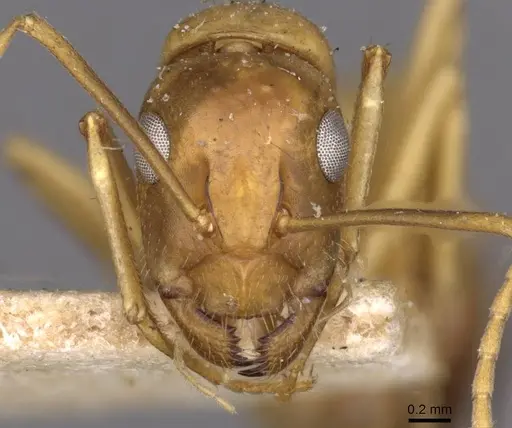
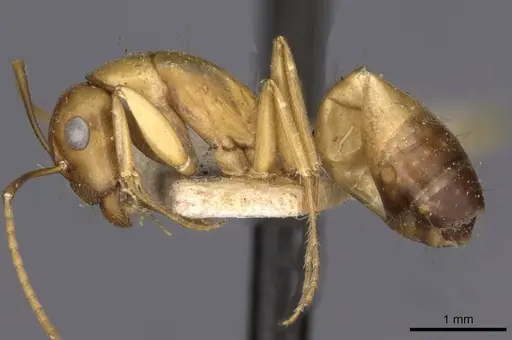
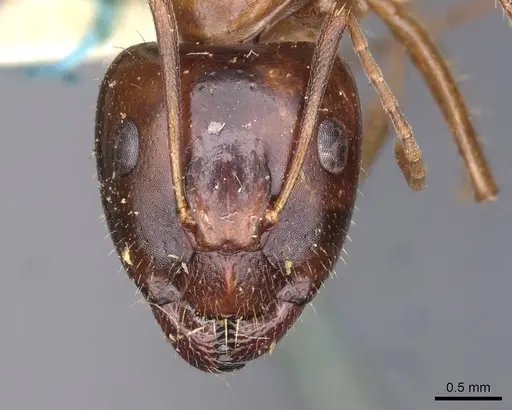
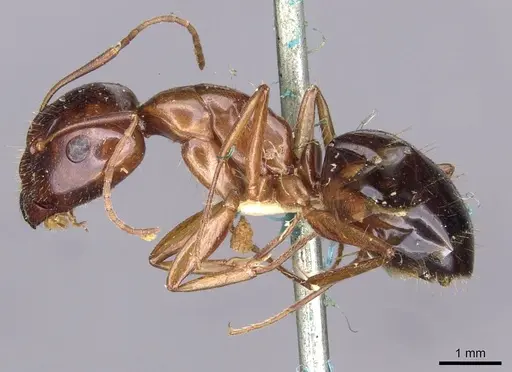
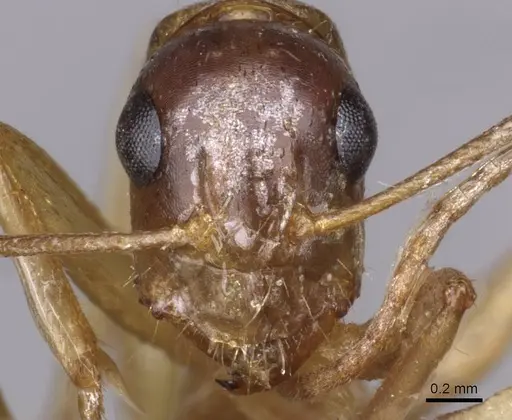
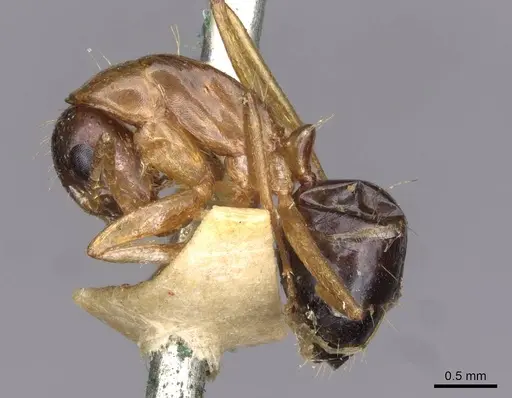
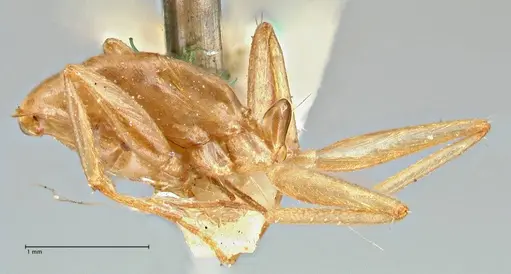
Camponotus oertzeni is a moderately large to large polymorphic ant species native to the Mediterranean region. Workers come in different sizes (polymorphic), with minor workers being smaller and major workers developing larger heads for specialized tasks. The body color is predominantly brown to pale brown, often with reddish-yellow legs and antennae, making them distinguishable from the similar Camponotus aethiops which is much darker. This species is a host for the parasitic ant Camponotus ruseni in Turkey . What makes C. oertzeni interesting is how commonly it was misidentified as C. aethiops in the past - these two species look very similar and were confused throughout Greece and Turkey. The best way to tell them apart is by the hairs on the rear edge of the abdomen: C. oertzeni has very short hairs that never reach the edge, while C. aethiops has longer hairs that reach or exceed it . This species also prefers warmer, drier open habitats compared to its cousin and is more thermophilous than C. aethiops .
Quick Summary
- Difficulty: Easy
- Origin & Habitat: Native to the Mediterranean region including Greece, Turkey, Iran, Montenegro, and the Canary Islands. Found across all Greek provinces, preferring open habitats like pastures, roadsides, and mountain meadows at elevations from 500-1600m, though also found at lower altitudes. Nests under large stones in areas with steppe and semi-desert vegetation [3][4].
- Colony Type: Monogyne, colonies have a single queen [5]. The species is monogynous, meaning one queen per colony.
- Size & Growth:
- Queen: ~12-15 mm, inferred from Camponotus genus patterns
- Worker: Minor workers: ~4-6 mm, Major workers: ~8-12 mm, inferred from Camponotus genus patterns
- Colony: Up to several thousand workers typical for Camponotus species
- Growth: Moderate, typical for Camponotus genus
- Development: 6-8 weeks at optimal temperature based on genus-level Camponotus data (Development time follows typical Camponotus patterns, first workers (nanitics) emerge in 6-8 weeks when kept at 24-27°C)
- Antkeeping:
- Temperature: Keep at 24-27°C, this is a warmth-loving (thermophilous) species native to the Mediterranean [3]. Room temperature is often suitable, but a heating cable on one side of the nest can create the warm zone they prefer.
- Humidity: Low to moderate, prefers dry to semi-dry conditions typical of Mediterranean open habitats. Keep the nest substrate slightly moist but allow it to dry between waterings. Avoid overly damp conditions.
- Diapause: Yes, as a Mediterranean species, they benefit from a winter rest period. Reduce temperature to 10-15°C for 8-12 weeks during winter, mimicking natural seasonal cycles.
- Nesting: In nature, they nest under large stones in open, sunny areas. In captivity, a Y-tong (AAC) nest or plaster nest works well. Provide a dry to semi-humid chamber and a connection to an outworld. They do well in formicariums that mimic their natural under-stone nesting sites.
- Behavior: These ants are generally calm and not aggressive toward keepers. They are active foragers that will search out protein and sugar sources. As with most Camponotus, they have no functional sting, they may bite if threatened. Escape prevention should be moderate, while not tiny, they can squeeze through small gaps, so standard barrier methods work well. Workers are polymorphic with major workers developing for defense and seed processing.
- Common Issues: colonies may fail if kept too cold, they need warm conditions year-round, overwatering can cause mold issues since they prefer drier conditions, wild-caught colonies may have parasites that kill them in captivity, misidentification is common, make sure you actually have C. oertzeni and not C. aethiops, slow initial growth during founding phase can lead to impatient keepers abandoning colonies
Nest Preferences
In the wild, Camponotus oertzeni nests exclusively under large stones in open, sunny habitats [3]. The stones provide protection while the warm ground beneath helps with brood development. They prefer areas with sparse vegetation like pastures, roadsides, and mountain meadows, though they occasionally nest in light deciduous or coniferous forests. In captivity, replicate these conditions using a Y-tong (AAC) nest or plaster formicarium with a dry to semi-humid chamber. The nest should connect to an outworld where foragers can search for food. Avoid overly humid conditions, these ants are from relatively dry Mediterranean habitats and will do better with ventilation that prevents stale air.
Feeding and Diet
Like other Camponotus species, C. oertzeni is omnivorous. They accept sugar sources like honey water or sugar water, and protein from insects such as mealworms, crickets, or fruit flies. Major workers can handle larger prey items. In the wild, they likely forage for honeydew from aphids and tend to attend butterfly larvae, as they were recorded interacting with Polyommatinae butterflies in Greece [6]. Feed protein 2-3 times per week and keep a sugar source constantly available. Remove uneaten prey after 24-48 hours to prevent mold.
Temperature and Seasonal Care
This is a warmth-loving species, more thermophilous than the related C. aethiops [3]. Keep the nest at 24-27°C for optimal brood development. A heating cable on one side of the nest creates a temperature gradient that lets ants choose their comfort zone. During winter, provide a diapause period of 8-12 weeks at 10-15°C to simulate natural seasonal changes. This helps maintain colony health and triggers proper reproductive cycles. Do not keep them active year-round without a winter rest, this can weaken the colony over time.
Colony Founding
Like many Camponotus, C. oertzeni is likely claustral, the queen seals herself in a chamber and raises her first workers on stored body fat, rarely leaving to forage during founding. After mating, a single queen will dig a small chamber under a stone or in soil, seal the entrance, and lay eggs. The eggs develop through larval and pupal stages until first workers (nanitics) emerge 6-8 weeks later, depending on temperature. The nanitics are smaller than normal workers but immediately begin foraging to feed the growing colony. During this critical founding phase, keep the setup undisturbed and at warm temperatures around 24-27°C.
Identifying Camponotus oertzeni
This species was commonly confused with Camponotus aethiops, and the two were only recently separated taxonomically. The easiest way to tell them apart is by the hairs on the rear edge of the abdominal segments. In C. oertzeni, these hairs are very short, they never reach the edge of the segment. In C. aethiops, the hairs are longer and usually reach or exceed the edge [2]. Color is also helpful: C. oertzeni typically has brown body with reddish-yellow legs and antennae, while C. aethiops is much darker, dark brown to almost black with brown legs. Pale specimens of C. oertzeni can have yellowish-red head and mesosoma with yellowish legs, which is never seen in C. aethiops.
Behavior and Temperament
Camponotus oertzeni workers are generally calm and not prone to aggression toward keepers. They are active foragers that will readily explore their outworld searching for food. Like other carpenter ants in the genus Camponotus, they do not have a functional sting, they may bite if handled roughly, but this is rare. Major workers develop in larger colonies and can help with seed processing and defense. Workers communicate through chemical trails and will recruit nestmates to good food sources. Standard escape prevention works well for this species, they are not particularly small or escape-prone compared to some ants.
Frequently Asked Questions
How long does it take for Camponotus oertzeni to have first workers?
Expect first workers (nanitics) in 6-8 weeks after the queen lays eggs, when kept at optimal temperatures of 24-27°C. This follows typical Camponotus development patterns.
What temperature do Camponotus oertzeni ants need?
Keep them at 24-27°C. This is a warmth-loving Mediterranean species that prefers warmer conditions than many European ants.
Do Camponotus oertzeni ants need hibernation?
Yes, they benefit from a winter rest. Reduce temperatures to 10-15°C for 8-12 weeks during winter to mimic natural seasonal cycles and maintain colony health.
Can I keep multiple Camponotus oertzeni queens together?
No, this is a monogyne species with single-queen colonies. Multiple unrelated queens will fight. Only keep one queen per colony.
What do Camponotus oertzeni eat?
They accept sugar sources (honey water, sugar water) and protein (mealworms, crickets, fruit flies). Feed protein 2-3 times per week and keep sugar constantly available.
How big do Camponotus oertzeni colonies get?
Colony size is not specifically documented, but typical Camponotus colonies reach several thousand workers over several years.
Is Camponotus oertzeni good for beginners?
Yes, this is a relatively easy species to keep. They are forgiving of minor care mistakes, do not require extreme humidity, and are not aggressive. Just ensure they stay warm and have proper winter rest.
How do I tell Camponotus oertzeni apart from Camponotus aethiops?
Look at the hairs on the rear edge of the abdomen, C. oertzeni has very short hairs that never reach the edge, while C. aethiops has longer hairs that reach or exceed it. Color also helps: C. oertzeni is brown with reddish-yellow legs, C. aethiops is much darker.
What kind of nest should I use for Camponotus oertzeni?
A Y-tong (AAC) nest or plaster formicarium works well. They naturally nest under stones in the wild, so provide a dry to semi-humid chamber with a connection to an outworld.
Where is Camponotus oertzeni found in the wild?
This species is native to the Mediterranean region, Greece, Turkey, Iran, Montenegro, and nearby areas. It prefers open habitats like pastures, roadsides, and mountain meadows, nesting under large stones.
Is Camponotus oertzeni a parasite?
No, but this species serves as a host for the parasitic ant Camponotus ruseni. The parasitic species invades C. oertzeni nests and uses their workers.
Report an Issue
The current care sheet is based fully on literature. See inconsistencies, or something that's incorrect? Please , it will be resolved after review from an admin. Contributing to the blogs tab also helps providing information, to make us be able to further improve the caresheets. Thank you for your support!
References

This caresheet is licensed under CC BY-SA 4.0 .
Community Blogs
CASENT0249625
View on AntWeb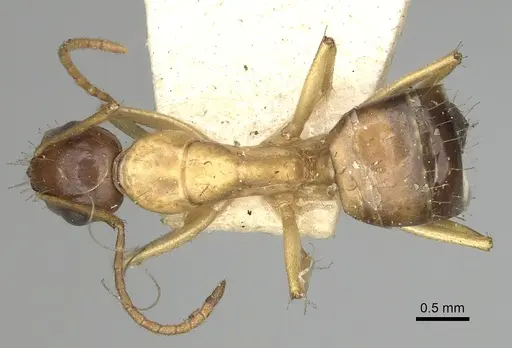
CASENT0249878
View on AntWeb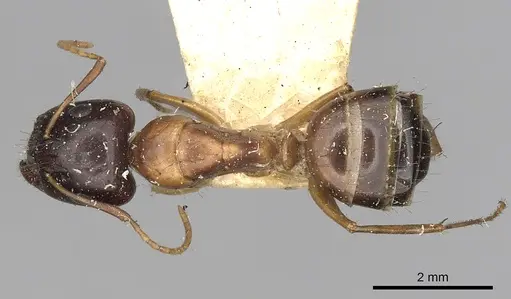
CASENT0763855
View on AntWeb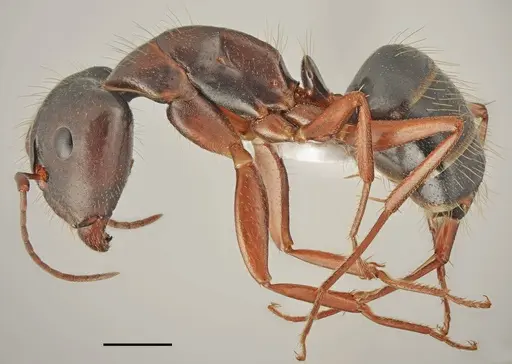
CASENT0763856
View on AntWeb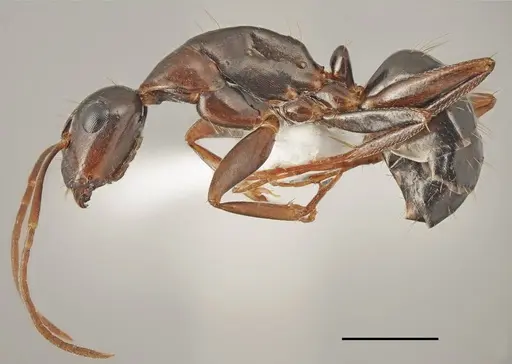
CASENT0910194
View on AntWeb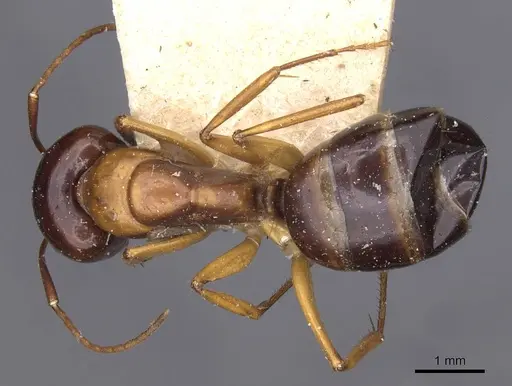
CASENT0910195
View on AntWeb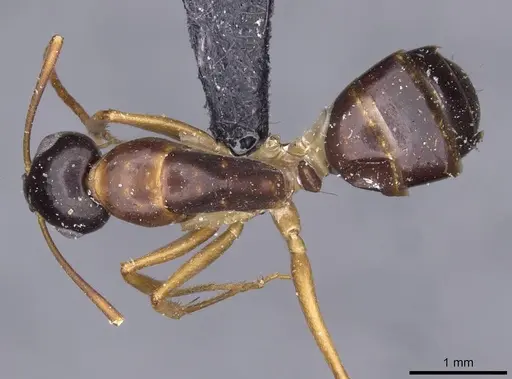
CASENT0910196
View on AntWeb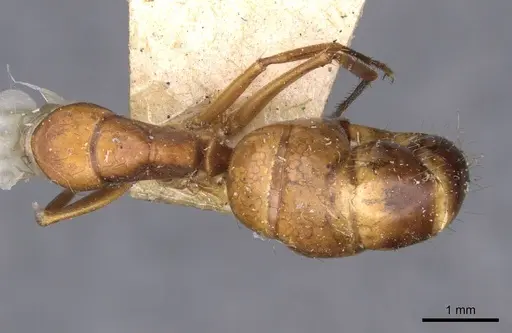
CASENT0910197
View on AntWeb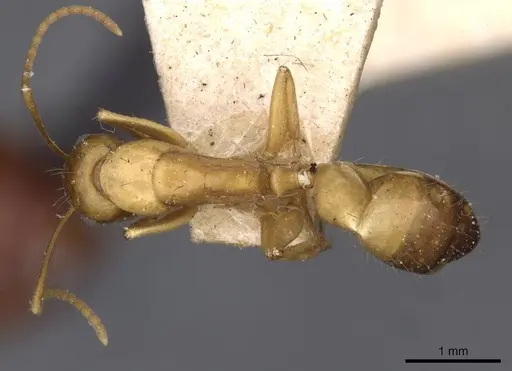
CASENT0910198
View on AntWeb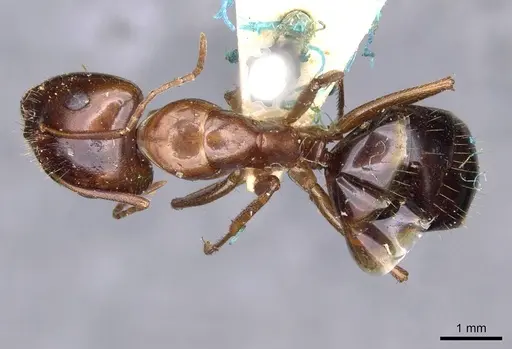
CASENT0910199
View on AntWeb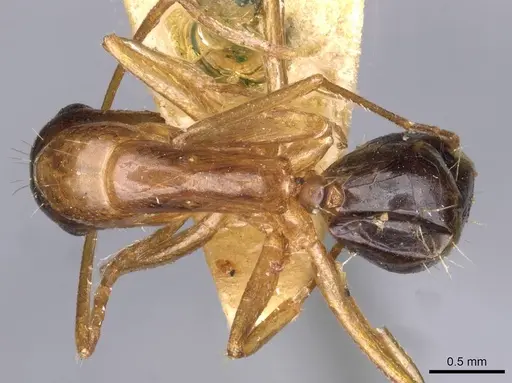
FOCOL2969
View on AntWeb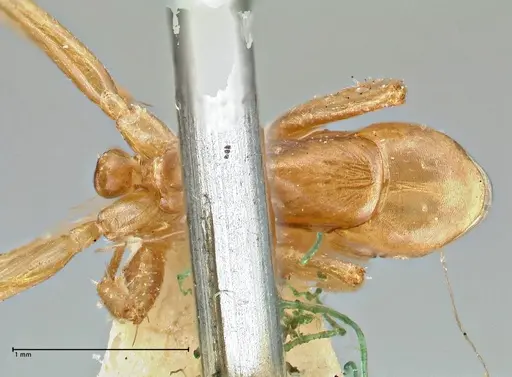
Literature
Loading distribution map...Loading products...