
Camponotus oasium
- Sci. Name
- Camponotus oasium
- Subgenus
- Tanaemyrmex
- Tribe
- Camponotini
- Subfamily
- Formicinae
- Author
- Forel, 1890
- Distribution
- Found in 7 countries
Introduction
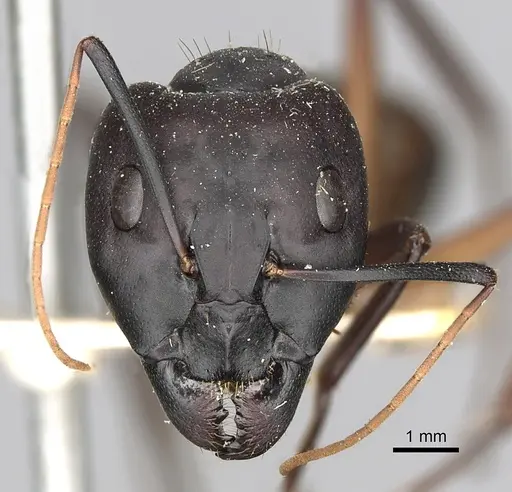
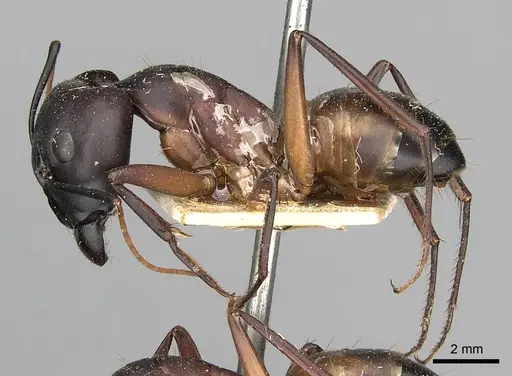
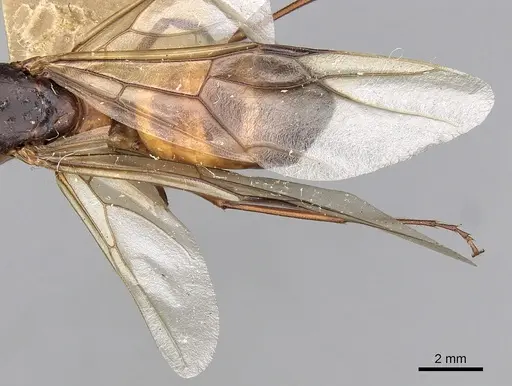
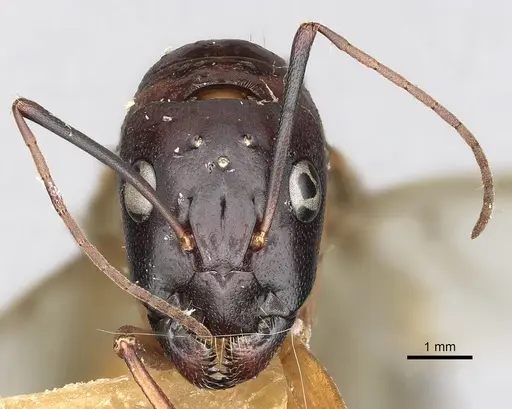
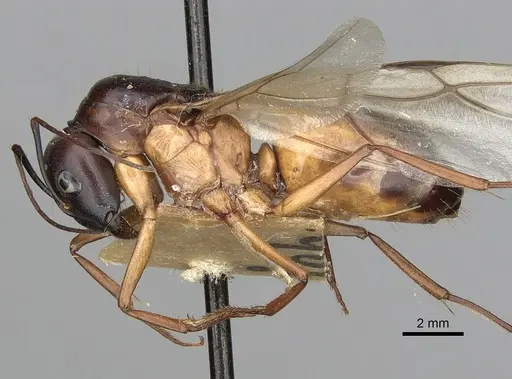
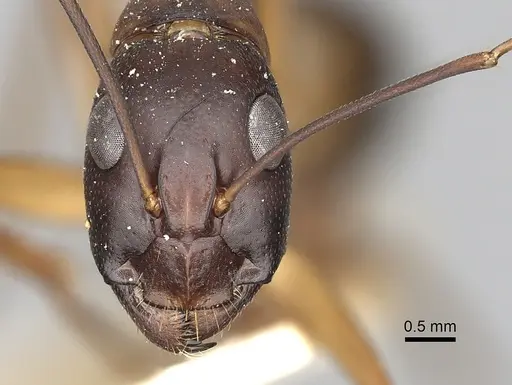
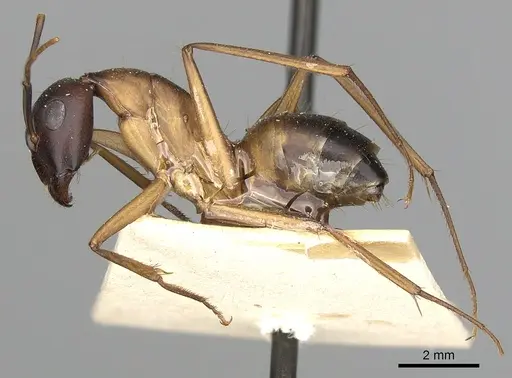
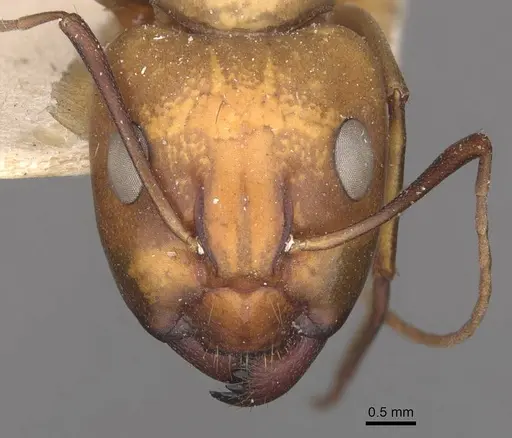
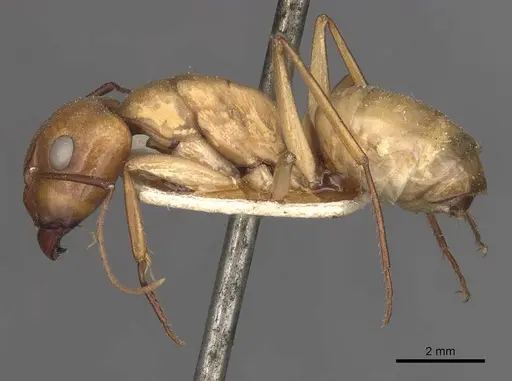
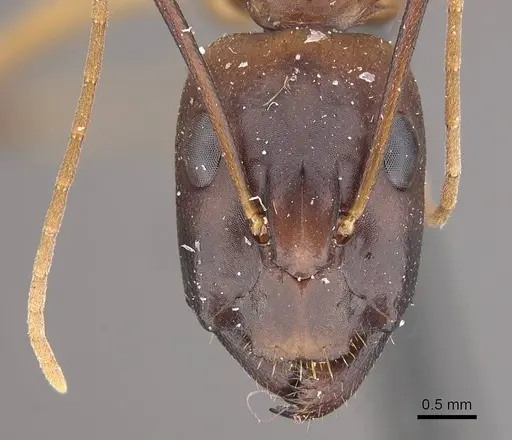
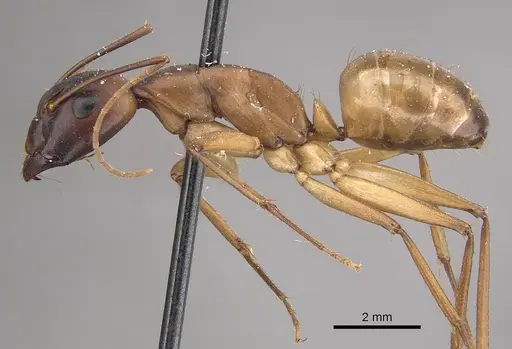
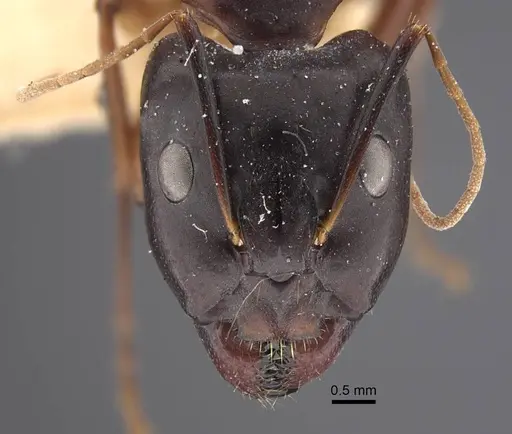
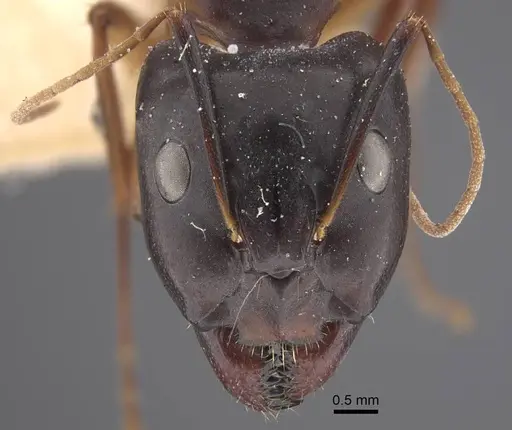
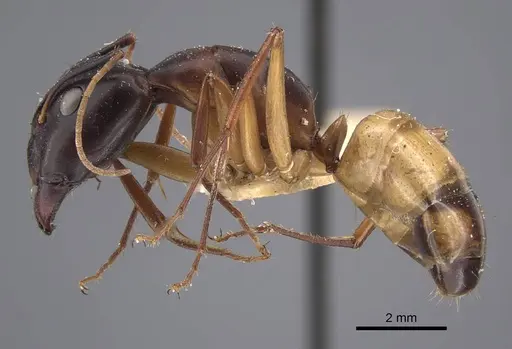
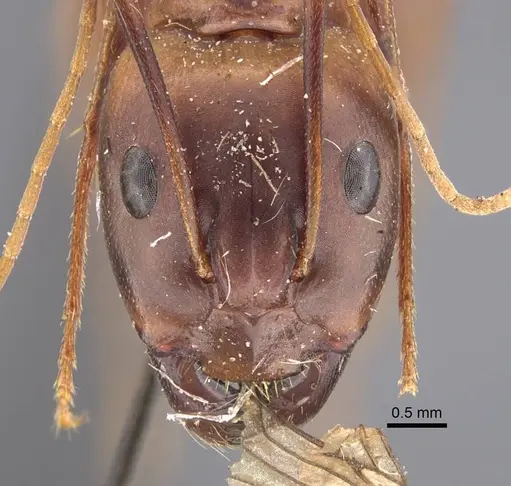
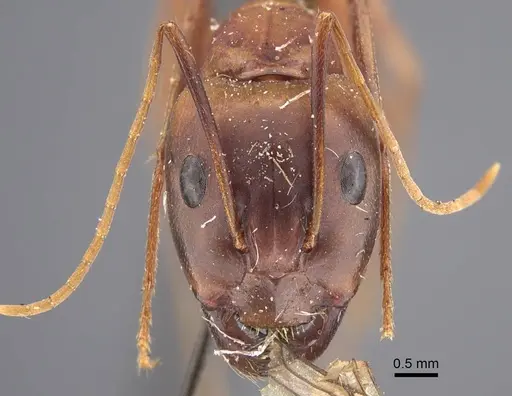
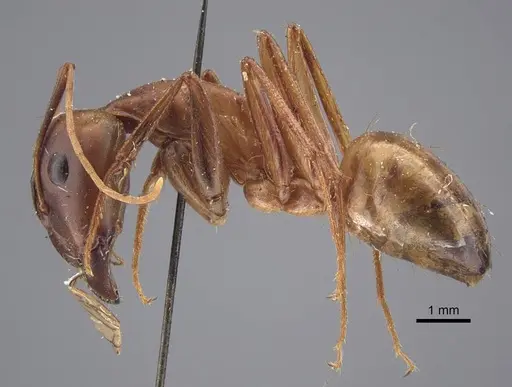
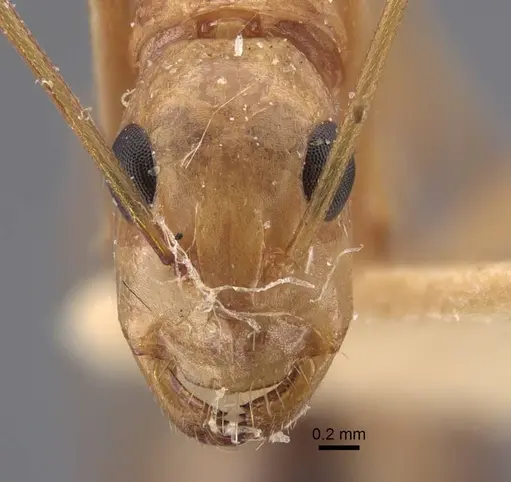
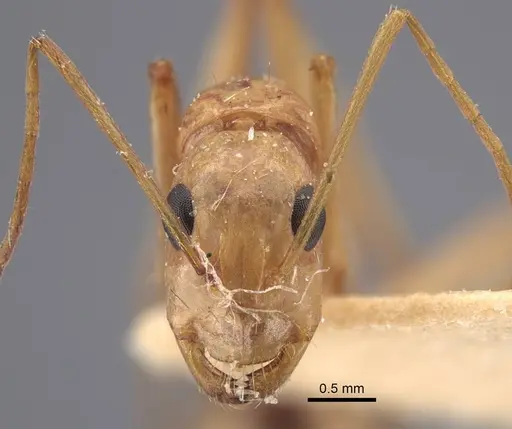
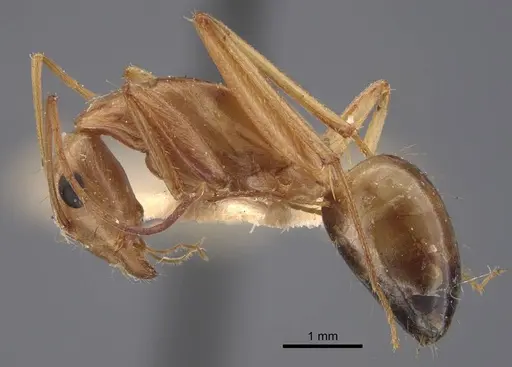
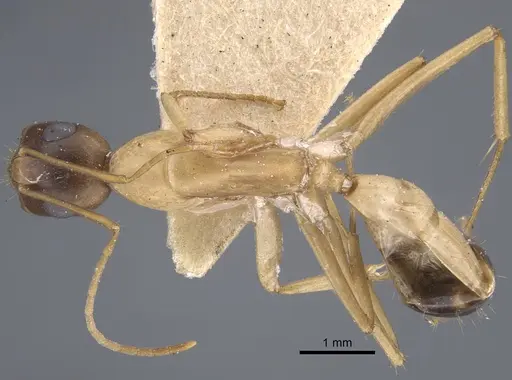
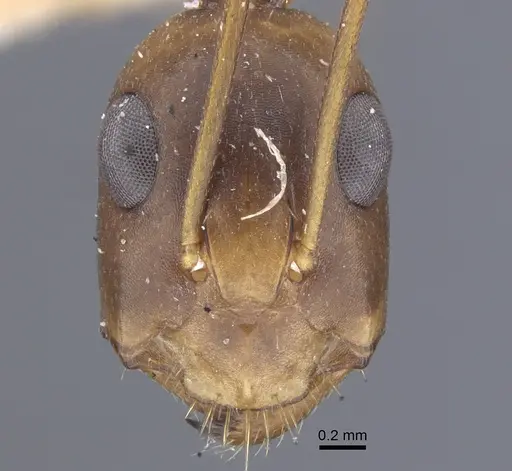
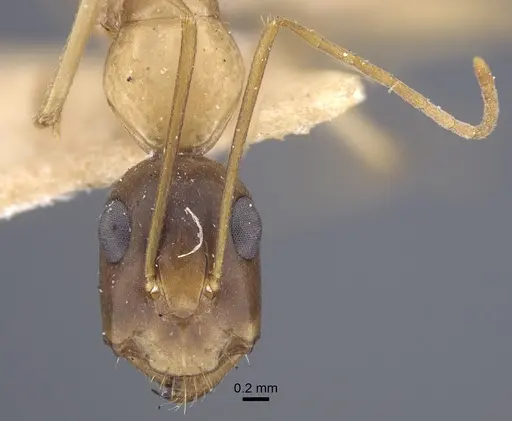
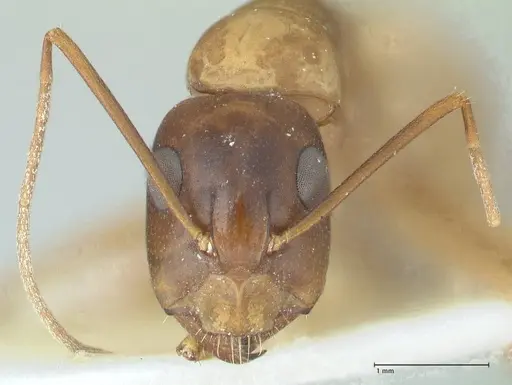
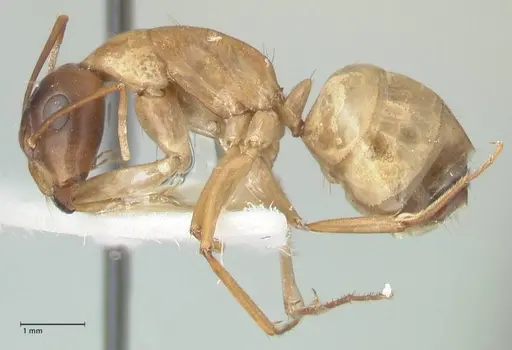
Camponotus oasium is a medium-sized carpenter ant found across North Africa, the Middle East, and into Central Asia. Workers come in two distinct sizes: major workers have a dark brown to black head and mesosoma with a yellow lower half, while minor workers are uniformly yellow with brown at the end of the gaster. This species belongs to the subgenus Tanaemyrmex and is known for nesting exclusively in desert oases - hence its name 'oasium' . Colonies can become quite powerful, with ants typically emerging to forage only during evening hours in hot climates . This is a heat-loving species adapted to arid environments.
Quick Summary
- Difficulty: Easy
- Origin & Habitat: Desert oases and arid regions across North Africa (Algeria, Egypt, Tunisia, Libya), the Middle East (Lebanon, Iraq, Iran, Saudi Arabia, UAE, Oman, Qatar, Syria), Turkey, and Central Asia (Afghanistan, Kazakhstan, Turkmenistan). Found from sea level up to 1800m altitude in mountainous regions. In the wild, they nest in oases and hot, dry areas, often under stones or in soil near vegetation [1][2][3][4].
- Colony Type: Single-queen colonies (monogyne). Based on typical Camponotus patterns, expect one founding queen per colony.
- Size & Growth:
- Queen: size data unavailable, no specific measurements found in research context
- Worker: Major workers: 8-12mm, Minor workers: 4-7mm [3]
- Colony: up to several thousand workers at maturity based on typical Camponotus development
- Growth: moderate
- Development: estimated 6-8 weeks at optimal temperature based on genus patterns (Development time is temperature-dependent, warmer conditions within acceptable range accelerate development)
- Antkeeping:
- Temperature: Keep warm at 24-28°C. This is a desert/oasis species that thrives in heat. Room temperature may be sufficient if your home is in this range, otherwise use a heating cable on one side of the nest to create a gentle gradient [1].
- Humidity: Low to moderate. These ants come from arid desert environments, keep the nest relatively dry with only minimal moisture. Allow the substrate to dry out between waterings. Avoid damp, humid conditions.
- Diapause: Yes, provide a winter rest period around 10-15°C for 2-3 months during winter months. This species originates from temperate regions and benefits from a hibernation period.
- Nesting: Y-tong (AAC) nests work well for this species. They prefer tight chambers scaled to their size. Naturalistic setups with flat stones over sandy soil also mimic their natural oases habitat. Avoid overly humid setups.
- Behavior: Generally calm and non-aggressive for a Camponotus species. Workers are active primarily during cooler hours, in the wild they emerge in the evening to forage [1]. They are moderate climbers but not particularly escape-prone compared to smaller ants. Major workers can deliver a mild sting if provoked, though this species is not particularly defensive. They form moderate to large colonies over time.
- Common Issues: colonies may struggle if kept too humid, these are desert ants that need dry conditions, winter die-off can occur if hibernation conditions are too damp or temperatures fluctuate, slow initial colony growth during founding phase is normal, don't overfeed or disturb the queen, escape prevention should be adequate for their size, though minors can fit through small gaps, wild-caught colonies may carry parasites like Laboulbenia fungus documented in this species [7462]
Housing and Nest Setup
Camponotus oasium does well in Y-tong (AAC) nests which provide the dry, stable conditions they need. These ants come from arid oasis environments, so avoid setups that retain too much moisture. A test tube setup can work for founding colonies, but monitor humidity carefully, these ants prefer it drier than many other species. For established colonies, a small formicarium with tight chambers scaled to worker size works best. If using a naturalistic setup, use a sandy substrate that can dry out between waterings. Provide a water source via a cotton ball in a test tube, but don't overdo it, the nest should be mostly dry. [1]
Feeding and Diet
Like other Camponotus species, C. oasium is omnivorous but prefers sugar sources. They have documented mutualistic relationships with aphids (Aphis craccivora and Aphis frangulae) in the wild [5], so they will readily accept sugar water, honey, or diluted syrup. For protein, offer small insects like fruit flies, mealworms, or crickets. In their natural habitat, they tend membracids (Oxyrhachis tarandus) for honeydew [6], so sugar sources are particularly important. Feed protein 2-3 times per week and keep sugar water constantly available. Remove uneaten prey after 24 hours to prevent mold.
Temperature and Heating
This is a warmth-loving species from desert and oasis environments. Keep the nest at 24-28°C for optimal brood development [1]. In their natural range, they experience very high temperatures in summer months. A heating cable on one side of the nest creates a temperature gradient allowing workers to choose their preferred zone. If your room temperature is already in this range, no additional heating may be needed. During winter, room temperature is acceptable if you're providing a hibernation period at cooler temperatures.
Seasonal Care and Hibernation
Camponotus oasium benefits from a winter rest period. Reduce temperatures to 10-15°C for 2-3 months, typically from late autumn through winter. This mimics the seasonal temperature fluctuations in their native range across North Africa and the Middle East. During hibernation, reduce feeding to once every 2-3 weeks or stop entirely, and keep the colony slightly drier. Do not hibernate in a refrigerator, the temperature fluctuation when moving them in and out is more harmful than the cold itself. A cool basement or unheated room that stays consistently in the 10-15°C range works well. [1]
Colony Development
Like all Camponotus species, C. oasium has a relatively slow founding phase. The claustral queen seals herself in a chamber and raises the first workers (nanitics) entirely on her own body reserves. This initial batch of workers is typically smaller than normal workers. Expect 6-8 weeks from egg to first worker at optimal temperature, though this can vary. Colony growth is moderate, major workers appear as the colony expands. A mature colony may contain several thousand workers. Be patient during the founding phase, disturbing the queen or checking too frequently can cause abandonment.
Behavior and Foraging
In the wild, these ants are primarily nocturnal or crepuscular, they emerge to forage during evening hours when temperatures are cooler [1]. This behavior may carry over to captivity, so don't be concerned if workers are most active in the evening or at night. They are not particularly aggressive or defensive, making them manageable for antkeepers. Workers are moderate foragers and will recruit nestmates to good food sources through chemical trails. Major workers can deliver a mild sting if the colony feels threatened, but this species is not considered dangerous.
Frequently Asked Questions
How long does it take for Camponotus oasium to have first workers?
Expect 6-8 weeks from egg to first worker at optimal temperature (24-28°C). This is typical for Camponotus species. The founding phase requires patience, the queen raises nanitics alone without foraging.
Do Camponotus oasium ants need hibernation?
Yes, they benefit from a winter rest period. Reduce temperatures to 10-15°C for 2-3 months during winter. This mimics their natural seasonal cycle in North Africa and the Middle East.
What do Camponotus oasium ants eat?
They are omnivorous but prefer sugar sources. Offer sugar water, honey, or diluted syrup constantly. For protein, feed small insects like fruit flies or mealworms 2-3 times weekly. They also attend aphids for honeydew in the wild.
Are Camponotus oasium good for beginners?
Yes, this is a relatively easy species to keep. They are forgiving of minor care mistakes, not overly aggressive, and tolerate room-temperature conditions if within their preferred range. Their main requirements are warmth and dry conditions.
What temperature do Camponotus oasium need?
Keep them warm at 24-28°C. This desert/oasis species thrives in heat. A heating cable on one side of the nest can help maintain optimal temperatures.
How big do Camponotus oasium colonies get?
Mature colonies can reach several thousand workers. Major workers are 8-12mm, minors are 4-7mm. Growth is moderate, expect several years to reach maximum size.
Can I keep multiple Camponotus oasium queens together?
No, this is a monogyne (single-queen) species. Unlike some ants that can form multi-queen colonies, C. oasium colonies should be started with one queen per setup.
Why are my Camponotus oasium ants dying?
The most common causes are: too much humidity (they need dry conditions), disturbing the queen during founding, or improper hibernation. These are desert ants, keep them drier than you would tropical species. Also check for parasites like the Laboulbenia fungus that has been documented in this species.
When should I move Camponotus oasium to a formicarium?
Move them once the colony reaches several hundred workers and the test tube space becomes cramped. For Y-tong nests, this is typically around 6-12 months after founding. They prefer tight chambers, so don't give them unnecessarily large spaces.
Report an Issue
The current care sheet is based fully on literature. See inconsistencies, or something that's incorrect? Please , it will be resolved after review from an admin. Contributing to the blogs tab also helps providing information, to make us be able to further improve the caresheets. Thank you for your support!
References

This caresheet is licensed under CC BY-SA 4.0 .
Community Blogs
CASENT0249629
View on AntWeb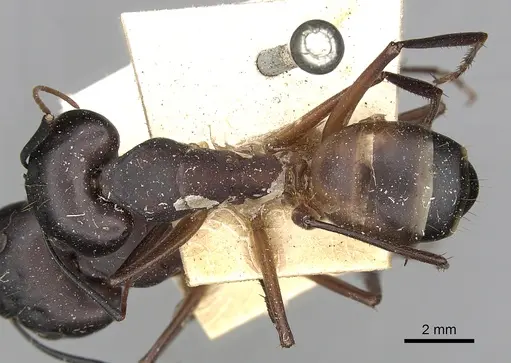
CASENT0249885
View on AntWeb
CASENT0249907
View on AntWeb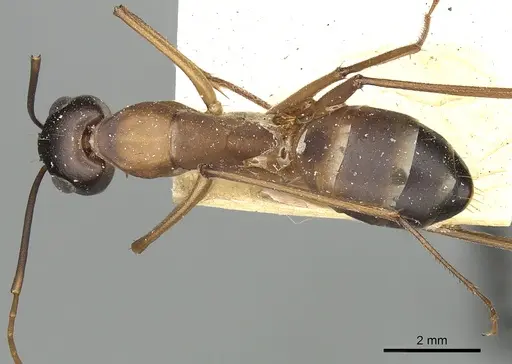
CASENT0910314
View on AntWeb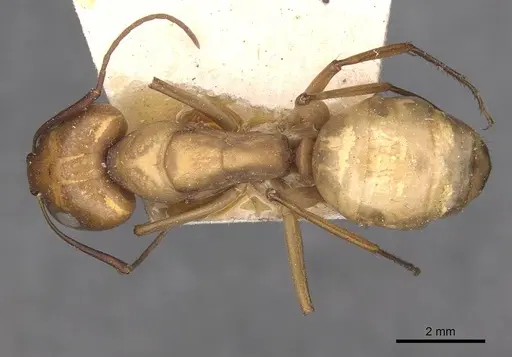
CASENT0911141
View on AntWeb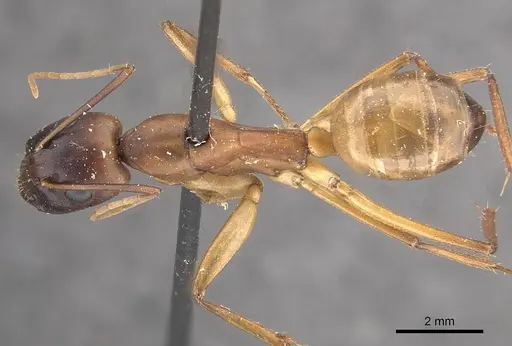
CASENT0917221
View on AntWeb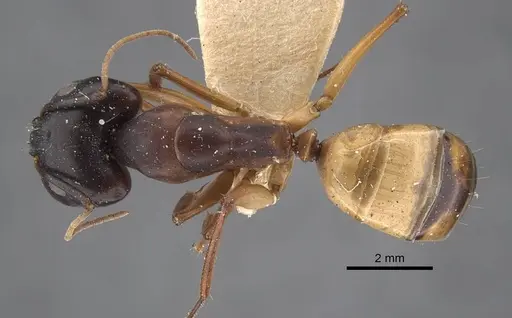
CASENT0917224
View on AntWeb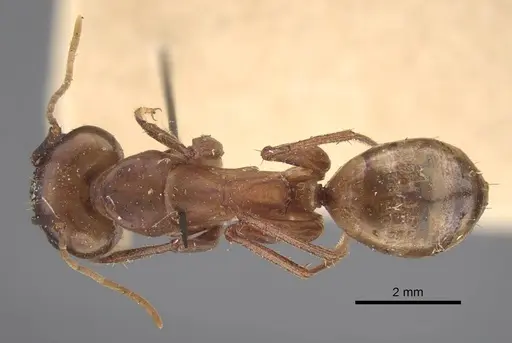
CASENT0917225
View on AntWeb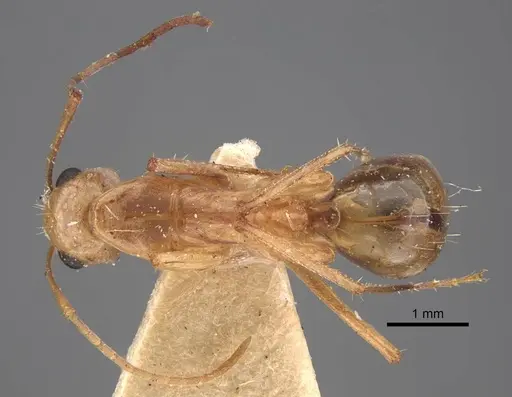
CASENT0917251
View on AntWeb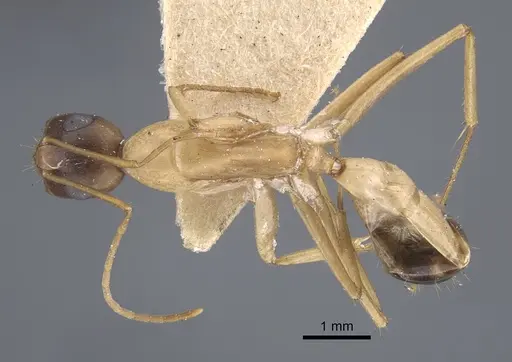
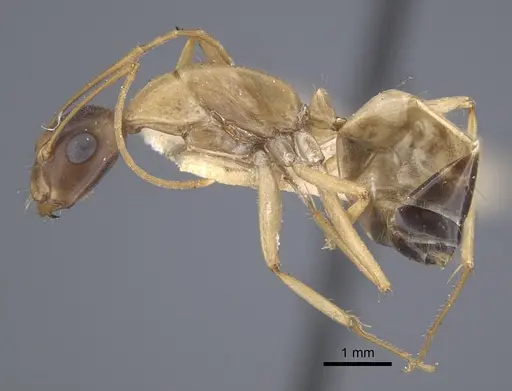
CASENT0922851
View on AntWeb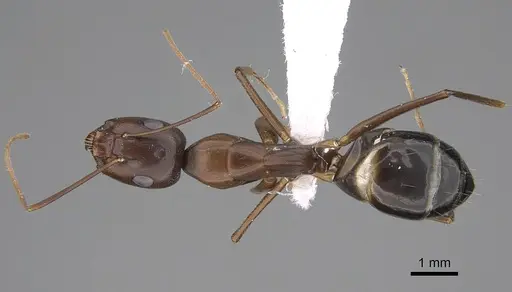
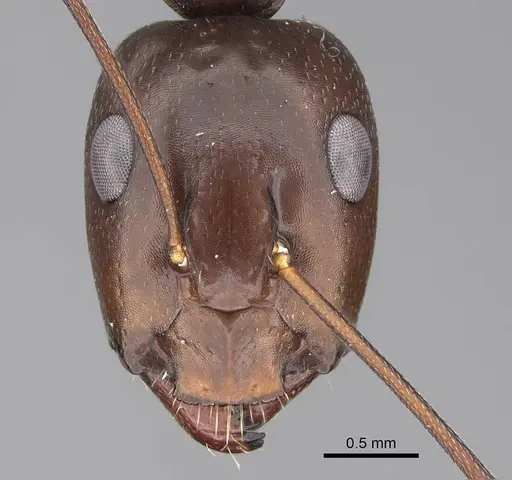
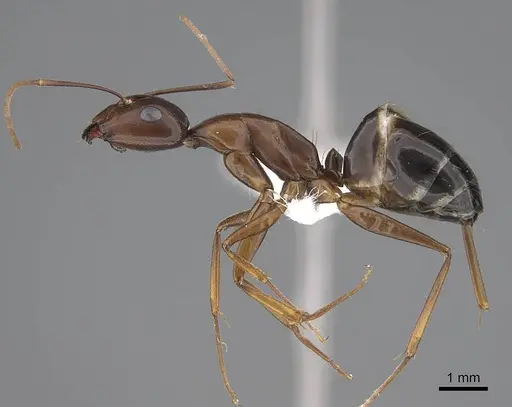
FOCOL1851-1
View on AntWeb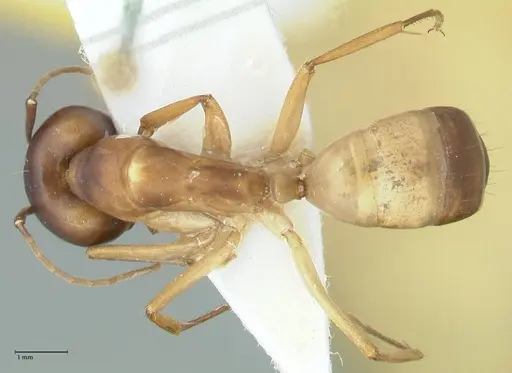
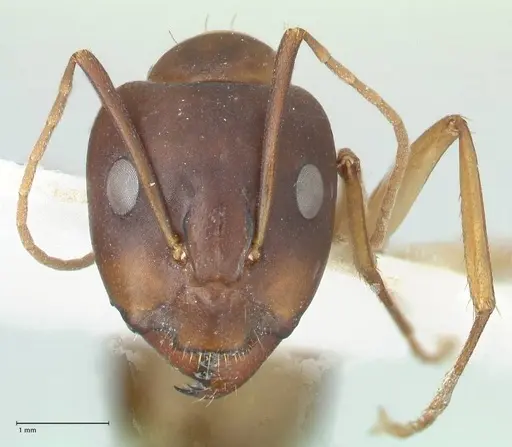
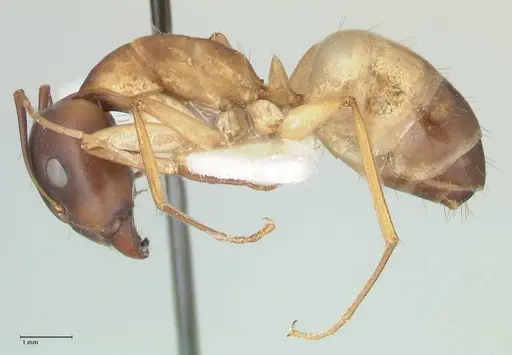
FOCOL1851-2
View on AntWeb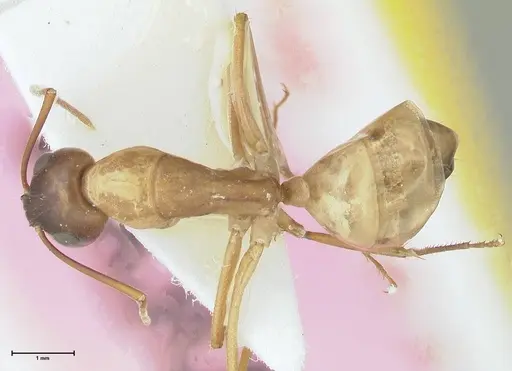
Literature
Loading distribution map...Loading products...