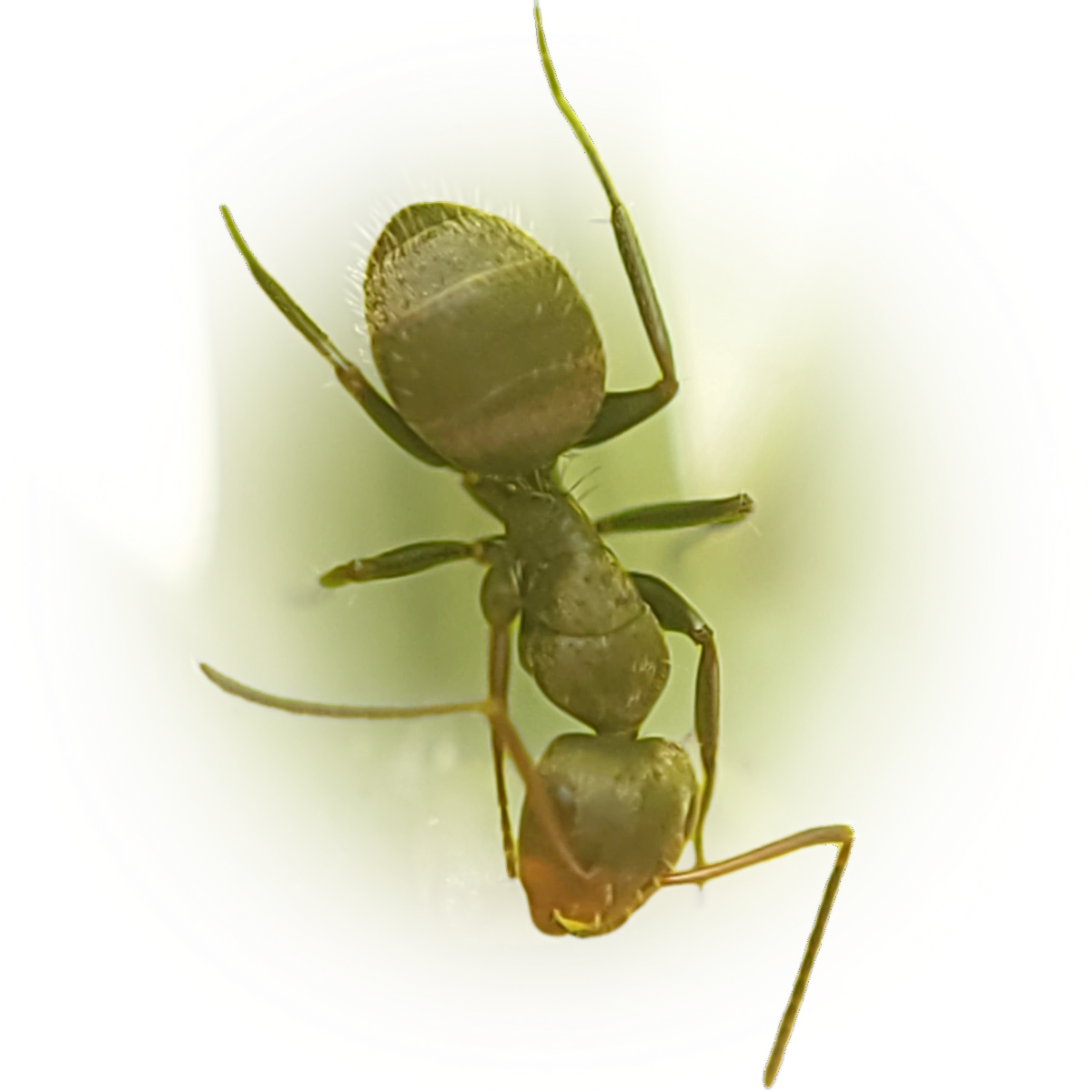
Black Compact Carpenter Ant
Camponotus novogranadensis
- Sci. Name
- Camponotus novogranadensis
- Subgenus
- Myrmaphaenus
- Tribe
- Camponotini
- Subfamily
- Formicinae
- Author
- Mayr, 1870
- Common Name
- Black Compact Carpenter Ant
- Distribution
- Found in 12 countries
Introduction
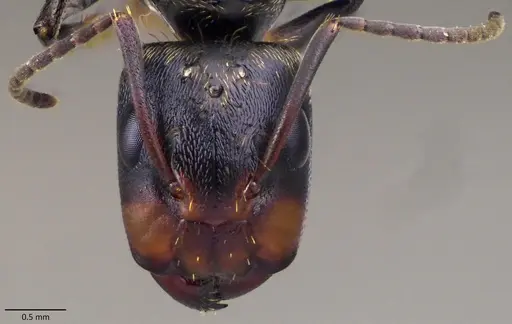
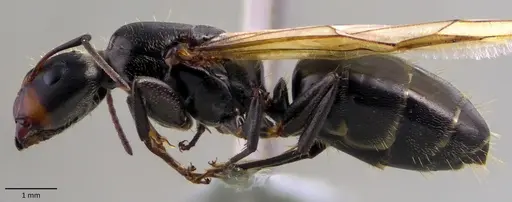
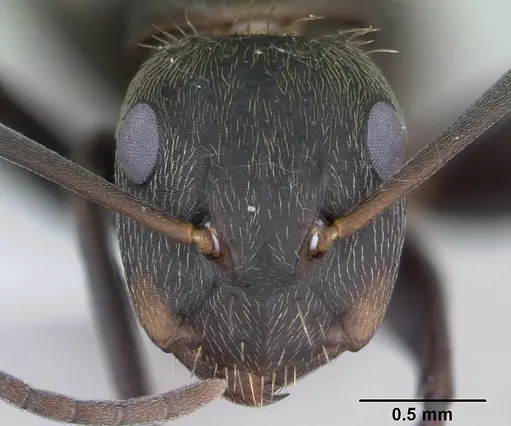
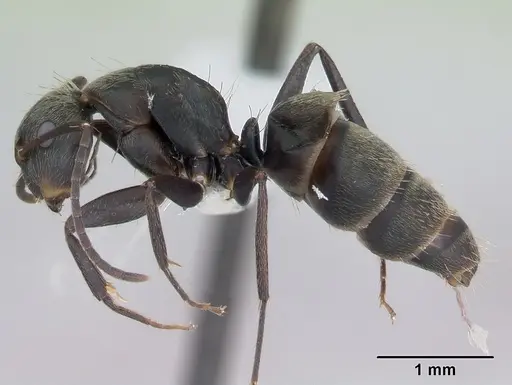
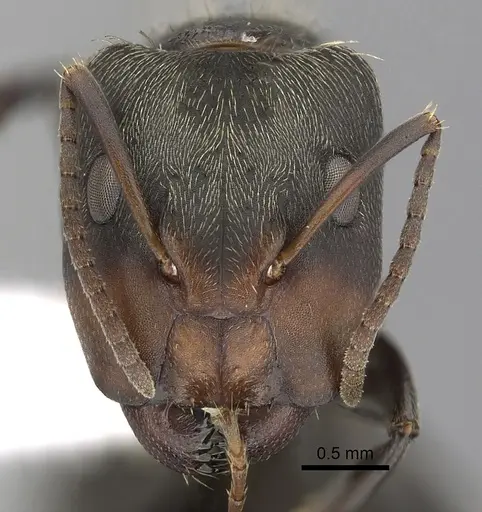
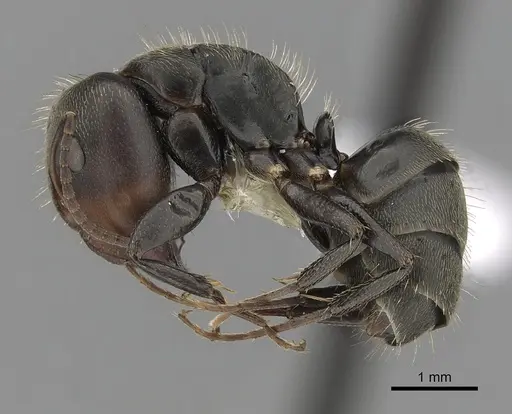
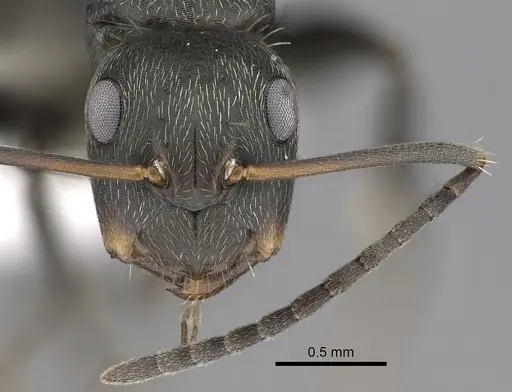
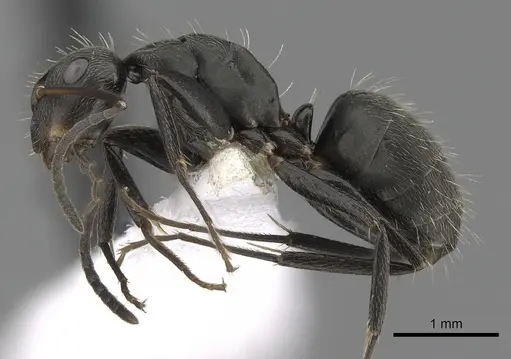
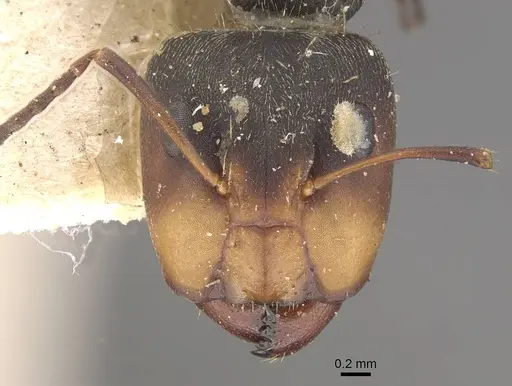
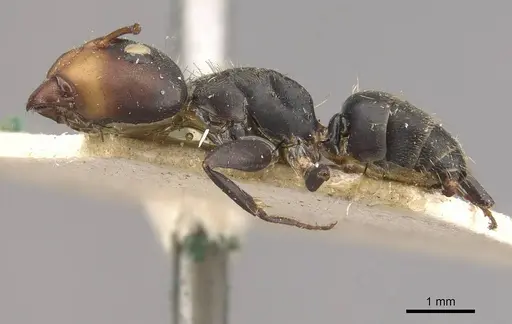
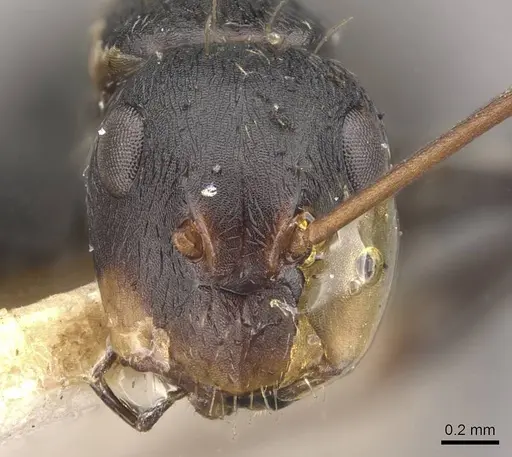
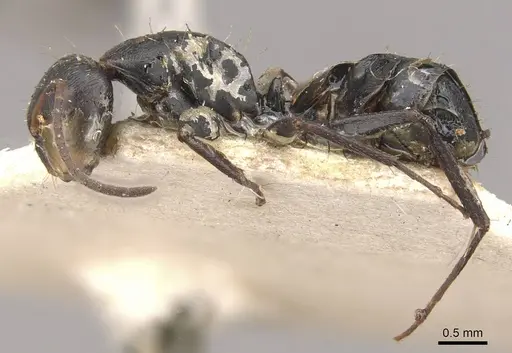
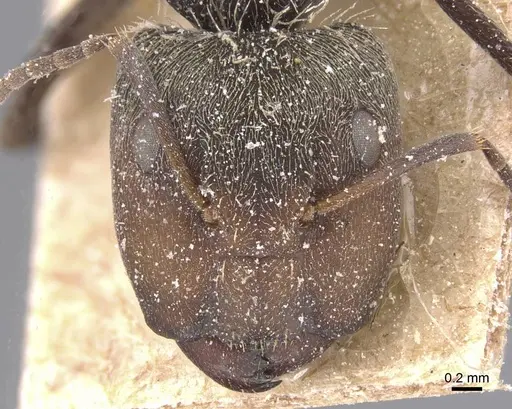
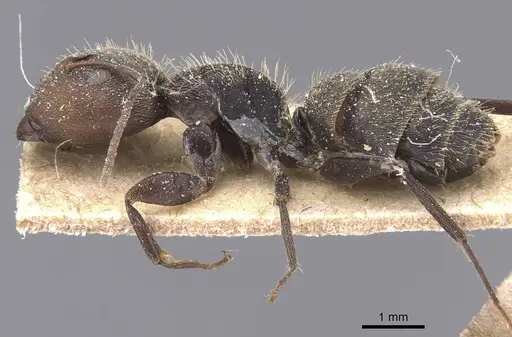
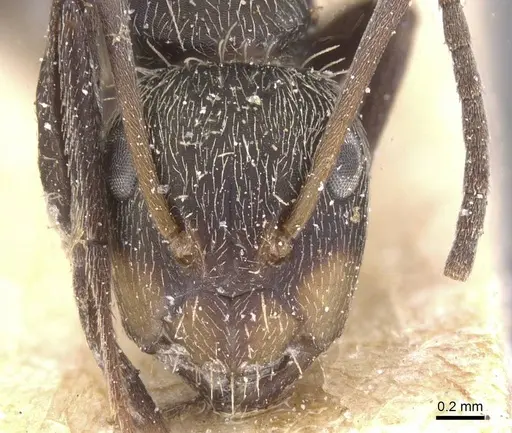
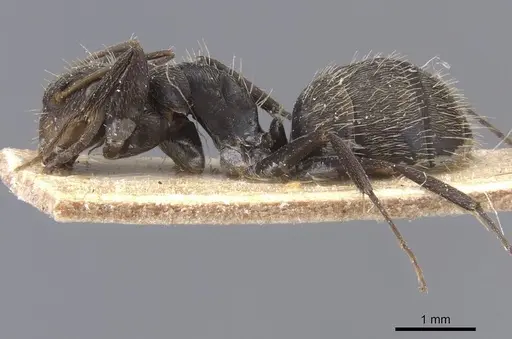
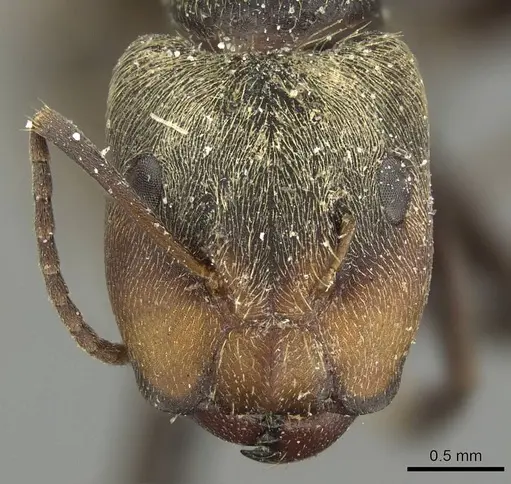
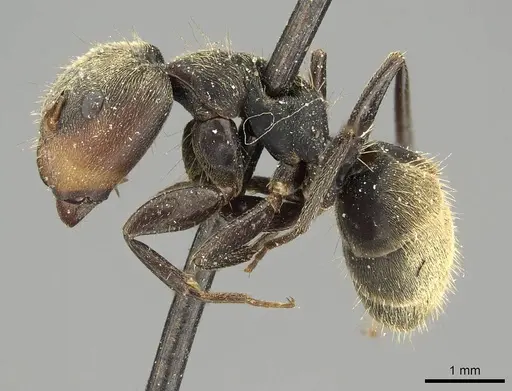
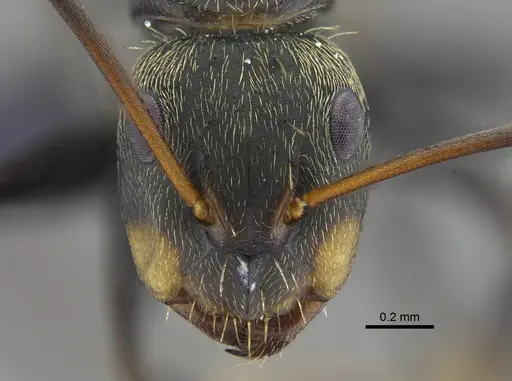
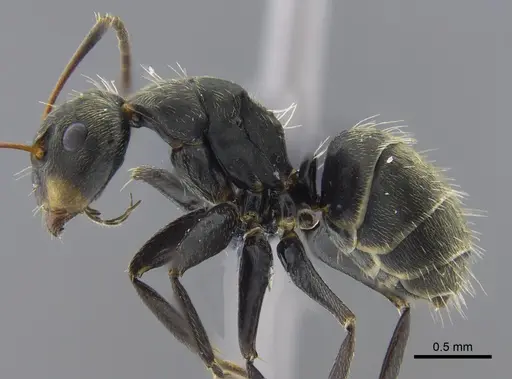
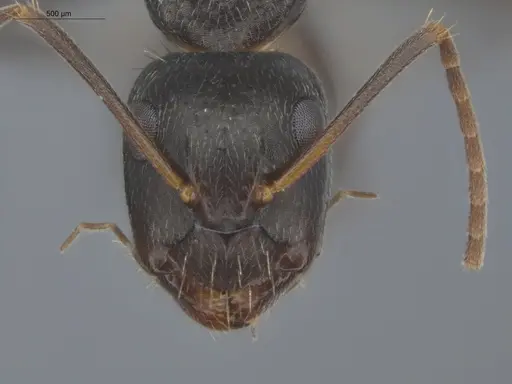
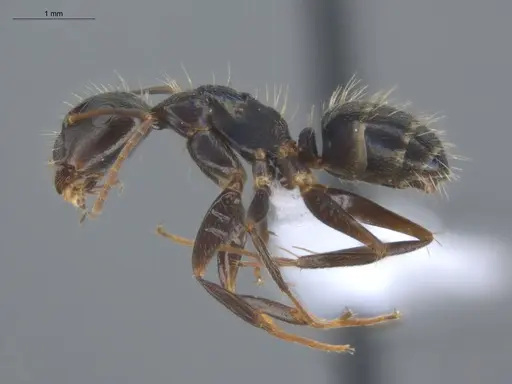
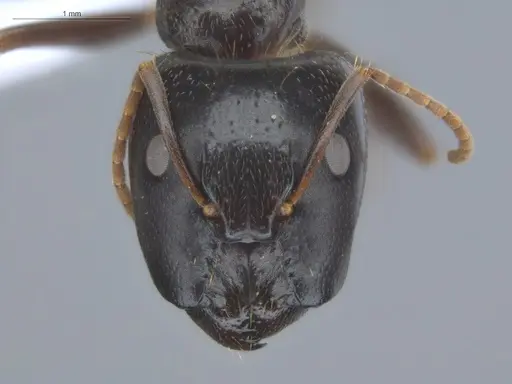
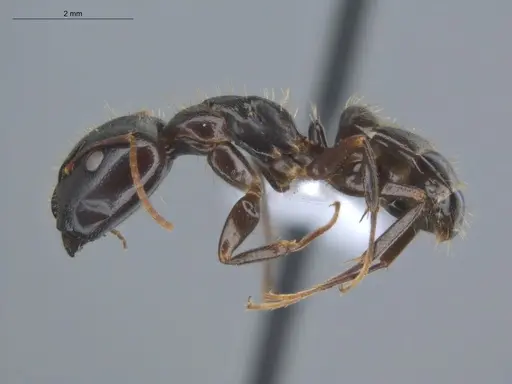
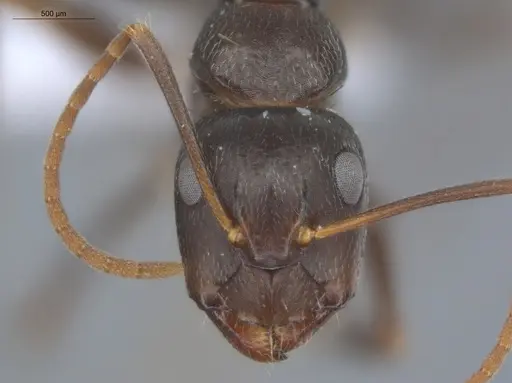
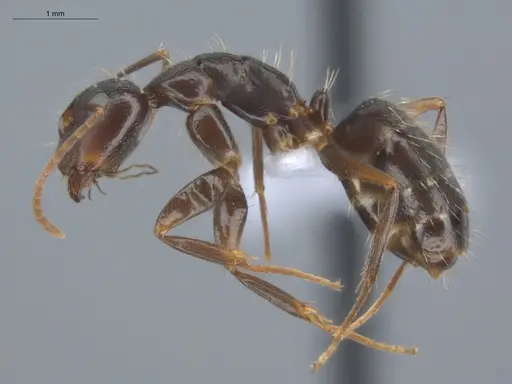
Camponotus novogranadensis is a small carpenter ant native to the Neotropics, ranging from Mexico to Argentina. Workers measure 4.6-6.5mm, with majors reaching about 5mm . They are predominantly black, with brown or yellowish brown antennae, clypeus, and the sides of the face above the mandibles . The species is easily confused with Camponotus planatus, but C. novogranadensis has a distinctive sharp median ridge on its clypeus that C. planatus lacks . This ant is remarkably adaptable, found in everything from primary forest canopy to abandoned pastures, and has recently established a population in southwest Florida - one of the few Neotropical ants to become established in the continental US .
Quick Summary
- Difficulty: Expert
- Origin & Habitat: Native range spans from Mexico through Central America to Argentina, including most of northern South America [2]. Recently discovered as an introduced species in Estero, Lee County, Florida (first collected 2012) [2]. In its native range, it nests in dead wood or hollow stems, typically in disturbed areas, though it also inhabits the canopy of primary forests [2]. It thrives in hot, dry climates [3] and is considered an indicator species for disturbed habitats [2].
- Colony Type: Colony structure is unconfirmed. Founding behavior is unconfirmed, Camponotus species typically are claustral, but specific data for this species is unavailable.
- Size & Growth:
- Queen: Approximately 6-7mm (estimated based on genus patterns)
- Worker: 4.6-6.5mm [1]
- Colony: Likely several hundred to a few thousand workers (estimated based on typical Camponotus patterns)
- Growth: Moderate, typical for Camponotus
- Development: 6-10 weeks (estimated based on typical Camponotus development) (Development time is temperature-dependent. First workers (nanitics) are typically smaller than normal workers.)
- Antkeeping:
- Temperature: Keep at 22-26°C. This species tolerates warm conditions and is common in hot, dry climates throughout its range [3]. A gentle gradient allowing workers to choose their preferred temperature is ideal.
- Humidity: Moderate humidity around 50-70%. They nest in dead wood and hollow stems in nature, which provide drier conditions than soil-nesting ants. Allow the nest to dry out partially between waterings.
- Diapause: No true diapause required. As a tropical species, they do not need hibernation. However, a slight cool-down period (around 18-20°C) during winter months may slow activity and is generally well-tolerated.
- Nesting: Y-tong (AAC) or plaster nests work well. They prefer narrow chambers and passages typical of their size. Avoid overly wet substrates, they nest in wood, not soil.
- Behavior: Generally calm and non-aggressive for a carpenter ant. They are arboreal by nature, nesting in wood cavities and hollow stems, so they adapt well to captive environments. Workers are active foragers, both in the canopy and on the ground in disturbed areas [2]. They are omnivores, feeding on honeydew, nectar, and animal protein. They will attend aphids and coccids for honeydew. Escape risk is moderate, use standard barriers but they are not particularly strong climbers.
- Common Issues: colonies may decline if kept too cold, maintain warm temperatures, they prefer dry nesting conditions, avoid overwatering, slow founding phase can worry beginners, queens may seal themselves away for weeks, wild-caught colonies may carry parasites that affect captive survival, WARNING: This species is established in Florida, USA, it is an invasive species outside its native range. Do not release this ant under any circumstances.
Housing and Nest Setup
Camponotus novogranadensis does well in Y-tong (AAC) nests or plaster formicariums. They prefer narrow chambers and passages scaled to their small size, avoid large, open spaces. As arboreal nesters, they do well in wood-based or acrylic setups that mimic their natural cavities in dead branches and hollow stems [2][4]. A test tube setup works for founding colonies, but transfer to a proper nest once the colony reaches 15-20 workers. They do not need high humidity like tropical rainforest species, keep the nest moderately dry, misting occasionally to maintain some moisture without saturating the substrate. Provide a water tube and ensure they have access to both sugar and protein foods in the outworld.
Feeding and Diet
In the wild, C. novogranadensis has a varied diet: they collect honeydew from Membracidae and Aetalionidae treehoppers, drink nectar from extrafloral nectaries (which they aggressively defend), and hunt animal protein [2]. In captivity, offer sugar water or honey constantly, and protein sources like mealworms, small crickets, or other insects 2-3 times per week. They will also attend aphids or coccids if present. This species is not a specialized predator, so standard ant feeding protocols work well. Remove uneaten protein after 24-48 hours to prevent mold.
Temperature and Seasonal Care
Keep your colony at 22-26°C. This species is common in hot, dry climates throughout its Neotropical range [3] and tolerates warm conditions well. Room temperature in most homes (20-24°C) is usually suitable. A small heating cable on one side of the nest can create a gradient if your home runs cool. Unlike temperate species, they do not require a true diapause or hibernation. A slight reduction to 18-20°C during winter months is acceptable but not necessary. They are active year-round.
Colony Development
Camponotus species are typically claustral, meaning the queen seals herself in a small chamber and raises the first brood alone, living off her stored fat reserves. She does not leave to forage during founding. Expect 6-10 weeks for the first workers (nanitics) to emerge, depending on temperature. Nanitics are typically smaller than normal workers. Growth is moderate, a well-fed colony can reach several hundred workers within a year or two. The colony will expand into more chambers as it grows. Unlike some Camponotus, this species does not have major workers (soldiers) as a distinct, permanently enlarged caste, any larva can potentially develop into a larger worker, and majors appear in larger colonies. [1]
Behavior and Temperament
This is a relatively calm carpenter ant species. Workers are active foragers, searching for food both in trees and on the ground. They are known to aggressively defend extrafloral nectaries on plants like orchids [2], so they can be territorial around food sources. In captivity, they are generally non-aggressive toward the keeper and do not form aggressive swarms. They are moderate climbers but standard escape barriers work well. They do not sting and pose no danger to humans.
Frequently Asked Questions
How long does it take for Camponotus novogranadensis to produce first workers?
Expect 6-10 weeks from egg to first worker at optimal temperature (22-26°C). The queen seals herself in and raises the first brood alone, so you won't see any activity until the nanitics emerge.
Can I keep Camponotus novogranadensis in a test tube?
Yes, test tubes work well for founding colonies. Once the colony reaches 15-20 workers, consider moving them to a Y-tong or plaster nest with more space. They prefer dry nesting conditions, so avoid overly wet test tube setups.
What do Camponotus novogranadensis eat?
They are omnivores. Offer sugar water or honey constantly, and protein (insects like mealworms or small crickets) 2-3 times weekly. They also attend aphids and coccids for honeydew if you keep any plants with them.
Are Camponotus novogranadensis good for beginners?
While they are relatively easy to keep, this species is established in Florida as an invasive species. It is not recommended to keep this ant in countries where it is not native. If you live in its native range, they are forgiving of temperature variations, do not require hibernation, and are not aggressive.
Do Camponotus novogranadensis need hibernation?
No, as a tropical species they do not require hibernation or diapause. They remain active year-round at room temperature.
How big do Camponotus novogranadensis colonies get?
Based on typical Camponotus patterns, colonies likely reach several hundred to a few thousand workers. They are not among the largest carpenter ants.
When should I move my colony to a formicarium?
Move them once they reach 15-20 workers or when the test tube becomes cramped. They do well in Y-tong nests or plaster formicariums with narrow chambers.
Can I keep multiple queens together?
This is not recommended. Colony founding behavior is unconfirmed for this species, and introducing multiple queens will likely result in fighting.
Why is my colony dying?
Common causes include: temperatures below 20°C (they need warmth), overly wet nesting conditions (they prefer dry wood cavities), or poor nutrition. Also check for parasites. Wild-caught colonies sometimes carry issues that affect captive survival.
Report an Issue
The current care sheet is based fully on literature. See inconsistencies, or something that's incorrect? Please , it will be resolved after review from an admin. Contributing to the blogs tab also helps providing information, to make us be able to further improve the caresheets. Thank you for your support!
References

This caresheet is licensed under CC BY-SA 4.0 .
Community Blogs
ANTWEB1041830
View on AntWeb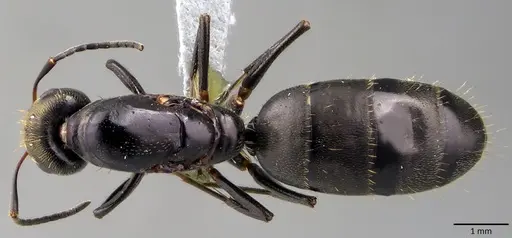
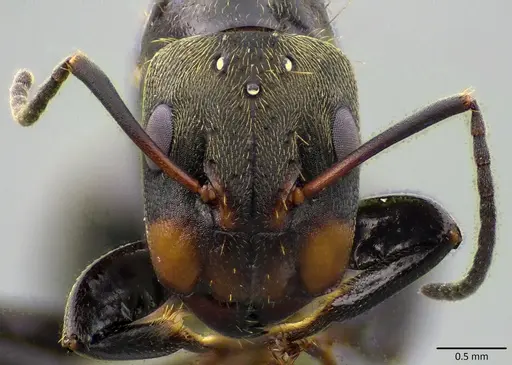
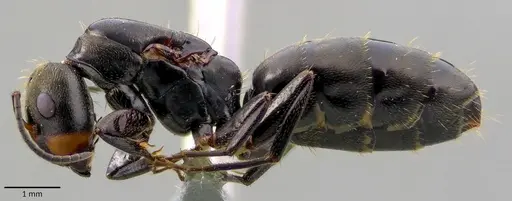
ANTWEB1060142
View on AntWeb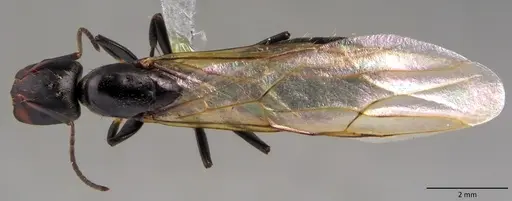
CASENT0173434
View on AntWeb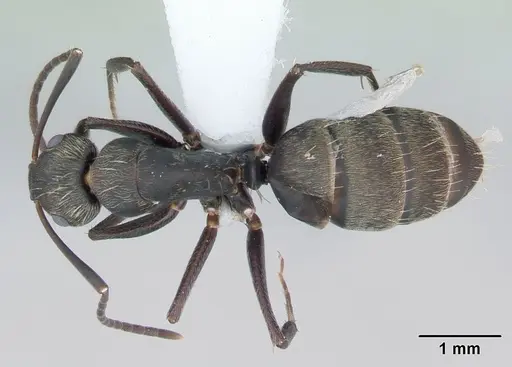
CASENT0280071
View on AntWeb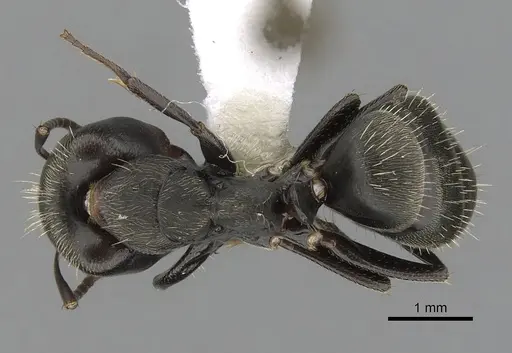
CASENT0280072
View on AntWeb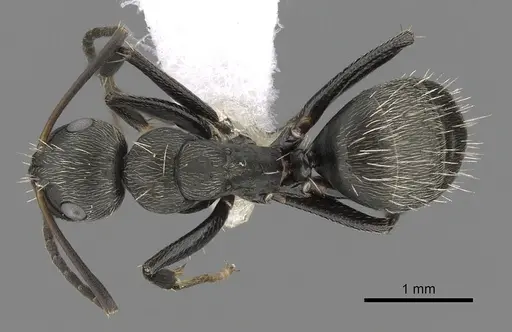
CASENT0910645
View on AntWeb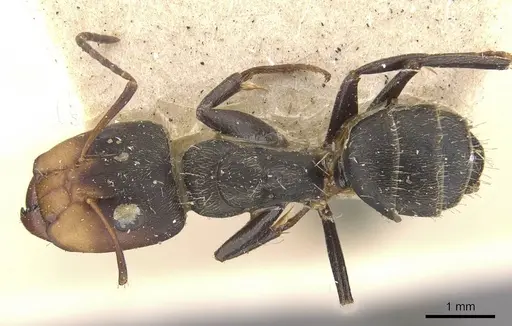
CASENT0910646
View on AntWeb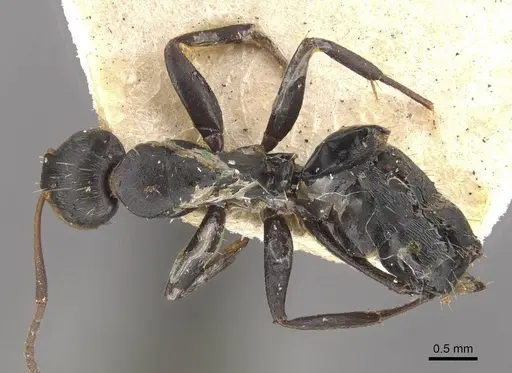
CASENT0911688
View on AntWeb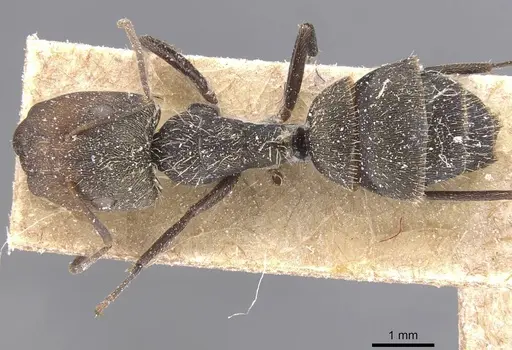
CASENT0911689
View on AntWeb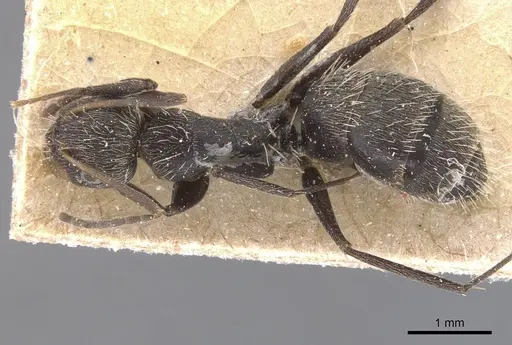
CASENT0915797
View on AntWeb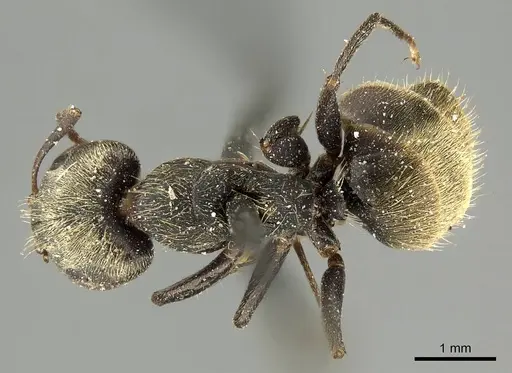
CBUMAGENT41778
View on AntWeb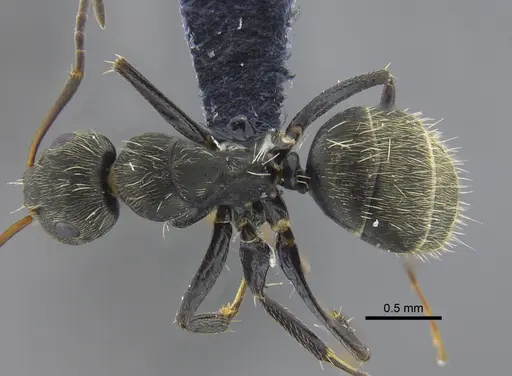
ECOFOG-IT14-0821-05
View on AntWeb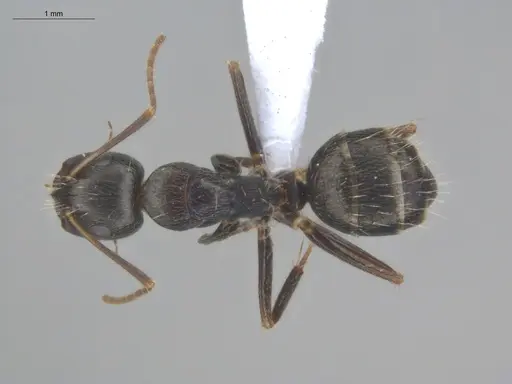
ECOFOG-MI15-0139-07-S
View on AntWeb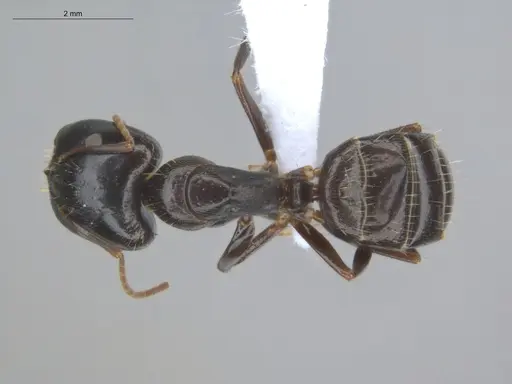
ECOFOG-MI15-0139-07
View on AntWeb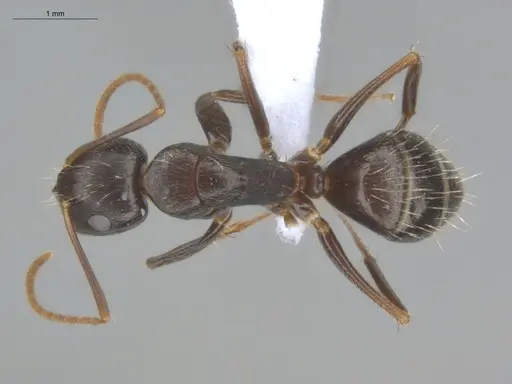
Literature
Loading distribution map...Loading products...