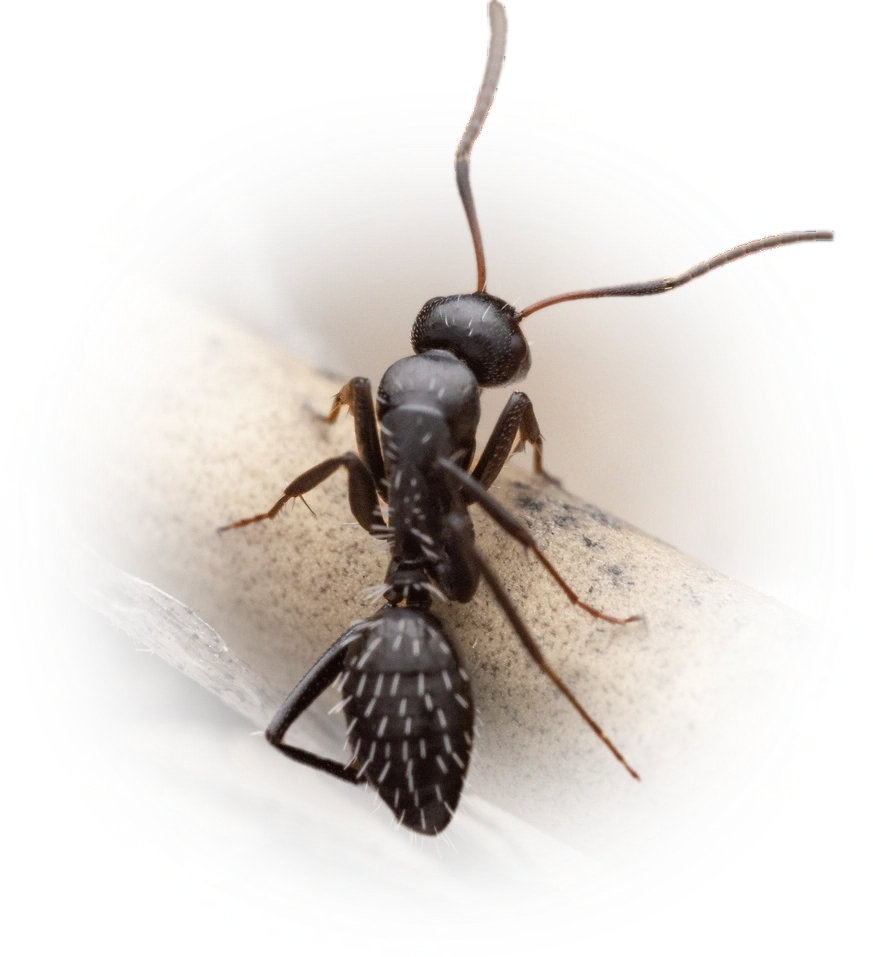
Hairy Sugar Ant
Camponotus niveosetosus
- Sci. Name
- Camponotus niveosetosus
- Subgenus
- Myrmopiromis
- Tribe
- Camponotini
- Subfamily
- Formicinae
- Author
- Mayr, 1862
- Common Name
- Hairy Sugar Ant
- Distribution
- Found in 1 countries
Introduction
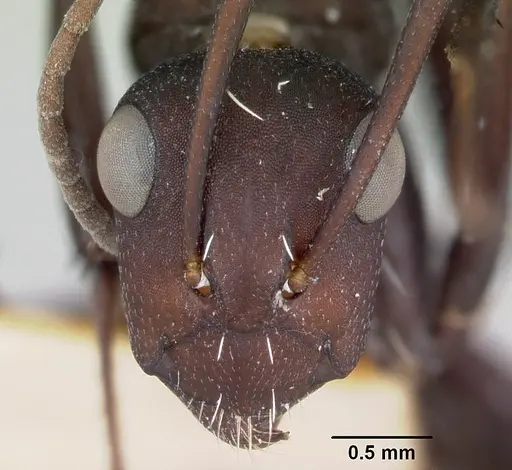
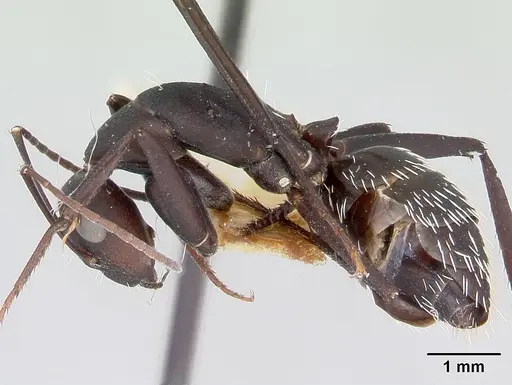
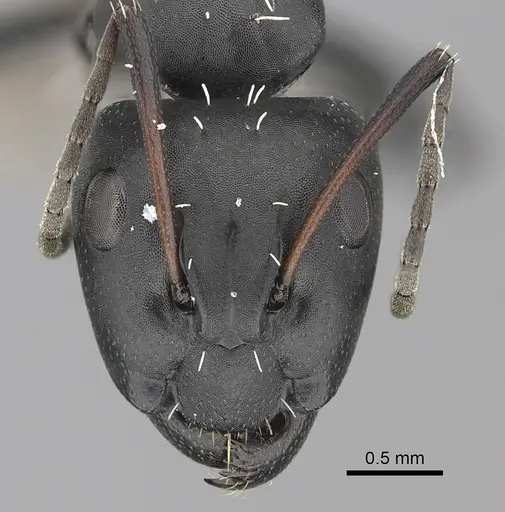
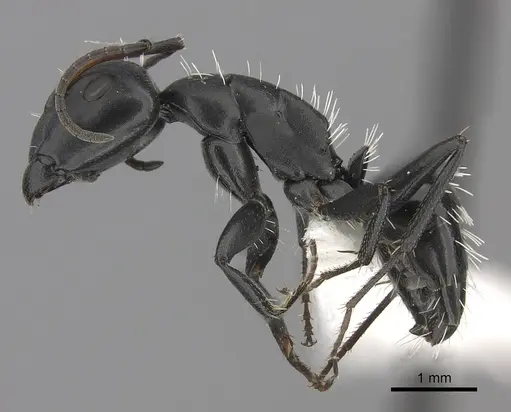
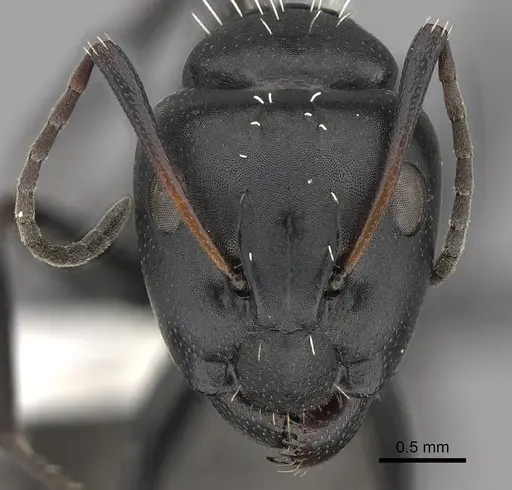
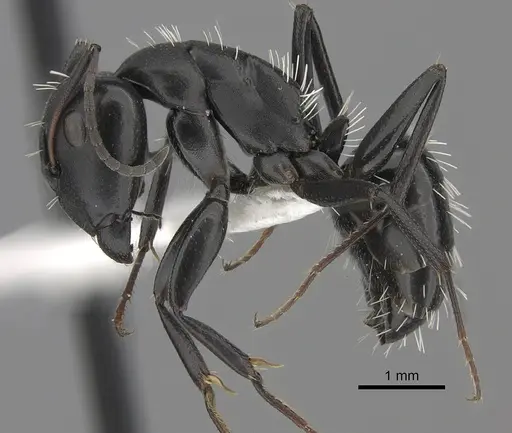
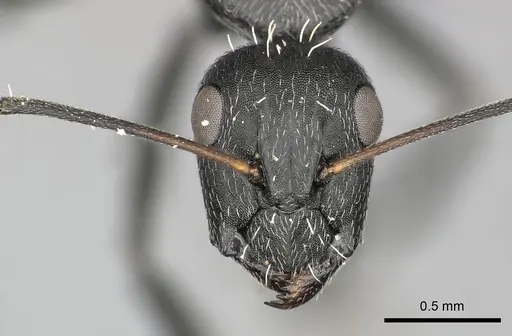
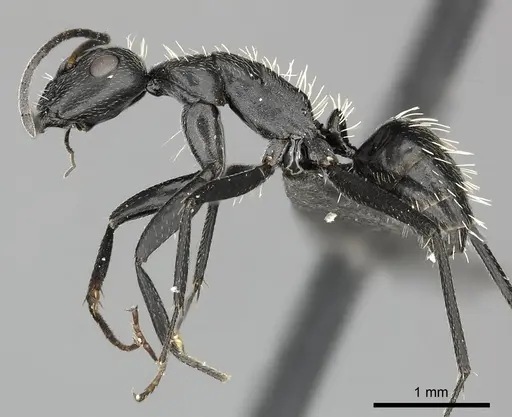
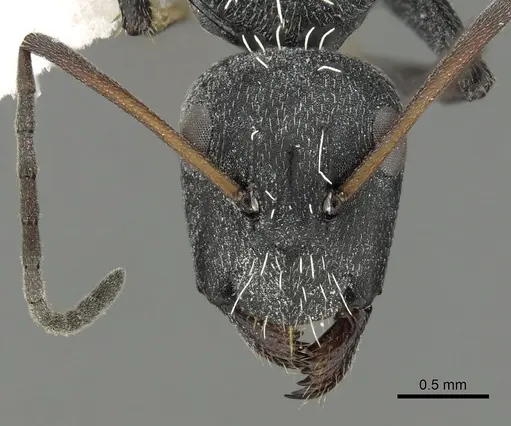
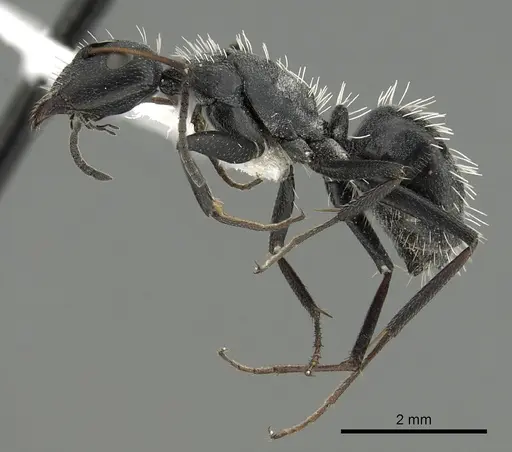
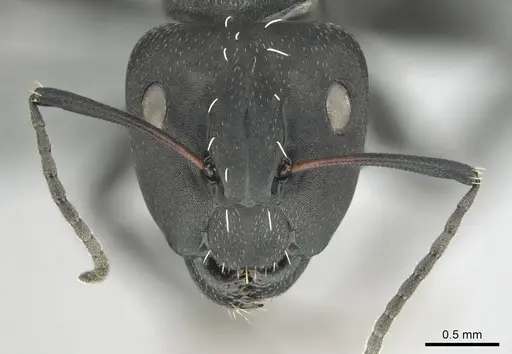
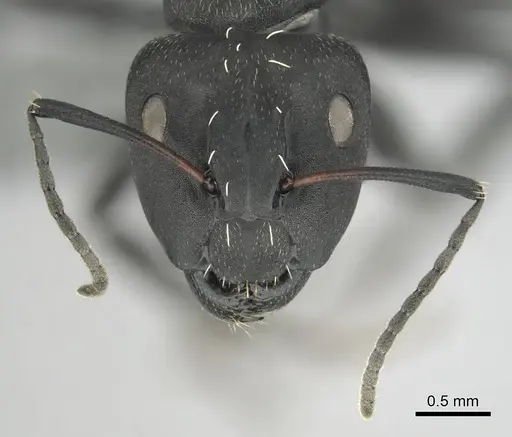
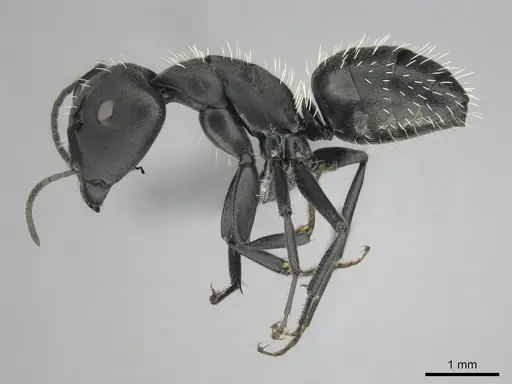
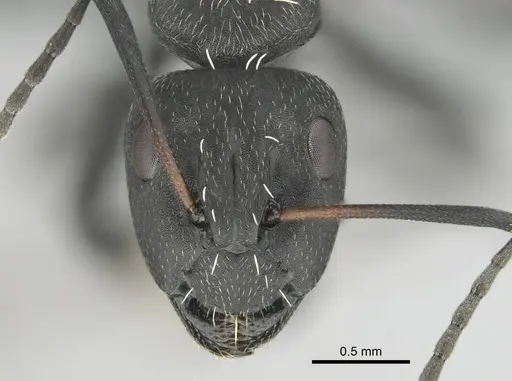
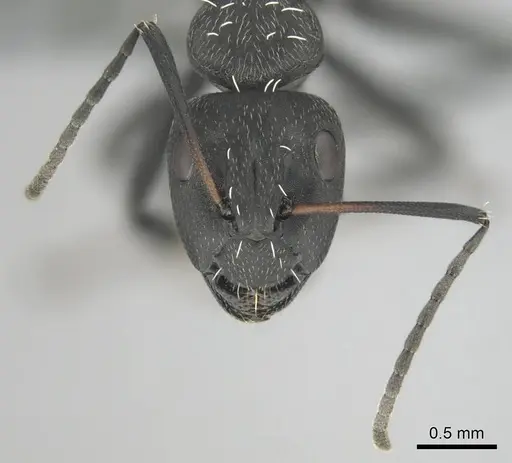
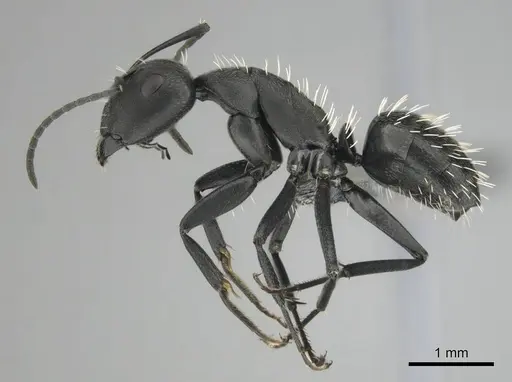
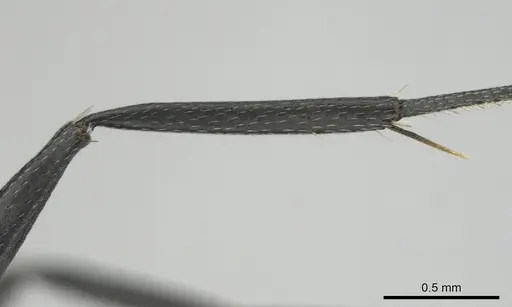
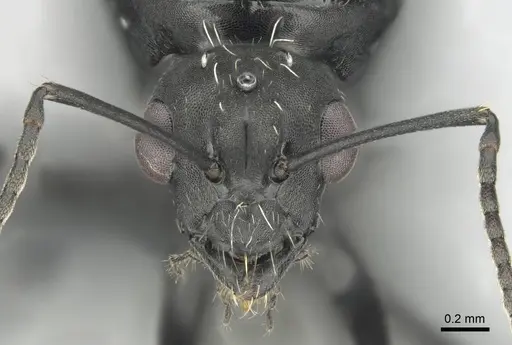
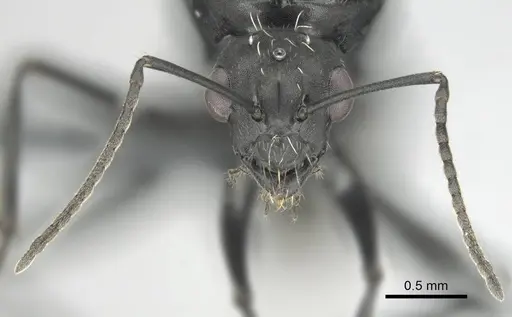
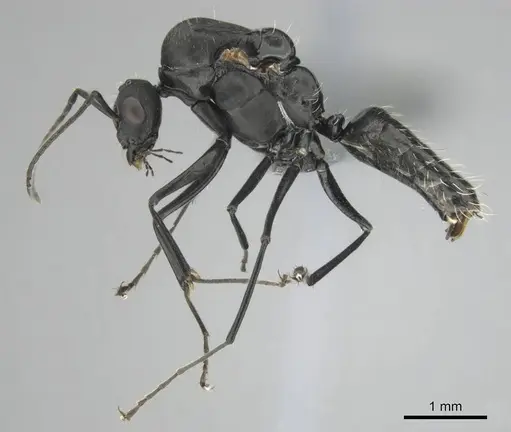
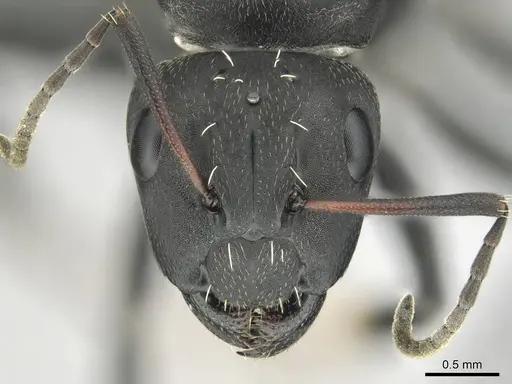
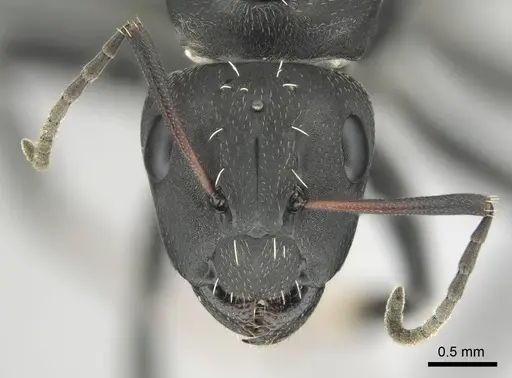
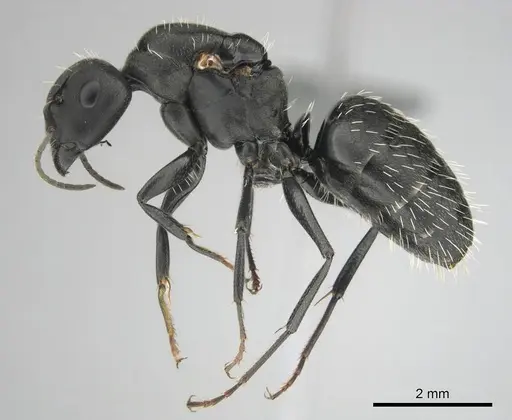
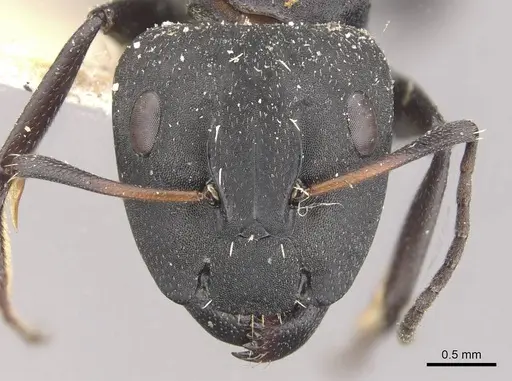
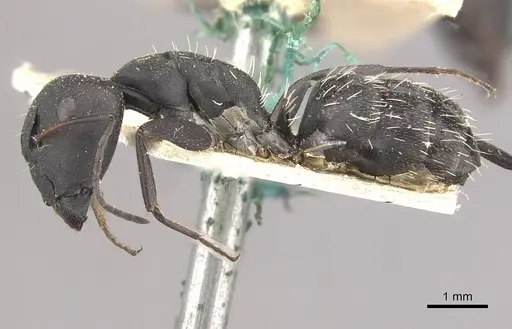
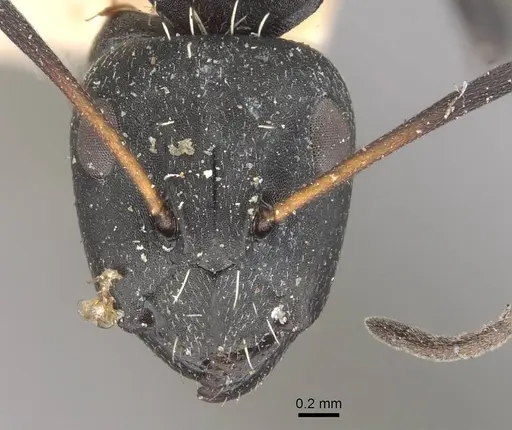
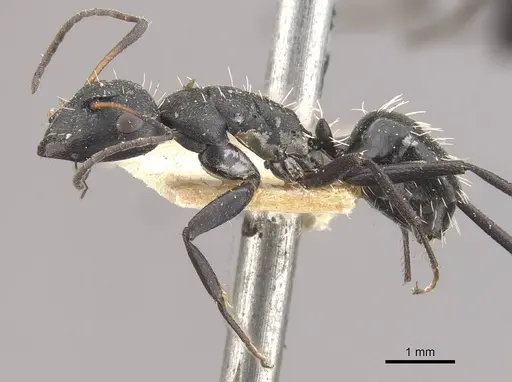
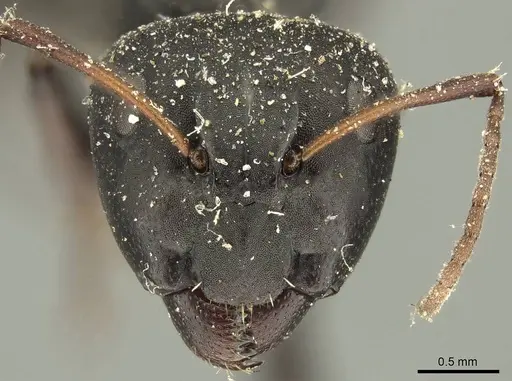
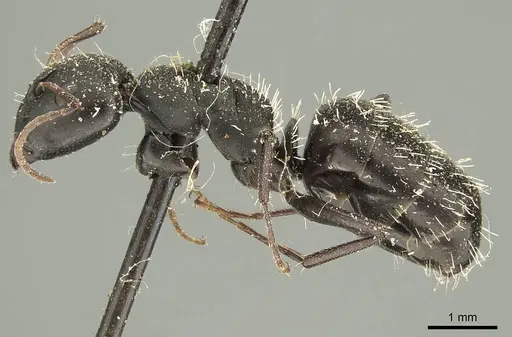
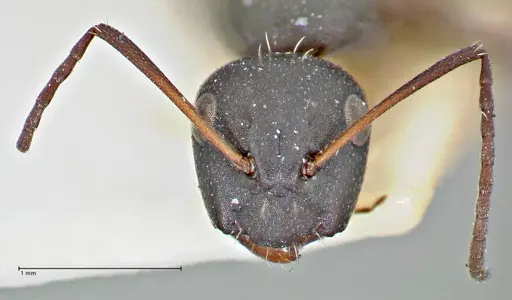
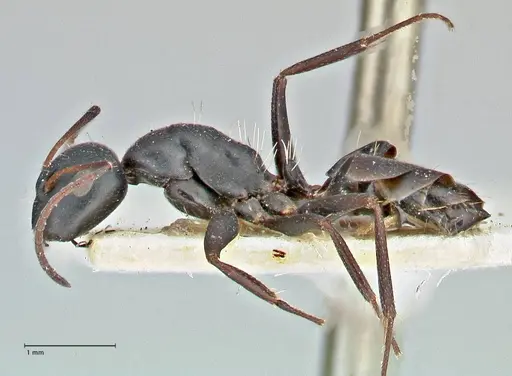
Camponotus niveosetosus is a medium-sized carpenter ant native to southern and eastern Africa, including South Africa, Botswana, Namibia, Kenya, Tanzania, and Madagascar. Workers have a distinctive pale or yellowish pubescence on their dark body, giving them a frosted appearance. This species belongs to the Camponotus niveosetosus species group and is known for its role as a seed-dispersing ant in African ecosystems - they are myrmecochorous, meaning they collect and disperse seeds, playing an important ecological role in their native habitats . This ant is also the obligate host for several species of Lepidochrysops butterflies; the butterfly larvae chemically mimic ant brood to be tended and carried into the nest .
Quick Summary
- Difficulty: Easy
- Origin & Habitat: Native to southern and eastern Africa, including South Africa, Botswana, Namibia, Kenya, Tanzania, and Madagascar. Found in fynbos vegetation, savanna, and grassland habitats. In the Cape Floristic Region of South Africa, they occur at altitudes from 1300-1700m in various fynbos types including Strandveld, Restioid Fynbos, Proteoid Fynbos, Ericaceous Fynbos, and Alpine Fynbos [1]. Also found in unburned grassland in Madagascar [4].
- Colony Type: Likely monogyne, single queen colonies based on typical Camponotus patterns.
- Size & Growth:
- Queen: ~15-18mm, inferred from Camponotus genus patterns
- Worker: ~5-12mm, major and minor workers, inferred from Camponotus genus patterns
- Colony: Up to several thousand workers (estimated for mature colonies)
- Growth: Moderate, typical for Camponotus, first workers appear in 6-8 weeks
- Development: 6-8 weeks at optimal temperature (estimated from genus-level Camponotus data) (Development is temperature-dependent, warmer conditions within safe range accelerate development. Nanitic workers are smaller than mature major workers.)
- Antkeeping:
- Temperature: Keep at 24-28°C. This species comes from warm African habitats but can tolerate slightly cooler room temperatures. A heating cable on one side of the nest creates a gradient allowing ants to self-regulate [1].
- Humidity: Keep on the drier side, they prefer drier conditions typical of savanna and fynbos habitats. Allow the nest substrate to dry between waterings. Avoid overly damp conditions.
- Diapause: Not required, as an African species from relatively warm climates, they do not need true hibernation. However, activity may slow during cooler winter months if your room temperature drops.
- Nesting: Use a standard formicarium or test tube setup. In nature they nest in soil and decaying wood. Y-tong (AAC), plaster, or acrylic nests work well. Provide a dark nesting chamber as they prefer dim conditions.
- Behavior: Generally docile and non-aggressive toward keepers. Like most carpenter ants, they are primarily nocturnal foragers. Workers are moderate climbers but not particularly prone to escaping if given proper barriers. They play an important ecological role as seed dispersers and butterfly hosts. As a Formicinae ant, they lack a functional sting, they bite and spray formic acid from their acidopore if provoked, though this is not considered dangerous [2].
- Common Issues: queen mortality during founding, claustral queens sometimes fail if disturbed or if conditions are unstable, mold in nests if humidity is too high, they prefer drier conditions, slow initial growth can lead to overfeeding, resist the urge to overfeed founding colonies, escape prevention, use fluon on test tube rims and formicarium edges, invasive ant competition, keep away from Argentine ants and other invasive species
Housing and Nest Setup
Camponotus niveosetosus adapts well to standard ant-keeping setups. For founding colonies, a simple test tube setup works excellently, fill a test tube one-third with water, push a cotton ball to create a water reservoir, then add a second cotton ball to create a dry chamber for the queen. Cover the tube with a dark sleeve to simulate an underground chamber. Once the colony reaches 20-30 workers, you can move them to a formicarium. Y-tong (AAC) nests, plaster nests, or acrylic nests all work well. Provide a connection to an outworld (foraging area) so workers can venture out for food. Ensure escape prevention is in place, use fluon on edges and tight-fitting lids. These ants prefer dim nesting conditions, so cover the nest with a dark cloth or use a nest with covered chambers.
Feeding and Diet
Like other carpenter ants, C. niveosetosus is omnivorous. They accept sugar sources readily, offer sugar water, honey, or diluted maple syrup. For protein, provide insects such as mealworms, crickets, fruit flies, or other small invertebrates. In the wild, they forage for nectar, honeydew, and insects. They are also seed-dispersers (myrmecochorous), so they may interact with seeds in captivity, this is normal behavior and actually beneficial if you want them to help with seed propagation. Feed the colony 2-3 times per week, offering a small amount of protein and keeping sugar water available constantly. Remove uneaten prey after 24 hours to prevent mold. [1]
Temperature and Seasonal Care
Maintain temperatures between 24-28°C for optimal colony growth and development. This species originates from warm African habitats and thrives in these conditions. Room temperature is often sufficient if your home stays above 22°C, but a small heating cable placed on one side of the nest can help if needed. Place the heating on top of the nest material, not underneath, to avoid excessive drying. Unlike temperate species, they do not require a true diapause or hibernation period. However, if your room temperature drops significantly in winter, you may notice reduced activity, this is normal and they will become active again when warmed. Avoid temperatures above 32°C or below 18°C for extended periods. [1][4]
Behavior and Colony Dynamics
This is a docile species that rarely bites or sprays formic acid unless severely provoked. Workers are primarily nocturnal, becoming more active in the evening and night hours. Major workers (larger ants) develop as the colony grows and are specialized for defense and seed processing. The colony will establish a queen chamber where the queen remains after founding, laying eggs and tending to the first brood. Workers handle all foraging, brood care, and nest maintenance. As a myrmecochorous species, you may observe workers collecting and carrying seeds, this is beneficial ecological behavior. They also have a mutualism with lycaenid butterflies in the wild, tending butterfly larvae in exchange for sugary secretions [2][3]. In captivity, they display typical Camponotus behaviors: creating galleries, foraging for food, and tending brood.
Growth and Development
After the claustral queen lays her first eggs, development from egg to worker takes approximately 6-8 weeks at optimal temperature (24-28°C). The first workers, called nanitics, are smaller than mature workers and help the colony expand. The queen stops foraging entirely once sealed in and relies on fat reserves, this is why a well-fed queen before founding improves success rates. As the colony grows, more workers emerge and begin foraging. Major workers develop later and assist with heavier tasks like seed processing and colony defense. A healthy colony can reach several hundred workers within a year or two, with mature colonies potentially reaching several thousand. Growth rate is moderate, faster than some slow-growing Camponotus but not as rapid as some tropical species.
Ecological Importance
Camponotus niveosetosus plays a significant ecological role in its native African habitats. As a myrmecochorous species, it helps disperse seeds by carrying them to nest sites, contributing to plant community dynamics [1]. It also serves as the obligate host ant for several species of Lepidochrysops butterflies, a relationship called myrmecophily. The butterfly larvae produce chemicals that mimic ant brood pheromones, causing the ants to tend them as if they were their own larvae [2][3]. Studies show that worker ants investigate butterfly larvae by touching them with their antennae, then carry them to the nest, the larvae even roll up to facilitate being carried. This chemical mimicry is so precise that the ants cannot distinguish the butterfly larvae from their own brood [3]. Observing this behavior in captivity is unlikely but represents one of the most sophisticated ant-butterfly relationships in nature.
Frequently Asked Questions
How long does it take for Camponotus niveosetosus to raise first workers?
First workers (nanitics) typically appear in 6-8 weeks after the queen lays eggs, assuming temperatures are maintained at 24-28°C. This is typical for Camponotus species. The queen seals herself in and does not forage during this time, relying on stored fat reserves.
Do Camponotus niveosetosus ants need hibernation?
No, they do not require true hibernation. As an African species from warm climates, they remain active year-round if kept warm. You may notice reduced activity in cooler winter months, but this is not a diapause requirement.
What do Camponotus niveosetosus eat?
They are omnivorous. Offer sugar water, honey, or maple syrup continuously for energy. For protein, feed insects like mealworms, crickets, or fruit flies 2-3 times per week. They also collect seeds in the wild as part of their myrmecochorous role.
Are Camponotus niveosetosus good for beginners?
Yes, this is a good beginner species. They are docile, adaptable to various nest setups, and relatively forgiving of minor care mistakes. Their moderate size makes them easy to observe, and their interesting behaviors (foraging, brood care) are engaging for new antkeepers.
How big do Camponotus niveosetosus colonies get?
Mature colonies can reach several thousand workers. Growth is moderate, expect the colony to reach several dozen workers in the first few months and several hundred within a year or two under good conditions.
What temperature is best for Camponotus niveosetosus?
Keep them at 24-28°C. This warm African species thrives in these conditions. Room temperature is often sufficient, but a small heating cable can help if your home runs cooler. Avoid temperatures below 18°C or above 32°C.
Can I keep multiple Camponotus niveosetosus queens together?
This species is likely monogyne (single-queen) based on typical Camponotus patterns. It is best to start colonies with one queen. Introducing additional queens will likely result in fighting.
When should I move my colony to a formicarium?
Move from test tube to formicarium once the colony reaches 20-30 workers. The key indicator is when the test tube becomes crowded or the water reservoir runs low. Make sure the formicarium has appropriate humidity and a connection to an outworld.
Why are my Camponotus niveosetosus dying?
Common causes include: queen death during founding (often due to disturbance), mold from excessive humidity, temperatures too cold or too hot, and overfeeding leading to mold. Ensure proper humidity (keep on drier side), stable temperatures (24-28°C), and avoid disturbing founding queens.
Report an Issue
The current care sheet is based fully on literature. See inconsistencies, or something that's incorrect? Please , it will be resolved after review from an admin. Contributing to the blogs tab also helps providing information, to make us be able to further improve the caresheets. Thank you for your support!
References

This caresheet is licensed under CC BY-SA 4.0 .
Community Blogs
CASENT0170567
View on AntWeb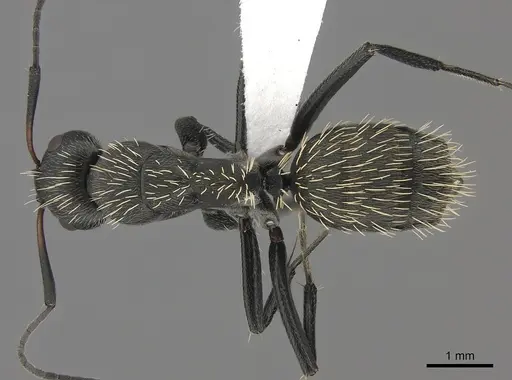
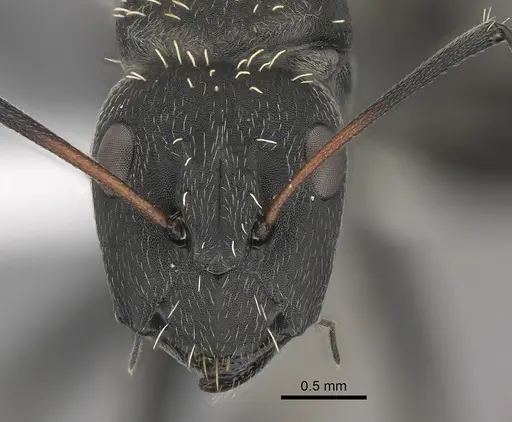
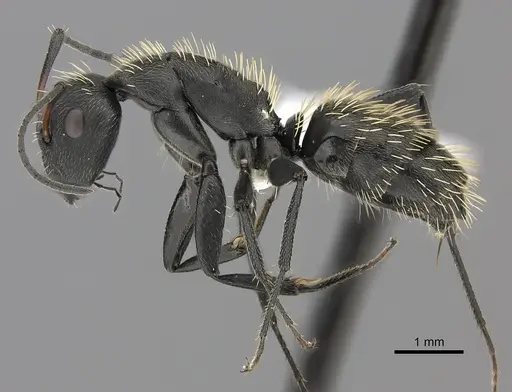
CASENT0172792
View on AntWeb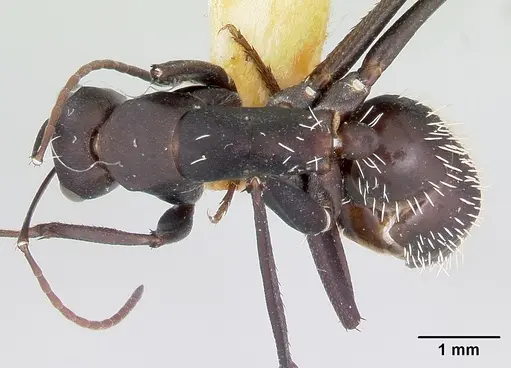
CASENT0235226
View on AntWeb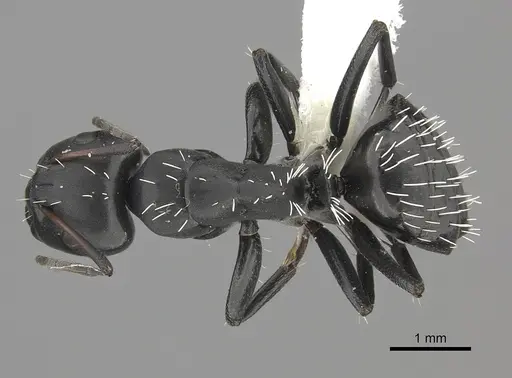
CASENT0235227
View on AntWeb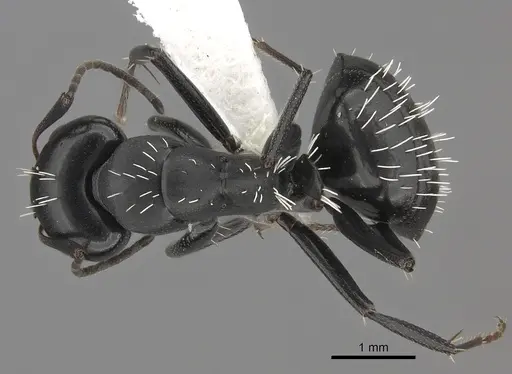
CASENT0235834
View on AntWeb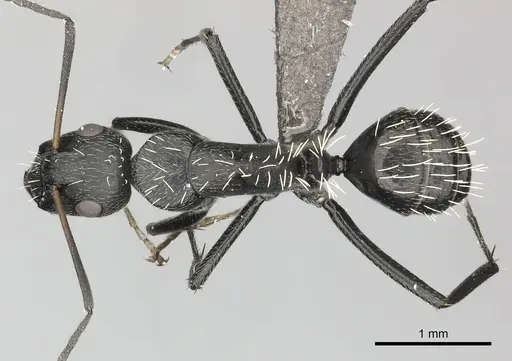
CASENT0280308
View on AntWeb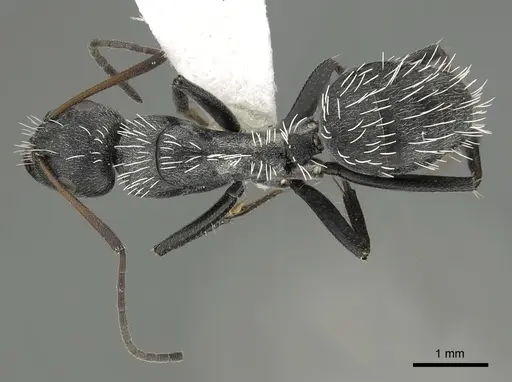
CASENT0813051
View on AntWeb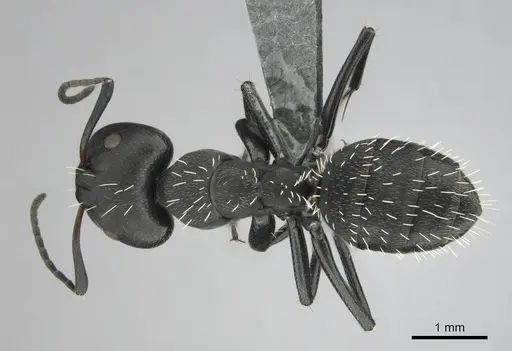
CASENT0813052
View on AntWeb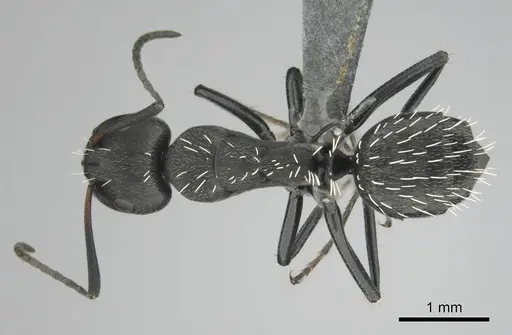
CASENT0813053
View on AntWeb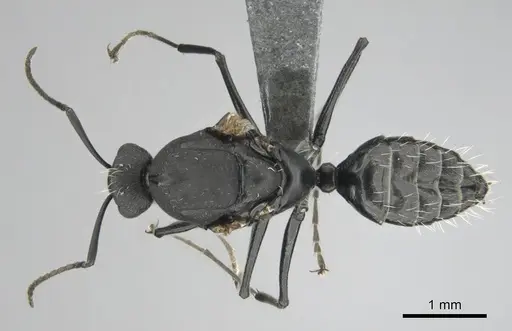
CASENT0813054
View on AntWeb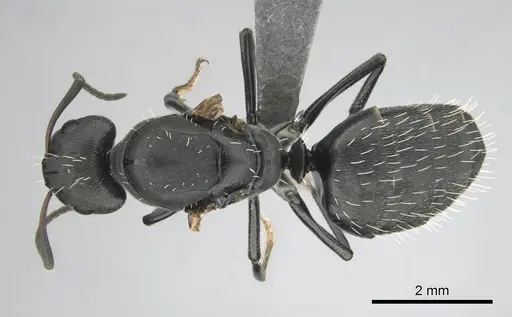
CASENT0910456
View on AntWeb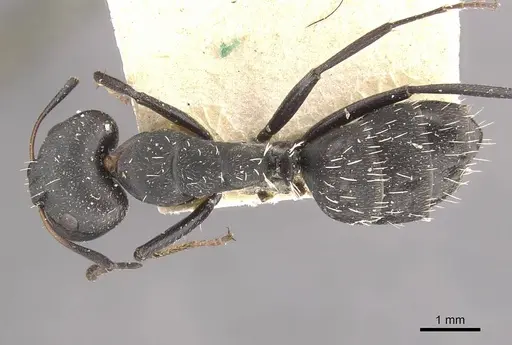
CASENT0910457
View on AntWeb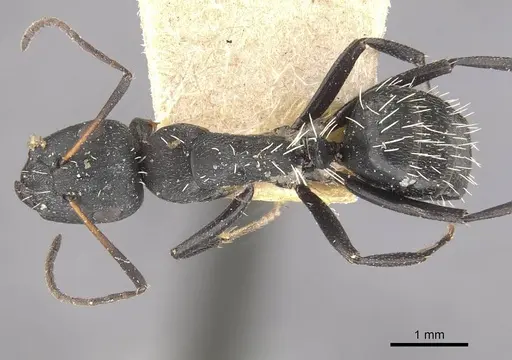
CASENT0915602
View on AntWeb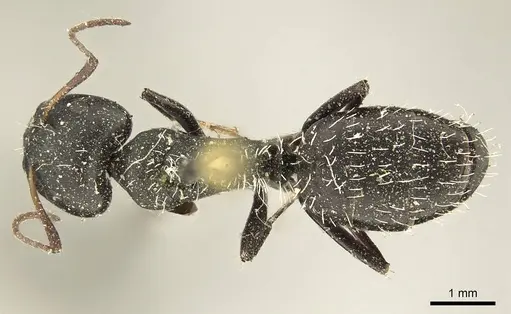
FOCOL2949
View on AntWeb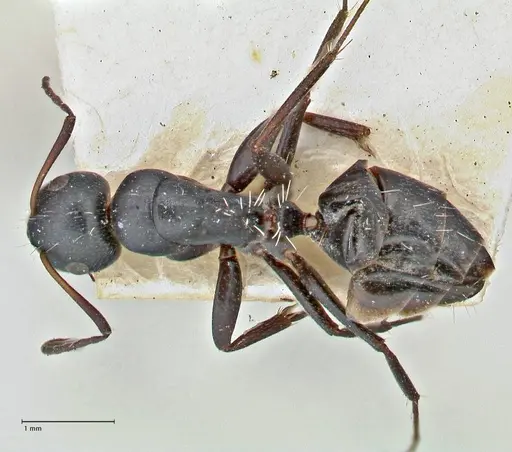
Literature
Loading distribution map...Loading products...