
Natal Sugar Ant
Camponotus natalensis
- Sci. Name
- Camponotus natalensis
- Subgenus
- Tanaemyrmex
- Tribe
- Camponotini
- Subfamily
- Formicinae
- Author
- Smith, 1858
- Common Name
- Natal Sugar Ant
- Distribution
- Found in 1 countries
Introduction
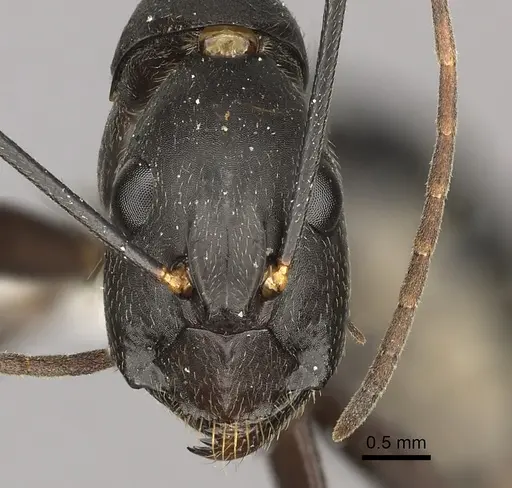
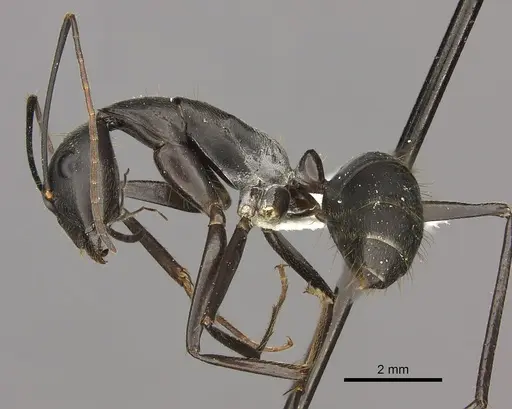
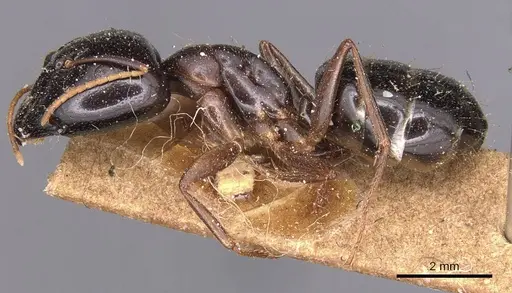
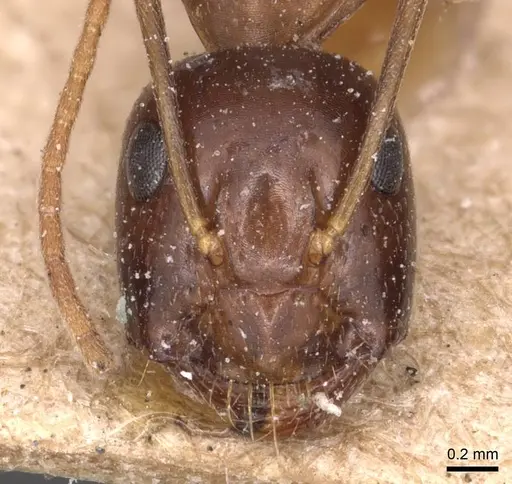
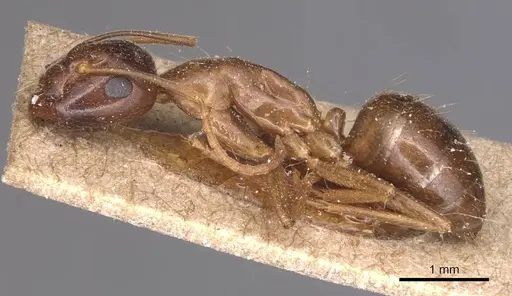
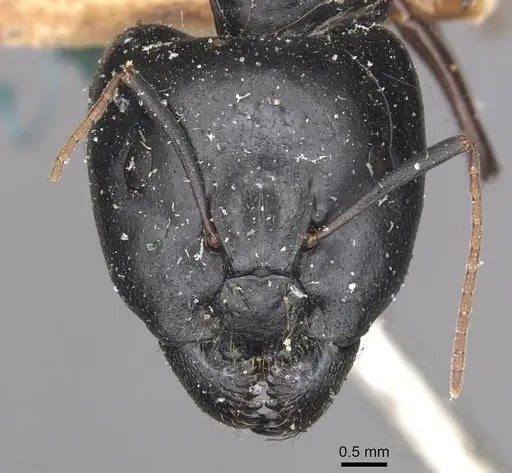
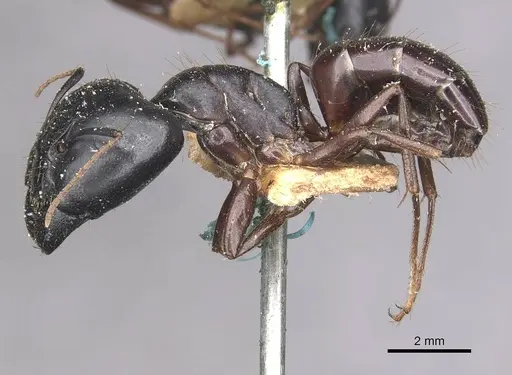
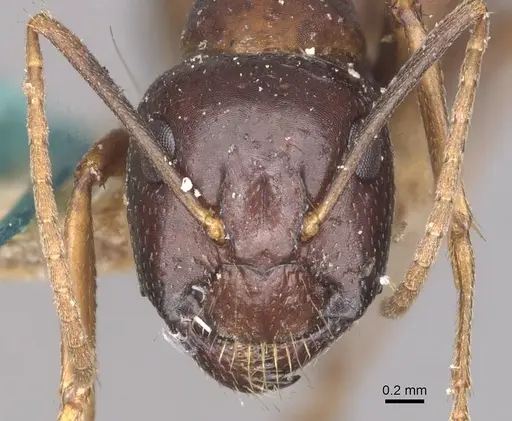
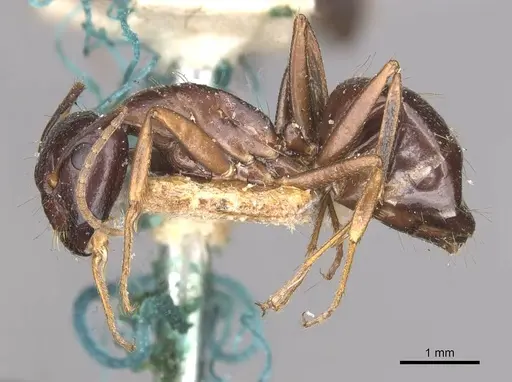
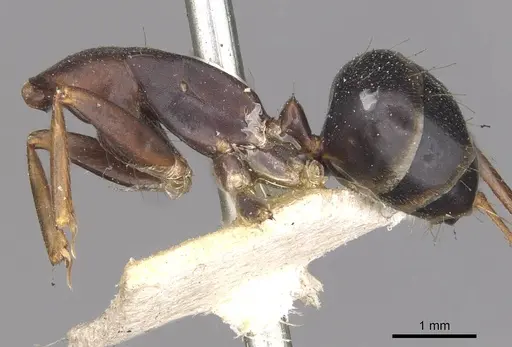
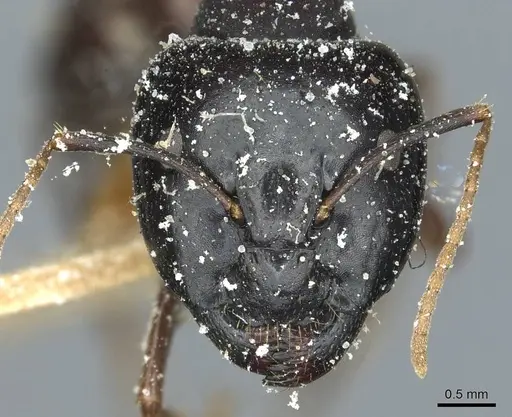
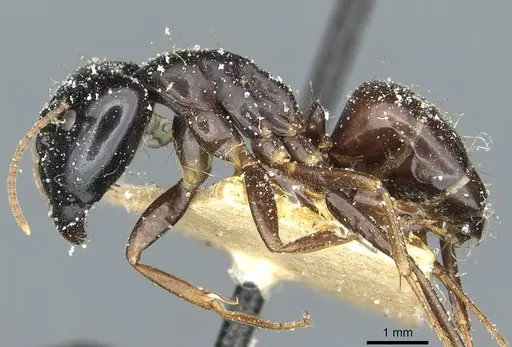
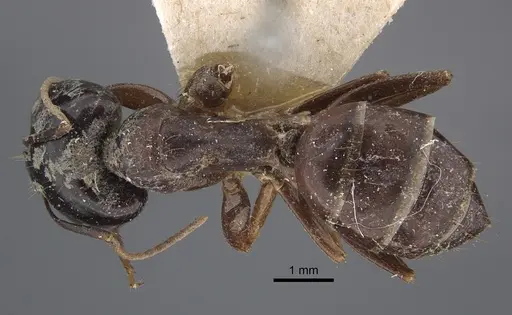
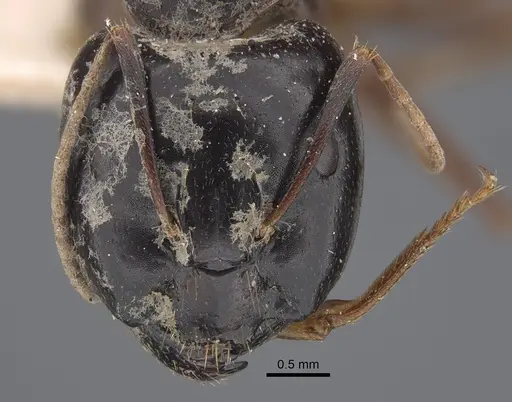
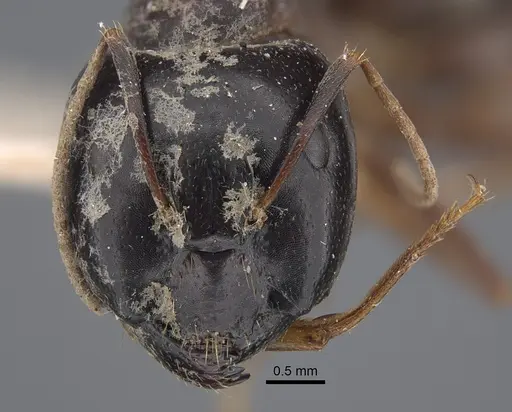
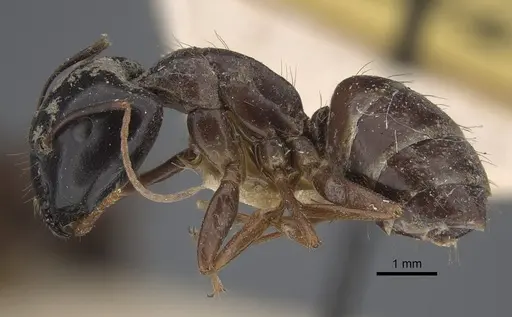
Camponotus natalensis is a large carpenter ant species native to southern Africa, found across South Africa, Lesotho, and Zimbabwe. Workers come in two sizes: major workers reach about 12-13mm while minor workers are around 10-11mm, and queens can reach 15-17mm . These ants nest in old decaying trees and rotting wood, which is typical behavior for Camponotus species . The species has several subspecies including C. n. corvus, C. n. diabolus, C. n. fulvipes, and C. n. politiceps . What makes C. natalensis particularly interesting is its role as an obligate ant-associate of the butterfly Orachrysops ariadne. The butterfly larvae are found in soil beneath their food plant at depths up to 10cm, always attended by these ants . This mutualistic relationship means the ants protect the butterfly larvae in exchange for honeydew, demonstrating how deeply integrated these ants are in their local ecosystem.
Quick Summary
- Difficulty: Easy
- Origin & Habitat: Native to the Afrotropical region, specifically South Africa (including Port Natal/Durban), Lesotho, and Zimbabwe. They nest in old decaying trees and rotting wood in grassland and forest habitats [1][4][5].
- Colony Type: Single-queen colonies (monogyne). This follows typical Camponotus colony structure where one queen establishes and heads the colony.
- Size & Growth:
- Queen: 15-17mm [1]
- Worker: Major workers: 12-13mm, Minor workers: 10-11mm [1]
- Colony: Colony size is unconfirmed but typical for southern African Camponotus species, likely reaches several thousand workers over several years.
- Growth: Moderate, Camponotus species typically grow steadily but not rapidly
- Development: Development time is unconfirmed for this species. Based on typical Camponotus patterns, expect 6-10 weeks at warm temperatures. (Development time depends on temperature, warmer conditions within safe range will speed up development.)
- Antkeeping:
- Temperature: Keep nest area around 22-26°C. Southern African species can tolerate warmer conditions but avoid overheating. A heating cable on one side creates a gradient allowing ants to thermoregulate.
- Humidity: Moderate humidity around 50-70%. Keep nest substrate slightly moist but not waterlogged. Wood-nesting species prefer stable humidity rather than wet conditions.
- Diapause: Diapause requirements are unconfirmed for this species. Southern African ants may enter reduced activity during cooler winter months.
- Nesting: Best kept in wood-based nests, Y-tong (AAC), plaster nests, or naturalistic setups with rotting wood. They prefer to nest in material they can chew and tunnel through.
- Behavior: Generally calm and non-aggressive for a large ant species. Workers are moderate foragers and will search for protein and sugar sources. They do not sting, as Formicinae, they may bite and spray formic acid but pose minimal danger to keepers. Escape risk is moderate, their large size makes them easy to contain with standard barriers, but they can chew through some materials so use secure enclosures.
- Common Issues: colonies may slow significantly if temperatures drop below 20°C for extended periods, wood nests can dry out, monitor humidity and rehydrate substrate as needed, large colonies need expanding space, transfer to larger formicarium before they outgrow the nest, queen mortality during founding is common, ensure founding chamber is dark and undisturbed, escapees can climb smooth surfaces, use fluon or petroleum jelly on rim barriers
Nest Preferences and Housing
Camponotus natalensis is a wood-nesting species that naturally tunnels through decaying tree stumps and fallen logs. In captivity, they do well in Y-tong (AAC) nests, plaster nests with carved chambers, or naturalistic setups containing rotting wood pieces. The key is providing material they can chew and modify. Avoid smooth acrylic nests without texture, these ants need grip and material they can manipulate. For founding colonies, a simple test tube setup works well, but transfer to a proper nest once the colony reaches 15-20 workers. Ensure the nest has chambers scaled to colony size, too large spaces can stress small colonies. A humidity reservoir connected to the nest helps maintain stable moisture levels in the substrate. [1]
Feeding and Diet
Like most Camponotus species, C. natalensis is omnivorous. They accept sugar sources readily, offer sugar water, honey, or diluted maple syrup every few days. For protein, provide insects such as mealworms, crickets, or fly larvae. Feed protein 2-3 times per week depending on colony size. Remove uneaten prey after 24-48 hours to prevent mold. Larger colonies can handle bigger prey items while founding colonies need tiny pieces or very small insects. These ants are foragers rather than aggressive hunters, so place food near foraging zones. A varied diet promotes healthy colony development. [2]
Temperature and Seasonal Care
Maintain nest temperatures between 22-26°C for optimal brood development. Southern African origin means they prefer warmth but can tolerate room temperature in most homes. Use a heating cable or heat mat on one side of the nest to create a temperature gradient, this lets ants choose their preferred warmth level. During winter or cooler months, colonies may naturally slow down. Do not cool below 10°C or warm above 30°C.
Colony Growth and Development
A newly mated queen will seal herself in a chamber and lay eggs after feeding her first batch. First workers, called nanitics, are typically smaller than mature workers. After nanitics arrive, the queen is fed by workers. Colony growth is moderate, expect the first year to produce perhaps 20-50 workers. Growth accelerates in years two and three as the colony reaches several hundred workers. Maximum colony size likely reaches several thousand workers over several years. Be patient with young colonies, overfeeding or disturbing them frequently causes stress.
Behavior and Temperament
Camponotus natalensis is generally calm and manageable. Workers are not aggressive and these ants pose no sting threat to humans. They are primarily nocturnal foragers but will forage during daylight if food is available. Workers communicate through chemical trails and will recruit nestmates to good food sources. The species shows typical Camponotus behavior: they form well-organized colonies with distinct worker castes. Major workers (larger) often defend the nest and process tougher food items, while minors handle foraging and brood care. Their large size makes them easy to observe and handle during transfers. Standard escape prevention with fluon on rim barriers works well. [3]
Frequently Asked Questions
How long does it take for Camponotus natalensis to have first workers?
First workers (nanitics) typically emerge in 6-10 weeks after the queen lays eggs, assuming temperatures around 24-26°C. Cooler temperatures will slow development significantly.
Can I keep multiple Camponotus natalensis queens together?
No. This species is monogyne, single queen colonies. Combining unrelated queens will result in fighting. Only keep one queen per colony.
What do Camponotus natalensis eat?
They are omnivorous. Offer sugar water, honey, or maple syrup regularly. Feed protein like mealworms, crickets, or other insects 2-3 times per week. Remove uneaten food promptly.
What temperature is best for Camponotus natalensis?
Keep them at 22-26°C. A heating cable on one side of the nest creates a gradient. They can tolerate room temperature but grow best in warmth.
When should I move my colony to a formicarium?
Move from test tube to a proper nest once the colony reaches 15-30 workers. Wood-nesting species like Y-tong or plaster nests work well. Ensure the new nest has appropriately sized chambers.
Do Camponotus natalensis need hibernation?
Diapause requirements are unconfirmed for this species. Southern African ants may benefit from a cooler period in winter if the colony shows reduced activity.
How big do Camponotus natalensis colonies get?
Mature colonies likely reach several thousand workers over 3-5 years. Growth is moderate, the first year may produce 20-50 workers, with acceleration in subsequent years.
Why is my colony growing slowly?
Slow growth is often due to low temperatures, insufficient feeding, or stress from disturbance. Ensure temperatures are 22-26°C, offer varied protein regularly, and minimize nest disturbances.
Are Camponotus natalensis good for beginners?
Yes, they are beginner-friendly. Their large size makes them easy to handle, they are docile, and their care requirements are straightforward. They are an excellent first Camponotus species.
Report an Issue
The current care sheet is based fully on literature. See inconsistencies, or something that's incorrect? Please , it will be resolved after review from an admin. Contributing to the blogs tab also helps providing information, to make us be able to further improve the caresheets. Thank you for your support!
References

This caresheet is licensed under CC BY-SA 4.0 .
Community Blogs
CASENT0235237
View on AntWeb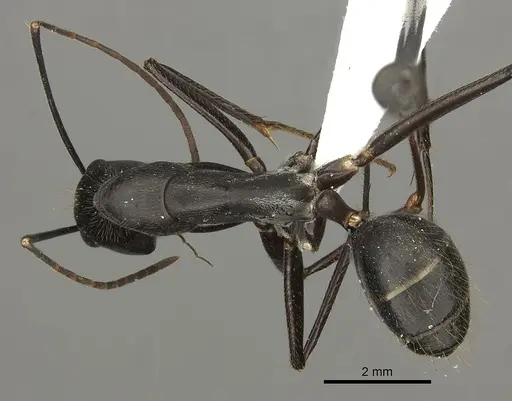
CASENT0903521
View on AntWeb
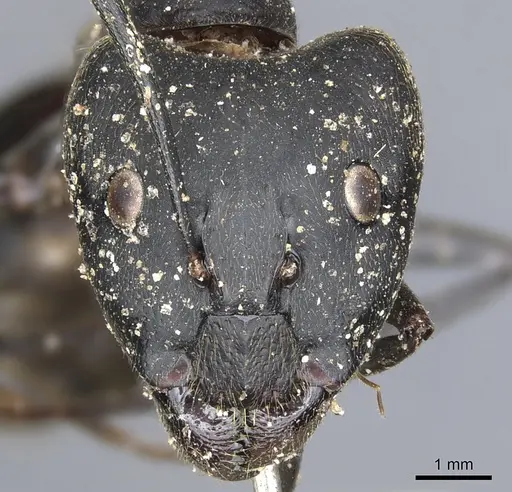
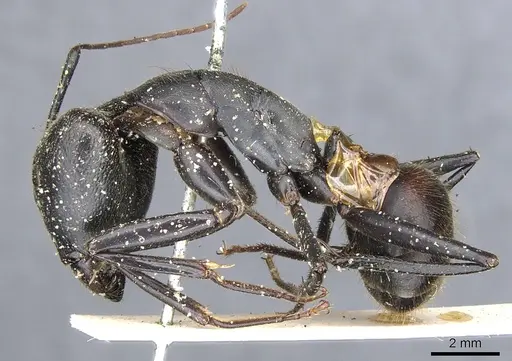
CASENT0905229
View on AntWeb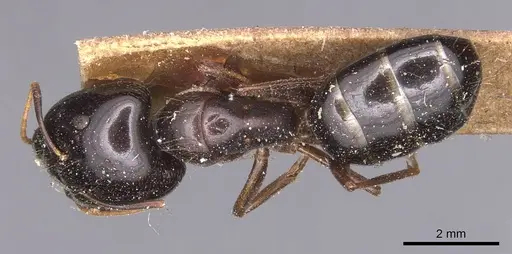
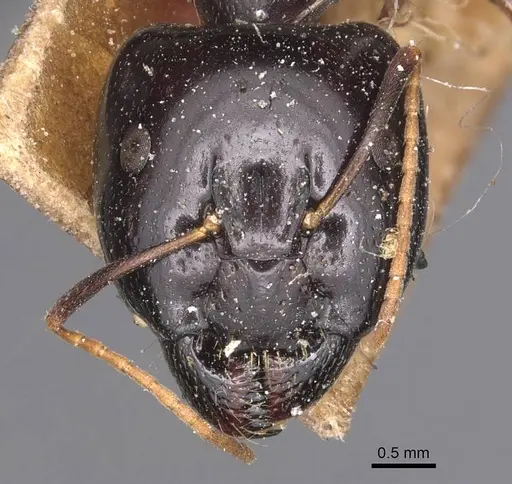
CASENT0905230
View on AntWeb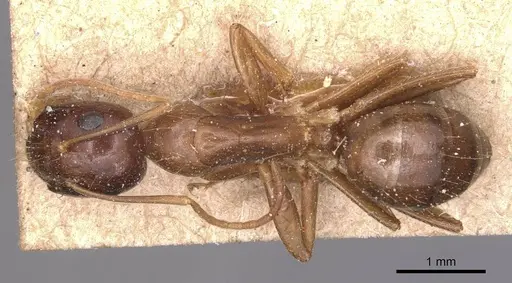
CASENT0910301
View on AntWeb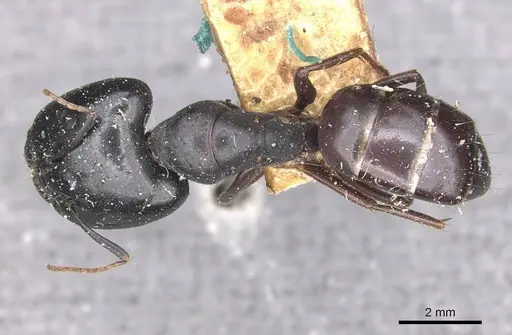
CASENT0910302
View on AntWeb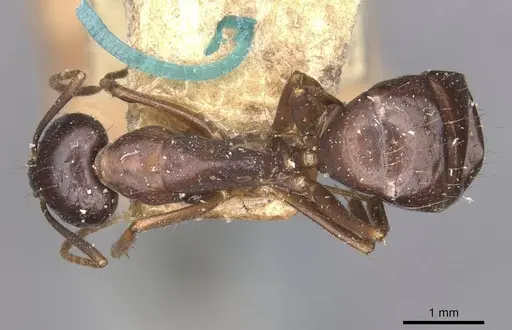
CASENT0910303
View on AntWeb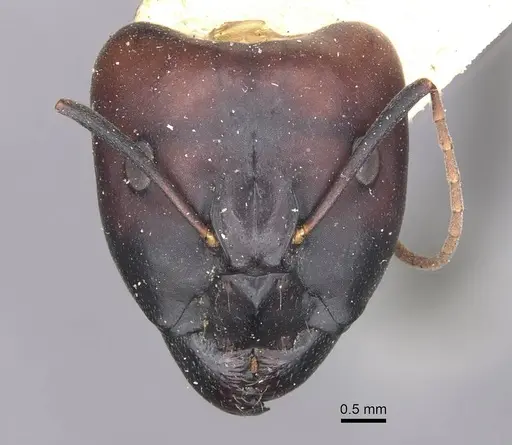
CASENT0910304
View on AntWeb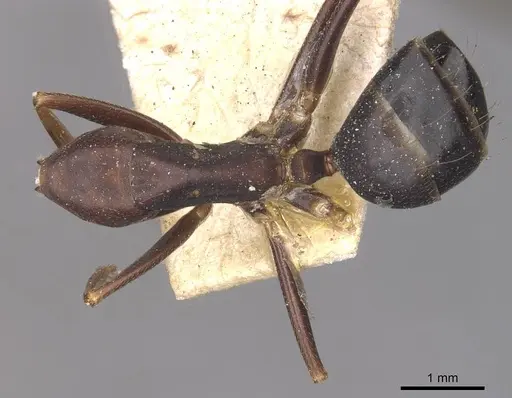
CASENT0912011
View on AntWeb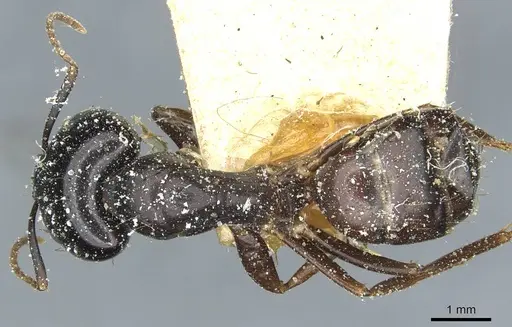
CASENT0912012
View on AntWeb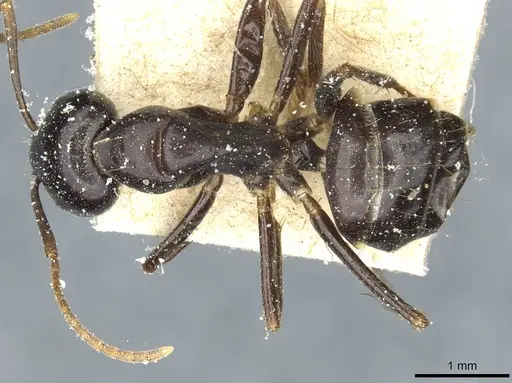
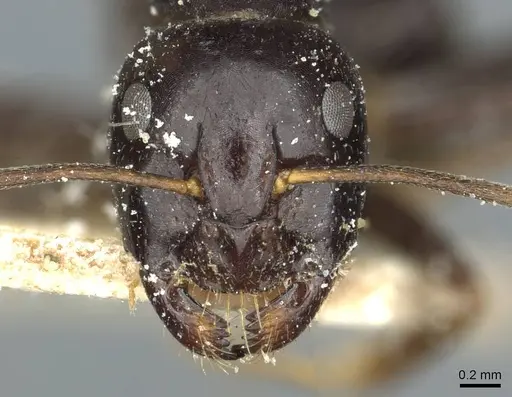
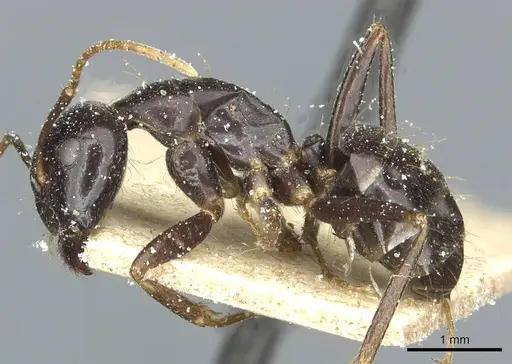
CASENT0917855
View on AntWeb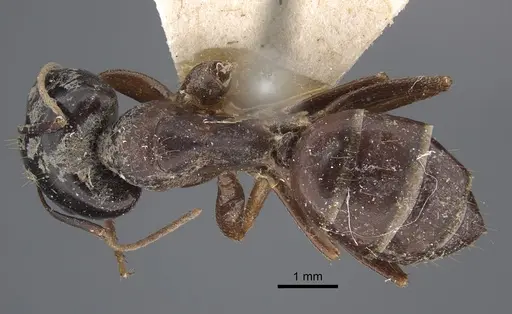
Literature
Loading distribution map...Loading products...