
Camponotus nasicus
- Sci. Name
- Camponotus nasicus
- Subgenus
- Tanaemyrmex
- Tribe
- Camponotini
- Subfamily
- Formicinae
- Author
- Forel, 1891
- Distribution
- Found in 1 countries
Introduction
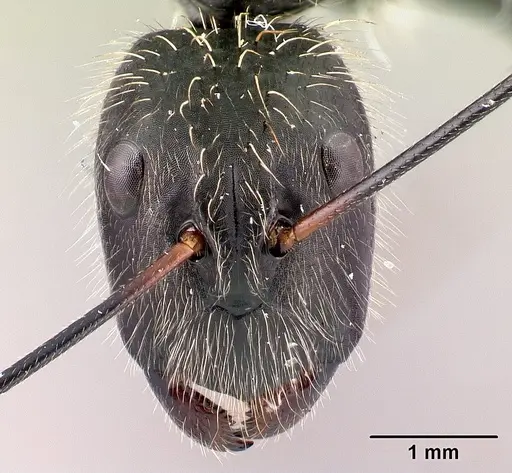
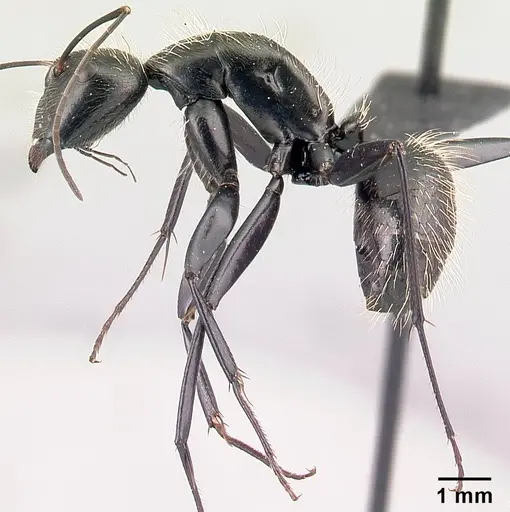
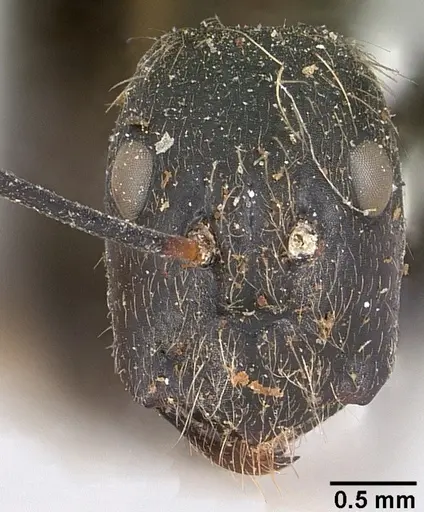
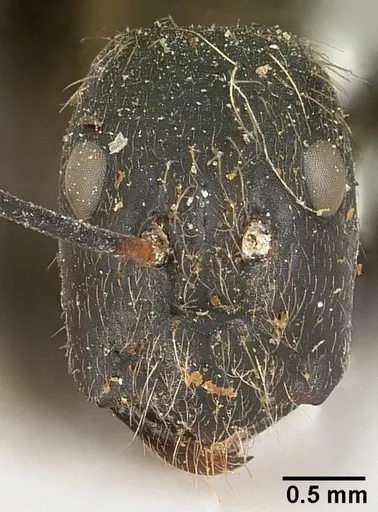
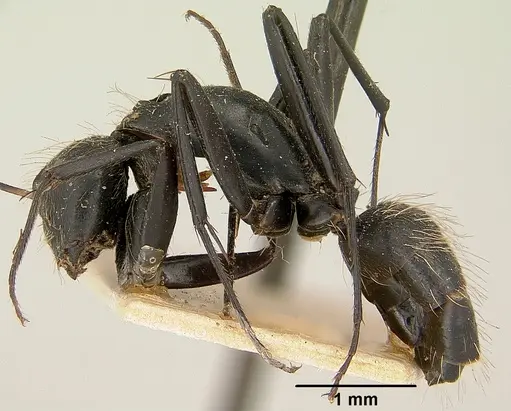
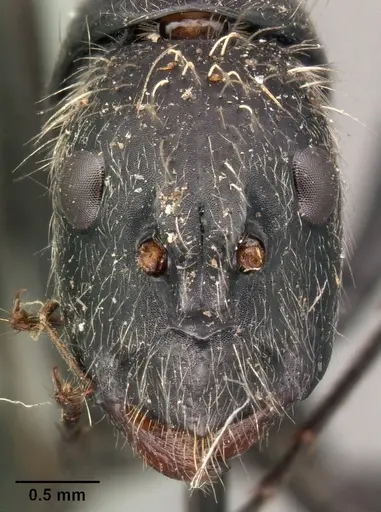
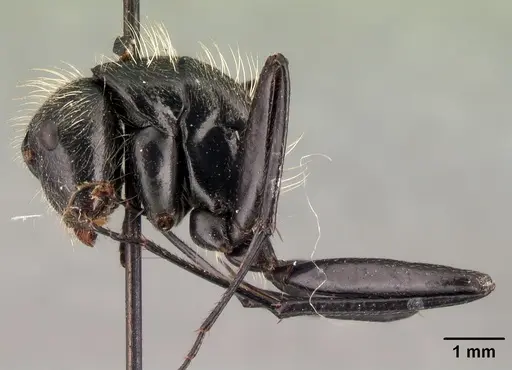
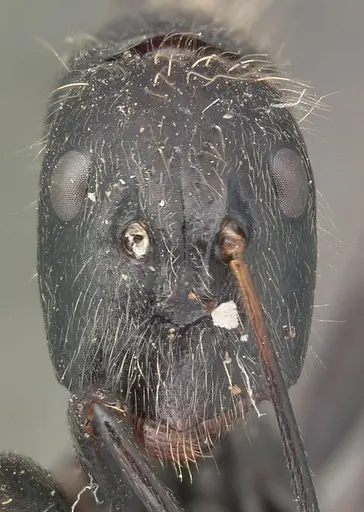
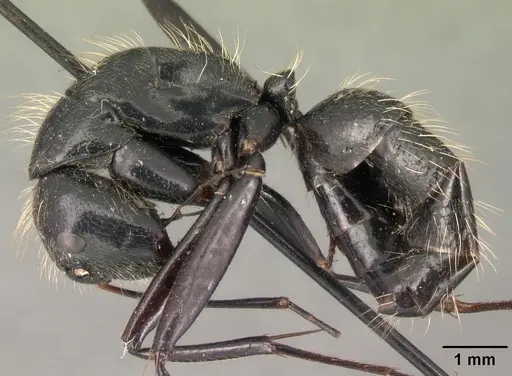
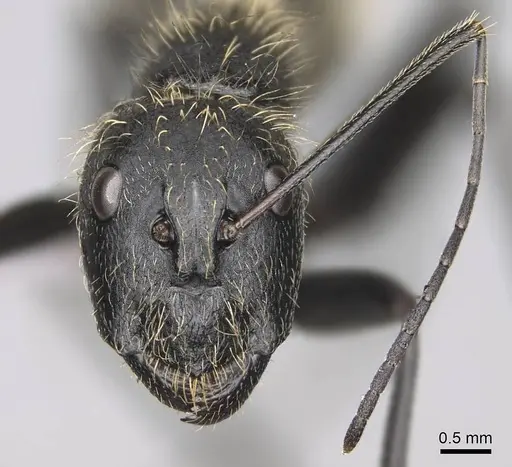
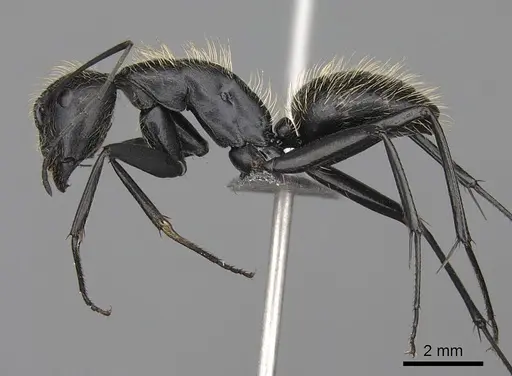
Camponotus nasicus is a carpenter ant species endemic to Madagascar. The species was originally described as Camponotus nasica by Forel in 1891 and belongs to the subfamily Formicinae. Workers display the typical Camponotus body morphology with a rounded thorax and distinct waist. Coloration is generally dark brown to black with lighter yellowish or reddish tones on the abdomen, though exact coloration can vary . This species is notable for being a high-elevation Madagascar endemic, found only in the Réserve Spéciale d'Anjanaharibe-Sud at elevations around 1200-1280 meters . This is unusual as most Madagascar ants are found at lower elevations, making C. nasicus a specialty species for those interested in highland Malagasy fauna.
Quick Summary
- Difficulty: Medium
- Origin & Habitat: Endemic to Madagascar, found exclusively in highland areas at elevations of 1200-1280 meters in the Réserve Spéciale d'Anjanaharibe-Sud [2]. Type locality is Fianarantsoa in the Betsileo region [1]. This is a high-elevation tropical habitat with cooler temperatures than lowland Madagascar.
- Colony Type: Colony structure is unconfirmed for this specific species. Based on typical Camponotus patterns, likely monogyne (single queen) colonies.
- Size & Growth:
- Queen: size data unavailable, inferred from Camponotus genus as medium-sized carpenter ant (~12-15mm)
- Worker: size data unavailable, inferred from Camponotus genus (~6-10mm)
- Colony: Likely moderate to large colonies based on typical Camponotus development patterns
- Growth: Moderate
- Development: 6-10 weeks at optimal temperature, based on typical Camponotus development (Development time varies with temperature. Higher temperatures within safe range accelerate development.)
- Antkeeping:
- Temperature: Keep at 20-24°C, leaning toward the cooler end. This species comes from high elevations (1200m+) in Madagascar where temperatures are cooler than typical tropical ant habitats [2]. Avoid overheating, do not exceed 28°C.
- Humidity: Moderate to high humidity. High elevation Madagascar habitats experience seasonal moisture. Keep the nest substrate consistently moist but not waterlogged. Provide a water source like a test tube water reservoir.
- Diapause: Likely yes, many Madagascar ants from high elevations experience seasonal temperature drops. Provide a winter rest period of 2-3 months at 15-18°C during the cooler months.
- Nesting: Based on typical Camponotus preferences: rotting wood, hollow twigs, or under bark. In captivity, Y-tong (AAC) nests or plaster nests work well. They prefer dark, secure nesting sites. Avoid direct light on the nest area.
- Behavior: Generally calm and non-aggressive for a Camponotus species. Workers are active foragers, primarily at night (nocturnal tendency common in tropical ants). They are not particularly defensive and rarely sting. Escape risk is moderate, these are medium-sized ants but can squeeze through small gaps. Ensure standard escape prevention with smooth barriers like fluon.
- Common Issues: high elevation origin means they prefer cooler temperatures, overheating is a common mistake, limited distribution data means colony structure is not well documented, humidity balance is critical, too dry causes brood death, too wet causes mold, slow founding phase is normal, Camponotus queens take time to establish, do not disturb prematurely, escape prevention needed despite medium size, workers can fit through small gaps
Housing and Nest Setup
Camponotus nasicus does well in several nest types, with Y-tong (acrylic) nests being the most practical for observation. Plaster nests or wooden formicaria also work well, mimicking their natural preference for rotting wood cavities. The nest should be dark, these ants prefer dim conditions and will often avoid brightly lit nest areas. Provide a test tube water reservoir attached to the nest for humidity. For the outworld, use a simple setup with a foraging area and protein food offered 2-3 times weekly. A small dish of sugar water should always be available. Because they come from high elevations, avoid placing the colony in direct sunlight or near heat sources that would raise temperatures above their preferred range. [2]
Feeding and Nutrition
As with most Camponotus species, C. nasicus is omnivorous. They readily accept sugar sources, a constant supply of honey water or sugar water is essential. For protein, offer small insects like fruit flies, small crickets, or mealworms. Feed protein 2-3 times per week, adjusting based on colony size and consumption. Remove uneaten prey after 24-48 hours to prevent mold. In the wild, these ants likely forage for nectar and honeydew from aphids or scale insects, so sugar sources closely mimic their natural diet. Workers are nocturnal foragers, so offer food in the evening and check the next morning.
Temperature and Seasonal Care
Temperature management is crucial for this high-elevation species. Keep the colony at 20-24°C, with 20-22°C being ideal. This is cooler than many tropical ants require, reflecting their Madagascar highland origin. During the warmer months (spring/summer), room temperature is usually sufficient. In winter, provide a rest period at 15-18°C for 2-3 months. This mimics the seasonal temperature drops they would experience at 1200m+ elevation in Madagascar. Reduce feeding during the winter rest period but ensure water is always available. Avoid temperatures above 28°C, as overheating can kill the colony. [2]
Colony Founding and Development
Queen founding follows the typical Camponotus claustral pattern, the queen seals herself in a small chamber and does not leave to forage during the founding phase. She relies entirely on stored fat reserves to survive and raise the first brood. This process takes 6-10 weeks under optimal conditions before the first workers (nanitics) emerge. Nanitics are typically smaller than normal workers but will help the colony expand. Do not disturb the founding chamber during this time, vibration and light can cause queens to abandon or eat their brood. Once workers emerge, the colony can be transitioned to normal feeding schedules. Growth is moderate, expect several months to reach 20-30 workers, with larger colonies developing over 1-2 years.
Behavior and Temperament
Camponotus nasicus has a calm temperament typical of most carpenter ants. Workers are not particularly aggressive and rarely attempt to sting. They are primarily nocturnal, with foraging activity increasing during evening and night hours. Workers communicate using chemical trails and will recruit nestmates to good food sources. The colony will establish defined foraging patterns once established. Escape prevention is important, while not the smallest ants, they can still squeeze through small gaps. Apply fluon or similar barriers to the outworld rim. These ants are not skittish and can be observed during their foraging activities without excessive disturbance.
Frequently Asked Questions
How long does it take for Camponotus nasicus to have first workers?
Expect 6-10 weeks from egg to first worker at optimal temperature (20-24°C). This is typical for Camponotus species. The queen will remain sealed in her founding chamber during this time, do not disturb her.
What temperature do Camponotus nasicus ants need?
Keep them at 20-24°C, ideally around 20-22°C. This is cooler than many tropical ants because they come from high elevations (1200m+) in Madagascar. Avoid temperatures above 28°C.
Do Camponotus nasicus ants need hibernation?
Yes, a winter rest period is recommended. Provide 2-3 months at 15-18°C during winter months, reducing food but maintaining water availability. This mimics their natural seasonal cycle at high Madagascar elevations.
Are Camponotus nasicus good for beginners?
They are moderate difficulty, not the easiest but not challenging either. The main considerations are maintaining cooler temperatures and providing proper humidity. Their calm temperament makes them manageable.
What do Camponotus nasicus eat?
They are omnivorous. Provide constant access to sugar water or honey water. Feed protein (small insects like fruit flies, mealworms) 2-3 times weekly. Remove uneaten food after 24-48 hours.
How big do Camponotus nasicus colonies get?
Based on typical Camponotus patterns, colonies likely reach several hundred workers at maturity. Development takes 1-2 years to reach moderate size.
Can I keep multiple Camponotus nasicus queens together?
This has not been documented for this specific species. Based on typical Camponotus behavior, they are likely single-queen (monogyne) colonies. Combining unrelated queens is not recommended.
When should I move Camponotus nasicus to a formicarium?
Wait until the colony has at least 20-30 workers before moving to a formicarium. Test tubes work well for founding colonies. Moving too early can stress the queen and cause colony failure.
Where is Camponotus nasicus found in the wild?
Camponotus nasicus is endemic to Madagascar, specifically found at high elevations (1200-1280m) in the Réserve Spéciale d'Anjanaharibe-Sud and surrounding highland areas.
Report an Issue
The current care sheet is based fully on literature. See inconsistencies, or something that's incorrect? Please , it will be resolved after review from an admin. Contributing to the blogs tab also helps providing information, to make us be able to further improve the caresheets. Thank you for your support!
References

This caresheet is licensed under CC BY-SA 4.0 .
Community Blogs
CASENT0058877
View on AntWeb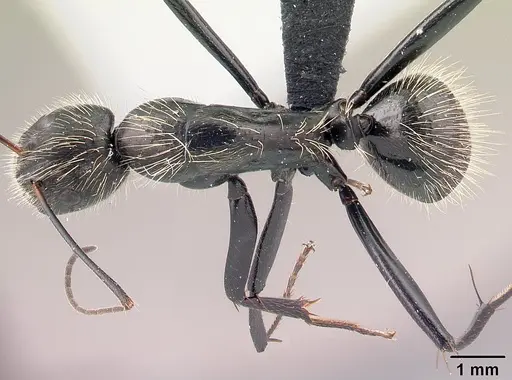
CASENT0101360
View on AntWeb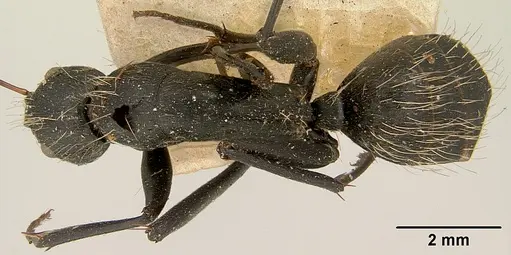
CASENT0101430
View on AntWeb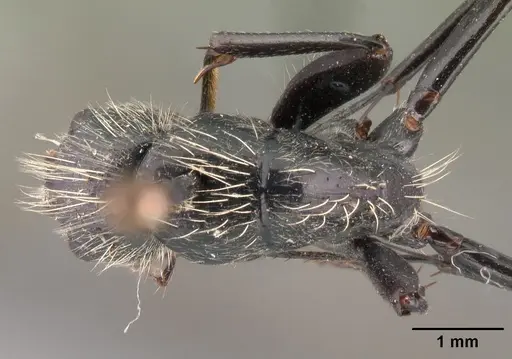
CASENT0101431
View on AntWeb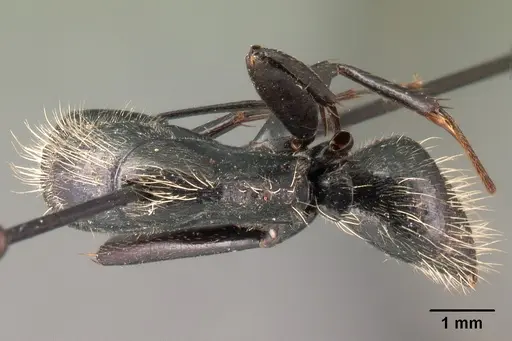
CASENT0840797
View on AntWeb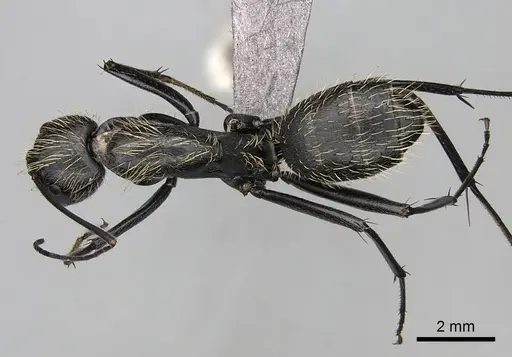
Literature
Loading distribution map...Loading products...