
Camponotus mozabensis
- Sci. Name
- Camponotus mozabensis
- Subgenus
- Myrmosericus
- Tribe
- Camponotini
- Subfamily
- Formicinae
- Author
- Emery, 1899
- Distribution
- Found in 2 countries
Introduction
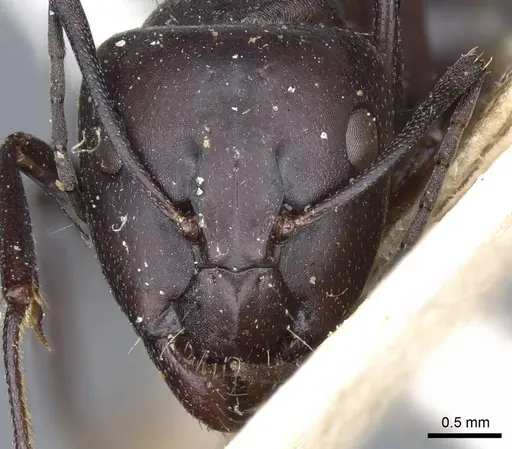
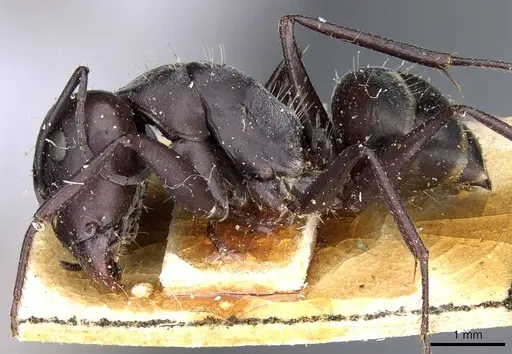
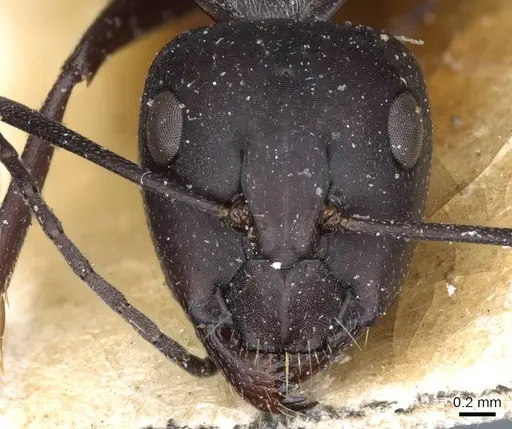
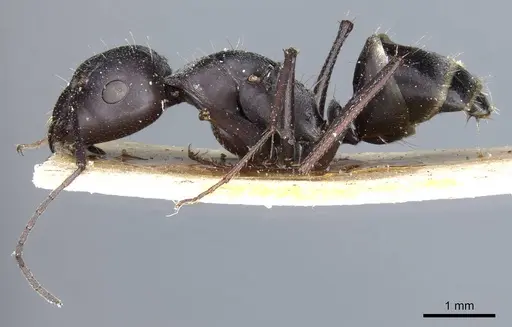
Camponotus mozabensis is a medium-sized carpenter ant native to desert and semi-arid regions of North Africa, specifically found in eastern Morocco and Algeria around Er Rachidia and Boudnib . Workers are polymorphic, meaning they come in different sizes - major workers are larger and handle heavier tasks while minor workers are more numerous and handle foraging and brood care. Like all Camponotus species, they lack a functional sting and instead defend by biting and spraying formic acid from their acidopore. This species is adapted to hot, dry conditions and likely nests in soil or under stones in its natural habitat.
Quick Summary
- Difficulty: Medium
- Origin & Habitat: Eastern Morocco and Algeria (Er Rachidia, Boudnib), desert and semi-arid regions near the Sahara border [1][2]. These areas experience very hot summers and mild winters with low humidity.
- Colony Type: Colony structure has not been directly studied for this species. Based on typical Camponotus patterns, likely single-queen colonies.
- Size & Growth:
- Queen: Size data unavailable, no specific measurements found in research literature. Inferred from typical Camponotus genus patterns (~12-16mm)
- Worker: Size data unavailable, no specific measurements found in research literature. Inferred from typical Camponotus genus patterns (major workers ~8-12mm, minor workers ~5-8mm)
- Colony: Colony size data unavailable for this species. Based on typical Camponotus patterns, likely reaches several thousand workers at maturity.
- Growth: Moderate, Camponotus species typically take 2-4 months to first workers, then grow steadily
- Development: Development timeline unconfirmed for this species. Based on typical Camponotus development, likely 6-10 weeks at optimal temperature. (Development time depends heavily on temperature, warmer conditions accelerate development. First workers (nanitics) are smaller than normal workers.)
- Antkeeping:
- Temperature: Keep nest area at 24-28°C. This species is adapted to hot conditions, so a heating cable on one side of the nest creates an ideal gradient. Avoid temperatures above 35°C.
- Humidity: Low to moderate, these are desert-adapted ants. Keep nest substrate moderately dry, with a small water tube for drinking. Avoid excessive moisture that could cause mold.
- Diapause: Winter diapause requirements are unconfirmed for this species. Based on the geographic range (temperate Morocco/Algeria), a cool period during winter months is likely beneficial.
- Nesting: Y-tong (AAC) nests work well for this species, or a plaster nest with low humidity zones. They may also accept test tube setups in the founding stage. Provide a dark nesting area.
- Behavior: Not well documented in captivity, but typical Camponotus behavior is expected, workers are generally non-aggressive, forage for sugar sources and protein, and can be active day and night. Escape risk is moderate due to their size, standard barriers like Fluon are usually sufficient. This species lacks a functional sting, defense is through biting and spraying formic acid.
- Common Issues: desert species is sensitive to excess humidity, keep nesting area dry to prevent mold, limited availability in the antkeeping hobby means captive husbandry is not well-established, growth rate is moderate, beginners may lose patience during the founding phase, hibernation requirements are not fully understood, monitor colony response to temperature changes, wild-caught colonies may carry parasites that can devastate captive colonies
Nest Preferences
In the wild, this species likely nests in soil or under stones in arid ground, as typical for desert-dwelling Camponotus in the region. For captivity, Y-tong (AAC) nests work well because they allow you to control humidity precisely, these ants prefer drier conditions than many other ants. Plaster nests are also suitable, especially if you can create a humidity gradient with some chambers more moist than others. During founding, a simple test tube setup with a cotton ball for water is sufficient. Avoid naturalistic setups with high moisture-retentive substrates, as this species is adapted to dry conditions and can develop mold problems in overly damp environments. [1][2]
Feeding and Diet
Like all Camponotus species, these ants are omnivorous. They need a constant sugar source, sugar water, honey, or diluted maple syrup works well. For protein, offer small insects like fruit flies, small mealworms, or crickets. Major workers can handle larger prey items. Feed protein 2-3 times per week, and keep sugar water available at all times. In the wild, they likely forage for honeydew from aphids and scale insects, plus dead insects. Avoid overfeeding, uneaten protein decays quickly and can cause mold issues in the nest. Remove any uneaten prey after 24 hours.
Temperature and Seasonal Care
This species is adapted to hot, arid conditions. Keep the nest area at 24-28°C during the active season, a small heating cable on one side of the nest creates a gradient that allows ants to regulate their temperature. During winter, a cool period may be beneficial given the temperate climate of their native range. Reduce temperatures to 10-15°C for 2-3 months if the colony shows signs of slowing down. Do not feed during any cool period, the colony will be largely inactive. In summer, normal room temperatures are usually acceptable, but they will be more active and develop faster with gentle warming. Avoid temperatures above 35°C, as this can stress or kill the colony.
Behavior and Colony Dynamics
Camponotus mozabensis is expected to show typical carpenter ant behavior, workers are generally calm and not prone to biting or spraying unless the nest is directly threatened. They are polymorphic, meaning you'll see both large major workers and smaller minor workers. Majors typically stay near the nest and help with processing food, while minors handle foraging and brood care. Workers communicate through chemical trails and will recruit nestmates to good food sources. Colonies grow moderately, expect several months from founding to first workers (nanitics), then several months to reach 50-100 workers. Mature colonies can reach several thousand workers over several years.
Frequently Asked Questions
How long does it take for Camponotus mozabensis to produce first workers?
Development timeline is unconfirmed for this species. Based on typical Camponotus development patterns, expect 6-10 weeks from egg to first worker at optimal temperature (around 26°C). The first workers, called nanitics, are smaller than normal workers and the queen may pause egg production until they establish a forager workforce.
What temperature do Camponotus mozabensis need?
Keep them at 24-28°C during the active season. A heating cable on one side of the nest creates an ideal temperature gradient. They can tolerate higher temperatures briefly but should not be kept above 35°C for extended periods.
Do Camponotus mozabensis need hibernation?
Winter diapause requirements are unconfirmed for this species. Based on the geographic range in temperate Morocco/Algeria, a cool period during winter months (2-3 months at 10-15°C) is likely beneficial and mimics their natural seasonal cycle.
Can I keep multiple Camponotus mozabensis queens together?
This is not recommended and has not been documented for this species. Most Camponotus species are single-queen colonies. Combining unrelated queens would likely result in fighting.
What do Camponotus mozabensis eat?
They need a constant sugar source (sugar water, honey, or maple syrup) and regular protein in the form of small insects (fruit flies, small mealworms, crickets). Feed protein 2-3 times per week and keep sugar water available at all times.
Are Camponotus mozabensis good for beginners?
This species is rated as Medium difficulty. They are more forgiving of temperature fluctuations than tropical species but require specific humidity conditions (dry) and likely benefit from a winter cool period. They are not commonly available in the antkeeping hobby, which can make obtaining a colony challenging.
How big do Camponotus mozabensis colonies get?
Colony size data is unavailable for this specific species. Based on typical Camponotus patterns, colonies can reach several thousand workers at maturity over several years. Growth is moderate, expect 1-2 years to reach 100-200 workers under good conditions.
When should I move Camponotus mozabensis to a formicarium?
Wait until the colony has at least 20-30 workers before moving from a test tube setup. The colony should be actively foraging and the test tube may become cramped. When moving, connect the test tube to the formicarium and allow workers to explore and relocate on their own, do not force them.
Why is my Camponotus mozabensis colony declining?
Common causes include: excess humidity causing mold, temperatures too low for activity, poor nutrition (insufficient protein or sugar), or parasites. Check that humidity is low, temperature is in the 24-28°C range, and food is being consumed. Wild-caught colonies often carry parasites that can cause decline.
Report an Issue
The current care sheet is based fully on literature. See inconsistencies, or something that's incorrect? Please , it will be resolved after review from an admin. Contributing to the blogs tab also helps providing information, to make us be able to further improve the caresheets. Thank you for your support!
References

This caresheet is licensed under CC BY-SA 4.0 .
Community Blogs
CASENT0905361
View on AntWeb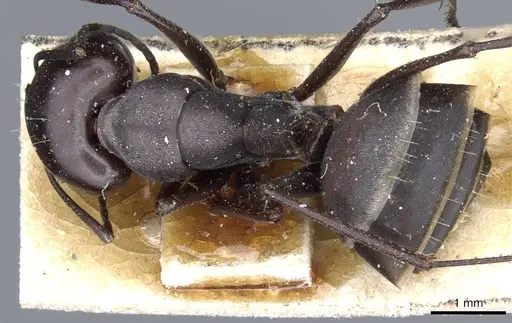
CASENT0905362
View on AntWeb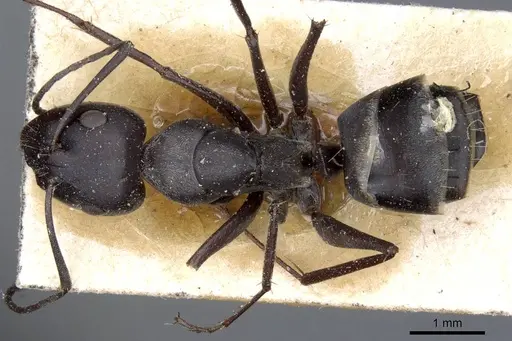
Literature
Loading distribution map...Loading products...