
Camponotus mifaka
- Sci. Name
- Camponotus mifaka
- Subgenus
- Mayria
- Tribe
- Camponotini
- Subfamily
- Formicinae
- Author
- Rakotonirina <i>et al.</i>, 2016
- Distribution
- Found in 1 countries
Introduction
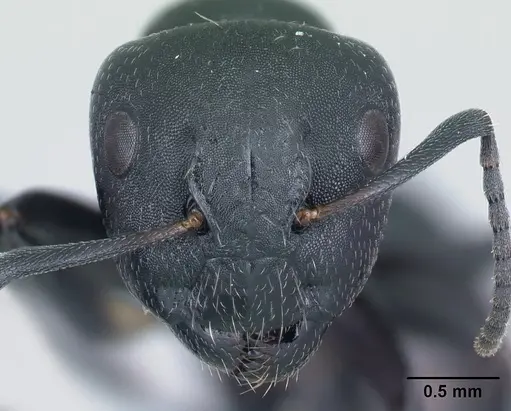
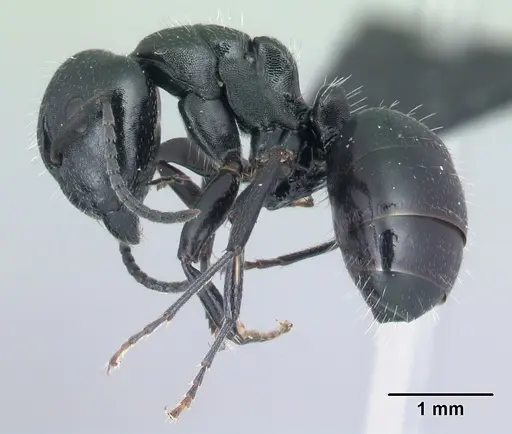
Camponotus mifaka is a black ant species endemic to northern Madagascar, described in 2016. Workers are polymorphic with major workers (soldiers) having notably larger heads than minors. The species is recognized by its jet-black body with dark brown legs, dense fine punctures covering the head and mesosoma, and numerous erect white hairs on the dorsal surface - a key feature distinguishing it from similar species like Camponotus edmondi which have fewer hairs . This ant belongs to the Camponotus edmondi species group within the subgenus Mayria, making it a relatively recent discovery in the ant-keeping hobby. What makes C. mifaka notable is its extremely restricted range - it is known only from montane shrubland in Parc National Marojejy at approximately 2000 meters elevation. The species forages in leaf litter and rotting wood on the forest floor and nests under root mats in the soil, making it a ground-nesting Camponotus [AntWiki].
Quick Summary
- Difficulty: Medium
- Origin & Habitat: Endemic to montane shrubland in Parc National Marojejy, northern Madagascar at 2000m elevation. Nests under root mats in the ground, forages in leaf mold and rotten wood [1][2].
- Colony Type: Single-queen (monogyne) colonies, typical for Camponotus species
- Size & Growth:
- Queen: size data unavailable, inferred from Camponotus genus (~12-18mm)
- Worker: size data unavailable, minor workers smaller than majors, typical of polymorphic Camponotus
- Colony: colony size data unavailable for this species
- Growth: moderate, typical Camponotus growth pattern
- Development: development time unconfirmed for this species (Development is typical of Camponotus genus, queen seals herself in claustral chamber and raises first workers alone)
- Antkeeping:
- Temperature: Keep at 20-24°C. Montane origin suggests preference for cooler conditions, avoid overheating above 28°C
- Humidity: Moderate to high. Keep nest substrate consistently moist but not waterlogged. Montane forest conditions mean they appreciate consistent moisture
- Diapause: Likely required. Given 2000m elevation origin, a winter rest period is recommended, exact duration and temperature unconfirmed
- Nesting: Ground-nesting species that nests under root mats in soil. In captivity, naturalistic soil setup or Y-tong/plaster nest with moist substrate works well [1][2]
- Behavior: Generally calm and not aggressive, typical Camponotus temperament. Workers are moderately active foragers searching through leaf litter and decaying wood. Major workers serve as defenders and assist with heavy food transport. They are not known to be escape artists but standard barrier precautions should be taken. Foraging primarily occurs at night and during cooler hours in their natural montane habitat [1].
- Common Issues: overheating is a serious risk, their montane origin means they are adapted to cool conditions and can die from temperatures above 28°C, colonies may struggle if humidity drops too low, dry conditions can cause brood death and worker desiccation, improper hibernation conditions may affect colony health, aim for a stable cool period during winter months, wild-caught colonies from Madagascar may carry parasites or diseases that can devastate captive colonies, slow growth compared to tropical species means keepers may overfeed in frustration, leading to mold problems
Housing and Nest Setup
Camponotus mifaka does well in naturalistic setups that mimic their montane forest floor habitat. A soil-based formicarium with a layer of leaf litter on top recreates their natural foraging environment and helps maintain humidity. Alternatively, Y-tong nests with moist plaster or soil inserts work well, the key is providing consistently damp substrate without waterlogging. Given their elevation origin, avoid heated nests or placing the colony in direct sunlight. Room temperature (20-24°C) is ideal. The nest should have chambers sized appropriately for the colony, not too large initially, as ants feel more secure in snugger spaces. Include some organic material like small root pieces or bark in the outworld to give foragers something to explore [1][2].
Feeding and Diet
Like most Camponotus species, C. mifaka is omnivorous with a preference for protein-rich foods. Offer sugar water or honey as a constant energy source. For protein, provide small insects like fruit flies, small crickets, or mealworms. Given their small size, cut prey into appropriately sized pieces. They also consume honeydew from aphids if available. Feed protein 2-3 times per week and keep sugar sources available at all times. Remove uneaten prey after 24-48 hours to prevent mold. Their natural diet includes insects and other small invertebrates found in leaf mold and rotting wood [1].
Temperature and Seasonal Care
This is an important aspect of keeping C. mifaka. Originating from 2000m elevation in Madagascar, they are adapted to cool, stable conditions. Keep temperatures between 20-24°C year-round, never allow the nest to exceed 28°C as this can be fatal. During summer months, ensure adequate ventilation and avoid placing the colony in warm rooms. In winter, a diapause (hibernation) period is recommended. The exact duration and temperature are unconfirmed for this species, but a cool period of several months mimics the seasonal changes they experience in their native habitat [1].
Humidity and Water
Montane environments are humid, so C. mifaka appreciates consistent moisture. Keep the nest substrate damp but not soaking wet, the soil should feel like a wrung-out sponge. Check water levels every few days and rehydrate when the surface begins drying. A water tube connected to the nest helps maintain humidity. In the outworld, occasional misting can be beneficial, but avoid creating standing water. The key is balance, too wet and you risk mold and drowning, too dry and the colony will desiccate. Monitor your ants' behavior: if they cluster near water sources, humidity may be too low [1].
Colony Development
A founding queen will lay eggs after sealing herself in a claustral chamber, she relies on stored fat reserves and does not forage during founding. First workers (nanitics) typically appear after several weeks and are smaller than normal workers. After the first workers emerge, the queen resumes egg-laying and the colony enters a growth phase. Growth rate is moderate. Major workers (soldiers) appear as the colony matures. The colony will continue growing over several years. Patience is key with this species, they grow slower than many tropical ants [1].
Handling and Temperament
Camponotus mifaka has a calm temperament and workers are not aggressive toward keepers. They may spray formic acid when threatened, but this is a minor irritant rather than dangerous. Major workers can deliver a mild bite if handled roughly, but they generally prefer to retreat. They are not fast-moving or particularly skittish, making them observable ants. When working with the colony, go slowly and avoid sudden movements. They are not known escape artists, but standard barrier methods should still be used [1].
Frequently Asked Questions
How long does it take for Camponotus mifaka to have first workers?
Development time is unconfirmed for this specific species. Expect first workers (nanitics) to emerge within several weeks to a few months after the queen lays eggs, assuming temperatures around 22-24°C. This is typical for Camponotus species. The first workers are smaller than normal workers and will help the colony expand.
Do Camponotus mifaka ants need hibernation?
A winter diapause is likely recommended given their origin at 2000m elevation in Madagascar. They are adapted to seasonal temperature changes. Provide a cool period during winter months. The exact duration and temperature range are unconfirmed for this species.
What temperature is best for Camponotus mifaka?
Keep them at 20-24°C. This is cooler than many tropical ant species prefer, reflecting their montane origin. Never let temperatures exceed 28°C as this can be fatal. A slight temperature gradient in the nest is beneficial so workers can choose their preferred zone.
Are Camponotus mifaka good for beginners?
They are rated as medium difficulty. While not the easiest species, their calm temperament and moderate care requirements make them suitable for keepers with some experience. The key challenges are providing proper cool temperatures and managing seasonal changes. Beginners should research Camponotus care before attempting this species.
What do Camponotus mifaka eat?
They are omnivorous. Offer sugar water or honey constantly for energy, and protein sources like small insects (fruit flies, small crickets, mealworms) 2-3 times per week. They naturally forage in leaf litter for small invertebrates. Remove uneaten food after 24-48 hours to prevent mold.
How big do Camponotus mifaka colonies get?
Colony size is not precisely documented for this species. Related species in the edmondi group may reach several hundred workers. With proper care, expect a mature colony over 2-3 years to contain a significant number of workers including major soldiers.
Can I keep multiple Camponotus mifaka queens together?
This is not recommended. Camponotus species are typically single-queen (monogyne) colonies. Combining unrelated queens has not been documented for this species and would likely result in fighting. If you acquire a colony, assume it is single-queen.
When should I move Camponotus mifaka to a formicarium?
Wait until the colony has a decent number of workers before moving from a founding setup. The colony should be actively foraging and the queen should be laying eggs regularly. Moving too early can stress the colony. A naturalistic setup with soil works well for this ground-nesting species.
Why is my Camponotus mifaka colony dying?
Common causes include: overheating (temperatures above 28°C), too low humidity causing desiccation, improper seasonal care, mold from overfeeding, or parasites from wild-caught colonies. Review your temperature, humidity, and feeding practices. If the colony came from the wild, parasites are a common issue.
Report an Issue
The current care sheet is based fully on literature. See inconsistencies, or something that's incorrect? Please , it will be resolved after review from an admin. Contributing to the blogs tab also helps providing information, to make us be able to further improve the caresheets. Thank you for your support!
References

This caresheet is licensed under CC BY-SA 4.0 .
Community Blogs
CASENT0217301
View on AntWeb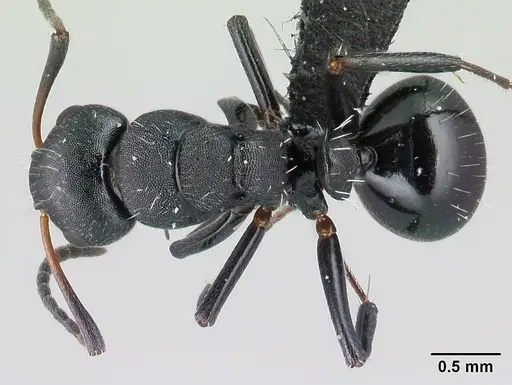
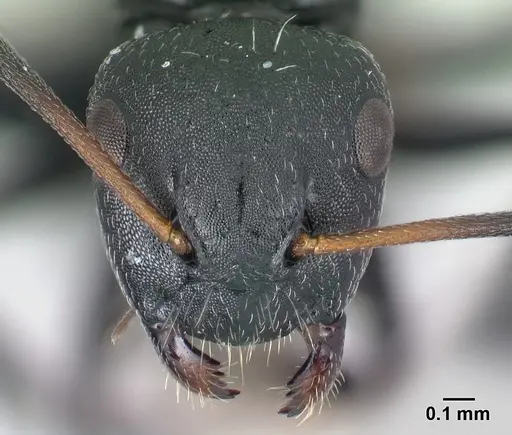
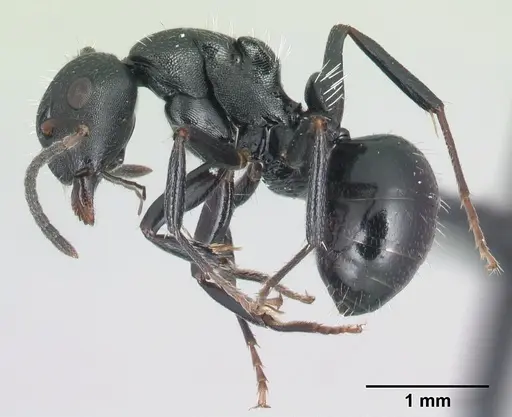
CASENT0487000
View on AntWeb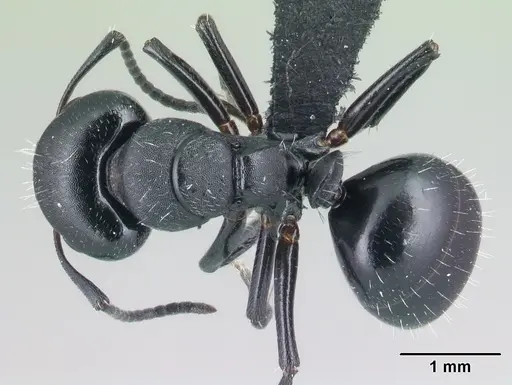
Literature
Loading distribution map...Loading products...