
Camponotus michaelseni
- Sci. Name
- Camponotus michaelseni
- Subgenus
- Thlipsepinotus
- Tribe
- Camponotini
- Subfamily
- Formicinae
- Author
- Forel, 1907
- Distribution
- Found in 1 countries
Introduction
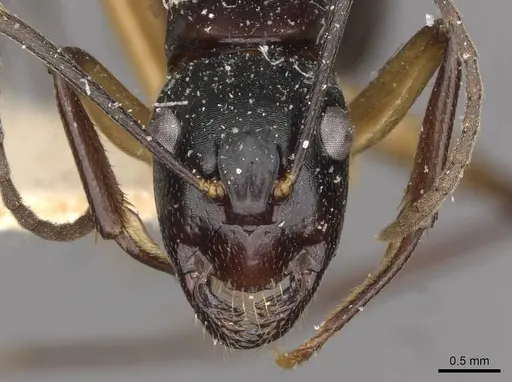
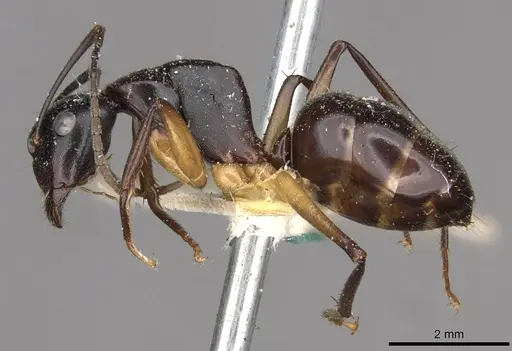
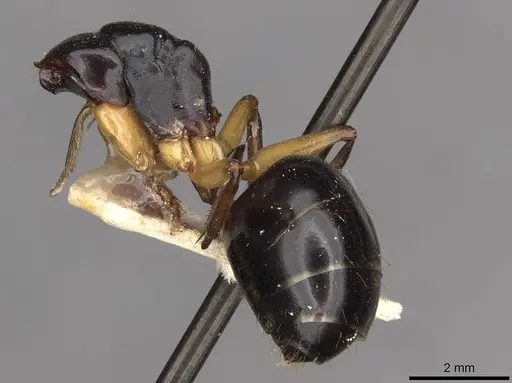
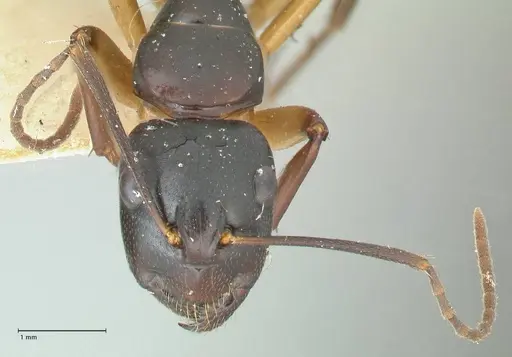
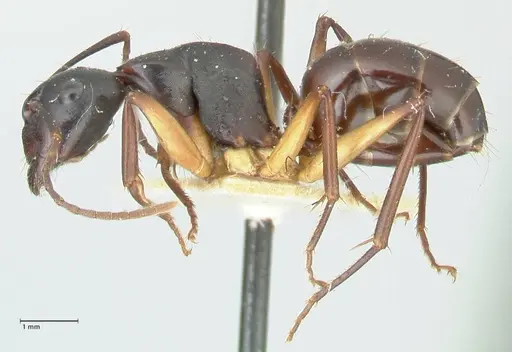
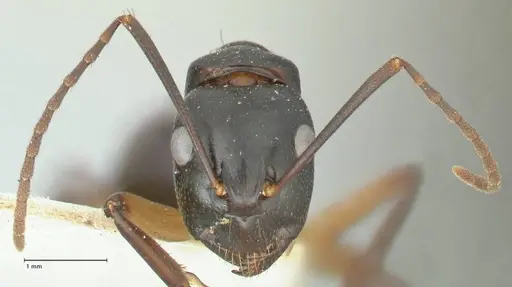
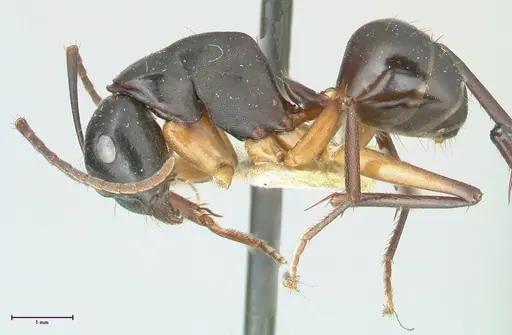
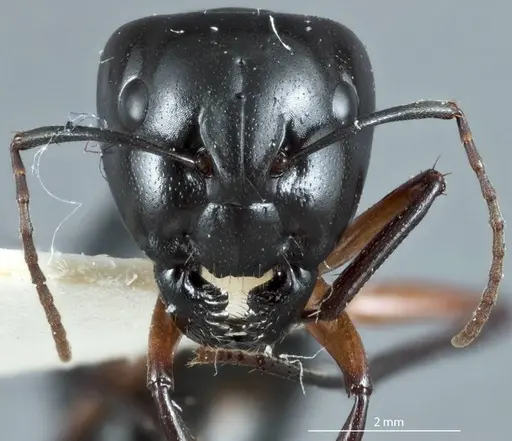
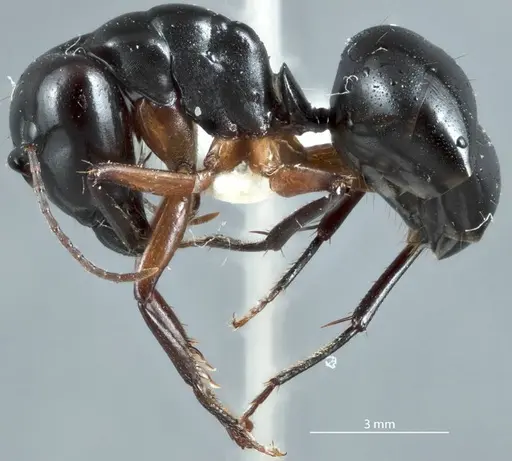
Camponotus michaelseni is a medium-sized carpenter ant native to south-western Australia. Workers measure 7.2-7.6mm and have a distinctive glossy black body with brown mandibles, antennae, and limbs. Their most recognizable feature is the uniquely shaped metanotum which forms a long, steep triangular surface. The thighs, hip joints, and surrounding areas are yellow, giving them a striking appearance. This species was previously considered synonymous with Camponotus walkeri bardus [AntWiki]. In the wild, these ants are rock-loving nesters found throughout the Darling Range in Western Australia. They build their colonies under stones in laterite soil - the red, clay-like soil that dominates this region. Their preference for nesting under stones makes them relatively easy to locate in their natural habitat, though they're confined to a relatively limited geographic range in south-west WA .
Quick Summary
- Difficulty: Easy
- Origin & Habitat: South-western Australia, specifically the Darling Range in Western Australia. They inhabit laterite soil areas and nest under stones [2].
- Colony Type: Colony type is unconfirmed. Camponotus species typically form single-queen colonies, but specific data for C. michaelseni is unavailable.
- Size & Growth:
- Queen: Size data unavailable, queen size has not been specifically documented for this species
- Worker: 7.2-7.6mm [1]
- Colony: Colony size data unavailable for this species
- Growth: Growth rate is unconfirmed for this species
- Development: Development time is unconfirmed for this species (Specific development data for C. michaelseni is not available in the research literature)
- Antkeeping:
- Temperature: Keep nest area at 20-26°C. A heating cable on one side creates a gentle gradient allowing ants to self-regulate. They can tolerate cooler temperatures matching their native Western Australian climate.
- Humidity: Moderate humidity. Laterite soil is well-drained but retains some moisture. Keep substrate moist but not waterlogged. Allow some drying between waterings.
- Diapause: Likely yes, Western Australian temperate climate means they experience cooler winters. Reduce temperature to 10-15°C for 2-3 months during winter if dormancy is observed.
- Nesting: Y-tong (AAC) nests work well, or a naturalistic setup with stones over soil. They prefer dark, enclosed spaces. Test tubes are suitable for founding colonies.
- Behavior: Generally calm and non-aggressive for a Camponotus species. Workers are active foragers but not particularly aggressive toward keepers. They have a moderate escape risk due to their size, standard barriers work well but ensure enclosures are secure. They forage for protein and sugar sources and will readily accept sweet liquids. Like other Formicinae, they lack a functional sting and instead bite and spray formic acid from their acidopore as defense.
- Common Issues: colonies may be slow to establish, new keepers sometimes abandon them before first workers arrive, test tube setups can dry out quickly in heated rooms, check water reservoirs regularly, hibernation failure is common, ensure proper cooling period in winter if dormancy is needed, wild-caught colonies may have parasites that affect captive survival
Nest Preferences
In the wild, Camponotus michaelseni nests under stones in laterite soil. The laterite soil of the Darling Range is red, clay-like, and relatively well-drained despite the region's moderate rainfall. This tells us they prefer enclosed, dark spaces with access to moist but not waterlogged substrate. For captive care, a Y-tong (AAC) nest works excellently, it provides the dark, enclosed chambers these ants prefer while allowing you to monitor colony progress. Alternatively, a naturalistic setup with flat stones placed over moist soil mimics their natural environment well. Test tubes are suitable for founding colonies, with the queen sealed in a dark corner of the tube. Avoid overly wet or stagnant conditions, these ants come from well-drained soils [2][1].
Feeding and Diet
As with other Camponotus species, michaelseni workers need a balanced diet of protein and carbohydrates. Offer protein sources like mealworms, small crickets, or other insects roughly twice weekly. For carbohydrates, provide sugar water, honey, or diluted maple syrup on a constant basis, these ants will readily accept sweet liquids. Remove uneaten prey after 24-48 hours to prevent mold. Once workers arrive, begin offering small amounts of both protein and sugar. A well-fed colony will grow more steadily and produce more reproductives (alates) over time.
Temperature and Seasonal Care
Camponotus michaelseni comes from the temperate climate of south-western Australia, which means they experience distinct seasons including cooler winters. Keep the nest area at 20-26°C during the active season (roughly September through May in the Southern Hemisphere). A heating cable placed on one side of the nest creates a temperature gradient that lets ants choose their preferred warmth. During the Southern Hemisphere winter (roughly June-August), reduce temperatures to 10-15°C to simulate their natural dormancy period. This hibernation-like period may be important for colony health and triggers reproductive development. If you keep them in the Northern Hemisphere, their active season will be reversed, they're active from roughly March through October, with winter rest from November through February [2].
Behavior and Temperament
This is a calm, manageable species that doesn't exhibit the aggressive swarming behavior seen in some other ants. Workers are moderately active and will explore their outworld regularly in search of food. They don't have a powerful sting, as Formicinae, they lack a functional sting and instead rely on biting and spraying formic acid from their acidopore as defense. Their moderate size (7-8mm workers) makes them easy to observe and handle. Escape risk is present but manageable, they're not tiny enough to slip through standard barrier setups, but ensure all connections are secure. The most notable behavioral trait is their stone-nesting preference, which distinguishes them from many other Camponotus species that prefer rotting wood. This also means they're less likely to chew through acrylic or Y-tong setups compared to wood-nesting relatives [2][1].
Colony Growth Timeline
A founding queen will seal herself in a chamber and not emerge until her first workers (nanitics) hatch. This process typically takes several weeks depending on temperature. The first workers will be smaller than normal workers (nanitics) but will quickly be replaced by regular-sized workers as the colony grows. Growth is moderate, don't expect the explosive growth seen in some tropical species. Patience is key with this species, the founding phase can feel slow, but once established, colonies are resilient and long-lived.
Frequently Asked Questions
How long does it take for Camponotus michaelseni to get their first workers?
Specific development time is unconfirmed for this species. Expect several weeks to a couple months depending on temperature, warmer conditions within the acceptable range may speed development. The founding queen seals herself in and raises her first brood alone.
Can I keep Camponotus michaelseni in a test tube?
Yes, test tubes work well for founding colonies. Place the queen in a dark test tube with a water reservoir separated by a cotton plug. Keep it upright or slightly tilted so the queen can retreat to the dry end if needed. Once the colony reaches 15-20 workers, consider moving them to a larger nest.
What temperature do Camponotus michaelseni need?
Keep them at 20-26°C during the active season. A heating cable on part of the nest creates a gradient they can regulate themselves. During winter, reduce to 10-15°C for a dormancy period if observed to be needed.
Do Camponotus michaelseni need hibernation?
They likely benefit from a winter rest period matching their native Western Australian climate. Reduce temperatures to 10-15°C for 2-3 months during winter if the colony shows signs of slowing down. This helps trigger reproductive development and keeps the colony healthy long-term [2].
Are Camponotus michaelseni good for beginners?
Yes, they're a good beginner species. They're calm, not aggressive, and have straightforward care requirements. The main challenges are their slower growth rate compared to tropical species and the potential need for proper winter dormancy.
What do Camponotus michaelseni eat?
Offer protein (insects like mealworms, small crickets) twice weekly and constant access to sugar water, honey, or maple syrup. Remove uneaten prey after a day or two to prevent mold.
How big do Camponotus michaelseni colonies get?
Colony size data is unavailable for this species. Based on typical Camponotus patterns, mature colonies likely reach several thousand workers over several years.
Where is Camponotus michaelseni found in the wild?
They live exclusively in south-western Western Australia, particularly in the Darling Range area. They nest under stones in laterite soil, which is the red clay-like soil common in that region [2].
When should I move my colony to a formicarium?
Move from a test tube to a larger nest (Y-tong or naturalistic setup) when the colony reaches roughly 15-30 workers and the test tube is becoming crowded. Ensure the new nest has appropriately sized chambers, not too large for the colony size.
Report an Issue
The current care sheet is based fully on literature. See inconsistencies, or something that's incorrect? Please , it will be resolved after review from an admin. Contributing to the blogs tab also helps providing information, to make us be able to further improve the caresheets. Thank you for your support!
References

This caresheet is licensed under CC BY-SA 4.0 .
Community Blogs
CASENT0910391
View on AntWeb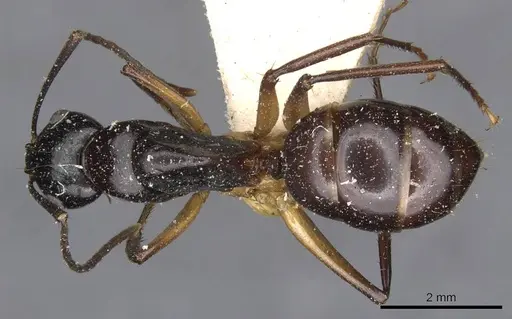
CASENT0910406
View on AntWeb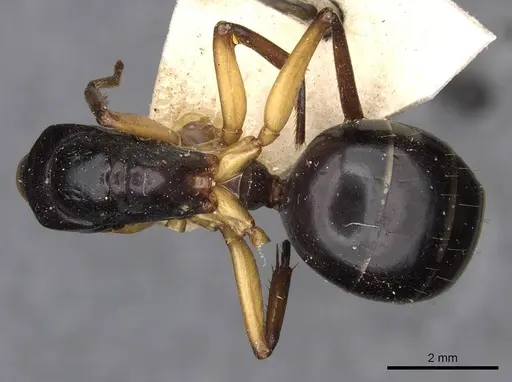
FOCOL2264
View on AntWeb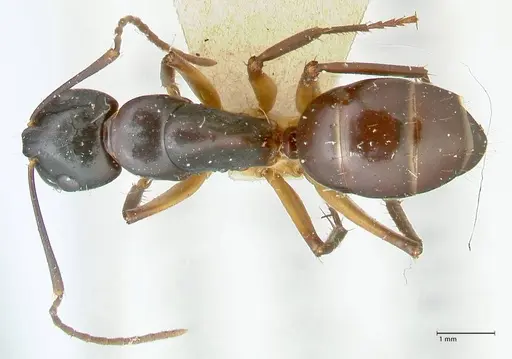
FOCOL2265
View on AntWeb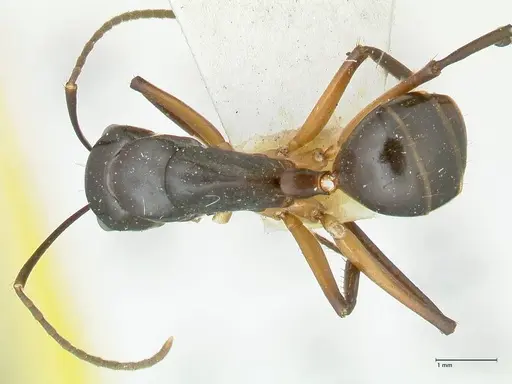
JDM32-001257
View on AntWeb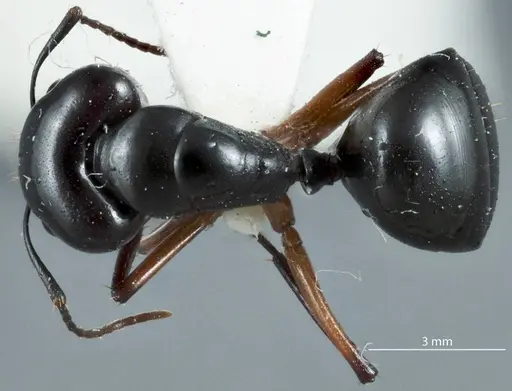
Literature
Loading distribution map...Loading products...