
Camponotus melanoticus
- Sci. Name
- Camponotus melanoticus
- Subgenus
- Tanaemyrmex
- Tribe
- Camponotini
- Subfamily
- Formicinae
- Author
- Emery, 1894
- Distribution
- Found in 4 countries
Introduction
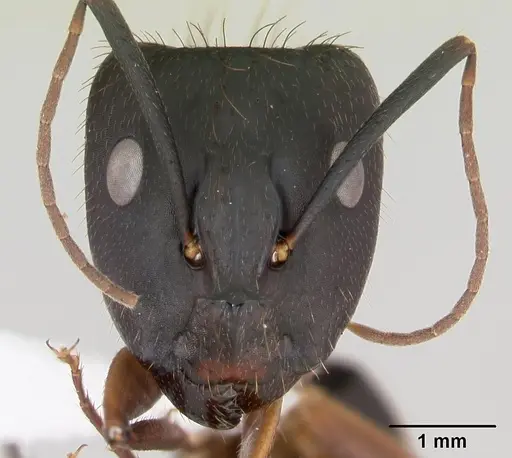
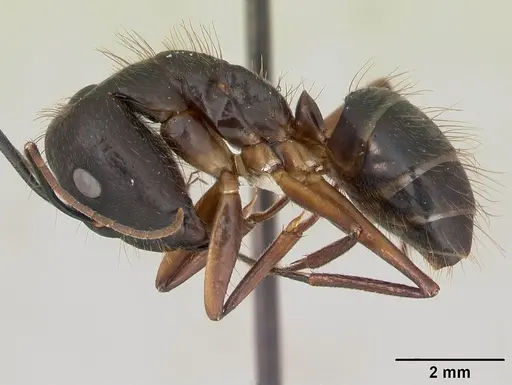
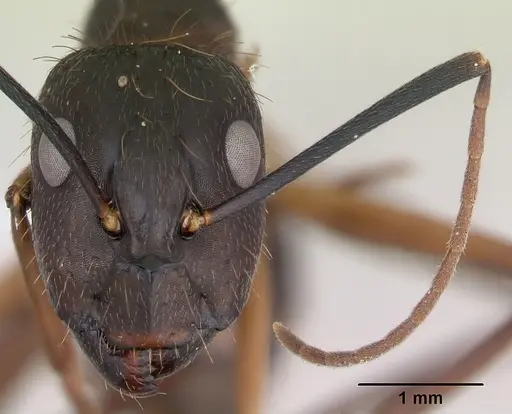
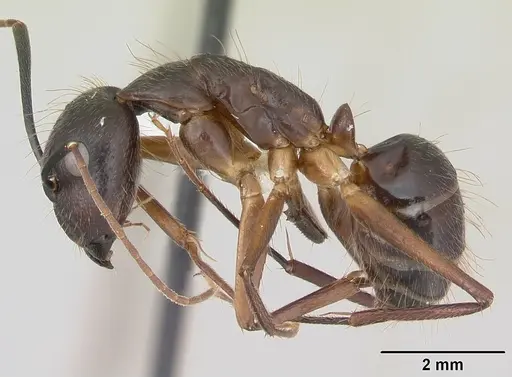
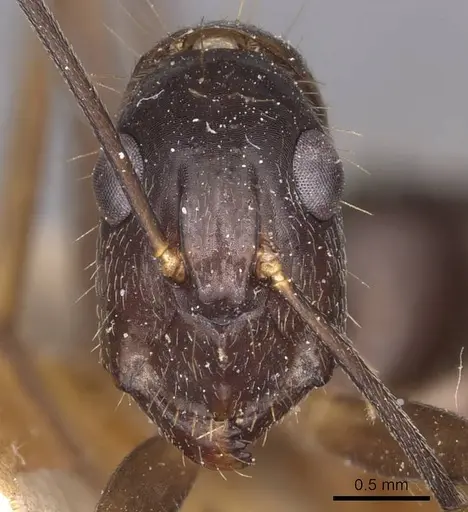
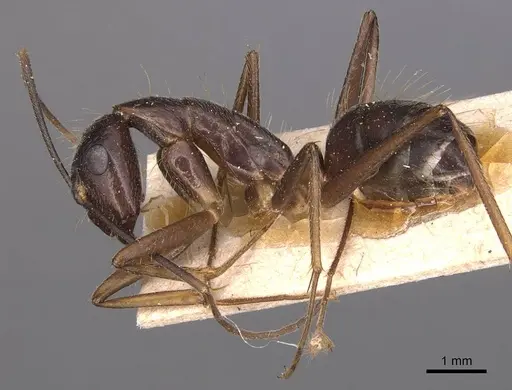
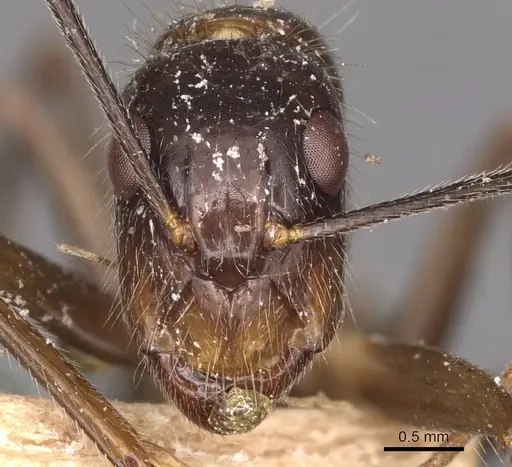
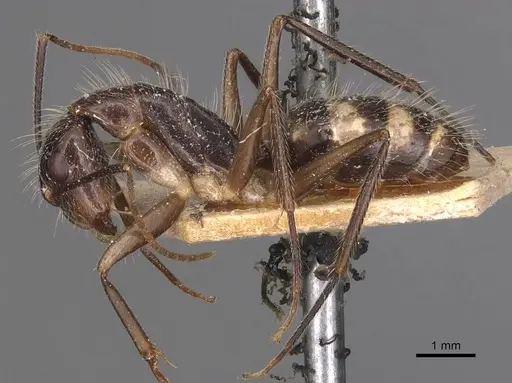
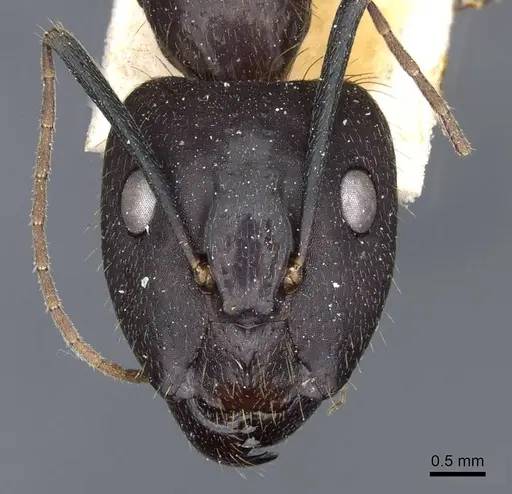
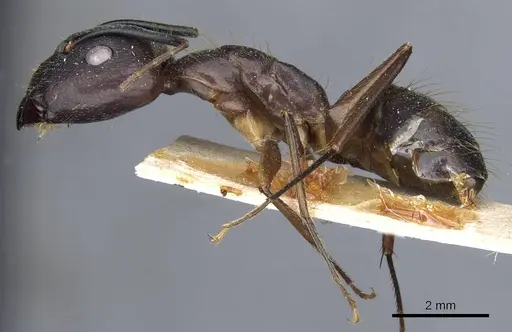
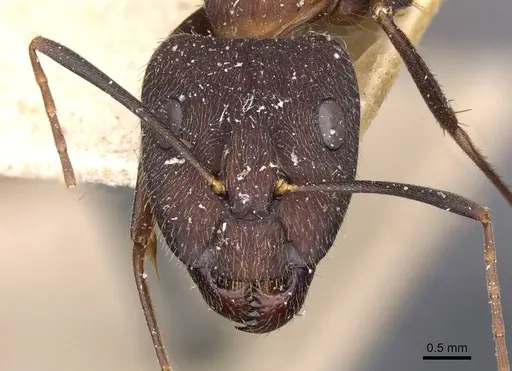
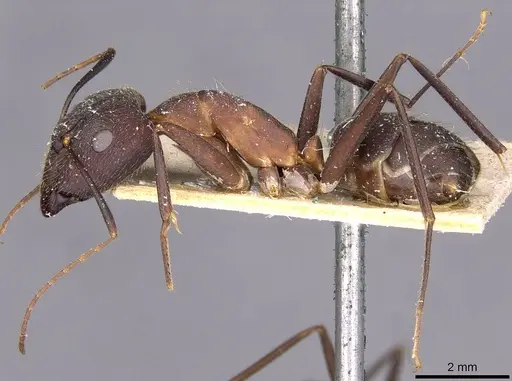
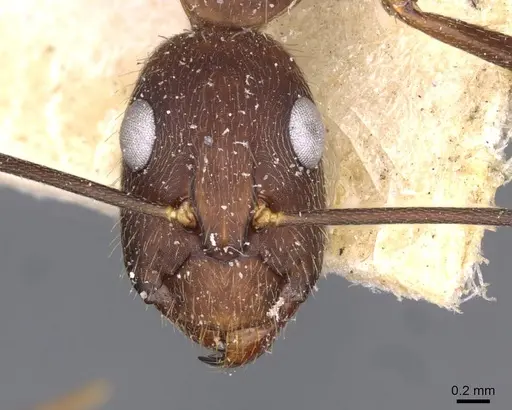
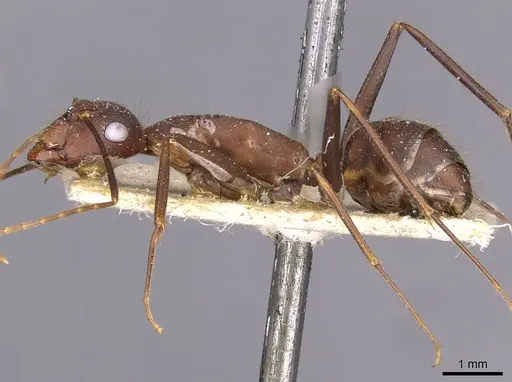
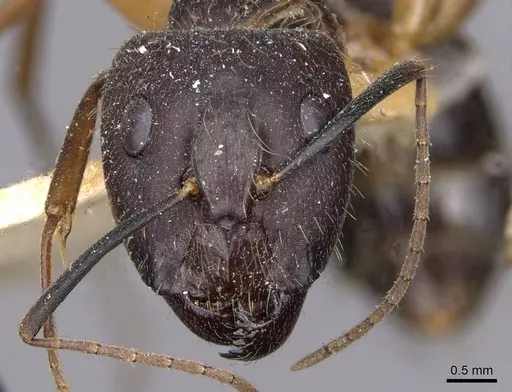
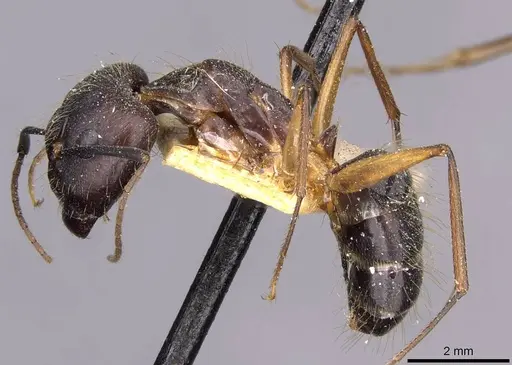
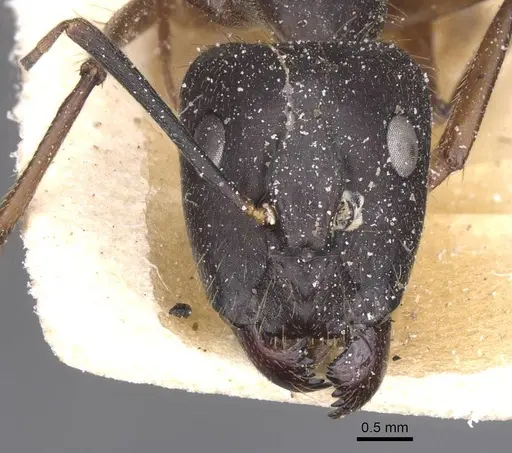
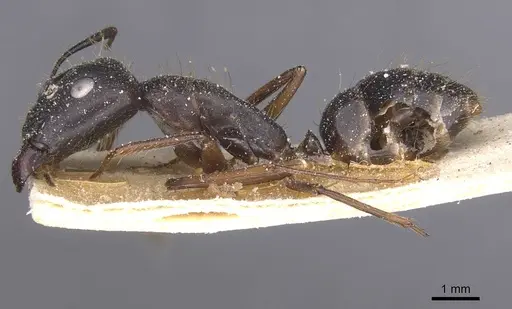
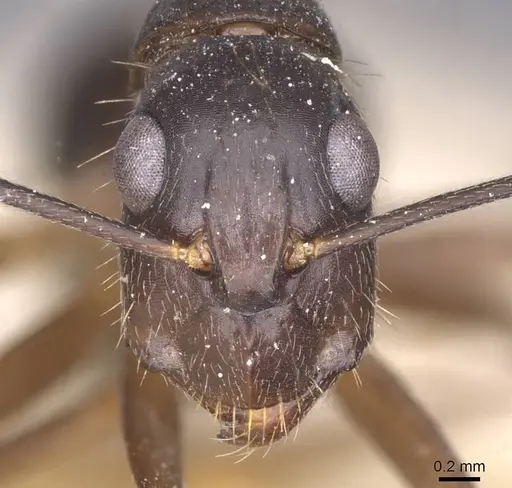
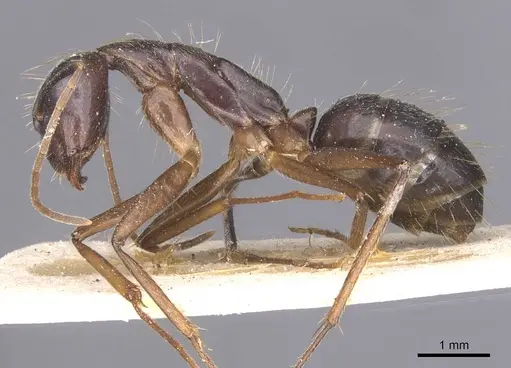
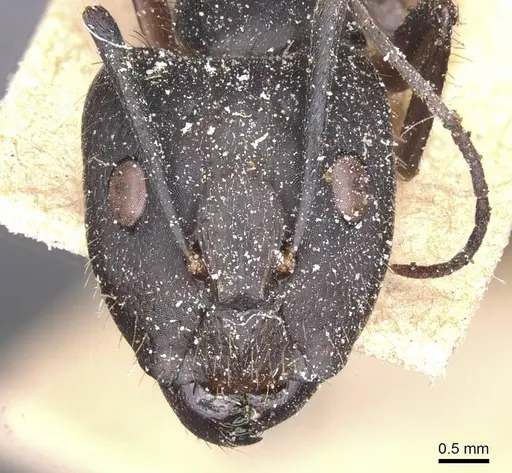
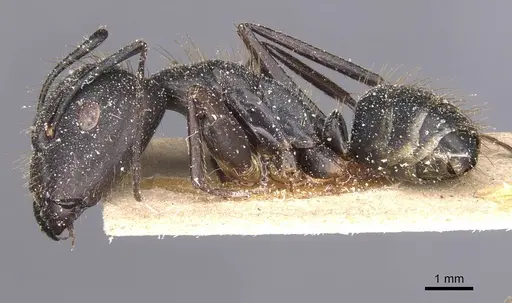
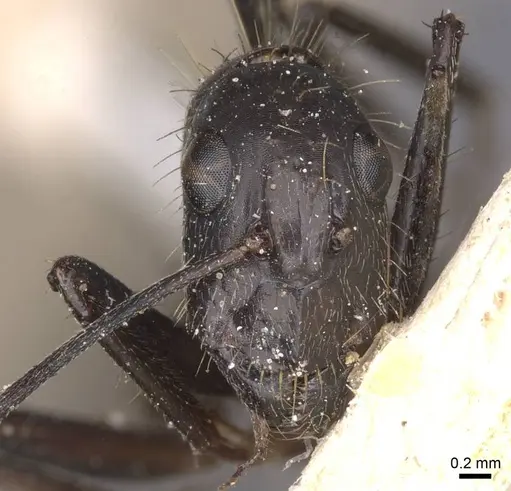
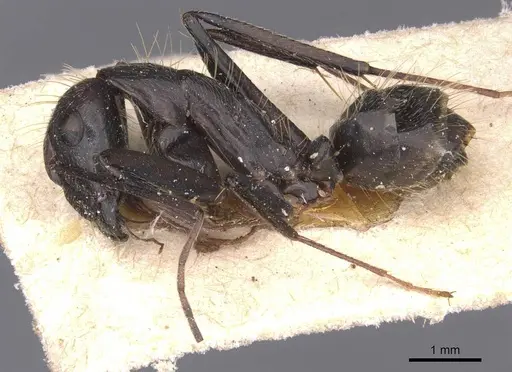
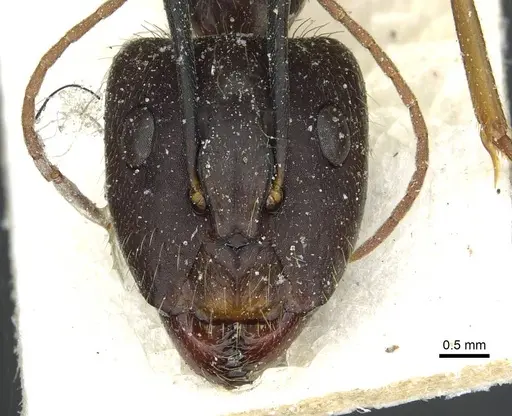
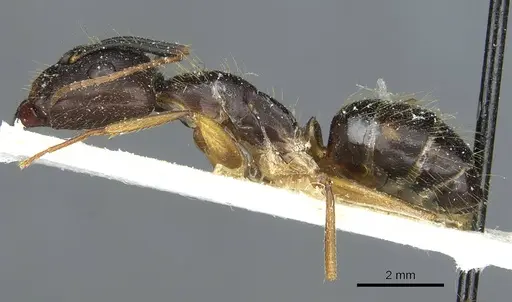
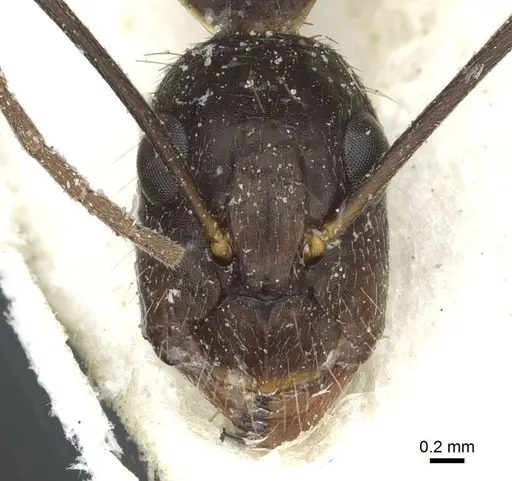
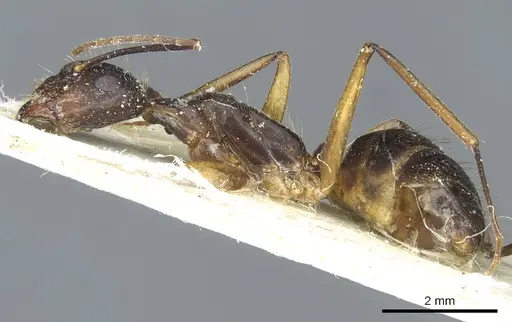
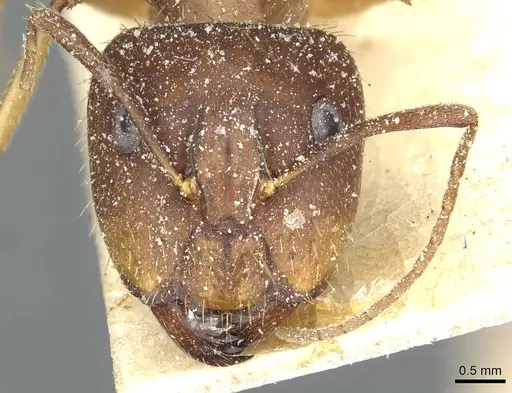
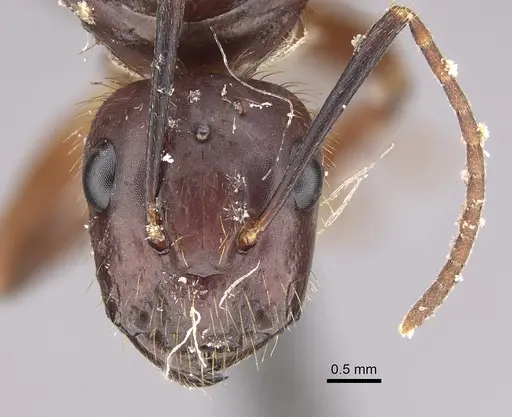
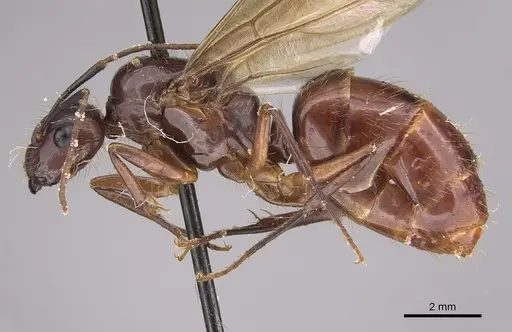
Camponotus melanoticus is a large carpenter ant native to South and Central America, found from Argentina and Brazil up through Mexico . They are typical residents of the Brazilian savanna (Cerrado) and wetland areas (veredas), where they nest in tree branches, ground-level cavities, and urban environments . Workers are polymorphic, meaning they come in different sizes, with major workers being notably larger than minors . Colonies are polydomous, maintaining multiple connected nest sites that can extend over 200 meters in the wild . They are nocturnal foragers and generalist feeders, taking nectar, honeydew, and small prey . This species is also known as a host for the zombie‑ant fungus *Ophiocordyceps camponoti‑melanotici* in South America .
Quick Summary
- Difficulty: Medium
- Origin & Habitat: Native to the Neotropical region: Argentina, Bolivia, Brazil, Paraguay, Ecuador, French Guiana, and Mexico. Inhabits Cerrado savanna, vereda wetlands, and forest edges. Nests in tree branches, under leaves, and in ground cavities, and is also common in urban settings [1][2][3].
- Colony Type: Likely monogyne (single queen) based on Camponotus genus patterns, though not explicitly confirmed. Colonies are polydomous, meaning they spread across multiple interconnected nest sites extending about 200 m [5][6].
- Size & Growth:
- Queen: ~12-15 mm, inferred from typical Camponotus genus size (direct measurements not available in research)
- Worker: Polymorphic. Workers are larger than Solenopsis saevissima workers (2-6 mm), likely 6-12 mm, but exact sizes not measured in available studies [5].
- Colony: Large. Polydomous colonies can extend ~200 m with many connected chambers, worker count not quantified in research [5][6].
- Growth: Moderate, inferred from genus patterns
- Development: Unknown, no published data for this species. Based on Camponotus genus patterns, roughly 6-10 weeks at 24-28°C. (Timing depends strongly on temperature and food availability.)
- Antkeeping:
- Temperature: Keep at 24-28°C. Avoid prolonged drops below 20°C. A slight temperature gradient (warm and cool areas) allows workers to self‑regulate.
- Humidity: Moderate. This species lives in both wet veredas and drier cerrado, so it tolerates variation. Keep the nest substrate slightly moist but not waterlogged, and always provide a water tube [2][4].
- Diapause: No, as a tropical Neotropical species, it does not require hibernation. Activity may slow naturally in cooler months, but this is not a true diapause.
- Nesting: Use Y‑tong (AAC), plaster, or 3D‑printed nests, do not use acrylic. Because colonies are polydomous, provide multiple interconnected chambers or allow expansion as the colony grows. A dark nesting area is preferred.
- Behavior: Nocturnal foragers, active from evening through night, resting during the day [7][10]. Their defense relies on biting and spraying formic acid into the wound (no sting). Aggressiveness is low in studies, they avoid fighting with fire ants through behavioral dominance and chemical camouflage [5][6]. Workers are polymorphic, majors are much larger than minors. Escape risk is moderate, use standard barriers (Fluon, tight lids).
- Common Issues: cold stress: maintain warm temperatures year-round, as this tropical species cannot handle cold., cramped nests due to polydomous nature, provide room for expansion or workers may become stressed., wild‑caught colonies from endemic areas (Brazil) may carry Ophiocordyceps camponoti‑melanotici spores, quarantine new colonies and monitor for unusual behavior., nocturnal foraging may make the colony seem inactive during the day, this is normal., large colony size requires substantial space, a small formicarium will not suffice in the long run.
Housing and Nest Setup
Camponotus melanoticus does well in Y‑tong (AAC), plaster, or 3D‑printed formicariums. Avoid acrylic nests. Because workers are polymorphic, make sure chambers are large enough for major workers. In the wild they nest in tree branches and ground cavities, so a naturalistic setup with soil or cork bark is appreciated [3][2]. This species is polydomous: wild colonies maintain multiple connected nest sites up to 200 m apart [5][6]. As your colony grows, provide extra chambers or allow them to connect to a second nest. Position the nest in a dark area or cover it to give them a sense of security. Always include a water source, such as a test‑tube waterer.
Feeding and Diet
Camponotus melanoticus is omnivorous with a predatory tendency (predation score 3) [5]. Offer sugar water or honey as a constant energy source. Twice a week provide protein, small crickets, mealworms, or other insects. In the wild they also exploit nectar and honeydew from Hemiptera (trophobiosis) [11]. Their nocturnal foraging means they will take food most eagerly in the evening and night. Remove uneaten prey after 24-48 hours to prevent mold. A varied diet keeps the colony healthy.
Temperature and Seasonal Care
As a tropical Neotropical species, Camponotus melanoticus requires stable warmth year‑round. Keep the nest area at 24-28°C. They do not need hibernation, but may slow down in cooler room temperatures. A heating cable on one side creates a temperature gradient, letting workers pick their preferred spot. Avoid keeping them below 20°C for long. Their natural habitats range from wet veredas to dry cerrado, so they adapt to moderate humidity variation as long as water is always available [2][4].
Behavior and Colony Dynamics
This species is nocturnal, workers rest during the day and forage actively at night [7][10]. Their defense is formic acid spray (they bite and then spray acid into the wound, they have no sting). In studies they show low aggressiveness and coexist with the fire ant Solenopsis saevissima by being behaviorally dominant and by using cuticular compounds that do not trigger fire ant aggression [5][6]. Colonies are polydomous: they spread across multiple connected nests, so in captivity they appreciate having several chambers to occupy. Majors (larger workers) tend to stay near the nest while minors forage. They are generalist predators and also gather nectar [5].
Health Considerations
A notable health concern is the zombie‑ant fungus Ophiocordyceps camponoti‑melanotici, which parasitizes workers in parts of South America [8][9]. If you collect wild queens from endemic areas (Brazil), quarantine the colony and watch for workers climbing high and dying with a fungus stalk emerging. Otherwise, this species is hardy when kept warm and well‑fed. Common captive problems stem from cold temperatures, drought, or a cramped nest. No specific diseases have been reported in captivity.
Frequently Asked Questions
How long does it take for Camponotus melanoticus to produce first workers?
No published data for this species. Based on typical Camponotus development at 24-28°C, expect nanitics about 8-10 weeks after the eggs are laid, but this is an estimate.
Can I keep multiple queens together?
Probably not. This species is likely monogyne (single queen), though it has not been explicitly confirmed in research. Do not attempt to combine unrelated foundresses.
What temperature do Camponotus melanoticus need?
Keep them at 24-28°C. As a tropical species, they cannot handle cold. Avoid temperatures below 20°C for extended periods.
Are Camponotus melanoticus good for beginners?
They are medium difficulty. They need consistent warmth and a lot of space as the colony grows. Their nocturnal habit and polydomous nature are manageable but require attention. Not ideal for absolute beginners.
How big do colonies get?
In the wild, polydomous colonies can extend about 200 m, containing many workers. The exact number is not given in research, but it is certainly a large colony that will need a spacious setup [5][6].
Do they need hibernation?
No, as a tropical species, they do not require hibernation. They stay active year‑round if kept warm.
Why are my ants inactive during the day?
That is completely normal. Camponotus melanoticus is nocturnal. Expect most activity in the evening and night hours [7][10].
What do they eat?
They are omnivorous. Provide constant access to sugar water or honey, and offer protein (crickets, mealworms) 2-3 times per week. They also take fruit occasionally [5][3].
When should I move them to a formicarium?
You can keep them in a test tube during founding. Once the colony has a few dozen workers and the tube is getting crowded, you can offer a small formicarium. Because they eventually need a lot of space, plan ahead for expansion.
Are they escape artists?
Moderate risk. They are medium‑sized ants and can climb smooth surfaces. Use Fluon or a tight‑fitting lid. Standard barriers are sufficient.
Report an Issue
The current care sheet is based fully on literature. See inconsistencies, or something that's incorrect? Please , it will be resolved after review from an admin. Contributing to the blogs tab also helps providing information, to make us be able to further improve the caresheets. Thank you for your support!
References

This caresheet is licensed under CC BY-SA 4.0 .
Community Blogs
CASENT0173430
View on AntWeb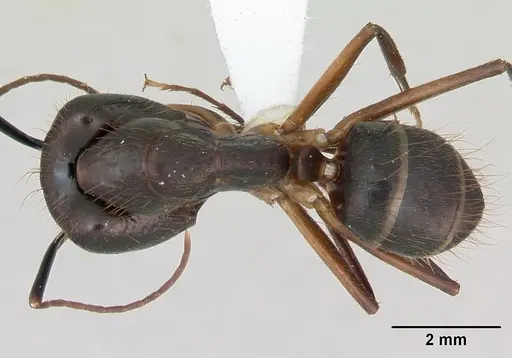
CASENT0173431
View on AntWeb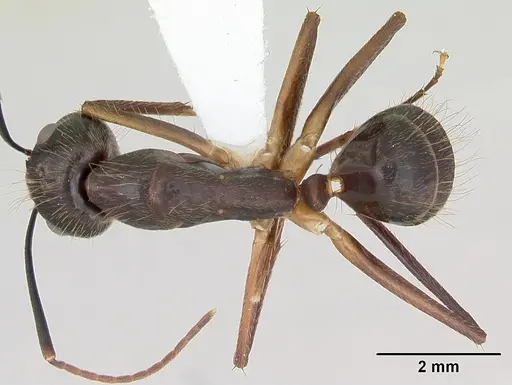
CASENT0905222
View on AntWeb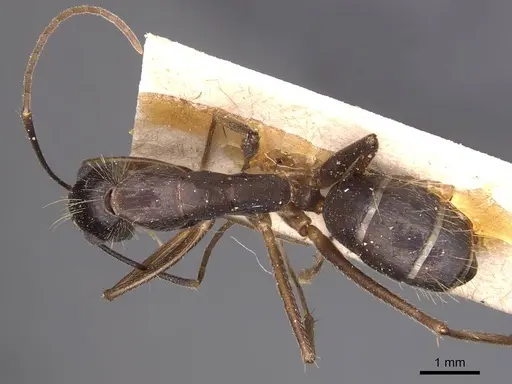
CASENT0905258
View on AntWeb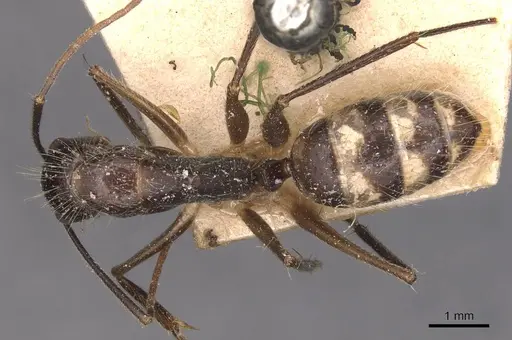
CASENT0905810
View on AntWeb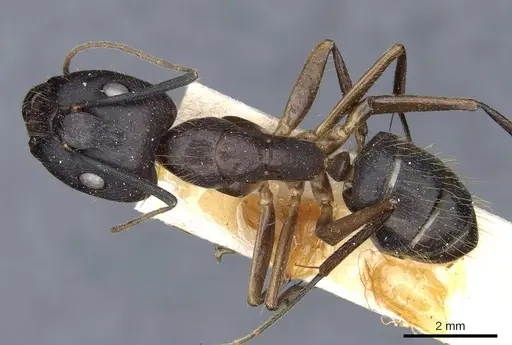
CASENT0910001
View on AntWeb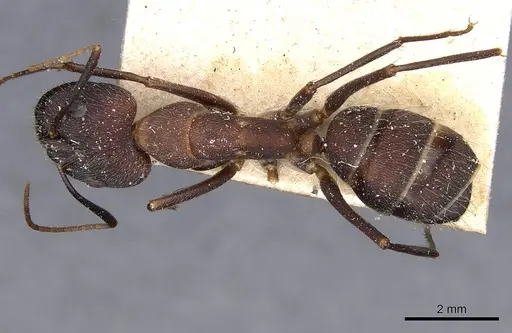
CASENT0910002
View on AntWeb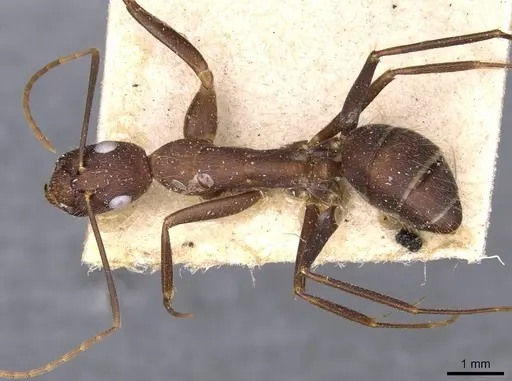
CASENT0910003
View on AntWeb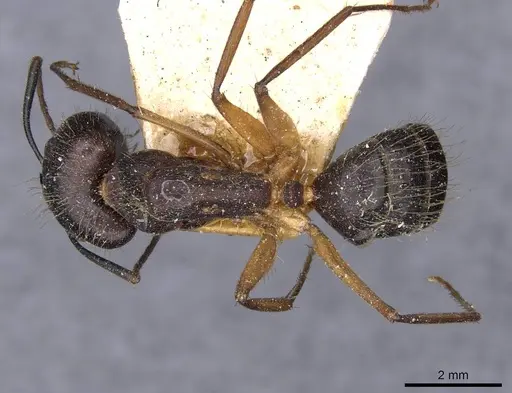
CASENT0912003
View on AntWeb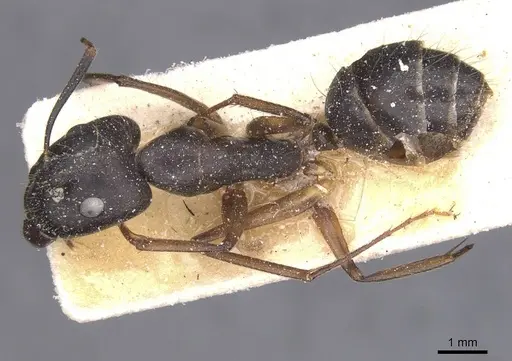
CASENT0912004
View on AntWeb
CASENT0912005
View on AntWeb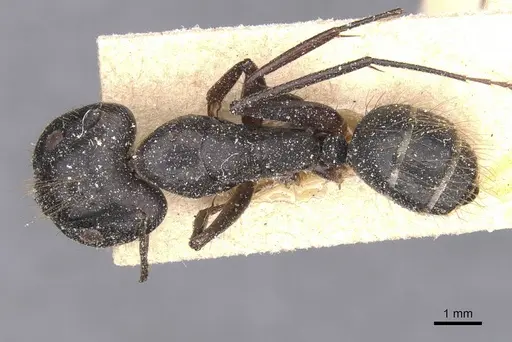
CASENT0912006
View on AntWeb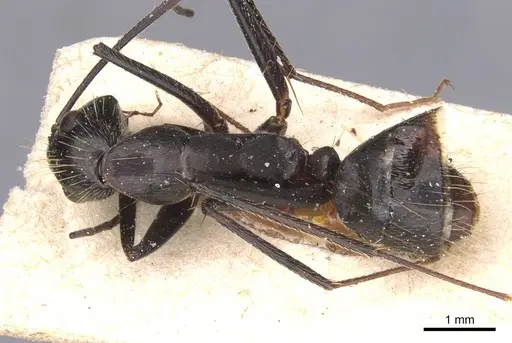
CASENT0912007
View on AntWeb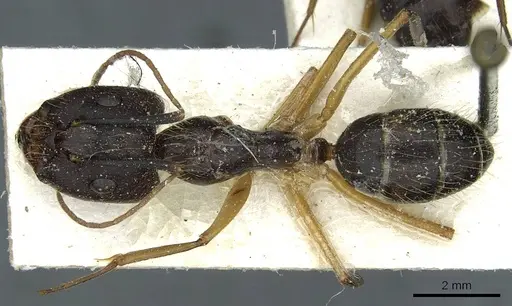
CASENT0912008
View on AntWeb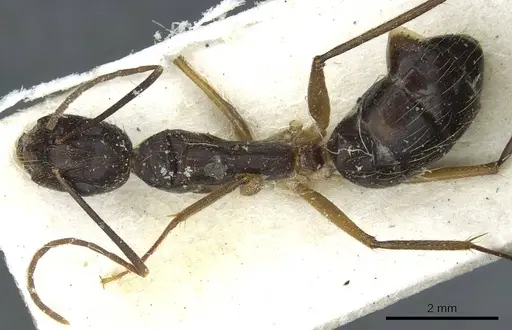
CASENT0912009
View on AntWeb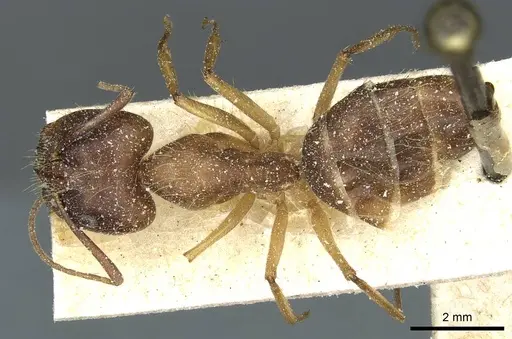
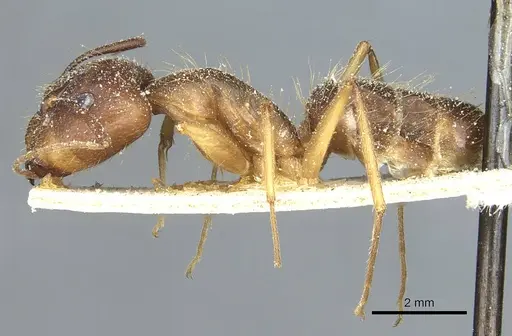
CASENT0912010
View on AntWeb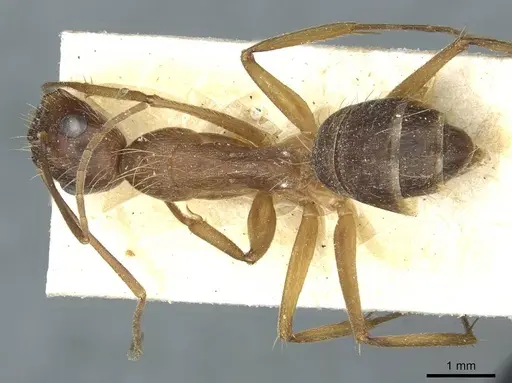
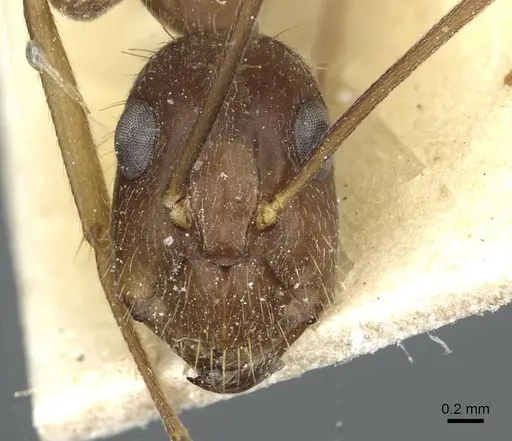
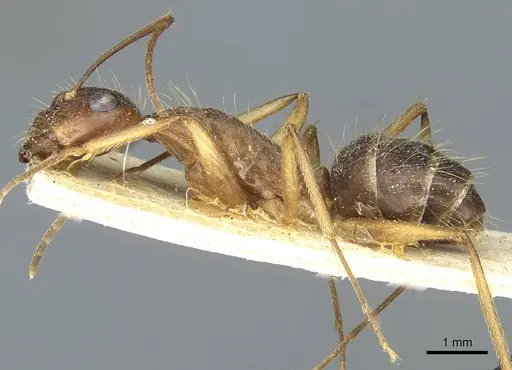
CASENT0923539
View on AntWeb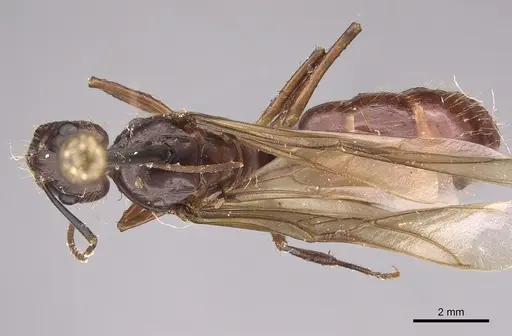
Literature
Loading distribution map...Loading products...